Pisac Archaeological Park
Pisac Archaeological Park is one of the most novel sites in the Sacred Valley of the Incas, showcasing stunning mountain views, impressive Incan ruins, and the dynamic living culture of the local Incan people. Famous for its intricate agricultural terraces, ancient temples, and a colorful market, Pisac gives visitors a full experience of history, tradition, and nature. Whether you are an archaeology buff or simply exploring the Sacred Valley, Pisac is the epitome of Andean life and a must-visit among Pisac ruins history.
Location and How to Get There
It’s good to know how to get to Pisac Peru and how to operate in the site before you go to the site itself. Its proximity to Cusco is one of the reasons it is one of the most accessible and enriching places to visit in the area.
Where Is Pisac Located?
Pisac is approximately 33 kilometers (20 miles) east of Cusco, and it is one of the best day trips from the city. The town rests at the base of the magnificent Inca ruins that tower over the river valley on the mountain slopes. It is also at the entrance, or gateway, to the Sacred Valley.
To travel there, visitors can take public minivans that leave every 15 minutes from Puputi Street in Cusco. The minivan ride takes approximately 1 hour and costs less than $2. In the town of Pisac, it is possible to either walk uphill for about an hour to reach the ruins, or you can hire a local taxi to save time and energy.
The elevation of Pisac Peru is around 3,300 meters above sea level, making it an ideal destination for acclimatization before visiting higher altitude regions.
How to Visit Pisac Ruins
Access to the site requires the Cusco Tourist Ticket, which includes entry to multiple archaeological sites across the Sacred Valley. The Pisac entrance fee is part of this ticket, available for sale at the Ministry of Culture office located on Avenida El Sol in Cusco.
Alternatively, many agencies offer tours for the Pisac Archaeological Park that already includes transportation to and from the site, the entrance fee, and a qualified guide who will provide historical and architectural information about the site, etc. For independent travelers, you can hike to the ruins and have access to unobstructed views of the valley below and the mountain terraces along the way.
History of Pisac Archaeological Site
The ruins at Pisac Peru are from the mid-15th century and it was commissioned by Pachacutec, one of the most powerful rulers of the Inca Empire. The ruins served as a military fortification, a religious site, and an agricultural complex, and its position was also strategically important as it controlled access to the Sacred Valley.
Following the Spanish conquest in the 16th century, Pisac ruins history changed forever when it was abandoned and partially destroyed, and eventually a new settlement was created at the base of the mountain, which is the modern town of Pisac that you find today. The archaeological park is currently more than four square kilometers and is made up of temples, terraces, water channels, and watchtowers.
The integration of architecture, agriculture, and nature represent the Inca mastery of environmental space, working in harmony.
Description and Structure of Pisac Ruins
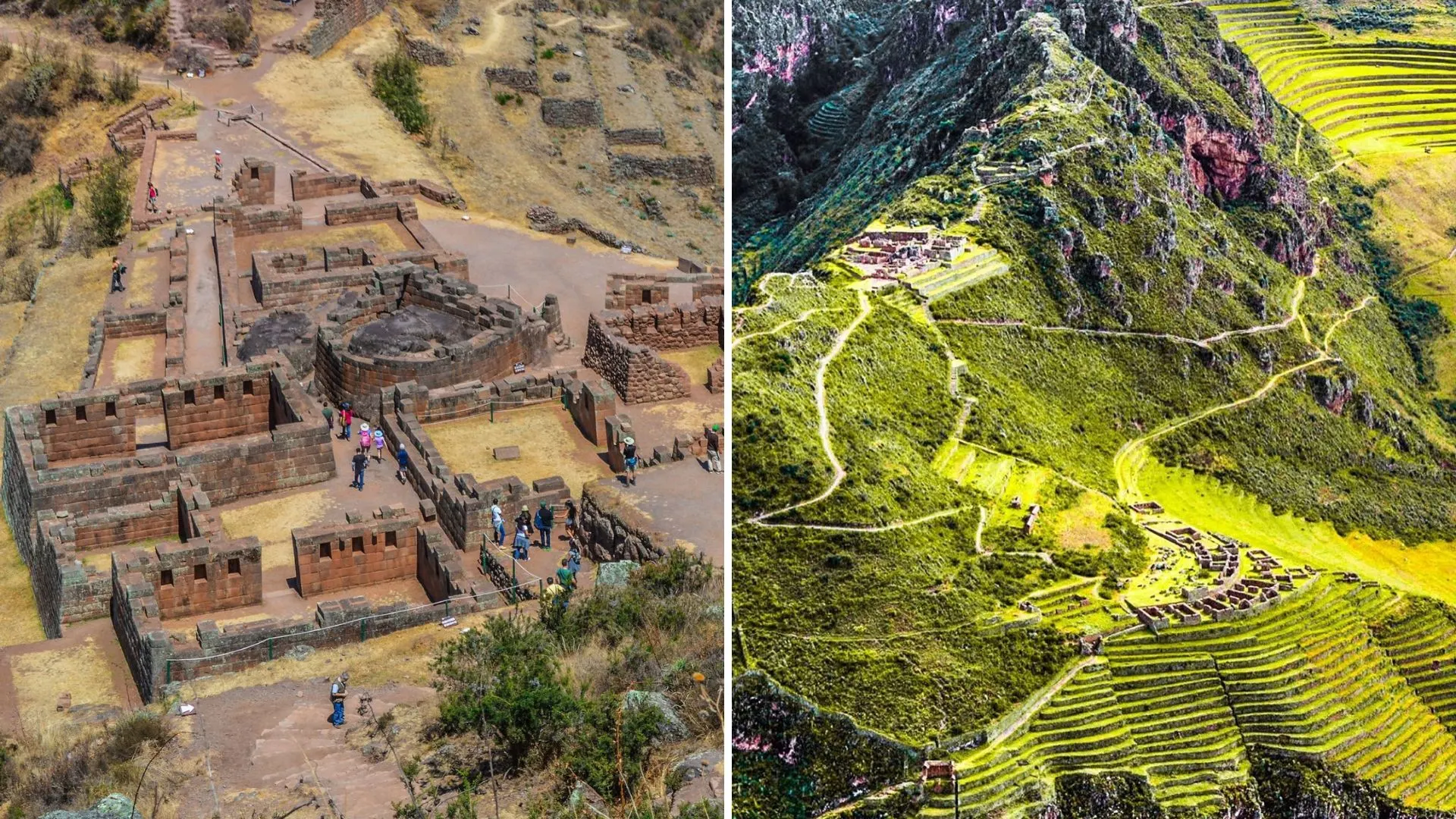
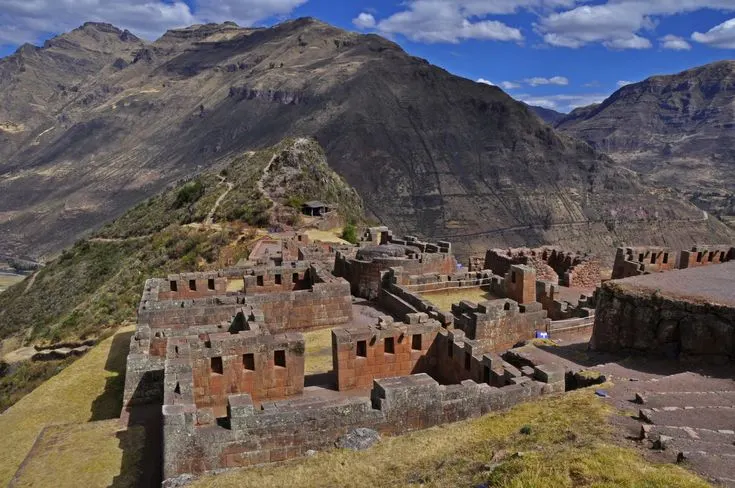
Pisac is divided into several sectors, which all play different functions within the Inca world. There are agricultural terraces to ritual areas, and every part of the site reflects the ingenuity of Inca town planning and engineering.
General Layout
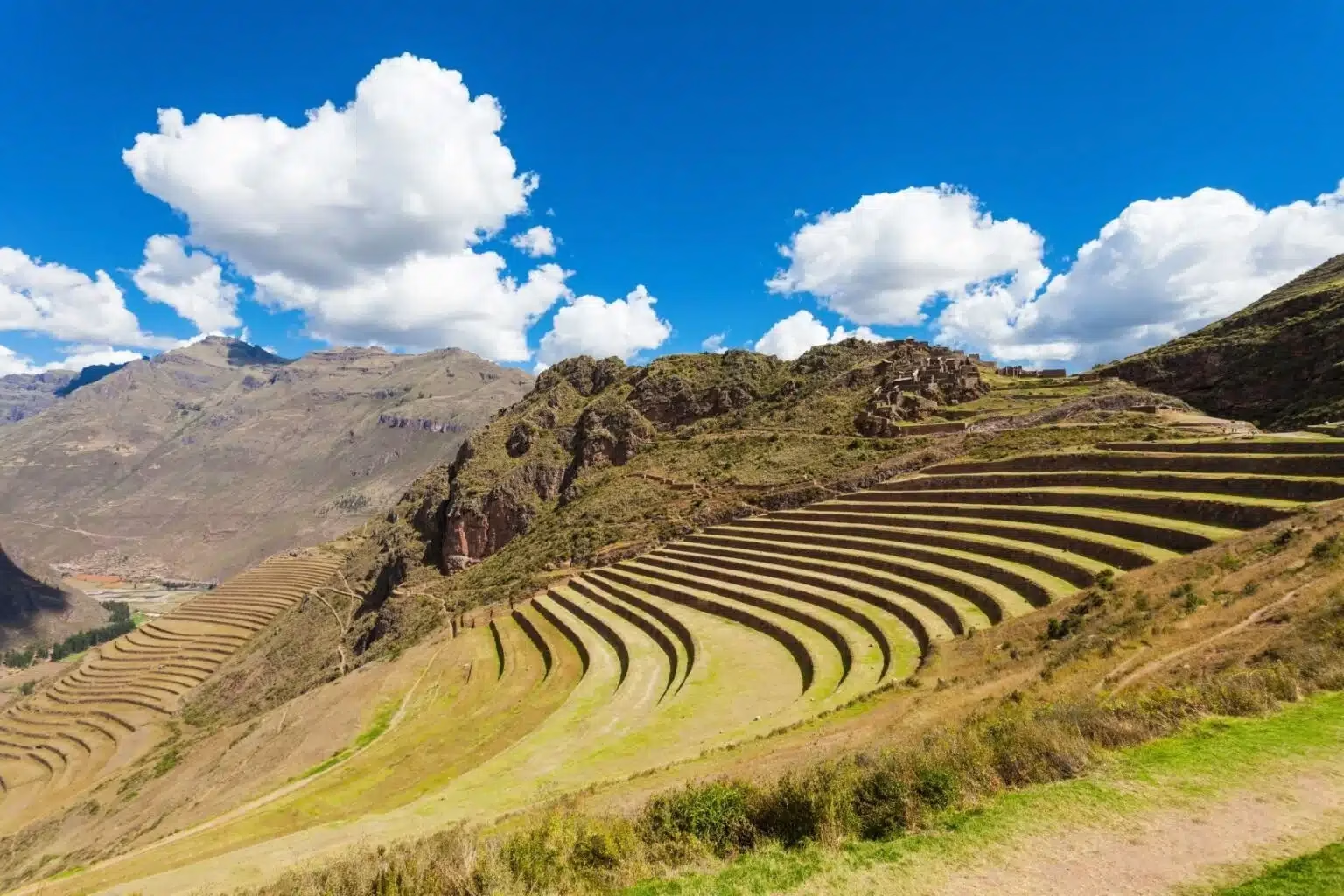
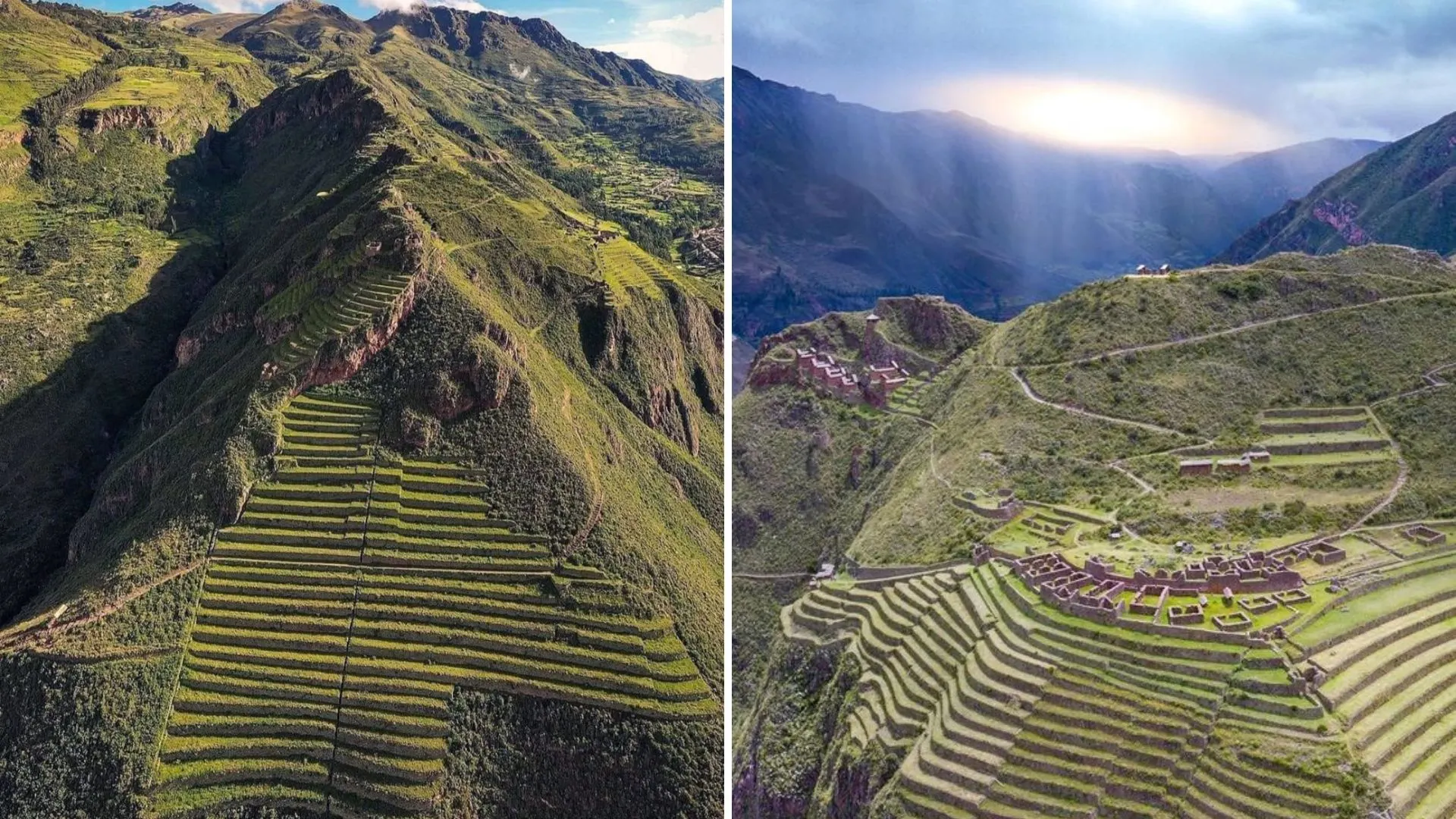
The place is famous for its sequence of more than 40 agricultural terraces shaped in the form of an inverted triangle. The terraces have been built in an attempt to prevent soil erosion, regulate the flow of water, and create microclimates to support different crops.
Stone staircases and aqueducts connect the terraces, allowing water to travel freely throughout the complex. The location is also well-suited for defense, as the remains gaze out over the valley below a breathtaking sight from the Pisac altitude.
Key Sectors of the Pisac Archaeological Park
- Acchapata Group of Platforms: A Beautiful group of platforms noticeable from the lower side of Pisac. These farming platforms are a triangular complex that represents the creative Inca farm systems.
- Torreones (Watchtowers): Over twenty watchtowers line the mountainside, connected by historic irrigation canals. The towers were observation towers and protection of the adjacent fields.
- Intiwatana Neighborhood: The religious center of Pisac, with beautifully ornamented temples, fountains, and the Intiwatana stone, said to have been utilized for ceremonial and astronomical purposes.
- K’allaQ’asa Neighborhood: The highest and widest part of the complex, at a height of approximately 3,400 meters above sea level. It consists of tunnels, towers, and steep stairways hewn out of the mountain.
- Tianayuc Neighborhood: Renowned for its stone bench cut out for two, and often referred to as the “place with a seat.” It was likely a ceremonial or resting area.
- Pisaq’a and QanchisRaqay Neighborhoods: These residential areas demonstrate the precision of Inca urban planning, with residences built using precisely cut rocks that fit together flawlessly without mortar.
By investigating these areas it gives visitors a better understanding of how the Incas planned their cities according to social, spiritual, and agricultural demands.
Things to Do in Pisac
Pisac is far more than archaeological exploration. The town that sits below the ruins is vibrant and full of culture, and has become one of the most popular places to visit in the Sacred Valley.
Visit the Pisac Market
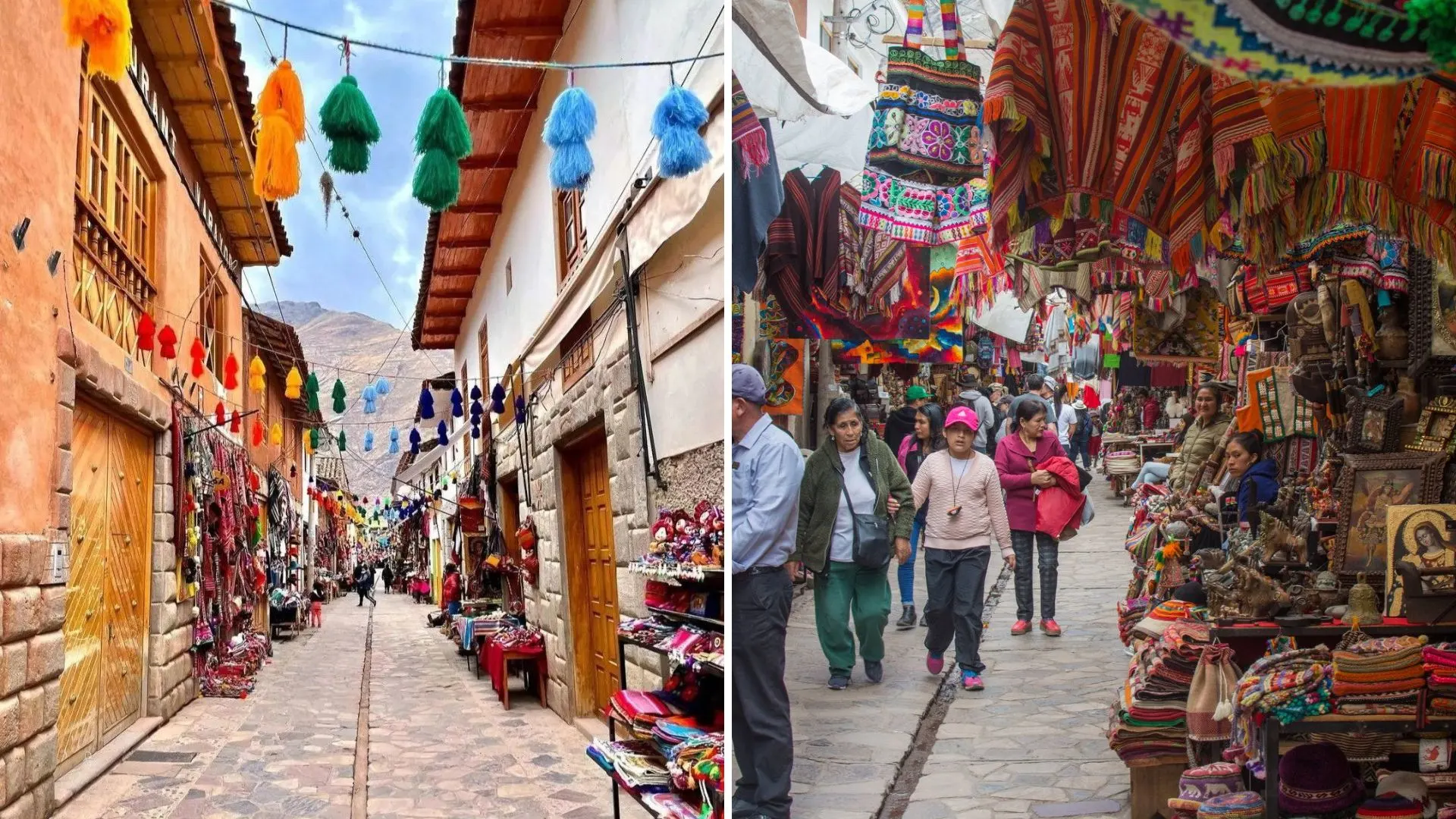
The Pisac Market is an iconic market in the south of Peru. Notice it happens every day of the week, but it is the most enthusiastic on Sunday when local artisans and farmers from neighboring villages come to sell goods. Here you can see textiles woven from wool, ceramic crafts, silver jewelry, and brightly-colored alpaca knitwear.
You may also sample traditional Andean dishes like corn cakes, empanadas, and tamales, at the market as well! Visiting in the morning will billow your experience, as it is when the market is at its fullest.
Trek the Pisac Ruins Trail
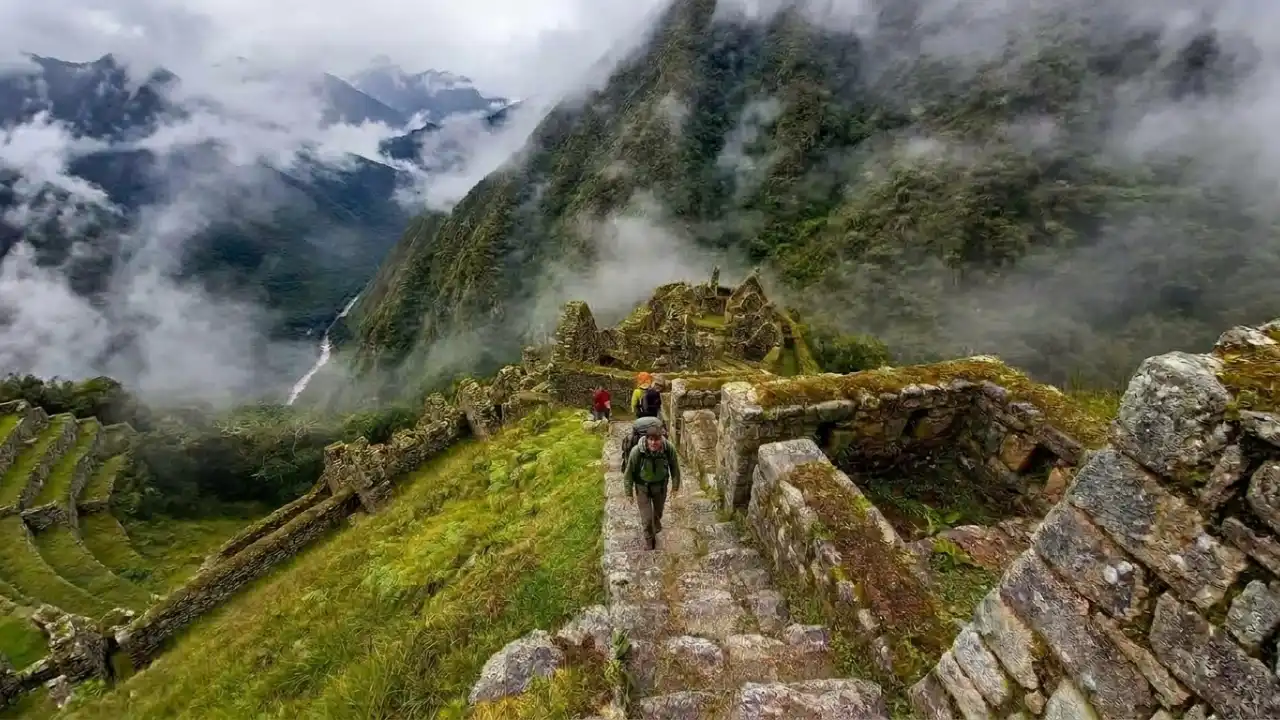
For those seeking adventure, hiking from Pisac town to the ruins is one of the most gratifying experiences in the Sacred Valley. The Pisac ruins trail descends roughly 450 meters and takes two to three hours. There is a significant elevation gain, but it is all worth it. The trail follows inca paths with stone steps and panoramic views of the valley. The ruins have impressive terracing, water channels, and wildflowers and are worthy of the trek by themselves.
Explore the Pisac Botanical Garden
The Pisac Botanical Garden, situated a brief five minute stroll from the main square, is a charming treasure of the Andean and Amazon floras. Guests can explore varieties of orchids, cacti, medicinal plants, and 200 types of potatoes.
There are also small exhibits on insects, minerals, and local ecosystems, which makes it a lovely stop for families, students, and nature enthusiasts alike. The garden is open daily from 9:00 a.m. to 5:00 p.m., and tickets may be purchased at the gate.
Practical Information for Visitors
It is worth knowing some important information regarding ticket pricing, weather conditions, and travel considerations before you visited Pisac.
Pisac Ruins Entrance Fee and Hours
The Pisac entrance fee is included in the Cusco Tourist Ticket (Boleto Turístico del Cusco), which, in addition to providing entry to the Pisac site includes entrance to other Sacred Valley sites such as Ollantaytambo and Chinchero as well.
The hours of operation for the site are from 7:00 a.m. to 5:00 p.m. daily, although those times could vary slightly on holidays or for maintenance. The best times for visiting are first thing in the morning when the temperatures are cooler and less crowded.
Pisac Ruins Altitude and Weather
Pisac altitude is 3,300 m (10,827 ft.) from sea level, so please don’t rush your body into it. Generally, the weather in Pisac is mild, sunny days, cooler nights.
The best time to visit is the dry season from May to October, as the skies will be clear, the trails will be dry, and the vistas across the valley will be amazing. From November to April is the rainy season; there will likely be rain or showers in the afternoon, but fewer tourists.
The elevation of Pisac Peru offers incredible panoramic views of the Sacred Valley, making every hike and photo unforgettable.
Pisac Ruins Ticket and Guides
Tickets can be purchased as part of the tourist pass or at the entrance gate. Hiring a local guide is highly recommended to fully understand the Pisac ruins history, architectural details, and Inca symbolism.
Guided tours encourage travelers to note details that they might otherwise not notice like the significance of the terraces, astronomical alignments, and engineering techniques performed while the Incas built this site.
Frequently asked questions about Pisac Archaeological Park
A one-way minivan ticket from Cusco to Pisac town costs about 5 soles (under $2). The ride takes approximately an hour.
Yes, licensed guides are available at the main gate. You can choose between group or private Pisac archaeological park tours.
Yes, many travelers enjoy the Pisac ruins hike from town. It’s a challenging yet rewarding 3.6-kilometer route.
The Pisac archaeological site is open daily year-round, except during emergencies or strikes.
Unlike the Ollantaytambo ruins, Pisac combines temples, terraces, and a living market town, making it a perfect mix of history and local culture.