
Astronomy in Cusco: Inca Sky, Milky Way, and Stargazing Guide
Cusco is one of the best places in the Americas to understand astronomy as something real and practical, not just a topic for textbooks. The Incas used the sky to organize planting and harvests, set major ceremonies, and reinforce political authority. They also built a sacred landscape where temples, sightlines, and horizon markers helped track the Sun and other celestial patterns.
This guide goes deep on what Inca astronomy actually looked like in and around Cusco, what concepts matter most, what sites still show astronomical planning, and how you can experience the Andean sky today in a way that makes cultural sense.
Why Cusco Was an Ideal City for Astronomy
Cusco sits high in the Andes, and that altitude changes everything. Thinner air and a strong dry season can mean sharper night skies and cleaner views of the Milky Way compared with lower, more humid regions. When your calendar and food security depend on timing, visibility is not a small detail. It is the whole system.
Cusco also has a dramatic horizon. Mountains do not block observation here, they define it. Peaks and ridgelines create fixed reference points, so you can track where the Sun rises and sets across the year by watching how it shifts along the horizon. That basic idea sits behind a lot of Andean horizon astronomy and it shows up again and again in scholarly discussions of Inca timekeeping.
There is also the political reason. Cusco was the imperial capital, so if astronomical timekeeping mattered to the state, the center of that system needed to be in the capital. Observing the sky was not only about knowing the season. It was also about demonstrating that the empire was aligned with cosmic order.
What Inca Astronomy Really Was
Inca astronomy was a knowledge system that mixed careful observation, a ritual calendar, and state organization. The point was not to name stars the way modern astronomy does. The point was to read patterns in the sky and connect them to life on Earth: rain, frost risk, planting windows, animal cycles, and social duties.
A key thing to understand is that Inca astronomy was not limited to one method. It included solar observation, lunar timing, horizon markers, sacred geography, and sky lore tied to the Milky Way. Different contexts required different tools. A priest in a ceremonial center and a farmer planning crops could both use the sky, but not in exactly the same way.
Scholars describe Inca astronomical practice through horizon observation, light and shadow effects in architecture, and structured systems of sacred lines and shrines radiating from Cusco. These are not random ideas. They are ways the empire made time visible and shareable.
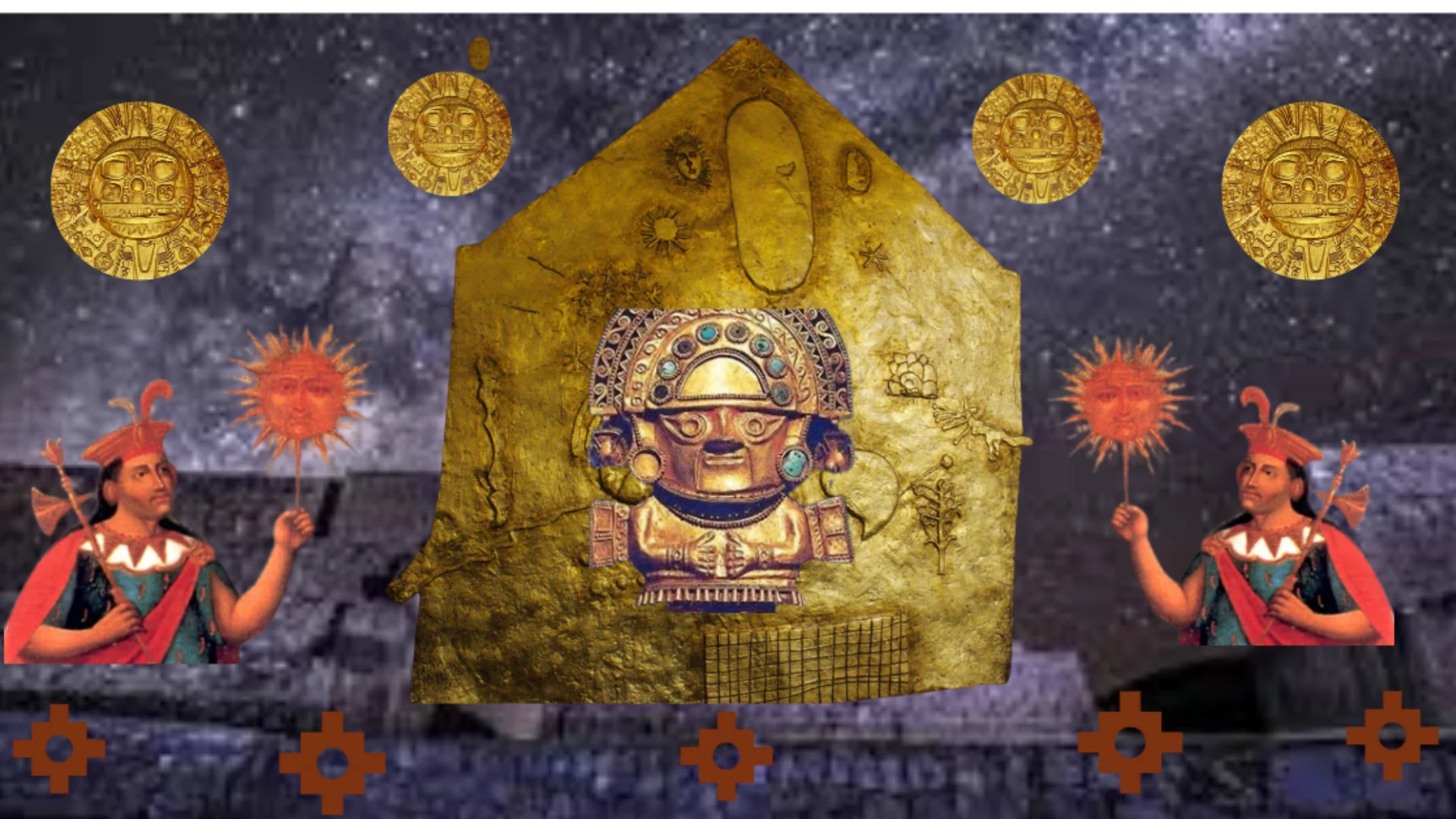
The Sun in Inca Astronomy: Inti and the Solar Calendar
Solar observation anchored the Inca year. The Sun’s changing position on the horizon creates repeatable markers, especially at solstices, and those markers are exactly what you need to structure a stable calendar. Many Inca ceremonial buildings and urban layouts show the broader pattern of aligning architecture with celestial events.
Solstices and Why They Mattered So Much
In the Southern Hemisphere, the June solstice is the winter solstice. In highland farming zones, that period can feel harsh: colder nights, increased frost risk, and real anxiety about the next agricultural cycle. That is why a major state ceremony tied to the return of the Sun makes sense culturally and politically. It is a public way to lock the seasonal transition into the social calendar.
The December solstice sits on the other end of the cycle. Even if ordinary travelers focus more on June because of Inti Raymi in Cusco, both extremes matter when you are building a system that runs an empire.
The big idea is that the Sun’s extremes create predictable anchors. Once you have anchors, you can count forward and coordinate everything else: planting labor, storage, tribute timing, and major pilgrimages.
Light and Shadow as Architecture
One of the most convincing ways to understand Inca solar astronomy is to look at how buildings were designed to stage sunlight. Researchers describe light and shadow effects and alignments in Inca constructions as meaningful markers, especially around major seasonal moments.
This is not just symbolism. A beam of light hitting a specific niche on a specific day is a public confirmation that the calendar is correct. It makes time visible in a way everyone can witness.
That same principle also supports authority. If the state can demonstrate control over the calendar, it demonstrates control over collective life.
The Moon and How the Incas Structured Shorter Cycles
The Sun is best for defining the year, but the Moon is powerful for structuring shorter cycles because its phases are obvious to everyone. A lunar rhythm helps create shared timing for ceremonies and social obligations even in communities far from Cusco.
Some research on Coricancha and Inca calendrical hypotheses includes discussion of multiple critical moments in the Sun’s annual displacement and how these observations could structure cycles of time. Even when scholars debate exact counts and models, the core idea remains: the Incas were paying close attention to repeating celestial events and building time systems around them.
In practical terms, lunar phases also help coordinate night activity and ritual planning. Full moons increase visibility and can become natural markers for communal events. New moons do the opposite, and that contrast itself becomes part of timekeeping.
The Milky Way as a Sacred River: Mayu and the Andean Sky
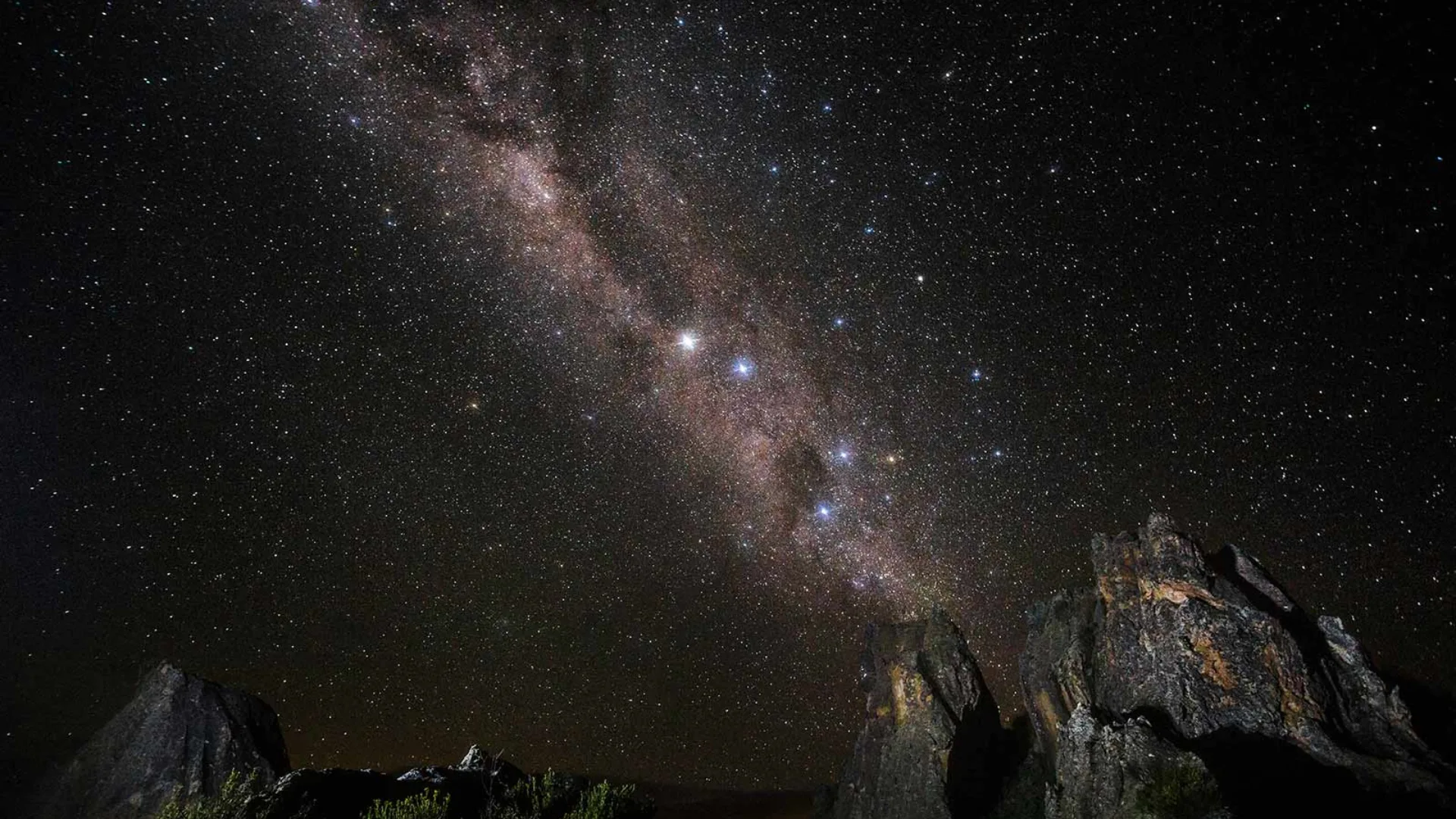
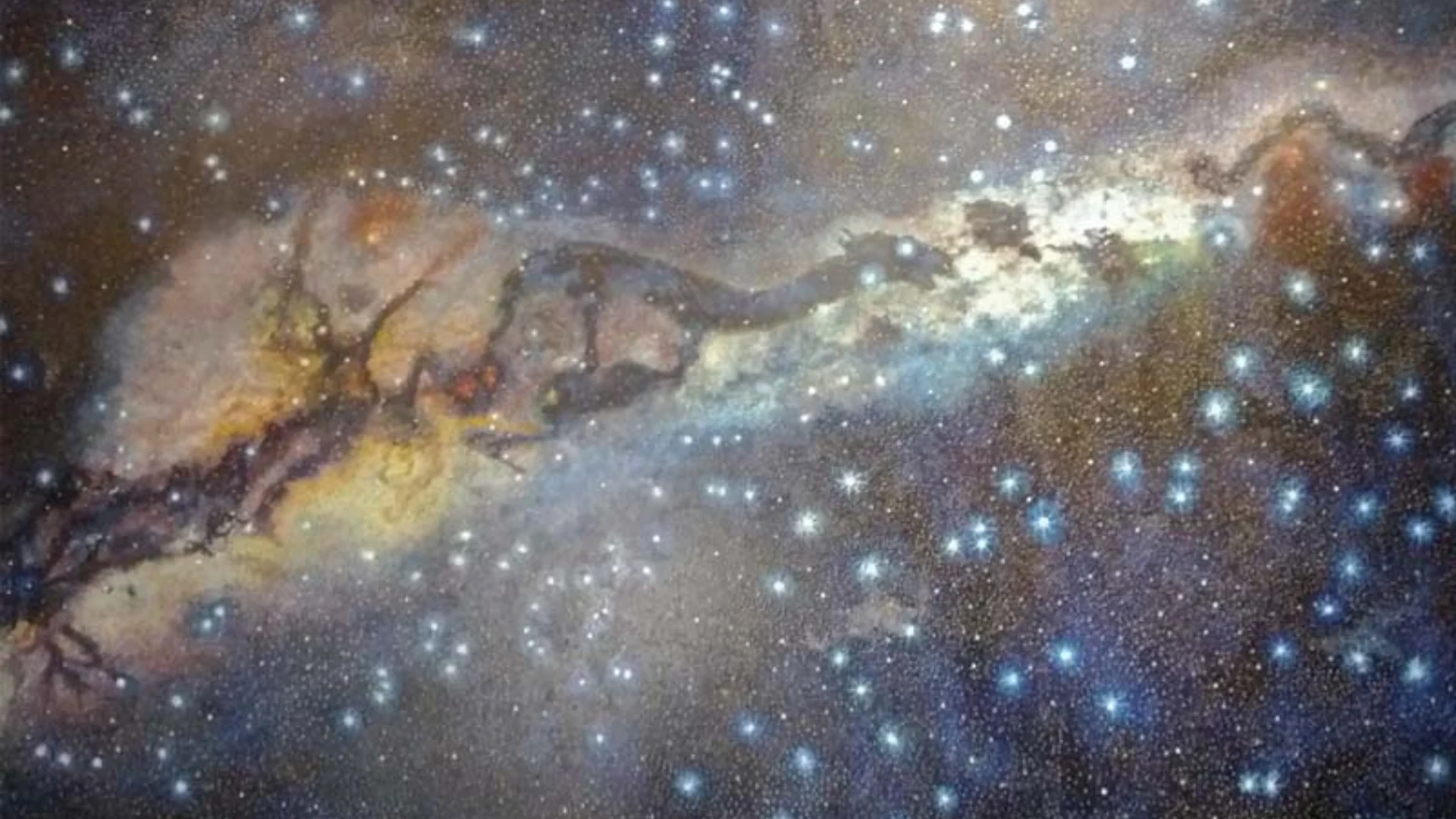
If you have ever seen the Milky Way clearly in the Andes, you understand why it became central. It does not look like a faint haze. It looks like structure. In Andean traditions, the Milky Way is often treated as a river in the sky, and Inca sky lore includes interpreting its dark spaces as meaningful forms.
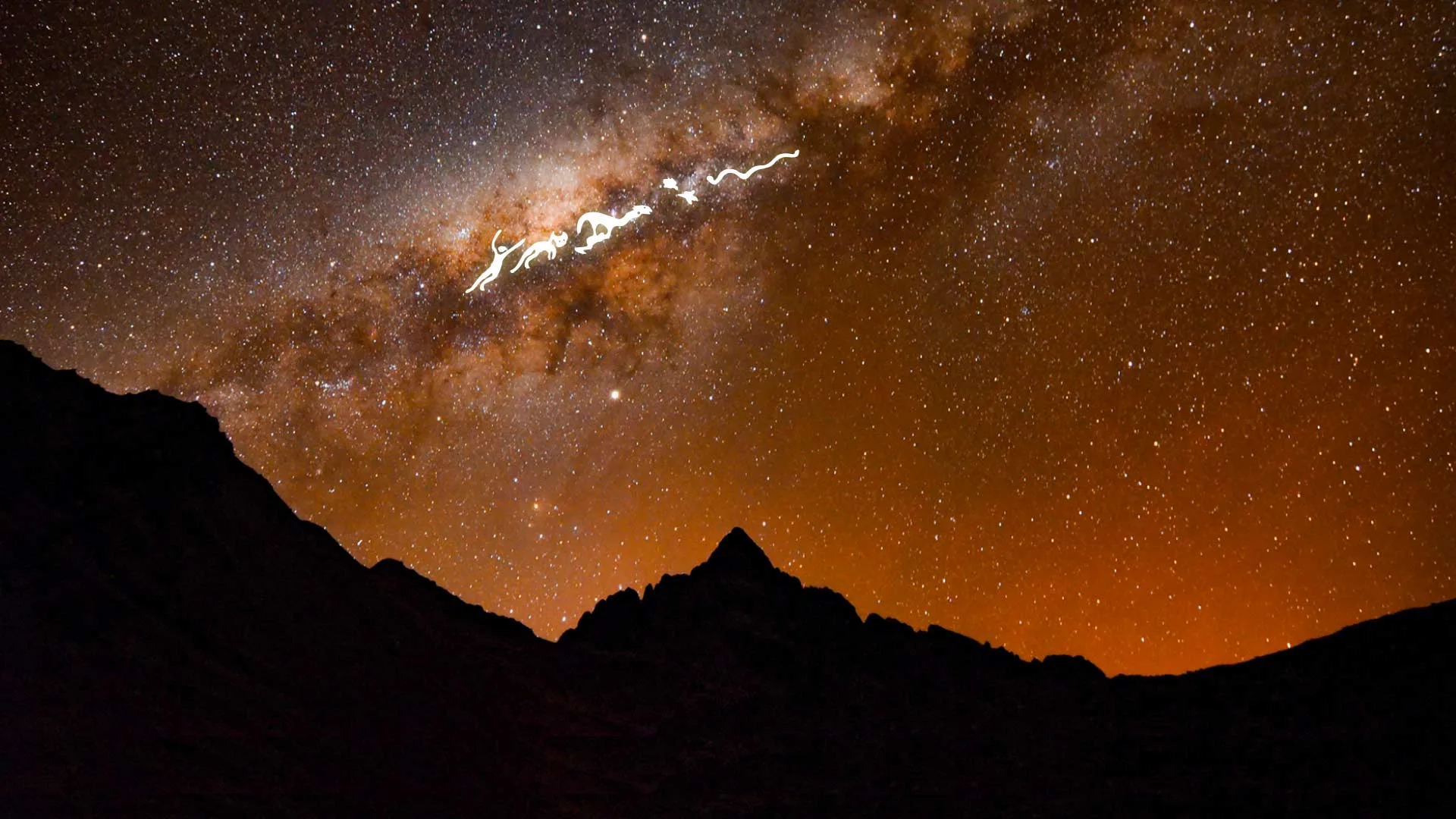
The Smithsonian’s Inka Road project explains that the Inka often identified constellations in the dark spaces between the stars, called dark clouds, and they saw animals and figures tied to everyday life.
This matters for Cusco because the Milky Way is not just a night-sky feature. It becomes part of a worldview where what happens above has consequences below, especially around water and seasonal change.
Dark Cloud Constellations: The Most Unique Part of Inca Astronomy
Western constellations usually connect bright stars into shapes. Inca astronomy is famous for also doing something different: reading shapes in darkness. Those dark patches are not empty. They are interstellar dust clouds that block starlight, creating consistent silhouettes in a clear sky.
The Main Dark Cloud Constellations and What They Represented
The Smithsonian lists several well known dark cloud figures, including the fox, the toad, the serpent, the tinamou, and llama related forms. These are not random choices. They match animals that matter in Andean life and ecology, which is exactly why they work as seasonal symbols.
What makes this system practical is repeatability. If a constellation becomes prominent at the same time each year, it can act as a seasonal signal. Even if interpretation varies by community, the sky provides a shared reference.
Why Dark Constellations Connect Directly to Farming
Ethnoastronomy research and Andean cultural explanations often link sky observation to agricultural timing. The logic is simple: if sky conditions and seasonal shifts correlate, then the sky becomes an early warning system.
That bridge between sky and farming shows up clearly in modern scientific work on Andean forecasting practices related to star visibility and climate variability.
The Pleiades and Andean Forecasting: A Practical Example
One of the most cited examples of Andean sky-based forecasting is the Pleiades. Modern studies describe how Andean communities observe the visibility or brightness of the Pleiades and use it to adjust planting decisions, with a link to atmospheric conditions associated with El Niño.
This is important for your blog because it shows something concrete: sky observation was not only spiritual. It could be predictive and adaptive. Even if we cannot prove every detail of how the Inca state used the Pleiades, we do have strong evidence that Andean forecasting tied to Pleiades visibility is real and has been scientifically analyzed.
For travelers, this also helps you explain Inca astronomy in a way that feels modern: it is an environmental knowledge system that blends observation, memory, and decision-making under risk.
The Ceque System and Horizon Markers: Astronomy Built into the Landscape
Cusco is not only a city with temples. It was planned as a sacred landscape. The ceque system is commonly described as lines radiating outward from Cusco that organize shrines and social obligations. Academic and institutional sources describe it as a structured system with deep social and ritual meaning, and multiple researchers have explored its possible calendrical and astronomical dimensions.
Separately, sources discussing Inka timekeeping note the use of horizon pillars and observations of sunset positions viewed from an important stone structure in Cusco’s central plaza, the usnu. This is a classic horizon astronomy concept: you mark where the Sun sets along the horizon and track its movement over the year.
You do not need to claim that every ceque was an astronomical line to make the point. A careful, credible way to write it is this: Cusco’s sacred geography organized time, ritual, and space together, and horizon observation appears in historical and archaeological discussion of Inka control of time.
Key Astronomy Sites in Cusco and What to Look For
Cusco has several places where it is easy to explain astronomical ideas without overcomplicating them. The trick is to describe what a visitor can actually see, then explain what that might have meant culturally.
Qorikancha: The Temple of the Sun
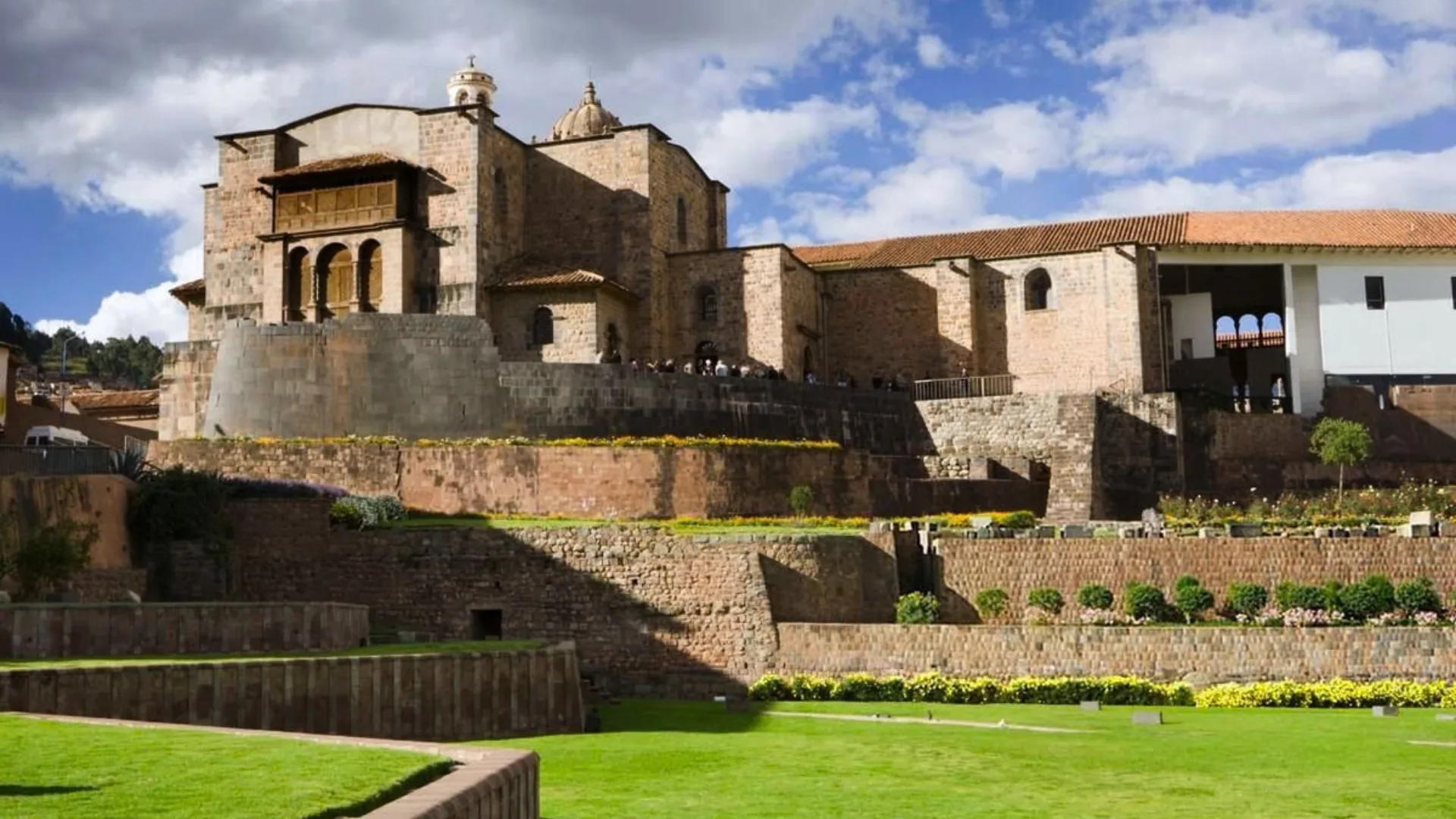
Qorikancha is widely described as the most important Inca religious center in Cusco, dedicated to Inti, with chapels linked to other celestial forces. It later became the foundation for the Santo Domingo complex after the Spanish conquest, which is why you can literally see cultural layers in one place.
In astronomical terms, Qorikancha is central because it connects state religion, solar worship, and architectural precision. Scholarly discussion about astronomical observations at Coricancha includes debates about specific calendrical hypotheses, which tells you one thing for sure: researchers take its astronomical role seriously enough to measure and argue about it.
Sacsayhuamán and the Cusco Horizon
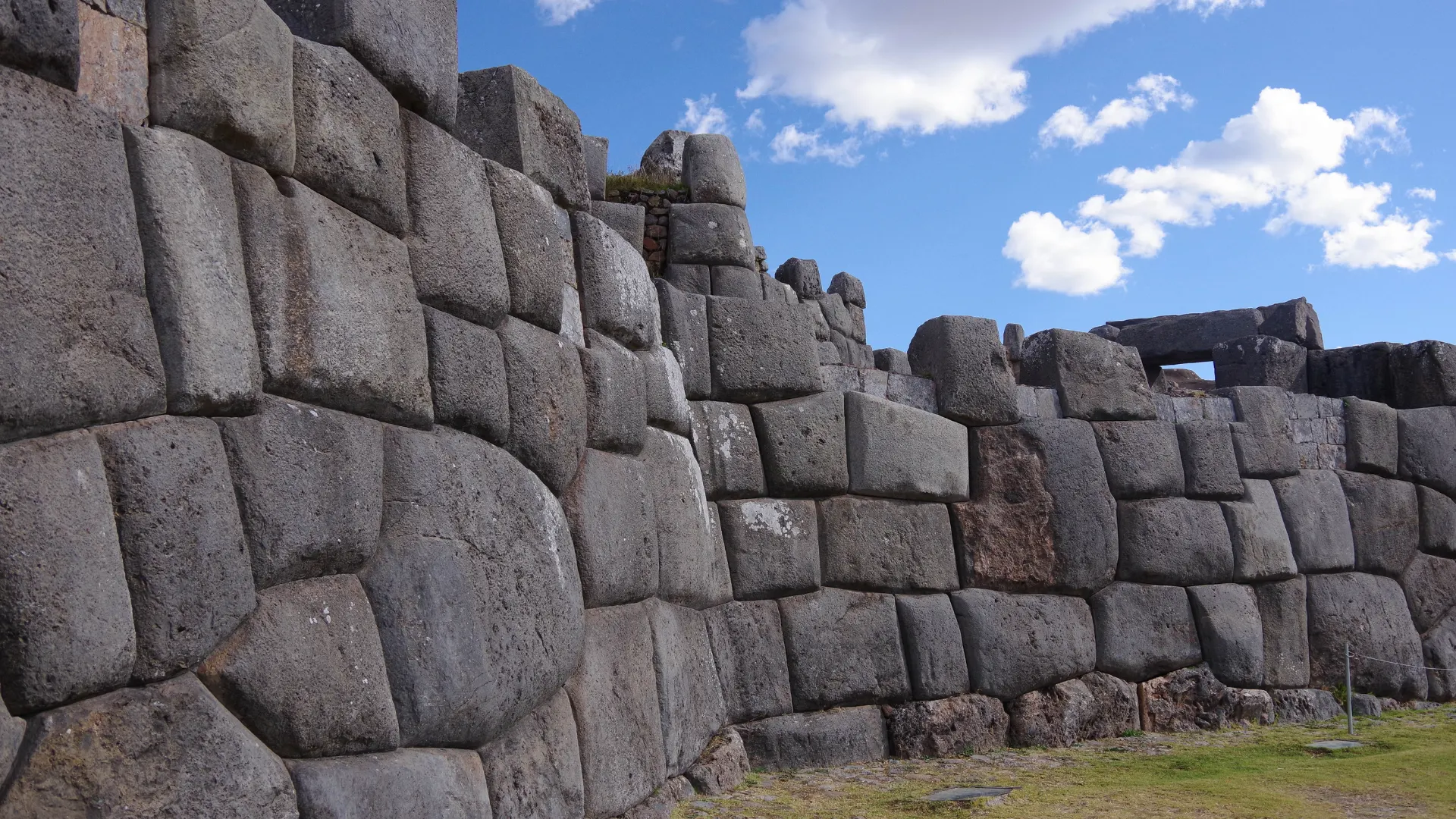
Sacsayhuamán sits above Cusco with wide views. Even if most people think of it as a fortress, its scale and setting fit well with large public ceremonies, including events that track seasonal change. It also helps you explain horizon observation because you can physically point to the horizon lines and imagine how sunrise and sunset positions can be tracked over time.
This is also a good spot to explain why mountains matter in Andean cosmology. The landscape itself is not passive. It is part of the sacred system.
Astronomy in Cusco Today: How to Experience It as a Visitor
Modern Cusco gives you two strong options: cultural interpretation and real stargazing.
Planetarium Cusco and Inca Astronomy Presentations
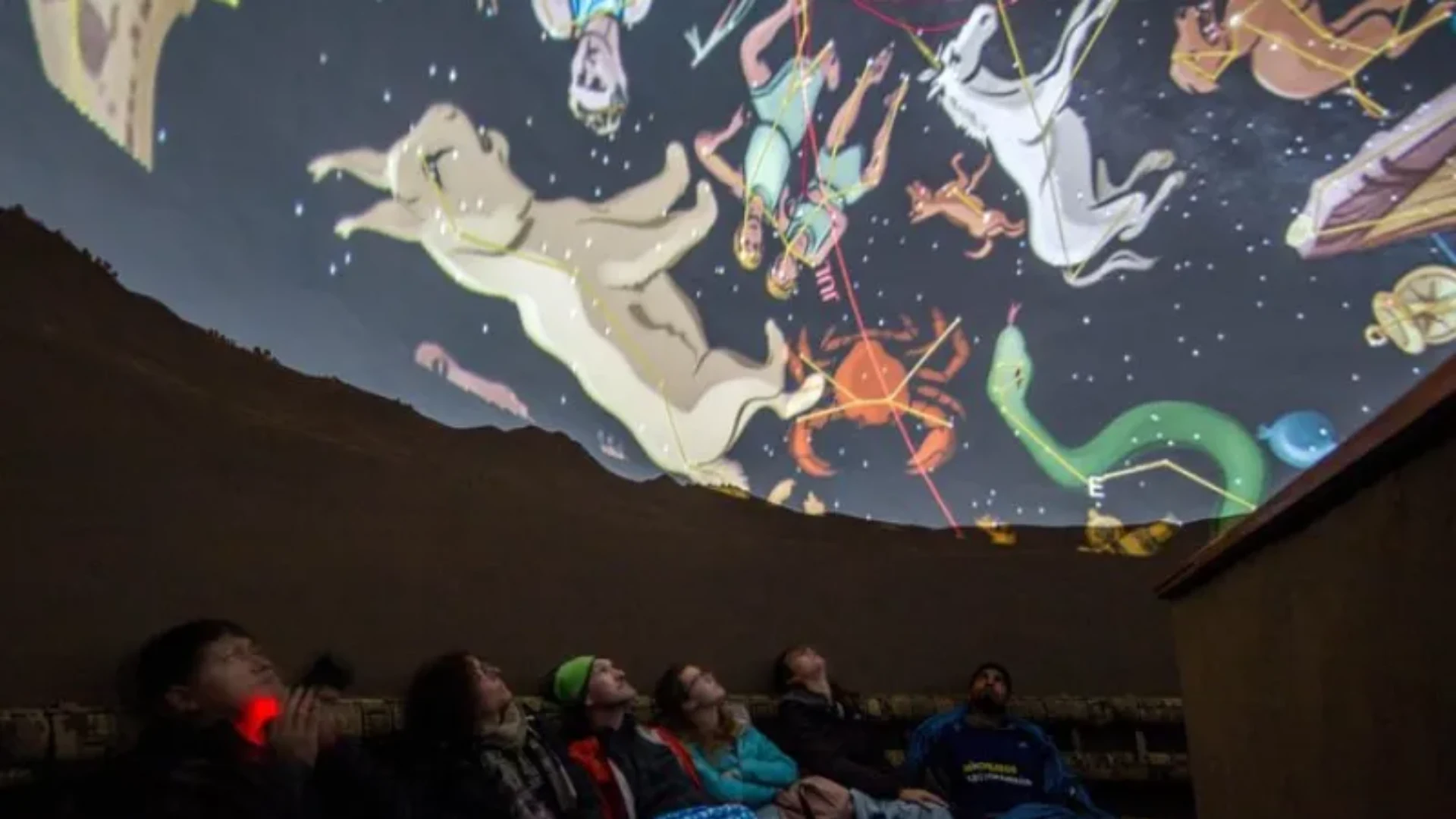
Planetarium Cusco describes its experience as a three-stage journey that includes an interpretation center focused on Inca astronomy, dome projections that include Inca constellations, and telescope observation of real objects in the night sky depending on weather.
This matters because it is one of the easiest ways for travelers to understand dark cloud constellations. Most people cannot identify them alone on their first night. A guided explanation helps you see what you are supposed to be looking at.
If you are building a tourism-focused blog, this is also an easy practical recommendation: it is close to the city and designed for visitors who want both culture and observation.
Best Time of Year for Stargazing Near Cusco
The clearest skies are typically in the dry season, roughly May through September. Nights are colder, but visibility is better and the Milky Way can be dramatic once you get away from city lights.
A simple travel tip that reads human and practical: choose a night with low cloud cover, go somewhere darker than the city center, and give your eyes 15 to 20 minutes to adjust before you judge the sky.
Quick Glossary of Must-Know Terms
- Inti: The Sun deity and the center of state religion, strongly tied to ceremonial timekeeping and political authority.
- Mayu: Milky Way understood as a river in the sky, central to Andean sky lore.
- Dark clouds: The dark spaces in the Milky Way where the Inka identified animal constellations.
- Usnu: A ceremonial stone structure associated with official occasions and discussed in relation to horizon observations in Cusco.
- Ceque system: A radial sacred organization of lines and shrines connected to Cusco’s ritual and social order, often discussed for potential calendrical meaning.
Why Inca Astronomy Still Matters
Inca astronomy is not just interesting history. It shows how a civilization can build a working system where environment, politics, ritual, and observation reinforce each other. The Incas did not separate astronomy from life. They used the sky to keep society coordinated and to reduce risk in a challenging landscape.
Cusco is the perfect place to tell that story because you can still walk through the spaces where these ideas were performed. When you understand what the Incas were trying to do, the city stops feeling like a collection of ruins and starts feeling like a planned interface between earth and sky.
Frequently asked questions about Astronomy in Cusco: Inca Sky, Milky Way, and Stargazing Guide
Cusco was the Inca capital, and its high altitude plus clear dry-season skies made sky observation easier and more useful for calendars and farming.
In addition to star patterns, the Incas read animal shapes in the dark clouds of the Milky Way.
Mayu is the Milky Way, seen as a celestial river linked to seasons and water.
It was the main Temple of the Sun, tied to solar worship and timekeeping.
They are figures seen in the Milky Way’s dark patches, shaped by dust that blocks starlight.
Usually May to September, on clear nights and away from city lights.