Peruvian Dances: The Most Popular Traditional Dances in Peru
Peruvian dances are not merely performed for tourists or festivals. Rather, they are a living manifestation of history, identity, and regional pride. Every dance performed in Peru represents a particular place, culture, and perspective on the world. Across the Andes, the Pacific coast, and the Amazon rainforest, dance has been an important part of the region’s heritage, a means of keeping traditions and stories alive, and of celebrating the beauty of life.
This guide will introduce readers to the most popular traditional dances of Peru and their significance in the country’s culture today.
The Cultural Importance of Traditional Dances in Peru
Dance has always been the central theme in the lives of people in Peru. It has been used as a means of passing on cultural beliefs, rituals, and values from one generation to another even before the beginning of written history.
Dance as Regional Identity
Dance styles vary from region to region in Peru, influenced by the geography, climate, and culture of the region. Andean dances are mostly spiritual and strong, coastal dances are rhythmic and graceful, and Amazonian dances are related to the environment and community.
Festivals and Cultural Continuity
Most traditional dances are performed during religious, harvest, and national festivities. These festivities help in building community relationships and promote the continuation of culture.
Marinera: Peru’s National Dance
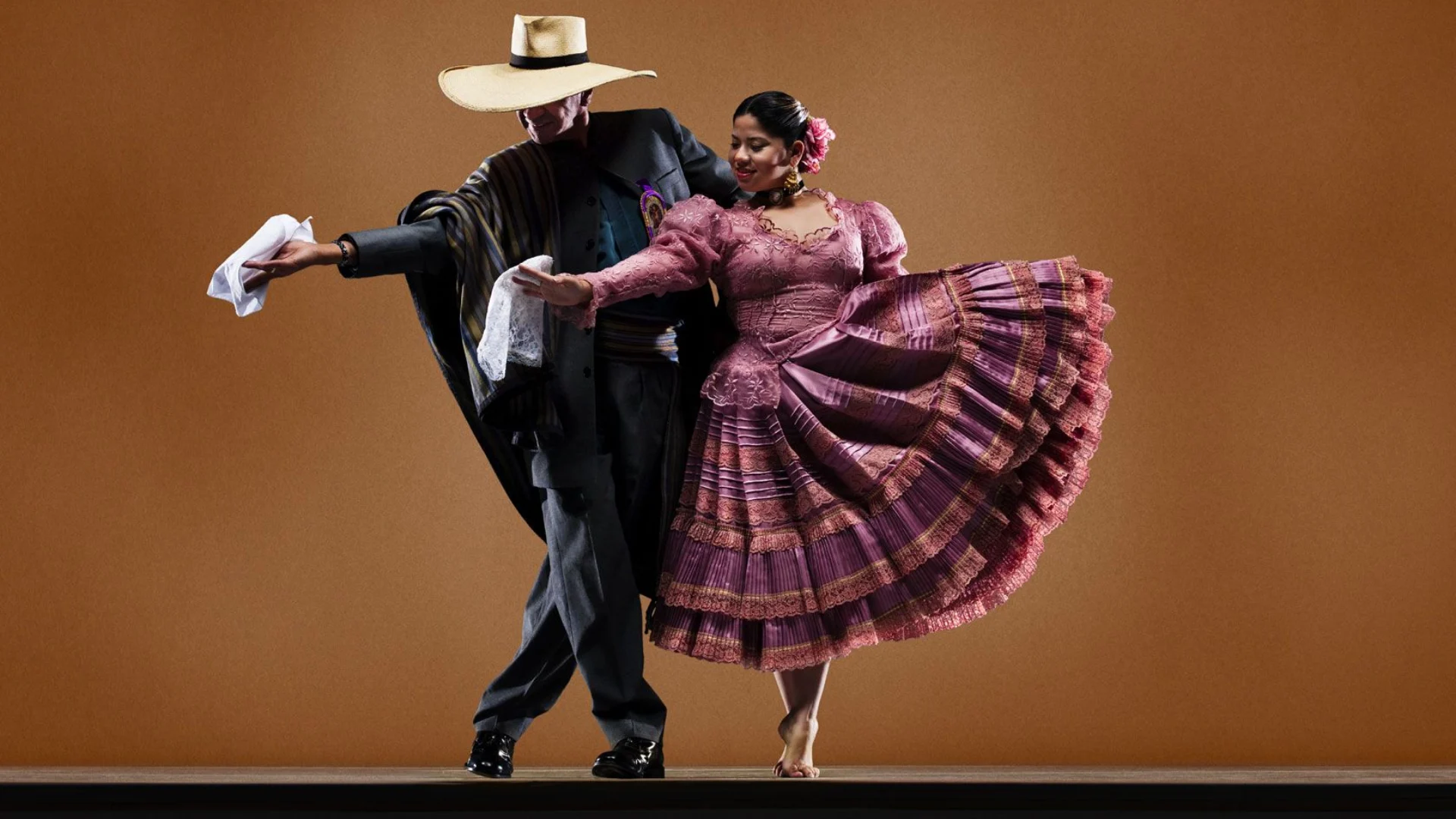
The Marinera is widely recognized as the national dance of Peru and one of the country’s most refined cultural expressions.
Origins and Symbolism
The Marinera has its roots in Northern Peru and brings together elements of Spanish, Indigenous and African cultures to represent a courtship ritual using smooth flowing movements, music and body language between ‘male and female.
Costume and Performance Style
Incorporation of a handkerchief by dancers is an essential component of the choreography. Female performers generally wear long skirts that flow behind them, while most male performers wear white clothing, including straw hats. Marinera style is characterized by elegance and gracefulness in dance movements, which do not require much physical effort to perform.
Huayno: The Soul of the Andes
Huayno is considered to be one of the most deeply rooted dances in Peru, especially in the Andean region.
Indigenous Roots and Music
This dance was started in pre-Columbian times and later included Spanish music. Traditional instruments used for this dance include the charango, quena, and violin.
Emotional Expression
Huayno is a dance that conveys emotions of love, longing, migration, and struggle. The dance is full of energy but is also rooted in reality, which is the life that people lead in the Andean highlands.
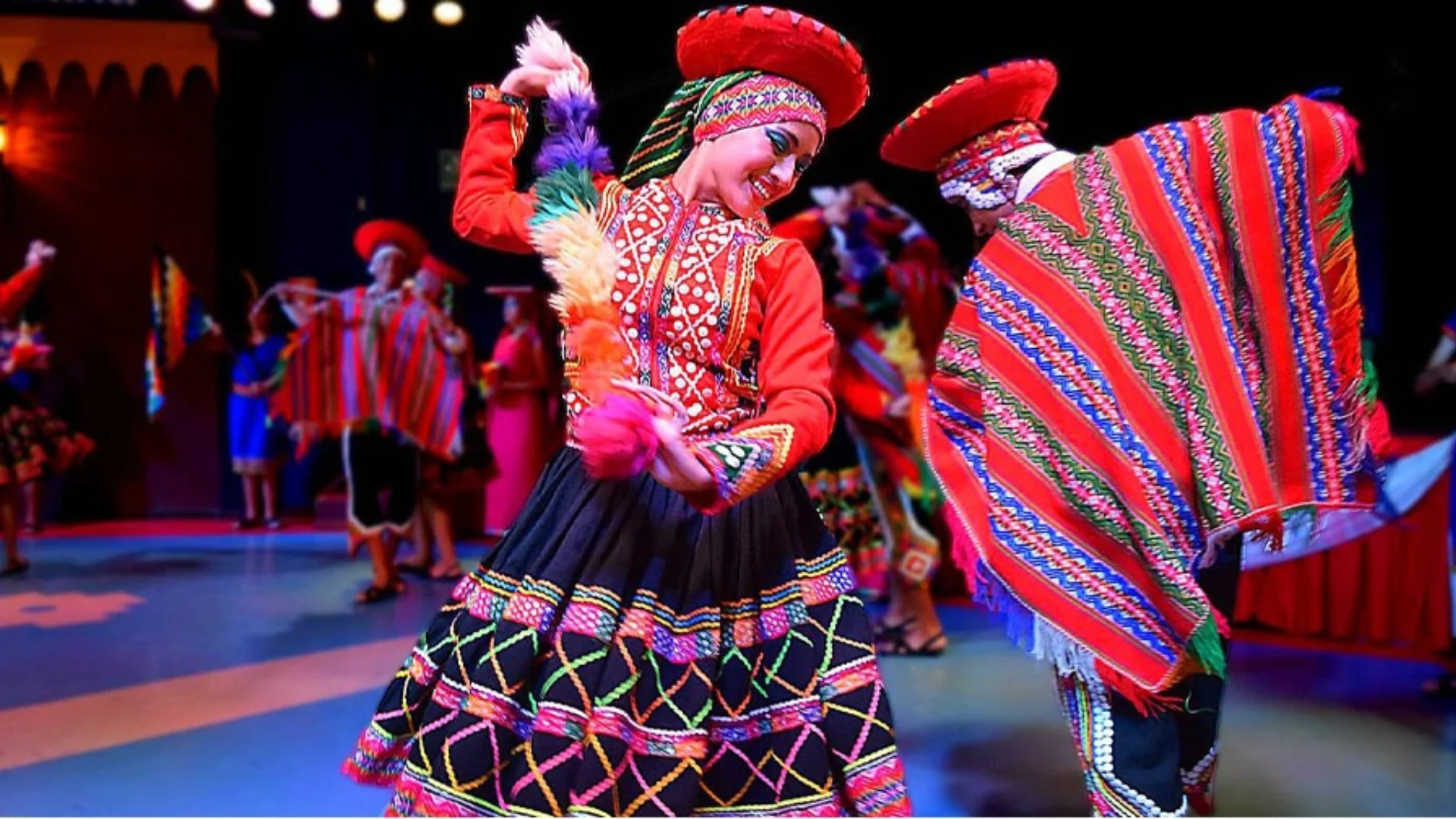
Scissors Dance (Danza de las Tijeras): Ritual and Physical Mastery
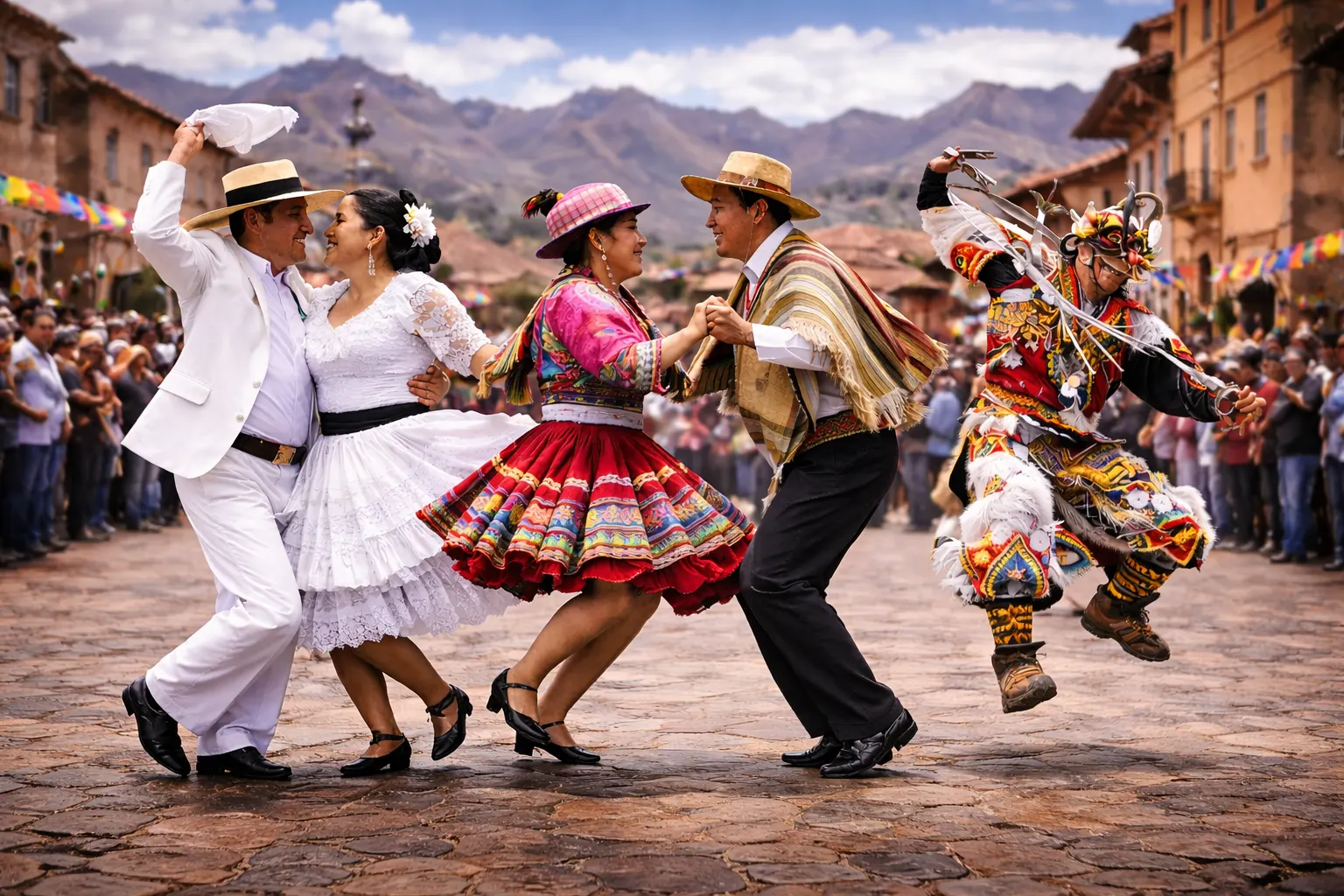
The Scissors Dance is one of Peru’s most demanding and symbolically rich traditional dances. It has been recognized by UNESCO as Intangible Cultural Heritage of Humanity.
Historical Background
The Scissors Dance has its roots in the southern Andean region of Peru, specifically in the provinces of Ayacucho, Huancavelica, and Apurimac. The dance originated during the colonial period as a way for the Indigenous population to preserve their ancestral traditions.
Performance and Meaning
The dance includes acrobatic actions with metal scissors that make sounds. The dance represents spiritual power, strength, and adoration of nature spirits and mountains.
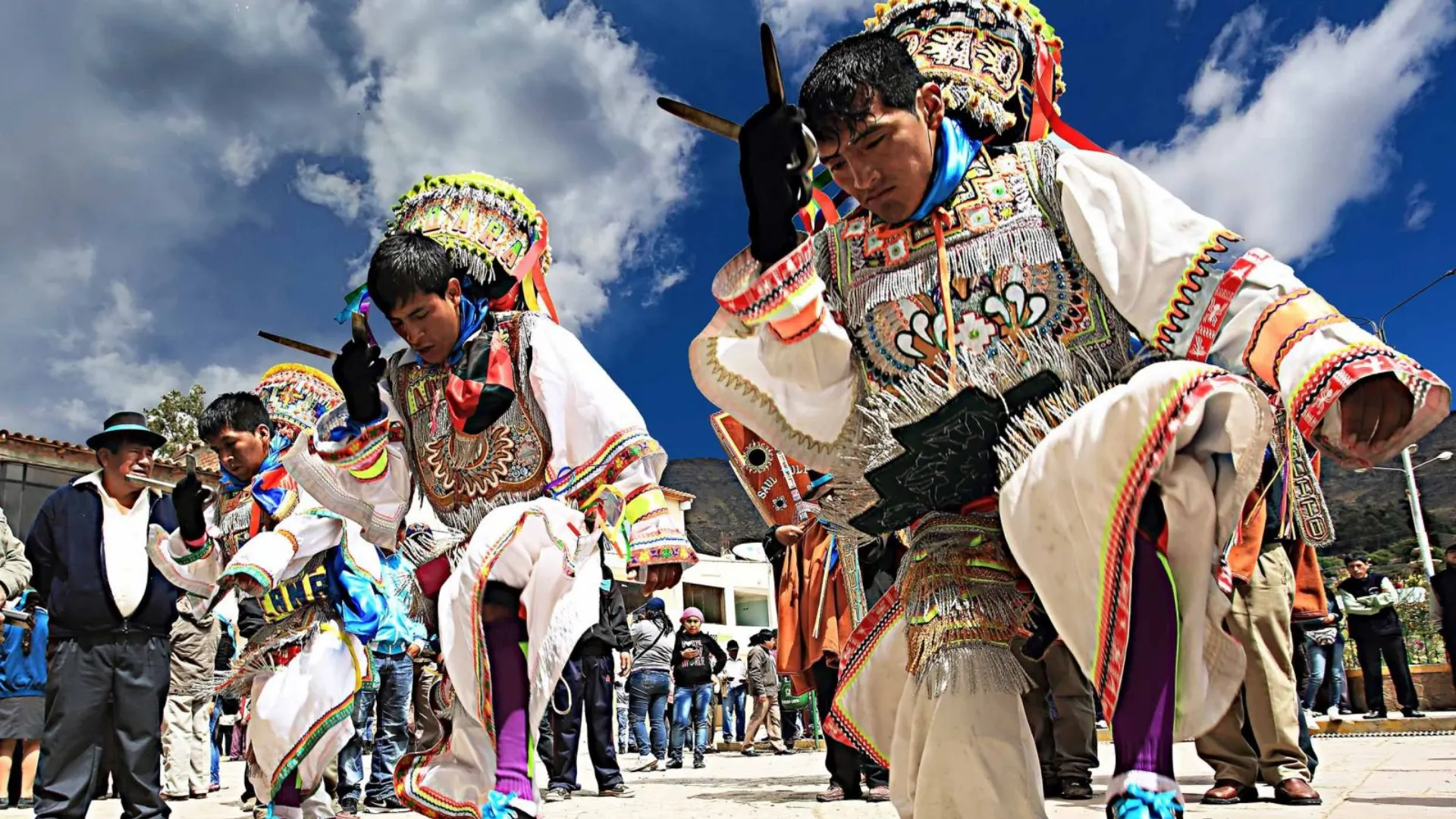
Festejo: Afro-Peruvian Heritage in Motion
Festejo is one key expression of Afro-Peruvian culture that is rooted in the coastal regions of Peru
Cultural Origins
This dance developed amongst Afro-Peruvian communities as a way to celebrate and provide cultural resistance and survival. It expresses joy, resilience, and connection to rhythm.
Rhythm and Movement
Festejo is very rhythmic and uses rapid footwork, hip movement, and strong use of percussion, especially with the cajon. The dance uses energy and playfulness to create a highly engaging performance.
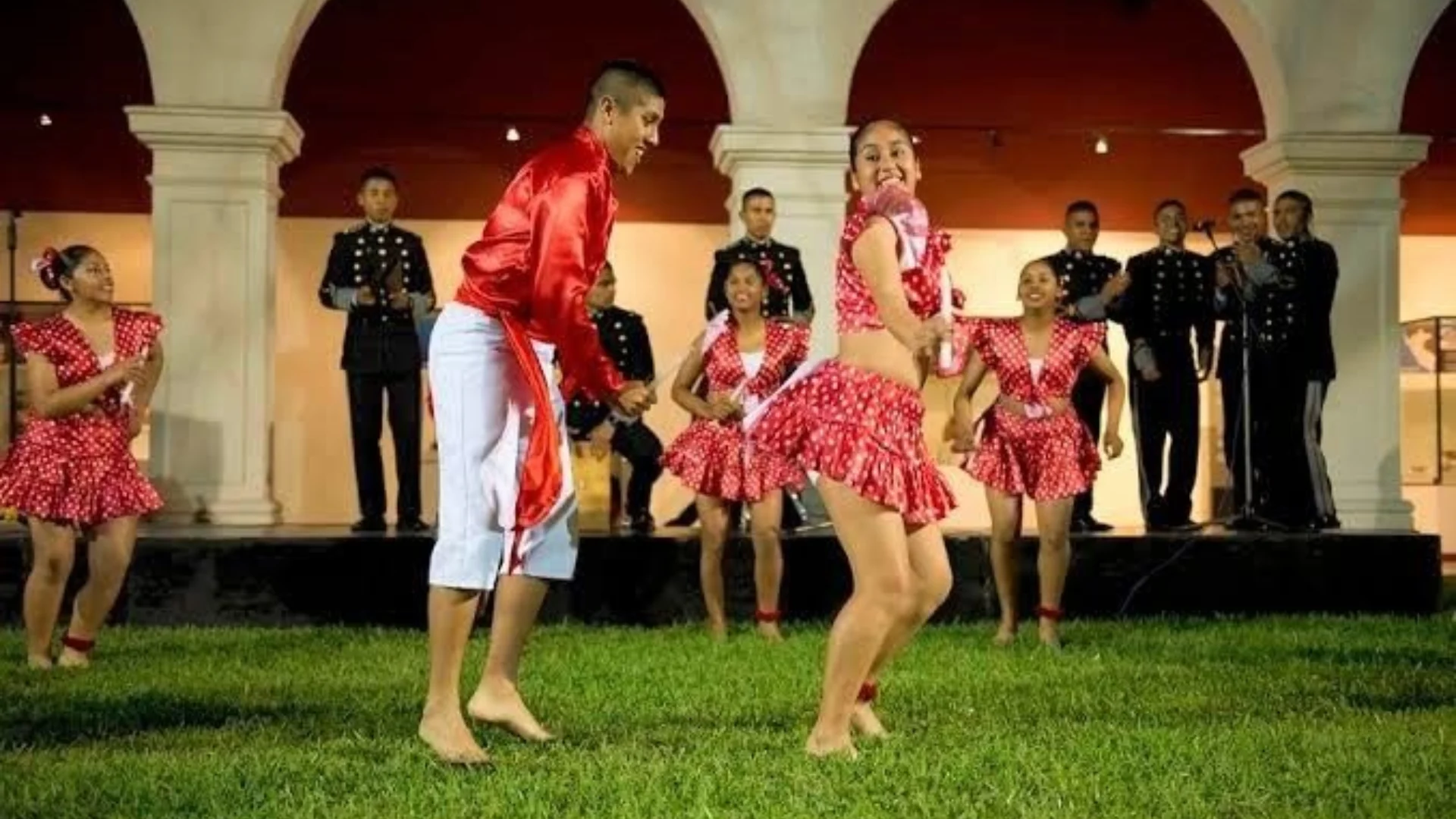
Diablada Puneña: A Symbol of Puno’s Cultural Identity
The Dance of the Devil from Puneña, is a cultural expression of the Puno region in southern Peru.
Festival of the Virgin of Candelaria
This dance is a central feature of the Festival of the Virgin of Candelaria, one of Peru’s most important cultural events. For local communities, performing the dance is both an act of devotion and a statement of identity.
Visual Impact and Meaning
The costumes used in the dance are oversized, heavy and intricately designed. This represents the dancers’ belief, traditions, and cultural pride in southern Peru.
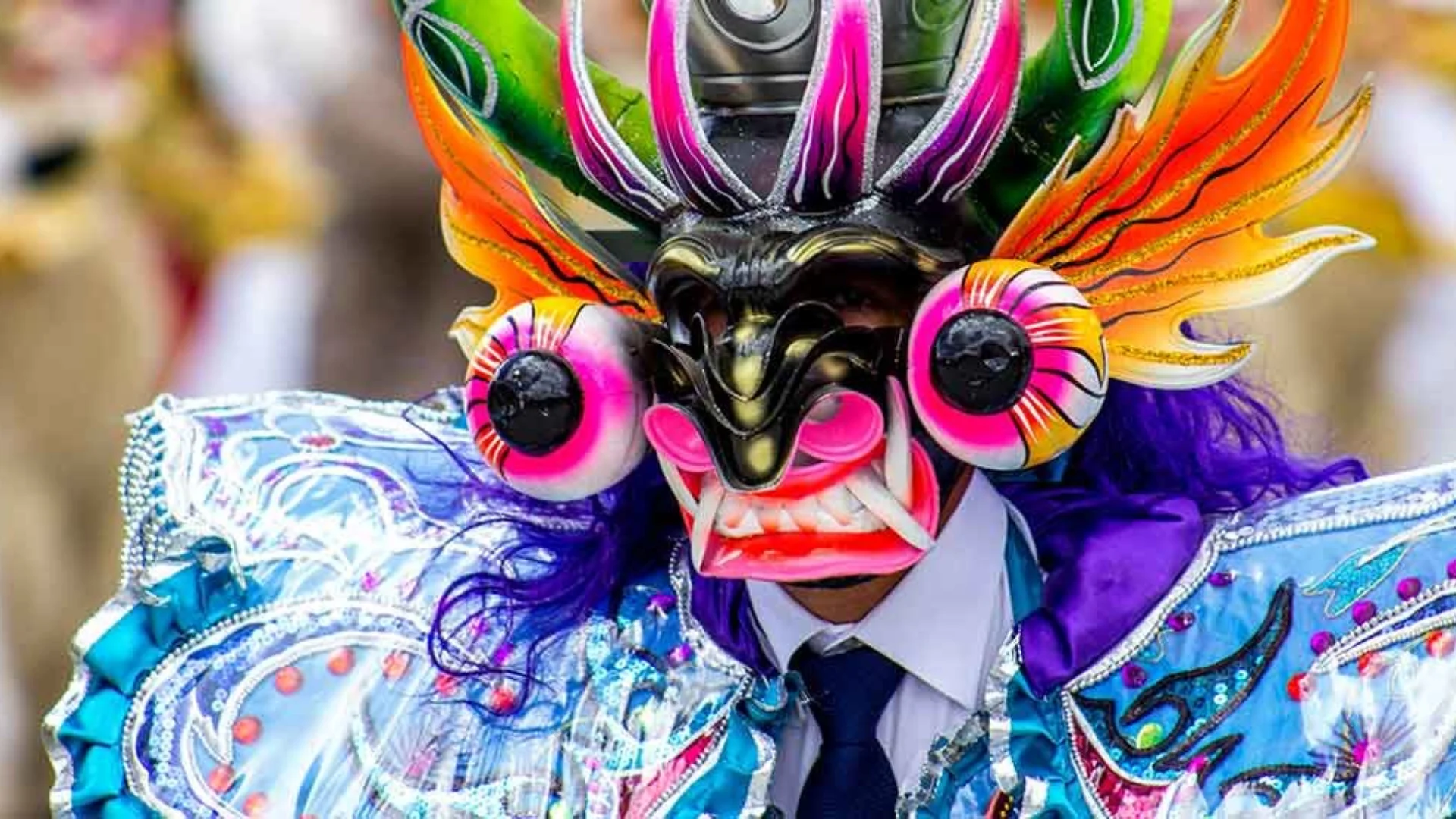
Tondero: Northern Peru’s Rural Expression
Tondero is a traditional dance of northern Peru that represents, through its traditional style, everyday life as it exists in rural coastal communities of Peru.
Cultural Context
It is often compared to Marinera but is a less formal and more grounded dance. This dance illustrates themes that illustrate the life cycle of working, finding romance, and adhering to local customs.
Music and Style
The dance is very lively with it’s rhythmic beats and is performed with freedom and creativity as improvisation enables each dancer to express himself as an individual.
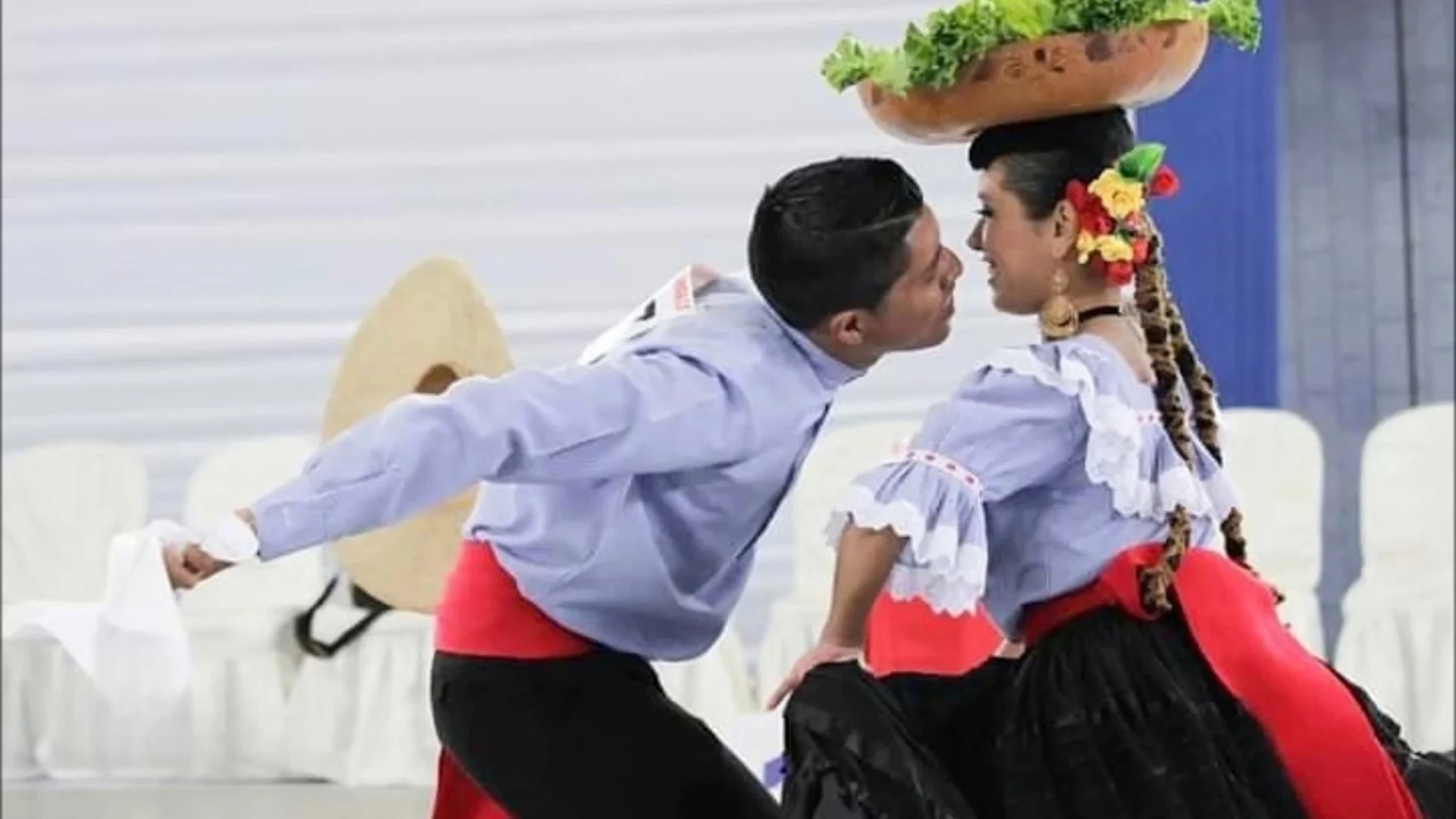
Amazonian Dances: Movement Inspired by Nature
Indigenous ways of seeing the world are reflected through Amazonian dance traditions found throughout Peru’s Amazon region.
Ritual and Community Meaning
Dances of the Amazonian peoples are typically utilized during various rituals surrounding planting, harvesting, healing, and other celebrations of spirituality. The movements are usually derived from animal forms and the natural environment.
Costume and Environment
Dancers traditional clothing is typically made from natural materials such as plant and animal fibers, feathers, and natural plant dyes. Dance performances always include community input and do not have a set choreography.
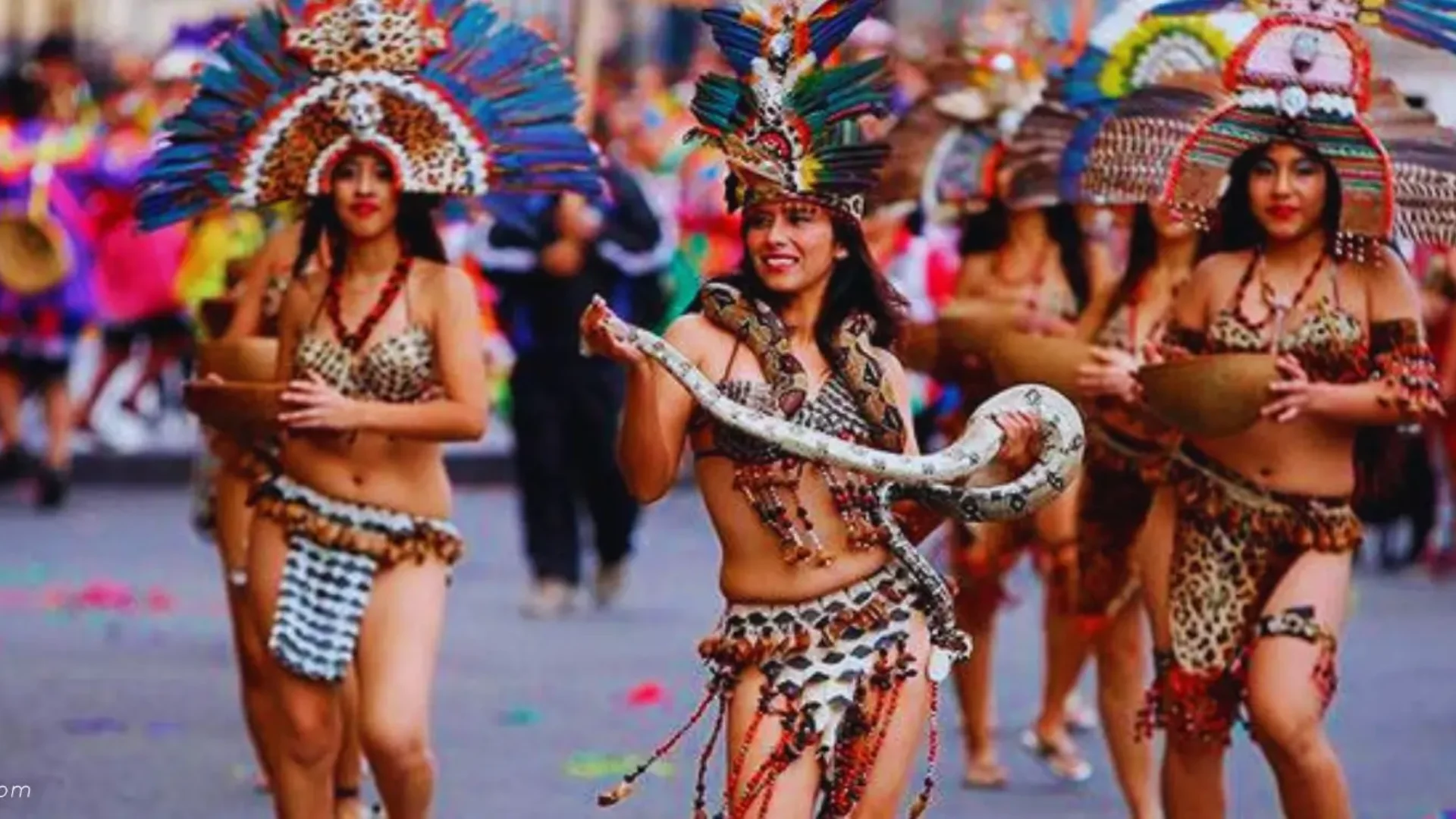
Buri Buriti: An Amazonian Dance of Daily Life
Buriti Buri Buriti is a customary Wayuu dance associated with traditional Amazonian culture and cooperative labor in the Amazon.
Relationship with Nature
The name of the dance derives from the buriti palm tree, which is one of the most significant resources in the rainforest. The dance reflects the regular daily activities of hunting and foraging.
Movement and Symbolism
The movements of the dance are fluid and rooted in balance between humans and nature, and the purpose of the dance is to pass on oral history through performance.
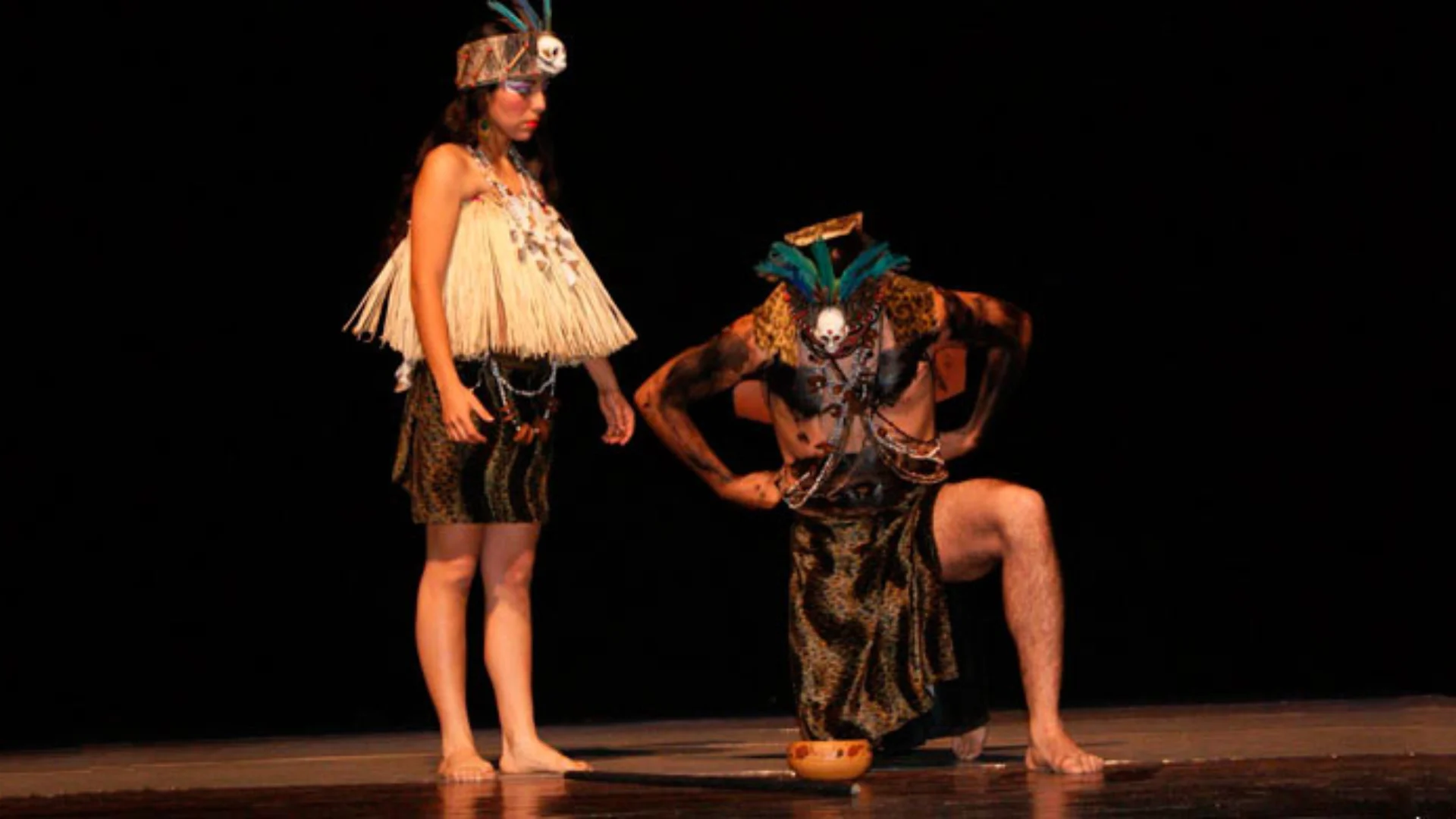
Why Peruvian Dances Remain Relevant Today
Many forms of dance are still an important part of everyday life in Peru today. They can be found in schools, at festivals, and around the world as representations of Peru’s national culture.
Preservation and Evolution
In some cases, these forms of dance have been preserved through time. However, modern performances allow for changes in style while keeping the core elements of the music intact.
Final Thoughts on Peruvian Traditional Dances
Dancing in Peru provides insight into the country and its many different cultures. Each style of dance contains information about centuries of experience, as well as the history that has shaped those experiences. Learning about the traditional folk dancing of Peru is not merely an appreciation of art but an appreciation of the rich culture and history that make up Peru.
Frequently asked questions about Peruvian Dances: The Most Popular Traditional Dances in Peru
The Marinera is Peru’s national dance, with roots in the Spanish fandango, African zamacueca, and indigenous couple dances. The dance portrays a couple’s flirtatious pursuit. The woman, in her embroidered pollera (skirt) and handkerchief, teases the man with her graceful movements.
Get to know the most traditional and colorful dances of Peru
- The marinera.
- The huayno.
- La Danza de Tijeras (Dance of Scissors)
- The Tondero.
Festejo is a dance that is strongly associated with the Afro-Peruvian people and has its roots on the Peruvian coast. Festejo (from Spanish ‘fiesta’) is a festive form of Afro-Peruvian music. The dance is a staple in the Black coastal populations and it celebrates the emancipation of slaves.
The Scissor Dance is a mesmerizing display of strength and coordination. Dancers engage in a competition, displaying their skills through intricate footwork, jumps, and acrobatic movements. This dance is a testament to the fusion of indigenous and colonial influences, with deep connections to Andean spirituality.
From the graceful movements of the Marinera to the lively beats of the Festejo, each dance tells a story of Peru’s ethnic heritage. The Scissors Dance, Diablada Puneña, and Buri Buriti further showcase the country’s artistic depth, with each performance reflecting the spirit of its people.Feb 20, 2025