
Christmas in Cusco: The Andean Celebration That Transforms the Imperial City
December changes the Imperial City entirely. Christmas Cusco Peru, region is much more than a holiday; Christmas in the Peruvian Andes becomes a cultural, spiritual, and sensory adventure that offers insight into the way Christmas is observed in the Peruvian region. Lights, smells, and activities line the streets, while historical plazas are being prepared for arts and crafts fairs, manger scenes, and giant Christmas trees that light up Inca ruins and colonial architecture. In this time of the year, Cusco springs to life as part of a traditional Christmas celebration.
For travelers wondering do they celebrate Christmas in Peru, Cusco which is one of the places where the celebration of Christmas in Peru has the most complete expression by adding Andean traditions with the Christian celebration of the feast.
Christmas in Cusco: How Christmas Is Celebrated in the Andes
Celebrations of Christmas in Cusco are definitely characterized by the syncretism typical of the Andean culture. In this case, the Christian belief and the Andean traditions are not in opposition but are rather complemented in all aspects of celebrations.
Christmas in Cusco, the ancient capital of the Tahuantinsuyu and a key cultural center in Peru, becomes a distinctive experience. The birth of Jesus Christ is celebrated from a strong Andean perspective that mixes the reverence and faith characteristic of the place with the symbols and arts that evoke the ancestors.
More than a date on the calendar, Christmas in Cusco represents continuity, memory, and hope. It is the expression of a society that honors its past while celebrating universal values such as unity, peace, and renewal core elements of how Christmas is lived in the Andean highlands.
Santurantikuy: The Heart of Christmas in Cusco
Santurantikuy is the most representative event of Christmas in Cusco and one of the most important artisan markets in Peru. During these days, the city concentrates its cultural and spiritual identity in a single space.
Santurantikuy: A Fair with More Than Four Centuries of History
Every December 22, 23, and especially on the 24th, Cusco’s Main Square is filled with dozens of wooden stalls that bring Santurantikuy to life. This historic fair dates back to the 16th century and was declared National Cultural Heritage in 2009.
The name Santurantikuy comes from Quechua and means “sale of saints.” During these days, the square fills with the scent of fresh moss, straw brought from the hills, and the constant movement of buyers. It is the cultural heart of the Santurantikuy festival Peru, where faith, art, and tradition merge.
The Search for the Niño Manuelito
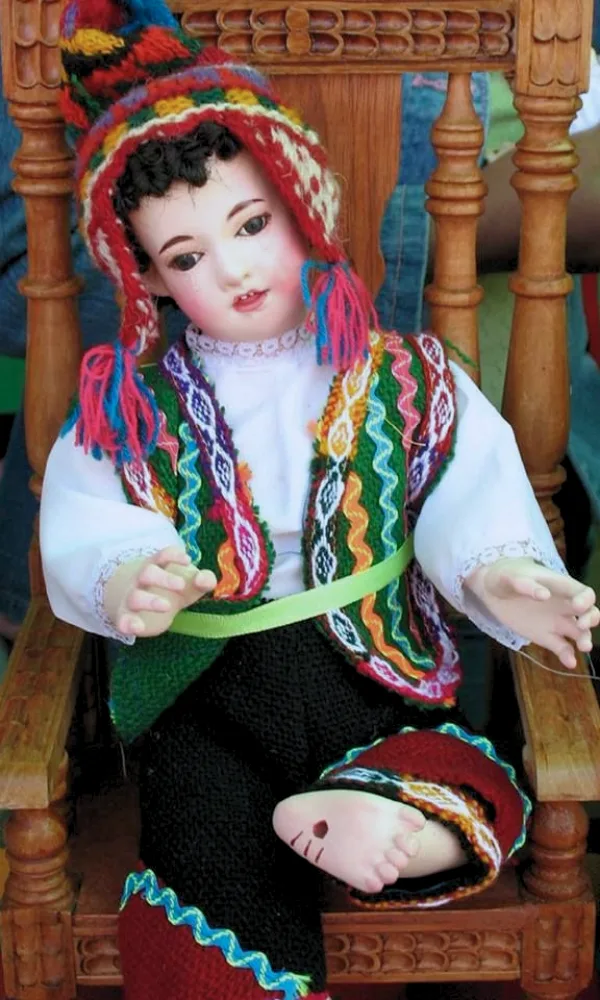
The most cherished figure at Santurantikuy is the Niño Manuelito, the Andean representation of the baby Jesus. Families walk through the fair searching for a new figurine or clothing to renew their nativity scenes, a gesture that symbolizes spiritual renewal and cultural continuity.
Artisans and Symbols That Define Christmas in the Andes
Christmas in Cusco is also expressed through its artisans and the symbolic pieces that accompany nativity scenes and homes throughout December.
Manuelitos, Toritos, and “Ilusiones”: Figures with Meaning
Alongside the Niño Manuelito, the famous Toritos de Pucará form part of Christmas imagery as symbols of protection, prosperity, and abundance. Added to these are the ilusiones, small handcrafted amulets made of wool, wood, or plaster that represent wishes and aspirations for the coming year.
These objects are not merely decorative. They reflect the Andean worldview and preserve an artistic tradition passed down through generations, reinforcing the spiritual dimension of Christmas in the Andes.
Christmas Trees We Recommend Visiting in Cusco
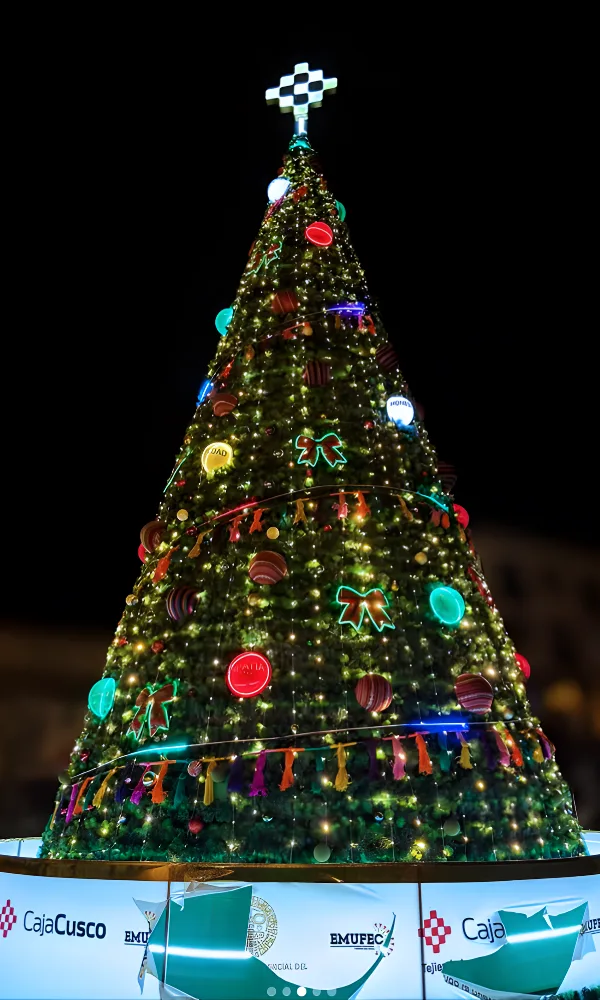
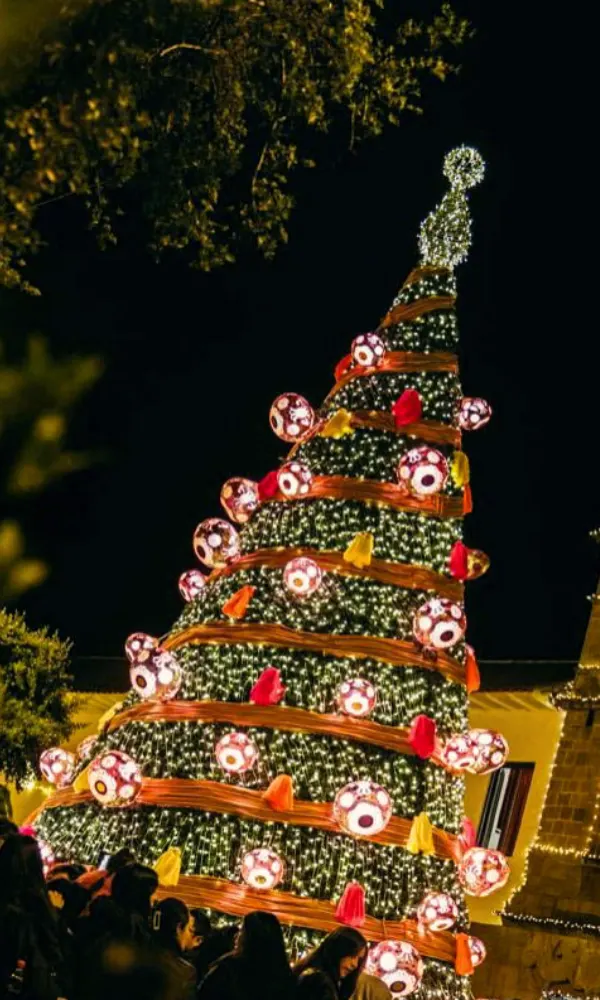
Though the Main Square is mainly for the Santurantikuy artisan event, other representative areas in the city are illuminated in time for Christmas. These spaces form part of the most recognizable Peru Christmas decorations, where public plazas become festive landmarks.
Christmas Tree at Qoricancha
One of the most celebratory sights in the city can be seen in front of Qoricancha, where a Christmas tree has been erected. It is one of the most majestic Christmas trees in town, and its magnificence is accentuated through its light displays against the ancestral Incan stonework setting of what was once known as the Temple of the Sun. It can be visited after 7:00 p.m. to take in its tranquility.
Christmas Tree at Nazarenas Square
The Christmas tree in Nazarenas Square reflects a more refined and tranquil side of the city’s holiday decorations. Placed within a historic setting surrounded by colonial architecture, this tree is designed to blend harmoniously with its surroundings. It is frequently visited by those seeking a quieter walk through the Historic Center, showing how Cusco adapts Christmas decorations to different urban contexts.
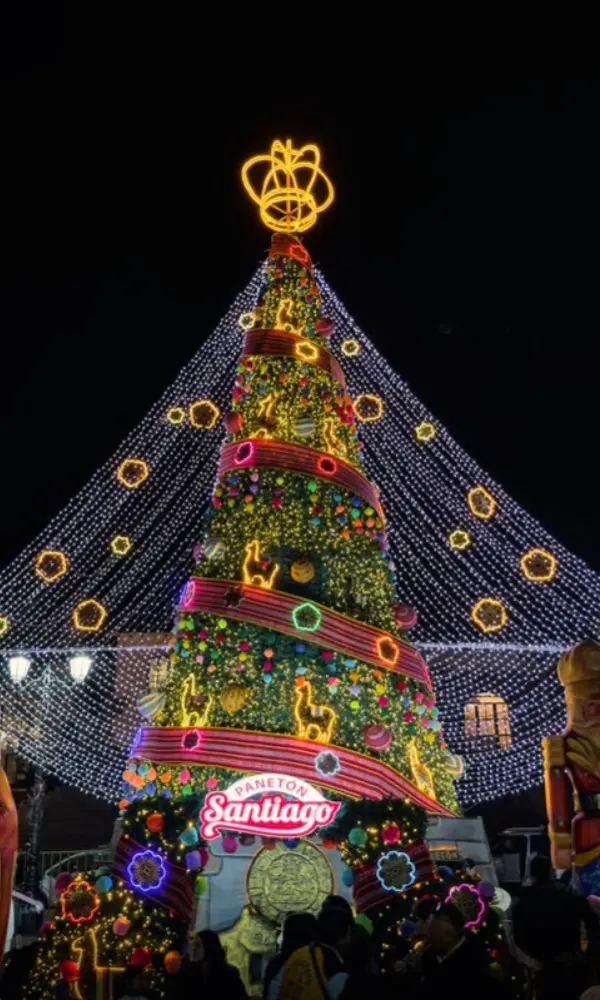
Christmas Tree at Santiago Square
By contrast to the Historic Center, the Christmas Tree in Plaza de Santiago embodies the most popular and community-based Christmas spirit of the city. It frequently tends to be among the tallest and most vivid trees in the whole district. Night scenes in December are marked by local music and food vendors that fill the square to the extent that Christmas becomes a part of the community.
Nativity Scenes in Cusco: The City Turned into a Living Nativity
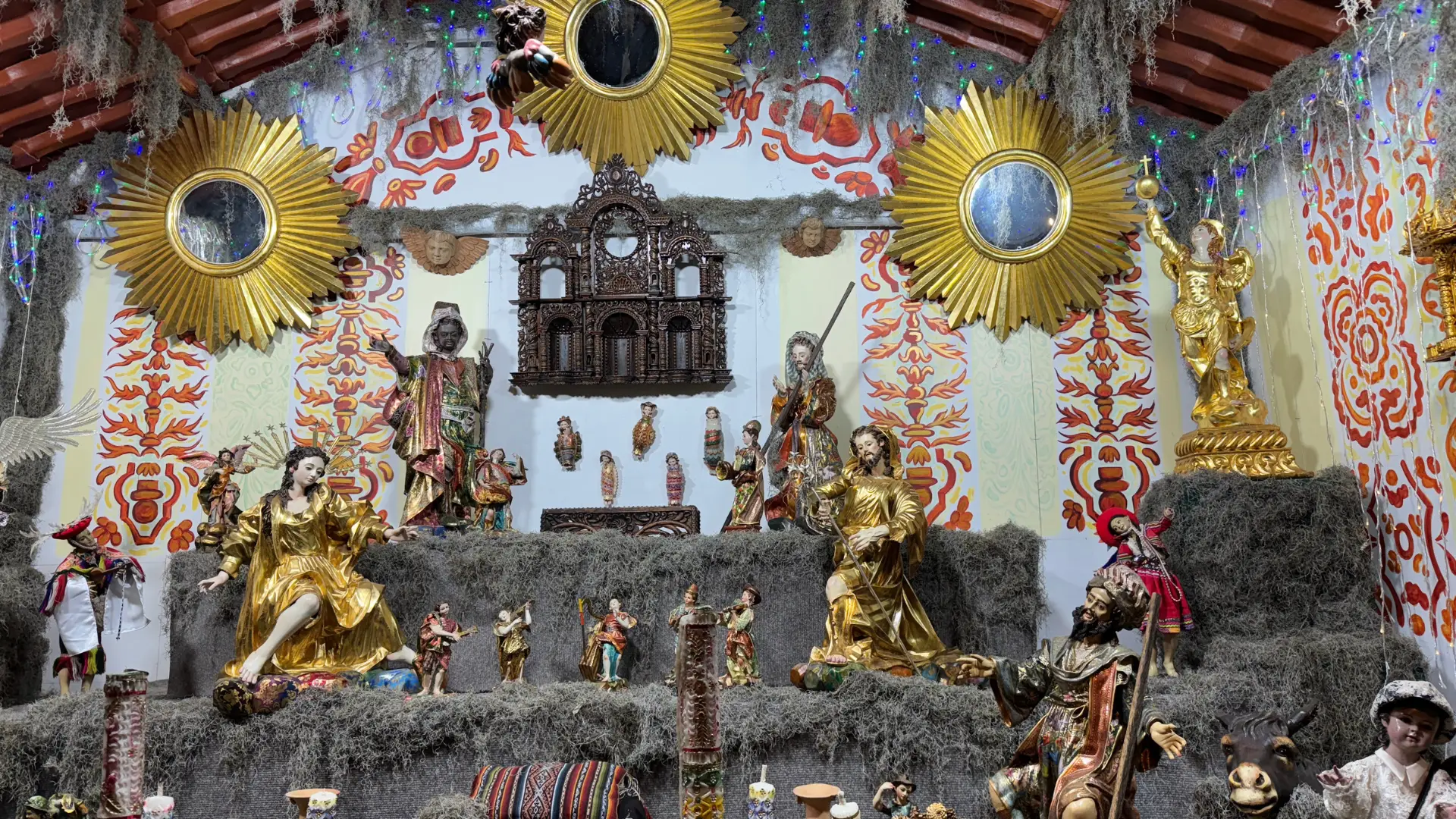
The nativity scenarios form part of the most emotive and representative expressions of Christmas in Cusco. Beyond decoration, every nativity indicates a particular way of comprehending faith, identity, and local history. During December, the whole city of Cusco becomes a living nativity scene displayed in churches, museums, public plazas, and private homes.
Unlike any other part of the world, nativity scenes in Cusco involve elements from the Andean world. Christian iconography becomes adapted to the local environment, with native animals, traditional architecture, and regional clothing all expressions of the cultural syncretism that defines Christmas in the Andes.
Monumental Nativity Scenes in Public Squares
Probably the most famous place, where one can see large-scale nativity scenes, is the Cusco’s Main Square. Monstrous displays show Jesus’ birth in the Andes with adobe houses, mountain landscape, and with llamas instead of camels.
Figures are often dressed in Andean textiles, ponchos, and polleras or costumes from traditional dances. This procedure reinforces not only the aesthetic dimension but also the idea that the Christmas message dons the local cultural trappings.
Other districts, like Santiago, have their original nativity scenes on display in plazas and community areas, mixed with Christmas lights and neighborhood activities. Most of the churches in the Historic Center show beautiful nativity scenes with sacred music and Andean carols.
Visiting these nativity scenes is more than a visual activity; it is a way of understanding how Christian faith has been reinterpreted over time, creating a Christmas deeply rooted in Andean identity and daily life.
Christmas Dinners in Cusco: Family Tradition and a Festive Feast
Food has an important place in the Christmas festivities in Cusco, particularly on the evening of December 24th. Christmas Eve supper is a time for families to reunite, give thanks, and celebrate, with food being the means that bring people closer to one another and to their heritage.
Roasted Pork and Turkey on the Christmas Table
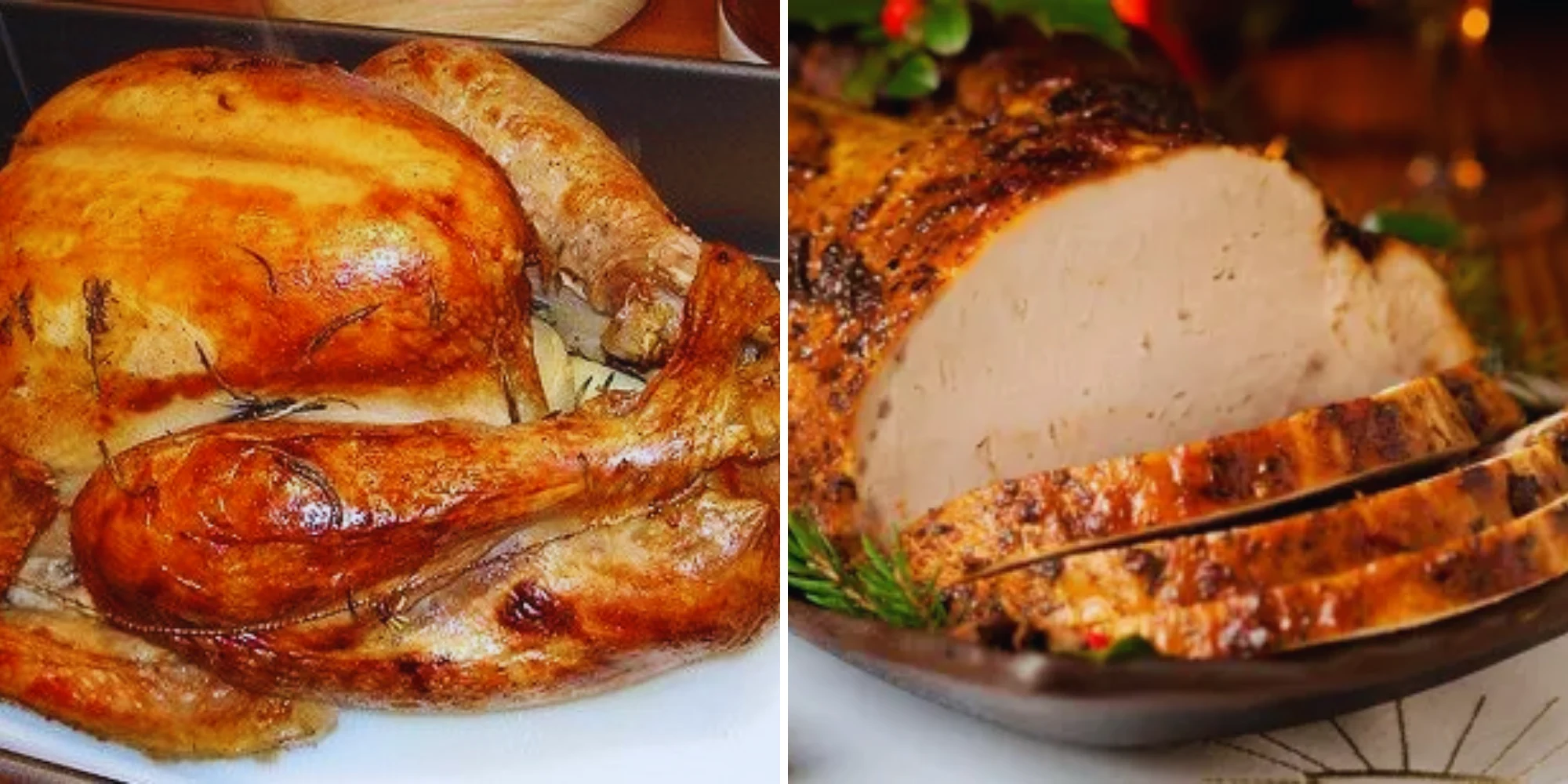
Roasted pork has long been the traditional Christmas dish in Cusco. Carefully seasoned and slow-roasted until crispy on the outside and tender inside, it is typically served with tamales, native potatoes, or moraya. Alongside this tradition, Christmas turkey has gained popularity in recent years, especially in urban households and restaurants offering special holiday dinners, reflecting a blend of tradition and modern influence.
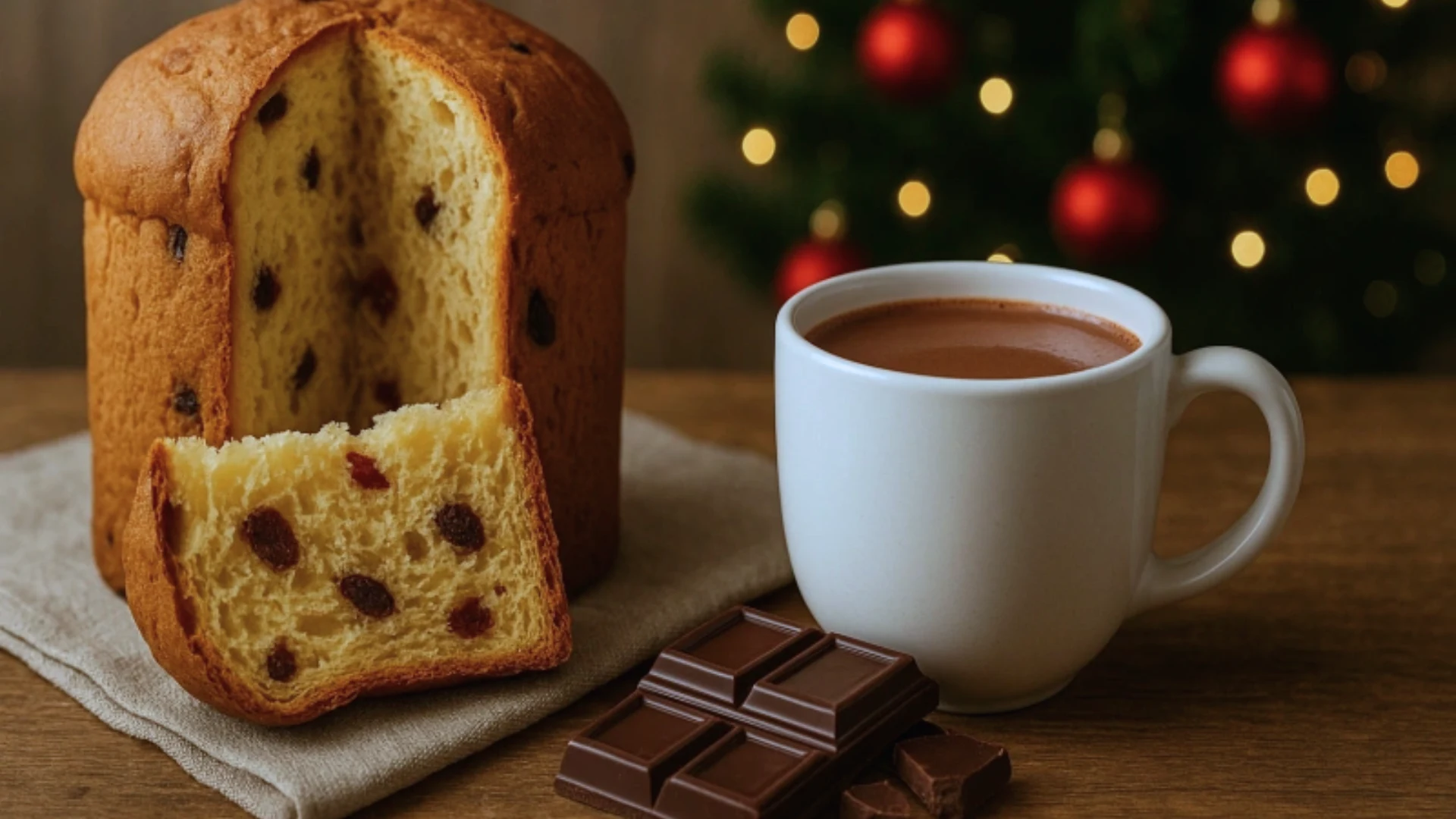
Hot Chocolate and Panettone
When the clock strikes midnight, one of the most eagerly awaited traditions is the sharing of hot chocolate and panettone. The hot chocolate of Cusco is often produced with cacao imported from the region of Quillabamba, renowned for its fragrant smell and earthy taste. The thick and warming drink is the best antidote for the cold of the Andean night.
This tradition goes beyond homes. Even on the streets, in the plaza, and in the neighborhood, the habit of drinking hot chocolate becomes a gesture of kindness among the people. More than being a food item, chocolate and panettone have become an embodiment of togetherness.
Midnight Celebration and Fireworks
Christmas in Cusco reaches a crescendo at midnight on December 25, when activities spill out of homes and onto the streets.
Midnight Mass: The Spiritual Beginning of Christmas
Christmas starts in a serious note with Midnight Mass on December 24th in some countries. At dinner on Christmas Eve, families thereafter proceed to church to mark Jesus’ birthday in a reflective and spiritual manner through songs and bells associated with worship.
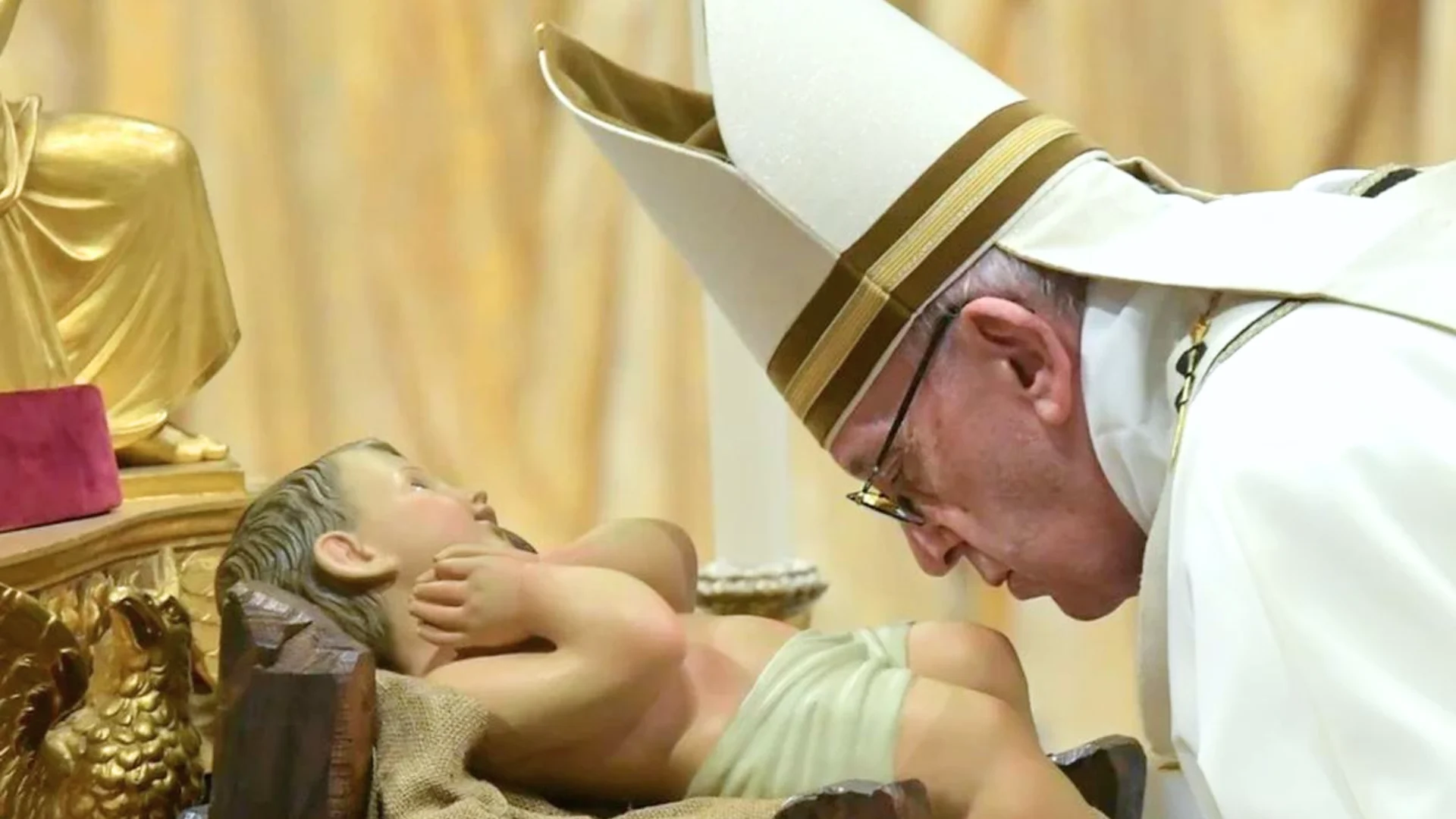
Lights and Fireworks in Streets and Plazas
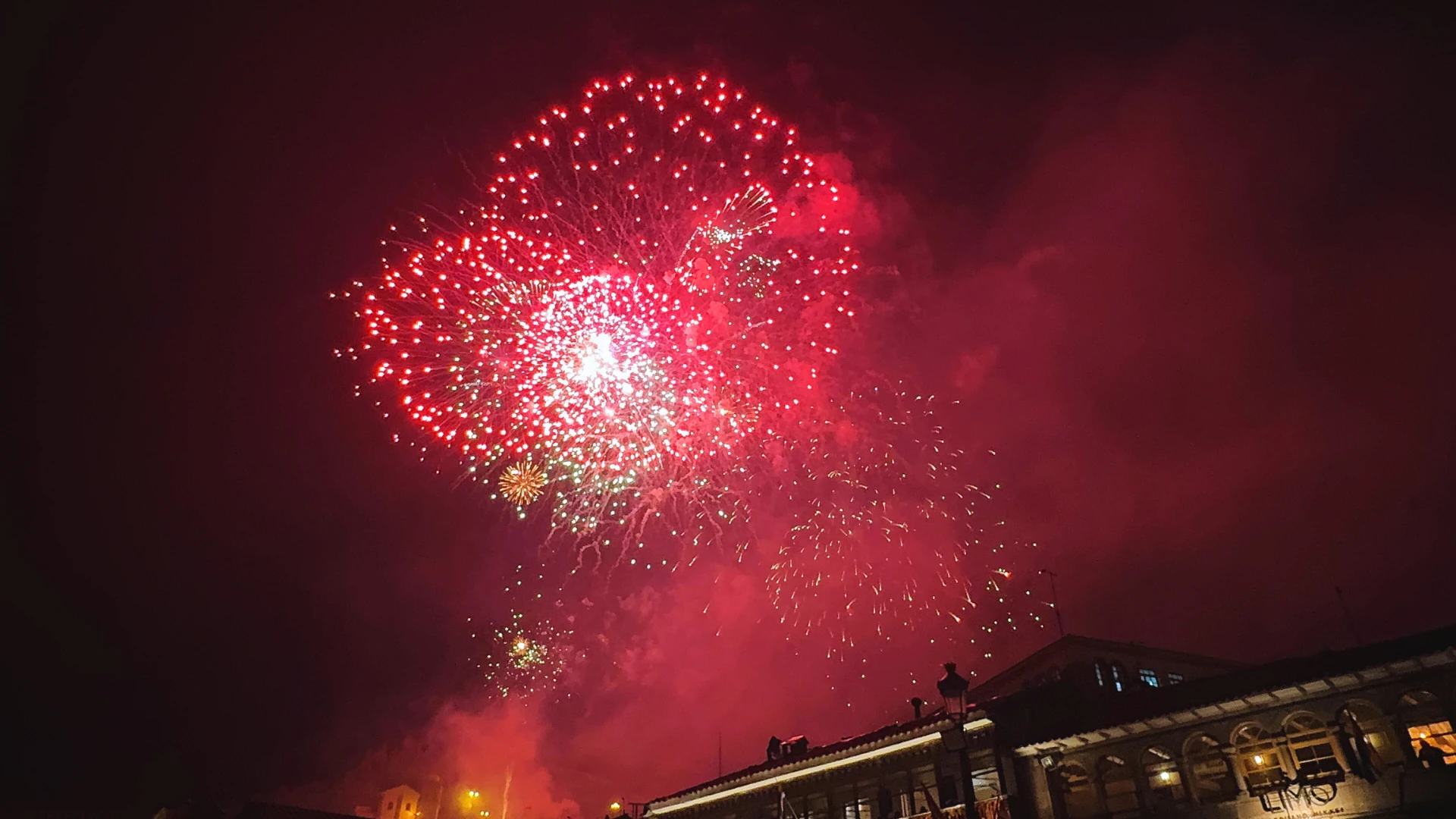
The celebration of Christmas in Cusco starts after the last mass has finished; at Midnight there will be fireworks that can be seen from the hills surrounding Cusco, as well as all around town. The Main Square becomes a gathering point where locals and visitors exchange hugs, toast with traditional drinks, and wish one another peace and prosperity. The combination of lights, fireworks, music, and shared joy creates an unforgettable Christmas atmosphere one of the most memorable Cusco events of the year.
Community Chocolate Events: The Spirit of Christmas in Cusco
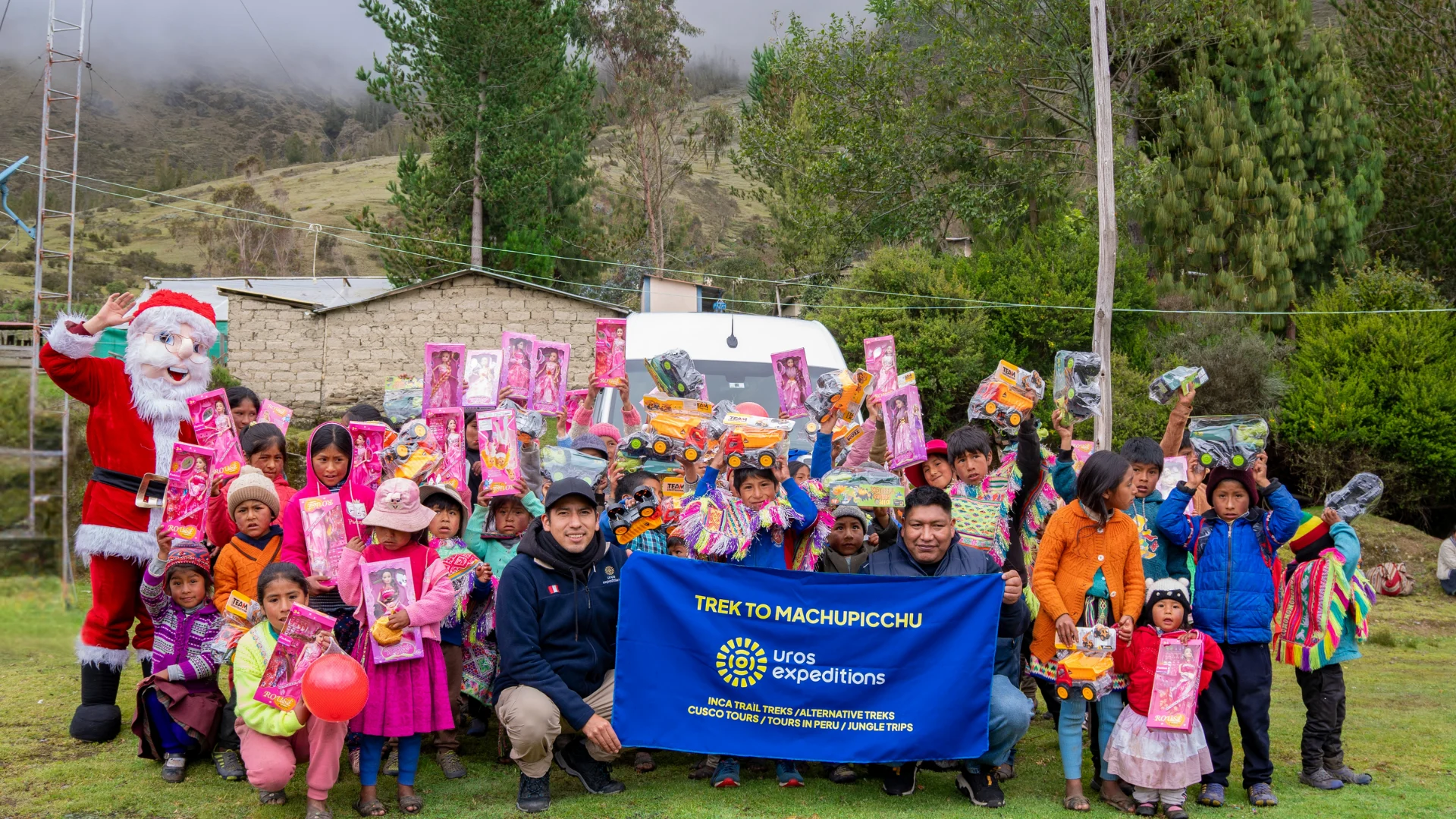
One of the most authentic Christmas experiences that take place in Cusco occurs in community chocolate events that are held throughout December. Communities, schools, parishes, and social groups serve children and families with hot chocolate and panettone in urban and peripheral areas.
These activities usually range from singing carols, playing games, presenting some sort of show, to giving presents, hence creating environments filled with joy centered on the idea of coming together. More than being a reason to celebrate, these activities bring people closer, an idea that embodies the spirit of Christmas in Cusco.
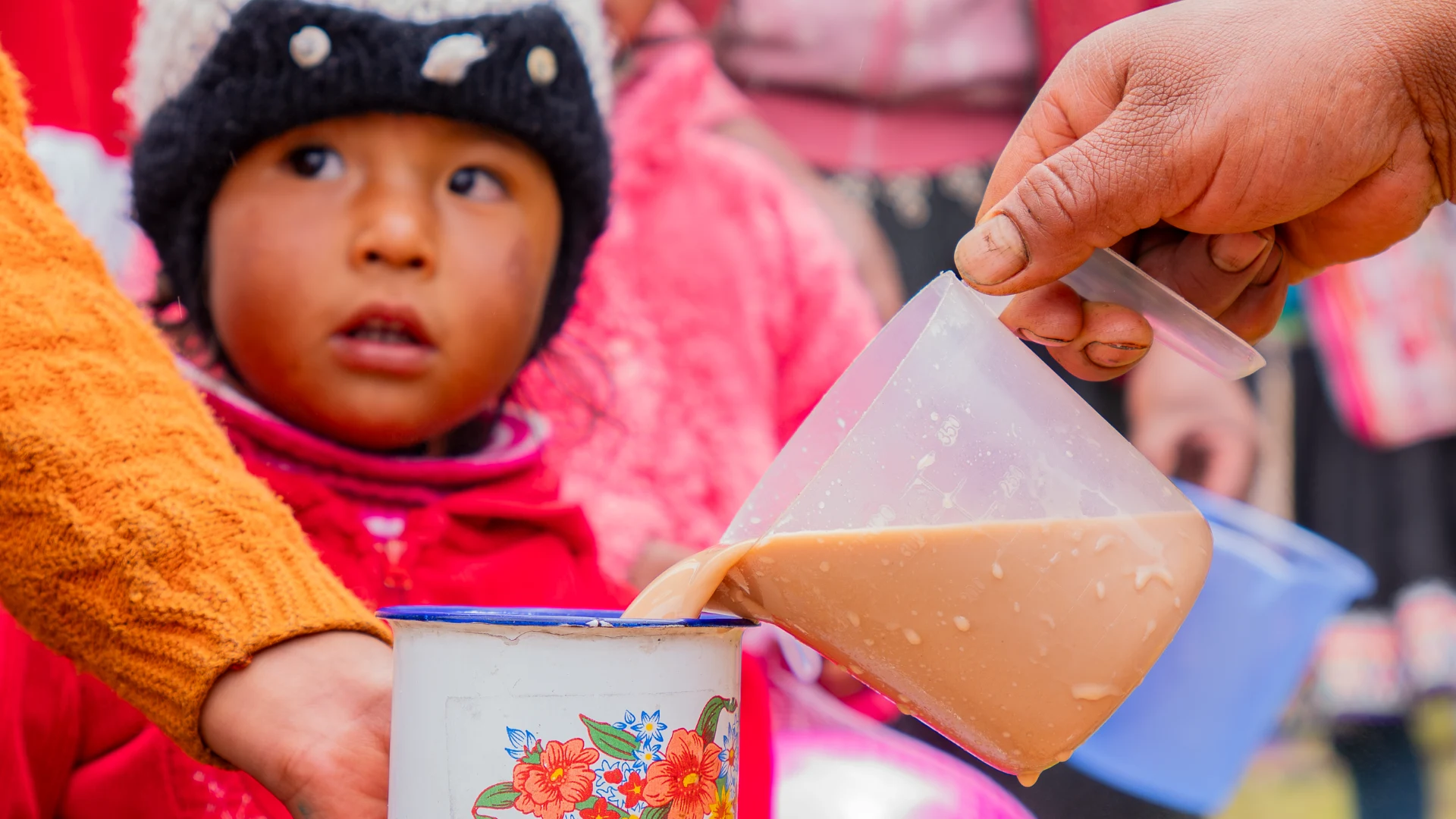
A good example of this is the project organized by Uros Expeditions during the Christmas season. Uros Expeditions reaches out to children living in the highlands around Cusco, bringing joy to these kids. This project does not focus on giving presents but focuses on giving these kids some moments they will cherish. This is the spirit of Christmas, showing solidarity, understanding, and appreciation.
Christmas Carols in Cusco
The Christmas carols figure significantly in the Cusco festivals celebrated in the month of December. the carols shout the arrival of Jesus, but the emotions of joy, hope, and unity display the significance of the festival.
Contrary to the traditional carols that are sung in other countries, the carols sung in Cusco have an Andean cultural twist. The carols have lyrics sung in Spanish and Quechua and are accompanied by musical instruments like the charango and the guitar. This rich cultural flavor can be witnessed during masses, processions, fairs, and chocolate festivals.
Practical Tips for Enjoying Christmas in Cusco
| Aspect | Recommendation |
|---|---|
| Planning | Plan activities in advance, especially between December 22–24 when the city is busiest. |
| Timing | Visit plazas and Christmas trees after 7:00 p.m. for the best lighting. |
| Weather | Expect Peru Christmas weather with rain and cold nights. |
| Footwear | Wear comfortable, non-slip shoes for cobblestone streets. |
| Money | Carry cash in soles for fairs and local vendors. |
| Altitude | Take time to acclimatize if you’ve just arrived in Cusco. |
| Cultural respect | Respect local traditions and religious celebrations. |
| Photography | Ask permission before photographing people or artisan displays. |
Christmas in Cusco: A Living Celebration in the Heart of the Andes
Christmas in Cusco is more than just a religious celebration. It is a living experience of how people of the Andes celebrate Christmas through their faith, artistic expression, communal approach, and a cultural memory. The Christmas season in Cusco is full of robust experiences that create deep and lasting impressions on visitors: Santurantikuy art fair and illuminated plazas; large-scale nativity scenes (representing because there are a lot of nativity scenes to see in the city); family meal celebrations; hot chocolate drink, social events with fireworks displays, and festivals Christmas in Cusco represents an authentic experience for visitors looking to experience the holiday season in Cusco instead of just going for a one time visit.
Can I Visit Machu Picchu During Christmas?
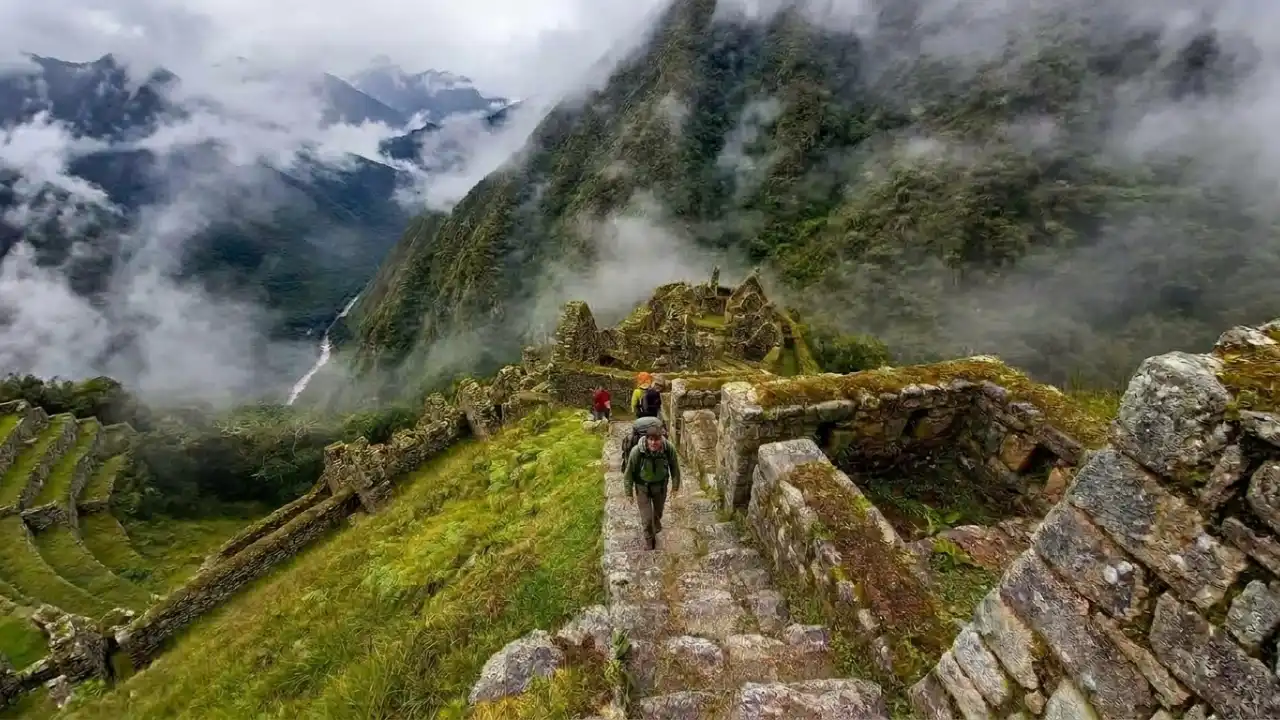
Yes. You can go to Machu Picchu during Christmas Holidays. Machu Picchu is OPEN on Christmas Eve (December 24) and Christmas Day (December 25), and the numbers visiting Machu Picchu is usually lower than other months (because it is rainy season) and the green landscape of Machu Picchu will be especially beautiful. If you are planning and take certain precautions (waterproof clothing) and make reservations ahead of time, visiting during the Christmas season could be the absolute best experience you will have when visiting Machu Picchu.
Fun Facts About Christmas in Peru
Christmas is celebrated on December 24 at midnight, nativity scenes in Peru typically have llamas in them instead of camels, and a Christmas Market like Santurantikuy replaces the traditional Christmas Shopping. These interesting facts represent how the local culture has influenced global traditions regarding Christmas.
Frequently asked questions about Christmas in Cusco: The Andean Celebration That Transforms the Imperial City
You can visit Santurantikuy, explore nativity scenes, see Christmas trees, attend Midnight Mass, enjoy hot chocolate and panettone, and experience community celebrations.
December is festive and cultural, with some rain, cooler nights, greener landscapes, and fewer tourists than peak season.
It is a blend of Andean traditions and Christian faith, marked by artisan fairs, music, food, and strong community spirit.
Yes. Despite the rain, fewer crowds and lush scenery make it a rewarding experience with good planning.