What Shoes to Wear for the Inca Trail?
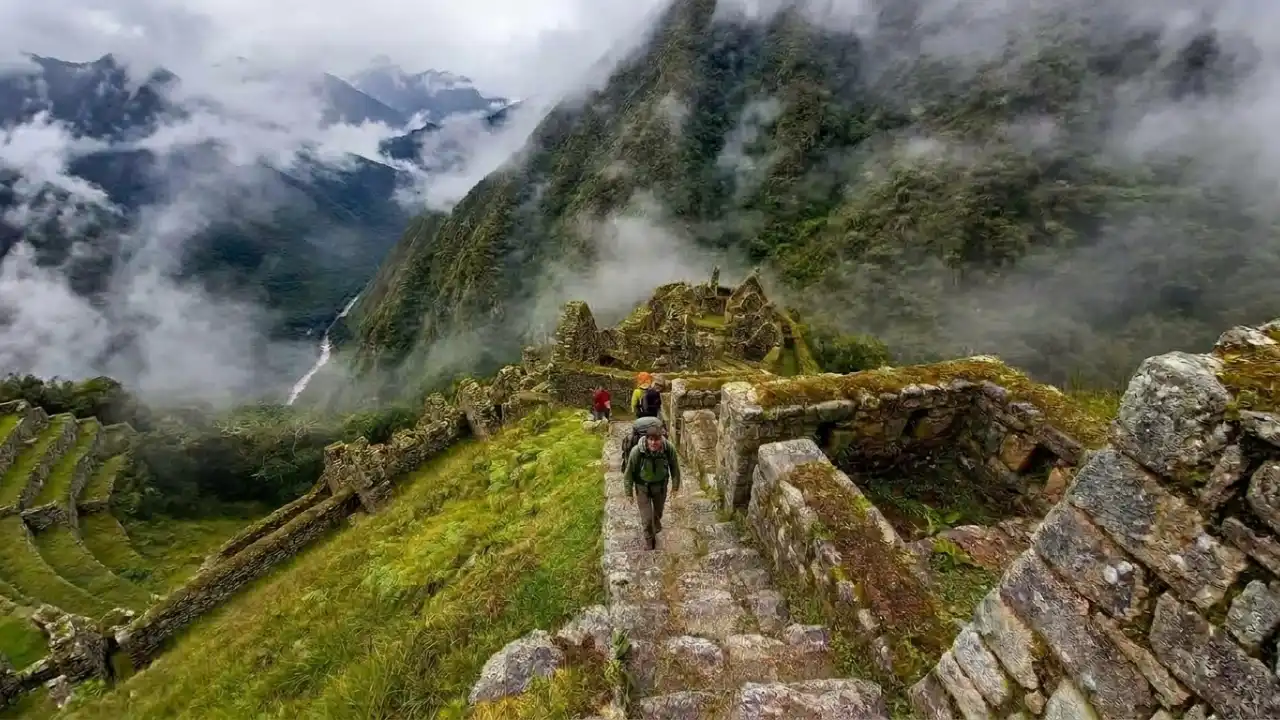
Hiking the Inca Trail is always challenging, even if it is your second or third time doing it. In addition to completing a short acclimatization period in the city of Cusco and physically conditioning your body to the altitude, it is essential to have the right gear for this journey—whether it be pants, windbreakers, thermal shirts, or backpacks. Consequently, dedicating time to choosing your trekking shoes is by no means a minor detail.
Selecting the correct footwear is a crucial part of preparing your gear to conquer the Inca Trail.
Breaking in New Shoes on the Inca Trail?
The short answer is no. Wearing your footwear for the very first time on such a demanding trek is highly discouraged. Indeed, this is one of the most fundamental tips for choosing the right shoes for the Inca Trail.
Before you wear your boots on a grueling excursion like this, it is vital to test them beforehand by taking walks on less demanding terrain, such as countryside strolls or mixed, low-altitude trails.
Testing your shoes before pushing yourself to the limit will help your feet adapt more easily to the footwear. Furthermore, it ensures a more relaxed stride, allowing you to tackle difficult sections of the Inca Trail with confidence.
Types of Trekking Shoes
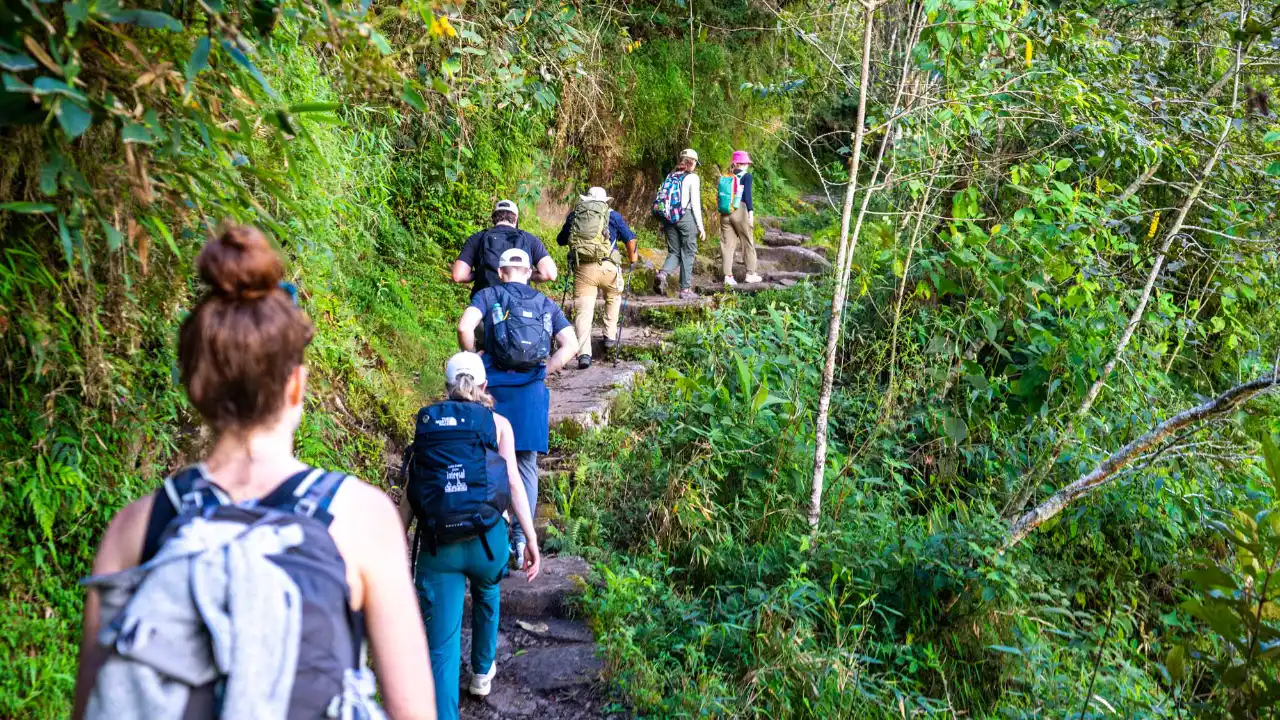
There are three main types of trekking footwear:
- Low-cut shoes: Used for even terrain, forest paths, or walks through rural areas. Their below-the-ankle cut offers lightweight comfort and freedom of movement, thereby promoting walking speed and foot ventilation.
- Mid-cut boots: These are versatile options for intermediate difficulty trails, multi-day routes, and terrain with loose stones, roots, or moderate inclines. The mid-cut design stabilizes the ankle, thus reducing the risk of twists and providing greater support.
- High-cut boots: These boots offer maximum protection and support for high-mountain routes, steep climbs, and harsh weather conditions. The sole features deep rubber lugs that provide exceptional traction on ice, snow, and wet rock.
Now, let’s look at which type of shoes suits you best for the Inca Trail.
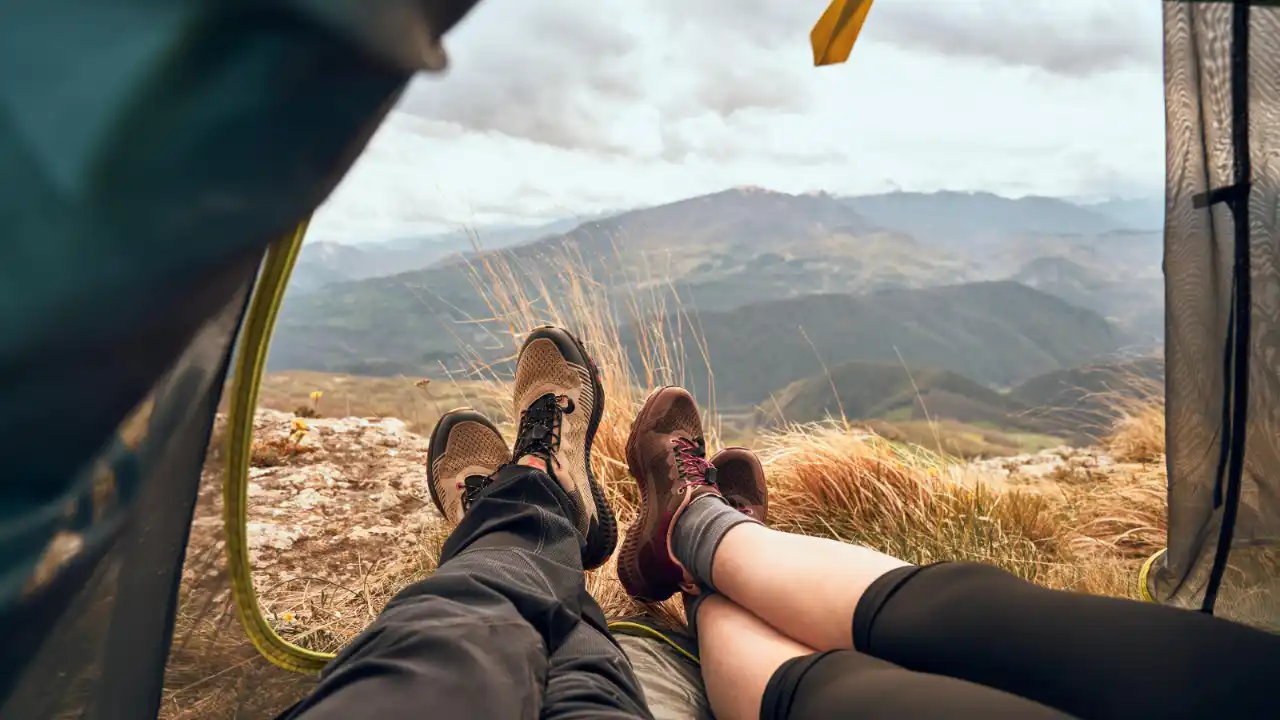
High-cut boots are definitely the best choice for the Inca Trail, as they offer maximum protection and support for high-mountain routes. They completely cover the ankle, ensuring stability on steep descents and slippery terrain, while also protecting your feet and legs from rock impacts.
Keep in mind that Machu Picchu is located in the Jungle brow (ceja de selva). For this reason, we recommend choosing a shoe model with a waterproof membrane to help keep your feet dry in wet conditions. Additionally, for muddy sections—which make up a large part of the Inca Trail—a model with deep, widely spaced lugs is highly recommended.
Prioritize Your Comfort
Biomechanics experts emphasize the importance of opting for footwear that can adapt to any terrain.
Prioritize how comfortable they feel instead of how they look. Ultimately, the most valuable assets once you have found the right shoes for your anatomy are stability and safety they provide to your feet, legs, and ankles.
Key Points to Keep in Mind
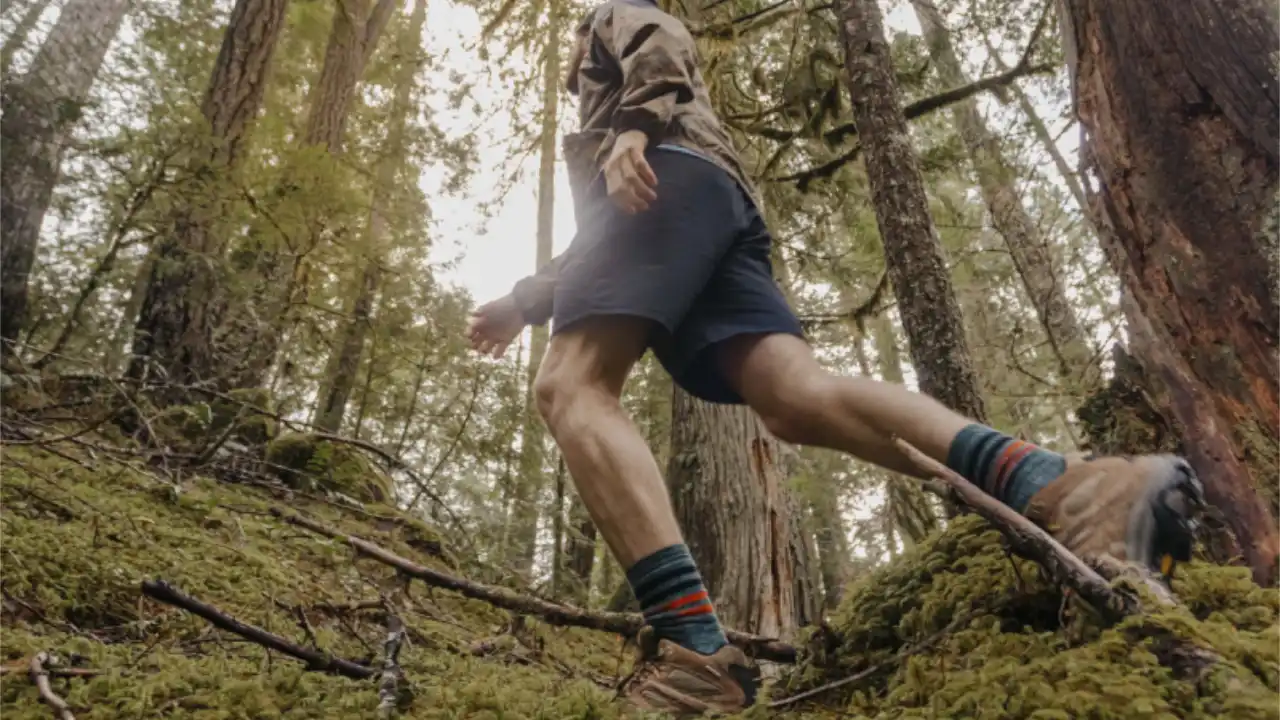
Ankle Height (The Collar)
The “cut” refers to how high the footwear reaches to support the ankle. This feature will grant you greater stability while walking and safeguard your ankles against potential slips and sprains.
Sole Rigidity
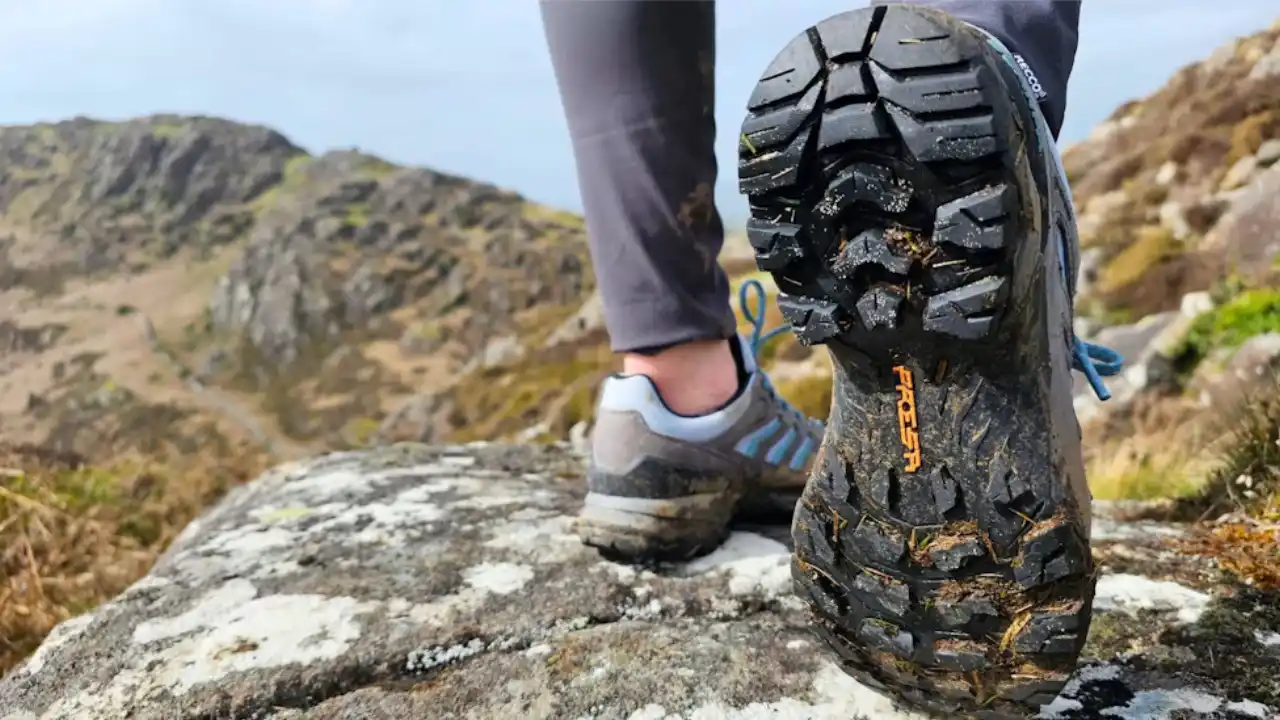
The sole is one of the most critical components of trekking footwear, given that it determines grip and stability with every step. An adequate sole will provide a solid grip on any type of terrain, protecting your feet, legs, and back from impacts.
Soles are typically manufactured with highly abrasion-resistant rubber compounds. Some of the most recognized and widely accepted brands include Vibram MegaGrip, Contagrip from Salomon, or All Terrain Compound from Merrell. These materials offer reliable traction on wet, rocky, and muddy surfaces, guaranteeing safety in every stride.
The tread pattern of the sole (the lugs) varies depending on the intended terrain. On routes with loose rocks, mud, or roots, deep and aggressive lugs provide superior grip. Some trekking shoes include flex grooves between the lugs, allowing for better adaptability to the ground, absorbing irregularities, and maintaining constant contact with the surface.
Breathability and Waterproofing
On the other hand, you must bear in mind that the weather changes in Machu Picchu affect terrain conditions, causing mud and rainwater pooling, among other challenges. For this reason, the footwear must incorporate waterproof membranes, such as Gore-Tex (used by Salewa), OutDry (by Columbia), Dri-Tec (used by Hi-Tec), or M Select Dry (used by Merrell).
Comfort
To conclude, comfort is another vital aspect. Not only does our enjoyment of the activity depend on it, but it will also affect our gait and contribute to better recovery during rest stops.
Footwear that causes pain will prevent a proper stride, which compromises safety and increases the risk of potential accidents.
High-cut boots are strongly recommended when carrying a weighted backpack. If you are facing long excursions, routes with poor weather conditions, or rugged terrain, this type of footwear stands out as the best option.
Additional Tips
- When choosing your size, stick to your regular shoe size, but ensure your toes do not touch the front toe cap, leaving a margin of 1.5 to 2 cm (about 0.6 to 0.8 inches).
- When trying them on, wear both shoes and walk up and down an inclined surface to simulate terrain slopes. Check that you can move around without any discomfort.
- Likewise, test them with the exact socks you plan to use on your trek. Socks are not just accessories; they play a fundamental role in foot protection and comfort. Since they have direct contact with the skin, they should have a seamless design (flat seams), a perfect fit, and be made of materials that guarantee breathability and thermal regulation for both cold and heat. When putting on your shoes, make sure the socks sit above the ankle collar.
How to Care for Your Shoes?
Finally, if you have already grown accustomed to your shoes and want to keep them around much longer, you should follow these tips:
When you finish an activity, clean them with a damp cloth; for mud, use a medium-bristle brush. Remove the insole and wash it with soap and water. Let both the footwear and the insoles dry in a cool, ventilated place, and remember never to expose them directly to the sun.
Lastly, stuff the inside of the shoes with layers of newspaper to absorb moisture and prevent your footwear from losing its shape.
Frequently asked questions about What Shoes to Wear for the Inca Trail?
High-cut boots are definitely the best choice for the Inca Trail, as they offer maximum protection and support for high-mountain routes. They completely cover the ankle, ensuring stability on steep descents and slippery terrain.