Inca Empire Inventions
The Tawantinsuyu, the “the four united regions” in Quechua language, as the Inca Empire was called, stretched along the Andes Mountains from southern Colombia to central Chile and Argentina.
During the period in which the Incas ruled this part of South America (approximately 1200 AD to 1572 AD), they built an empire that expanded rapidly and developed a complex social, military, religious, and productive system, capable of maintaining and assimilating the customs and knowledge of the conquered peoples; becoming the largest pre-Hispanic empire in the Americas.
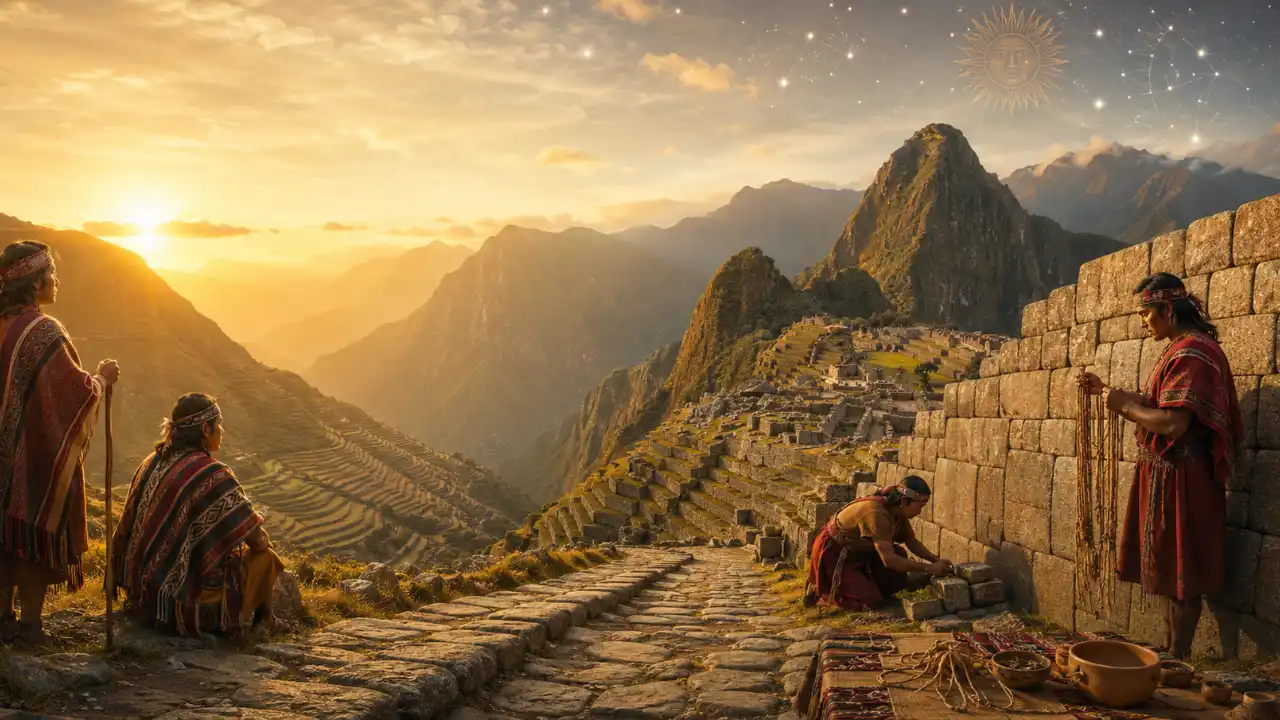
The construction of Machu Picchu, the Qhapaq Ñan (Inca Road), their astronomy, and a communal social system, without the need for a writing system, demonstrate that the Inca Empire was capable of developing a civilization with great scientific and social potential.
This is a guide to the contributions and inventions of the Inca Empire, a part of the Inca legacy to South America and the rest of the world.
Agriculture and Hydraulic Engineering
The Incas perfected this type of engineering. Civilizations that inhabited these areas, such as the Wari, Tiwanaku, Chavín, Nazca, and Chimú, already used terraced fields for agriculture; however, it was the Incas who systematized and popularized their use throughout their empire.
Agricultural Terraces
Their main functions were to prevent soil erosion and landslides, create arable land in the mountains, make better use of irrigation water, and generate microclimates according to the height of each level.
Maize and potatoes were the main crops. Other products cultivated included kiwicha, cañihua, beans, tarwi (chocho), chili peppers, sweet potatoes, squash, coca, and cotton.
Fruits such as lucuma, cherimoya, and pacay, among others, were also grown.
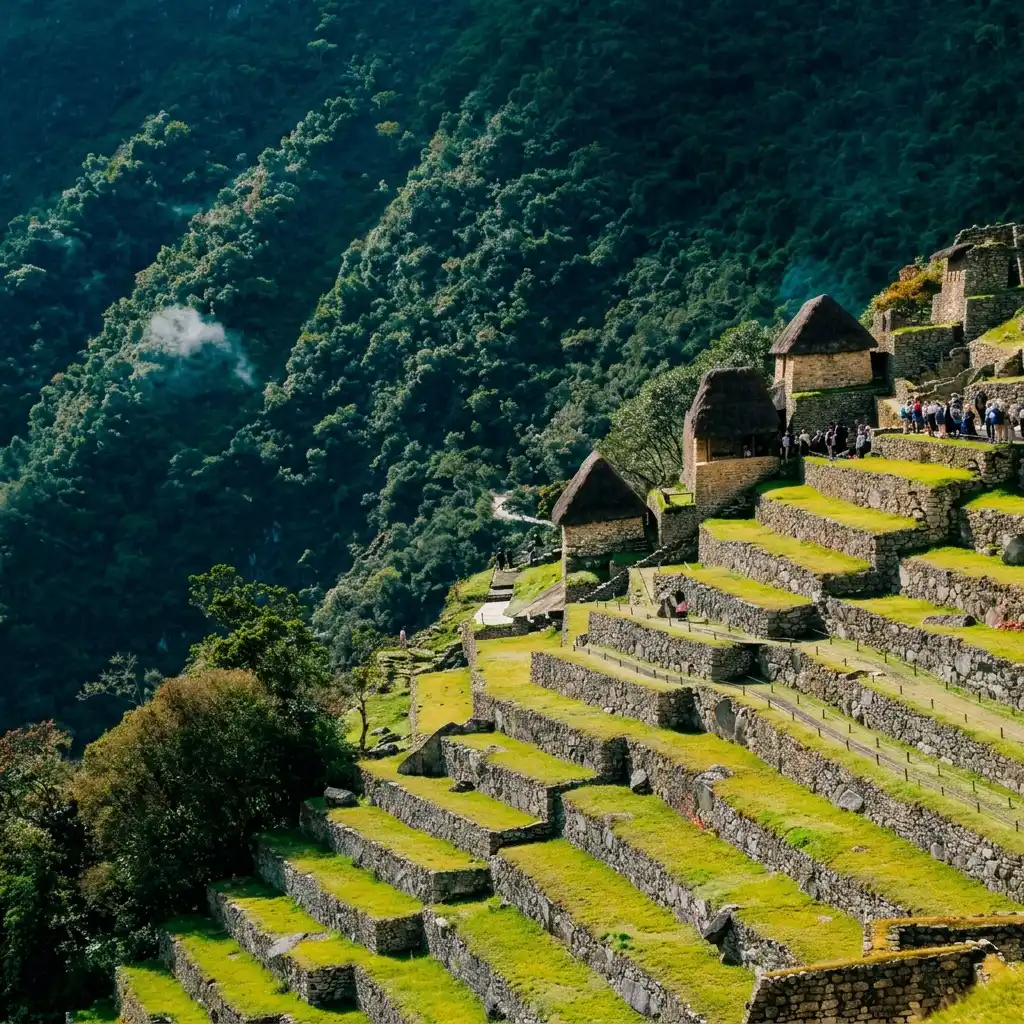
The Incas employed advanced agricultural techniques to conserve soil fertility, such as crop rotation and fallowing (leaving the land unplanted for periods of time).
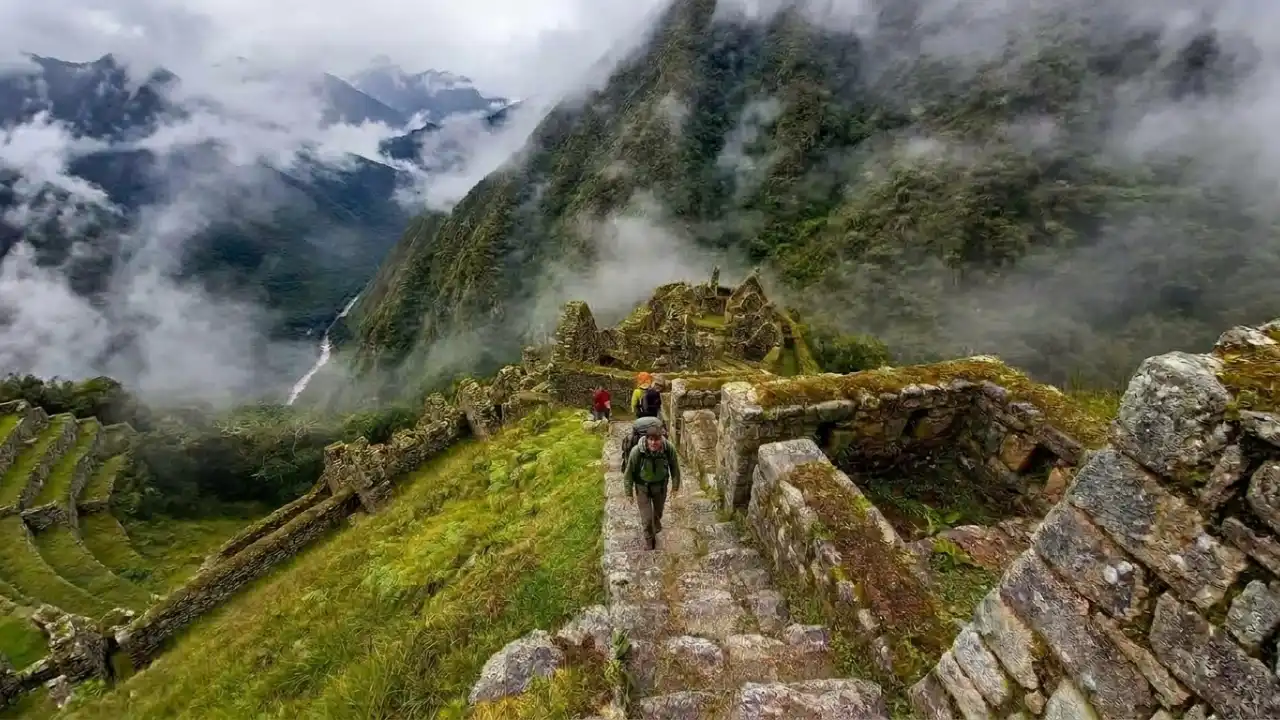
Tipón, Tambomachay, and Machu Picchu are some examples of this stepped farming system.
Land Organization:
Cultivated land was typically divided into three parts: the lands of the Sun (for worship and the support of priests), the lands of the Inca (for the state), and the lands of the people or ayllu (for the sustenance of families). The ayllu was the basic social unit that worked the land communally.
Irrigation Systems and Canals
The Amunas: Water Harvesting and Sowing
An Andean hydraulic engineering technique, amunas were canals that diverted rainwater so that it could seep into the soil in the higher elevations. This water slowly seeped into the ground and resurfaced months later in springs in the lower areas, where it was used to irrigate crops.
Also known as “water harvesting,” this method provided water during the dry season.
Moray: The Agricultural Laboratory
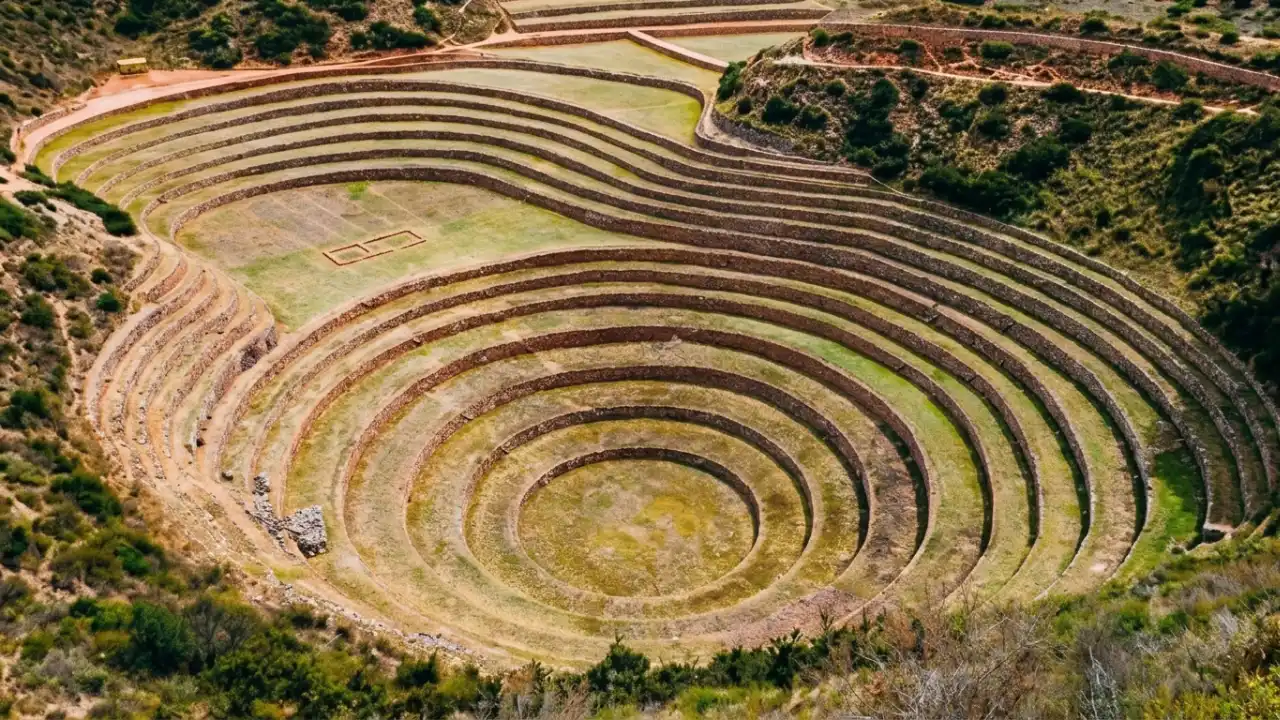
Moray is known as the great Inca agricultural laboratory, is made up of concentric circular terraces that slope down to form large depressions. It is believed to have functioned as an agricultural experimentation station, since there is a 15-degree Celsius temperature difference between the highest and lowest levels. This creates different microclimates for the adaptation of crops.
The waru waru (raised fields)
These are an impressive example of agricultural engineering and adaptation to the plains of Lake Titicaca. They are characterized by being high-altitude fields of Andean crops (potatoes, quinoa, and cañihua were cultivated) surrounded by irrigation canals that, in turn, form spectacular patterns.
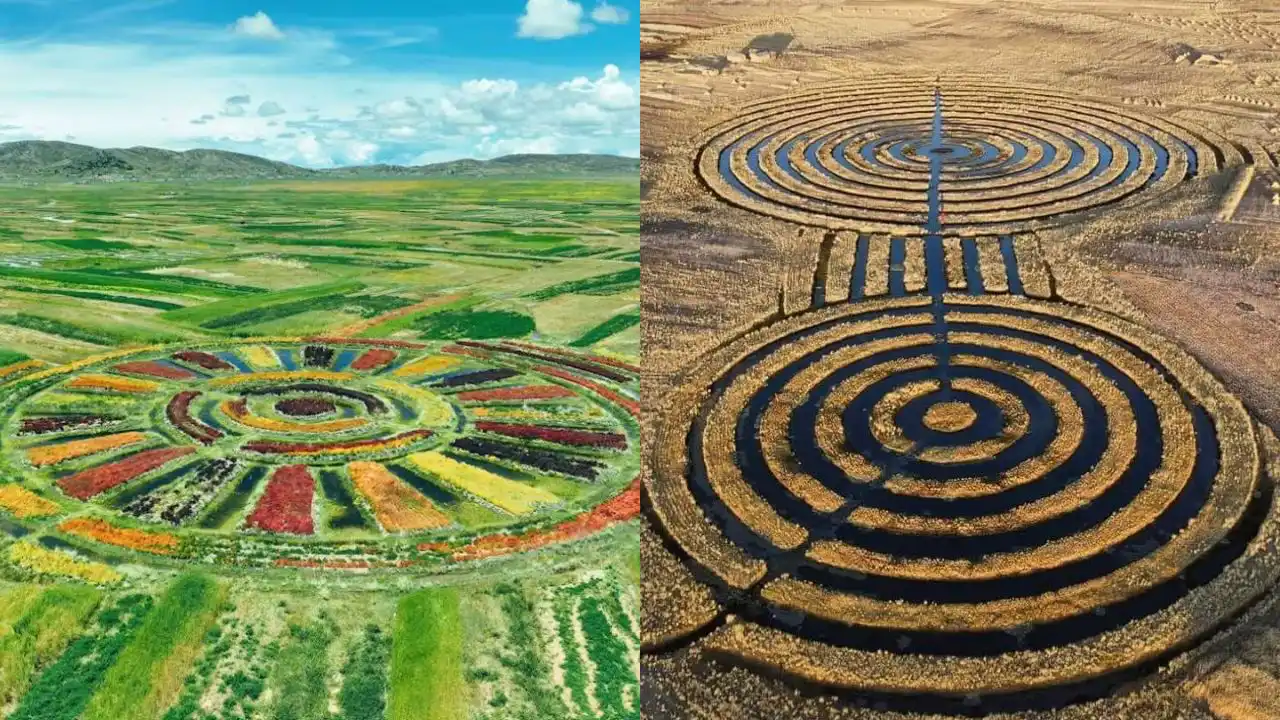
The water in the canals absorbed heat during the day and radiated it at night, protecting the plants from frost, as well as storing moisture and nutrients for the dry seasons.
Food Innovation
Chuño and Ancestral Freeze-Drying
Chuño is a potato dehydrated through a process that takes advantage of the low temperatures of the Andes and is considered an early form of freeze-drying (dehydration by freezing).
This procedure consisted of exposing the potatoes to the intense nighttime cold of the high altitudes so they would freeze, and then to the sun during the day; crushing them to extract the water, this process was repeated until a dry and light product was obtained.
This same technique was applied to meat (charqui, the origin of the word “charque”).
The Qollqas (Storehouses)
The Qollqas were storage depots located at high altitudes, frequently near roads, designed to take advantage of the Andean winds. Their location and design harnessed the wind and low temperatures to keep food fresh. Some examples of these buildings can be seen in places like Ollantaytambo.
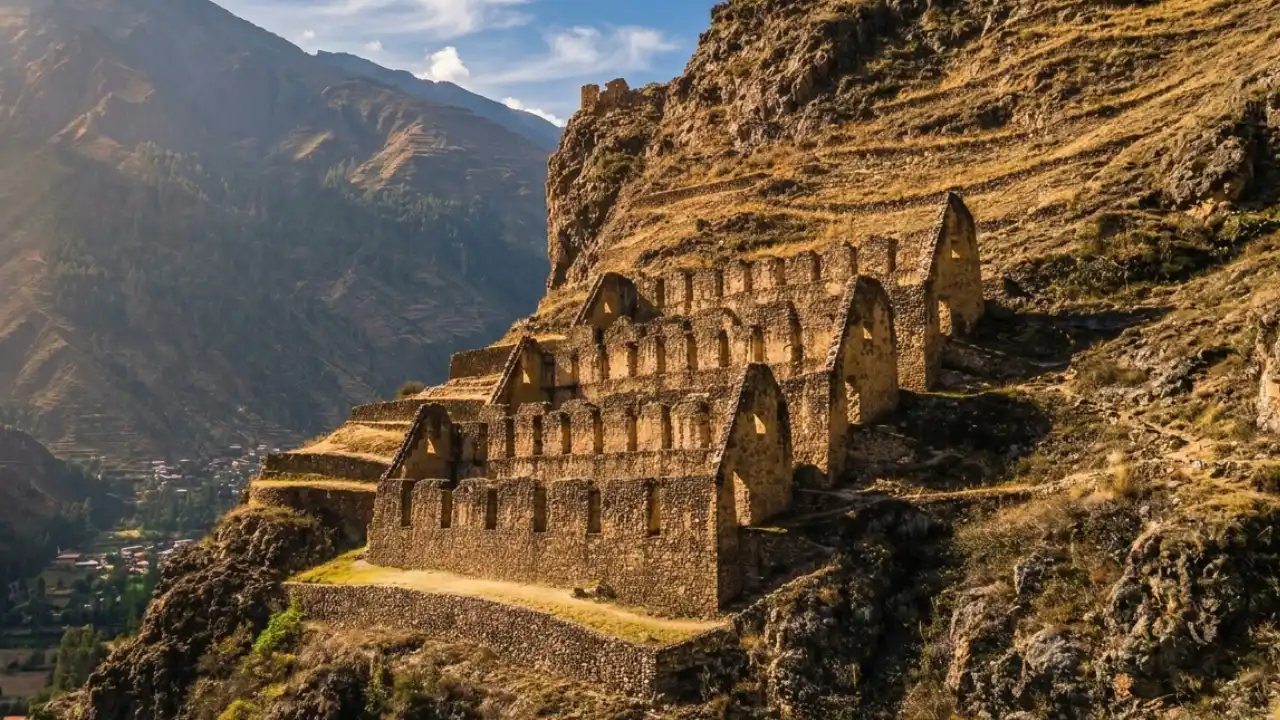
They contained grains, dried tubers, textiles and other goods that the State redistributed among the population, the army and the communities.
Architecture and Construction
Known for its solidity, precision, and resilience, Inca architecture developed without the use of iron, wheels for transport, or draft animals, characterized by an incredible organization of labor.
Sites like Sacsayhuamán, Machu Picchu, and the walls of Cusco are the most impressive examples.
Earthquake-Resistant Architecture
The Incas designed their buildings to withstand strong earthquakes. They used walls slightly inclined inward, which increased stability; the irregular fit of the stones, which allows them to “vibrate” and then settle again during an earthquake without collapsing; and the use of reinforced corners and shapes that better distribute forces.
The Qhapaq Ñan: The Inca Road Network
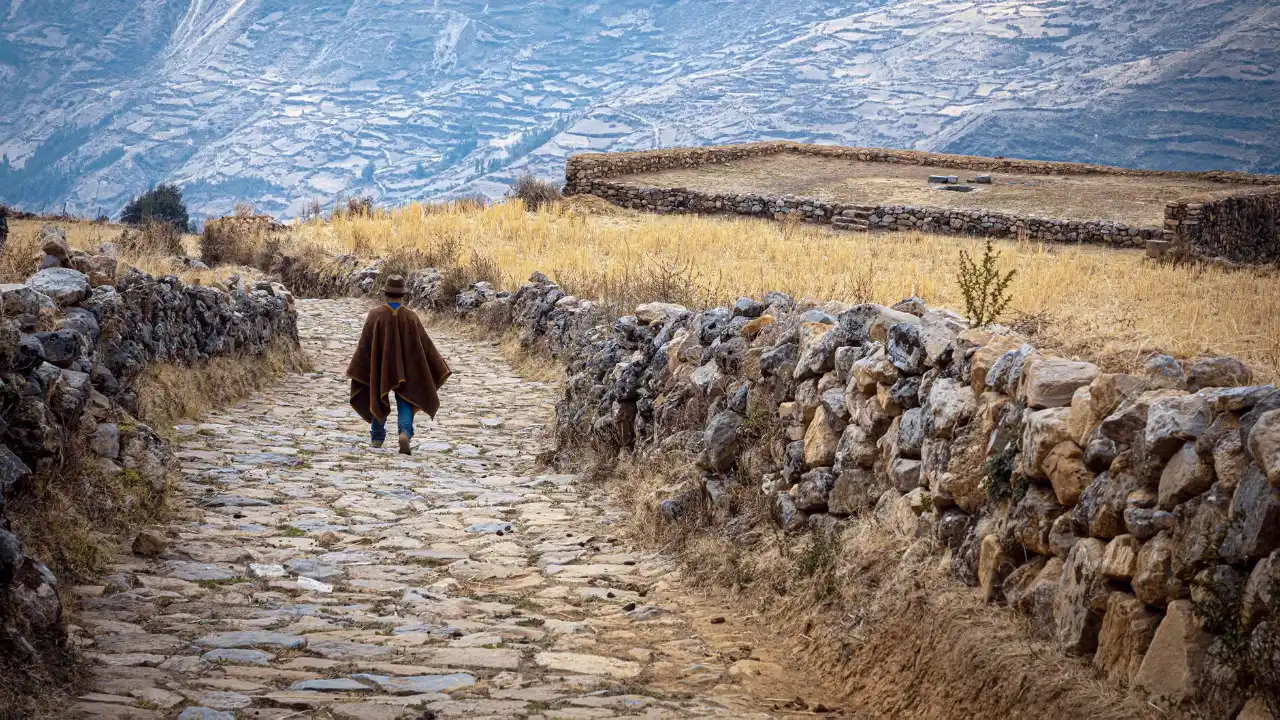
The Qhapaq Ñan, Quechua for “royal road,” is a vast road network that connected the entire empire via two main routes (one along the coast and the other through the highlands), linked by numerous crossroads. This road system spanned over 30,000 to 40,000 kilometers in total length.
The Qhapaq Ñan crosses the citadel of Machu Picchu in one of its sections. This network included staircases, cobbled roads, retaining walls, and drainage systems. It is recognized by UNESCO as a World Heritage Site.
Tambos
Tambos were buildings used as checkpoints, rest stops, and supply depots, located throughout the empire. They served officials, armies, and travelers for food, lodging, and other supplies as needed.
Communication and Record-Keeping Systems
The Incas did not develop a written communication system, so they devised methods for recording information and transmitting messages at high speed.
The Quipu (Khipu)
The quipu consisted of a main cord, made of camelid wool, from which numerous secondary cords hung with knots of different types, positions, and colors. This record-keeping system was used for censuses, tributes, harvests, livestock, and stored goods.
The position of the knot indicated whether it represented units, tens, hundreds, etc. The arrangement and colors could refer to categories of information.
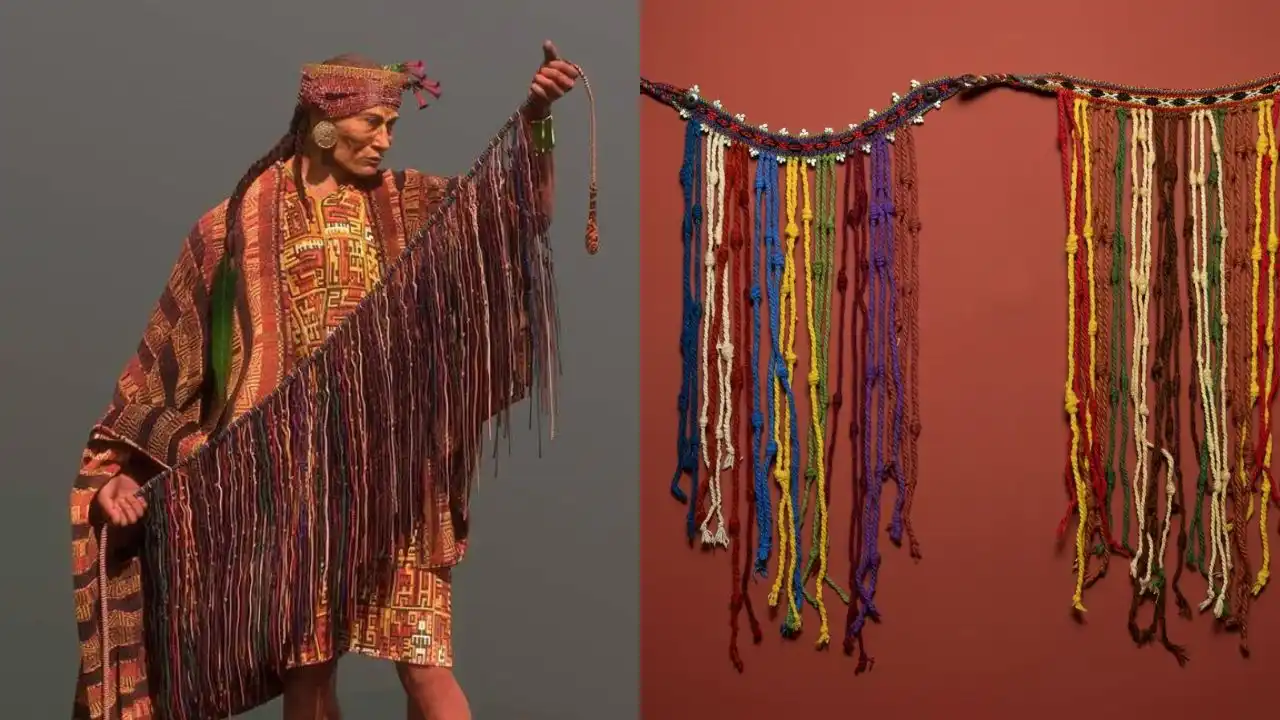
According to some studies, the quipu may also have encoded narrative information (stories, genealogies, laws), and these were interpreted by experts called quipucamayocs, which in Quechua means “keeper of the quipu.”
The Chasquis
The chasquis were runners who formed part of a relay system for transmitting information. Each chasqui covered a section of the route and handed the message to another runner waiting at a nearby post; this process was repeated until the message reached its destination.
The chasquis carried messages orally or in the form of quipus.
Textiles
For the Incas, textiles held even greater value than gold. They were a symbol of status, a religious offering, a form of currency, and a means of visual communication.
Weaving Techniques
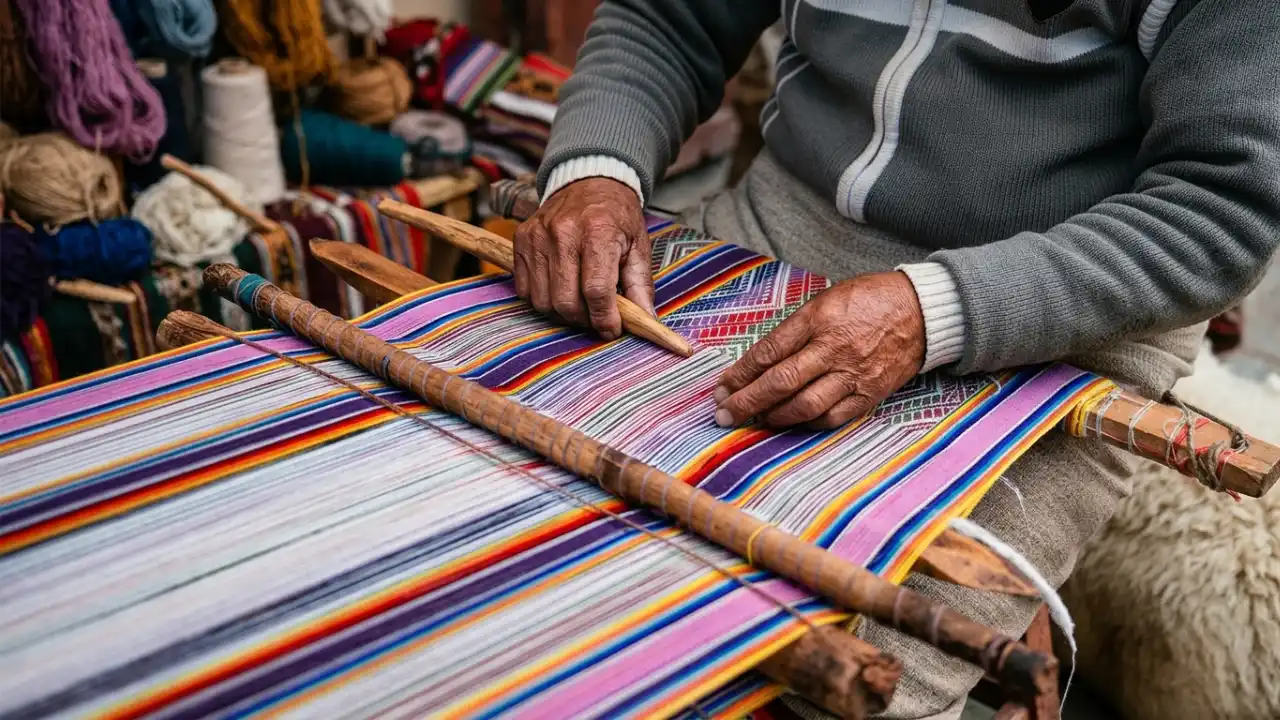
The Incas developed advanced textile techniques, distinguished by their great fineness and complexity. They used geometric designs called tocapus, which held symbolic meanings.
The cumbi, the finest textile, was reserved for the nobility, religious ceremonies, and the Inca himself. It was crafted by elite weavers.
Medicine and Surgery
Cranial Trepanation
Cranial trepanation, practiced by pre-Incan peoples, consisted of drilling a hole in the skull to treat injuries, fractures, or relieve pressure. At its peak, it achieved high success rates; many cases showed signs of bone healing, demonstrating that many patients survived the operation.
Trepanation specialists used obsidian and metal instruments, and likely substances with natural anesthetic and antiseptic properties.
Medicinal Plants
Plants were used for medicinal and spiritual purposes. The Incas used leaves, bark, and roots to cure infections, relieve pain, and treat physical ailments. They were also used to treat what they termed “spiritual” illnesses.
They possessed extensive botanical knowledge:
Quinine bark, coca leaves (to alleviate fatigue, hunger, pain, and altitude sickness), and various herbs with healing, anti-inflammatory, and digestive properties.
Astronomy and calendar
Astronomy is one of the aspects in which the Incas managed to excel remarkably. Their calendar had 365 days and was divided into 12 months, crucial for organizing agricultural and ceremonial activities.
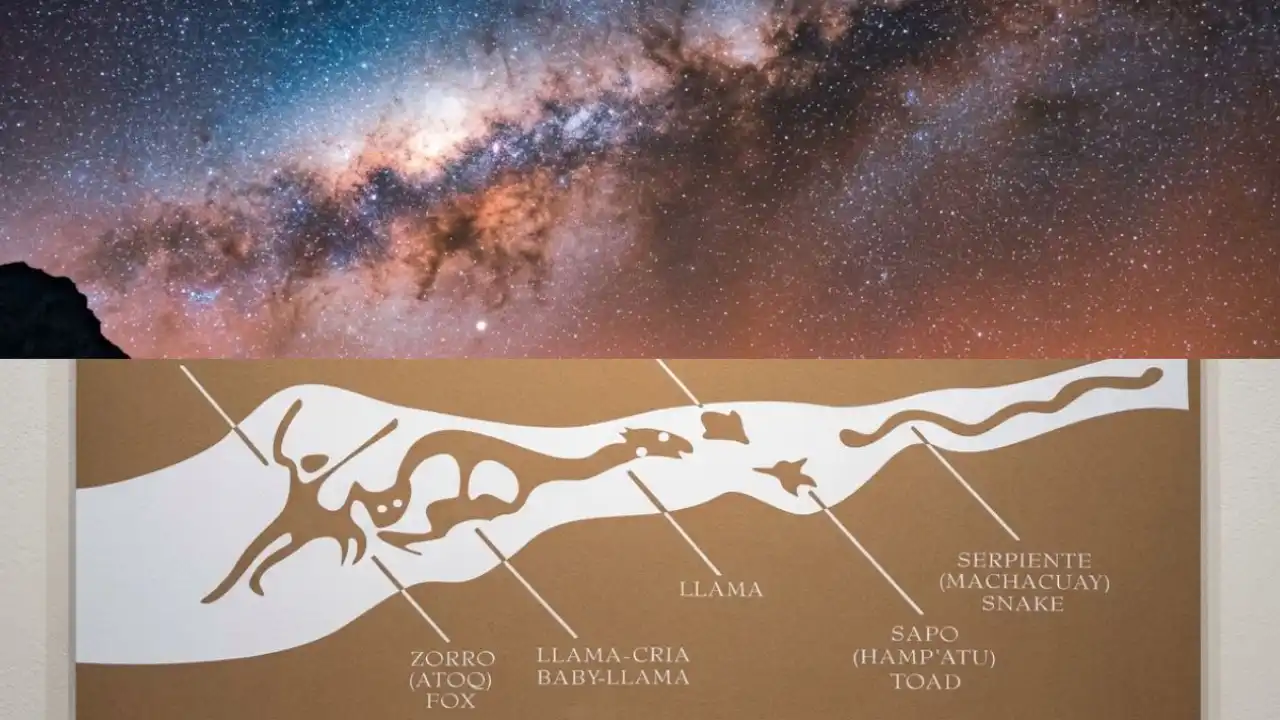
The Intihuatana. Buildings like this one at Machu Picchu were altars designed to project the sun’s shadow and thus calculate ceremonial dates, such as the winter solstice.
The Coricancha, or Temple of the Sun, in Cusco, was designed with windows and passageways oriented so that the sun’s rays enter at precise angles during the solstices.
Metallurgy
Although they did not know iron or steel, the Incas and their predecessors were skilled metallurgists. In the Inca Empire, gold represented the sweat of the Sun and silver the tears of the Moon, so these metals held significant religious meaning.
Gold was used exclusively for ceremonial purposes and temple decoration.
Silver was associated with the Moon (Quilla) and the nocturnal world.
Copper and bronze (an alloy of copper and tin) were used to create more durable and resistant agricultural tools and weapons.
Tumbaga (an alloy of gold and copper, which provided greater resistance and a particular shine to their ornaments) was also used.
Personal adornments included ear ornaments, necklaces, and plaques. Tupus (ceremonial pins) were also used. Additionally, tools such as axes, chisels, needles, and knives (like tumis) were made of bronze.
Organization and Management Knowledge
These systems made it possible to mobilize enormous human and material resources without the need for money, which sustained all other engineering works.
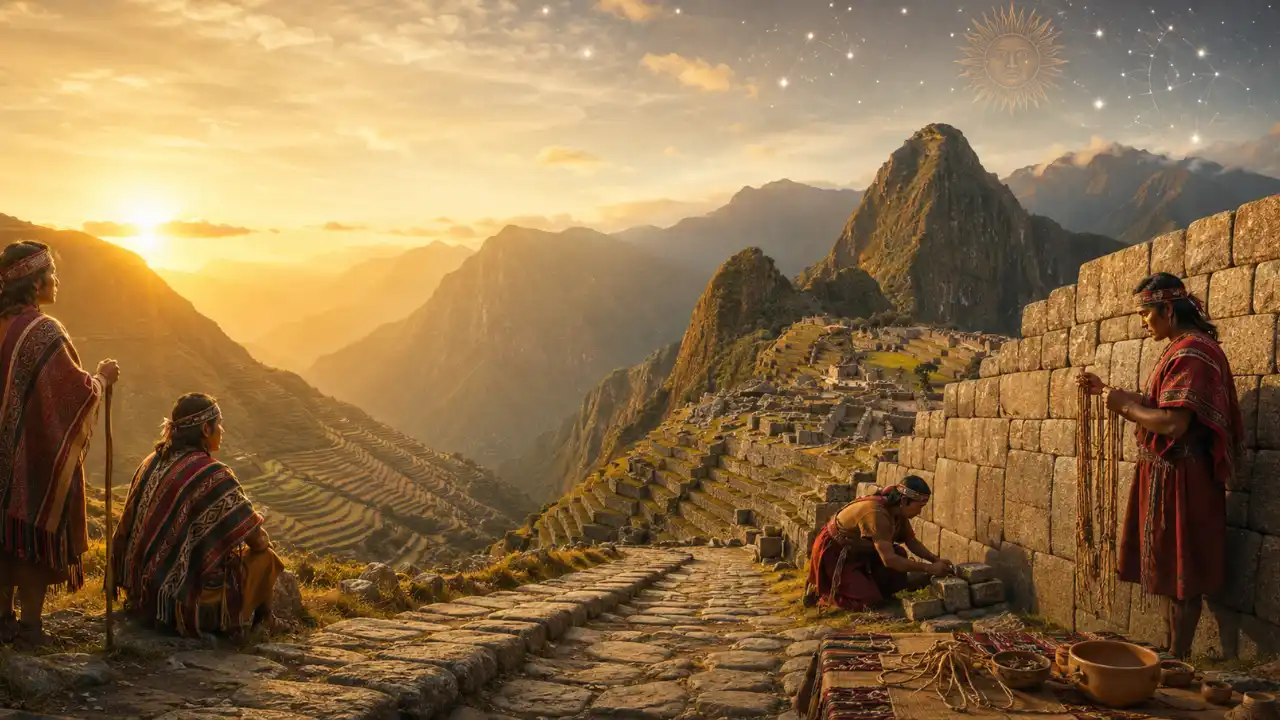
Part of the Inca legacy included inventions within their organizational and social structure that functioned as true management technologies:
The mit’a was a system of rotating labor through which communities provided workers to the state to build roads, buildings, and terraces.
A calendar based on the astronomical observation of the sun and stars regulated agricultural work and religious festivals.