The Huaypo lagoon, the lagoon with crystal clear waters, en route to the Sacred Valley
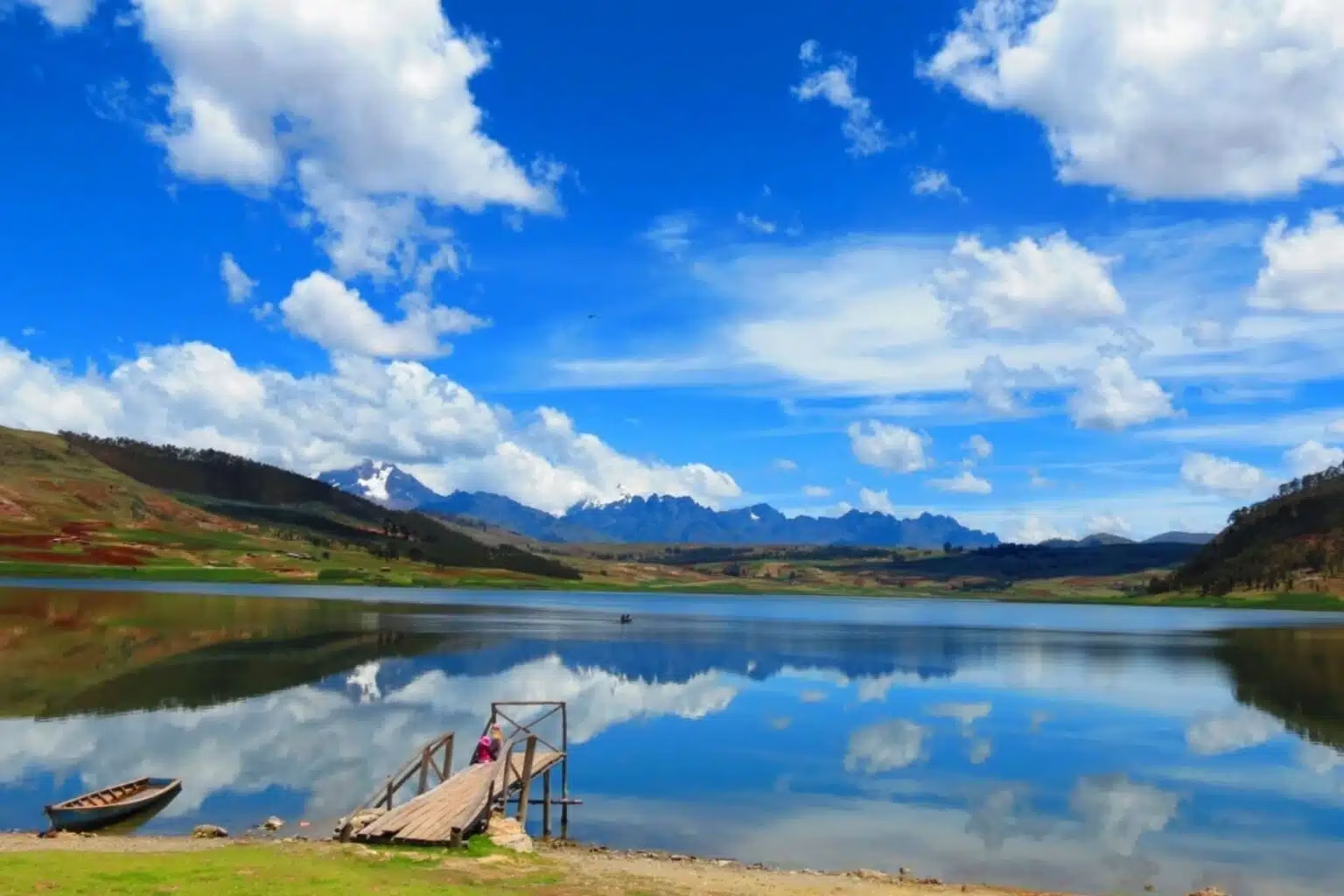
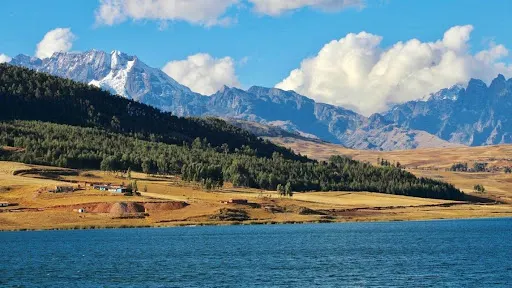
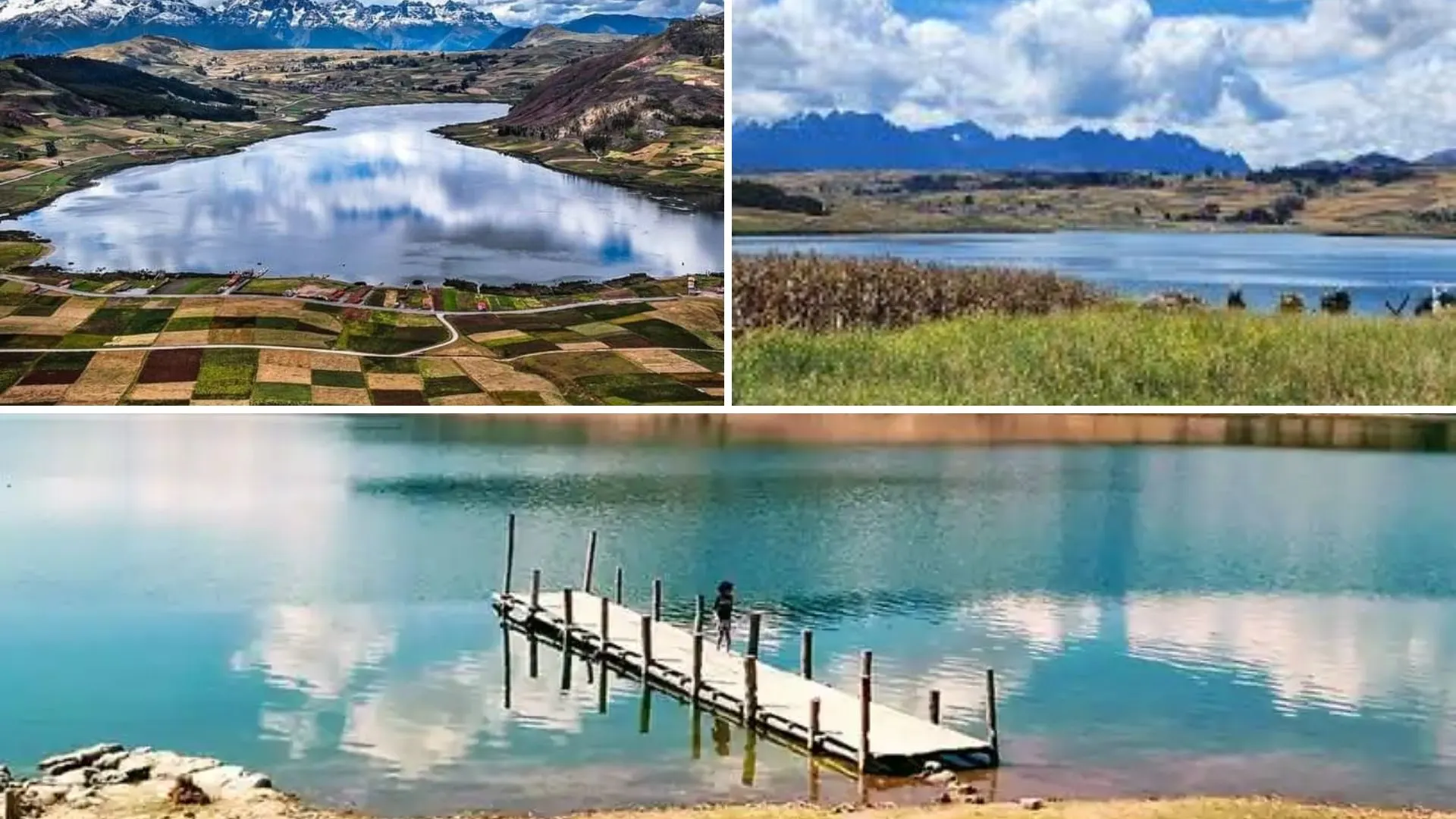
The Huaypo Lagoon is perhaps one of the most enchanting natural attractions near the Incas’ Sacred Valley. It is situated between the villages of Maras and Chinchero and surrounded by the breathtaking mountains of Salkantay, Verónica, and Chicón. It’s extremely clear water reflects the sky, clouds, and mountains surrounding it, and creates an ideal and almost dreamlike scenery, a serene postcard of Huaypo Cusco for travelers heading to the valley.
Locals refer to it popularly as the “twin sister” of the Piuray Lagoon because both are bonded by legends, traditions, and deep religious meaning. Apart from its natural beauty, Huaypo is where nature, mythology, and Andean identity are brought together in harmony, offering tourists a peaceful place to unwind and become one with the energy of the mountains, a truly reflective corner of Huaypo Lagoon Peru.
The Legends and Myths of the Huaypo Lagoon
Just like many sacred sites in the Andes, Huaypo Lagoon is surrounded by legends that show a close tie between the people and their environment. These stories have been passed down orally, and although it’s difficult to find the original version now, it abstract ideology, temperament, morality, and love for nature.
The Legend of the Twins: Piuray and Huaypo
According to local tradition, the Sun God asked Manco Cápac to bring his twin children to keep him company at sunset. The twins lost their way among the mountains, and day mourning their loss, their tears filled the valley and ultimately formed two lakes that shine brightly with stillity: Huaypo, the son, and Piuray, the daughter. Locals claim that these lakes have sweet waters because they are made from pure loving sadness from the twins when they lost their way. For this reason, many couples visit Huaypo lagoon to help consolidate their relationship and attract positive energy, believing the lake waters bless their union with love, harmony, and peace.
The Hidden Town Beneath the Lake
Another story recounts a prosperous city that existed where the lagoon is now located. The residents were wealthy, but were arrogant and did not want to help a poor old man who showed up during a community festival. Only one young lady offered him some food and treated him kindly.
The old man revealed himself to be a heavenly messenger from the Sun and warned her to run. That night, a great flood rushed into town and destroyed them all. The young lady could not help but look back one last time and was turned to stone. Today, there’s a large rock, commonly referred to as The Hoolie Rock Huapango, which is said to be the petrified figure of that kind young lady, still looking toward the lagoon. Locals retell the tale on the shores of Lake Huaypo as a lesson in humility.
These stories still circulate among local people as a reminder of humility, generosity, and respect toward the natural forces that occur.
The Natural Beauty of Huaypo Lagoon
Beyond its legends, the Huaypo Lagoon enchants visitors with a pristine, natural beauty. Its still, clear waters provide a reflection for the mountains and sky surrounding it. The lagoon is an extraordinary place to photograph, contemplate and take serene strolls that offer refreshing experiences.
The lagoon hosts a rich ecosystem and hosts more than eighty migratory bird species each year, including ducks, herons, and Andean gulls. The cold waters are home to small trout and silverside fish and the margins host swaying wildflowers and grasses in the gentle breeze while fragrant eucalyptus trees fill the air.
It is said that Huaypo and its twin Piuray Lagoon communicate underground symbolizing the balance of masculine and feminine energies and earth and water. This belief illustrates the Andean understanding of balance in nature and the interconnectedness among all living things around Laguna de Huaypo.
Cultural Importance and Local Life
For centuries, Huaypo Lagoon has been a central part of the cultural and spiritual identity of local communities. The Quechua-speaking peoples living in the area regard Huaypo Lagoon as a sacred space, protected by apus or mountain spirits. Offerings to Pachamama, or Mother Earth, are given at its shores, where prayers are made for good harvests, health, and family well-being.
Huaypo Lagoon has also served as an inspiration for artists, photographers, and local musicians. The calm and peaceful setting makes it a frequented spot for wedding photographs and other community cultural events. Locals make offerings and participate in traditional festivals of the lake to celebrate nature in culture, continuing customs passed through time that connect them to their ancestors and the natural world.
Huaypo also contributes resources for everyday life for the local population through fishing, small-scale agriculture, and tourism. Within each of the practices, environmental respect and stewardship are entwined. Those around Huaypo Lagoon see it not just as a natural site or landscape, but a living being that brings life and peace.
Climate and the Best Time to Visit
The climate surrounding Huaypo Lagoon is comfortably mild throughout the entire year, although it does vary with the seasons.
- From April to October (the dry season), you can expect blue skies, fresh air, and impressive reflections on the water. This really is the best time for hiking, photography, and general outdoor enjoyment at Huaypo Lake.
- From November to the end of March (the rainy season), the fields become bright green. You will also see more migratory birds around this time of year. The air is still fresh, but the paths can be a bit muddy.
Normal temperatures range from 10°C and 20°C (50°F to 68°F). Due to the elevation, visitors should take their time to acclimatize, remember to hydrate, use some sunscreen, and take it easy when visiting Huaypo Cusco.
A Place of Reflection and Memory
Visiting Huaypo Lagoon is not just another stop along a potential route to the Sacred Valley, but rather a spiritual and sensory experience. The tranquility of the water, the sound of the wind, and the majesty of the lightly snowcapped peaks elicit a sense of tranquility indicative of a time for contemplation.
For many visitors and travelers passing through Huaypo, it is a space of disconnect from a distracting world where nature re-emerges. Each reflection on the lagoon surface tells a story, reminding visitors that the Andes still breathe and teach.
Today Huaypo Lagoon is both a beautiful and authentic expression of Andean spirit, a place where, quite literally, time slows down and the mountains reveal thousands of years of collective discourse between legends, humans, history, and harmony, a timeless scene on the shores of Huaypo Lagoon Peru.
Frequently asked questions about The Huaypo lagoon, the lagoon with crystal clear waters, en route to the Sacred Valley
The Huaypo Lagoon is located about 44 kilometers (27 miles) from Cusco, near the towns of Maras and Chinchero, in the heart of the Sacred Valley of the Incas. It sits at an altitude of 3,507 meters (11,500 ft) above sea level and is surrounded by the majestic mountains of Salkantay, Verónica, and Chicón.
The Huaypo Lagoon is famous for its crystal-clear waters, stunning mountain views, and rich cultural legends. Locals believe the lagoon carries a powerful spiritual energy, making it a symbol of harmony and renewal. It’s also home to a wide variety of migratory birds and traditional Andean farming communities.
Yes. One of the most famous is the legend of the twins, which tells how the Sun God’s children became the Huaypo and Piuray Lagoons, their tears filling the valley with water
The best time to visit Huaypo Lake Peru is during the dry season (April to October), when the skies are clear and the reflections are stunning. The rainy season (November to March) offers greener landscapes and more active wildlife, though some trails can become muddy. Each season provides a unique and beautiful experience.
Huaypo Lagune is home to over 80 species of migratory and native birds, including herons, sparrows, ducks, and Andean gulls. The lagoon also hosts fish such as silverside and trout, and its shores are lined with eucalyptus trees and native Andean plants that add to its peaceful charm.