
How to Train for the Inca Trail, A Complete Fitness Guide
If you have ever thought about whether you should train for the Inca Trail, the answer is definitely yes. The Inca Trail is not the kind of hike you should attempt without preparation. The classic four-day trek covers around 26 miles, with long uphill sections almost every day, which means that your body has to be prepared for that. The good news is that with the right training for the Inca Trail hike, pretty much anyone at a reasonable fitness level can do this.
The training guide includes all that you should know regarding how to train for the Inca Trail from scratch. In addition, you will get all the information you need regarding your training schedule month by month, what exercises you should pay attention to, advice concerning high altitude preparation, and honest answers to the questions people ask most, including whether you really have to train for the Inca Trail or whether you can wing it?
Do You Have to Train for the Inca Trail?
It’s an ever-present question that everyone searches on: do you need to train for the Inca Trail? You’ll be told on numerous travel forums that it doesn’t matter as long as you lead an active life. But once you dig deeper into opinions from Reddit about training for the Inca Trail, one thing becomes apparent those who weren’t prepared for the Inca Trail found it particularly tough, and some of them couldn’t complete it.
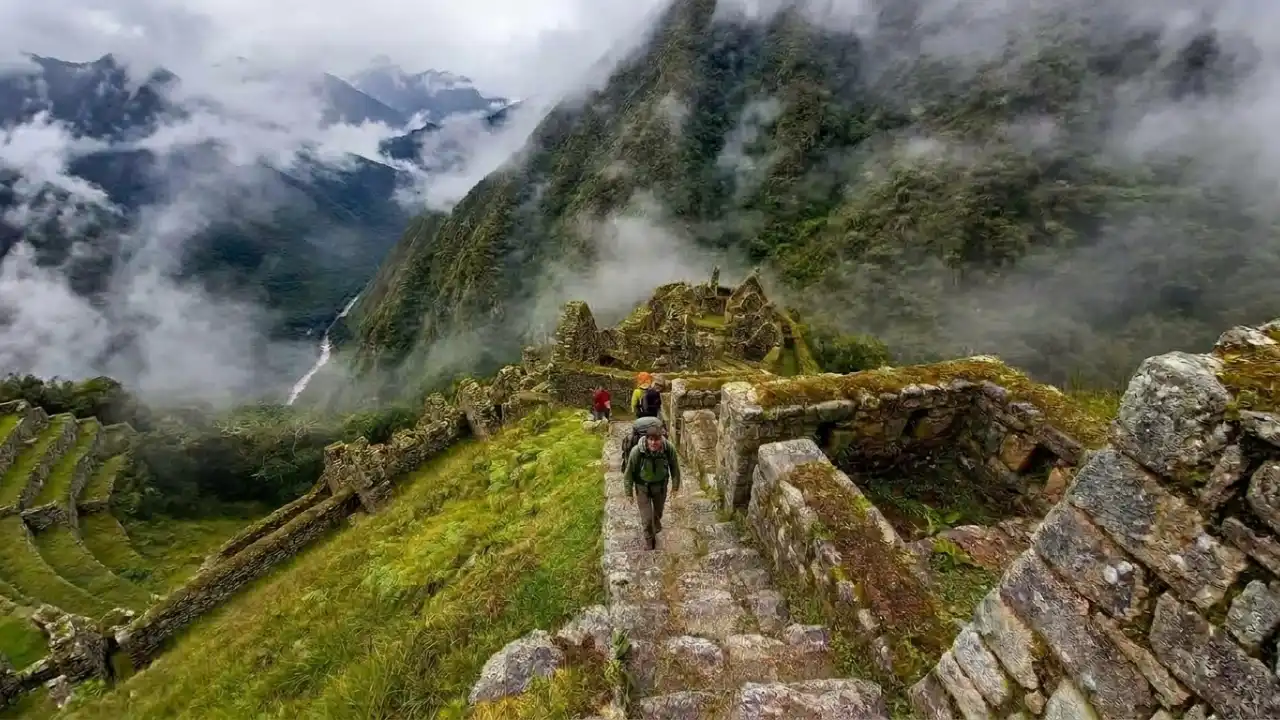
The second day features an ascent to Dead Woman’s Pass at the height of 13,780 feet above sea level. You will climb almost 4,000 feet before descending steeply to the campsite in your already exhausted legs. The third day will feature yet another pass. On the fourth day, even the short trek to the Sun Gate will exhaust you. Therefore, yes, you have to train for the Inca Trail. You don’t need to become an athlete; you just need to prepare your body for the trail.
How Far in Advance Should You Start?
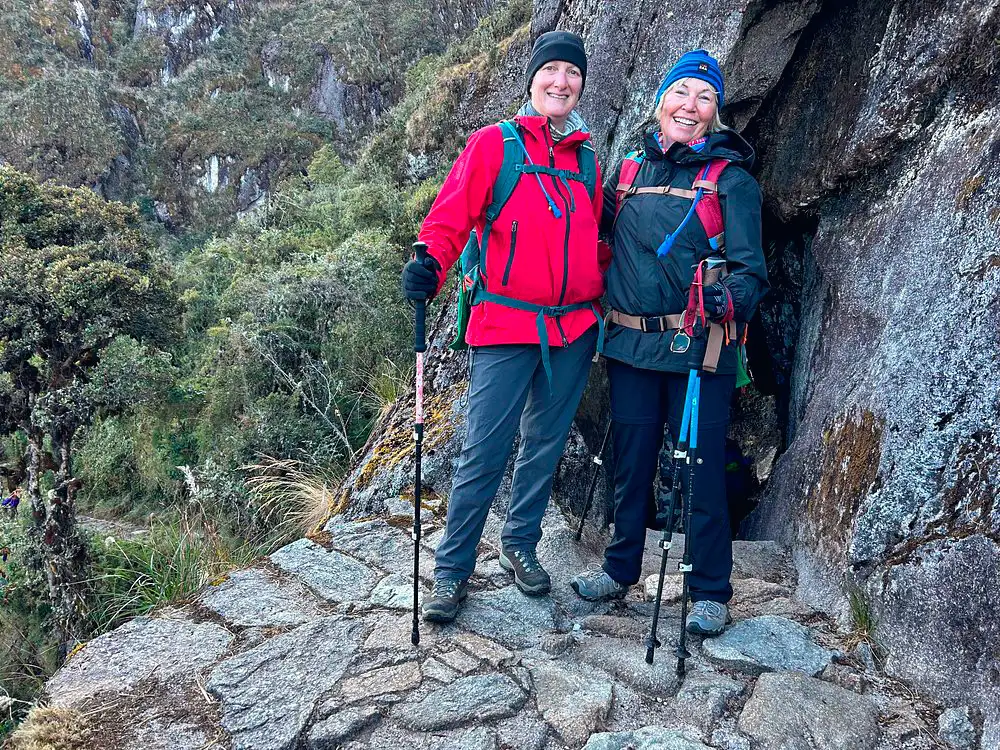
Experienced trail guides advise beginning training for the Inca Trail trek at least three to six months before your actual trip date. The fitter you are initially, the shorter the preparation period needed. Three months of preparation for those who have regular physical activity should be enough while a minimum of five to six months should suffice for beginners.
The goal of your training plan for the Inca Trail, peak fitness is not your ultimate target but simply trail readiness. What you will need in preparation for the trek is strength in your legs, an aerobic foundation, and experience with back-to-back hikes to prevent your body from breaking down during the second day.
Training Plan for the Inca Trail: Month by Month
Months 1 and 2: Building the Base
The early phase of your Inca Trail training plan is about consistency over intensity. Your main job is to establish a habit and wake up the muscle groups that hiking demands.
- Walk 30 to 45 minutes at least 4 days a week on hilly terrain whenever possible.
- Schedule two additional sessions of cardiovascular workouts each week; cycling, swimming, or jogging.
- Begin with simple strength exercises twice a week, including squats, lunges, step-ups, and calf raises.
- Stair training for the Inca Trail starts here. Find a stairwell, bleachers, or a parking garage and do stair intervals once a week. This is one of the best ways to prepare for this particular trail.

If you have access to a gym, a Stairmaster for Inca Trail training if available, is one of the best machines that could ever help you train for the Inca Trail. The stair climbing routine and the resistance control feature make it an excellent alternative for hill running.
Months 3 and 4: Adding Elevation and Distance
This is where your training program for hiking the Inca Trail gets more specific. The habit is there; now it’s time to develop the fitness level needed.
- Hike the weekends at a distance of 8 to 12 miles, ensuring the presence of actual elevation gain.
- Hike with a daypack loaded (at around 10 to 15 pounds) to mimic real-world hiking conditions.
- Do at least one back-to-back hiking weekend, hike Saturday and Sunday, to feel what consecutive days are like on tired legs.
- Keep doing your stair exercises and lengthen your Stairmaster workout if it’s part of your fitness routine.
- Include weighted lunges, Romanian deadlifts, and wall sits in your strength training routine.
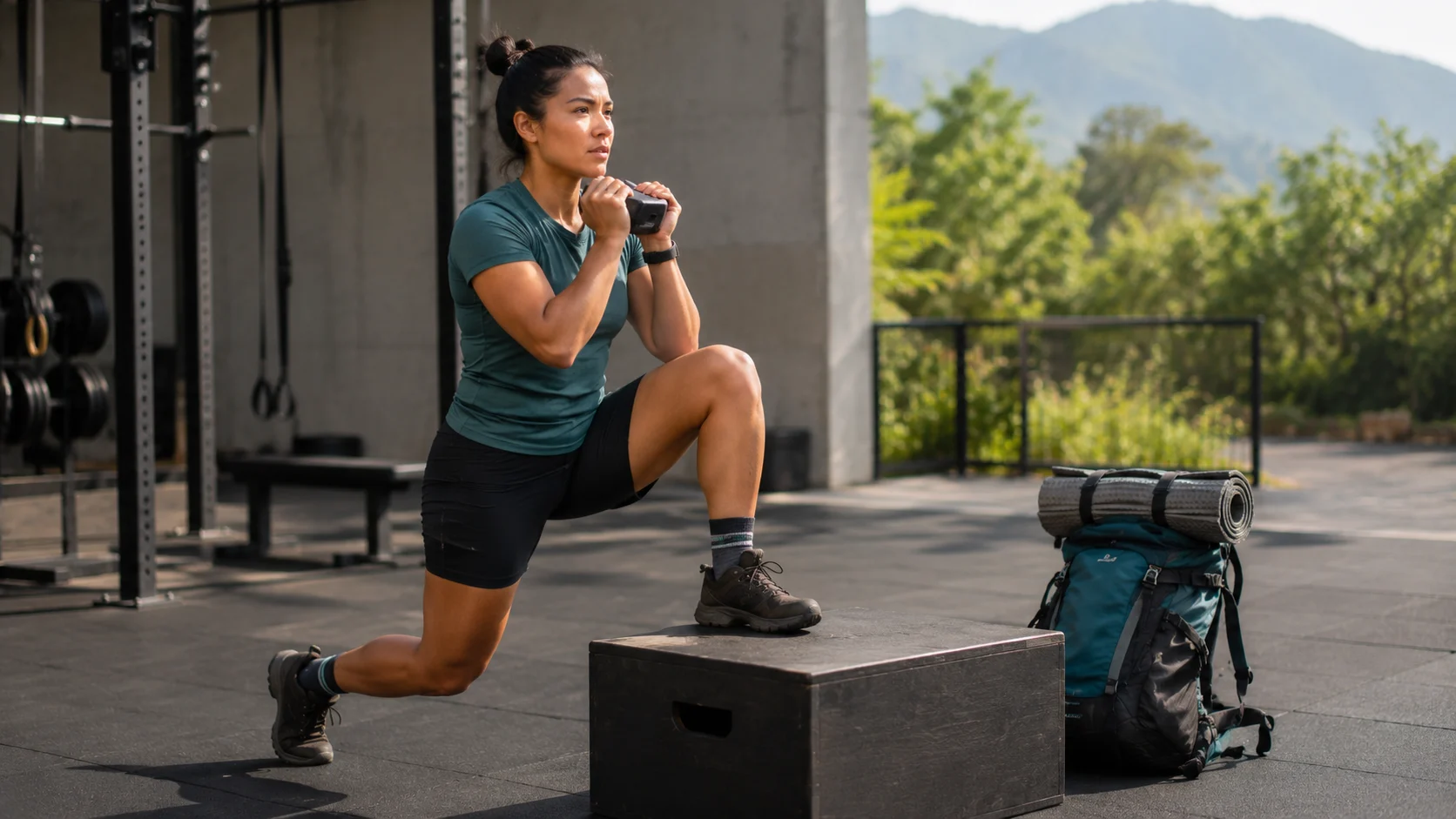
The back-to-back hike weekend is one of the most underrated training tips for the Inca Trail. Hiking on fresh legs and hiking on legs that have already been subjected to the experience are two very different things.
Month 5: Peak Training
You are now in the sharpening process of your best training for the Inca Trail. It is all about making your experience as realistic as possible.
- Have at least one hike every week, between 12 and 16 miles.
- Your hiking days should have at least 3,000 feet of climbing.
- If you are able to undertake a two or three-day hike during this month, make sure that you do it. There will be no other preparation like it for you.
- Focus more on recovering by keeping the strength and stair training sessions in balance.
Month 6: Taper and Rest
Three to four weeks before your trek, start reducing volume. This is standard in any solid training plan for the Inca Trail hike , the taper phase lets your body consolidate all the fitness you’ve built and arrive at Km 82 recovered and ready.
- Cut hiking distance by 40% in the final three weeks.
- Go for light cardio and bodyweight strengthening exercises.
- Focus more on sleep, hydration, and proper nutrition than anything else.
- Avoid cramming additional workouts in the last week before your trip.
Best Way to Train for the Inca Trail Hike
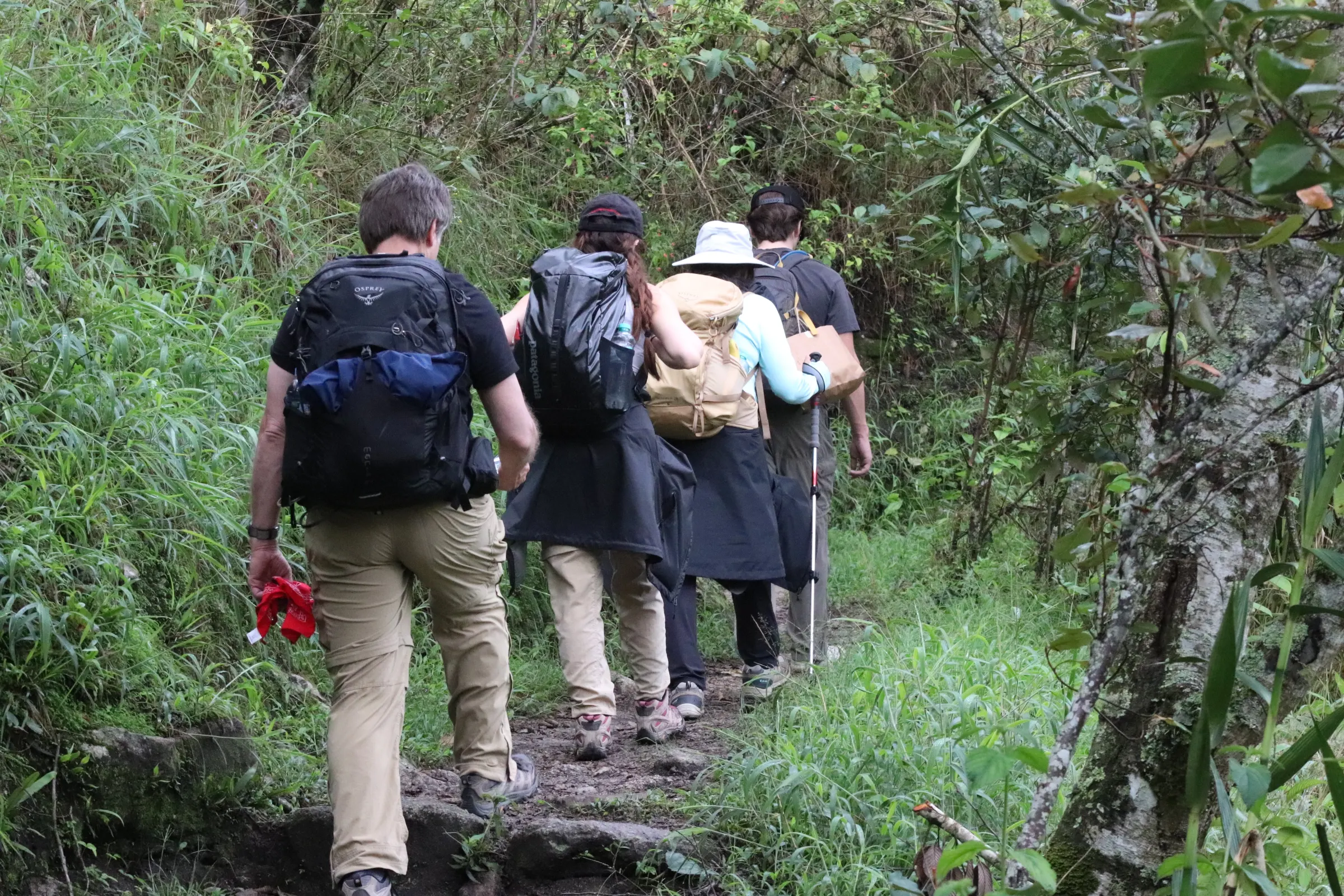
The question about the best way to train for the Inca Trail is often asked in hope of receiving a complicated response. In reality, there is nothing to complicate, as all you need is simply to walk more and climb more stairs.
Hiking and Stair Work: The Core of Your Plan
The single best way to train for the Inca Trail hike is hiking while carrying a load uphill, whenever possible. If you cannot hike uphill owing to where you live or any other reason, stairmaster training for the Inca Trail is the closest gym-based equivalent. Do stairmaster workouts with resistance and keep increasing their duration each week. When you manage to do stair exercises outdoors either real stairs, stadium stairs, parking lot stairs, or hill stairs, then that is even better. Stair training for the Inca Trail is not just about cardio. It’s about developing the exact neuromuscular patterns the trail demands: stepping up, maintaining balance on uneven surfaces, and controlling your descent.
Strength Training Essentials
A targeted strength training routine for Inca Trail hikers are those that target the muscle groups that bear the brunt of the exercise; these are the quadriceps, glutes, hamstrings, and calf muscles. Most hikers tend to experience difficulty with the descents, while eccentric quad strength ensures knee stability.
- Squats and goblet squats are necessary for continued climbing strength.
- Reverse lunges are better than the regular ones, as they are more knee-friendly.
- Step-ups simulate hiking up stone stairs with the backpack.
- Romanian deadlifts, which help in developing posterior chain stability during descents.
- Calf raises since there are thousands of stone steps to hike in Inca Trail.
- Eccentric step-downs involve stepping slowly from a raised step; the best strength exercise to prepare the quads.
- Planks are essential for maintaining proper posture with the backpack for four days.
Training for the Downhills
Most people focus their Inca Trail training entirely on going up. The descents are often harder than people expect. The trail goes downhill immediately following both mountain crossings, which means that your knees will suffer when descending exhausted legs. Eccentric quad training, slow step-downs, downhill walking, and controlled squats will do wonders.
Altitude Training for the Inca Trail
Fitness and altitude training for the Inca Trail are not the same thing, yet interrelated topics. Being physically fit does not mean you will not experience altitude problems. The average altitude of the Inca Trail ranges from 8,000 feet to 13,780 feet. Altitude sickness symptoms such as breathing difficulties, exhaustion, and headache often occur in hikers who are in top shape.
There are a few ways to address this in your training for the Inca Trail. Firstly, live and train at the elevation when it is possible. Otherwise, the best way to prevent problems with altitude is to arrive in Cusco two to three days prior to the start and engage in low-intensity physical activities. Also, some people prefer to stay overnight at Lake Titicaca or in Ollantaytambo as another method of acclimatization.
Stay sufficiently hydrated, avoid alcohol consumption at least for a couple of days after the arrival, and do not overeat. Many travelers also drink coca tea as part of their acclimatization routine. Acetazolamide (Diamox) prescribed by a doctor prior to the trip also works well, especially if you have previously experienced any issues in the high altitudes.
Train in Your Actual Gear
But one of the most helpful pieces of advice on training that is rarely considered when preparing for the Inca Trail Trek: always do your long-distance hiking wearing exactly the boots and the socks that will be used for trekking and break them in properly. Hiking Inca Trail in a pair of brand new boots will only result in painful blisters and overall suffering.
The same goes for trekking poles. If you’re planning to use them on the trail , and you should, they make a real difference on steep terrain , practice with them during your Inca Trail hike training. There’s a rhythm to using poles effectively, and it takes a few hikes to get natural with them.
Training should also be done using a loaded daypack since there will be porters to carry your main backpack on the trail but a daypack carrying water, clothes, food, and photographic equipment will be on your back. This training technique is one of the best ways on how to train for the Inca Trail trekking.
How to Train for the Inca Trail at Every Fitness Level
Beginners: Do You Need to Train for the Inca Trail from Zero?
Yes, but you definitely can! The only crucial point in all this is to give yourself time. An absolute beginner needs to make a schedule for the preparation for the Inca Trail that would take him or her at least 5 or 6 months. Begin by doing 30 minutes walks, then add some hills. Then add some stairs. Gradually raise the distance. The trail doesn’t care how fast you are , it cares whether your legs hold up. Plenty of people who were not athletes before have trained for the Inca Trail hike from a low baseline and completed it with no major issues.
Intermediate Hikers
If you’re already hiking regularly, your training for the Inca Trail will be all about elevations, carrying a loaded backpack, and hiking back to back. This will take a focused period of 3 to 4 months. What you need to bridge is consecutive days of elevations because regular recreational hikers don’t do that, which makes it the most unique challenge for this trail.
Experienced Hikers
Even trekking veterans should consider a specific training program for hiking the Inca Trail. Height will be the leveler between you and other participants regardless of their fitness. If your regular walking route is not up in the mountains, spend some time acclimatizing, practice walking with a heavier pack, and include a couple of back-to-back weekend hikes in your regimen.
Nutrition During Training and on the Trail
Your diet during your Inca Trail training matters more than most people realize. You’re asking your body to do more, so you need to fuel it properly or your sessions will feel worse than they should and your recovery will lag.
- Eat a carbohydrate-rich meal 1 to 2 hours before long hikes or intense training sessions.
- Fuel every 45 minutes during hikes over 90 minutes , energy bars, trail mix, bananas, or dates.
- Prioritize protein after training to support muscle repair and adaptation.
- Stay consistently hydrated throughout your training cycle, not just on hike days.

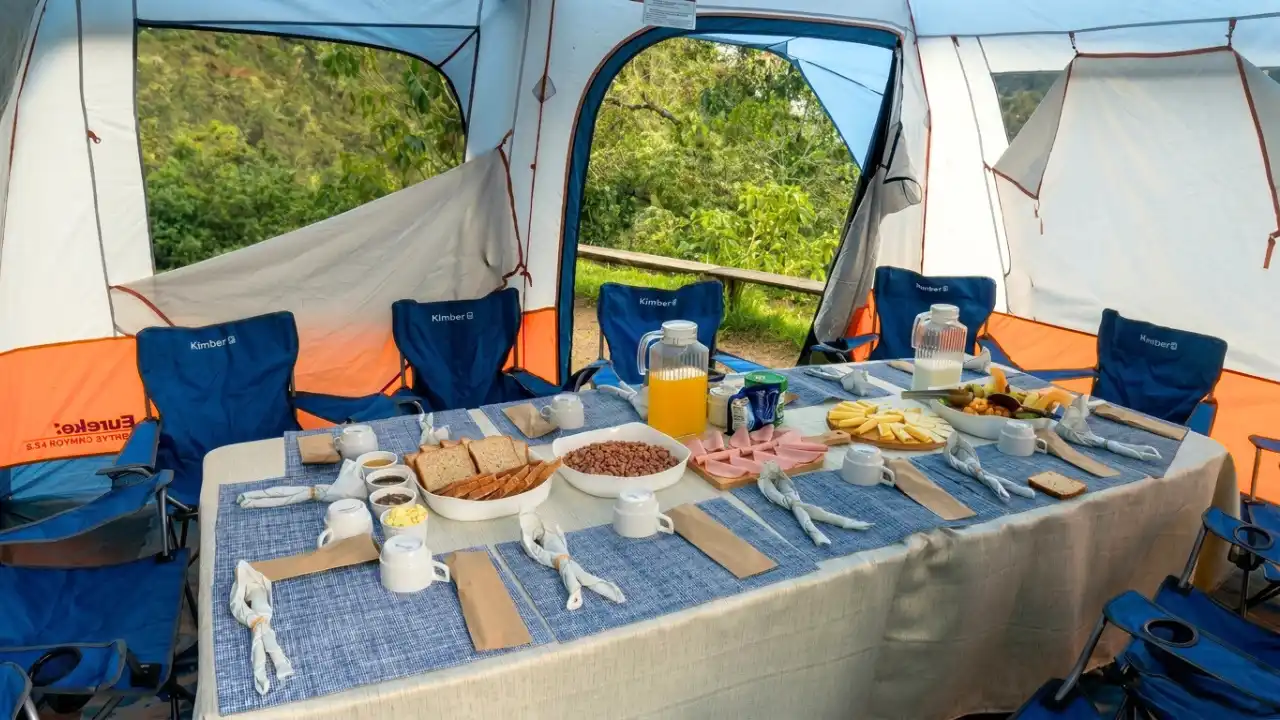
On the trail itself, guided operators provide meals at camp that are generally good and plentiful. Bring your own trail snacks for the hiking hours between camps. Staying fueled through the climbs is a key part of how to train for the Inca Trail mentality that you want to carry into the trek itself.
Injury Prevention: Train Smart, Arrive Healthy
The most important thing about your best training for the Inca Trail is this: don’t get injured before you go. An overuse injury in month three can cost you weeks of preparation and sometimes the trip itself.
- Never increase weekly mileage by more than 10%.
- Take at least one full rest day per week.
- If something hurts, stop. Pain is information , back off and address it.
- Stretch after every training session, focusing on hip flexors, quads, hamstrings, and calves.
- Add foam rolling and consider yoga for flexibility and tissue quality.
- Wear the right shoes for every workout, including your training hikes.
Final Training Tips for the Inca Trail
- Book your Inca Trail permit early , they sell out months in advance, sometimes within minutes of release. Your training plan is worthless without the permit.
- Arrive in Cusco at least 2 to 3 days before your trek. Acclimatization is not optional.
- Choose a reputable trekking company that pays porters fairly and follows Leave No Trace principles.
- Pack light for your daypack. Every ounce matters by day three.
- Trust your training plan for the Inca Trail. The preparation you put in is what you’ll draw from when the trail gets hard.
You Can Do This , If You Put in the Work
The most important thing to understand about training for the Inca Trail is that this trek is genuinely accessible to most people , not just elite hikers or seasoned adventurers. What it requires is respect for the preparation process. Show up with strong legs, a conditioned aerobic base, and a solid acclimatization strategy, and this trail will reward you with one of the most extraordinary experiences of your life.
Whether you’re following a training program for hiking the Inca Trail for the first time or refining an approach you’ve already started, the key is consistency. Hike. Climb stairs. Strengthen your legs. Go back-to-back. Break in your boots. Do the work, and the trail will take care of the rest.
There is a moment, somewhere between the Sun Gate and the first view of Machu Picchu, where all of it comes together.
The early morning training hikes, the stair sessions, the sore legs. It all makes sense. That moment is waiting for you. Go train for the Inca Trail and go earn it.
Frequently asked questions about How to Train for the Inca Trail, A Complete Fitness Guide
This is one of the most common questions for anyone figuring out how to train for the Inca Trail without access to hills. The answer: use stairs. A stairwell, stadium bleachers, or a parking garage all work. In the gym, the Stairmaster for Inca Trail prep is your best friend , use it with resistance, increase session length over time, and you’ll build the quad and cardiovascular fitness you need. You can also load a backpack and do weighted stair climbs at home to add specificity.
You do not need to be an elite athlete, but you must be capable of walking on uneven, steep cobbled terrain for 6 to 8 hours a day. If you do not exercise regularly, you should begin a gradual training program at least 3 months in advance.
The Inca Trail reaches altitudes up to 4,215 m (13,828 ft). The best preparation is to spend 2-3 days in Cusco acclimatizing before your trek starts. Stay hydrated, eat light meals, and avoid heavy overexertion immediately upon arrival.
This depends on your booking. Most Inca Trail tour operators utilize porters who carry the majority of the camping equipment. You are generally only responsible for a small daypack containing water, sunscreen, a rain jacket, and extra layers.