Gods of the Incas
The Incas conceived of the physical world on two levels: one horizontal, divided into Hanan and Hurin (above and below), and another vertical, divided into three “pachas.” The Hanan Pacha, the celestial world, was inhabited by the principal deities, the planets, and constellations; The Kay Pacha, the earthly world, where human beings lived alongside gods such as Pachamama; and The Uku Pacha was the underworld or the world of the dead, ruled by Supay, Mama Cocha, and Pachacamac.
The Incas allowed the peoples conquered by Tawantinsuyu to maintain their own local religions and deities, provided they recognized the supremacy of the imperial cult.
The Gods of the Inca Pantheon
Wiracocha, the Creator God
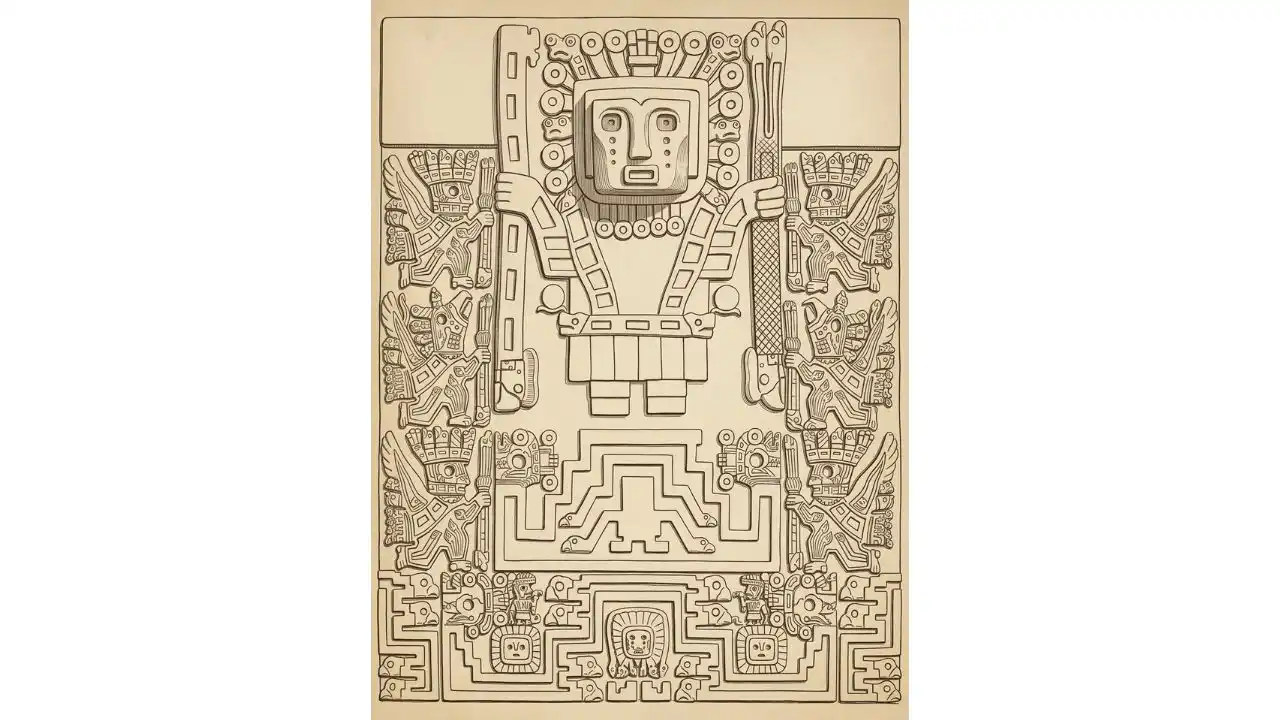
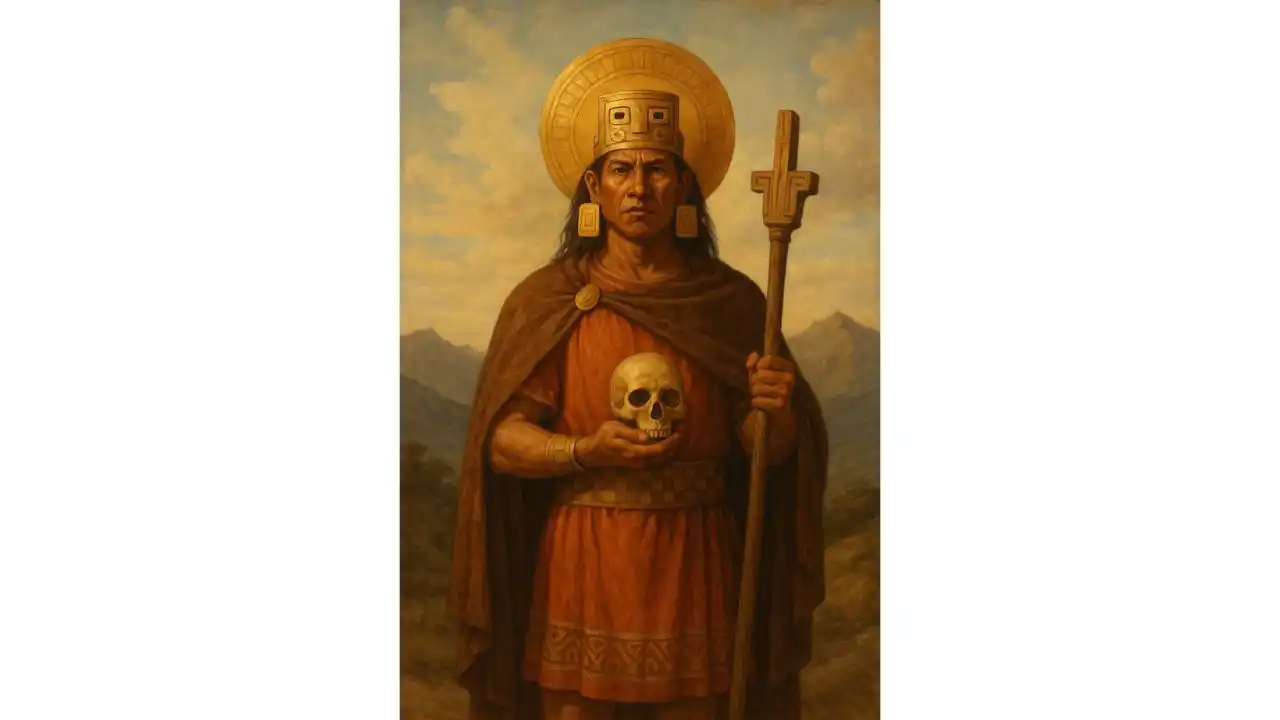
Wiracocha, or Huiracocha, was considered the creator god, the father of all the other Inca gods, and the one who formed the earth, the heavens, the sun, the moon, and all living beings. The primordial god of the Andean world. Myths indicate that he emerged from the waters of Lake Titicaca. Wiracocha sculpted the first humans from stone; he also traveled the Andes teaching people techniques and crafts, before disappearing by walking on the sea.
His worship was intellectual in nature and was reserved primarily for the nobility; he is often depicted as an old, bearded man wearing a long robe and holding a staff.
Inti, the Sun God
The god Inti (Sun in Quechua) is the most venerated deity after Viracocha. He is the patron of the empire and military conquests, and is also a benevolent god capable of great generosity. The Coricancha houses the Temple of the Sun, which was the most important place of worship to the god Inti in Cusco.
He was represented as a human face on a golden disk. The god Inti had the power to ripen crops, provide security for humankind, and cure illnesses. The cult of the Sun god gained greater importance after the Inca victory over the Chanca civilization during the reign of Pachacútec.
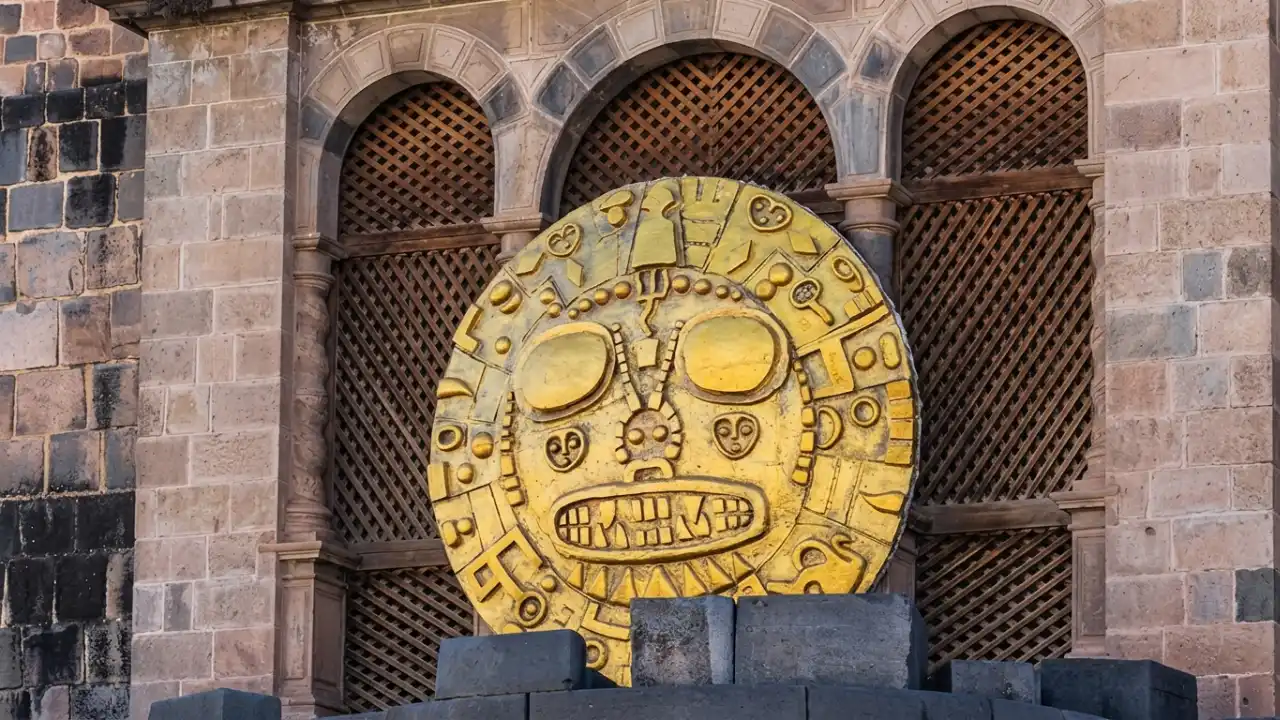
The Inca gobernor, the Sapa Inca, was believed to be a direct descendant of Inti.
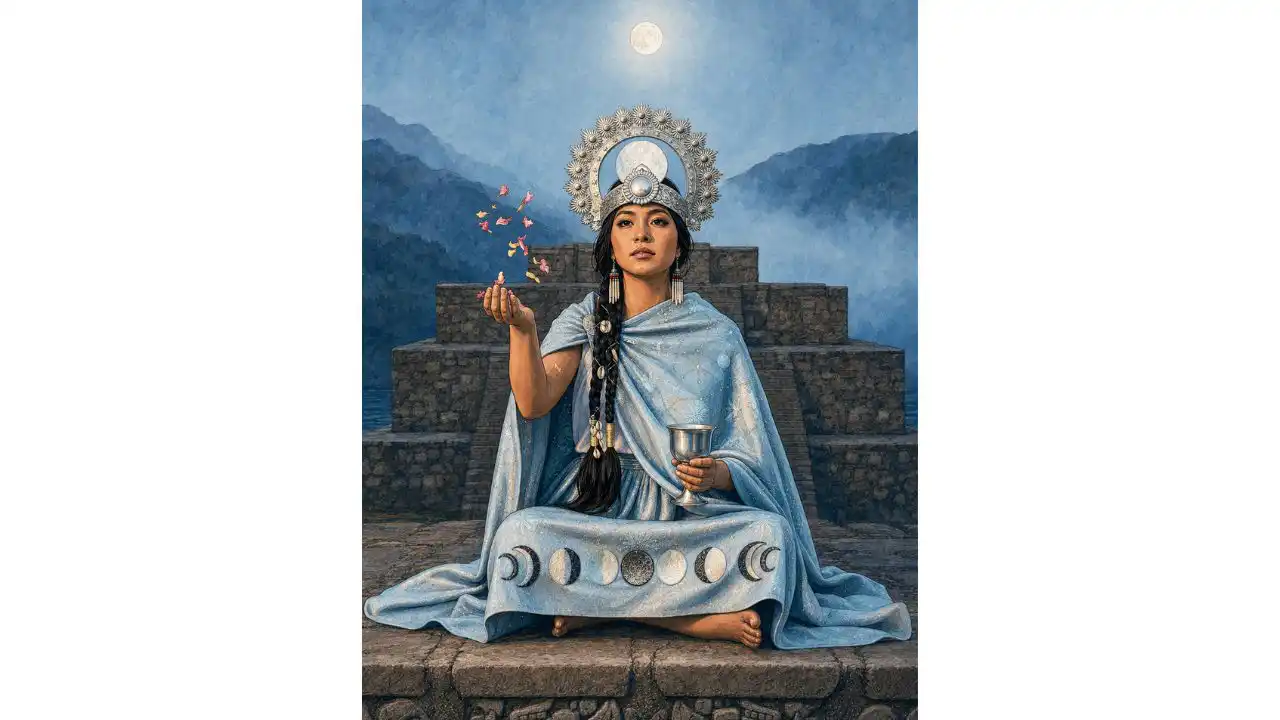
Mama Quilla, the Moon Goddess
Mama Quilla or Mama Killa means “Mother Moon.” She was the sister and wife of the god Inti and shared his same rank. In Inca cosmology, Mama Quilla symbolized the feminine and silvery counterpart of the sun. Her cult was linked to the lunar calendar and female fertility.
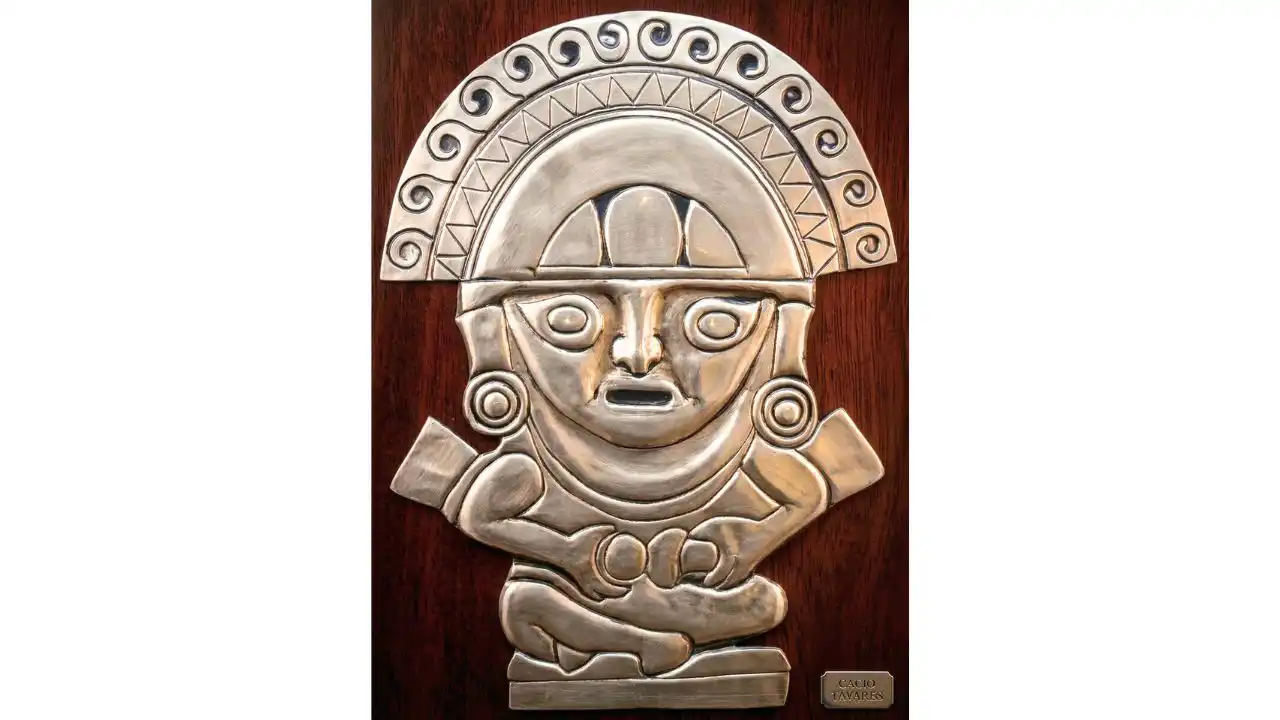
The acllas, or “virgins of the sun,” were the ones who performed her worship. Lunar eclipses were interpreted as negative omens that required special rituals.
Illapa, god of lightning, thunder and rain
The god Illapa was associated with lightning, thunder, lightning and rain. Illapa brought rain and storms since thunder was produced by shaking his sling, while lightning came from the flash of his silver clothes.
He was represented as a golden warrior, armed with a sling and a mace, he had the power to produce storms or grant beneficial rains according to his will. It has a temple in Qorikancha, and its cult was third in importance, only behind Viracocha and Inti.
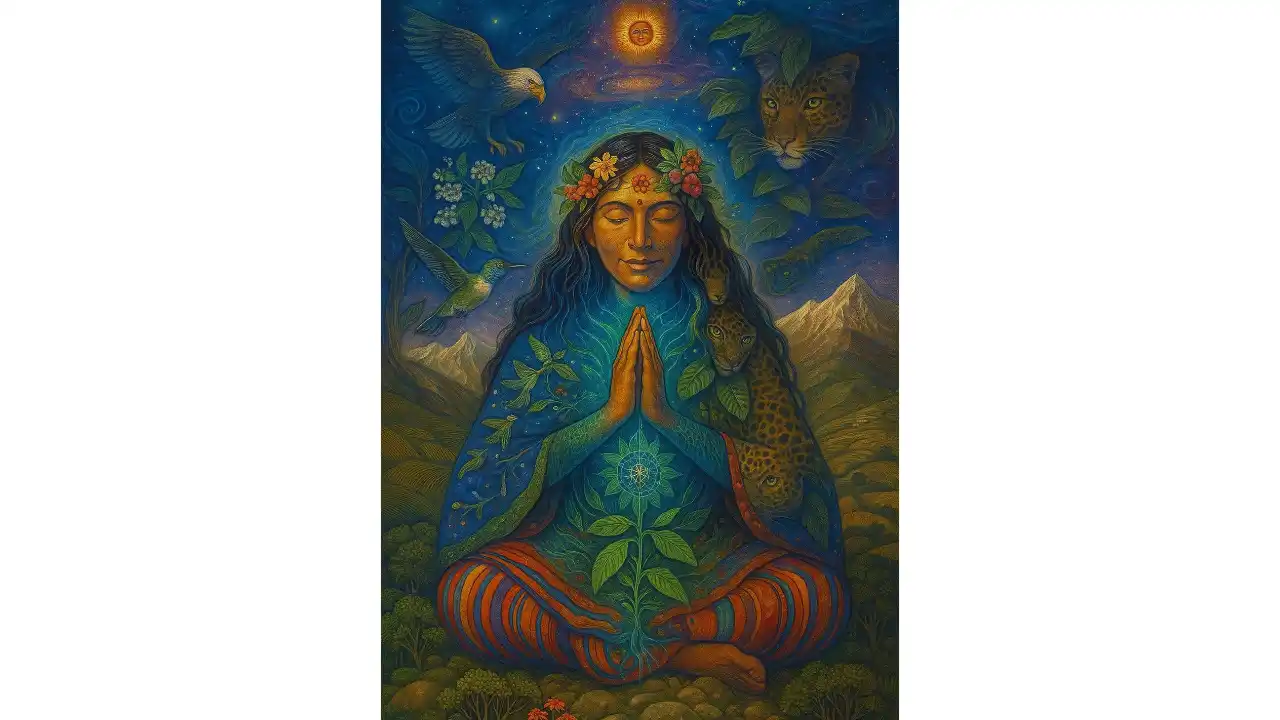
Pachamama, Mother Earth
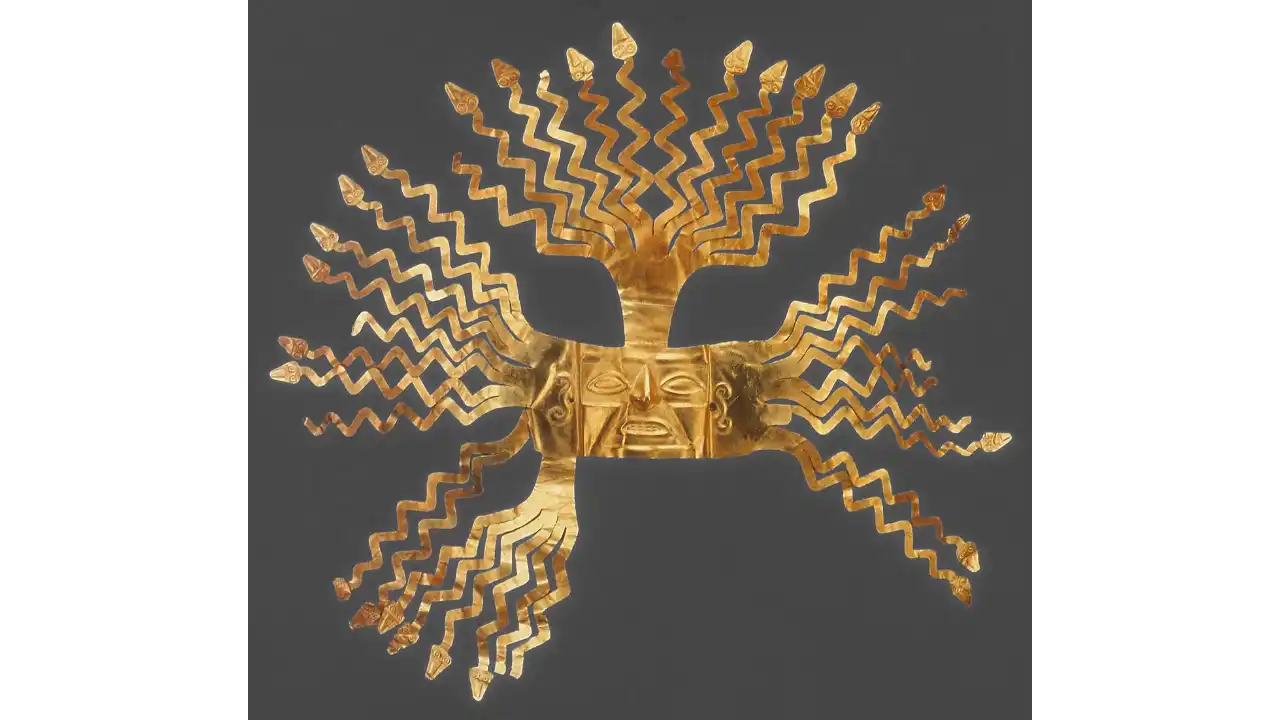
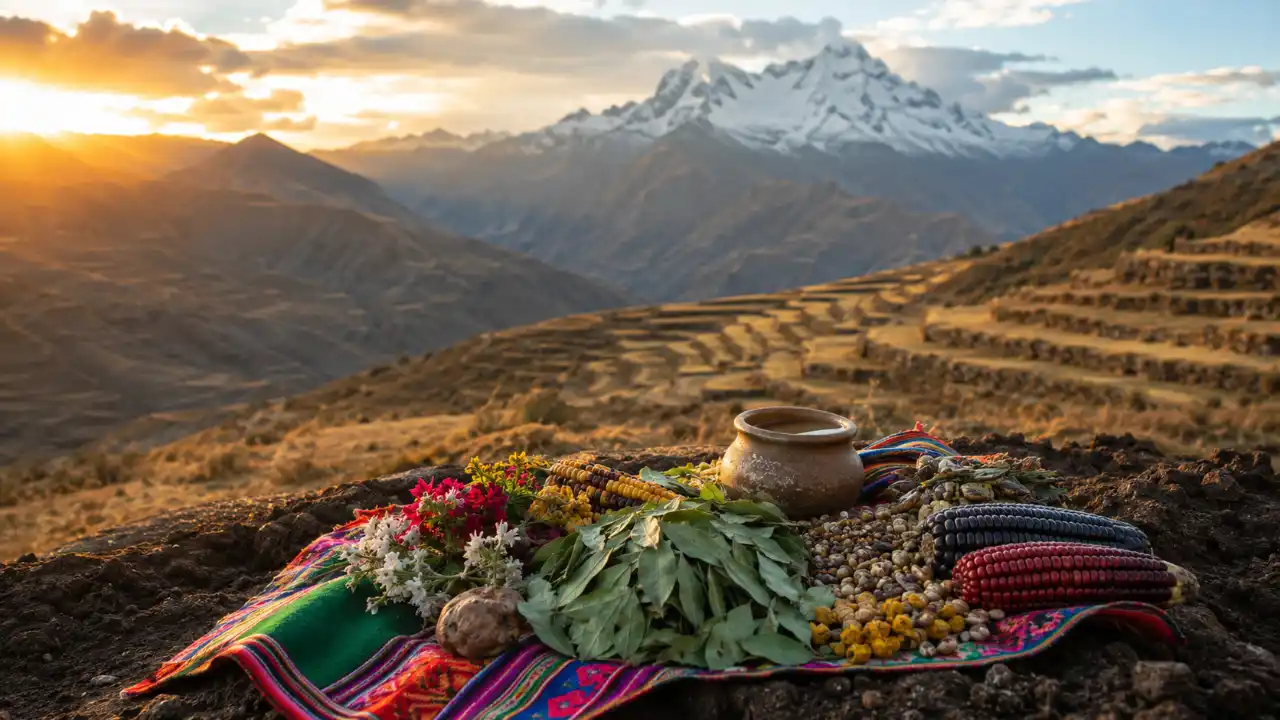
Pachamama was the goddess of the earth and agricultural fertility, she was in charge of presiding over sowing and harvesting. It was common to make offerings known as “payments to the land” before planting, and their cult still continues today among Andean communities.
She was represented as a woman carrying potatoes and coca leaves, but also as an image similar to a dragon.
Pachacámac, god of tremors
Pachacámac (“Creator of the Earth”) was a coastal deity associated with fire, the sky, the night, the earth and telluric movements.
It was considered a variant of Viracocha for the coastal towns, and it had a highly prestigious oracular sanctuary: Pachacámac. This god was so respected that no one dared to pronounce its name out loud. Where there was a large wooden idol of the god, which pilgrims visited to hear his advice. This imposing citadel covers 500 hectares in the Lurín valley, south of Lima.
Mama Cocha, Goddess of the Sea
Mama Cocha was the goddess of the seas, lakes, and rivers, associated with good fishing and protection from tsunamis. She was particularly venerated by the fishing communities of the Peruvian coast.
She was considered one of the four elemental mothers of the Andean pantheon, along with Pachamama, Mama Wayra (wind), and Mama Nina (fire).
Supay, Lord of the Underworld
Supay was the ruler of Uku Pacha (the underworld) and was perceived as an ambivalent figure, not entirely malevolent. One of his roles was to maintain the balance between good and evil.
Supay, the deity who governs Uku Pacha, holds a crooked staff in his right hand, in contrast to the authority figures outside the underworld where the staff is always straight. Uku Pacha is also the inner world, the womb of Pachamama (Mother Earth), where life is conceived and where one journeys through death.
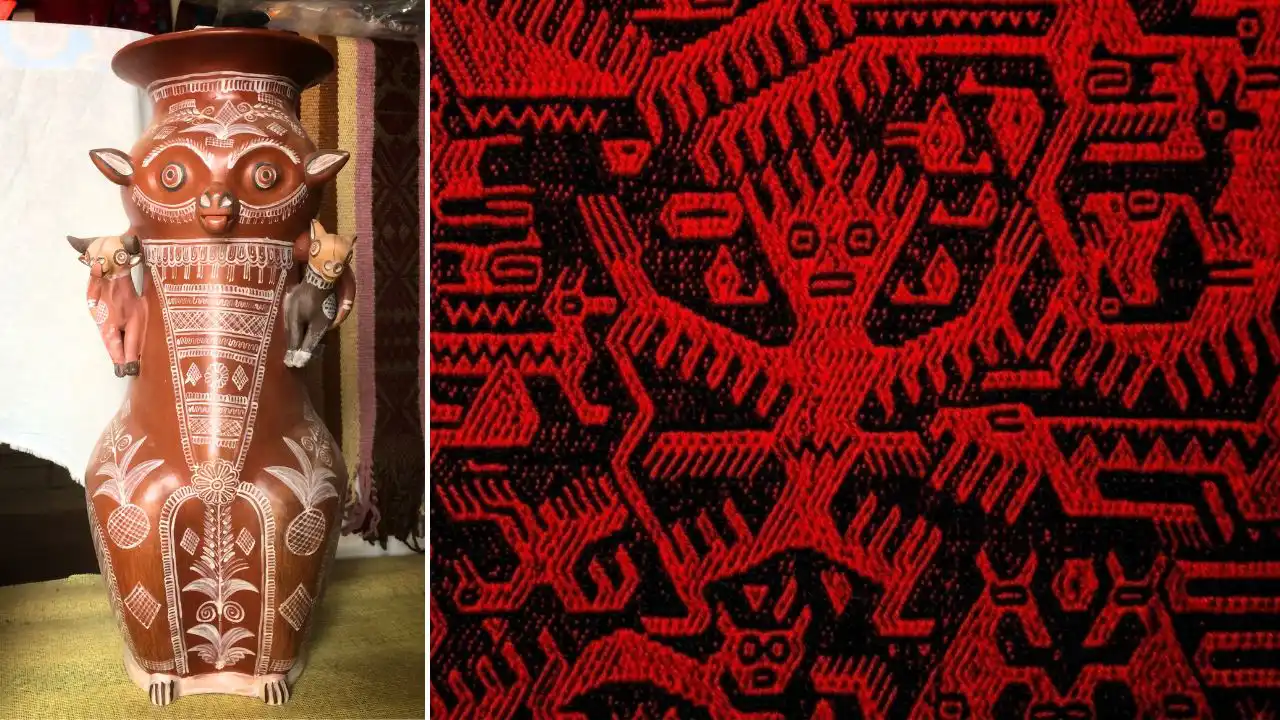
He was associated with death, but also with the origin of seeds and the cycle of life’s renewal. After the Spanish conquest, evangelists assimilated him with the figure of the Christian devil.
Other Inca deities
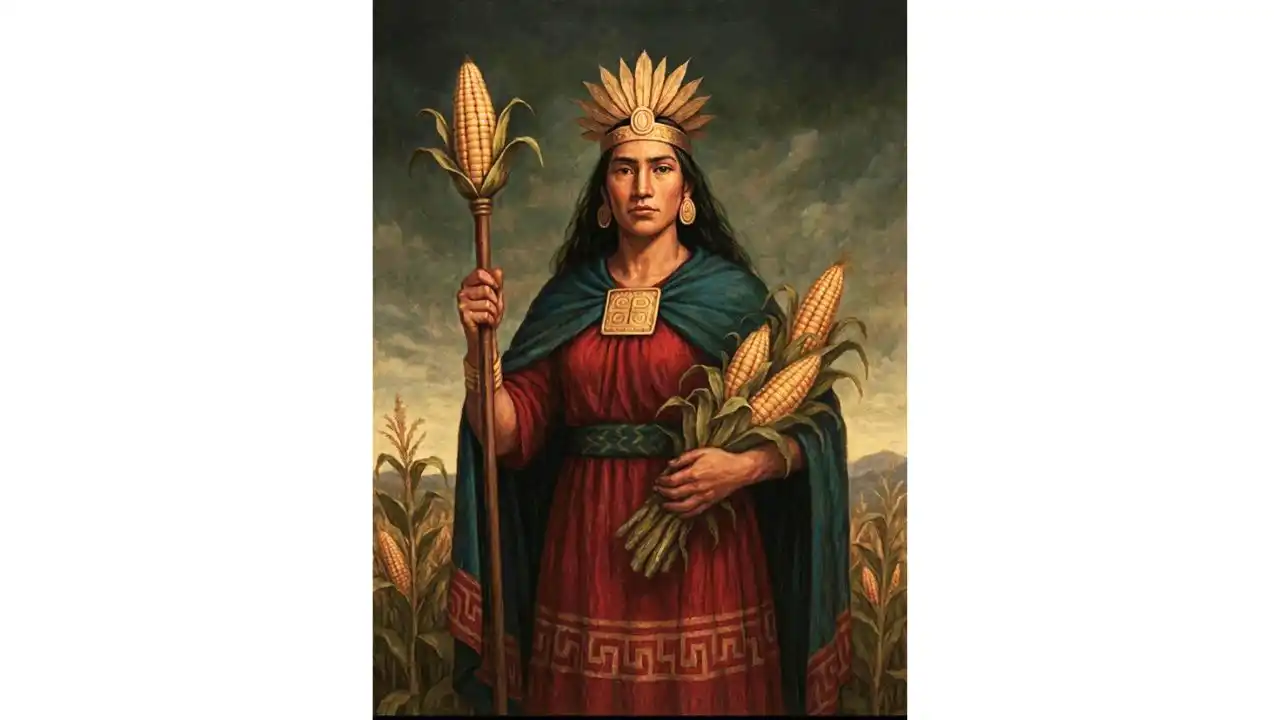
Mama Sara, Goddess of Maize
She was the goddess of maize, the most important food in the Inca diet.
According to the myth, Mama Sara was a beautiful maiden whom the god Inti (the Sun) transformed into a maize plant to save her from the evil sorcerer Kuru, thus making her a symbol of fertility and the renewal of life.
Chasca Coyllur, Goddess of Venus
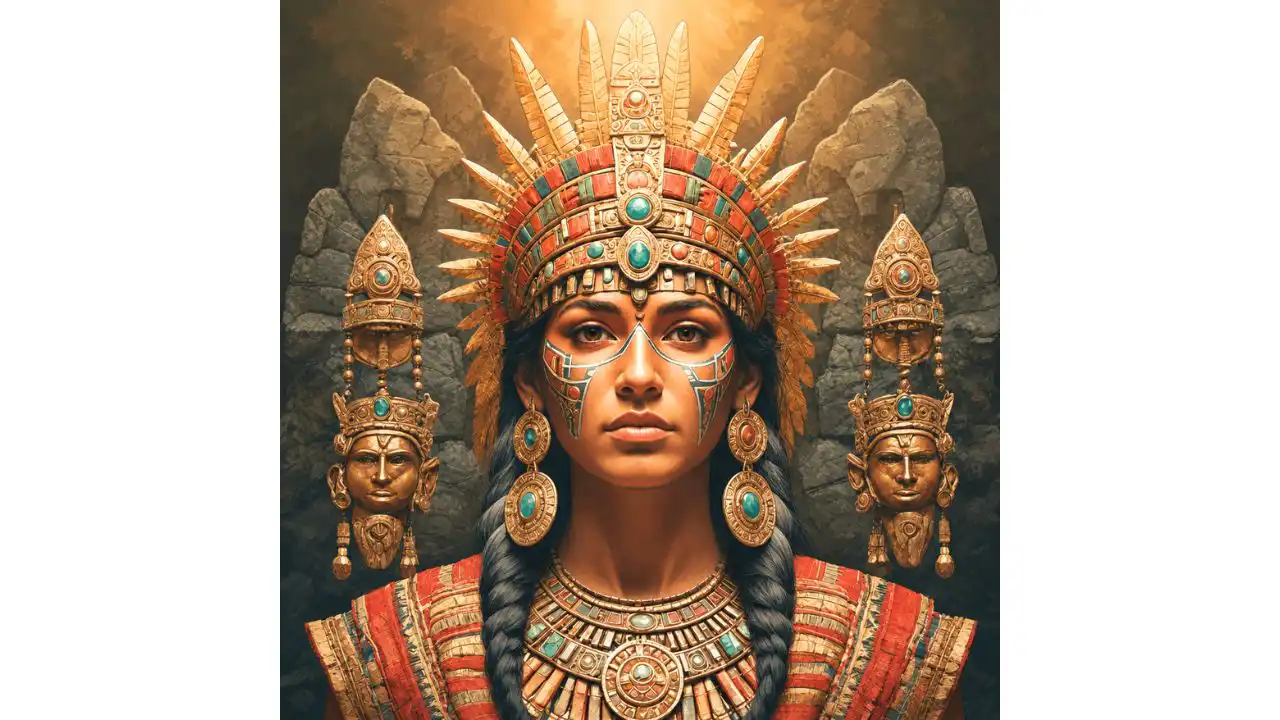
The goddess of beauty, protector of maidens, and responsible for flowers, she was also linked to certain atmospheric phenomena. This deity personified the planet Venus and was worshipped with offerings of perfumes, flowers, and agricultural products to ask for fertility and love.
The Apus, Spirits of the Mountains
The Apus (from the Quechua word meaning “lord” or “authority”) are the powerful mountain spirits that protect the Andean peoples. The Incas believed that the higher the mountain, the greater its spiritual importance.
The apus (mountain spirits) received sacrifices and were especially venerated on high mountains, such as Salkantay and Ausangate.
Pariacaca and Catequil, regional gods of lightning
Pariacaca was the god of water and storms for the people of Yauyos, while Catequil, god of lightning and day, was venerated from Quito to Cusco.
Both deities were regional variants of the god Illapa, venerated in specific areas before being integrated into the official Inca pantheon.
Worship and Rituals
The Temple of Coricancha
The religious complex of Coricancha (Qorikancha) housed the Temple of the Sun. It was not only the most sacred site, or huaca, in the Inca religion, but it was also considered the very center of the Inca world.
Coricancha (“House of the Sun”) was dedicated to the highest gods in the Inca pantheon, such as the creator god Viracocha, the moon goddess Quilla, and especially the god Inti.
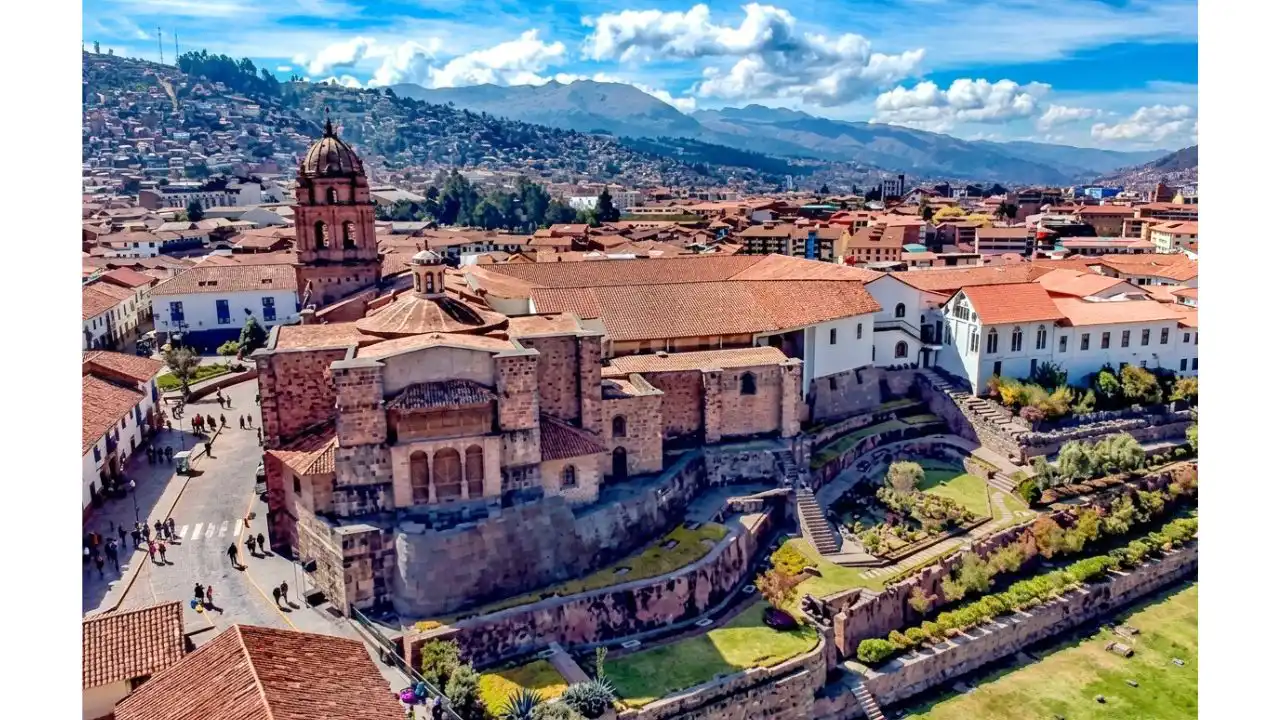
This building and the sacred precinct of Sacsayhuaman were dedicated to the god Inti and were probably built during the reign of Pachacútec.
Offerings and Sacrifices
Religious rituals included offerings of chicha (a fermented beverage), coca leaves, textiles, and animals, especially llamas and guinea pigs, considered the gods’ preferred foods.
In extraordinary circumstances, human sacrifices, generally of children, were also performed as part of ceremonies intended to appease the most important deities.
The Role of the Priests
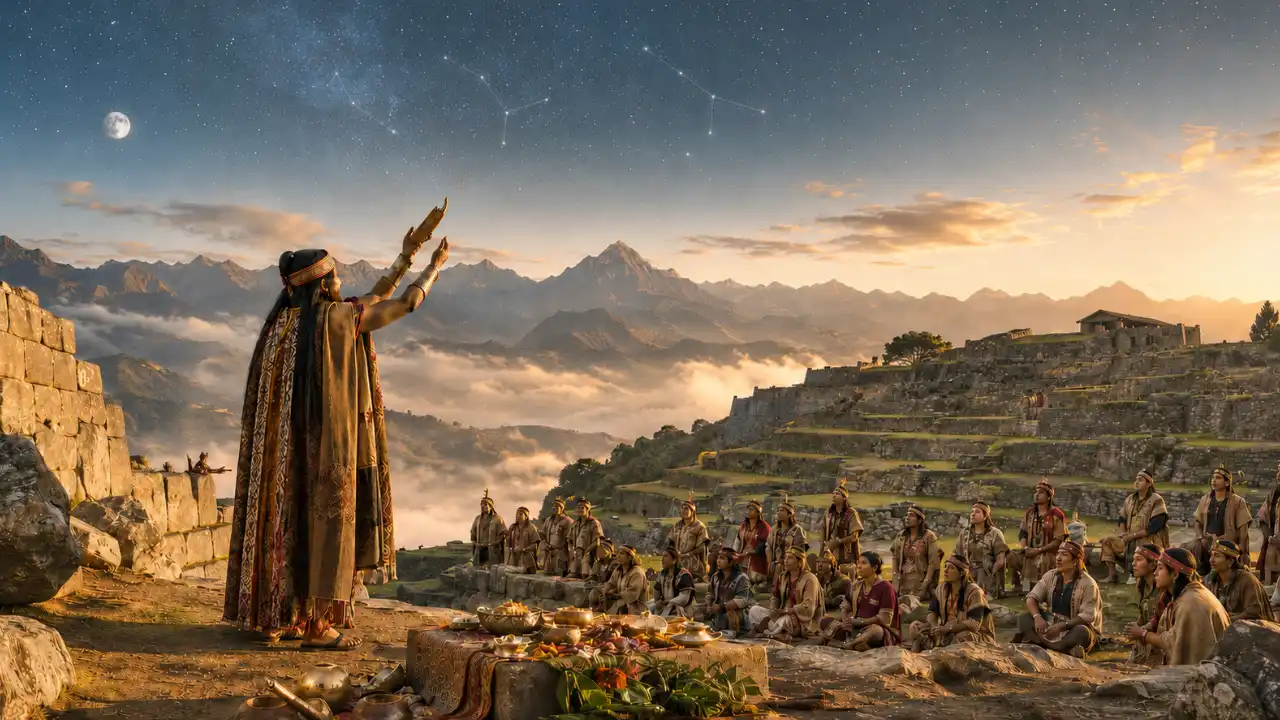
They were intermediaries between the human and divine worlds, responsible for organizing religious ceremonies, interpreting omens, and advising the Inca.
The high priest, the Willaq Umu, was in charge of the sun cult and advised the emperor directly; he was often also a member of the royal family.
In addition, there were other priests responsible for attending to the various deities and interpreting oracles, such as the one at the sanctuary of Pachacamac.
The Enduring Relevance and Legacy of Inca Mythology
The Political Function of Myths
Inca myths and legends served to justify the divine origin of the rulers, strengthen the cohesion of the empire, and peacefully assimilate conquered peoples.
This allowed them to justify both territorial expansion and the privileges of the Inca nobility over the conquered peoples.
Continuity Today
Numerous religious practices of Inca origin remain in use in contemporary Andean communities, such as offerings to Pachamama, respect for the apus (mountain spirits), and the celebration of Inti Raymi (Festival of the Sun).
These traditions demonstrate that Inca mythology continues to be a living cultural force in the Andean world today.