Diferrences between the Short Inca Trail vs Classic Inca Trail
Main differences between Short Inca Trail or 2 Day Inca Trail, and Classic Inca Trail or 4 Day Inca Trail, lie in distance, altitude exposure, physical demand, daily hiking structure, and overall logistics.
The Short Inca Trail is a condensed route a much shorter Inca Trail distance, lower elevation, with no high mountain passes allowing most of the hiking to be completed in a single main day, with faster recovery and a more manageable Inca Trail difficulty than the longer version, making this ideal for travelers with limited time or less trekking experience.
In contrast, this Classic Inca Trail is the entire Inca Trail total distance in four successive days of trekking at altitude with daily elevation gain and loss, many exclusive archaeological sites, more complex logistics and a tighter permit availability, therefore an even more immersive yet physically demanding way of trekking to Machu Picchu.
Inca Trail Options and Comparison: Understanding Your Trekking Choices
The Inca Trail is not just one hike. It is actually a regulated trekking network administered by the Peruvian government with limited permits each day.
After obtaining a permit, the route is not changed, and thus it is critical to have an understanding about the differences between the Short Inca Trail and the Classic Inca Trail before making a booking.

Overview of Inca Trail Options Available to Machu Picchu
All the Inca Trail trekking routes are leading towards Machu Picchu, but they are suitable for a very different sort of trekker.
The two primary routes are:
- Classic Inca Trail – 4 Days / 3 Nights
- Short Inca Trail – 2 Days / 1 Night
Both routes:
- Require government-issued permits
- Must be booked through licensed operators
- Use regulated checkpoints and guided access
Despite these similarities, the experience on each route differs significantly in terms of physical effort, altitude exposure, comfort level, and depth of cultural immersion.

What Are the Short Inca Trail and the Classic Inca Trail?
- Classic Inca Trail (4 Days)
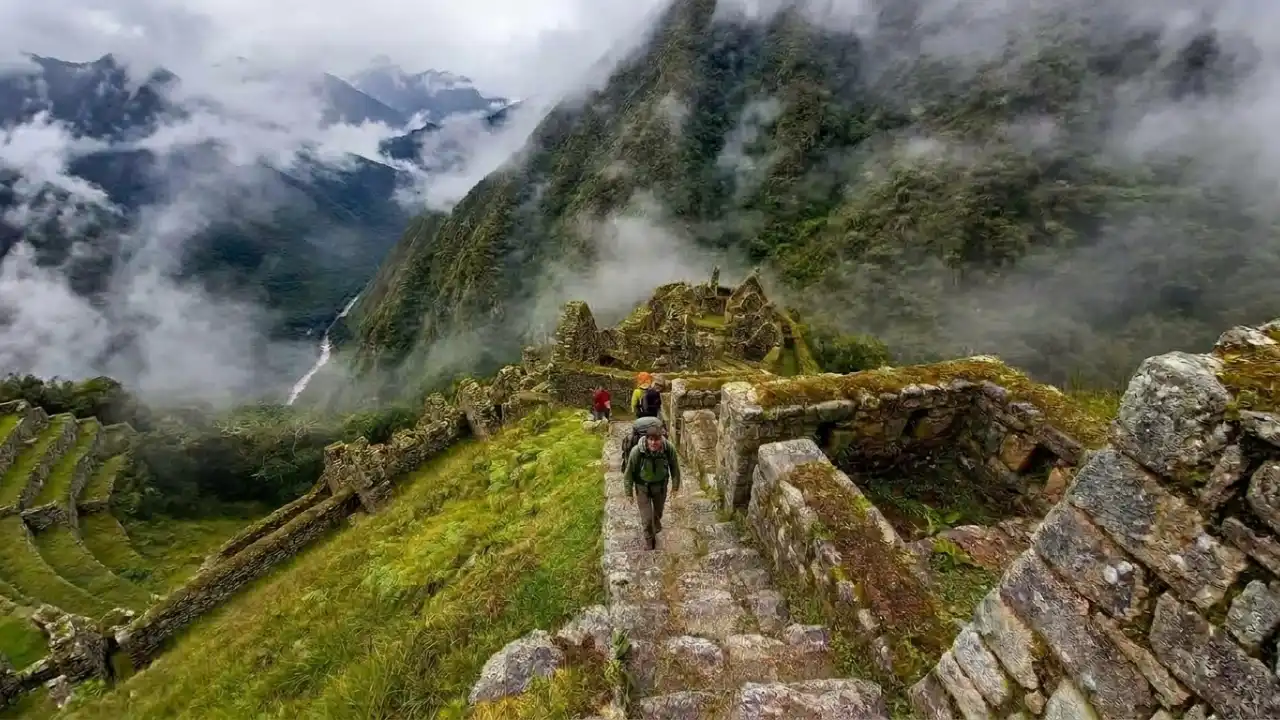
The Classic Inca Trail is the most traditional or complete trail. It spans some 43 km (26 miles) involving four days of walking through Andean valleys, cloud forest, as well as highland regions.
The highest point is Dead Woman’s Pass (4,200 m/13,780 ft), which offers a level of rugged terrain to even well-trained trekkers. The trail provides a connected historical experience because there are archaeological points that are revealed along the route, giving a feeling of progression to the visitor.
- Short Inca Trail
The Short Inca Trail, or “2 Day Inca Trail,” is a modified version of the trail that takes only two days and a night to complete. It is a 10-12 km (6-7.5 miles) journey that originates closer to Machu Picchu and does not involve high mountain passes.
This trail is intended for those who wish to experience the journey of the Inca Trail but do not want to be exposed to the altitude or camping experience. Nevertheless, it maintains the significant entrance point, the Sun Gate.

2 Day Inca Trail vs 4 Day Inca Trail: Core Differences Explained
Duration and Distance
The Classic route is more than three times longer, which directly affects physical endurance, recovery time, and overall trekking intensity.
| Feature | Classic Inca Trail | Short Inca Trail |
|---|---|---|
| Duration | 4 days / 3 nights | 2 days / 1 night |
| Distance | ~43 km (26 miles) | ~10-12 km (6-7.5 miles) |
| Trek Structure | Multi-day, full immersion | One main hiking day |
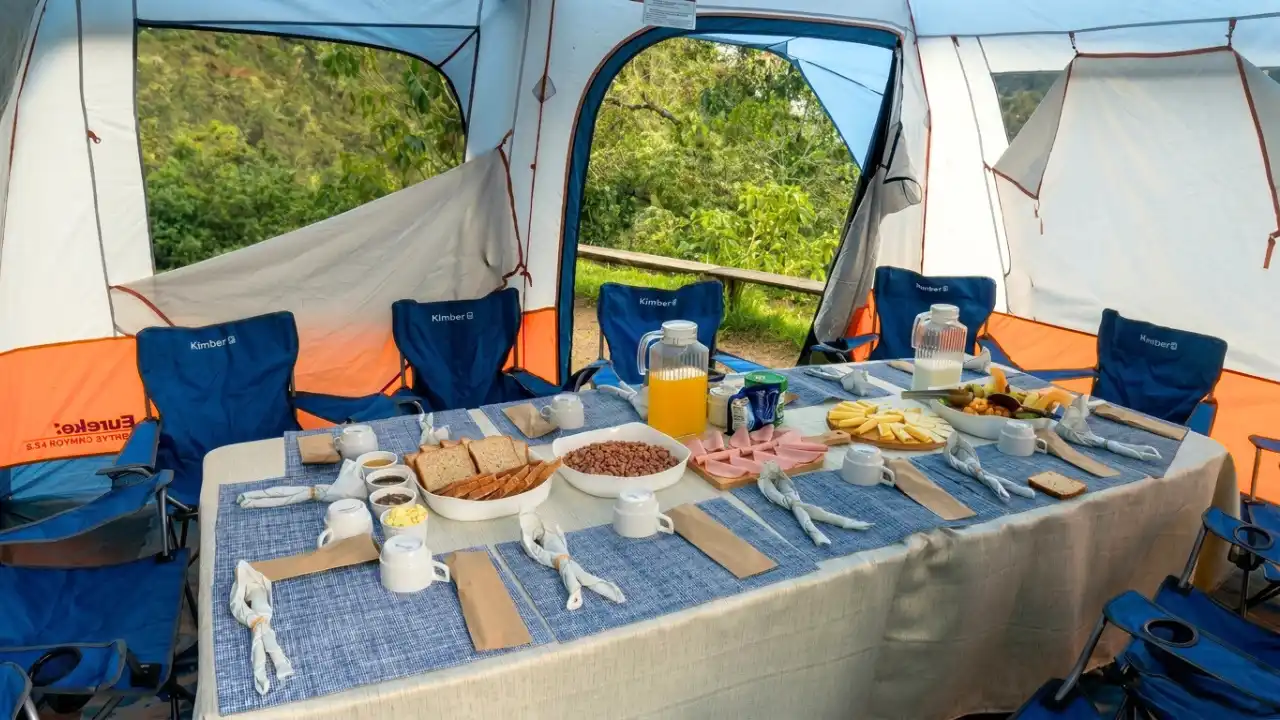
| Accommodation | Camping | Hotel in Aguas Calientes |

Altitude, Acclimatization, and Health & Safety Considerations
Altitude is another factor that is more important in determining the Short Inca Trail vs Classic Inca Trail comparison, especially in the case of people who do not acclimate well.
The Classic Inca Trail has an altitude of 4,200 meters, and at this point, oxygen is much lower. Suffering from head throbs, exhaustion, and an inability to breathe can easily happen if acclimatization doesn’t happen before attempting this part of the journey. It is highly recommended for most trekkers to acclimatize for at least two days before embarking on this path
The Short Inca Trail will continue to range from 2,700 to 3,000 meters in altitude, making it relatively easier for treks with limited time to acclimate to the environment and conditions.
Altitude related risks differ significantly:
- The Classic route exposes hikers to high passes where altitude symptoms are more likely
- The Short route minimizes altitude exposure, reducing medical risk
Travelers with prior altitude sensitivity often prefer the Short Inca Trail for safety reasons.
Physical Demand, Daily Hiking Structure, and Pace
Apart from the overall distance, the daily hike pattern varies widely between the two routes.
On the Classic Inca Trail, trekkers get to walk for a few hours daily on varied terrain. The fatigue build up is progressive, and recuperation is only through resting at designated campsites.
The Short Inca Trail packs its entire activity into a single hiking day, with a subsequent hotel stay. Such a format is suited for persons who want to accumulate less exertion over a number of days.
- Classic Inca Trail
- Early starts every morning
- 6-8 hours of hiking per day
- Fixed campsites determine daily pace
- Less flexibility once on the trail
- Short Inca Trail
- One early start for the main hike
- More relaxed overall rhythm
This will affect the comfort level and energy management during the journey.
Fitness Level and Preparation Requirements
Although both are moderate trekking trails, the nature of preparation needed is drastically different.
Classic Inca Trail
- Requires consistent cardiovascular endurance
- Prior acclimation techniques: hiking, stair climbing, or altitude exposure
- Physical preparation is essential due to daily elevation changes and cumulative fatigue
Short Inca Trail
- Suitable for travelers with basic fitness
- No long-term training required
- Ideal for travelers transitioning from city or cultural tours
This distinction is critical for travelers unsure about their physical readiness.

Archaeological Sites and Highlights
- Classic Inca Trail
From this Classic route, one can expect to see a number of archaeological highlights:
- Patallacta
- Wayllabamba
- Runkurakay
- Sayacmarca
- Wiñay Wayna
- Sun Gate (Inti Punku)
This provides a more in depth look at the history and architecture of the Incas.

- Short Inca Trail
The Short trail highlights only a few key sites, such as:
- Chachabamba
- Wiñay Wayna
- Sun Gate (Inti Punku)
Where the Classic route allows for broader and deeper exploration of Inca civilization, the Short route is focused on the most iconic sites.

Logistics: Camping vs Hotels
| Aspect | Classic Inca Trail | Short Inca Trail |
|---|---|---|
| Accommodation | Camping (3 nights) | Hotel |
| Porters & Gear | Required | Not required |
| Comfort Level | Rustic, immersive | Higher comfort |
| Recovery Time | Limited | Better rest |
This is most often the determining factor for adventure-seeking travelers compared to those on a mission for comfort.
Luggage, Packing, and Porter Support
Classic Inca Trail
- Requires duffel bags transported by porters
- Strict weight limits apply
- Personal packing discipline is essential
Short Inca Trail
- Only a daypack required
- No porter logistics
- Simpler packing and travel flow
In particular, it’s a deciding factor for travelers who want fewer logistics to manage.
Environmental and Ethical Considerations
The Classic Inca Trail has more stringent environmental guidelines, as it is a longer journey:
- Waste management systems
- Regulated porter care standards
- Campsite conservation regulations
The short Inca Trail, though smaller in length, also meets all conservation requirements with lower environmental impact per tourist.
Train Experience After the Trek
Both trails use train services provided by Aguas Calientes after the completion of the trails.
- Short Inca Trail hikers usually take advantage of earlier or more flexible train times
- Classic Inca Trail groups follow fixed return logistics
Such disruptions may impact the travel to Cusco or the Sacred Valley that follows.
Cost Differences Between Short and Classic Inca Trail
The Classic Inca Trail is generally more expensive due to:
- Longer duration
- Camping equipment and porters
- Additional meals and logistics
- Higher permit demand
The Short Inca Trail typically costs less, offering strong value while still preserving the authentic Inca Trail entrance.

Average Prices per Person (USD)
| Cost Item | Short Inca Trail (2 Days / 1 Night) | Classic Inca Trail (4 Days / 3 Nights) |
|---|---|---|
| Total tour price | USD 450 – 750 | USD 750 – 1,300 |
| Official Inca Trail permit | Included | Included |
| Licensed guide | 1-2 days | 4 days |
| Porters | Not required | Included |
| Camping equipment | Not required | Included |
| Meals on the trail | Limited | All meals included |
| Accommodation | Hotel (Aguas Calientes) | Camping (3 nights) |
| Machu Picchu entry ticket | Included | Included |
Why the Classic Inca Trail Costs More
The Classic Inca Trail costs more money primarily due to the following reasons:
- A longer duration (4 full days)
- Porters and full camping logistics
- More staff (guides, cooks, porters)
- More meals and supplies
- Higher demand for limited permits
Why the Short Inca Trail Is More Affordable
The Short Inca Trail is cheaper because:
- It is shorter (2 days)
- No camping or porters are needed
- Fewer meals and simpler logistics
- Permits are generally easier to obtain
Quick Conclusion (Price-Focused)
- Short Inca Trail: The best option for budget-conscious and short-escape planning tourists.
- Classic Inca Trail: This incurs higher costs but allows multi-day hiking experiences.
Both options provide a true Inca Trail experience; it’s merely a cost difference based on how much time and investment involvement you’re interested in making.
Permit Requirements and Availability
Both require an official Inca Trail permit, which must be booked through a licensed operator and linked to passport details. There are limited permits per day available, and they are non transferable.
- Inca Trail Classic Permits
- Extremely limited
- Often sell out 3-6 months in advance
- Short Inca Trail permits
- Easier to secure
- Still recommended to book early in peak season
Permit Availability and Booking Strategy
Permit availability is a decisive factor.
It is one of the most competitive trekking permits in South America, especially for peak time. Classic Inca Trail permits usually sell out months in advance for this time of the year.
The permits for the Short Inca Trail are easier to get, though they also can be limited during high season. It is greatly advised to book them in advance, just as it is with all other options.
Multi-Destination Itinerary Flexibility
Short Inca Trail
- Easily incorporated into a journey to either the Sacred Valley, Cusco, or Lake Titicaca
- Recommended for tourists visiting several regions within Peru
Classic Inca Trail
- Requires a dedicated block of time
- Less flexible for tight itineraries

Who Should Choose Each Route?
Both routes comply with the safety regulations set by the government, although their usability will differ.
- Short Inca Trail: Commonly chosen by families with teenagers, older travelers, and mixed age groups
- Classic Inca Trail: Better suited for adults with trekking experience and strong stamina
There is no maximum age limit, yet the Classic route requires a higher level of physical durability.
Short Inca Trail is Ideal For:
- Travelers with limited time
- Travelers seeking a gentler trek
- Families and beginners
- Those who are interested in visiting Machu Picchu through Sun Gate but don’t plan to camp
Classic Inca Trail is Ideal For:
- Experienced hikers
- Those seeking a deep cultural and historical journey
- Adventurers wanting multi-day trekking
- Travelers with high physical endurance
Psychological Experience: Journey vs Achievement
A subtle, but significant difference is in the realm of perceptions:
- The Classic Inca Trail is almost like a pilgrimage
- The Short Inca Trail feels like direct access to a highlight
Both culminate at Machu Picchu, but the emotional buildup differs.

Which Inca Trail Should You Choose?
If you are looking for efficiency, comfort, as well as moderate hiking, the short Inca Trail is definitely the way to go.
For the most comprehensive and immersive hiking experience and the maximum archaeological and high-altitude encounter, the Classic Inca Trail is in a league of its own.
Both ways are following real Inca trails. The only variation is the level of investment you make in your journey.

Frequently asked questions about Diferrences between the Short Inca Trail vs Classic Inca Trail
The main difference is duration and physical demand. The Short Inca Trail takes 2 days with one main hiking day, while the Classic Inca Trail takes 4 days and involves sustained multi-day trekking at higher altitude.
Yes. The Short Inca Trail is considered easier because it covers a shorter distance, avoids high mountain passes, and involves less altitude exposure compared to the Classic Inca Trail.
Yes. Both the Short and Classic Inca Trail require official government-issued permits that must be booked through a licensed operator. Permits are non-transferable and limited per day.
The Classic Inca Trail costs more because it includes multiple days of trekking, porters, camping equipment, more staff, additional meals, and higher permit demand.
Yes. The Short Inca Trail is easier to combine with other destinations like the Sacred Valley, Cusco city tours, or Lake Titicaca due to its shorter duration and flexible logistics.