Colca Canyon: The kingdom of the condor
Colca Canyon is one of the most spectacular natural attractions of Peru and the Andes. It is a beautiful sight, with tremendous valleys and the soaring flight of the Andean condor, created by the ideal mixture of nature, culture, and history. Walking through the giant canyon provides tourists with centuries of tradition and the majestic presence of mountains that have sculpted land as much as life.
Geography and Altitude of Colca Canyon
Going to Colca Canyon and witnessing one of the deepest canyons on the planet, nestled between huge mountains and charming villages. The landscapes will show you the sheer strength of geological forces that shaped the Andes over many millions of years.
Location and Dimensions
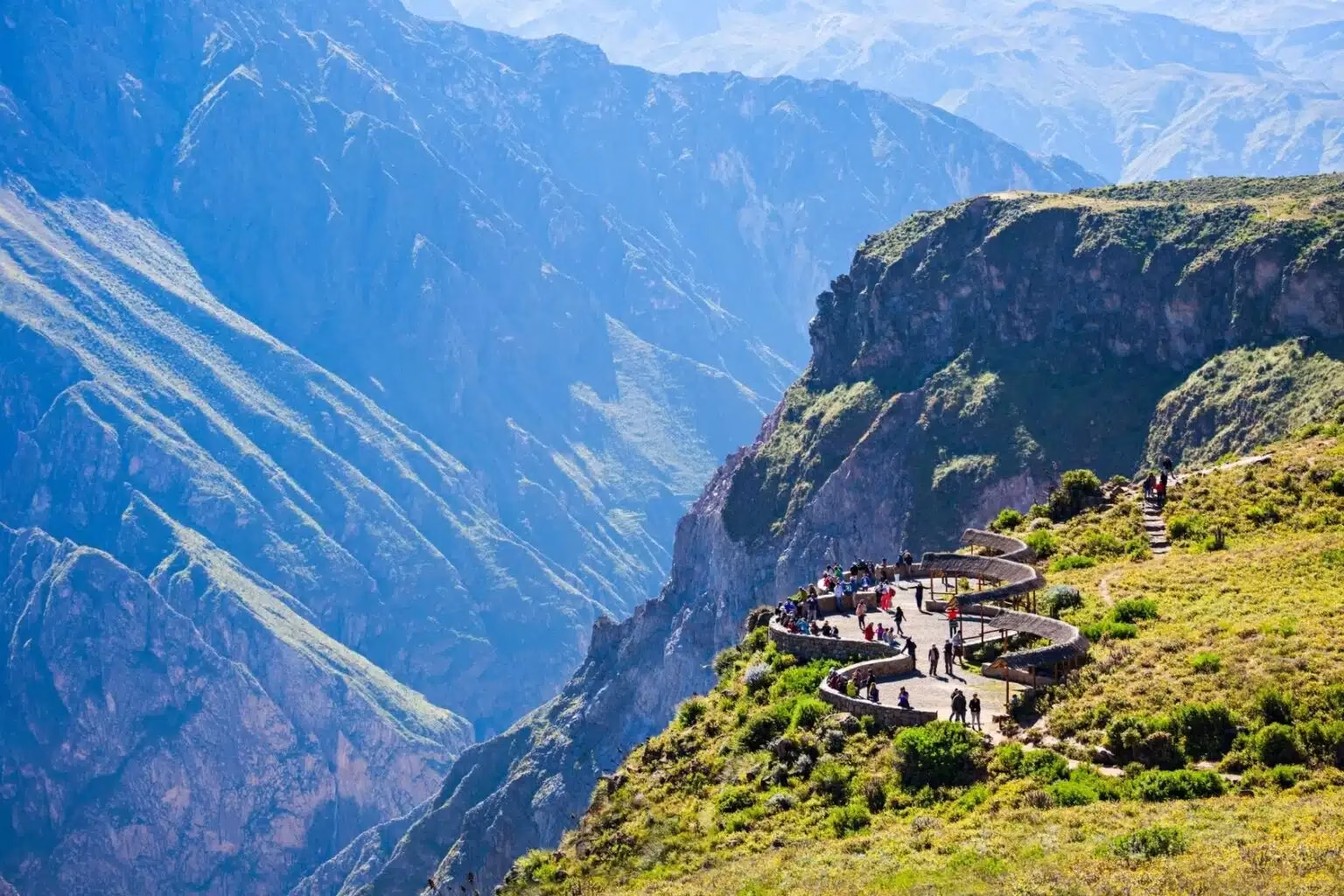
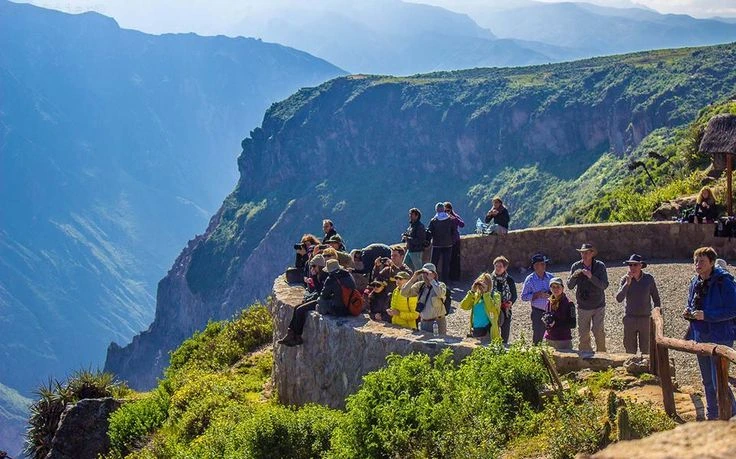
The canyon is in the southern region of Peru, approximately 160 kilometers to the northwest of Arequipa. It is over 70-kilometers long and reaches depths of around 3,400 meters, making it nearly double the depth of the Grand Canyon in the United States. The altitude of Colca Canyon Peru is impressive, reaching high mountain levels that reveal the incredible Colca Canyon facts about its geography. The Colca River runs through the valley, creating farms, towns, and ancient terraces that rise up the mountains. Pre-Inca civilizations built the terraces, and they are still farmed on today, which illustrates the incredible adaptability of the people to the high Colca Canyon altitude.
Climate and Weather
Due to its geographical position, the high altitude causes the climate to vary significantly in Colca Canyon Peru. In the upper areas, the mornings are bright and sunny, but nights can get quite cold, notably near Chivay and the high passes. In the lower areas, the air is warmer and the vegetation is more lush and dense. The best time to visit Colca Cnyon is between April and November, because this is the dry season and as a rule, the skies are bright blue. From December to March, you have more rain, but the valley becomes greener and the rivers become stronger, offering a different but equally beautiful landscape at this impressive Colca Canyon Peru elevation.
The History of Colca Canyon
The Colca region is home to thousands of years of human history visible today in its terraces, ruins, and traditions that are still lived experiences now.
Ancient Civilizations
Long before the Inca Empire expanded into this area, the Colca Valley was home to two major cultures, the Collagua and the Cabanas. These people developed irrigation channels and impressive stone terraces that allowed them to make the most of agricultural practices on steep slopes. The Collagua and Cabanas peoples left behind pottery, petroglyphs, and burial towers that signal their beliefs and an ethos of respect for nature. For this group of peoples, the canyon and the mountains that surround it were sacred places and express deep connections between life and the cosmos.
Colonial and Modern Era
New towns during the time of the Spanish extension of the empire were created, including Chivay, Yanque, and Coporaque, and still today, we can see their beautiful baroque churches. The towns became key centers of agricultural production and trade. The Colca Valley continued to develop over time, all the while maintaining its identity as a rural valley. In present times it is one of Peru’s most visited lens, and is appreciated both for its natural beauty, and the kindness of its people.
Nature and Wildlife in Colca Canyon
Colca Canyon is a place characterized by nature’s rich diversity at every altitude. From snowy capped peaks to warm valleys, the ecosystem is ever changing with a wide range of flora and fauna.
Flora and Ecosystems
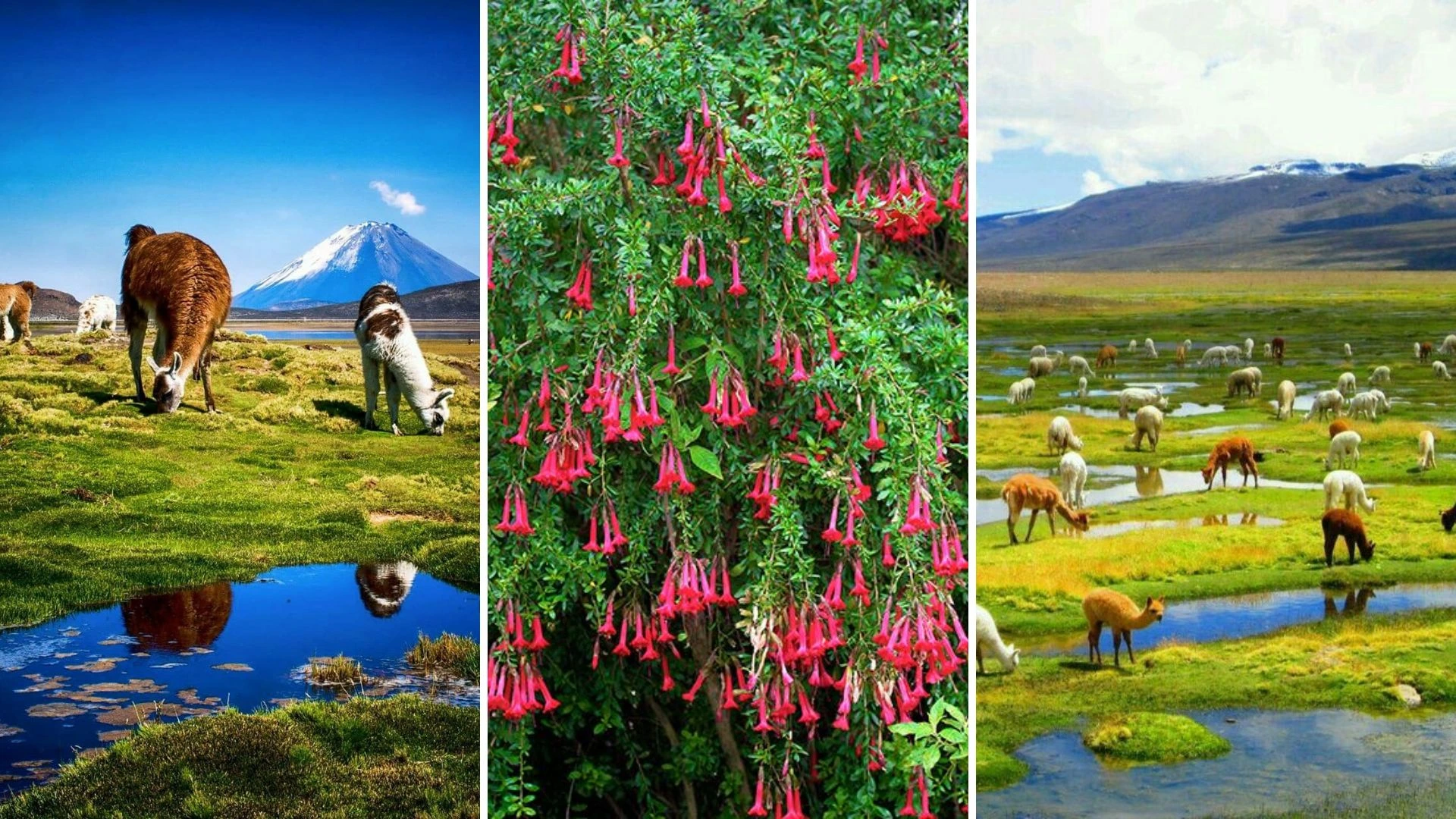
Vegetation in the canyon is determined by altitude and water availability. The plants that occupy the higher elevations of the canyon are dominated by ichu grass and queñua trees, whereas mid-elevations see cacti and shrubs as the dominant plants. Lower in the valley, fertile soils allow for crops such as corn, quinoa, potatoes, and barley to grow. Along the riverbanks, flowers and other native plants color the sides of the river. Each of these ecosystems makes the Colca Valley a living laboratory of Andean biodiversity.
Fauna and the Flight of the Condor
The Andean condor is assuredly the most iconic of all the animals that live in this region. The immense body of this bird, with wings of over three meters in length, flies effortlessly using warm air currents as it lifts and descends over the canyon. Observing it from the Cruz del Cóndor viewpoint is one of the most spectacular activities in Peru. Aside from the condors, the ecosystem is home to several animals, including alpacas, llamas, vicuñas, foxes, and many types of birds, such as eagles, hummingbirds, and Andean ducks. All of these animals have a fundamental role in sustaining the ecosystem.
Things to Do in Colca Canyon
Colca Canyon provides boundless opportunities for outdoor adventure and cultural Discovery with trails, hot springs, and communities, it’s a perfect destination for travelers interested in experiencing or holding a deeper appreciation for nature and genuine experiences.
Trekking, Hiking, and Adventure Sports
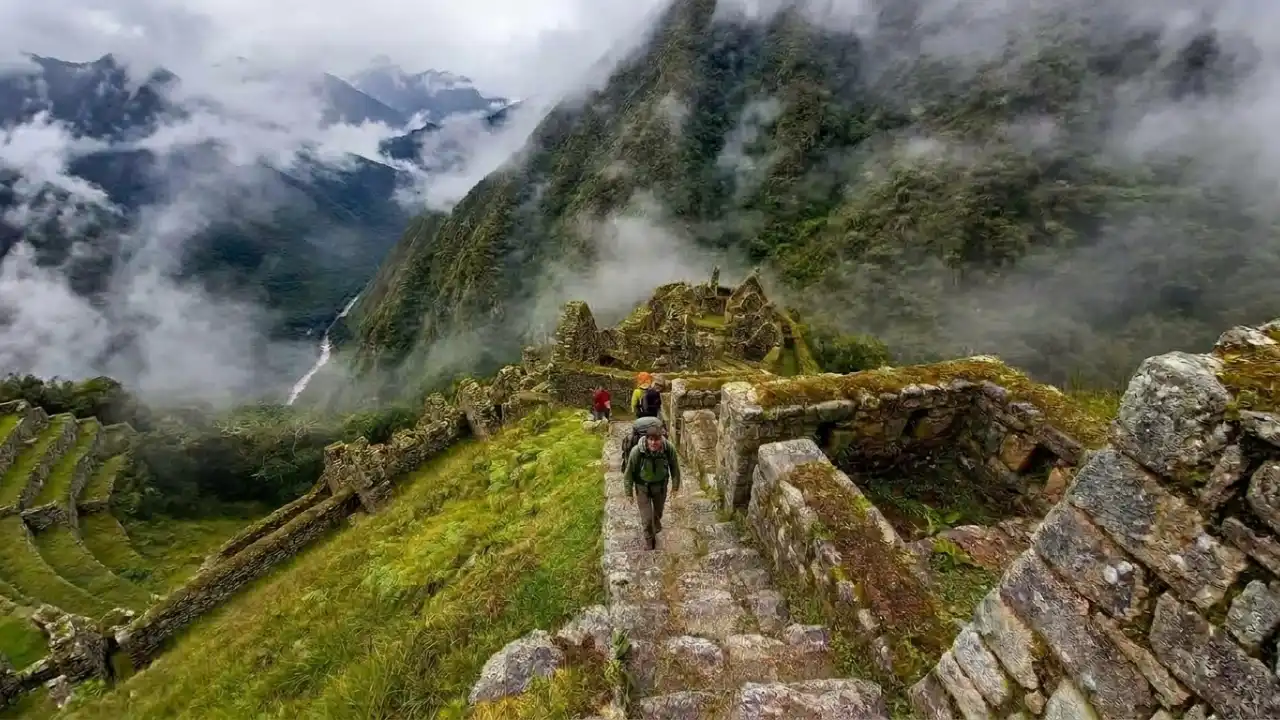
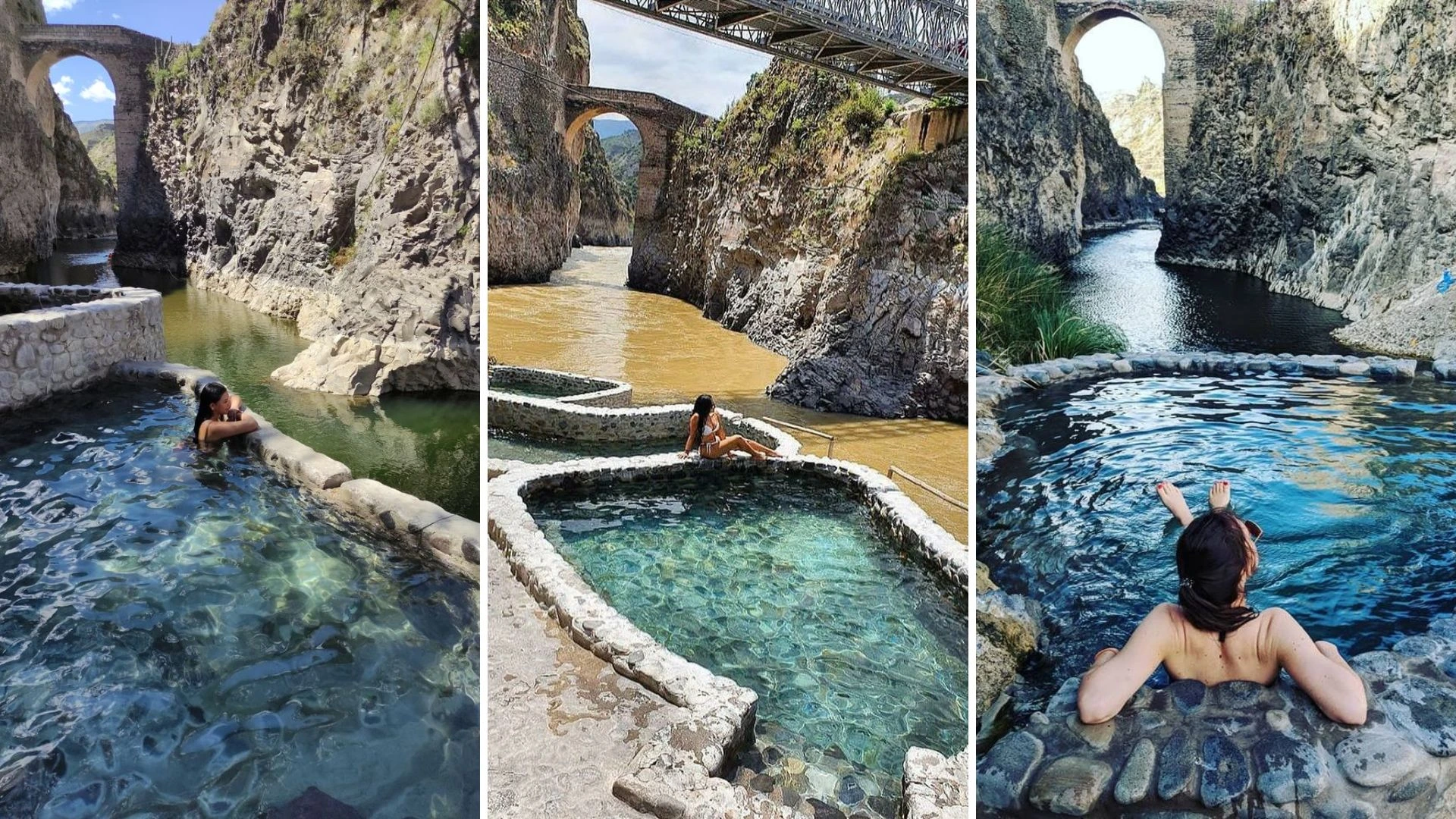
Walking through the canyon is, without question, one of the best ways to see it. There are several routes trekkers can take, but all routes lead down to the valley and to little oases missed with vegetation. One such area is the village of Sangalle, now dubbed “the Oasis,” that offers natural pools and serenity. For those who enjoy a little more adrenaline fueled activities, you can arrange for mountain biking, horseback riding, and even raft the Colca River. Each route offers a different perspective of the landscape ranging from jagged rock cliffs to farmland.
Hot Springs and Relaxation
After a long day of walking, soaking in the thermal baths of Colca is a really nice experience. The hot springs of La Calera, near Chivay, are the most well-known and have warm mineral waters that are claimed to have therapeutic properties. The baths are located at the base of mountains and in the open sky and provide a great place to recuperate and for a connection to nature. In fact, many visitors report they leave the waters feeling renewed before continuing their journey through Colca Canyon.
Culture, Villages, and Rural Tourism
Colca Canyon tells an array of stories of humanity along with the grandeur of landscape. The Valley is filled with villages of ethnically Andean people who continue practices that could be centuries old.
Andean Towns and Traditions
Villages like Yanque, Cabanaconde and Coporaque still exhibit some qualities of untouched beauty. The towns here maintain markets with locals selling fresh fruits, vegetables, meats, crafts, and handwoven textiles of all colors. There is music and dance, and the local saints and agricultural calendar processions through the streets for the holidays. Its always enjoyable. Likewise, the rural tourism option of staying with families, eating local food, and experiencing the skill of weaving, or farming, anything involving the success of an ancestral family is an option. These options provide a more complete joy of the relational pleasure of land and people together.
UNESCO Global Geopark
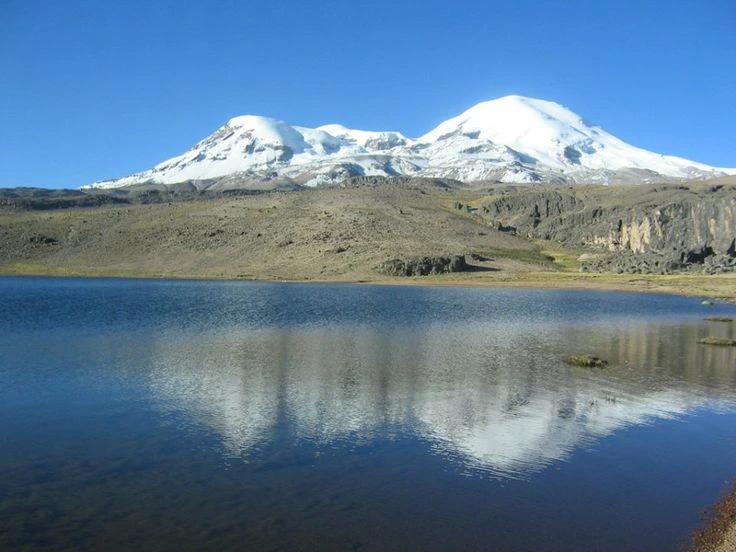
Due to its abundant natural and cultural wealth, in 2019, UNESCO certified the Colca and Volcanoes of Andagua Geopark as a Global Geopark. Such a designation gives merit to the geoheritage of an area, as well as the opportunity to promote sustainable tourism. The Geopark encompasses volcanoes, open valleys, and rivers that preserve the geological history of the Andes mountains. It also provides protection of cultural heritage so that local communities can enjoy the benefits of responsible tourism, while maintaining and preserving their authentic traditions.
Frequently asked questions about Colca Canyon: The kingdom of the condor
The Colca Canyon reaches a depth of approximately 4,160 meters (13,650 ft), making it the second deepest canyon in the world, just after the Yarlung Tsangpo in China. Its immense cliffs and dramatic landscapes are twice as deep as the Grand Canyon in the United States.
The best time to visit Colca Canyon Peru is during the dry season, from April to October. During these months, the weather is stable, skies are clear, and the Colca Canyon trek and Colca Canyon tours from Arequipa are most enjoyable. The rainy season (November–March) offers greener scenery but can make trails slippery.
To reach Colca Canyon from Arequipa, you can take a guided tour or a public bus to Chivay, the main gateway to the canyon. The trip takes about 3.5 hours by road. Many travelers prefer booking a Colca Canyon tour from Arequipa, which includes round-trip transportation, meals, and a professional guide.
Yes, it’s possible to visit Colca Canyon in Peru independently. However, due to the canyon’s vast terrain and altitude, joining a Colca Canyon tour or hiring a local guide is highly recommended. Guided trips ensure safety, deeper cultural insights, and access to the best Colca Canyon lodges and hot springs.
When preparing for your Colca Canyon trek or Colca Canyon hike, bring:
- Comfortable hiking boots
- Warm and light clothing layers
- Sunscreen, hat, and sunglasses
- Plenty of water and snacks
- Swimsuit for the Colca Canyon hot springs
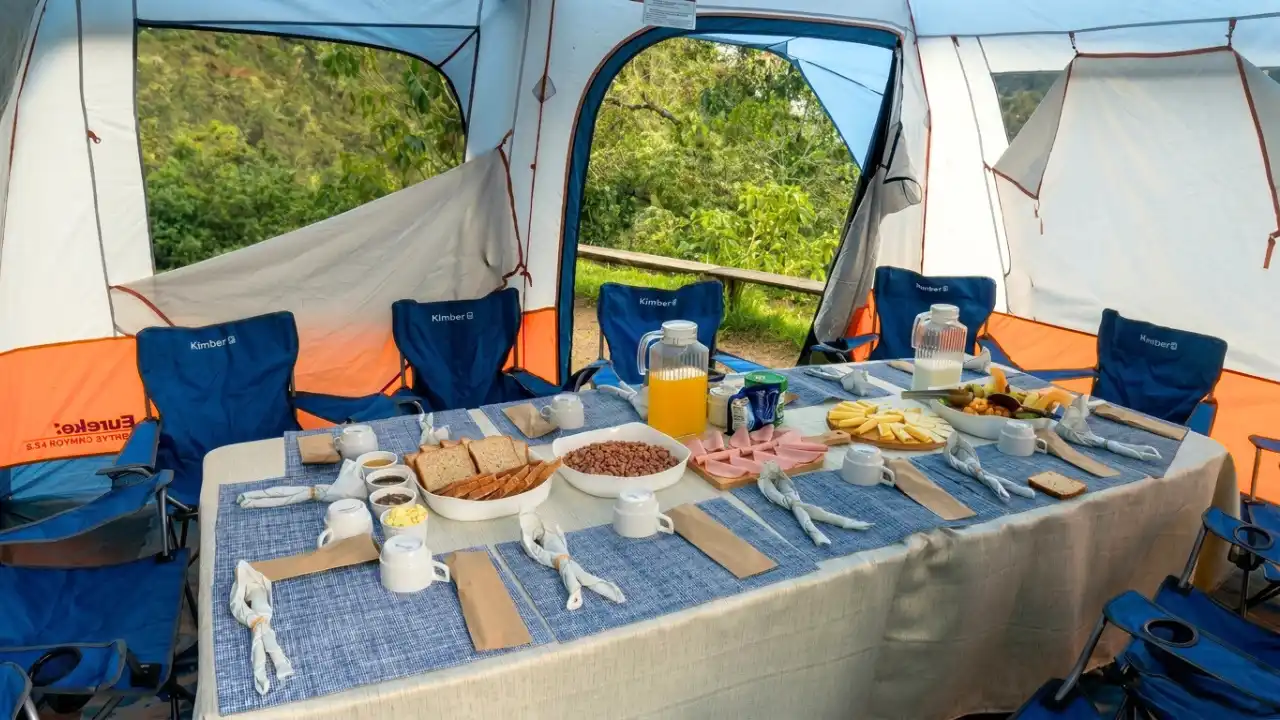
- Optional camping gear like a Coleman Canyon 8 person tent if you plan to camp overnight.
Packing properly will make your Colca Canyon Peru experience safe, comfortable, and unforgettable.