Comprehensive List of Attractions in Peru South America and Travel Destinations
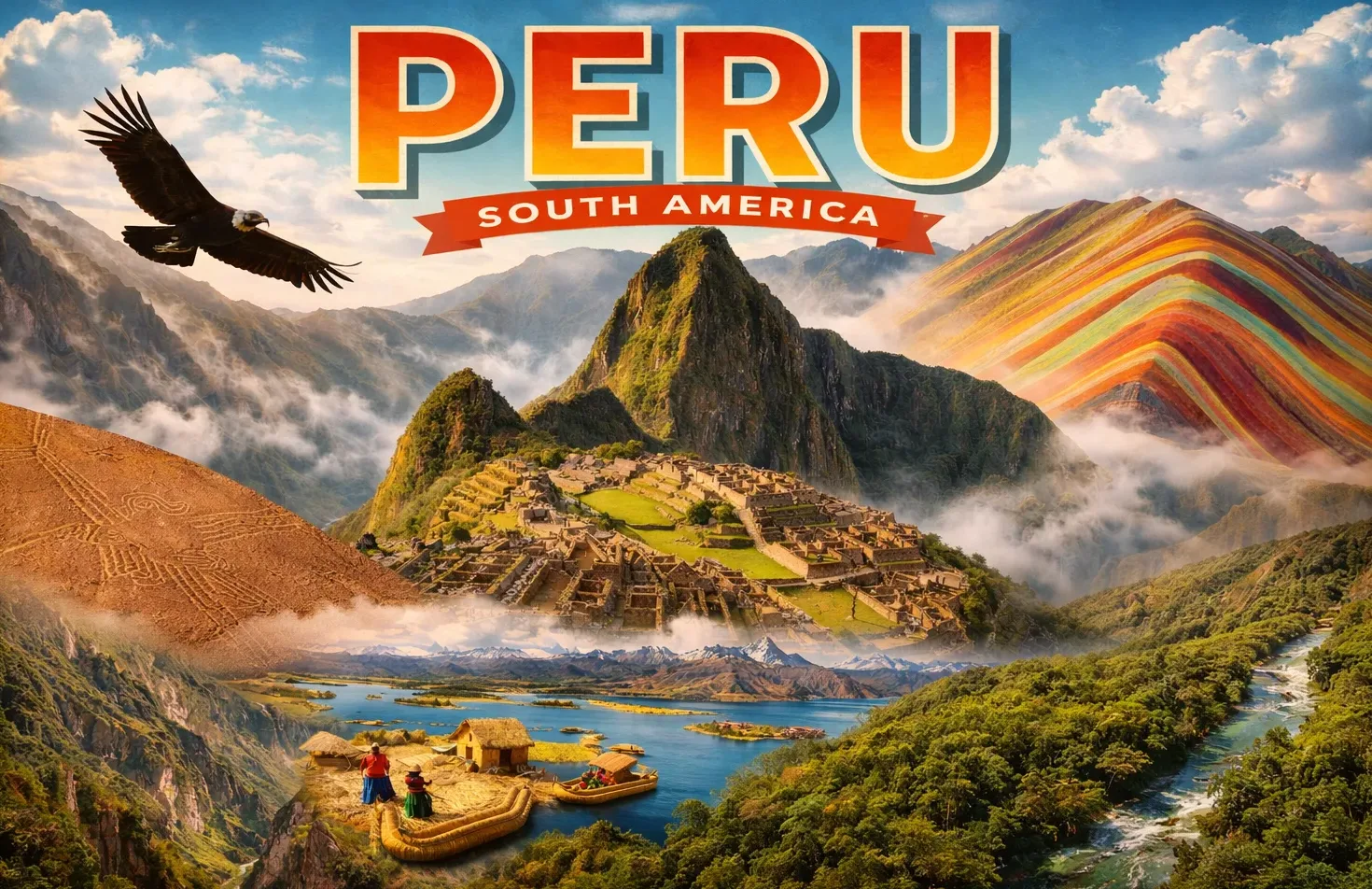
Peru is one of the most fascinating travel destinations in South America and, indeed, the world. Starting from the snow-capped peaks of the Andes to the deepest canyons in the world, from the green depths of the Amazon jungle to the mysterious lines drawn on the deserts along the coast, Peru is a land of immense natural and cultural contrasts. The famous attractions in Peru range from thousands of years of human history, from ancient ruins to colonial buildings, and from the rich indigenous culture that still flourishes in the country to the present day. Whether it is your first trip or you are returning to this beautiful land once again, this complete guide to the top tourist attractions in Peru will help you explore the best that this incredible country has to offer.
Attractions in Peru South America
Peru is located on the western side of South America and borders the countries of Ecuador, Colombia, Brazil, Bolivia, and Chile. Peru is also known for its geographical division into three regions: the coastal desert region (la Costa), the Andes mountain range (la Sierra), and the Amazon Basin (la Selva). These three regions provide completely different experiences. This is why Peru has such a diverse range of ecosystems, archaeological sites, and cultures that attract millions of tourists each year. Peru is one of the top adventure and cultural travel destinations in the world, and for all the right reasons.
| Region | Key Attractions | Best Season | Highlight Activity |
|---|---|---|---|
| Cusco & Sacred Valley | Machu Picchu, Rainbow Mountain | May – September | Inca Trail Trek |
| Lima | Historic Centre, Miraflores, Barranco | Year-round | Gastronomy & Museums |
| Ica / South Coast | Nazca Lines, Huacachina, Ballestas | Year-round | Scenic Flights & Sandboarding |
| Arequipa | Colca Canyon, Santa Catalina | April – November | Condor Watching |
| Puno / Lake Titicaca | Uros Islands, Taquile | April – October | Floating Island Homestay |
| Amazon (South) | Manu, Tambopata | May – October | Wildlife Safari & Macaw Licks |
| Amazon (North) | Pacaya-Samiria, Iquitos | June – November | River Cruise & Pink Dolphins |
| Huaraz | Laguna 69, Pastoruri Glacier | May – September | High-Altitude Trekking |
| Northern Peru | Chan Chan, Kuelap, Sipan | Year-round | Archaeological Exploration |
The Cusco Region and the Historic Capital of the Inca Empire
The Cusco Region is the unchallenged hub of Andean tourism and one of the most popular destinations in the entire South American continent. Named the “Navel of the World” in Quechua, Cusco was the administrative, political, and spiritual center of the vast Inca Empire. Today, the city and its valleys retain an incredible Inca heritage of architecture, Quechua-speaking populations, colorful markets, and scenery of staggering beauty. The Cusco, Peru attractions include UNESCO World Heritage sites that sit atop mountain ranges and glacial lakes that radiate colors that defy explanation.
The city of Cusco itself, at an average height of 3,400 meters (11,150 feet above sea level), is a living city and an open-air museum. The colonial city boasts Spanish churches and convents constructed directly on top of Inca stone foundations, a unique architectural feature found nowhere else in the world. The central Plaza de Armas is flanked by arcaded buildings, the Cathedral, and the Jesuit church of La Compañía. The Qorikancha, or Temple of the Sun, is one of the most spectacular examples of Inca stonework that has survived to the present day, its precisely fitted stonework now supporting the colonial Church of Santo Domingo.
Machu Picchu Citadel and the Inca Trail Network
Machu Picchu is indisputably the best known attraction in Peru and one of the most iconic archaeological sites on the planet. Perched at approximately 2,430 metres (7,970 feet) on a dramatic ridge above the Urubamba River, this 15th-century Inca citadel was built during the reign of the emperor Pachacutec and is believed to have functioned as a royal estate and religious sanctuary. The city was never discovered by the Spanish conquistadors and remained largely unknown to the outside world until 1911.
The attractions in Machu Picchu Peru include the Intihuatana stone, a ritual astronomical clock; the Temple of the Sun, a semicircular tower with perfect alignment with the winter solstice sunrise; the Room of the Three Windows; and the massive Main Plaza. Sun Gate (Inti Punku) and the Inca Bridge offer great views inside the archaeological site. The famous mountain Huayna Picchu towers directly behind the site, while the Machu Picchu Mountain trail provides panoramic views with smaller crowds.
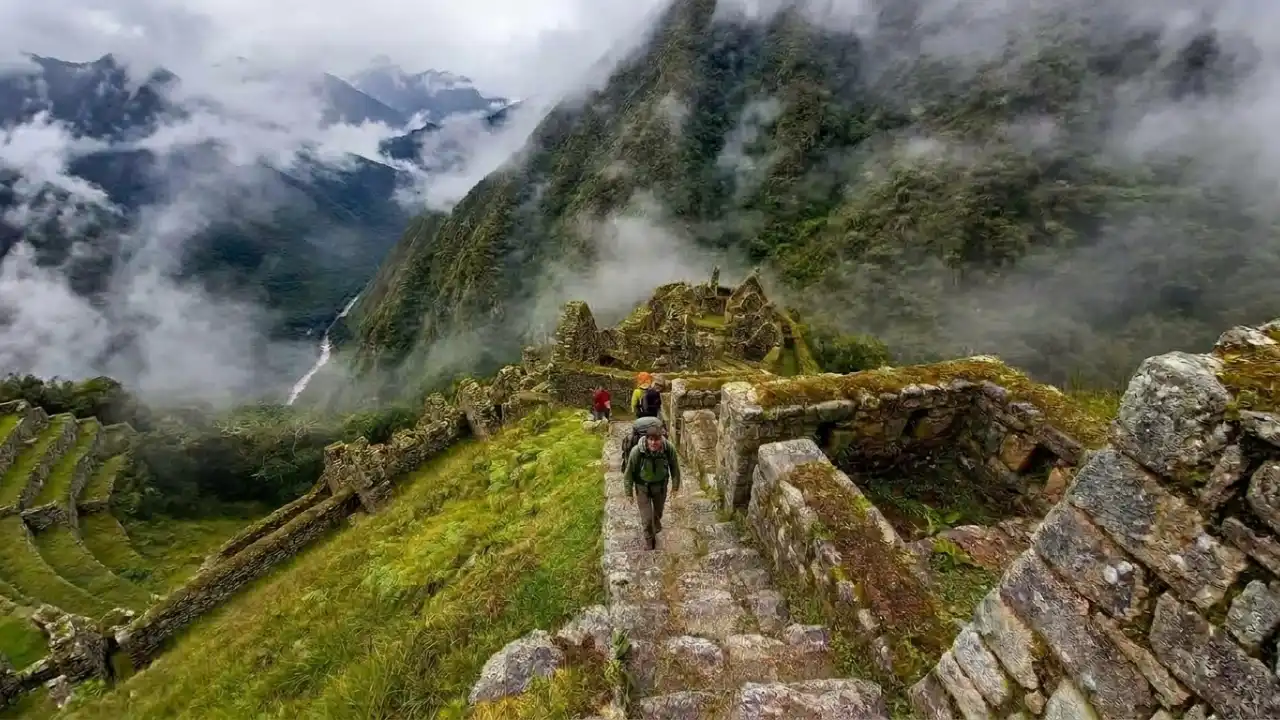
The classic Inca Trail is the most celebrated trekking route in the Americas, covering approximately 43 kilometres (26 miles). The four-day trek passes through numerous smaller Inca ruins including Runkurakay, Sayacmarca, and Wiñay Wayna before arriving at Sun Gate. Permits are strictly limited to 500 persons per day and regularly sell out months in advance. Several alternative routes, including the Inca Jungle Trek, the Quarry Trek, and the Mollepata Trek, allow hikers to reach Machu Picchu through equally beautiful terrain.
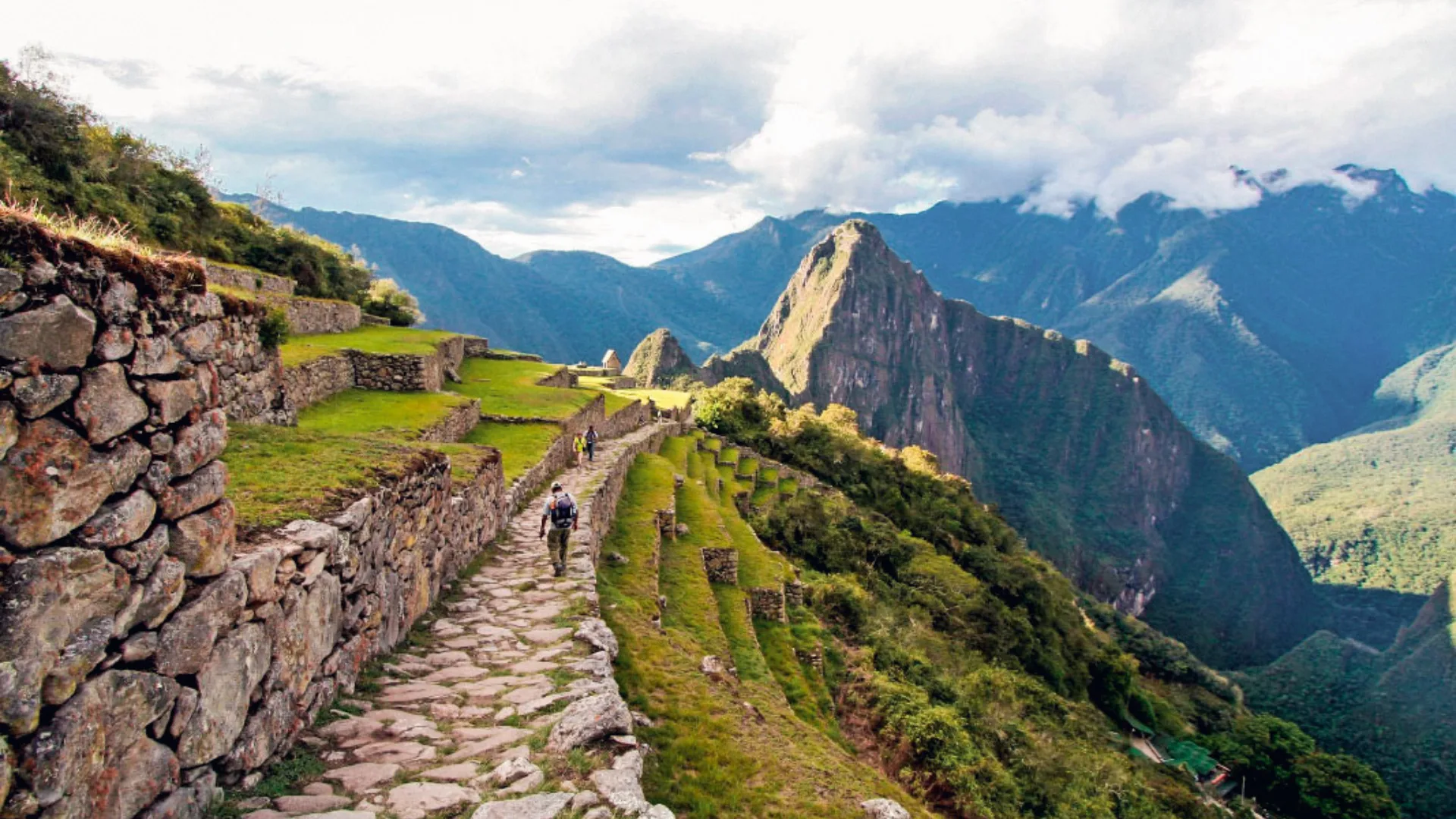
Travel Tip: Entrance tickets to Machu Picchu are timed and must be purchased in advance through the official government portal https://tuboleto.cultura.pe/inicio. It is advisable to get there early in the morning for better light and fewer tourists. Acclimatizing to the altitude in Cusco for 2-3 days before visiting is highly advisable.
The Sacred Valley of the Incas including Pisac and Ollantaytambo
The Sacred Valley of the Incas (Valle Sagrado) stretches along the Urubamba River between Cusco and Machu Picchu. This fertile highland valley was considered sacred by the Incas due to its mild climate and spiritual significance as a corridor between the highlands and the Amazon. The valley is dotted with Inca ruins, traditional villages, and Quechua-speaking communities.
Pisac is one of the most visited sites in the Sacred Valley, featuring an impressive Inca citadel built on a cliff and a famous artisan market in the village below. The ruins of Pisac include a sun temple, agricultural terraces, and one of the largest Inca cemeteries ever discovered.
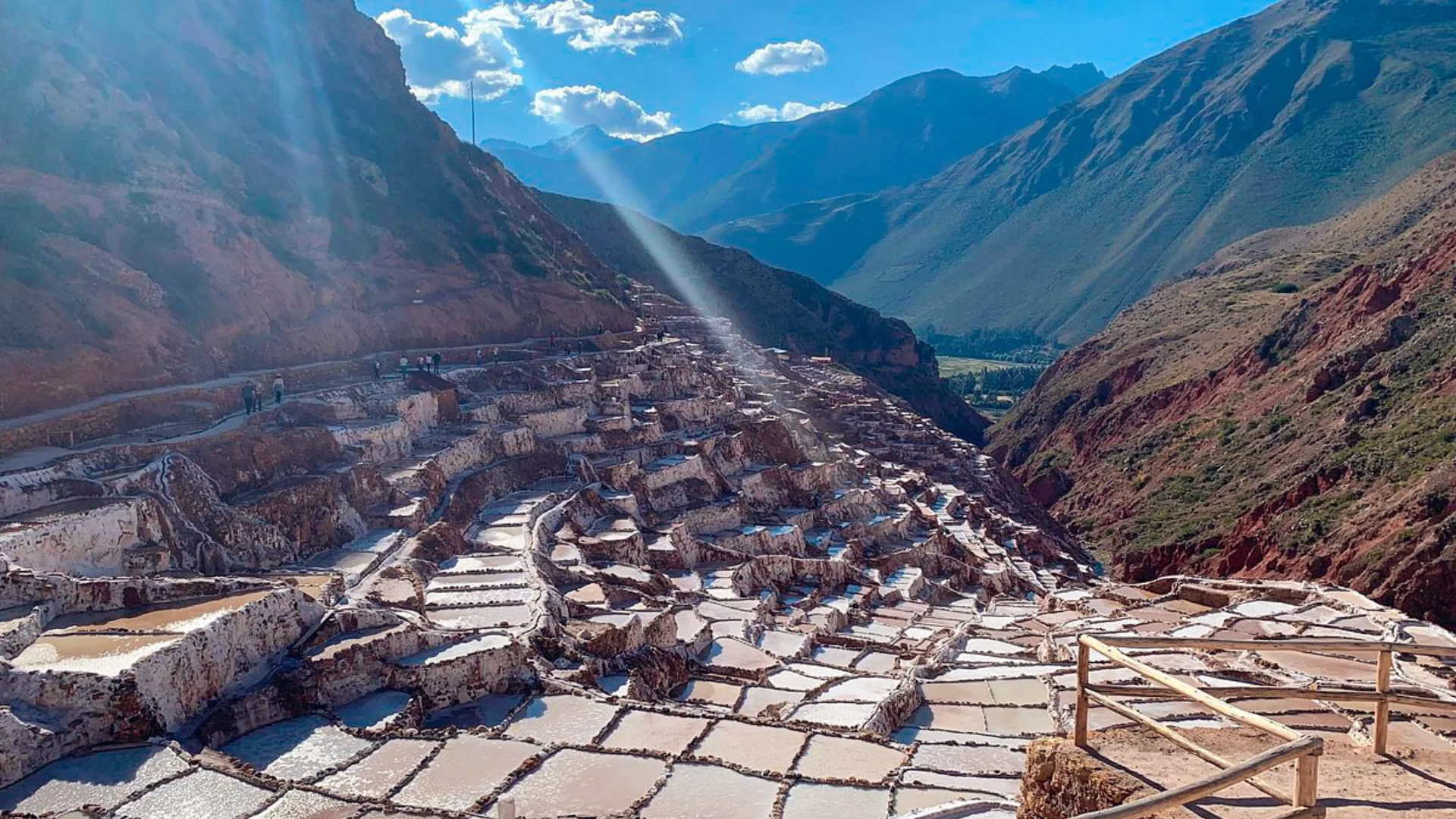
Ollantaytambo is arguably the best-preserved Inca town in existence and serves as the main gateway to Machu Picchu by train. The town’s original grid of Inca streets and irrigation channels is still inhabited today. The enormous fortress of Ollantaytambo towers above the town, with massive ceremonial terraces and an unfinished Temple of the Sun. Other notable tourist attractions in the Cusco region include Moray, featuring concentric circular terraces, and the massive salt evaporation ponds at Maras.
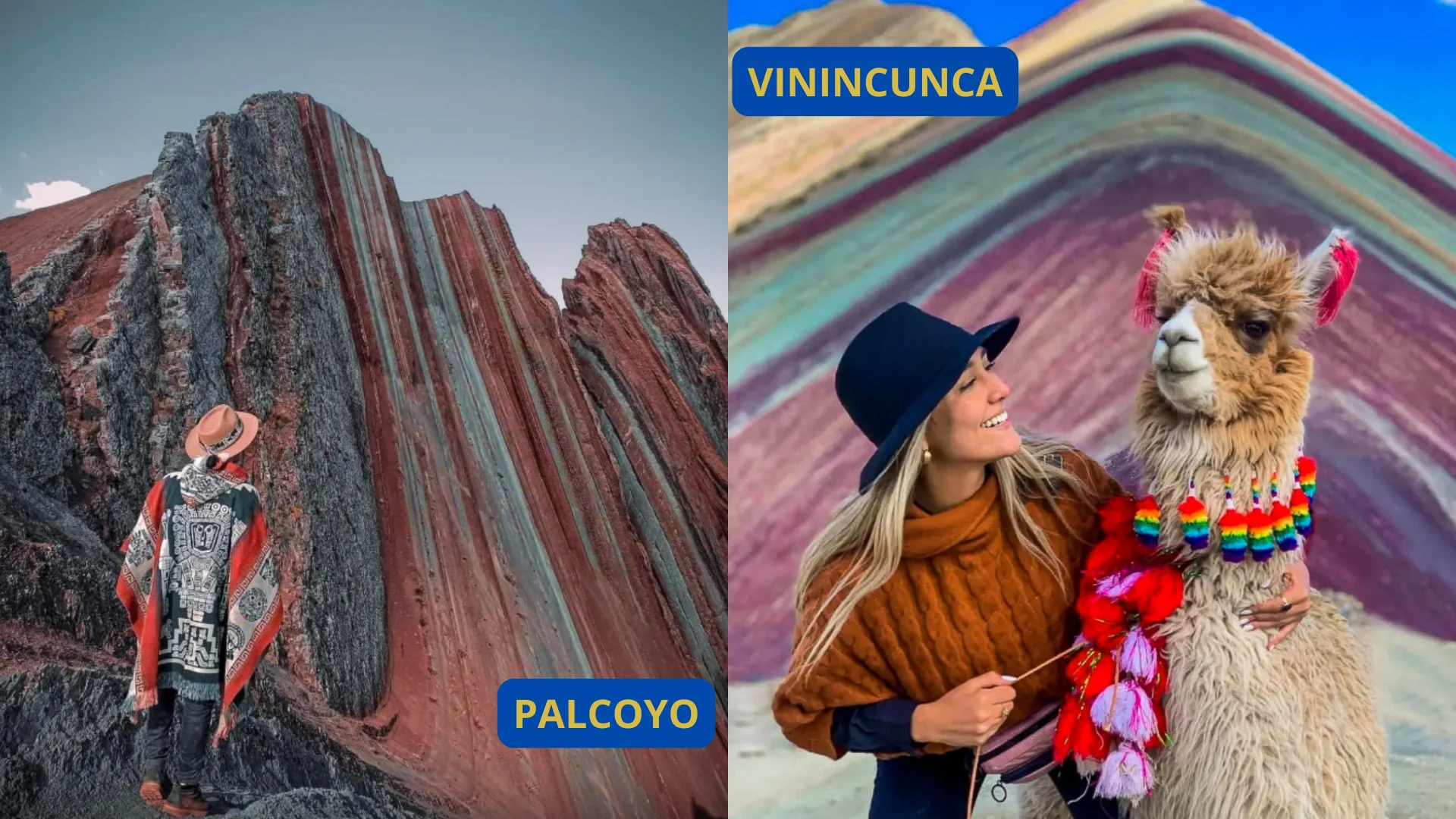
Vinicunca Rainbow Mountain and the Alternative Palccoyo Trek
Vinicunca, also known as Rainbow Mountain, is situated at an incredible height of about 5,200 meters (17,060 feet). These colorful stripes are formed due to the presence of various minerals such as iron oxide, copper sulphate, and clay minerals. The usual day hike to Vinicunca involves about 5 kilometers of hiking above 4,900 meters.
For those travelers who are looking for a less crowded alternative, Palccoyo Rainbow Mountain provides a shorter and less arduous hike and treats explorers to ridges of multiple colors. The Palccoyo trek receives significantly fewer tourists than Vinicunca and is one of the best-kept secrets among natural wonders in Peru. The best time to visit either of these destinations is during the dry season (May to September).
Humantay Lake and the Salkantay Trek to Machu Picchu
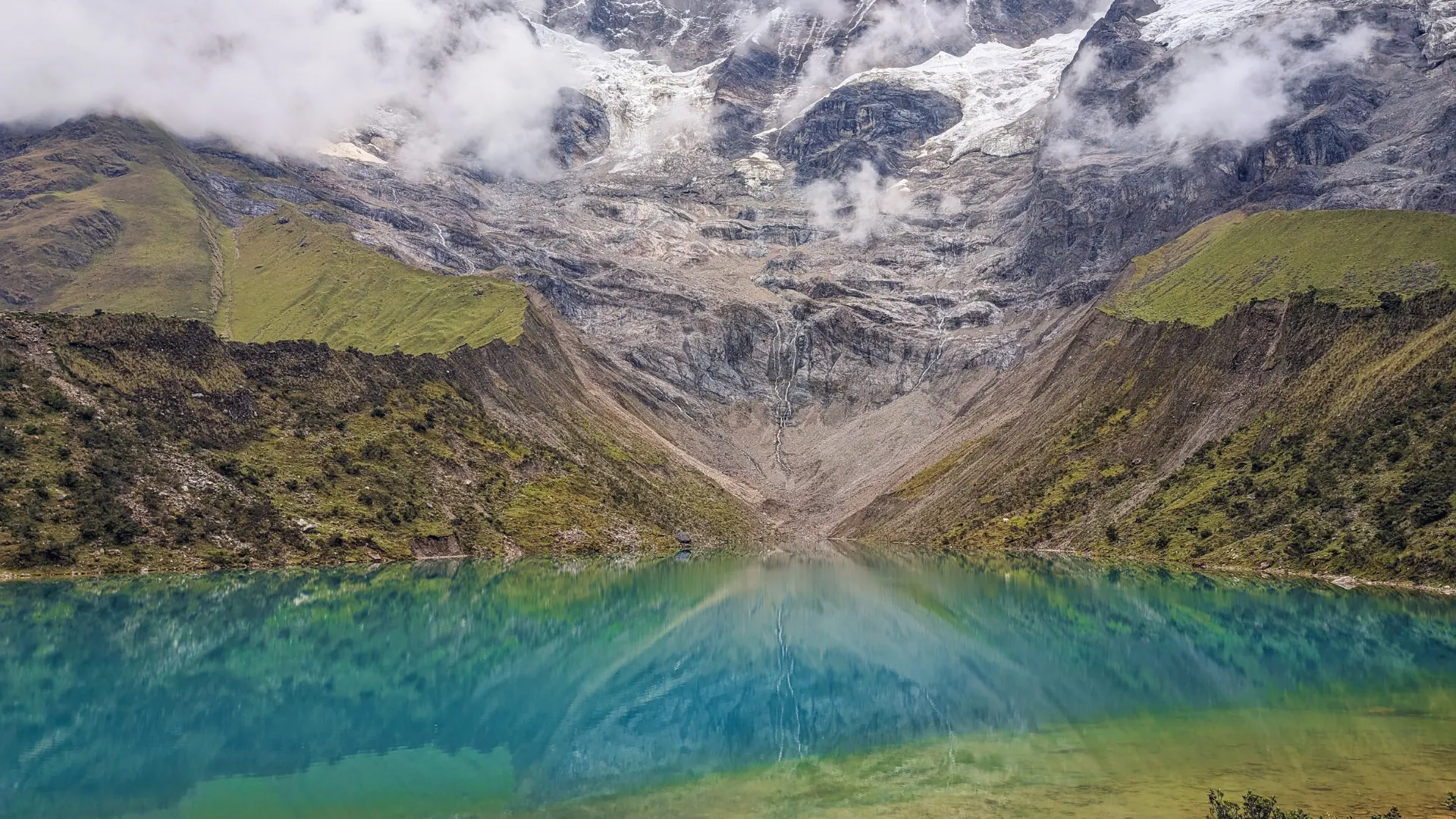
Humantay Lake (Laguna Humantay) sits at approximately 4,200 metres (13,780 feet) at the foot of the Humantay and Salkantay glaciers. The hike to the lake from Soraypampa takes approximately two hours of steady uphill walking and rewards hikers with one of the most visually striking landscapes in the Andes.
The Salkantay Trek is widely regarded as one of the finest multi-day trekking experiences in South America. The classic route covers approximately 74 kilometres over five days, crossing the Salkantay Pass at 4,650 metres and descending through a variety of ecosystems from glaciers to subtropical jungle before arriving at Machu Picchu. Unlike the classic Inca Trail, the Salkantay Trek does not require advance permits.
Choquequirao Archaeological Complex as the Sister City of Machu Picchu
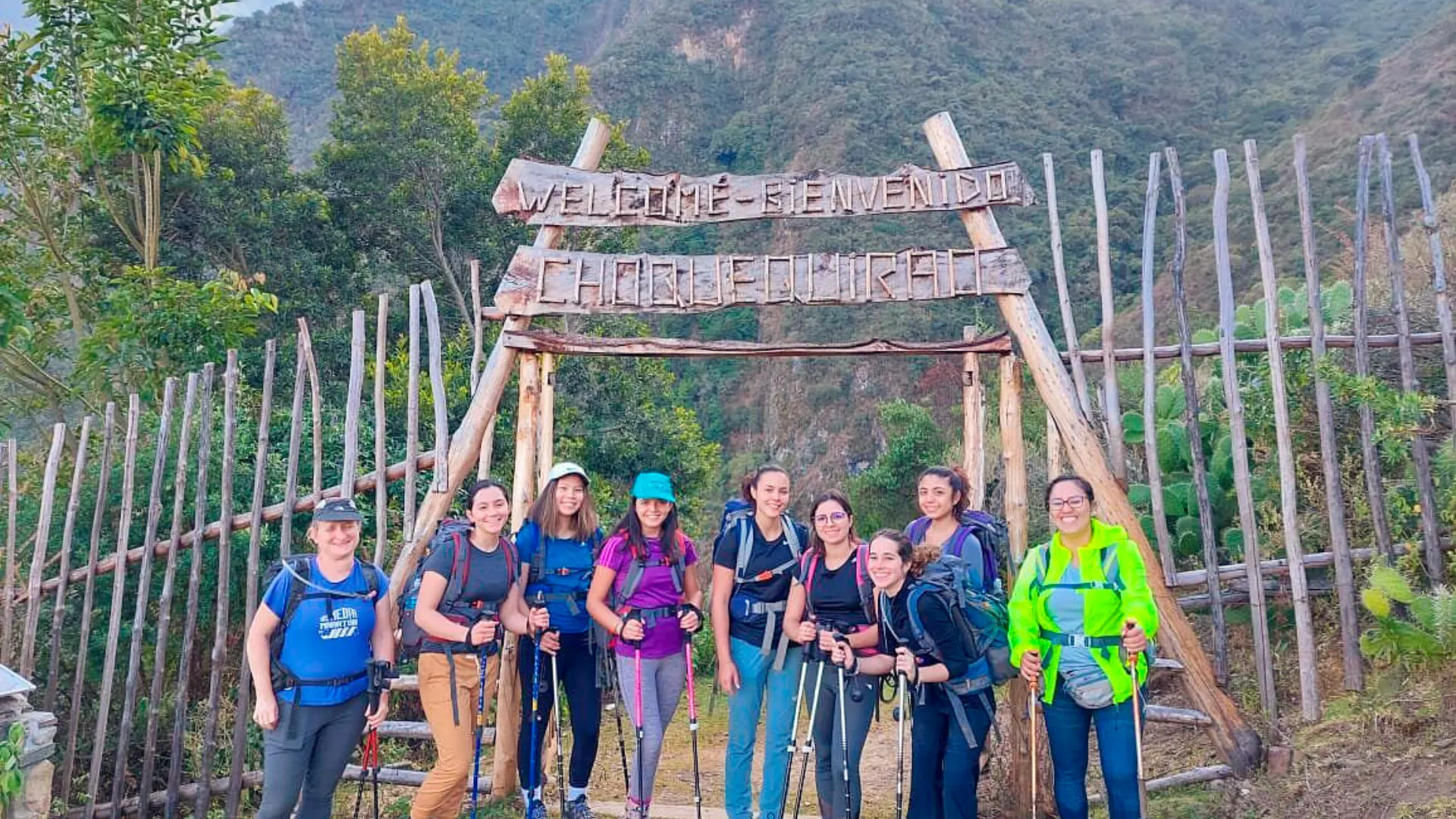
Choquequirao is often referred to as the sister site of Machu Picchu. This massive Inca ruin is located at about 3,050 meters above sea level in an isolated valley. A round-trip hike takes a minimum of four days of very strenuous hiking. Because of its inaccessibility, Choquequirao is remarkably well-preserved.
The site itself is believed to be even larger than Machu Picchu, with estimates suggesting only about 30–40% of the complex has been cleared. Findings include elaborate agricultural terraces, ceremonial plazas, temples, and extraordinary llama mosaic terraces decorated with stone llama figures. For now, Choquequirao remains one of the greatest trekking attractions in the Andes.
Lima City and Cultural Attractions in the Capital of Peru
Lima is one of the great cities of South America and a major destination in its own right, not merely a transit stop on the way to Cusco. The top attractions in Lima Peru span pre-Columbian pyramids, colonial plazas, world-class museums, internationally acclaimed restaurants, and vibrant contemporary art scenes. Often misrepresented as a grey, featureless city, Lima’s notoriously overcast skies (known locally as the garúa) conceal a metropolis of tremendous energy, sophistication, and cultural richness. Lima is consistently ranked as one of the top gastronomic destinations in the world, with Peruvian cuisine drawing food tourists from every continent. The tourist attractions in Lima Peru cater to an enormous range of interests and travel styles.
With a population of over 10 million people, Lima is one of the largest cities in South America. It sprawls along some 130 kilometres of Pacific coastline and spans districts with dramatically different characters from the chaotic commercial centre to the polished oceanfront suburbs of Miraflores and San Isidro. Understanding the city’s geography is helpful when planning a visit, as the main tourist attractions in Lima Peru are concentrated in three distinct areas: the Historic Centre (Centro Histórico), the upscale coastal districts of Miraflores and San Isidro, and the bohemian neighbourhood of Barranco.
The Historic Centre of Lima and the Catacombs of San Francisco
The Historic Centre of Lima is a UNESCO World Heritage Site and boasts one of the best assemblages of Spanish colonial architecture in the Americas. The main attractions to see in Lima Peru in this area include the Plaza Mayor (Plaza de Armas), the majestic Government Palace, the Archbishop’s Palace with its beautifully carved wooden balconies, and the imposing Lima Cathedral, which contains the remains of Francisco Pizarro, the Spanish conquistador who founded the city in 1535. The square itself is a vibrant meeting point with yellow colonial fronts that radiate warmly in the sunlight, and the Changing of the Guard at the Government Palace is a popular event on certain days of the week.
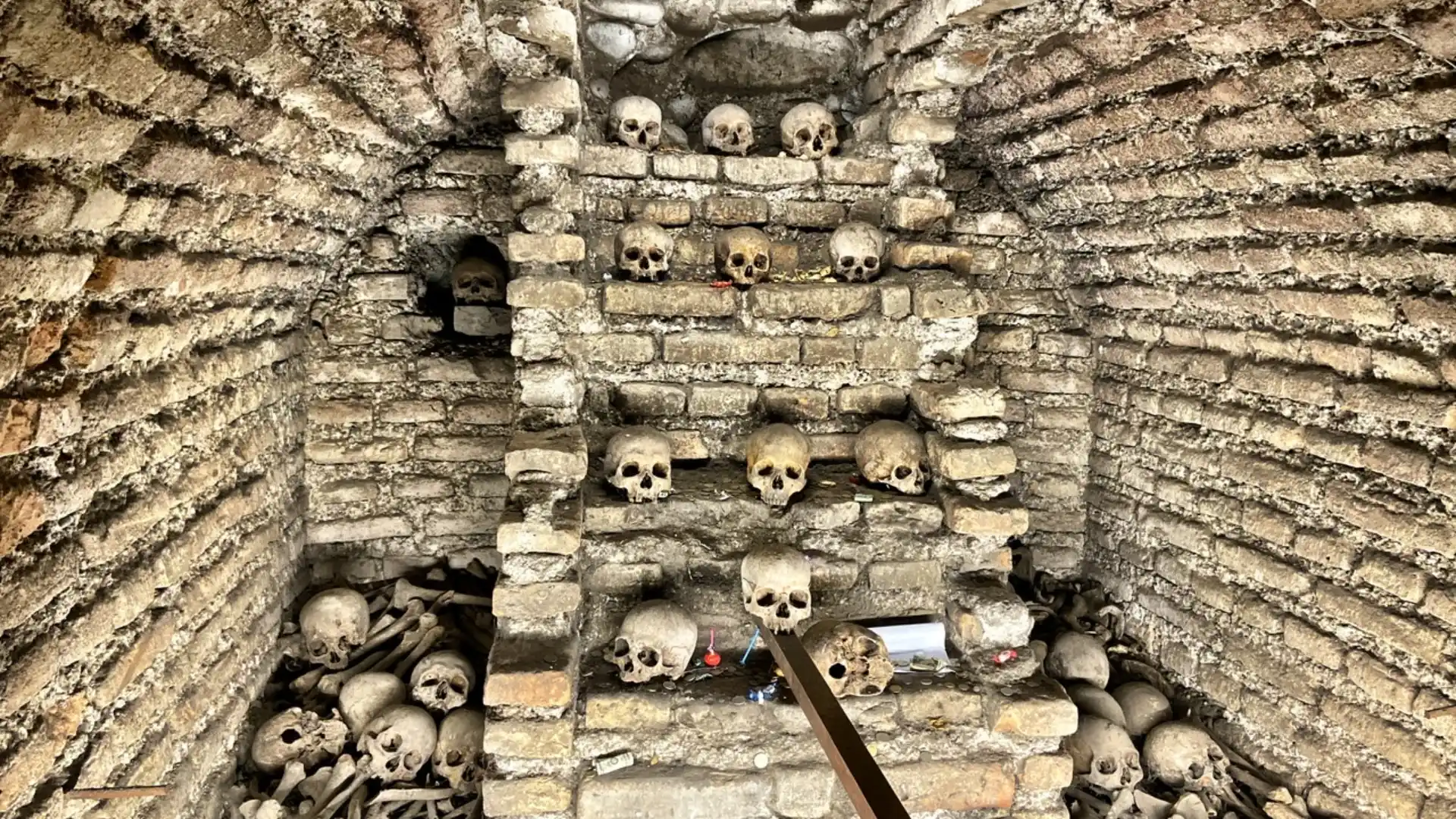
The Convent and Church of San Francisco is one of the most impressive cultural attractions in Lima Peru, a massive baroque complex dating back to the 17th century. The church boasts an incredible interior design with intricate Mudéjar-style wooden ceilings, golden altarpieces, and an impressive collection of colonial artwork. Beneath the church are the famous Catacombs of San Francisco, an underground cemetery that was the main burial ground for Lima’s colonial population for several centuries. Archaeological digs have uncovered the remains of some 70,000 people laid out in ossuaries corresponding to their bone structure skulls stacked upon skulls, femurs upon femurs making for a chilling and atmospheric experience unlike any other of the main tourist attractions in Lima Peru.
Other important cultural attractions in the Historic Centre include the Monastery of Santo Domingo, whose tower offers panoramic views over the rooftops of the old city; the Palace of Torre Tagle, a private 18th-century mansion regarded as the finest example of Lima Baroque architecture; and Mercado Central, the bustling central market where local vendors sell tropical fruits, traditional medicines, and every imaginable variety of Peruvian produce.
Miraflores District and the Malecon Boardwalk Overlooking the Pacific
Miraflores is Lima’s most popular tourist area and home to the vast majority of the city’s top hotels, restaurants, and shopping. The attractions in Miraflores Lima Peru begin with the spectacular geography of the district itself it sits on towering cliffs (known as los acantilados) that drop steeply down to the Pacific Ocean, and the Malecón seafront promenade that runs along the top of the cliffs is famous for its breathtaking views of the ocean, especially at sunset. The Malecón is a long, clean, and very popular promenade with parks, viewpoints, and restaurants that stretches for several kilometers, making it one of the best tourist attractions in Lima Peru for a pleasant afternoon walk.
The most well-known shopping mall in Lima is Larcomar, which is actually constructed right into the cliffs of Miraflores, with multi-level terraces that look out over the ocean. It contains global brands, Peruvian design boutiques, movie theaters, and a wide variety of restaurants and cafes. Paragliding off the cliffs of Miraflores is a popular sport that enables people to fly over the Pacific on thermals, getting a bird’s-eye view of the coastline and the cityscape. Worth noting is the fact that Huaca Pucllana is an ancient adobe pyramid constructed by the Lima culture about 1,500 years ago, and it is situated in the heart of the modern neighborhood of Miraflores, where it can be visited during the daytime and spectacularly lit up at night while enjoying a meal at the excellent restaurant located on site.
The Bohemian District of Barranco and the Bridge of Sighs
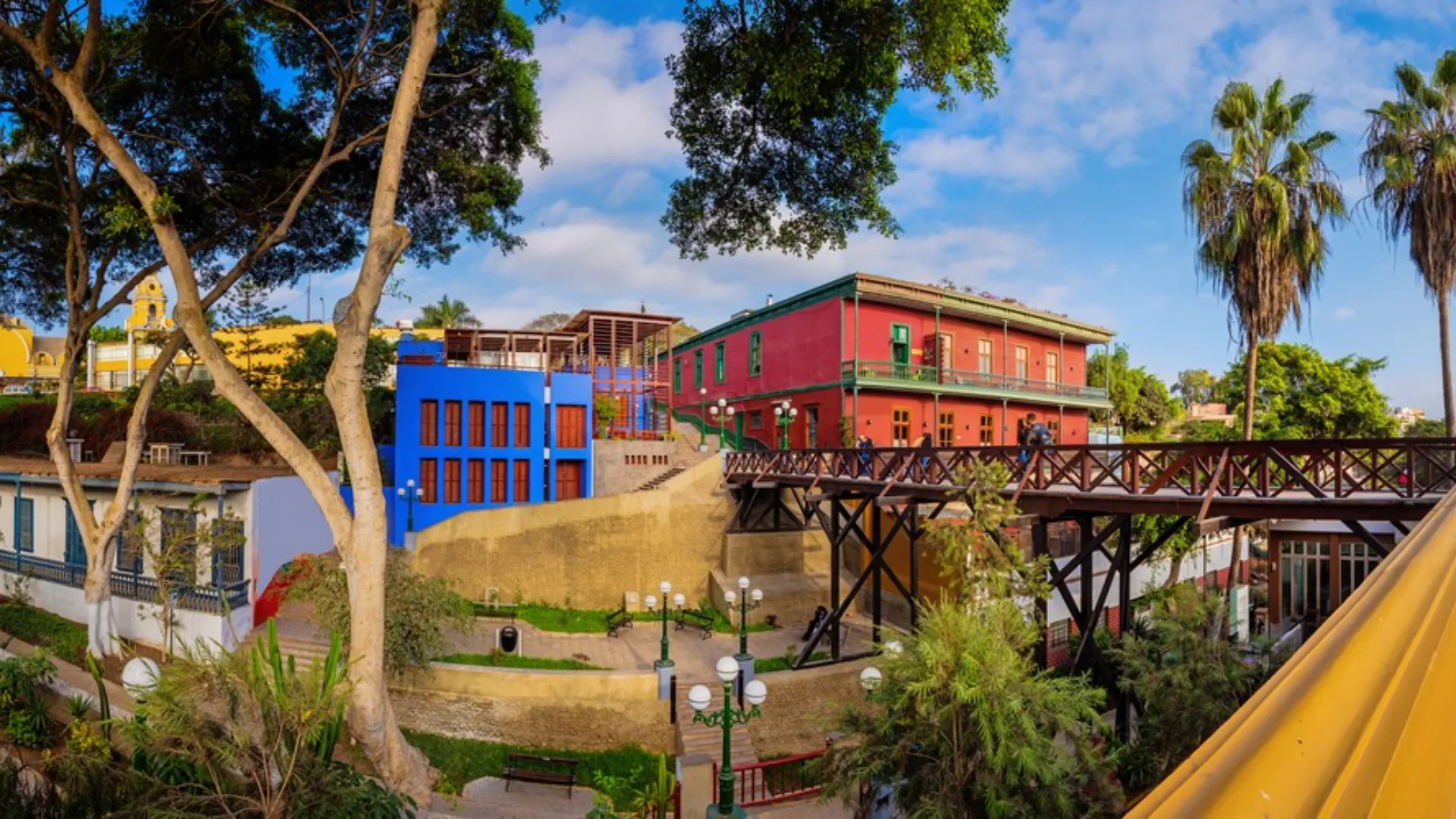
Barranco is Lima’s most atmospheric and artistic neighbourhood, a short distance south of Miraflores along the coast. Once a fashionable seaside resort for Lima’s elite during the 19th century, Barranco gradually evolved into the cultural and creative heart of the city, attracting artists, musicians, writers, and intellectuals. Today it is home to a dense concentration of galleries, boutique hotels, craft cocktail bars, live music venues, and restaurants that blend traditional Peruvian recipes with contemporary culinary techniques. The popular tourist attractions things to do in Lima Peru in Barranco include exploring the colourful streets lined with Victorian and Republican architecture, visiting independent art galleries, and browsing the antique shops and design stores that give the neighbourhood its distinctive character.
The Bridge of Sighs (Puente de los Suspiros) is the most iconic landmark in Barranco and one of the most photographed popular attractions in Peru. This beautiful wooden pedestrian bridge crosses a deep ravine overgrown with subtropical plants, leading down to the El Bajío pathway that descends to the beach. Local legend holds that a wish made while crossing the bridge will come true if the traveler holds their breath from one end to the other. The Mario Vargas Llosa Municipal Library and the MATE museum (dedicated to the work of celebrated Peruvian photographer Mario Testino) are also located in Barranco, adding literary and artistic dimensions to the neighbourhood’s cultural offerings.
Ica Region and the Southern Desert Coast Adventures
The Ica region, located along the southern desert coast of Peru, is home to one of the most striking contrasted landscapes in the entire country. This is where the world’s driest non-polar desert meets the Pacific Ocean, creating a region of massive golden sand dunes, geoglyphs, and incredibly diverse marine life. The attractions in Ica Peru and the attractions in Paracas Peru combined create one of the most exciting road trip itineraries in South America, and this can all be found in a single region that is easily accessed from Lima.
Huacachina Oasis and Sandboarding in the Atacama Desert
Huacachina is one of the most surreal and visually arresting attractions in Ica Peru a natural oasis consisting of a small lagoon surrounded by towering sand dunes, with a cluster of hostels, restaurants, and palm trees creating a scene that looks almost entirely improbable. The oasis sits in the middle of the Ica desert, one of the driest places on Earth, and the contrast between the deep blue-green water of the lagoon and the enormous amber dunes rising 100 metres on all sides creates an unforgettable panorama. Activities and attractions in Peru centred on Huacachina revolve primarily around two pursuits: dune buggy riding and sandboarding.
Dune buggy tours depart from the oasis edge every afternoon and evening, taking groups of travelers on exhilarating high-speed rides over and around the largest dunes in the area, pausing at various vantage points for sandboarding opportunities. Sandboarding involves sliding (or attempting to stand) down steep sand slopes on boards borrowed from tour operators, and while professional-level riding is difficult, even beginners find the activity enormous fun. Sunset from the top of the dunes above Huacachina is one of the most spectacular natural light shows in Peru, as the fading light turns the sand from gold to amber to deep red. Adventure tourism Peru enthusiasts particularly enjoy the combination of speed, adrenalin, and natural beauty that Huacachina uniquely provides.

The Nazca Lines Geoglyphs and Scenic Flights Over the Desert
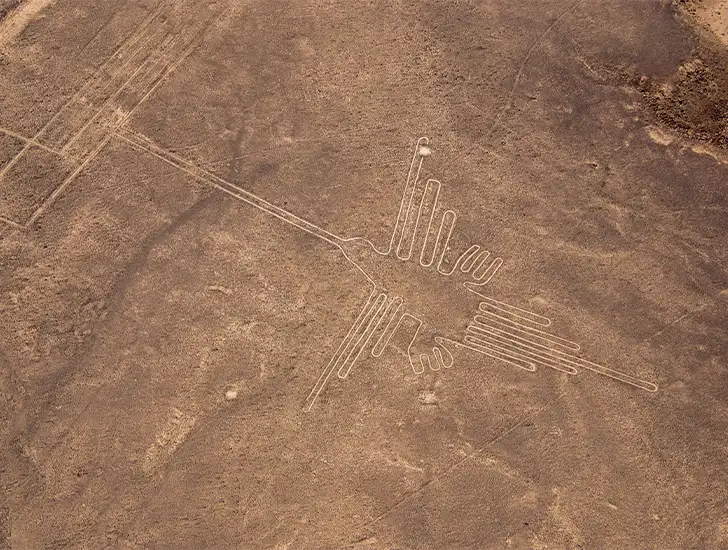
The Nazca Lines are arguably the most famous attraction in Peru after Machu Picchu, and one of the biggest unsolved mysteries of the ancient world. These massive geoglyphs were produced by scraping away reddish-brown iron oxide-coated pebbles to expose the lighter-colored ground below, creating lines, shapes, and figures of animals such as a hummingbird, condor, spider, monkey, orca whale, and lizard, as well as human figures, flowers, and hundreds of straight lines that stretch for kilometers across the desert without bending. The geoglyphs stretch over an area of about 450 square kilometers.
The Nazca Lines are major tourist attractions in Peru because their true scale and artistry can only be fully appreciated from the air. The standard way to view them is via a light aircraft flight departing from Nazca airport, with flights typically lasting between 30 and 70 minutes depending on the circuit chosen. Several viewing towers alongside the Pan-American Highway offer ground-level views of a limited number of figures for those who prefer not to fly. The lines were made by the Nazca culture, which flourished in the region between approximately 100 BCE and 800 CE, but their precise purpose religious, astronomical, hydrological, or otherwise remains a subject of considerable academic debate. UNESCO declared the Nazca Lines a World Heritage Site in 1994, recognising them as an extraordinary cultural and artistic heritage of humanity.
| Nazca Figure | Estimated Size | Characteristics |
|---|---|---|
| The Hummingbird | 96 metres long | Most photographed; intricate wing detail |
| The Condor | 135 metres | Wingspan spread across desert floor |
| The Spider | 46 metres | Connected to an astronomical observation line |
| The Monkey | 90 x 55 metres | Spiral tail; nine fingers depicted |
| The Astronaut | 32 metres tall | Humanoid figure on hillside, visible from road |
| The Tree | 70 metres tall | One of the most perfectly formed plant figures |
Ballestas Islands and Marine Wildlife in Paracas National Reserve
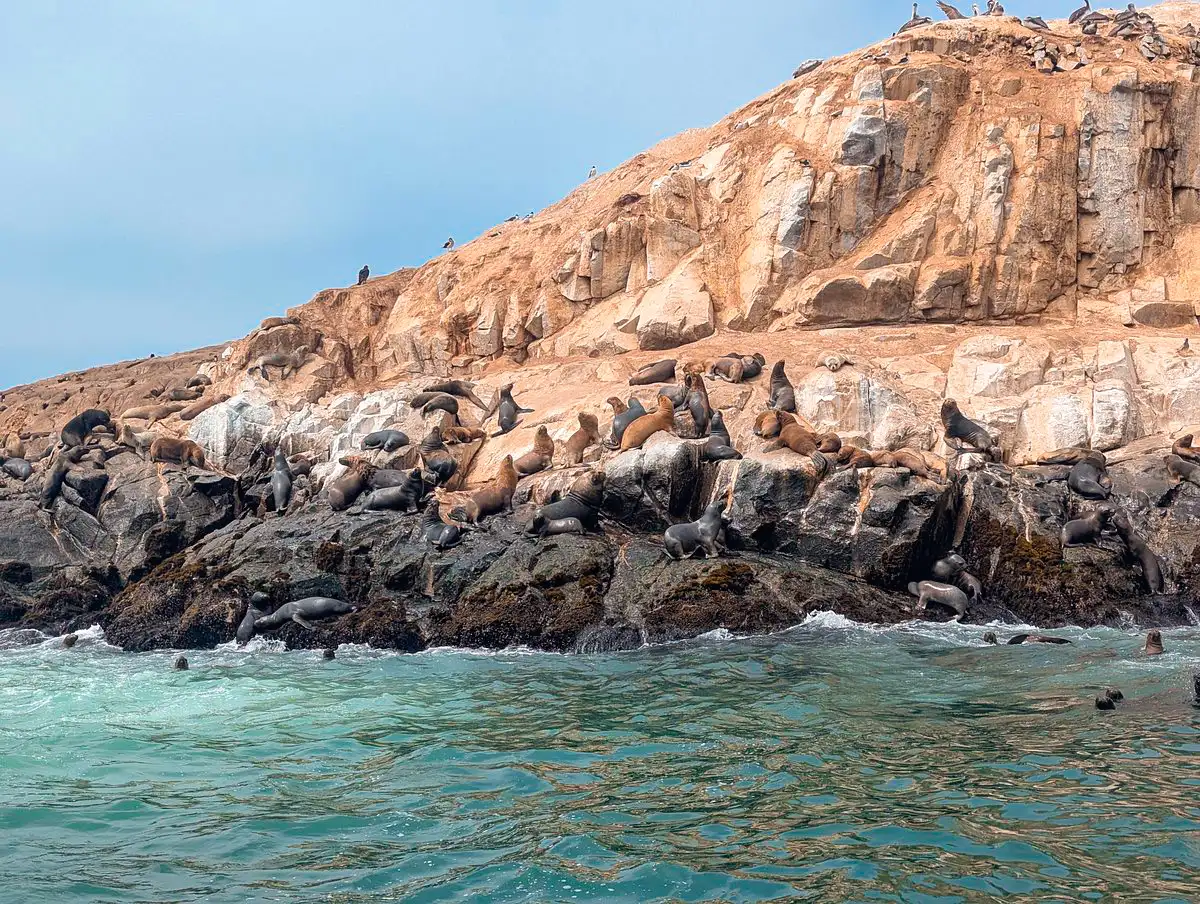
The Ballestas Islands, located in Pisco Bay just off the coast of the Paracas Peninsula, are among the most important natural attractions in Peru. Often called the “Poor Man’s Galapagos,” the Ballestas Islands host some of the highest concentrations of marine wildlife anywhere on the Pacific coast of South America, a result of the cold, nutrient-rich Humboldt Current that sweeps northward along Peru’s coast. Boat tours to the islands depart from the small port of El Chaco (Paracas) every morning and last approximately two hours, bringing visitors within metres of enormous colonies of Humboldt penguins, Peruvian boobies, red-footed cormorants, pelicans, South American sea lions, and during certain months, visiting dolphins and occasional whale sightings.
The Paracas National Reserve itself is a 335,000-hectare protected area encompassing both desert and marine ecosystems and is one of the best examples of tourism and attractions in Peru managed for conservation. The reserve’s dramatic red-cliffed coastline, known as the Candelabra (a large geoglyph visible from the sea), and the extraordinary flamingo flocks that gather in the Paracas Bay lagoon during certain months are among its most celebrated features. The Paracas Regional Museum contains an outstanding collection of pre-Columbian textiles, ceramics, and human remains from the Paracas culture (900 BCE – 400 CE), including examples of the extraordinary elongated skulls and richly embroidered burial mantles for which the Paracas people are famous.
Arequipa and the Colca Canyon Natural Wonders
Arequipa is Peru’s second-largest city and one of the most beautiful in the country, sitting at an elevation of 2,335 metres (7,660 feet) in a wide valley surrounded by three volcanic peaks. Known as the “White City” (Ciudad Blanca) due to the distinctive sillar white volcanic stone used to construct its colonial buildings, Arequipa combines remarkable architecture, excellent cuisine, vibrant cultural life, and easy access to some of the most extraordinary natural attractions in Peru. The city was designated a UNESCO World Heritage Site in 2000 in recognition of the outstanding universal value of its historic centre, and the tourist attractions in Peru associated with Arequipa regularly feature among the top attractions in Peru for travelers exploring the southern Andes.
The Colca Canyon and Condor Watching at Cruz del Condor
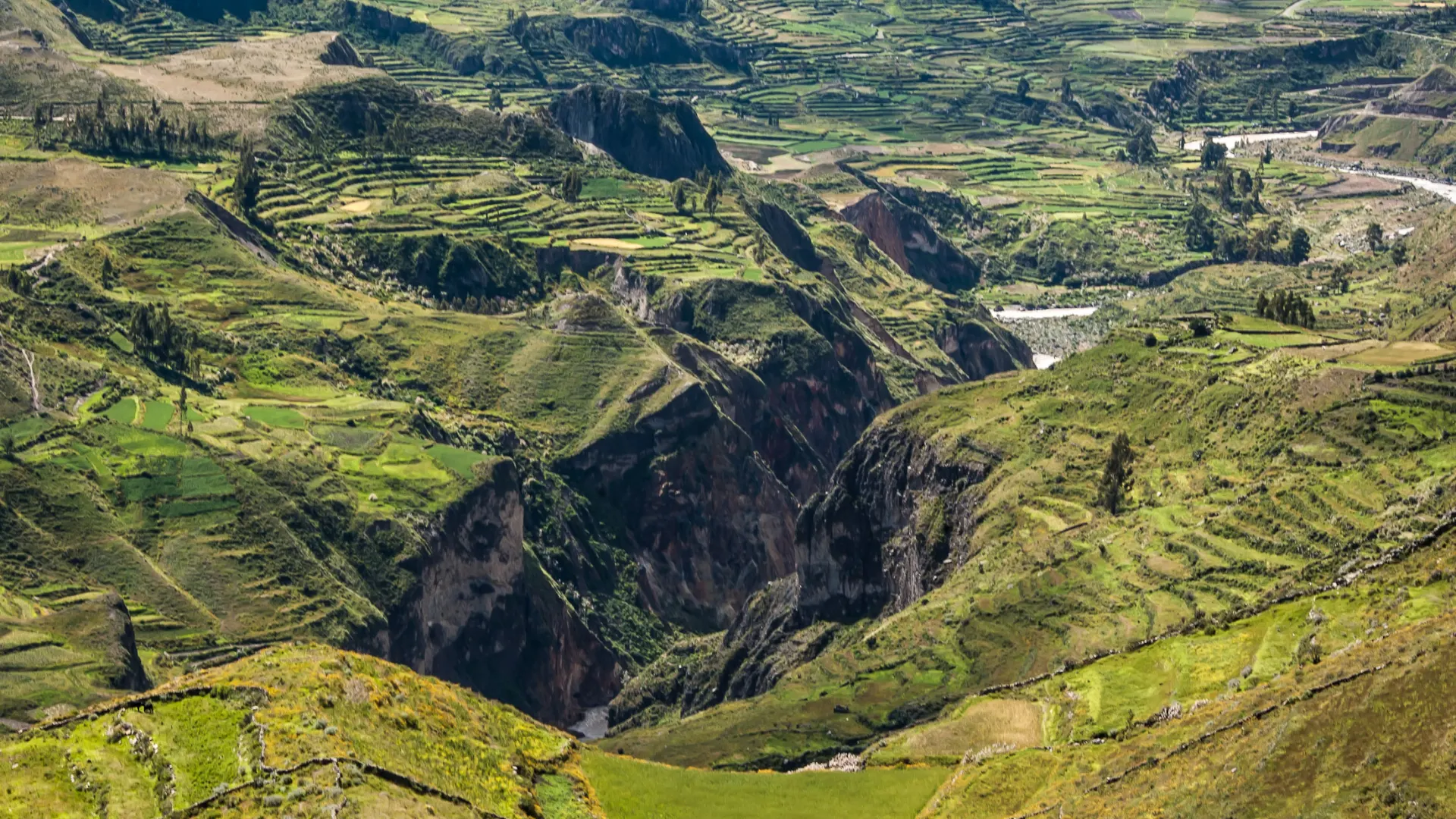
The Colca Canyon is one of the deepest canyons in the world, reaching depths of about 3,400 metres (11,155 feet), which is twice as deep as the Grand Canyon in the United States. The canyon is about 160 kilometres north of the city of Arequipa and was formed by the Colca River over millions of years of erosion of volcanic and sedimentary rock. The size of the canyon is almost impossible to fully appreciate from photographs, and looking out over the rim at the tiny line of the river far below is one of the most awe-inspiring natural experiences available in South America. The sides of the canyon are lined with agricultural terraces carved out by pre-Inca civilizations, many of which are still in use today, adding a wonderfully human element to this already awe-inspiring natural landscape.
The Cruz del Condor viewpoint is the most famous attractions in Arequipa Peru day trips and one of the greatest wildlife viewing experiences in the entire continent. Every morning, especially during the early hours, Andean condors, the largest flying birds in the world, with wingspans of up to 3.3 meters, take off from the canyon floor on thermal currents, often flying just a few meters above the heads of the onlookers gathered on the rim. The condor is a sacred animal in Andean mythology, and it is a deeply moving experience to watch these majestic creatures take to the skies with effortless ease against the stunning backdrop of snow-capped volcanoes and precipitous canyon walls. The two-day trip from Arequipa to Colca is the normal circuit, which passes through the highlands of the Pampa Cañahuas, where vicuñas roam in herds near the road, before entering the warmer region of the canyon itself.
Santa Catalina Monastery and the White City Architecture
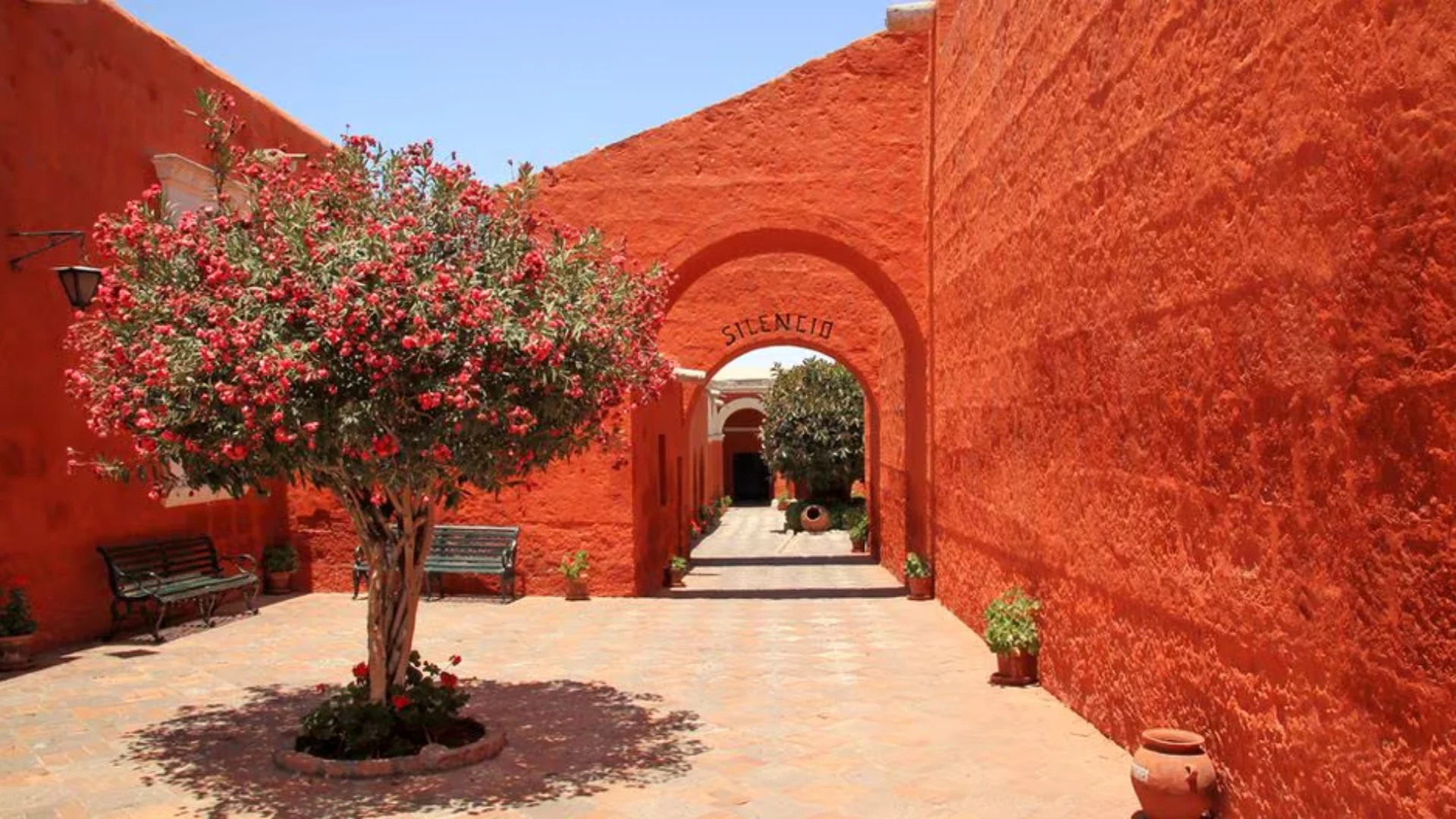
The Santa Catalina Monastery is one of the most spectacular and unusual cultural attractions in Peru. Founded in 1580, this massive Dominican convent takes up an entire city block in downtown Arequipa and was sealed off from the outside world for nearly four centuries. When it was finally opened to the public in 1970, adventurers found an entire city hidden within its walls a maze of cloistered streets, plazas, fountains, kitchens, chapels, dormitories, and cells painted in bright hues of blue, red, orange, and white. At its height, the monastery housed more than 400 nuns, lay sisters, and servants, many of whom were daughters of the colonial aristocracy who brought their maids along when they took their vows. Today, a small convent of nuns resides in a separate, cloistered wing of the building.
The monastery’s design is an amazing blend of European, Moorish, and Andean styles, and it is made entirely of the white sillar volcanic stone that gives the city of Arequipa its name. A stroll through the monastery’s named streets, such as Calle Sevilla, Calle Toledo, and Calle Granada, is a truly surreal experience, as if one has actually entered a small Andalusian village that has somehow been transported to the Andes, and the lighting effects on the brightly colored walls and stone archways provide simply incredible photo opportunities at any time of day. The monastery’s collection of colonial art, silver, and ceramics is one of the most significant in southern Peru, and the kitchen and refectory areas provide a fascinating glimpse into the life of the monastery’s former community.
Puno and the Highest Navigable Lake in the World
Puno is a small, high-altitude city sitting on the western shore of Lake Titicaca at an elevation of 3,827 metres (12,556 feet), near the border with Bolivia. It is the gateway to one of the most extraordinary tourist attractions in Peru and indeed one of the natural and cultural wonders of the world. The city itself is known for its vibrant festival culture the Candelaria festival in February, featuring hundreds of elaborately costumed dance troupes, is considered one of the most spectacular folkloric celebrations in South America but most visitors come primarily to experience the lake and its unique island communities.
The Uros Floating Islands and Taquile Island on Lake Titicaca
Lake Titicaca, straddling the border between Peru and Bolivia, is the world’s highest navigable lake, sitting at an altitude of 3,812 metres (12,507 feet) and covering an area of approximately 8,372 square kilometres. The lake has an almost mythical status in Andean cosmology the Incas believed it to be the birthplace of civilisation, the site where the sun and moon rose from its depths to create the first humans. The deep blue waters of the lake, framed by the Andean mountains and their snow-capped peaks, present one of the most photogenic landscapes in the continent, and the attractions in Puno Peru draw visitors from around the world seeking both natural beauty and authentic indigenous cultural experiences.
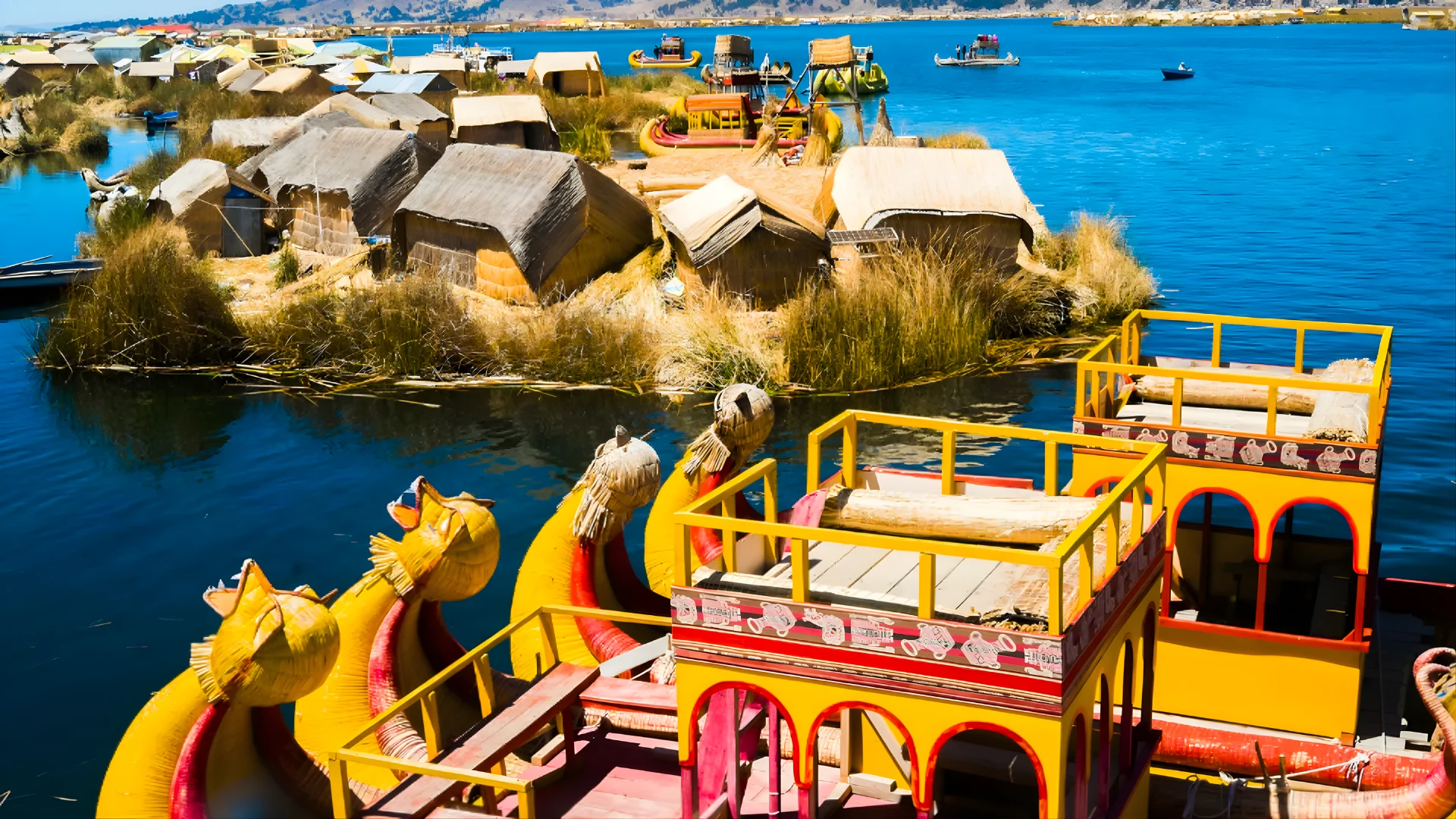
The Uros Floating Islands are among the top 5 tourist attractions in Peru and perhaps the most remarkable human habitations on Earth. These approximately 60 artificial islands are constructed entirely from totora reeds a tall aquatic plant that grows in abundance in the shallow bays of Lake Titicaca. The Uros people, a pre-Incan ethnic group, originally created these floating platforms as a means of isolation and protection, living literally on the water surface rather than on the surrounding shorelines. Today the islands support small communities of Uros families who maintain their traditional lifestyle, harvesting totora for food, construction, and handicrafts, fishing the lake, and receiving visitors who come to learn about their extraordinary way of life. The islands must be continuously maintained and renewed as the lower layers of reed decompose, and the island surface has a distinctive springy, slightly unstable feel underfoot that never quite loses its novelty.
Taquile Island is a raised landmass in the middle of Lake Titicaca, home to approximately 2,200 Quechua-speaking people whose textile traditions have been recognised by UNESCO as an Intangible Cultural Heritage of Humanity. The island’s men are famous for their extraordinary knitting skills it is traditional for men rather than women to knit on Taquile, and the intricacy and quality of the resulting textiles is remarkable. The island has no cars, no electricity (or minimal solar), and no hotels in the conventional sense; visitors who stay overnight do so with local families in simple guesthouses, providing an authentic and intimate glimpse into Andean island life. The hike from the dock to the island’s central plaza, across terraced fields and through flowering gardens, passes through landscapes of tranquil beauty, and the views across the lake to the snowfields of Bolivia’s Cordillera Real are magnificent.
The Amazon Rainforest and Biodiversity Hotspots
Peru contains approximately 60% of the Amazon rainforest within its borders, making it the second-largest Amazonian country after Brazil. The natural attractions in Peru associated with the jungle are extraordinary in their diversity and scale from massive national parks protecting intact primary forest to remote river communities accessible only by boat. Peru’s Amazon, known locally as the Selva, is divided broadly into the Alta Selva (high jungle) and Baja Selva (low jungle), each with distinct ecosystems and wildlife. The best tourist attractions in Peru for wildlife enthusiasts are concentrated in the Amazon, where species density is among the highest on Earth.
Manu National Park and the Biosphere Reserve in Madre de Dios
Manu National Park is widely recognised by ecologists and conservation biologists as one of the most biodiverse places on the planet and a major attraction in Peru for serious nature travelers. The park encompasses an extraordinary altitudinal range, from the high-altitude grasslands of the Andes above 4,000 metres down through cloud forests to the lowland Amazon at approximately 300 metres, creating a mosaic of overlapping ecosystems that supports staggering wildlife diversity. The park has recorded more than 1,000 bird species, approximately 200 mammal species, and over 15,000 plant species within its boundaries figures that represent a significant proportion of the total biodiversity of entire continents.
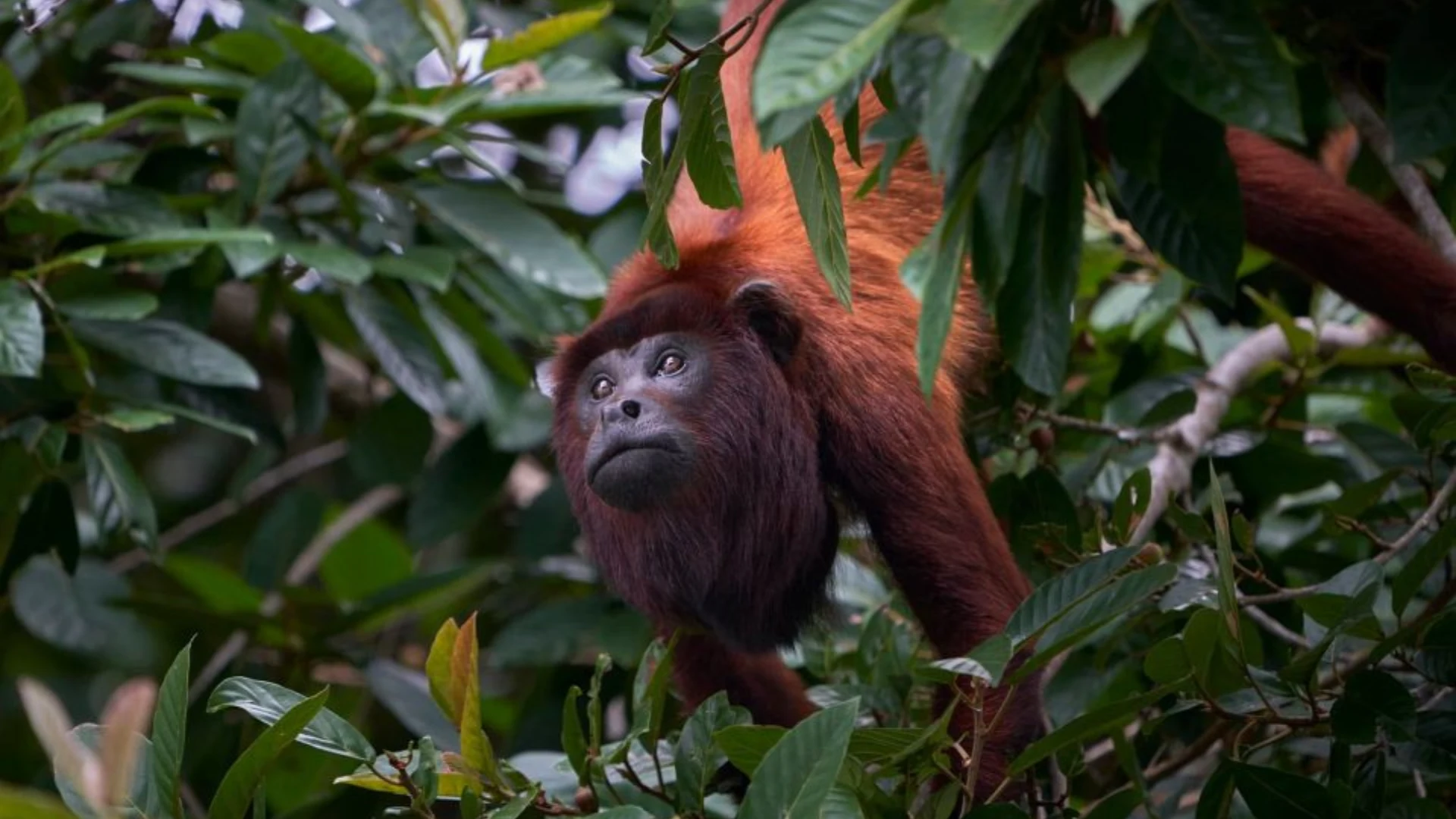
Manu is one of the UNESCO sites in Peru, designated as a UNESCO World Heritage Site in 1987 in recognition of its outstanding universal value as a representative sample of tropical forest ecosystems. The park is divided into three zones: the strictly protected core zone accessible only to researchers; the reserved zone accessible to small guided groups with advance permits; and the cultural zone which supports indigenous communities and limited tourist infrastructure. Wildlife commonly encountered in Manu includes giant river otters, giant anteaters, harpy eagles, jaguars (rarely but memorably), spectacled bears, multiple species of monkeys and macaws, and literally hundreds of species of reptiles, amphibians, and insects. Manu is accessible primarily from Cusco via a spectacular overland route descending through cloud forest the journey itself is an attraction of considerable merit.
Tambopata National Reserve and the Macaw Clay Licks
Tambopata National Reserve, located in the Madre de Dios region near the town of Puerto Maldonado, is the most accessible major wildlife destination in the Peruvian Amazon and one of the best wildlife attractions in Peru for mainstream travelers. The reserve protects over 270,000 hectares of primary lowland rainforest and its associated rivers, lakes, and flooded forests, supporting an extraordinary array of tropical wildlife. Puerto Maldonado is served by regular flights from both Lima and Cusco, making Tambopata an achievable jungle destination even for travelers with limited time.
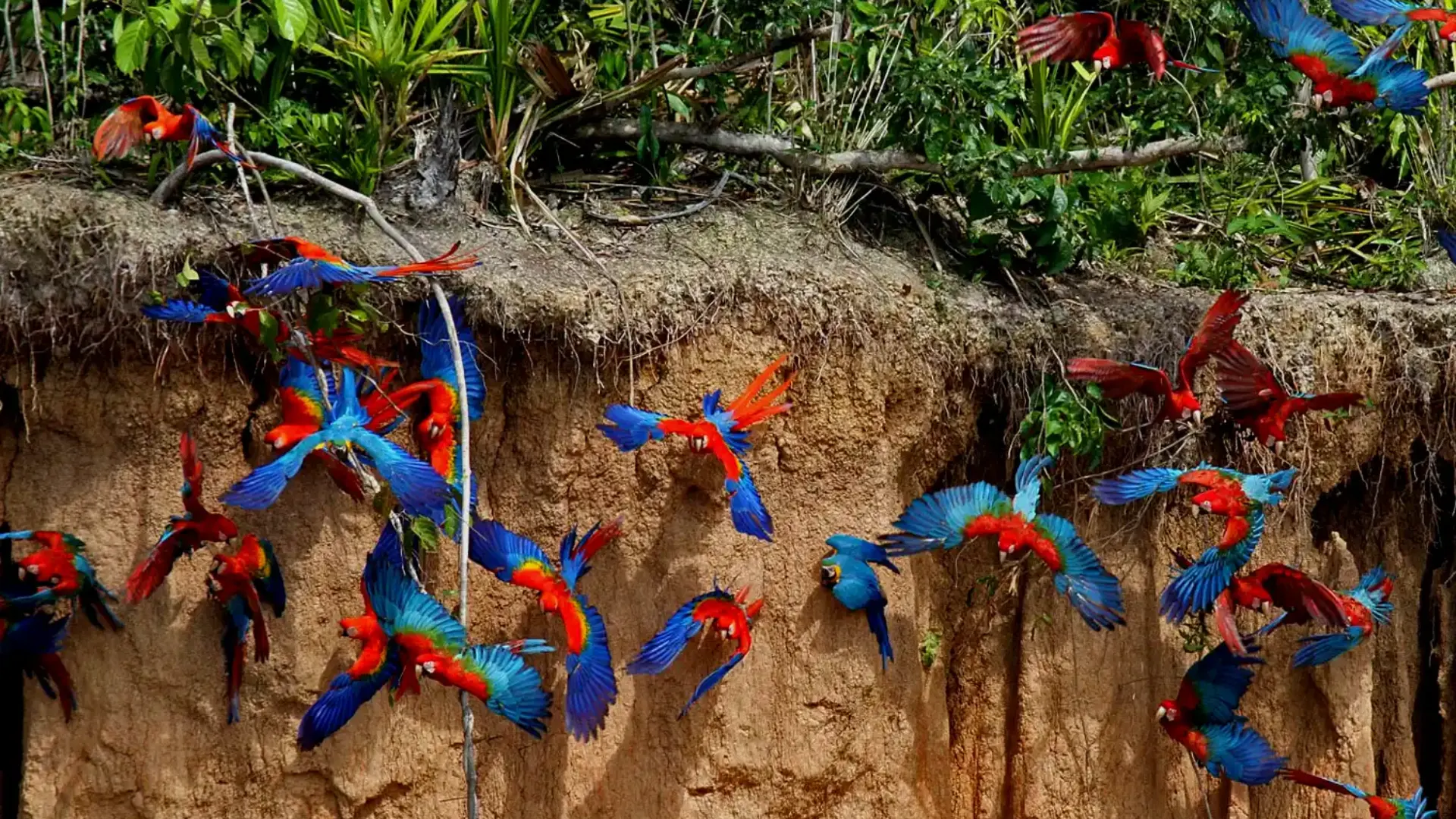
The most celebrated wildlife spectacle in Tambopata and arguably one of the most spectacular natural events in the Amazon is the macaw clay lick at Collpa. Each morning, thousands of parrots and macaws of multiple species descend on exposed clay riverbanks to consume mineral-rich clay, a behaviour believed to neutralise toxins in the seeds and fruits that make up their diet. The sight of hundreds of brilliantly coloured scarlet macaws, blue-and-yellow macaws, mealy parrots, and chestnut-fronted macaws swirling around the clay bank in the morning light is one of those experiences that genuinely defies photographic representation. Tambopata is also famous for its exceptional birding, with over 600 species recorded, as well as for giant river otters in its oxbow lakes, capybara and caimans on its riverbanks, and tapir tracks commonly found on forest trails. Puerto Maldonado tourism has grown substantially in recent years, and the reserve now offers a range of lodges from basic backpacker facilities to world-class luxury jungle lodges.
Pacaya Samiria National Reserve and Amazon River Cruises from Iquitos
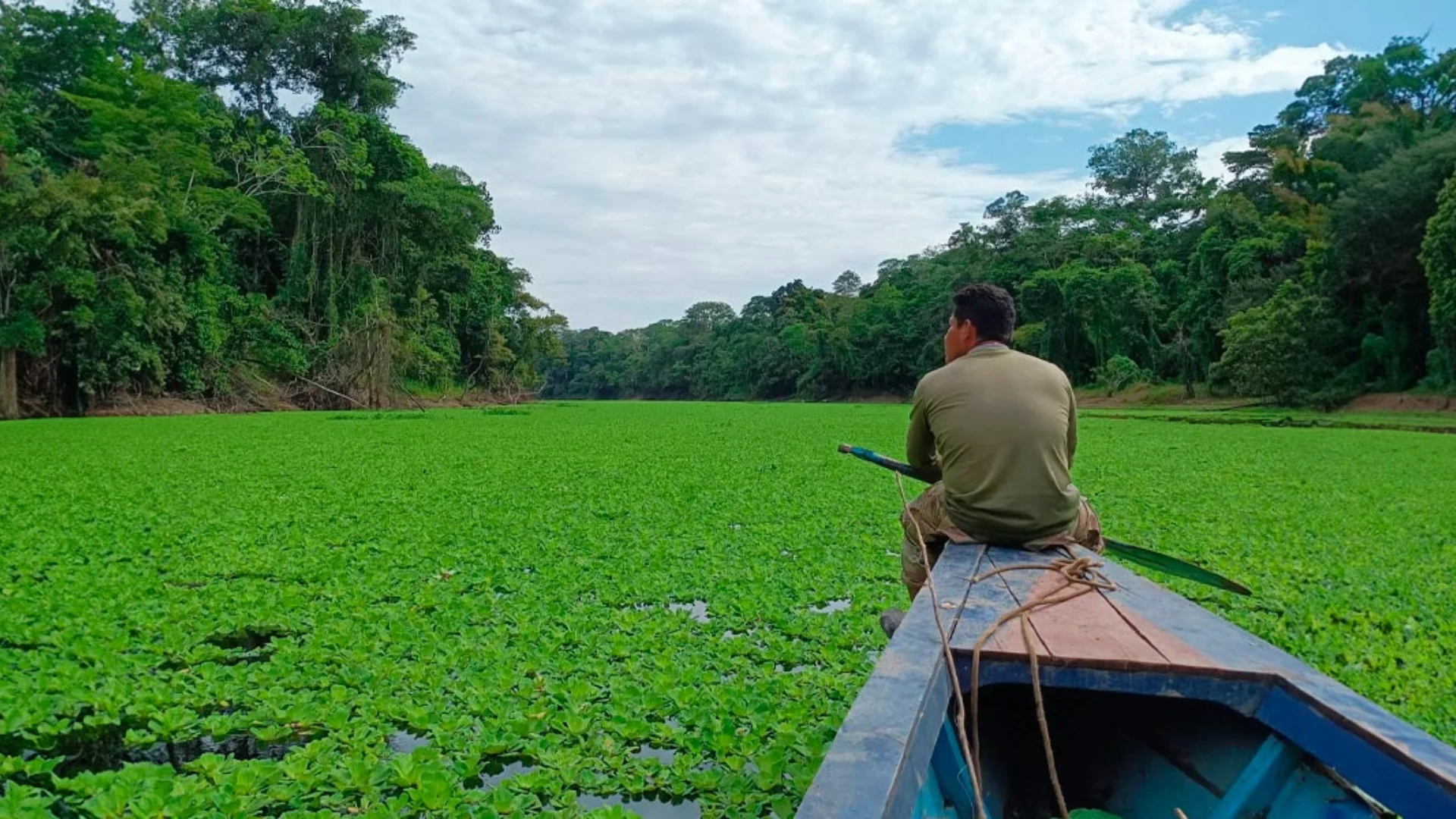
Pacaya Samiria National Reserve is the largest protected area in Peru and one of the largest in South America, covering over 2 million hectares of flooded forest in the Loreto region. Located in the heart of the Amazon Basin, the reserve is accessible primarily from the city of Iquitos the world’s largest city with no road connection to the rest of the country, reachable only by river or air. Attractions in Iquitos Peru include the city’s fascinating iron-framed buildings (one allegedly designed by Gustave Eiffel during the rubber boom), its vibrant floating river markets, and its role as the departure point for some of the most spectacular Amazon river expeditions available anywhere.
Pacaya Samiria is particularly celebrated for its populations of pink river dolphins (boto), and sighting these extraordinary pale-pink cetaceans swimming alongside dugout canoes is one of the most magical wildlife experiences available in the Amazon. The reserve also harbours giant Amazonian manatees, the largest freshwater fish in the world (the arapaima), black and spectacled caimans, numerous monkey species, and extraordinary birdlife including the hoatzin, the cock-of-the-rock, and countless species of kingfisher and heron. Amazon river cruises from Iquitos range from basic expeditionary hammock-slung river boats to luxury expedition vessels with en-suite cabins, guided skiff excursions, and expert naturalist guides, making the region accessible to a wide range of travel styles and budgets.
Huaraz and the Cordillera Blanca Trekking Paradise
Huaraz is a small Andean town situated at about 3,050 meters above sea level in the Callejón de Huaylas valley, flanked by impressive mountain ranges on both sides. To the east of Huaraz, the Cordillera Blanca mountain range stands as the highest tropical mountain range globally, boasting more than 30 peaks above 6,000 meters, including Huascarán (6,768m), the highest peak in Peru. To the west, the Cordillera Negra, a lower but no less beautiful mountain range, stretches as far as the eye can see. Huaraz is widely regarded as the trekking and mountaineering capital of Peru and one of the best attractions in Peru for outdoor adventurers. The region offers some of the finest high-altitude hiking anywhere in the world, combining spectacular glaciated scenery with relatively easy trail access and well-developed trekking infrastructure.
Laguna 69 and the Turquoise Glacial Lakes of Huascaran National Park
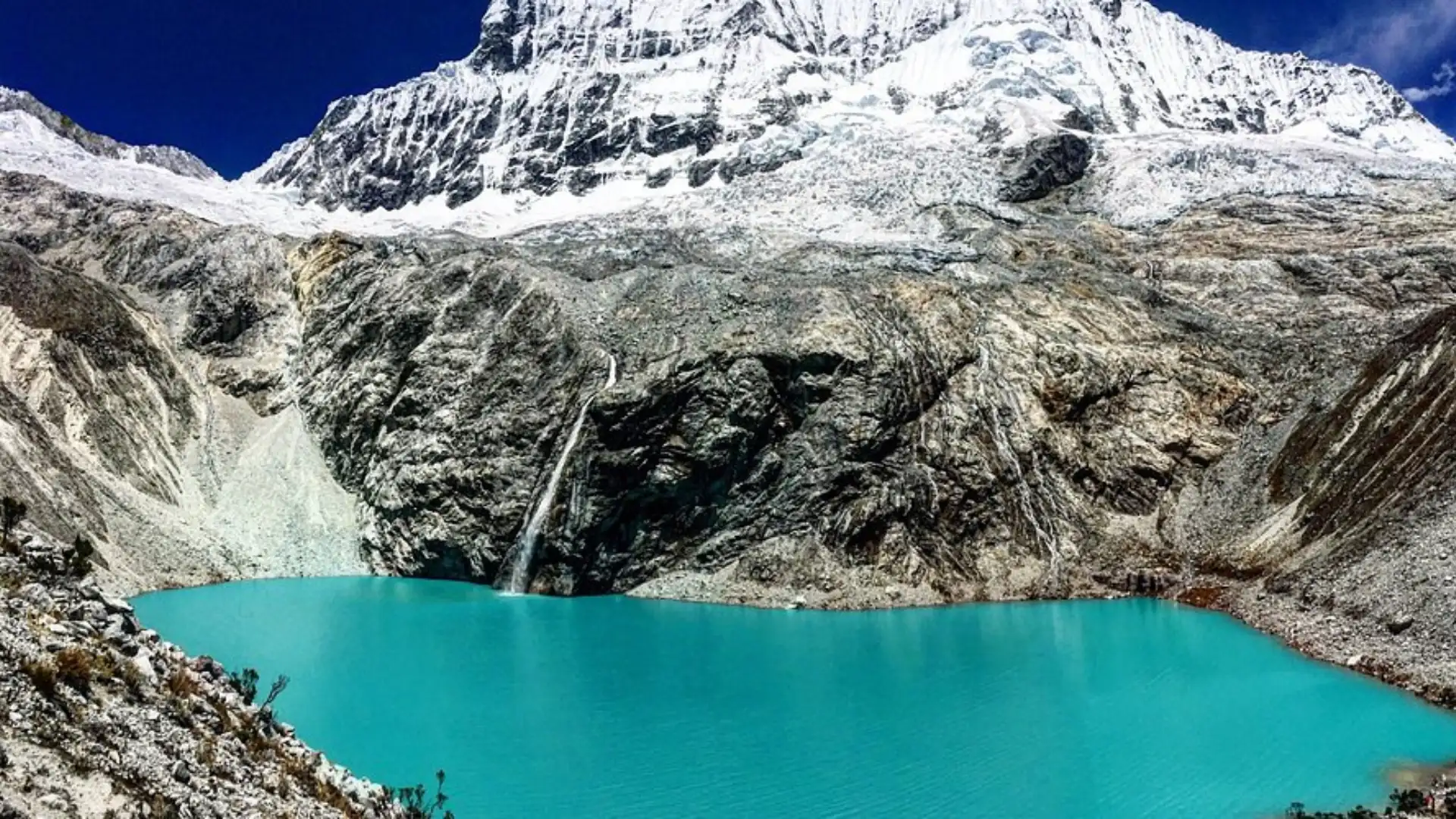
Laguna 69 is consistently rated among the top tourist attractions in Peru by hikers and nature lovers, and it is not hard to see why. Located at an elevation of 4,604 metres at the foot of the Chopicalqui massif, the lake’s water has a bright, electric turquoise hue created by glacial sediment suspended in the water, which creates a stunning contrast effect of unparalleled intensity against the grey and white mountain landscape. The day hike to Laguna 69 begins from the Cebollapampa trailhead within the Llanganucogorge and stretches for about 6 kilometres of relatively easy trail.
Huascarán National Park, which Laguna 69 is a part of, was declared a UNESCO World Heritage Site in 1985 for its natural beauty and importance. The park features dozens of other glacial lakes of similar beauty, such as the Llanganuco lakes (Chinancocha and Orconcocha), which are located in a gorge with steep mountain walls on either side, and are especially beautiful in the early morning hours when the calm water provides a perfect reflection of the surrounding mountains. Hiking attractions in Peru in the Huascarán Park, are led by two large circuits that are world classics: the Santa Cruz Trek (about 50 km, 4 days) and the Alpamayo Circuit (about 90 km, 8-10 days), both of which are considered world classics of high-altitude trekking and are spectacular subjects for landscape photography Peru enthusiasts.
Pastoruri Glacier and the Climate Change Route
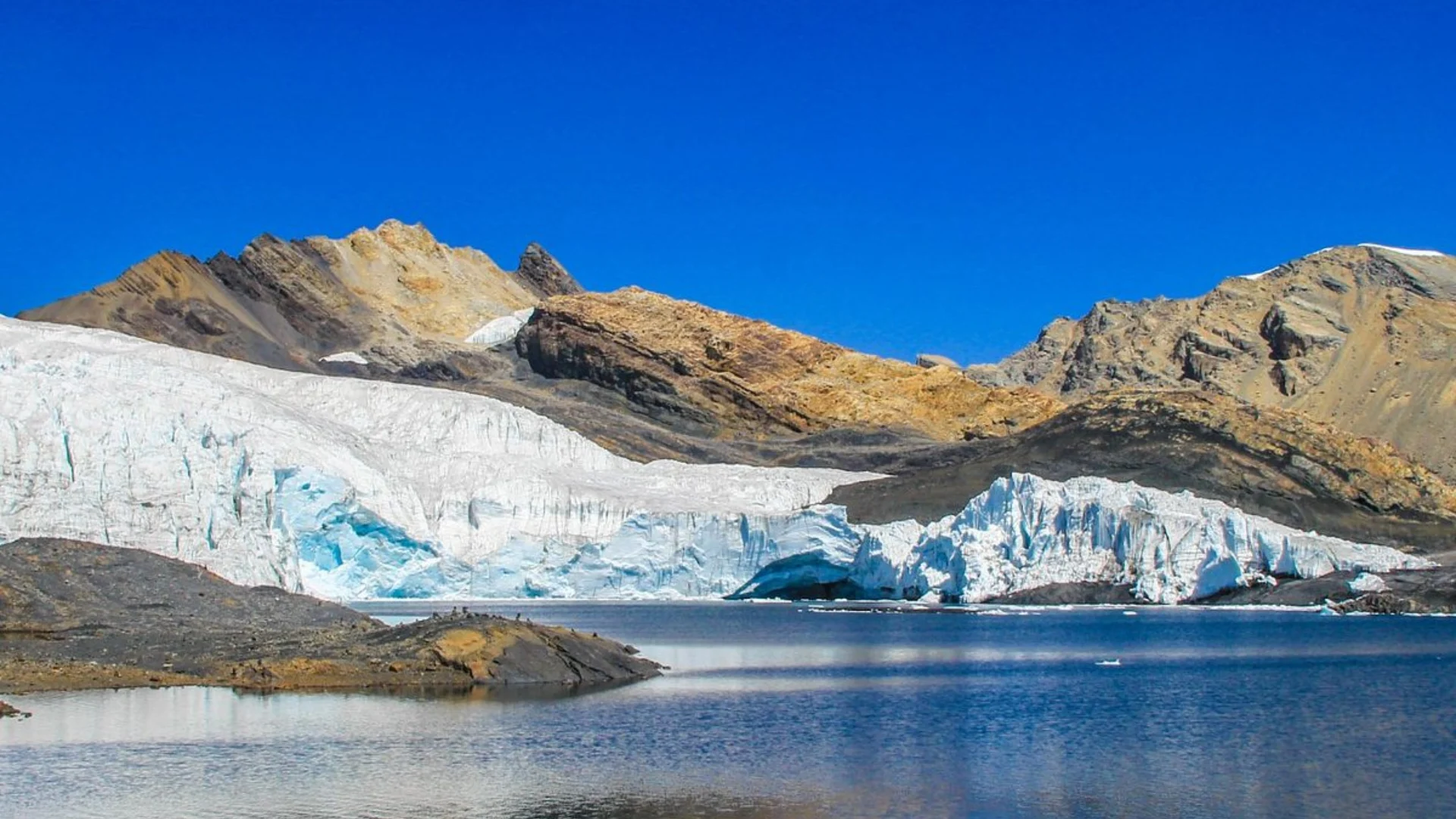
The Pastoruri Glacier is one of the most visited natural attractions in Peru in the Huaraz region, though its importance has shifted significantly in recent decades from purely recreational to deeply educational. Located at approximately 5,240 metres in Huascarán National Park, Pastoruri was once large enough to support skiing and was a major tourist draw. Climate change has caused dramatic glacial retreat the glacier has lost an estimated 40% of its surface area since measurements began in the 1970s and the Pastoruri Glacier tour has been reframed by park authorities and the Peruvian government as the “Climate Change Route,” using the glacier’s visible retreat as a tangible illustration of global warming’s impact on Andean ecosystems.
The route to Pastoruri passes through extraordinary high-altitude landscapes including large forests of Puya raimondii, the world’s largest bromeliad, which grows only in the high Andes of Peru and Bolivia and produces spectacular flowering stalks reaching up to 10 metres tall once in its lifetime of 80–100 years. Huaraz glacier tours to Pastoruri and the surrounding area are available from virtually every agency in the city and represent an important and thought-provoking addition to the standard Huaraz trekking itinerary. Huaraz attractions extend well beyond trekking to include rock climbing, mountain biking, paragliding, and cultural visits to villages in the valley below.
Northern Peru and the Archaeological Moche Route
Northern Peru is one of the most undervisited yet historically significant regions of the country, home to some of the most important pre-Columbian archaeological sites in the Americas. The attractions in Trujillo Peru and surrounding regions span civilizations from the Moche (100–800 CE) to the Chimu (900–1470 CE) to the Chachapoyas culture of the cloud forests, creating an archaeological itinerary of extraordinary depth and diversity.
Chan Chan Citadel and the Mud City of the Chimu Culture
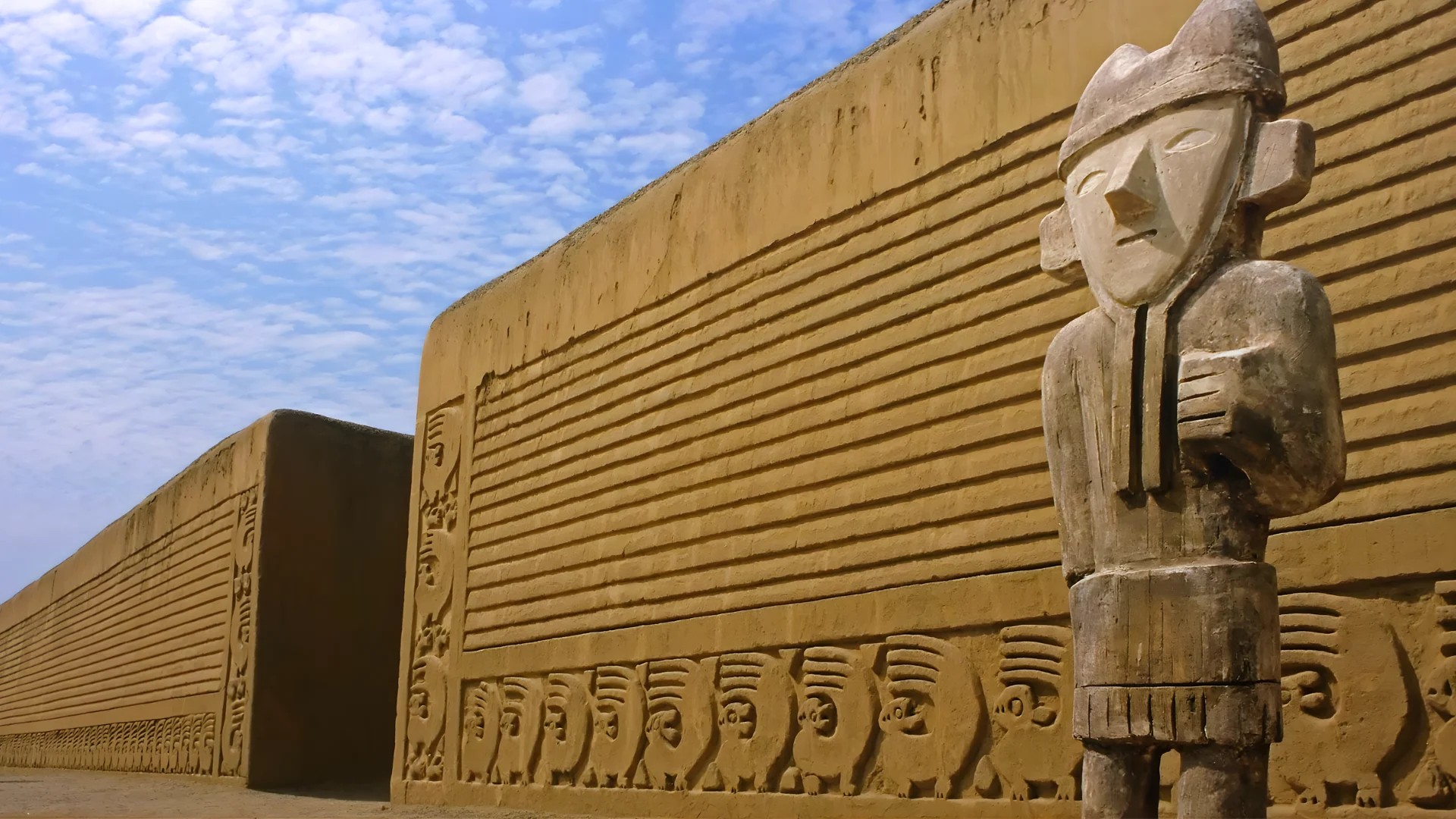
Chan Chan, situated on the outskirts of the city of Trujillo, is the largest pre-Columbian urban settlement in South America. Constructed by the Chimu civilization between 900 and 1470 CE, this massive city spreads over 20 square kilometers and was the capital of the Chimor Empire. The entire city is made of adobe, which has surprisingly withstood the test of time in the arid desert climate.
The ancient ruins of Chan Chan are divided into nine royal compounds (ciudadelas). The most visited is the Tschudi Complex, whose walls feature freeze patterns of sea otters, pelicans, fish, and waves, representing the Chimu’s strong ties to the Pacific Ocean. Other nearby tourist attractions include the Huaca de la Luna and Huaca del Sol, massive stepped pyramids built by the earlier Moche culture featuring incredible polychrome friezes.
The Royal Tombs of Sipan and Chiclayo Museums
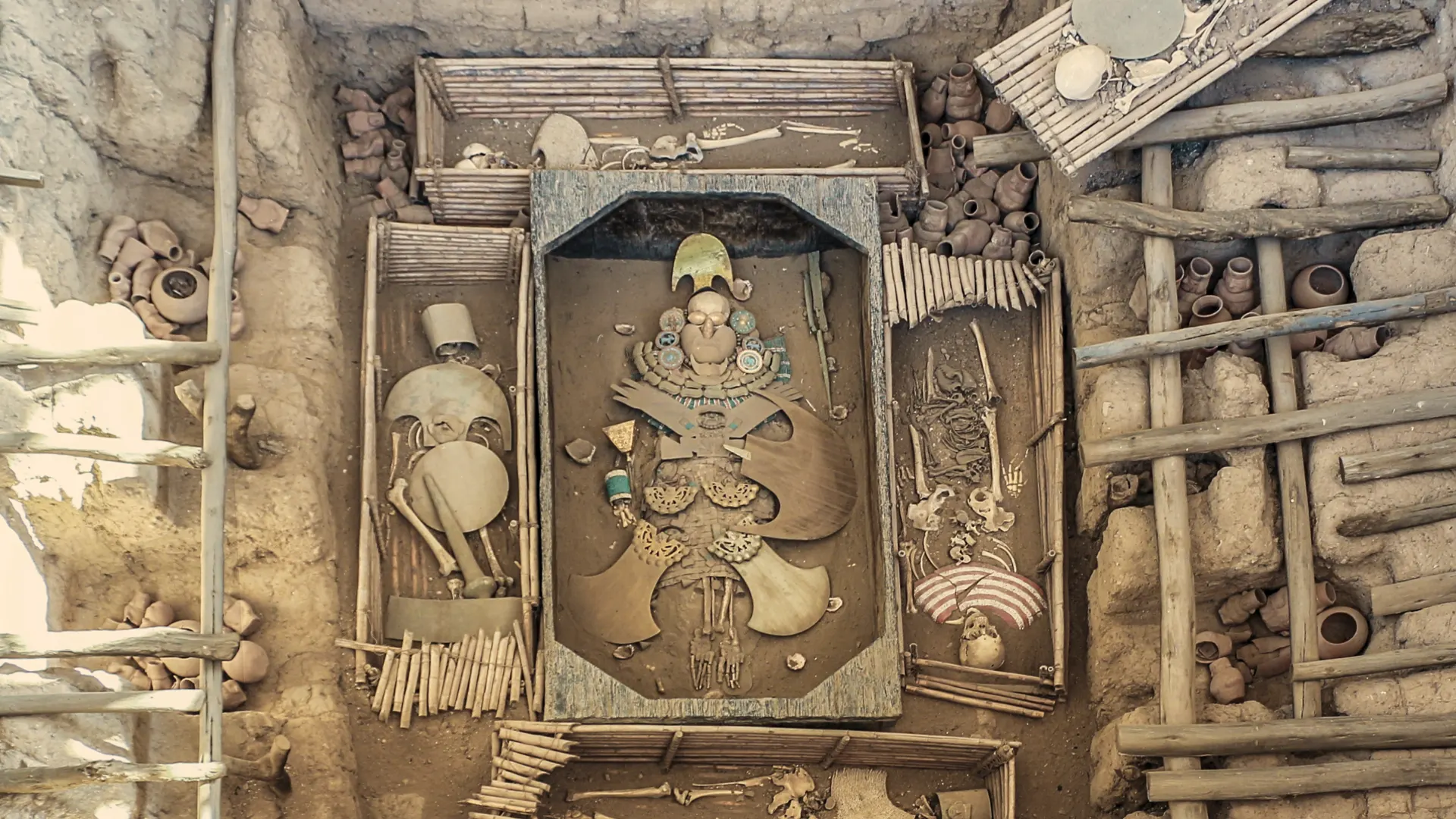
The discovery of the Royal Tombs of Sipan in 1987 is widely regarded as one of the most important archaeological discoveries in the Americas. Excavations at the Huaca Rajada pyramid near Chiclayo revealed intact royal burials belonging to the Moche culture, containing spectacular quantities of gold, silver, and copper funerary goods. The principal tomb belonged to the Lord of Sipan, buried with elaborate ceremonial regalia.
The best museums in Peru concerning these civilizations are found in the Lambayeque area. The Royal Tombs of Sipan Museum is shaped like a stepped pyramid and features the original artifacts from the tomb. Other institutions, such as the Bruning National Archaeological Museum and the Museum of Sicán, feature collections of gold masks and ritual items from the Lambayeque civilization.
Kuelap Fortress and the Warriors of the Clouds in Chachapoyas
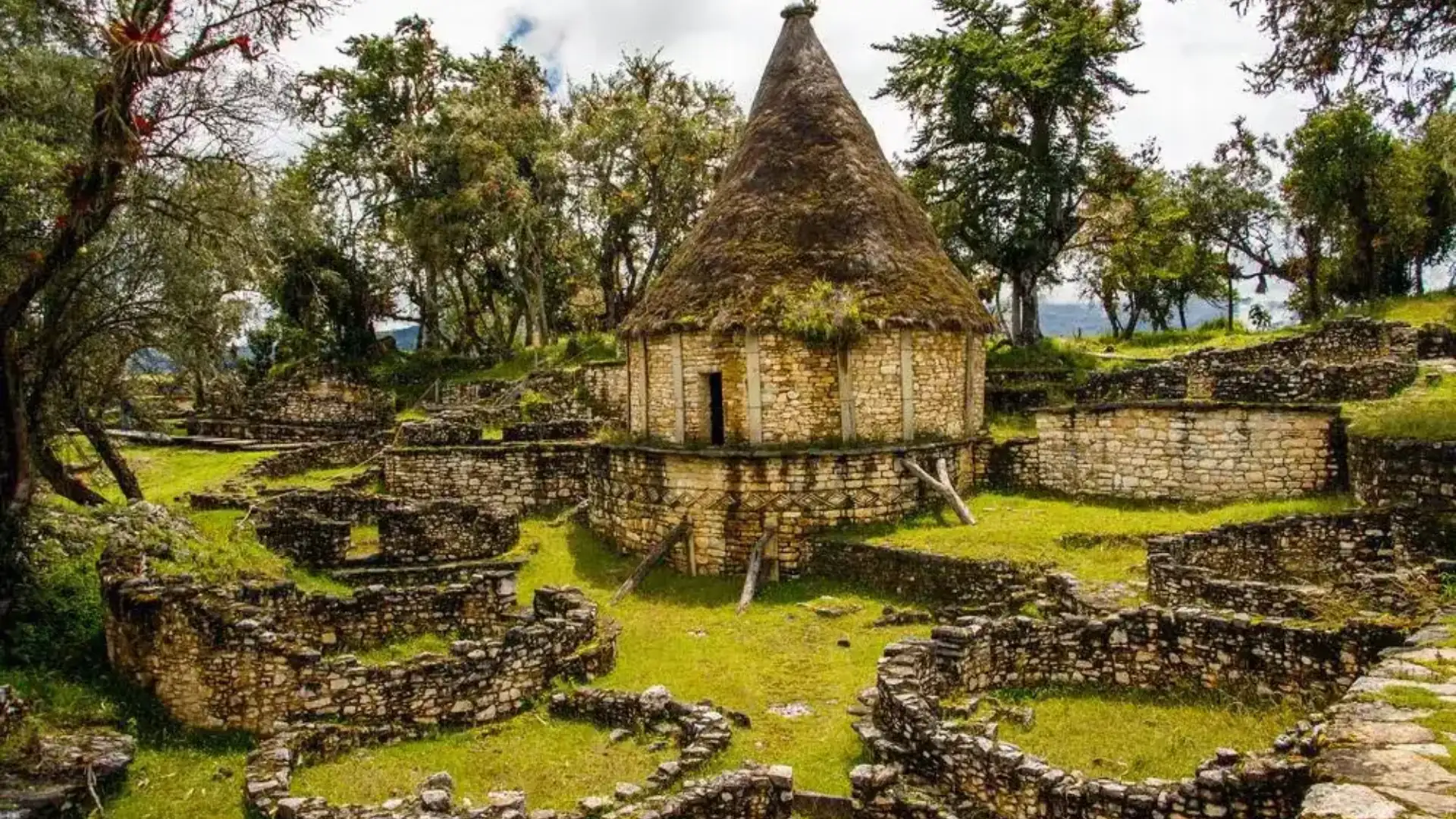
Kuelap is the most impressive monument left by the Chachapoyas culture. Situated in the cloud forests at about 3,000 meters above sea level, it is a massive fortified settlement built between 900 and 1100 CE. The complex consists of over 400 round stone structures surrounded by massive walls up to 20 meters high.
The most convenient way to access Kuelap is via the cable car (telecabina) which connects the valley floor with the fortress in approximately 20 minutes. Attractions include circular buildings decorated with diamond relief patterns and the extraordinary forest setting where stone walls are colonized by bromeliads and orchids. The Chachapoyas people resisted Inca conquest until approximately 1470 CE.
Gocta Waterfall and Hiking in the Cloud Forest
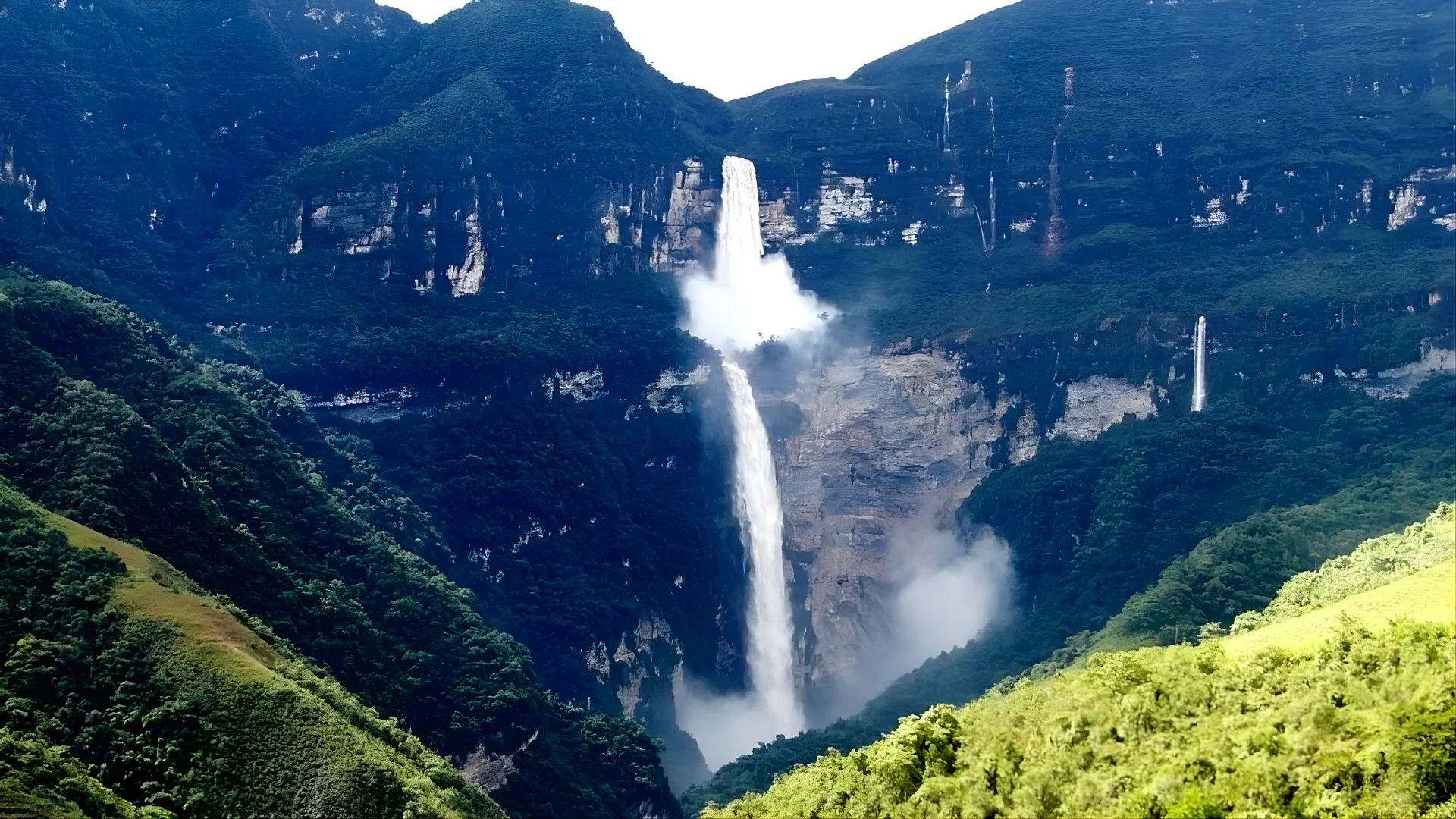
Gocta Waterfall is one of the highest waterfalls in the world, with a total height of approximately 771 metres. It was largely unknown to the international community until 2005. The waterfall is located near the town of Chachapoyas, accessible via hiking trails through the lush cloud forest of the eastern Andes.
The hike to the base of the lower falls takes approximately three to four hours round trip from the village of Cocachimba. The approach is through a narrow gorge where the spray from the water creates a perpetual mist, nourishing a micro-ecosystem of mosses and ferns. Gocta and Kuelap represent a compelling alternative to the Cusco circuit for adventurous travelers.
| Attraction | Type | Nearest City | Estimated Visit Time | Entry / Permit |
|---|---|---|---|---|
| Machu Picchu | Archaeological Site | Aguas Calientes | Half to full day | Timed entry ticket required |
| Rainbow Mountain | Natural | Cusco | Full day | Community fee (~10 PEN) |
| Laguna 69 | Natural / Trekking | Huaraz | Full day | National park fee |
| Nazca Lines | Archaeological / Aerial | Nazca | Half day | Flight cost (~USD 80–150) |
| Colca Canyon | Natural | Arequipa | 2 days | Boleto Turístico |
| Kuelap | Archaeological | Chachapoyas | Full day | Entry fee + cable car |
| Uros Islands | Cultural | Puno | Half day | Boat + island fee |
| Gocta Waterfall | Natural | Chachapoyas | Full day | Community guide fee |
| Ballestas Islands | Natural / Wildlife | Paracas | Half day | Boat tour cost |
| Chan Chan | Archaeological | Trujillo | Half day | Entry fee |
Final thoughts: Peru is a country that defies easy summarization. Its attractions span every category from ancient archaeology to extreme adventure. Famous sites like Machu Picchu are essential, but the country’s greatest gift is its depth. Take the time to explore beyond the well-worn Cusco circuit, and Peru will reward you with experiences that are among the most remarkable on Earth.
Frequently asked questions about Comprehensive List of Attractions in Peru South America and Travel Destinations
Machu Picchu is by far the most famous attraction in Peru, drawing over one million visitors every year to its spectacular Inca citadel. It is recognized worldwide as a UNESCO World Heritage Site and one of the New Seven Wonders of the World.
The dry season from May to September is generally the best time to visit most attractions in Peru, especially Machu Picchu, Rainbow Mountain, and the Colca Canyon. During these months skies are clearer, trails are drier, and wildlife is easier to spot.
Yes, entrance tickets to Machu Picchu are timed and must be purchased in advance through the official government portal, as daily visitor numbers are strictly limited. Tickets often sell out weeks or even months ahead during peak season, so early booking is essential.
A minimum of 10 to 14 days is recommended to cover the key attractions in Peru, including Cusco, Machu Picchu, Lima, and one additional region such as Arequipa or the Amazon. Travelers with more time can extend their trip to explore the north, Puno, or Huaraz in depth.
The most convenient way to reach Cusco from Lima is by flying, making the journey in approximately 1 hour and 20 minutes.