


Manu National Park stands out as a destination for birdwatching


Peru’s biodiversity is once again capturing global attention. Travel magazine The Week ranked the country among the eight top destinations in the world for bird watching, a list that brings together places recognized for their natural value and their potential for birding. Within that selection, Manu National Park was the Peruvian location chosen for its unique ecosystems and the sheer number of species it protects.
In the article “Eight of the Best Places in the World for Bird Watching,” written by Catherine García, the publication points out that Manu National Park offers different experiences depending on altitude. Its cloud forests, lowlands, and wetlands are home to iconic birds such as the Andean cock-of-the-rock, quetzals, as well as tanagers, ovenbirds, parakeets, and the Amazonian umbrellabird.
This international recognition comes at a time of growing nature tourism in the country. As part of Global Big Day 2026, the worldwide bird-watching event organized by the eBird platform from the Cornell Lab of Ornithology, Peru recorded 1,438 species in a single day, taking second place among the countries with the most birds logged.
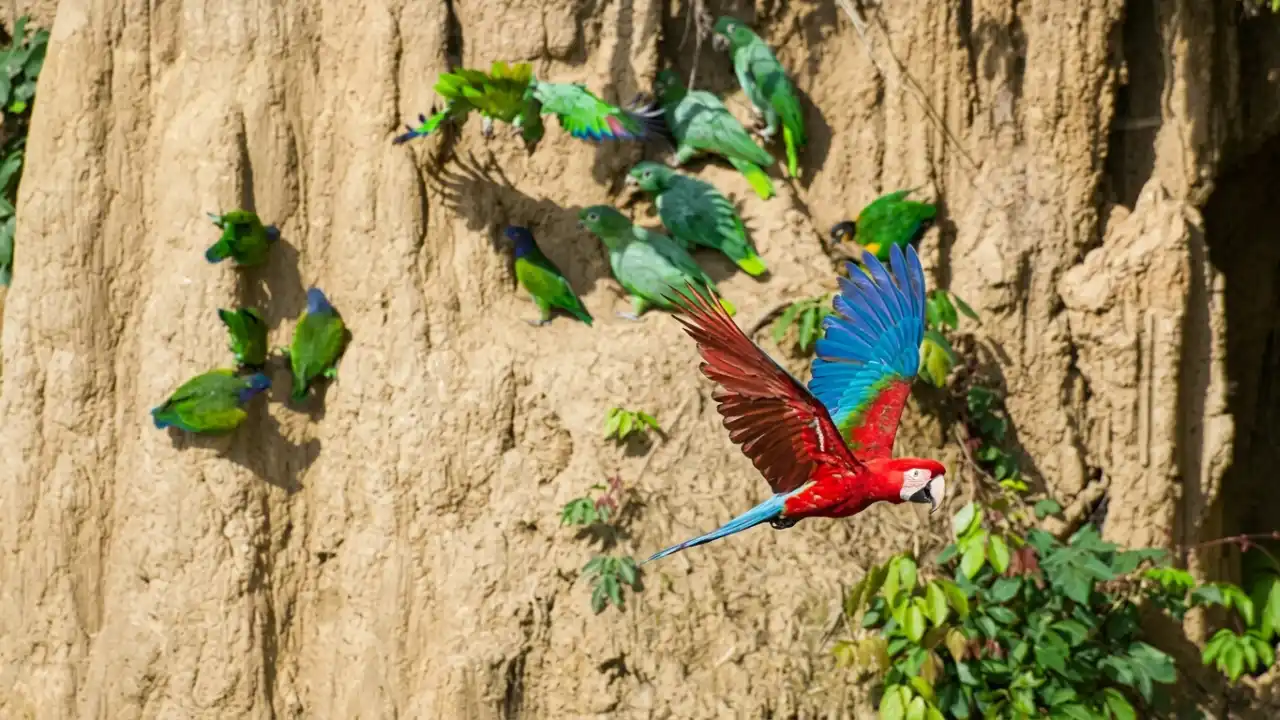
Located between Cusco and Madre de Dios, Manu National Park is regarded as one of the most biologically rich territories in the world. The variety of ecological zones within it allows visitors to encounter different species along a route that runs from mountain forests to jungle areas.
According to The Week, in Manu’s cloud forest areas it’s possible to spot the striking Andean cock-of-the-rock, along with quetzals, tanagers, and other birds typical of this environment. In the park’s lower sections, Amazonian species can be found, such as the umbrellabird, as well as birds that nest along the banks of the Manu River.
The article also highlights the Huacarpay wetlands, a site of interest for bird-watching enthusiasts since around 60 species live there, including yellow-winged blackbirds and hummingbirds with violet tones.
Between the Andean peaks and the lowland jungle, Manu National Park is home to a wide variety of wildlife. Its founding in 1973 marked a key milestone for environmental conservation in Latin America.
This global recognition adds to other achievements the country has earned in specialized activities. According to data from Peru’s Ministry of Foreign Trade and Tourism (Mincetur), Global Big Day 2026 drew the participation of 1,278 observers from all 25 regions of the country, a 24% increase compared to the previous year.
Regions such as Cusco, Madre de Dios, San Martín, Amazonas, Junín, and Pasco stood out for the number of species recorded and their appeal to bird-watching enthusiasts. Likewise, Madre de Dios, Lima, and Cusco each surpassed 700 checklists on the eBird platform.
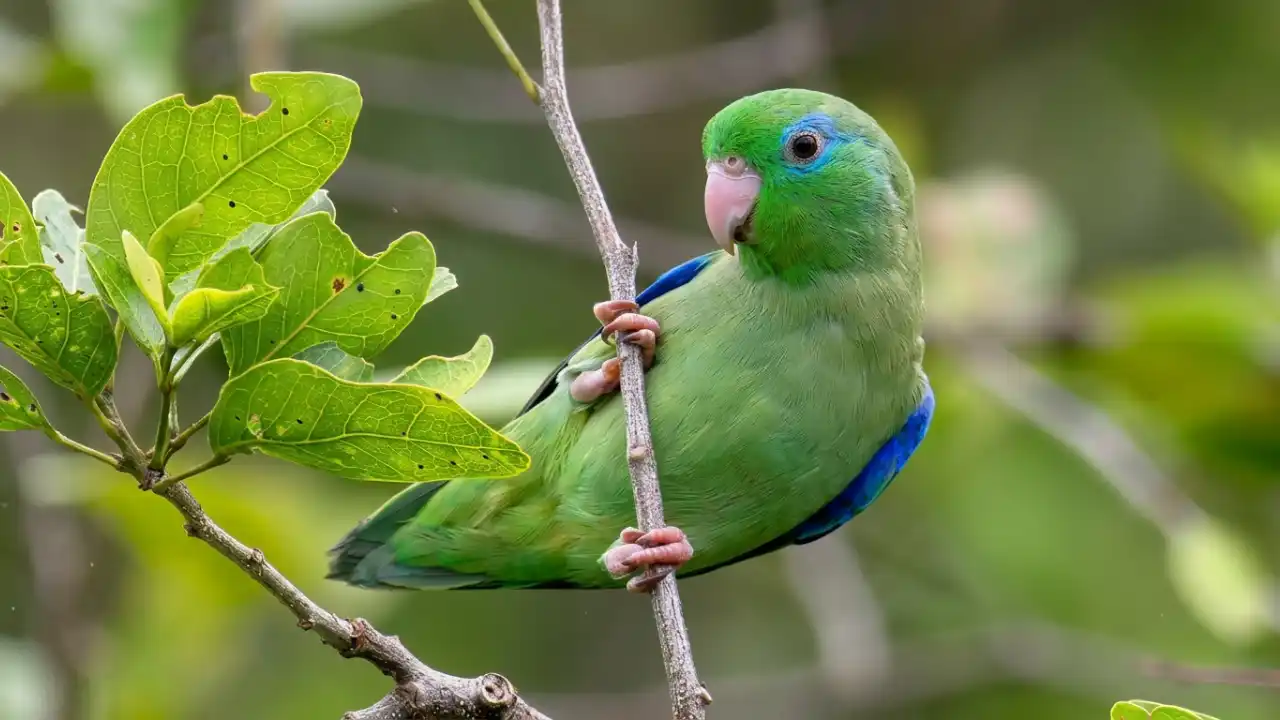
The country is also home to 118 endemic bird species, meaning species that can only be found within Peruvian territory. This fact reinforces its importance on the global map of biodiversity and conservation.
Bird-watching tourism in Peru spans different regions and ecosystems. Along the coast, the Tumbes Mangrove National Sanctuary stands out, home to between 200 and 300 species, including frigatebirds, herons, white ibises, and other mangrove-dwelling birds.
In the Andean highlands, the Nor Yauyos-Cochas Landscape Reserve offers the chance to observe grebes, Andean geese, and various duck species. Also notable is the Ampay National Sanctuary, home to the Anq’ay hummingbird, a species found only in that area.
In the Amazon, the Allpahuayo Mishana National Reserve is home to 475 bird species, many of them unique to the white-sand forests. Among the most notable are the Ancient Antwren, the Pompadour Cotinga, and the Mishana Tyrannulet.
The ranking put together by The Week places Peru alongside other destinations recognized for the diversity of their landscapes and species.
With Manu National Park as one of its greatest emblems, Peru is cementing its place as one of the most appealing destinations in the world for those looking to explore avian diversity and the ecosystems that protect it.