Waqrapukara in Cusco: The Essentials for Your First Visit
Waqrapukara in Cusco, Peru is taking social media by storm with its stone horn shape. Sanctuary, fortress, or energy point? The most surprising thing is that no one knows for sure what its true function was. The only way to answer all these questions is to visit Waqrapukara yourself. You don’t need to be Spiderman to climb it. Here’s a guide with everything you need to know.
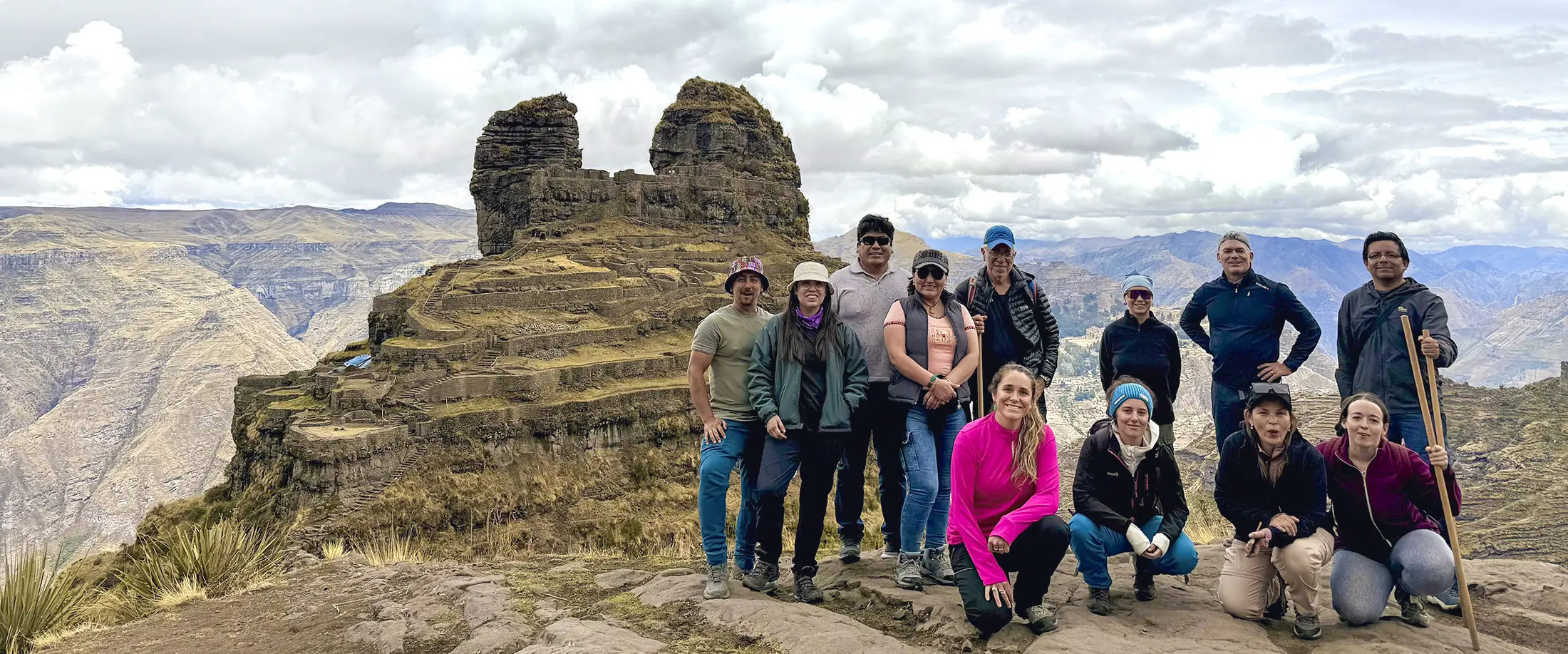
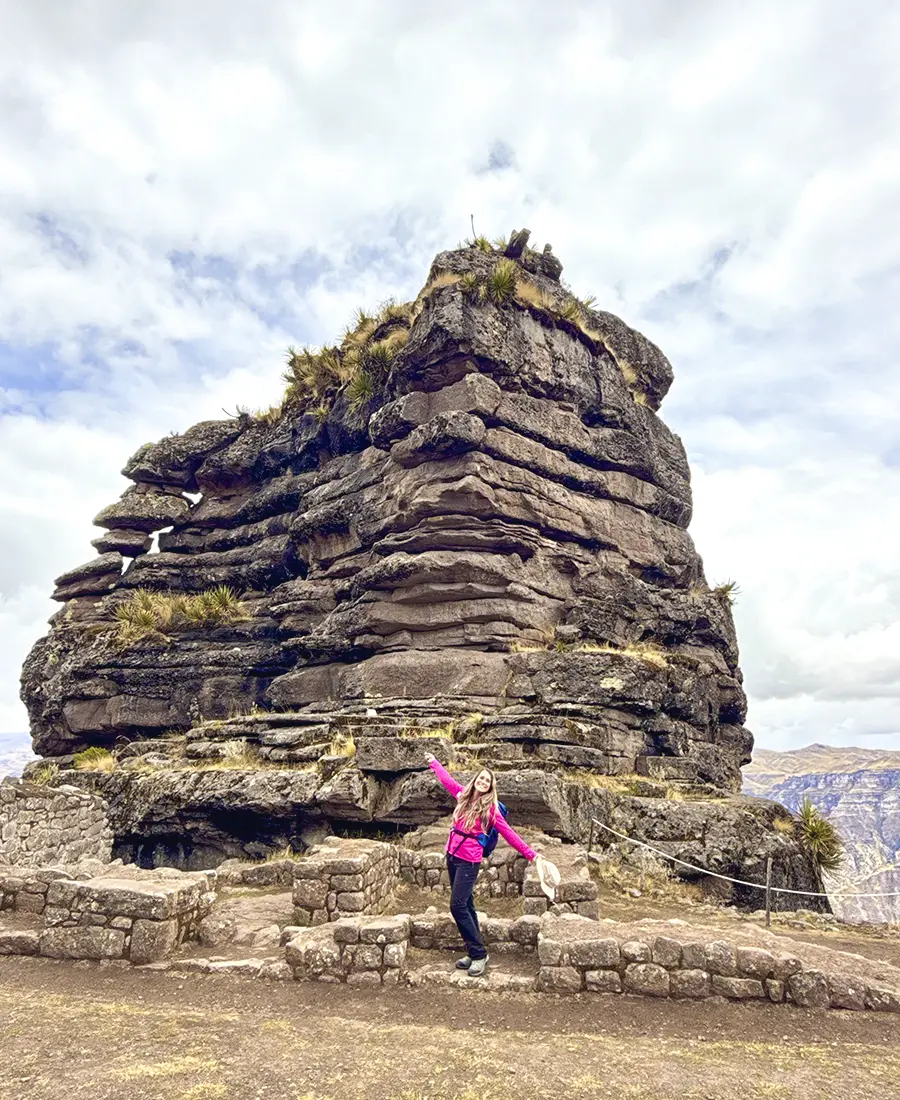
The site rises like an isolated tower with a crown of two enormous stone horns that give it its name. Waqrapukara is 4,300 meters above sea level (14107 ft), and the Inca construction rises majestically above a ravine.
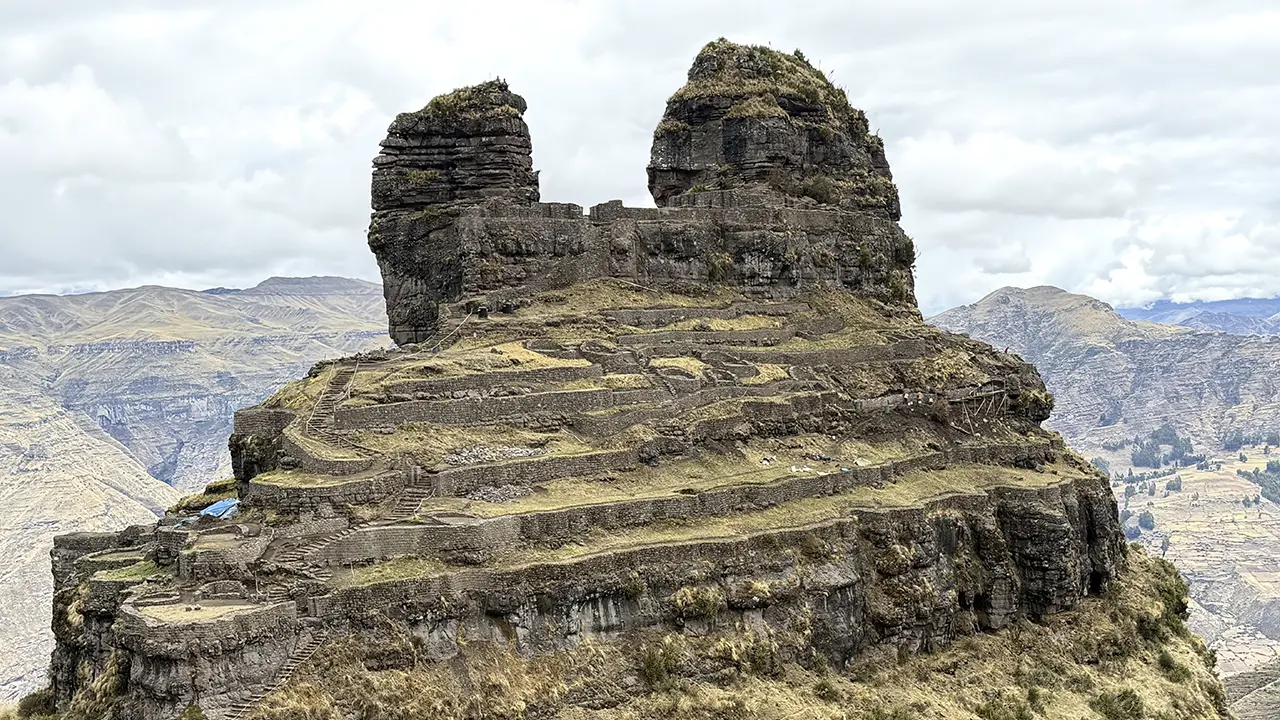
In addition, the Apurímac River canyon far below enhances the whole scene and makes it even more dramatic. If you decide to go, you will find temples, canals, terraces, and impressive stairways. You will also enjoy a hike surrounded by beautiful landscapes, and if you take a tour, you will hear legends, have adventures, and learn local information.
Most tourists prefer to go on a tour, although if you are more adventurous, you can get there on your own or even camp near the site.
Cusco is home to several archaeological sites that demonstrate the greatness and skill of the Inca civilization, and Waqrapukara confirms this. The Incas built this place as a religious sanctuary, and the fine granite stone constructions confirm this.
In addition, due to its elevated location and horn-shaped crown, it also served as a fortress. From a distance, it looks like an imposing castle.
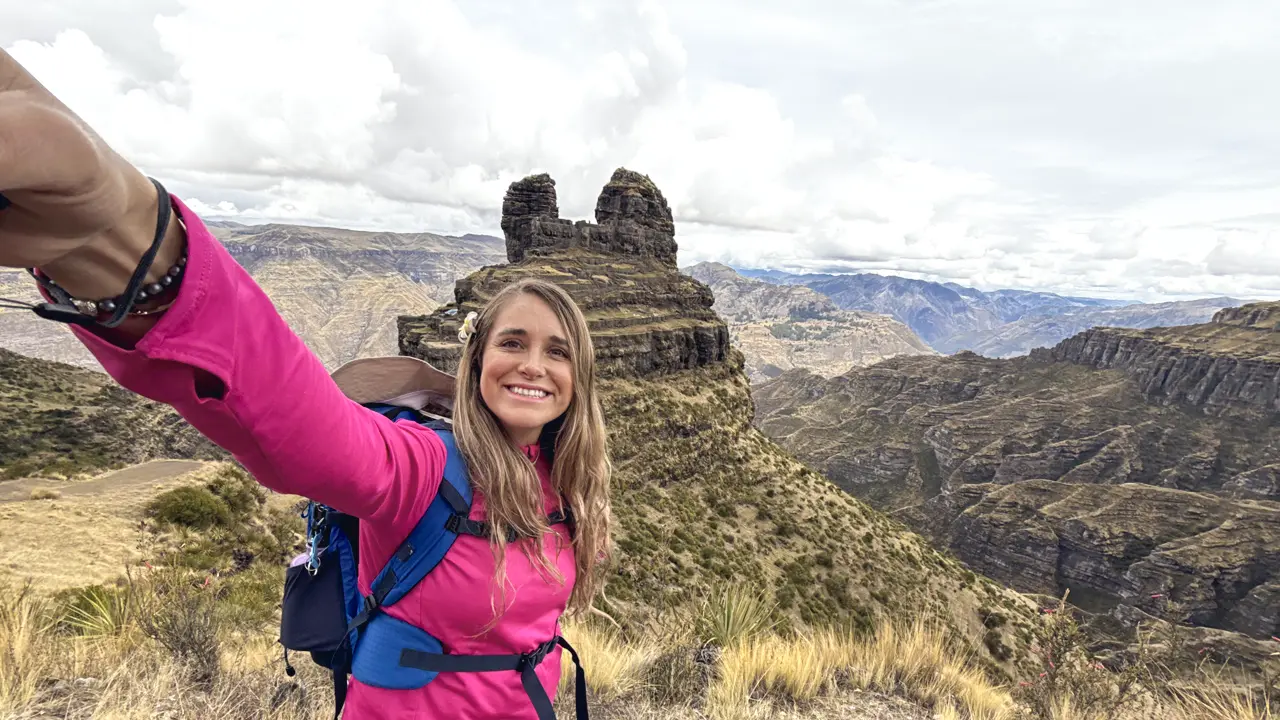
Incidentally, “Waqra” means horn and “Pukará” means fortress in Quechua, which perfectly describes its shape.
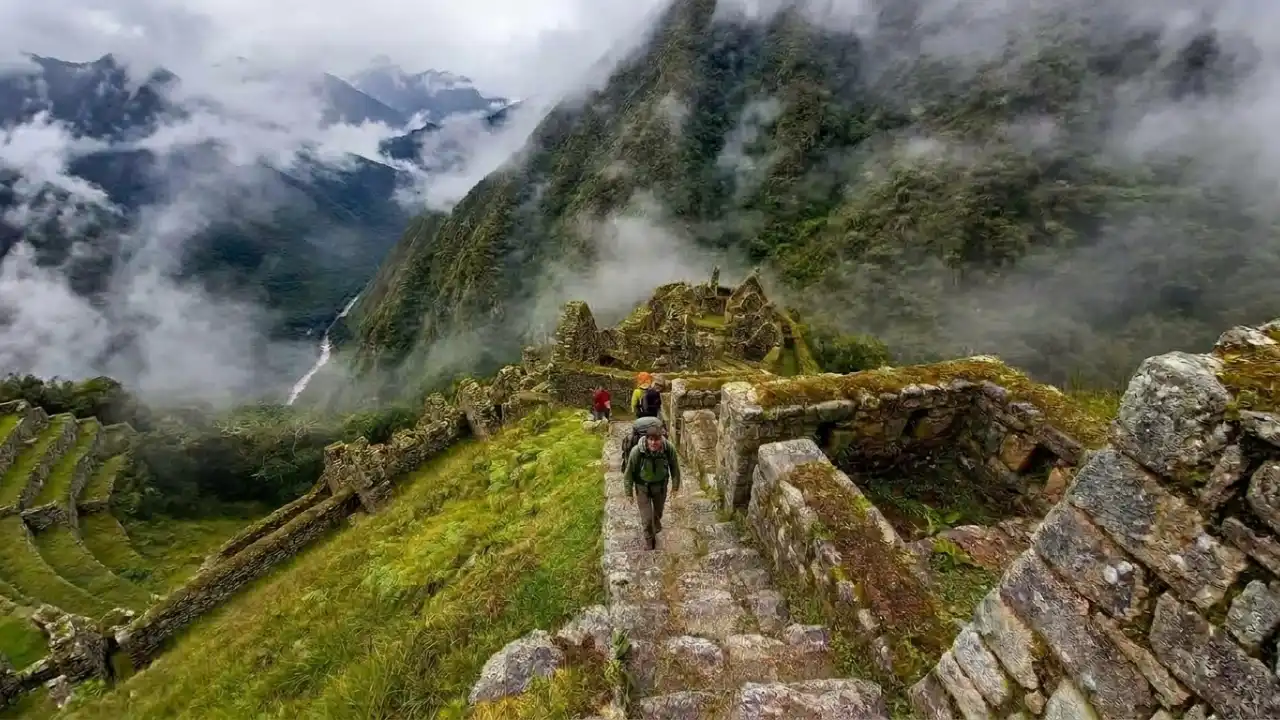
As you walk there, you will travel along ancient Inca roads and discover other sites such as Tambopukara, Yactapukara, and Ayapukara. These places will make you feel like you are following an ancestral pilgrimage route, full of energy and mystery.
Today, researchers have carried out restoration and research work to preserve the site.
Cusco archaeologist Miguel Colque Enríquez commented that the true importance of Waqrapukara is not yet fully defined, which makes it even more intriguing. Despite its beauty, few tourists venture to visit it. If you go, you will have the privilege of exploring a place almost in silence, without crowds.
However, access is limited: there is only one main entrance, unless you are an expert climber. Seriously, it is a different, mystical experience that is totally yours.
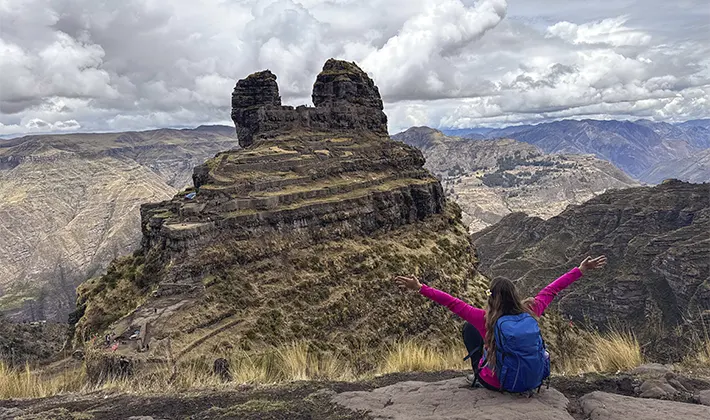
Tour Waqrapukara Full Day
The Waqrapukara tour takes you completely off the grid. While everyone else is crowding into the Sacred Valley, this place sits totally isolated on top of a jagged rock formation t...
Exact location of Waqrapukara in Cusco
Waqrapukara is located in the district of Acos, province of Acomayo, Cusco right at the foot of the Apurímac River canyon. It is also 4,300 meters above sea level, so get ready for views that will take your breath away.
Its altitude and proximity make it a perfect excursion to acclimatize before hiking the Inca Trail. In total, the hike takes about two hours there and two and a half hours back. If you’re not used to the altitude yet, don’t worry, it may only take you an extra hour at a slow pace. It’s totally worth it.
Conditions and Climate
The climate in Waqra Pukará varies considerably depending on the time of year. Between May and October it is cold and dry, while from November to April it becomes rainier.
In addition, the winds blow constantly almost all the time, so bring a good jacket. During the day, the temperature reaches about 19 °C, but at night it drops to 6 °C. That’s why I recommend wearing light clothing for walking and something warm for when the sun goes down. It’s part of the charm of being high up in the Andes.
Best Months to Visit Waqrapukara
The best time to visit Waqrapukara is between May and October because it is during the dry season. During these months, the weather is stable with less rain, making it ideal for hiking. In addition, you can enjoy each view more with warm temperatures.
Trust me, you don’t want to become Spiderman climbing wet rocks without superpowers. But let’s be honest, the other months also have their advantages.
Although it rains more often during the wet season, especially in the afternoons. There are fewer tourists, the landscapes are greener, and prices go down. But it’s good to know that the trails can become slippery and cold. Sometimes they are even closed due to rain or mud.
Between January and March, the rainfall is so intense that it makes hiking difficult. It is said that the weather in Cusco is very unpredictable.
How to Get to Waqrapukara
Tour to Waqrapukara from Santa Lucía, Cusco
This is the easiest and most recommended route to get to Waqrapukara. You will only walk 2 km from the community of Santa Lucía to the archaeological complex. It will take you between 45 and 60 minutes. We recommend this Waqrapukara Tour with Uros Expeditions.
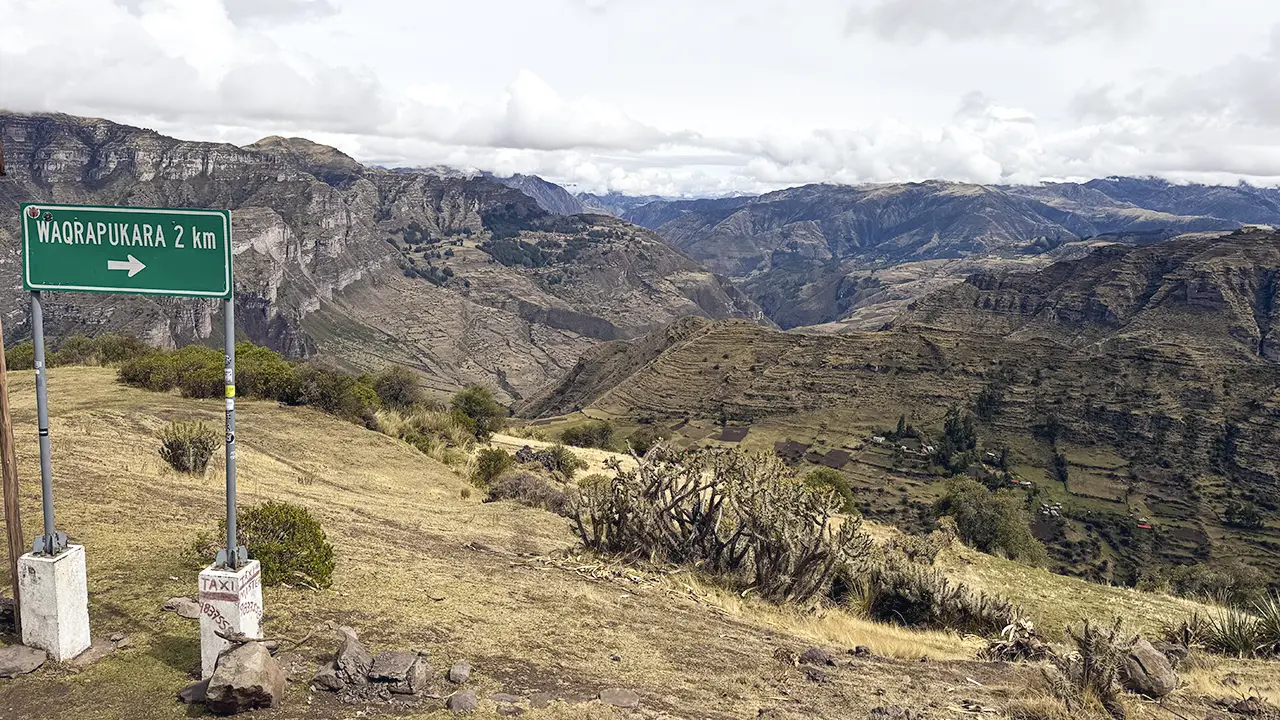
It is a short stretch where you will be surrounded by endless landscapes. However, I recommend wearing suitable walking shoes to avoid slipping.
First, take transportation from the main square in Cusco to the community of Santa Lucía. It is a 133 km journey and takes about 3 hours by bus. Don’t worry, the road is quiet and you can enjoy the Andean landscape.
During the rainy season (November to April), you will also find fewer people, so the journey will be quieter and without delays. However, remember that when it rains, there may be some delays. Always remember to leave early.
 |
 |
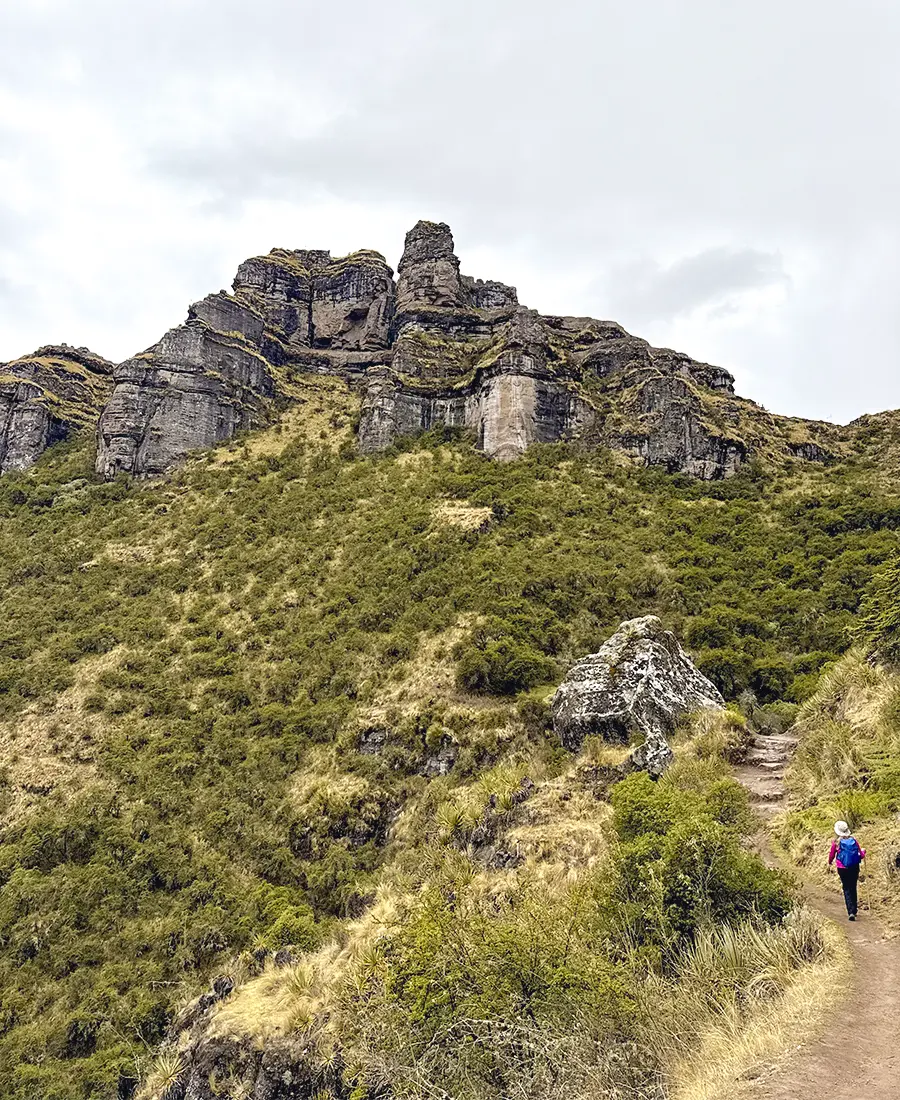
The road is in fairly good condition and the local residents maintain it with great effort. Sometimes you will find mud or animal excrement, because the inhabitants raise cattle, alpacas, and horses.
This activity generates a lot of waste, which means that the trail requires constant maintenance. Even so, the natural environment and the tranquility of the place make it totally worthwhile.
Route from Campi to Waqrapukara
This route is completely safe. You will walk for about 4 hours from Campi to reach the Waqrapukara archaeological complex. If you are going on your own, it is best to go in a group of more than four people, as this works out cheaper.
However, if you prefer more security or plan to camp, it is better to hire an agency.
In addition, the route is signposted and well maintained, so you will have no trouble finding your way.
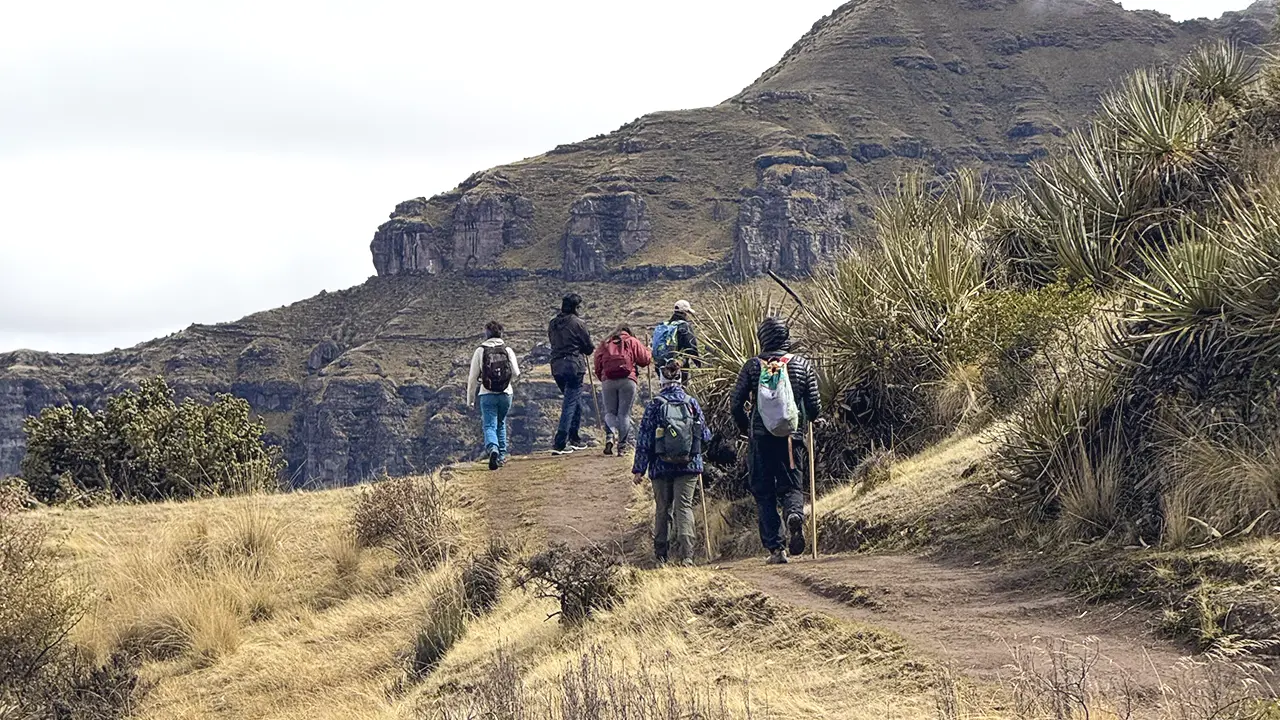
To get there, you must first depart from Cusco, specifically from the Cusco-Sicuani terminal (on Huaruropata Avenue). From there, you will reach the Chuquicahuana Bridge, which is about 54 miles away. Then take a taxi to Campi, which is about 31 miles further.
Although the journey is long, the view makes up for it. The route is preserved thanks to the local residents, as few tourists use it and they take advantage of it to graze their livestock.
Before you go, think about how you want to do it. If you decide to travel with an agency, you will only have to carry your water, your poncho, and some snacks, about 2 kg.
On the other hand, if you go on your own, you will carry about 5 kg, as you will need to pack your lunch, more snacks, and plenty of water. And if you plan to camp, consider carrying about 7 kilos because you will need a tent, sleeping bag, blanket, extra water, and warm clothes.
Don’t worry, with good organization everything feels easier. Plus, carrying just the essentials will allow you to enjoy the journey and the views more.
Sangarará to Waqrapukara Trail
The hike from Sangarará to Waqrapukara is incredible. You’ll cover 8 km of beautiful Andean landscapes and fresh air. On average, the hike will take you about 3 hours there and 4 hours back, so it’s best to take it easy and enjoy the surroundings.
In addition, the route is fully signposted so you won’t get lost. The signs are in good condition, which makes for a safe journey.
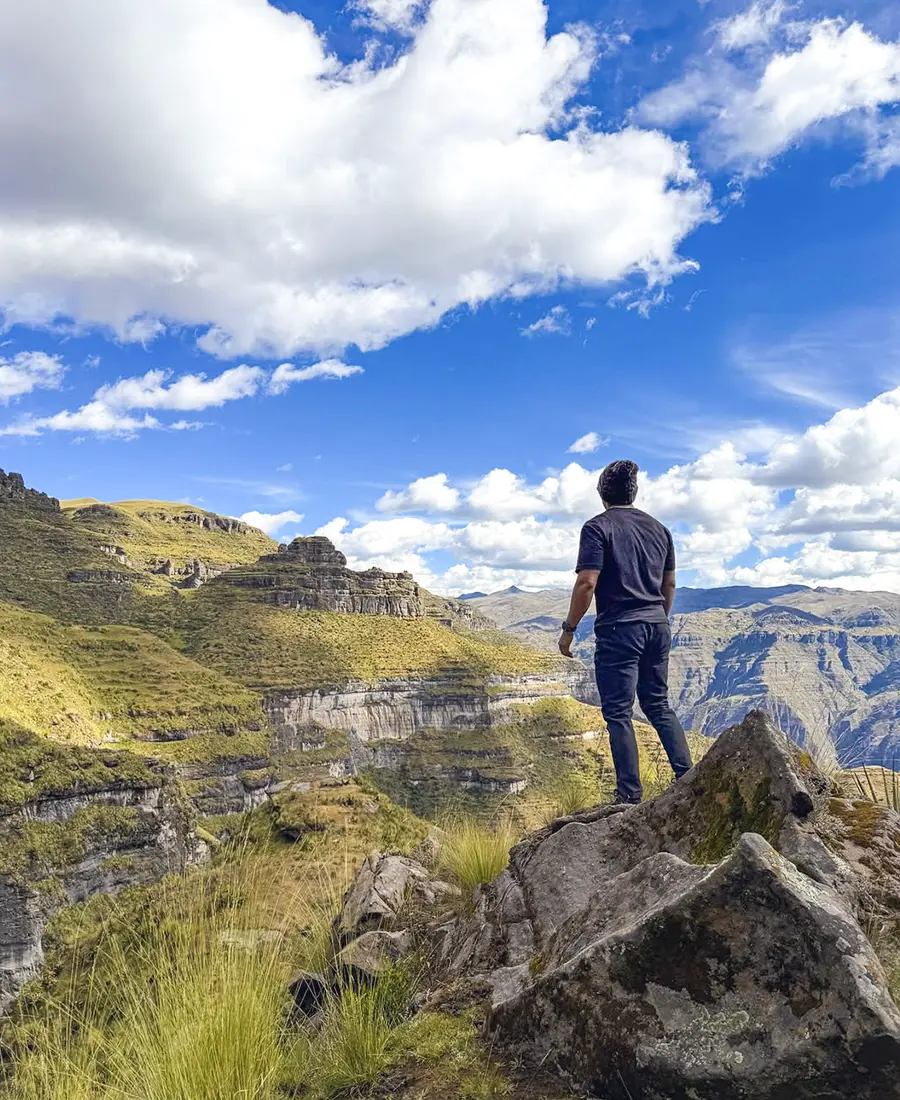
You will also find a beautiful viewpoint that is in use and very well maintained, ideal for taking a break and taking spectacular photos.
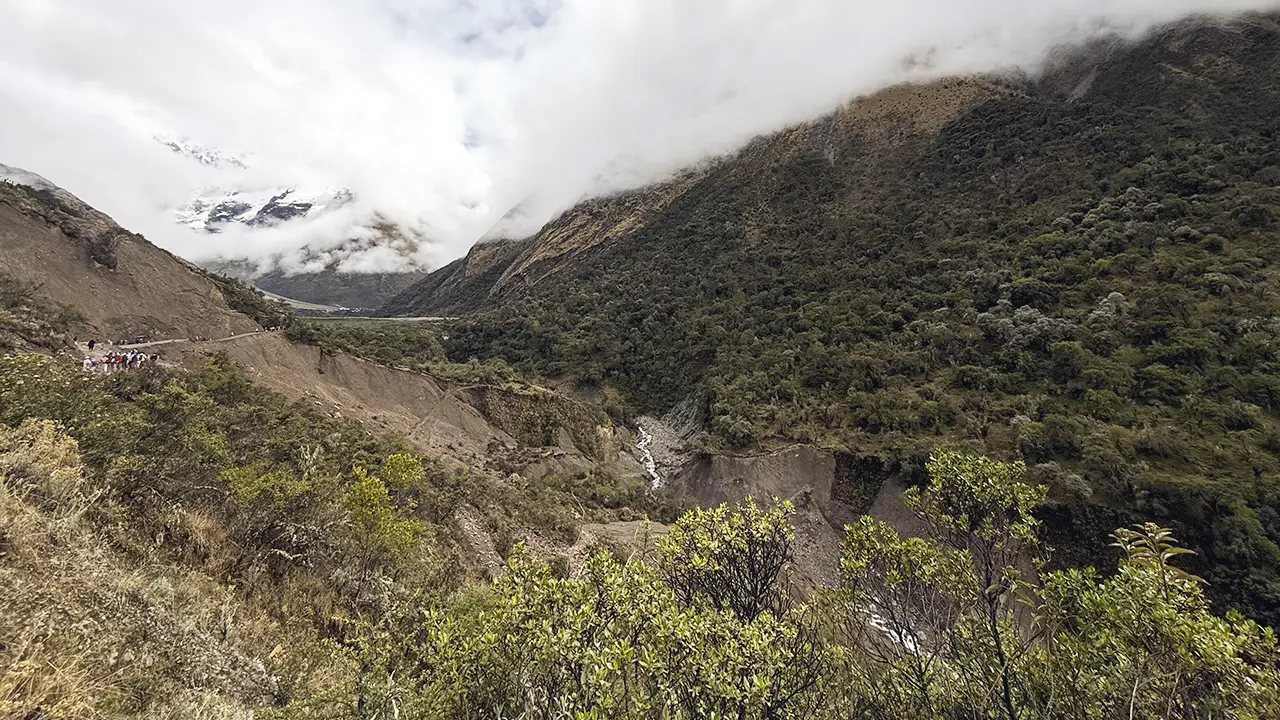
To get to the start of the route, first take transportation from the main square in Cusco to the end of the Sangarará highway. The trip will take approximately 2 hours and 30 minutes, so you can take advantage of the time to rest a bit.
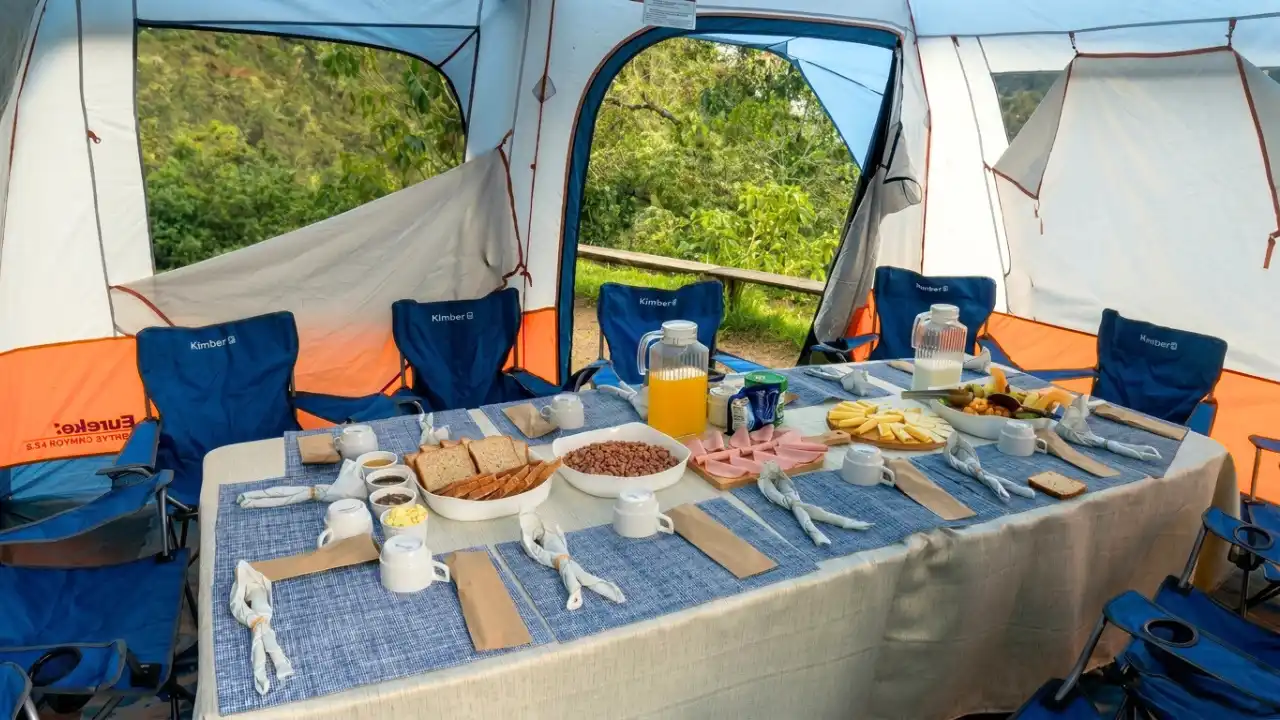
On the way, you can stop in Cusipata and have a 30-minute breakfast to recharge your batteries before continuing.
This short break really makes a difference, especially if you plan to do the hike on the same day. Then, from Sangarará, the most adventurous part of the journey to Waqrapukara begins.
In total, the route is 115 km long, and although it sounds long, it is very well maintained. As it is a new attraction, you will notice that the walking part is well cared for and feels very authentic.
However, the road can get a little difficult when it rains, so I recommend checking the weather before you go.
The local residents are the ones who keep the route in good condition, and this is evident in the cleanliness and order of the road.
Highlights Upon Arrival
Viewpoint and Architecture
- Visitors can see the entire valley and, with a little luck, condors flying from the viewpoint.
- The ceremonial and defensive architecture makes up the archaeological site of Waqrapukara.
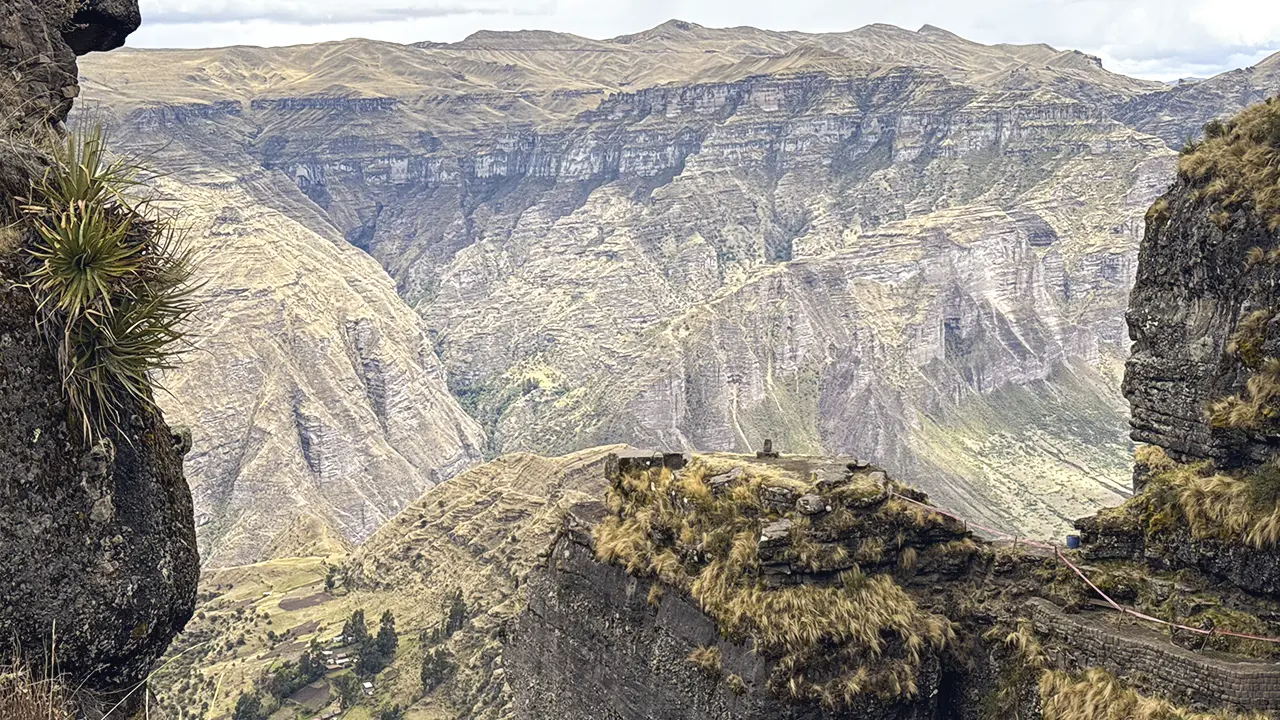
- The Incas demonstrated their ingenious adaptation to the mountainous terrain in the terraces, where they grew corn and beans on seven stepped terraces with water channels and bleachers.
- The Incas built the Sacred Precinct of Wiracocha, where priests offered tributes to the god Wiracocha on a stone altar.
Main Square and Ceremonial Enclosures
- The builders designed the Main Square as a rectangular ritual space at the top of the monument, flanked by two horn-shaped rock formations (“waqras”).
- Priests and representatives of other ethnic groups used this exclusive space to perform ceremonial events and astronomical observations.
 |
 |
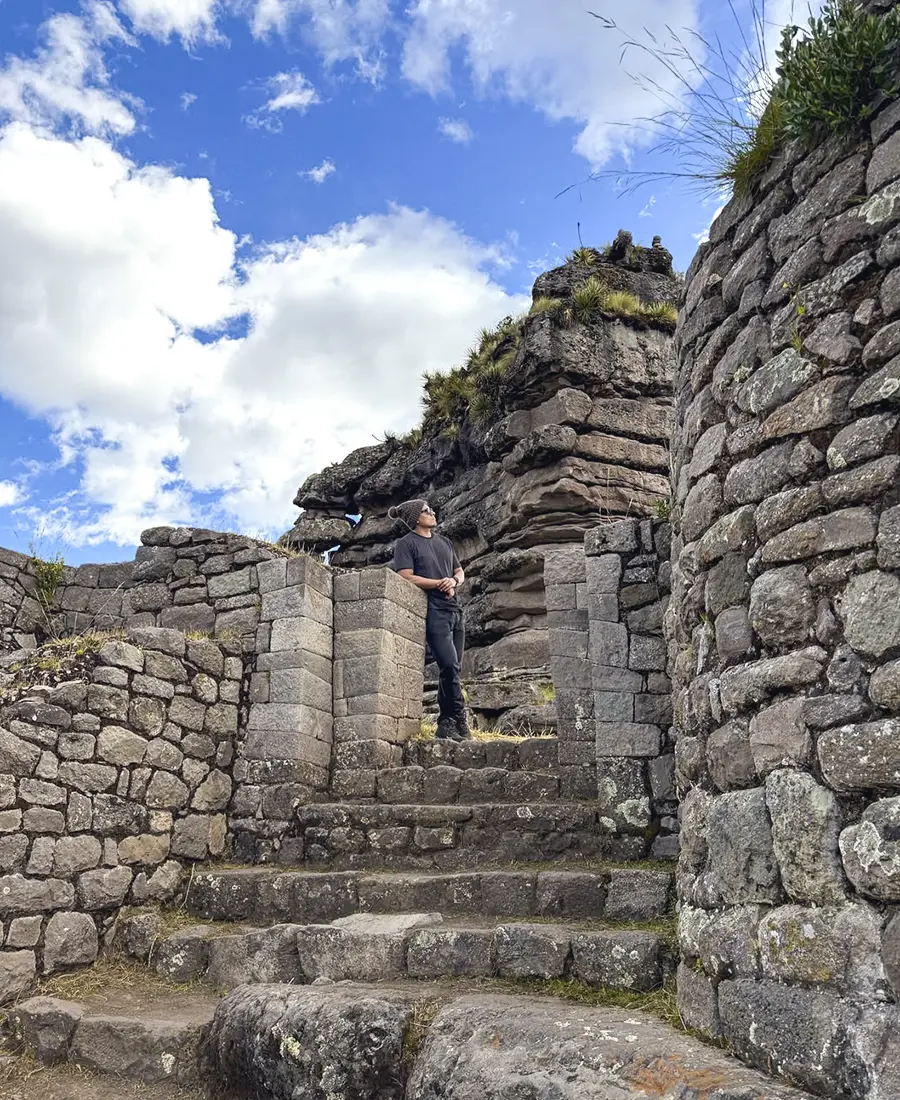
- The Incas built rectangular ceremonial enclosures with double and triple doorways.
- The Incas placed the doorways at the ends of the Main Square and built them with ashlar stone.
Priests used these double and triple doorways in rituals dedicated to the moon and sun.
Defensive Structures and Everyday Life
- The ancient inhabitants built circular towers to guard and protect the fortress.
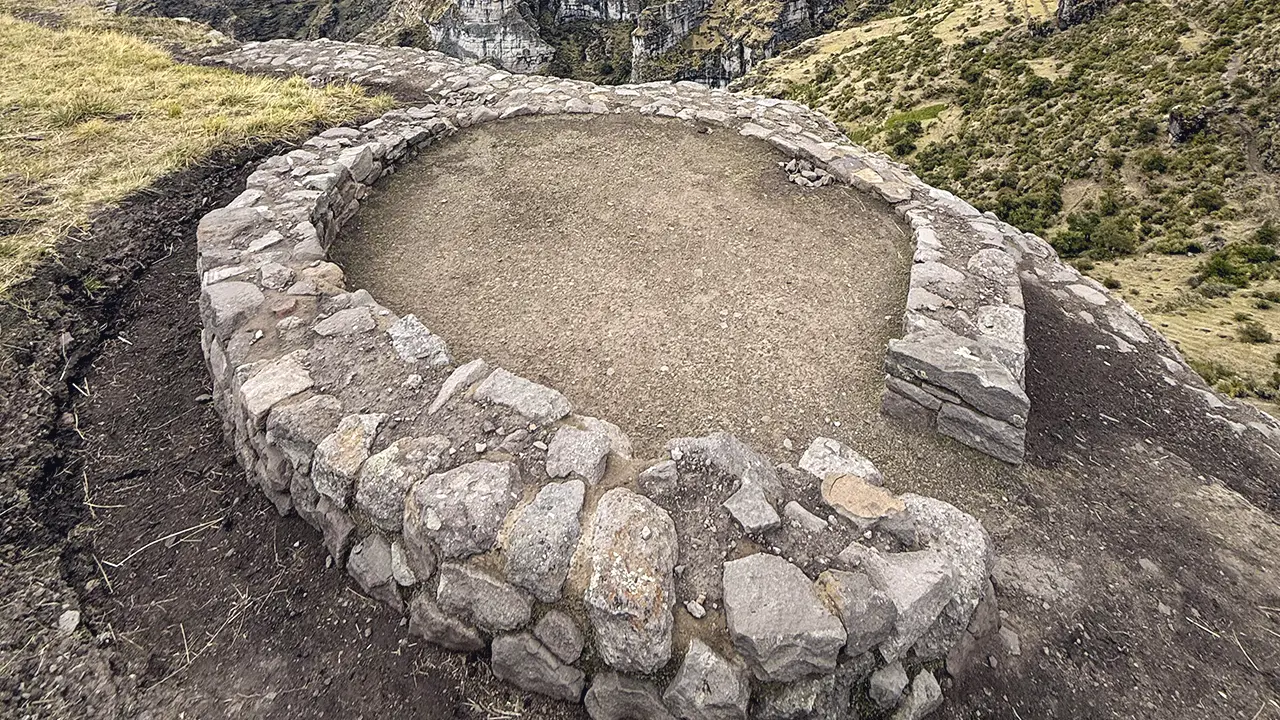
- The watchmen climbed up and down the towers nimbly to observe and defend the site from enemy attacks.
- The Incas built circular and rectangular dwellings on the platforms and terraces to use as homes, pottery workshops, and textile centers.
Uña Waqra from the Pre-Inca Period
- Ancient builders connected Uña Waqra and Waqrapukara via a rocky outcrop that forms a natural bridge.
- The pre-Incas built circular enclosures, passageways, and terraces inside Uña Waqra and surrounded them with a wall.
- The first inhabitants of the Qankis ethnic group took refuge in the Pacarina, a rocky shelter, where they performed ceremonies of gratitude to Mother Earth.
Stone Quarry and Funerary Structures
- The Incas extracted stone from the quarry located to the northwest, behind and below the main square, to build the site.
- The Inca road surrounds the rocky outcrop next to the quarry.
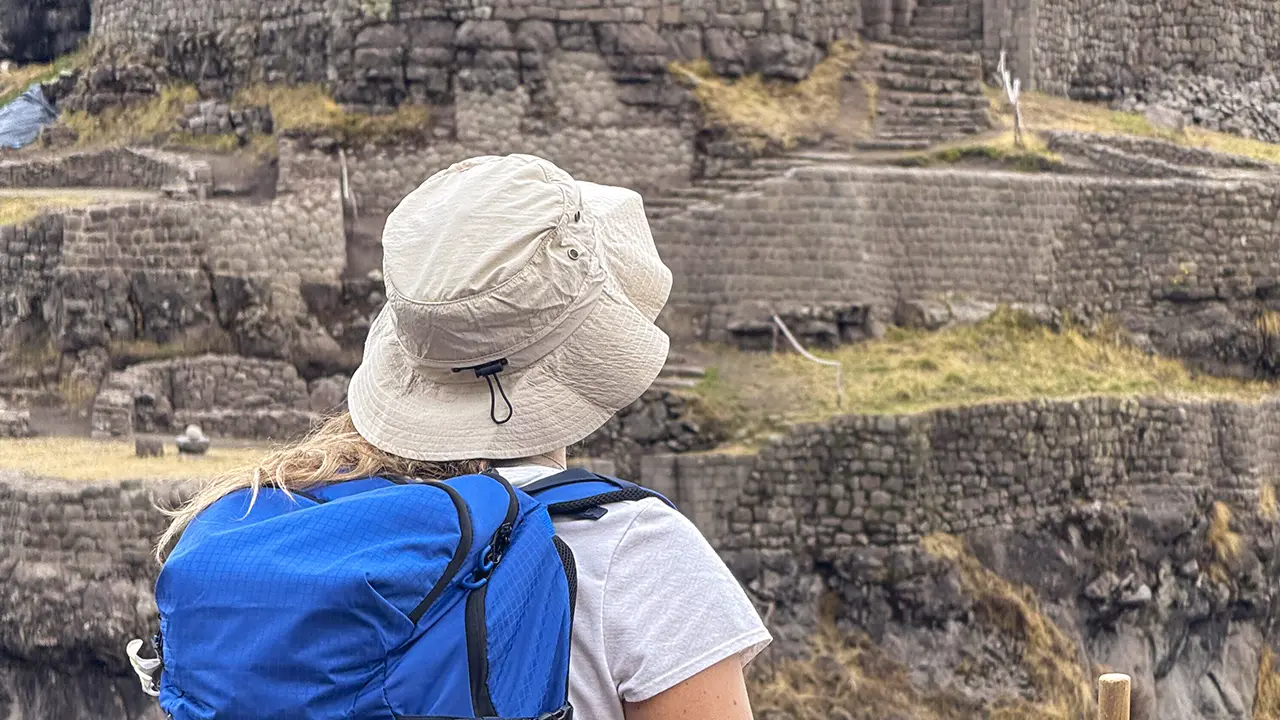
- Looters and local settlers desecrated the burial sites located in the rock formations of Waqrapukara.
- Even so, visitors can see the remains of burial structures attached to the outcrop and mummies on display in the schools of Acomayo and Wayqui.
History behind Waqrapukara
The Qanchi ethnic group built Waqrapukara between 1500 BC and 1000 BC, during the Auqarunas period. Later, the Inca Wayna Qhapaq and Qanchimachu completed it, and then Ttito Qosñipa rebuilt it with their help. They say that Qanchimachu had powers over stones and water.
Can you imagine? That’s why, when you arrive, you’ll ask yourself questions that can only be answered by going back in time.
Waqrapukara was also a sacred place surrounded by imposing mountains. As you walk along its walls, you’ll notice the union between Inca engineering and the pre-Inca Qanchi roots. It is a site that combines history, landscape, and spirituality, ideal if you are looking for something different from Machu Picchu.

Something very beautiful is the meaning of the name Qanchis. They chose that word because in Quechua it means “seven.” According to legend, it refers to the seven sons of the patriarch who lived in the paqarinas and from there expanded their family’s territories.
All this made Waqrapukara a meeting point between cultures, full of exchange, faith, and art.
The Incas cut off the ear of the Qanchis leader.
Thanks to the reforms of Ttito Qosñipa, today you can appreciate the imposing Inca buildings that reflect all the power and grandeur of their era. The Qanchis transformed this place into a fortress and last refuge, which is why you will now feel an inexplicable positive energy.
In addition, as general of the Inca army, Ttito Qosñipa reorganized and improved the buildings, leaving a legacy that continues to amaze travelers.
The Qanchis initially built Waqrapukara as a village. Later, they turned it into a pukara (fortress) to protect themselves from other ethnic groups. After this change, conflicts began with the K’anas and the Chumpiwillkas. They wanted to take over the place because of its fertile corn fields.
It was an intense period, full of personal struggles. These clashes reached their peak when Ttito Qosñipa rose up against the Inca army, making Waqrapukara his last refuge.
Both armies fought in Phiñaypampa, and although the Incas won, the Qanchi resistance was admirable. After the defeat, Ttito Qosñipa and the survivors returned to Waqrapukara and resisted for a short time.
Wayna Qapaq, impressed by Ttito Qosñipa’s strategy, decided to spare his life. However, he first cut off his ears as a symbol of rebellion. He then took him on as an ally.
Over time, Ttito marched alongside the Incas in their campaign against the Cañaris in Ecuador, and they achieved victory.
From that moment on, the Incas exercised indirect control over the Qanchis, albeit in a more diplomatic manner. Thanks to this alliance, Waqrapukara was reorganized and beautified.
Essential Items to Bring
- Bring your ID card or passport to identify yourself to the park ranger when entering the site.
- Wear appropriate, warm clothing such as a waterproof jacket, a chullo or winter hat, thick socks, and warm pants.
- Wear hiking shoes or boots, as the terrain is uneven and you need good grip to avoid accidents.
- Protect your skin from the sun with sunglasses and a hat to avoid sunburn or heatstroke.
- Use trekking poles to make the walk easier.
- Bring light, energy-boosting snacks such as nuts, coca or lemon sweets, and energy bars.
- Pack a basic first aid kit with medication for altitude sickness, headaches, muscle pain, and stomach antibiotics.
- Don’t forget your camera to capture the incredible views of the archaeological site and the Andean landscape.