Comparing Guided Tours to the Lake Titicaca Floating Islands
Choosing among Uros floating islands tours can be confusing because many listings appear to offer almost the same experience. Most visits include a boat ride from Puno, time on one or more reed islands, and an introduction to the Uros community. The important differences are usually found in the pace of the tour, the number of travelers, the type of boat, the quality of the guide, and how much time is available for conversation.
A short group tour can be practical and affordable, while a private or overnight itinerary offers more flexibility and a slower experience. This island tour comparison explains the main formats from Puno and what to check before booking, so you can choose a trip that matches the way you want to experience Lake Titicaca.
Why Most Travelers Choose a Guided Visit to the Uros Islands
Choosing among Uros floating islands tours can be confusing because many listings appear to offer almost the same experience. Most visits include a boat ride from Puno, time on one or more reed islands, and an introduction to the Uros community. The important differences are usually found in the pace of the tour, the number of travelers, the type of boat, the quality of the guide, and how much time is available for conversation.
A short group tour can be practical and affordable, while a private or overnight itinerary offers more flexibility and a slower experience. This island tour comparison explains the main formats from Puno and what to check before booking, so you can choose a trip that matches the way you want to experience Lake Titicaca.
How the Totora Reed Islands Stay Afloat
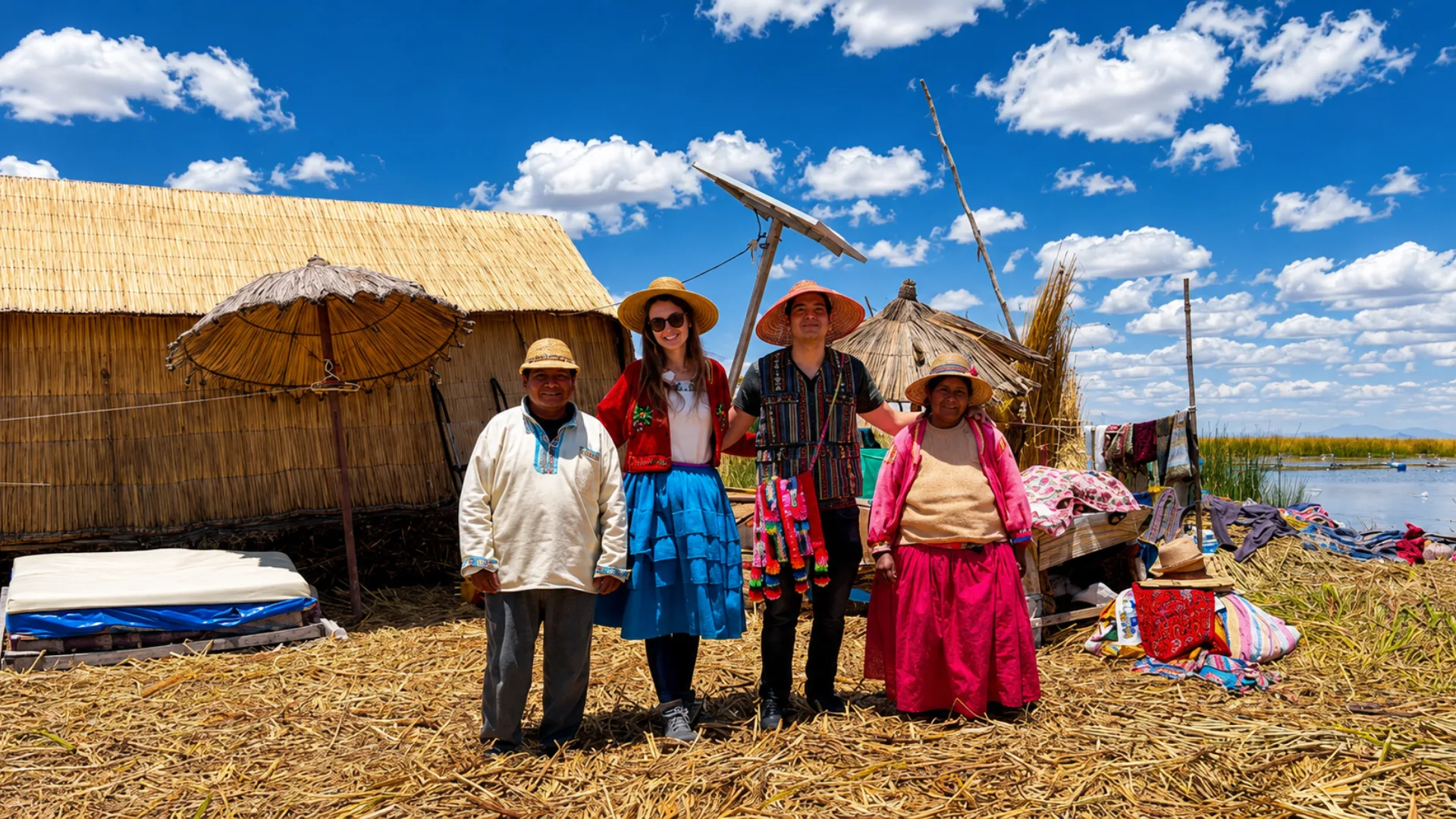
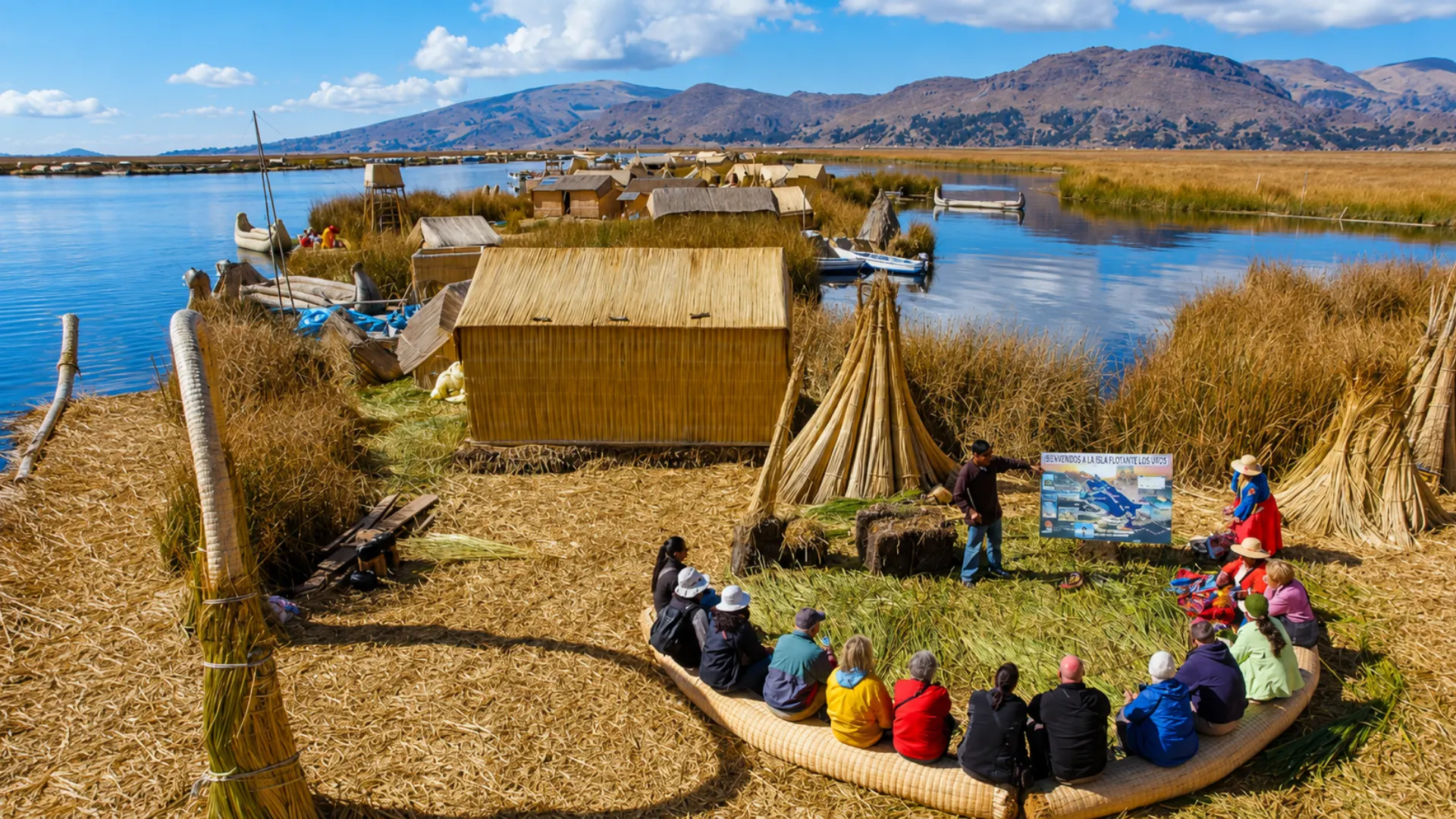
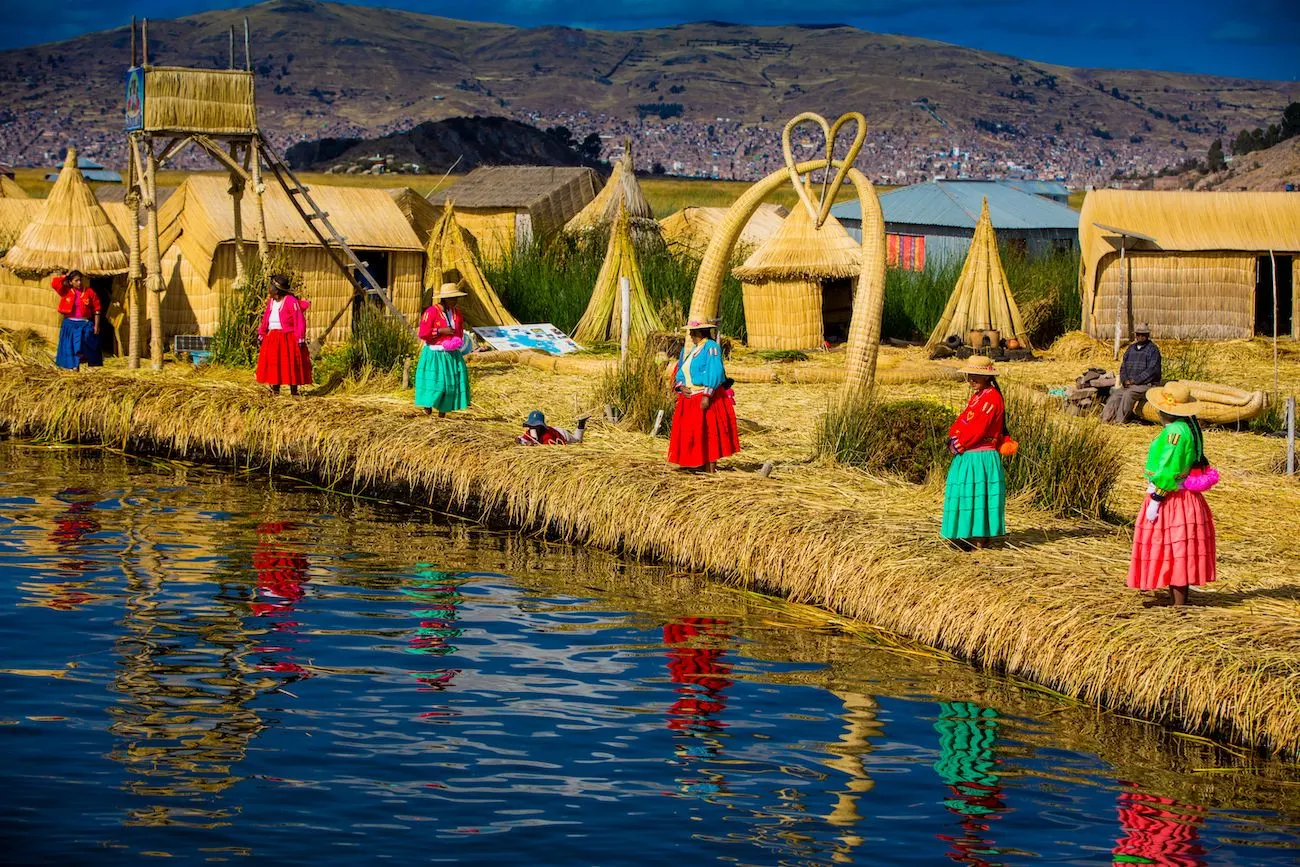
The islands are built with blocks of totora roots and layers of reeds collected from the shallow parts of Lake Titicaca. Fresh reeds are continually added to the surface as the lower layers become wet and decompose. This means the islands require regular maintenance rather than being built once and left unchanged.
During a well-paced visit, local residents or the guide may show how new layers are added and explain the different uses of totora, from construction and boats to handicrafts and everyday household items. These details make the visit more meaningful than simply walking around the island.
Main Tour Options from Puno
The most common choices are a half-day Uros tour, a full day Uros and Taquile tour, and a two-day itinerary that includes Amantani. The table below compares these options without mixing them with longer packages that begin in Cusco.
| Tour format | Typical duration | Reference price | Best suited for |
|---|---|---|---|
| Half-day Uros | 3-4 hours | Shared: about US$8-16 per person. Private services are usually quoted by boat or group. | Travelers with limited time or a packed itinerary. |
| Full-day Uros and Taquile | 8-10 hours | Shared: about US$70-80 per person. Private pricing depends on group size and inclusions. | Travelers who want to see two different island communities in one day. |
| Uros, Amantani and Taquile | 2 days, 1 night | Shared services may start near US$50 per person. Private examples range from about US$110-190 per person. | Travelers who prefer a slower visit and an overnight community stay. |
Price note: The tour prices shown above are reference amounts and can change according to the season, group size, and included services. Always confirm whether meals, entrance fees, hotel transfers, accommodation, and optional activities are included.
Half-Day Uros Tour: A Practical Option for Limited Time
A half-day tour usually lasts three to four hours from hotel pickup to return. It includes the boat trip from Puno and a visit to one or two floating islands, where travelers learn about the construction of the platforms and the daily use of totora reeds.
This format works well for people arriving on an overnight bus, continuing to another destination later in the day, or adding Lake Titicaca to a tightly planned Peru itinerary. The main disadvantage is the limited time on the islands. On a large group departure, the visit can feel fast, especially when several boats arrive at the same time.
Full-Day Uros and Taquile Tour: More Variety in One Day
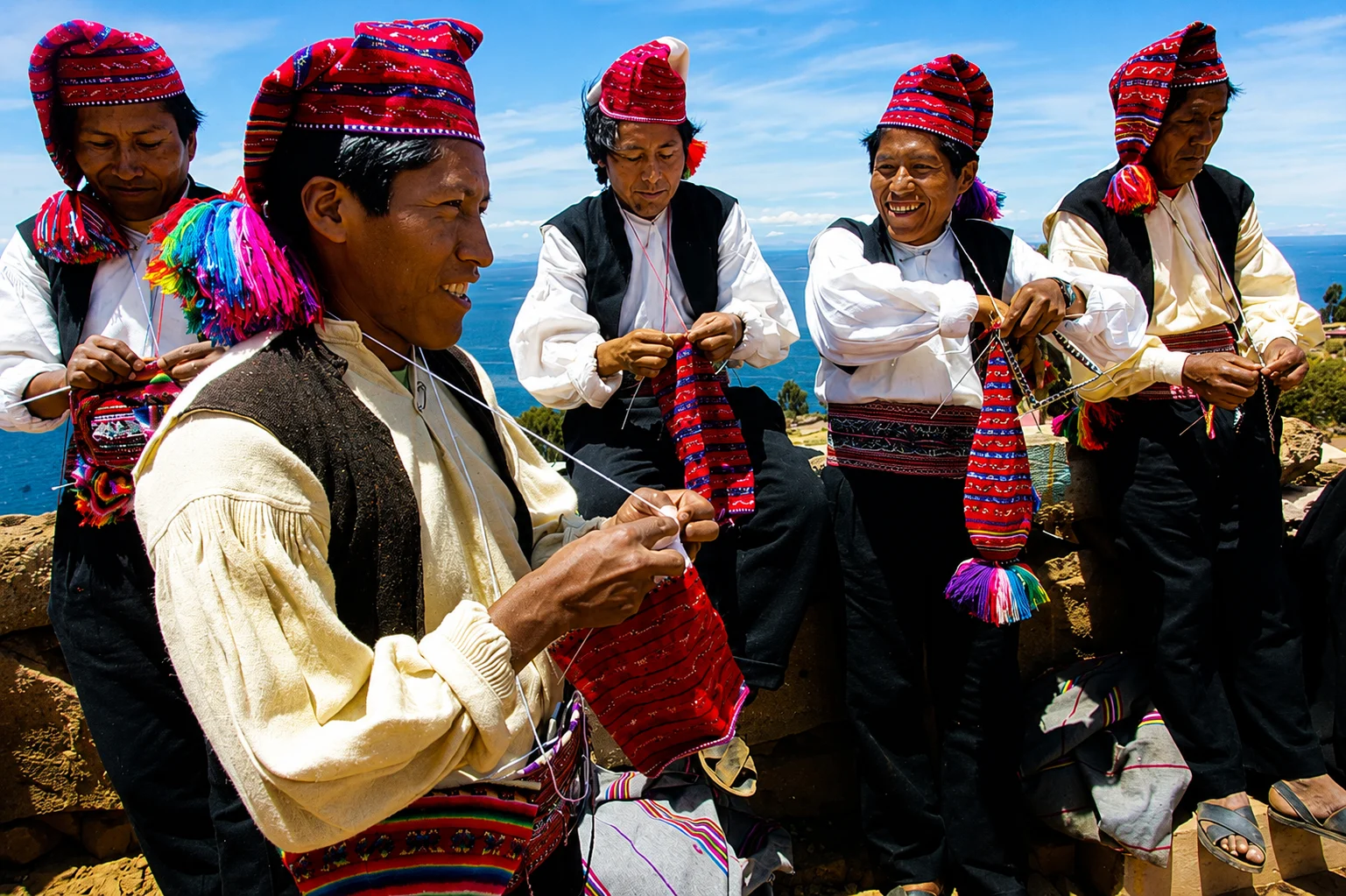
The full-day route normally begins with the Uros Islands and continues across the lake to Taquile. Both islands are visited on the same day, with no overnight stay. Taquile adds a different landscape and cultural setting, as well as a walk toward the main village or a local restaurant. The island is particularly known for its textile traditions and community-based tourism.
This is the classic choice for travelers who want to see more of Lake Titicaca without staying overnight. It is important to remember that the journey to Taquile takes a considerable part of the day. The tour provides greater variety, but it does not necessarily provide more time with the Uros community.
Uros, Amantani and Taquile: A Slower Two-Day Experience
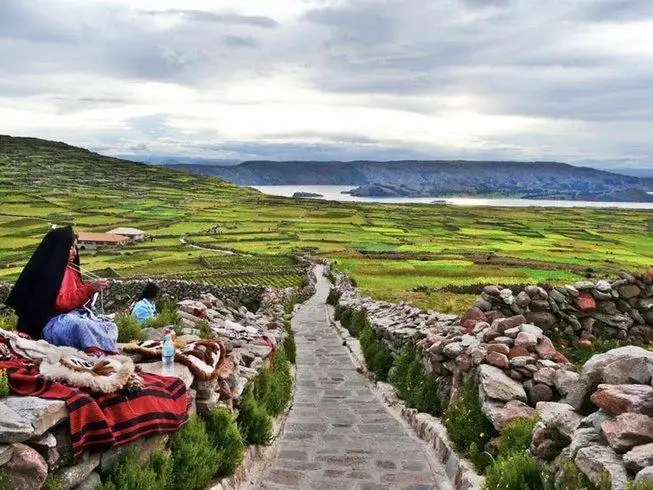
A two-day itinerary generally begins with a visit to the Uros Islands before continuing to Amantani, where travelers spend the night with a local host family. On the following day, the tour visits Taquile before returning to Puno. The exact schedule can vary slightly by operator.
The main advantage is time. Travelers can share meals, walk around the island, and speak with local families without returning to Puno on the same day. This option is better described as a more personal and community-based experience, rather than automatically calling it more authentic than every shorter tour.
Example Pricing for a Two-Day Private Tour
Private pricing is often calculated according to the number of travelers sharing the boat and guide. The total operating cost is divided among the group, so the price per person normally falls as the group becomes larger. The following example covers Uros, Amantani, and Taquile.
| Group size | Price per person | Main inclusions | Privacy |
|---|---|---|---|
| 2 travelers | US$190 | Private fast boat for two days, bilingual guide, one-night homestay, three Andean meals, and island entrance fees. | Fully private |
| 3 travelers | US$140 | Same private-tour inclusions. | Fully private |
| 4 travelers | US$116 | Same private-tour inclusions. | Fully private |
| 5 or more travelers | US$110 | Same private-tour inclusions. | Fully private |
| Shared group departure | US$50 | Basic shared service. Confirm meals, accommodation, transfers, and entrance fees before booking. | Shared with other travelers |
The difference between US$190 per person for two travelers and US$110 per person for five or more travelers does not mean the smaller group receives a longer tour. It reflects the cost of reserving a private boat and guide for fewer people. The shared US$50 option is cheaper because the transport and guiding costs are divided among a larger group, but the schedule is fixed and the service may include fewer elements.
Private or Group Tour: What Actually Changes?
The choice between a group and private tour affects more than the price. It changes the departure schedule, the pace of the visit, the number of questions you can ask, and how easily the guide can adapt the experience to your interests.
| Factor | Shared group tour | Private tour |
|---|---|---|
| Schedule | Fixed departure and return times. | Greater flexibility, subject to boat and community arrangements. |
| Group size | Often 15-25 travelers, depending on the operator and boat. | Only your party and the assigned crew or guide. |
| Pace | Follows a standard program for the whole group. | Can allow more time for questions, photos, or rest. |
| Route | Usually follows the most common islands and stops. | May include quieter stops when locally available and appropriate. |
| Price | Lower fixed price per person. | Higher for one or two travelers, but lower per person as the party grows. |
A group tour is usually the most practical choice for solo travelers and visitors focused on price. A private tour makes more sense for families, couples, photographers, older travelers who prefer a slower pace, and groups that want to stay together without sharing the boat with strangers.
What’s Included and What May Cost Extra
Tour descriptions can look similar while including different services. Small operator differences, such as the boat type, guide language, entrance fees, or hotel transfers, can significantly affect the final experience. Before comparing prices, check each inclusion line by line.
Services commonly included:
- Hotel pickup and return within central Puno, when stated by the operator.
- Boat transportation to the islands listed in the itinerary.
- A Spanish- or English-speaking guide, depending on the selected service.
- Island entrance fees on packages that explicitly include them.
- Lunch on some full-day tours and meals on some overnight tours.
Items that are often separate:
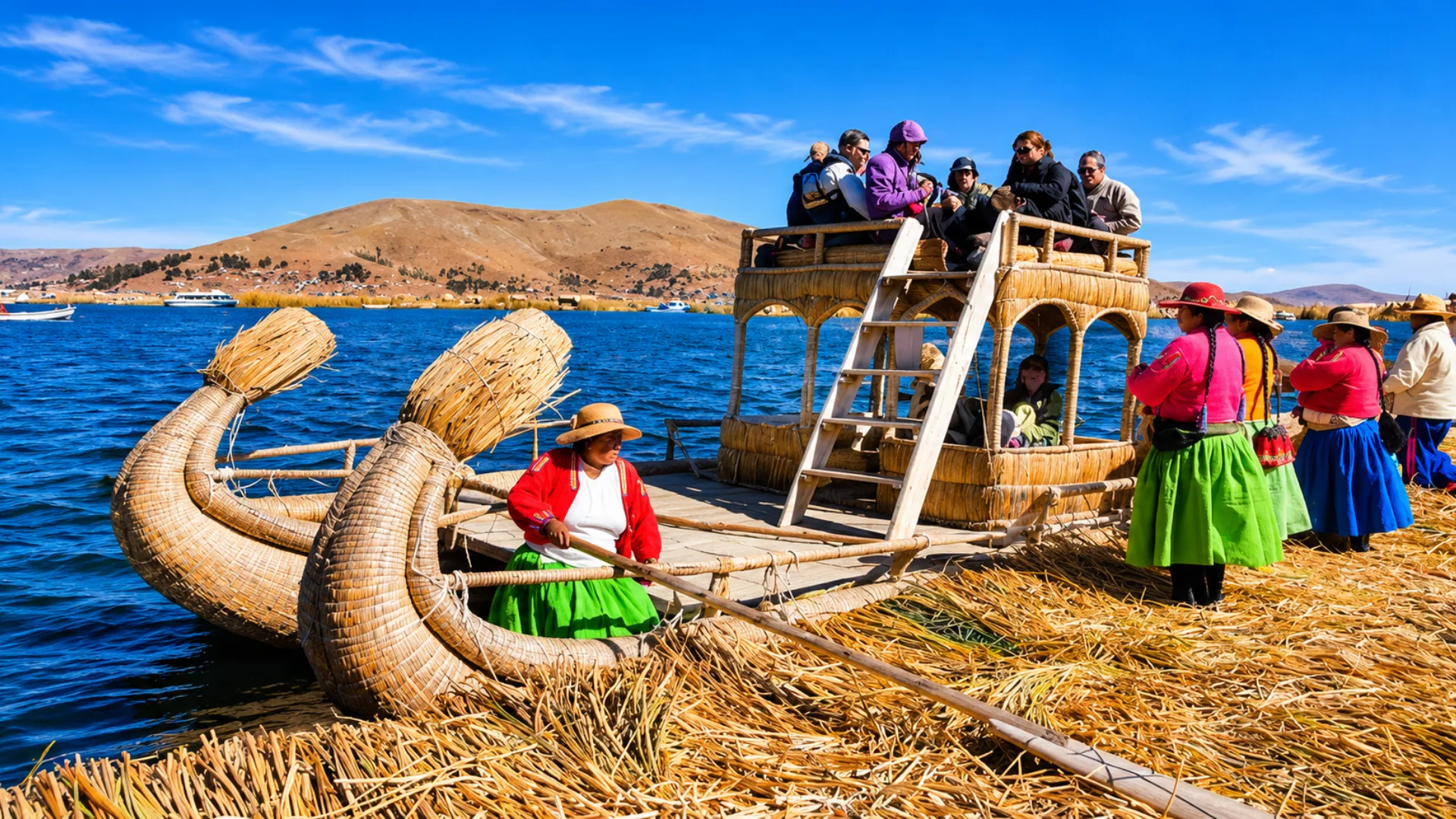
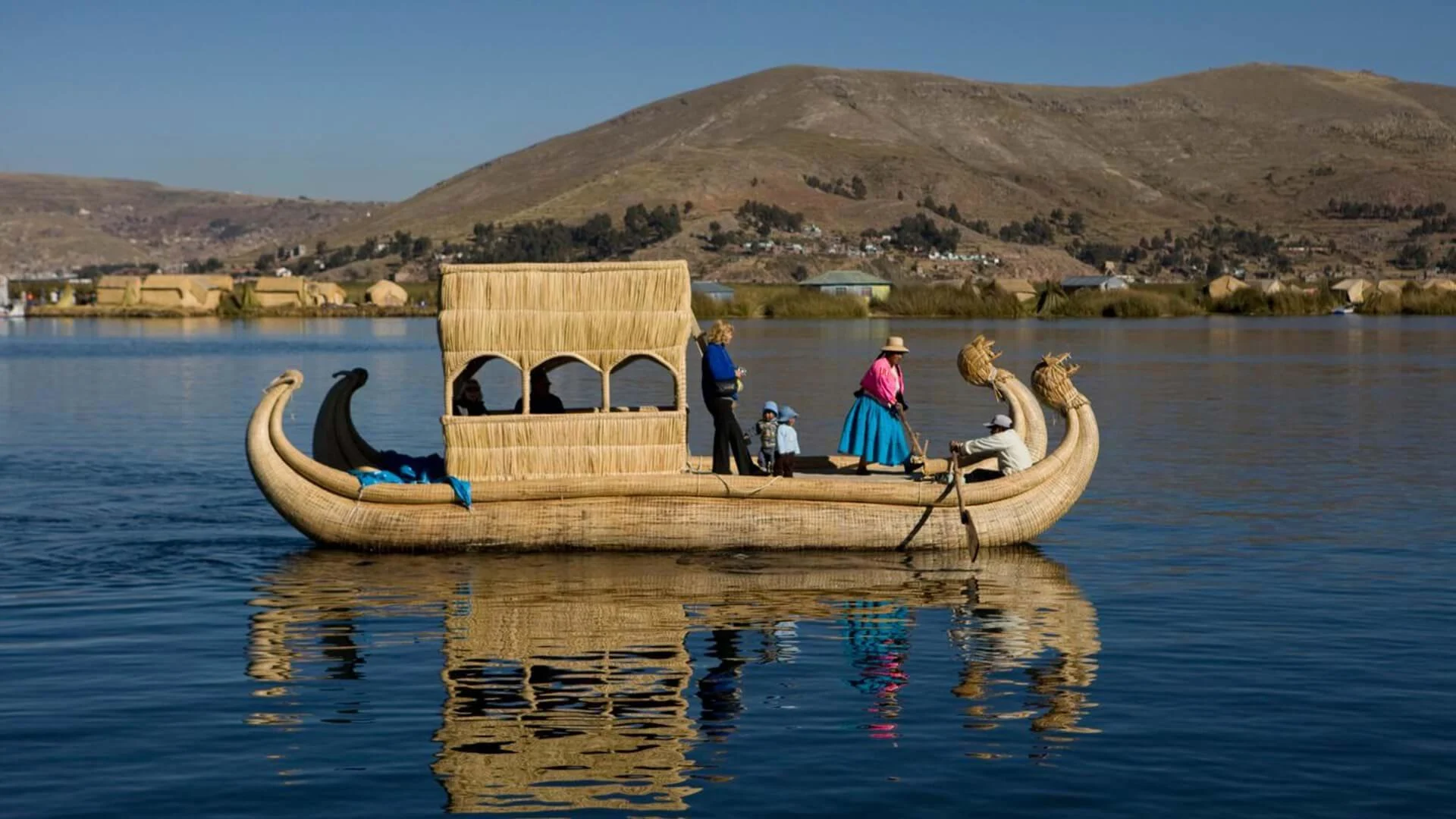
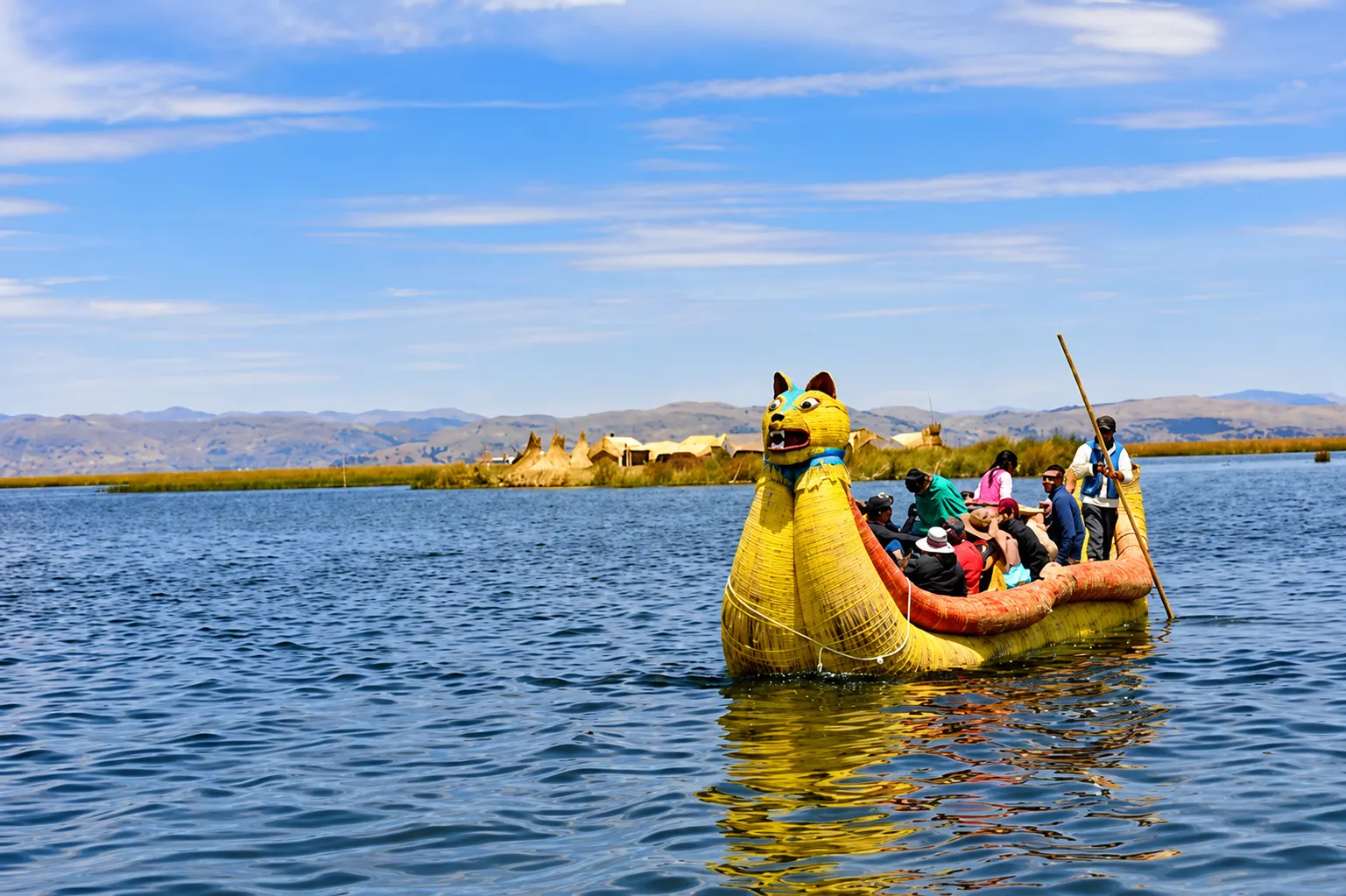
- The optional traditional reed-boat ride offered on the islands.
- Handicrafts purchased directly from local families.
- Drinks, snacks, or meals not listed in the itinerary.
- Tips for the guide, boat crew, and host family.
- Transfers from hotels outside central Puno.
Do not assume that the lowest advertised price includes the same services as a higher rate. A cheap group ticket may cover only basic transport, while another rate may include entrance fees, meals, a faster boat, hotel pickup, and a bilingual guide.
How to Choose the Right Tour for Your Trip
Choose a Half-Day Tour When Time Is Limited
This is the best match for a short stay in Puno, a late-afternoon departure, or an itinerary that already includes several destinations. Choose a small-group departure when possible if you want more time to hear the explanations and ask questions.
Choose Uros and Taquile for Variety
The full-day option is suitable for travelers who want two contrasting island experiences in a single day. Be prepared for a longer boat journey and some walking on Taquile. It is a good overall introduction to the lake, but it is not designed for travelers who want to spend most of the day only on the Uros Islands.
Choose an Amantani Overnight Stay for More Interaction
The two-day itinerary is appropriate when cultural exchange and a slower rhythm are more important than convenience. The accommodation is normally simple, and travelers should confirm room conditions, bathroom arrangements, meals, and what to bring before departure.
Choose a Private Tour for Flexibility
A private service is useful for families, private groups, travelers with mobility concerns, or anyone who wants the guide to adjust the pace. It can also offer better value when four or more people divide the total cost.
Getting to the Floating Islands from Puno
Tours normally leave from Puno’s port in the morning. The crossing to the Uros Islands often takes around 30 to 60 minutes, depending on the boat, weather, and the specific island selected for the visit. Some operators use standard covered boats, while others offer faster boats with more comfortable seating.
Boat type is worth checking before booking, especially during cold or windy weather. Travelers arriving from Cusco, Arequipa, or Bolivia should also confirm whether the tour schedule fits their arrival time. Spending the previous night in Puno is usually more comfortable than arriving and going directly to the port.
Best Time to Visit Lake Titicaca
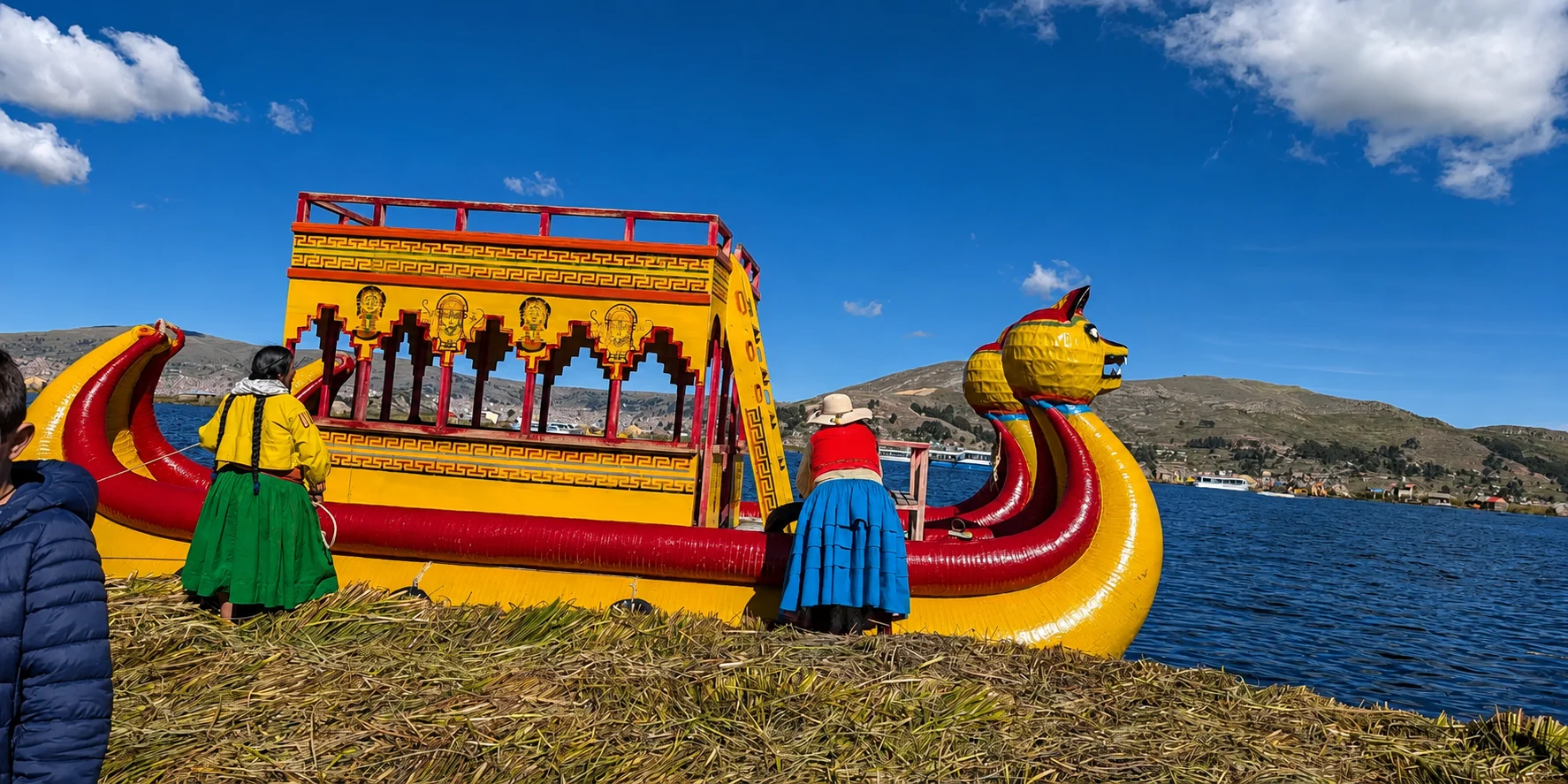
The drier months, generally from April through October, usually provide clearer skies and more stable conditions for lake travel. Mornings and evenings can still be very cold, and strong sun is common at high altitude. The wetter season, roughly from November through March, brings a greater chance of rain and changeable conditions.
Lake Titicaca is located at about 3,812 meters above sea level. Travelers arriving directly from lower elevations may feel the effects of altitude, so a slower first day, hydration, and adequate rest can make the visit more comfortable. People with medical concerns should seek professional advice before traveling at high altitude.
Understanding Tour Prices in Puno
Price differences usually come from the number of passengers, boat type, guide language, duration, included meals, entrance fees, and whether the service is private. Instead of comparing only the first number shown on booking sites, compare the complete service and confirm the final amount directly with the operator.
A half-day shared tour is normally the lowest-cost option. Full-day and overnight tours cost more because they include additional navigation, guiding, meals, and sometimes accommodation. Private prices are highest for solo travelers and couples, but the per-person amount becomes more competitive for families or groups of friends.
A Multi-Day Alternative for Travelers Coming from Cusco
A package that starts in Cusco and includes Lake Titicaca should not be compared directly with a half-day tour from Puno. It is a different type of product because it combines intercity transport, guided stops, accommodation, and the lake visit in one itinerary.
This option can be useful for travelers who want to reduce the number of separate reservations and keep the journey from Cusco to Puno under one operator.
Uros Expeditions Route of the Sun and Lake Titicaca Example
Uros Expeditions offers a 3-day, 2-night program that connects Cusco and Puno through the Route of the Sun and includes a full day on Lake Titicaca. The shared departure begins at US$200 per person. Private pricing changes according to group size, as shown below.
| Number of travelers | Private price per person |
|---|---|
| 1 traveler | US$665 |
| 2 travelers | US$410 |
| 3 travelers | US$350 |
| 4 travelers | US$310 |
| 5 travelers | US$285 |
| 6 travelers | US$270 |
| 7 or more travelers | US$200 |
On the first day, the route travels from Cusco to Puno with guided stops at Andahuaylillas, the Raqchi archaeological complex, La Raya, and the Pucara museum. The second day focuses on Lake Titicaca, beginning with the Uros Islands and continuing to Taquile for a community visit and lunch. The final day completes the programmed departure from Puno, according to the confirmed itinerary.
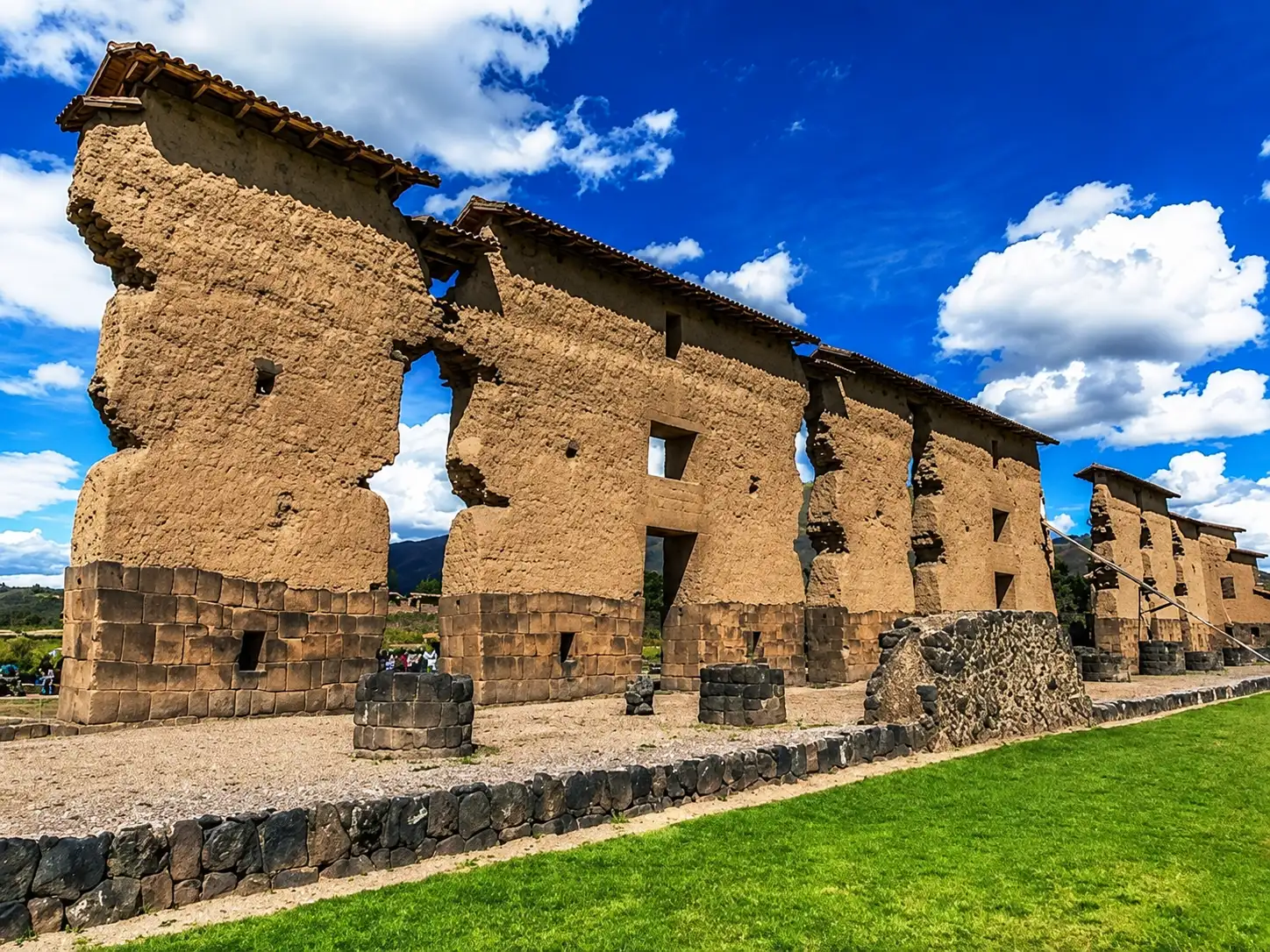
The package includes two nights of accommodation in Puno, the scheduled land and boat transportation, entrance fees listed in the program, guiding, and two lunches. Flights, dinners, personal expenses, and tips are not included unless the booking confirmation states otherwise.
This multi-day format is most suitable for travelers who are already planning to move from Cusco to Puno. Someone who is already staying in Puno and only wants to visit the floating islands will usually find a half-day, full-day, or two-day lake tour more direct.
Which Lake Titicaca Tour Should You Book?
There is no single tour format that works for every traveler. The best choice depends on your available time, preferred pace, budget, and interest in visiting additional islands.
- Book a half-day Uros tour when you have limited time and want a simple introduction.
- Book Uros and Taquile when you want to see more of the lake in one day.
- Book the Amantani overnight itinerary when you prefer a slower community-based experience.
- Book a private tour when flexibility, privacy, and personal attention matter more than the lowest price.
- Book a Cusco-to-Puno package when you want transport, accommodation, and the lake visit organized together.
Before paying, ask for the final itinerary and a written list of inclusions. This makes it easier to evaluate operator differences fairly and prevents unexpected costs at the port or on the islands, even when booking sites display similar-looking offers.
Frequently asked questions about Comparing Guided Tours to the Lake Titicaca Floating Islands
The islands are reached by boat, so transport must be arranged. Most visitors choose an organized service because it combines the boat, entry arrangements, and guiding.
The crossing usually takes about 30 to 60 minutes, depending on the boat, weather, and the island included in the itinerary.
Bring sun protection, warm layers, a windproof jacket, water, comfortable walking shoes, and some cash for optional activities, handicrafts, or tips. Temperatures can change quickly between the sunny afternoon and the cold morning or evening.