Waru Waru: The Ancient Andean Agricultural Technique Revived in Puno to Resist Climate Change
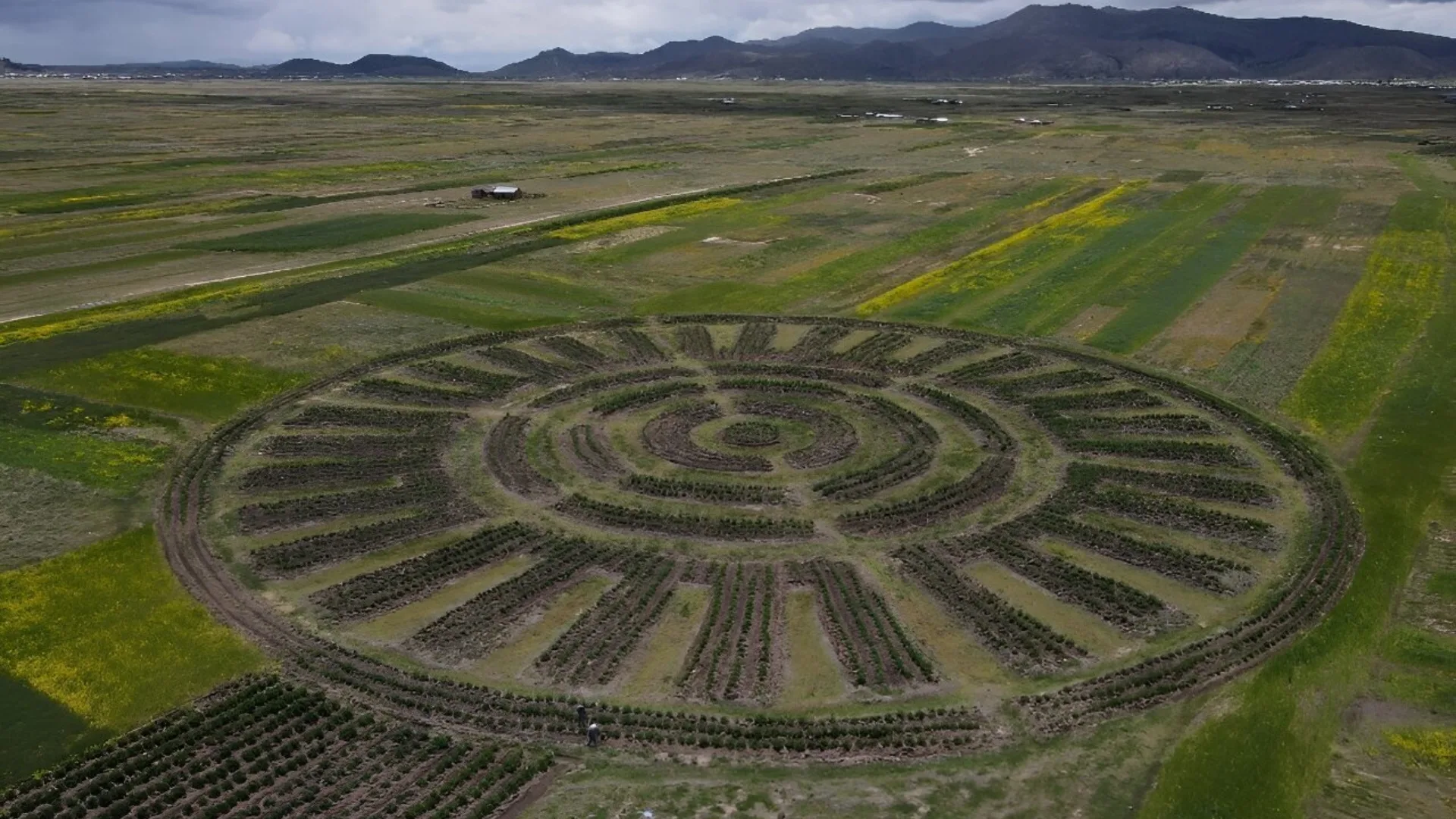
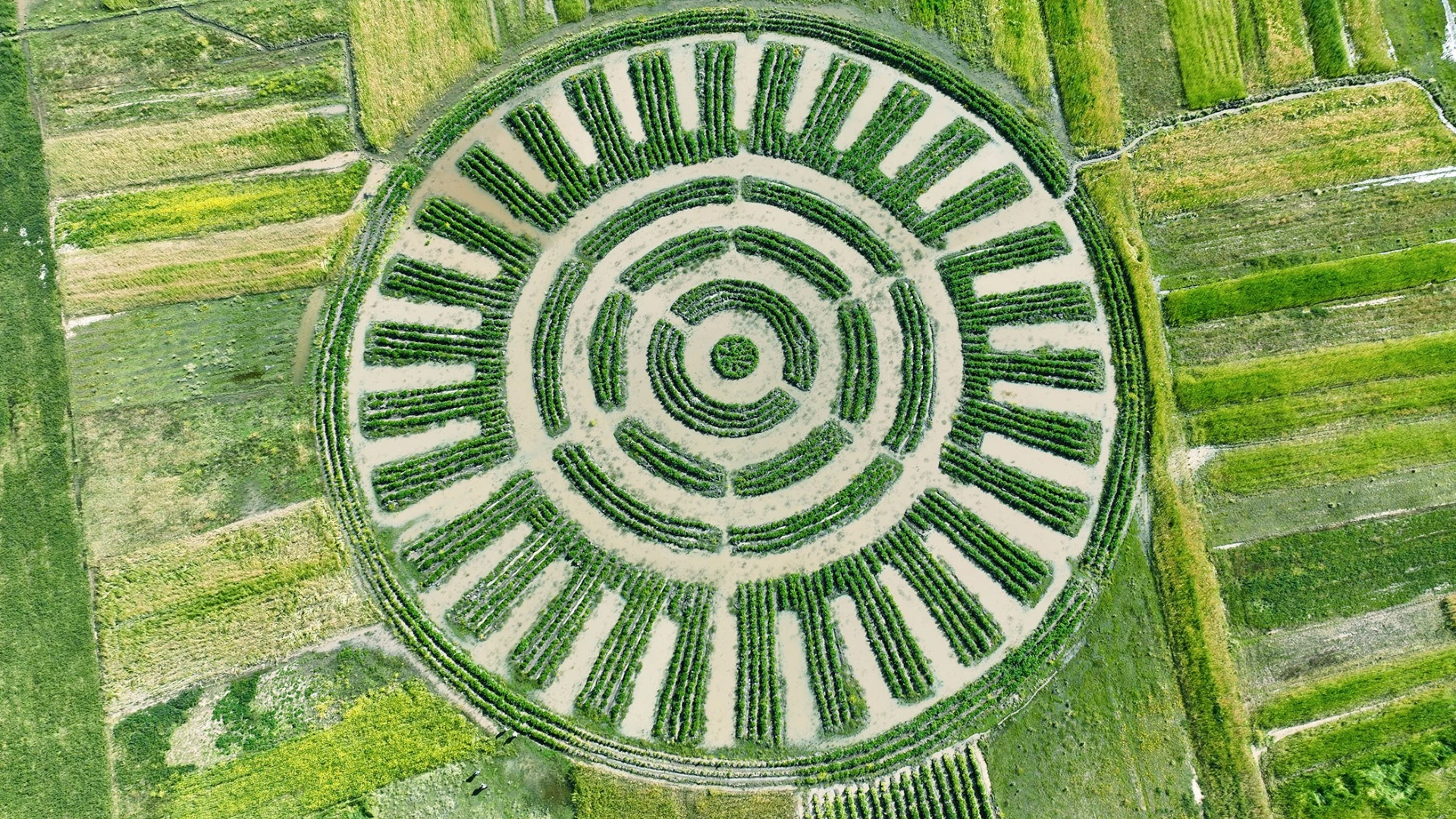
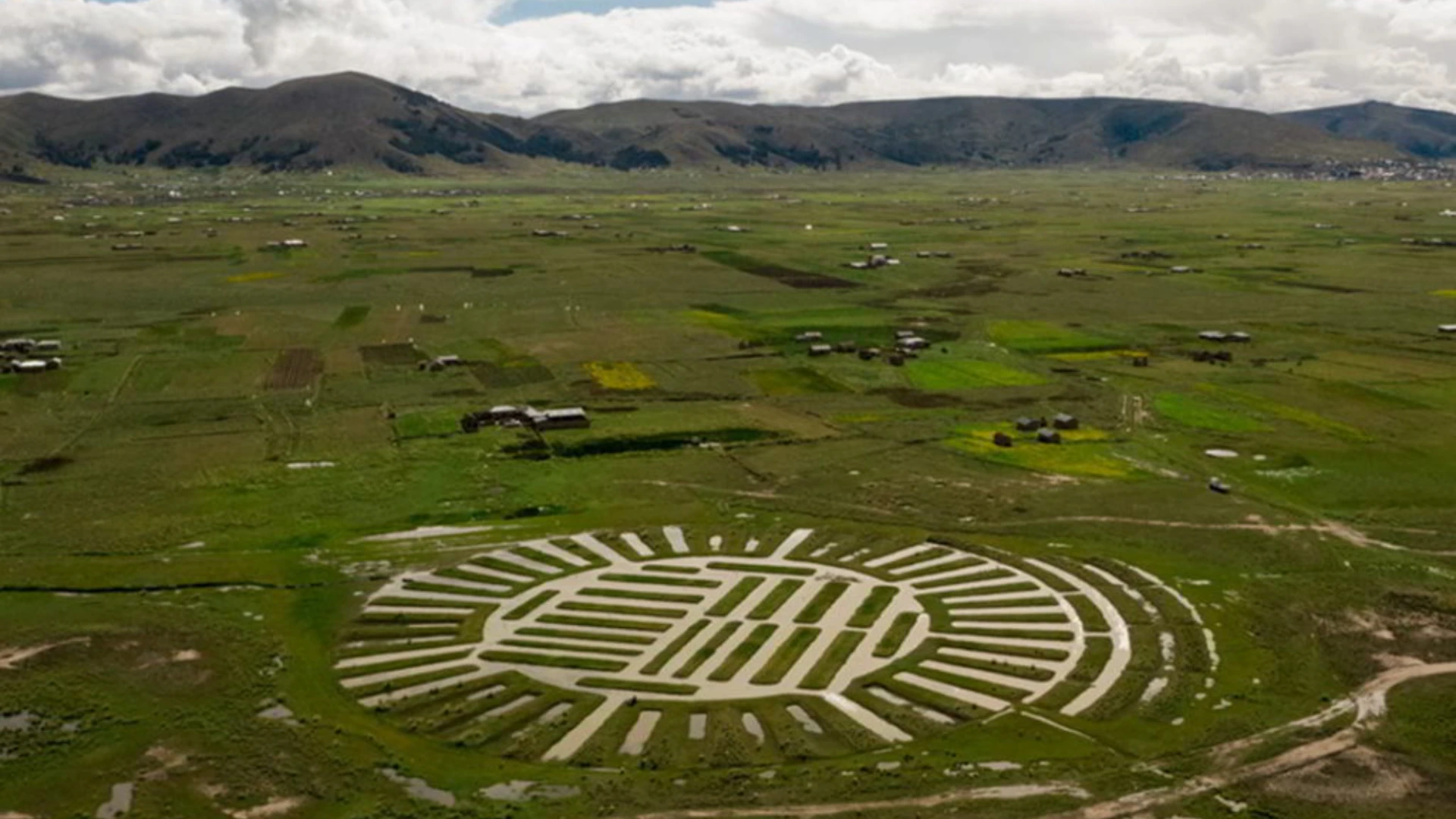
The waru waru system is one of the most astonishing achievements of ancient Andean engineering. From above, the long, raised platforms, surrounded by water, look like giant shapes spread out across the altiplano. For decades, travelers and residents have been thinking they might be geoglyphs or markers, and some even thought they were from aliens. Their true identity, however, is much more exciting: a thousand year old agricultural technology that communities in Puno are using to adapt to climate change.
Today, the waru waru system is not only an archaeological legacy but also a live, operating system allowing farmers to deal with frost, drought, and erratic weather patterns in the highlands of Puno, Peru.
What Waru Waru really is
To recognize the significance of this system today, we must examine Waru Waru itself and how it operates in the Puno area.
Meaning and Purpose of Waru Waru
In the Quechua and Aymara languages, waru waru refers to a raised agricultural bed often referred to as a “camellón” and surrounded by channels of water. The technique was developed to address the extreme conditions experienced in the region around Lake Titicaca, where nighttime temperatures can drop to threateningly low levels and the natural soil conditions are poor.
The water in the channels around the raised bed will absorb heat during the day and release it at night to create a micro-climate for the garden. This buffered thermal effect insulates the plants from the frost conditions that would otherwise devastate them.
The Return of an Ancestral Technology
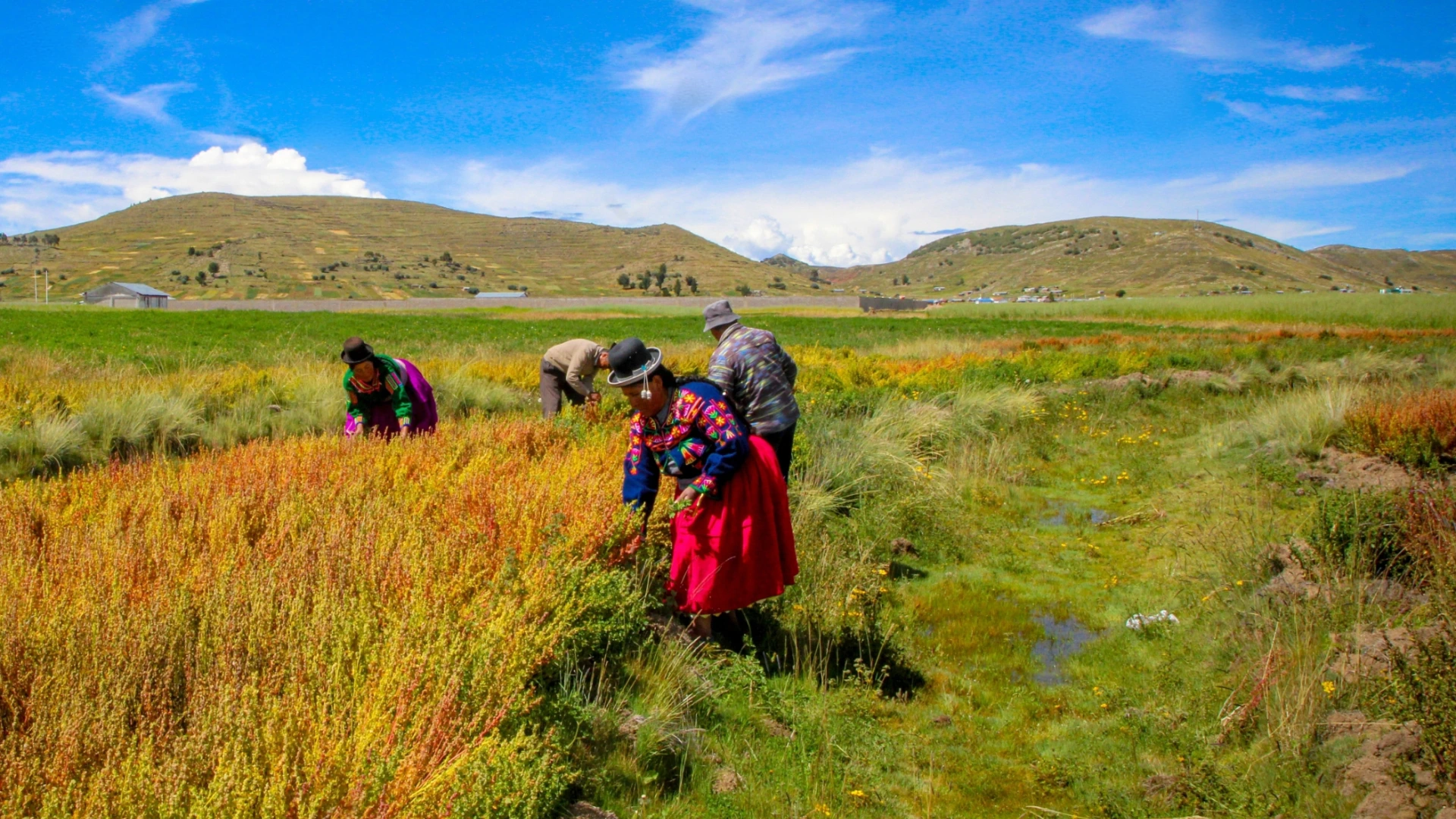
The weather instability has impelled farmers from Puno, to recover the use of this ancient system. Villages such as Acora, Huatta, and Coata, have successfully rehabilitated waru waru fields in Puno, which do not only protect plants from frost, but also preserve moisture during droughts.
These initiatives have converted waru waru into a model of climate change resilient agriculture, creating interest from researchers in Peru and internationally.
Historical Background of Waru Waru
Waru waru was developed over 2000 years ago among pre Inca Aymara peoples who had a deep understanding of the earth in all its complexity, including cycles of habitation and seasonal flooding, solar radiation, frost cycles and patterns of water hydrology. Waru waru was approximated, agricultural engineering ideally adapted to significant altitude.
This enabled the successful harvest of quinoa, cañihua, and literally dozens of varieties of native potatoes, even under sub optimal agronomic biomes.
Abandonment During the Inca and Colonial Periods
While the Inca Empire understood the significance of waru waru, it was not substantially adopted. The Inca put their effort into terracing and other larger-scale changes to the landscape. By the time Spanish arrived in the 1500s, waru waru fields were buried in sediment and vegetation, nearly lost.
It was only until the 1990s that researchers and local communities started reconstructing waru waru, unearthing buried historical knowledge and rejuvenating the fields.
How the Waru Waru System Works
Learning how the system operates gives us the understanding of why it is still so useful today.
Structure and Dimensions
A waru waru generally has:
- A raised earthen platform
- A water filled surrounding canal
- Natural drainage for excess water
- Sediment enriched soil via canals
Platforms can be 50-100 meters long, 4-10 meters wide, and around 1 meter high.
The Microclimate Effect
- Water takes in heat during the day.
- It gives off heat at night to avoid frost damage.
- This process protects crops and supports crops under extreme cold conditions.
In 2023 with frost at −20°C, waru waru fields produced food, and farmland soils failed.
Where to See Waru Waru in Puno
The most convenient waru waru locations in Puno include the following:
- Huatta
- Coata
- Capachica Peninsula
- The agricultural plains near Juliaca
- Areas around Lake Titicaca
These areas are particularly captivating during sunrise or sunset when the shadows underscore their raised profiles across the landscape. Many travelers like to bundle these experiences with trips to Uros Islands or Taquile, developing a greater sense of how Andean farmers developed adaptations to this landscape over time.
Waru Waru Revival in Modern Puno
In Acora, several waru waru platforms were reconstructed by Aymara farmers like César Cutipa, who explains that climate variability renders ancestral techniques vital.
The soil stays warm, crops persevere, and families remain food secure.
During the 2023 drought one of the worst drought years in sixty years the waru waru plots held water for long enough to maintain crop growth.
Benefits include:
- Moisture retention
- Regulation of temperatures
- Rejuvenation of soils
- Insulation against extreme frost
- Capacity to grow potatoes, quinoa, and cañihua during climate perturbations
Soil Fertility and Ecosystem Health
The waru waru a raised bed agricultural system allows sediment to be exchanged, contributing to soil richeness and biodiversity.
The canals provide habitat for amphibians, insects, birds, and aquatic plants, promoting greater ecosystem health.
Ancestral Climate Adaptation
As per agronomist Gastón Quispe, waru waru offers:
- resistance to frost
- resilience to drought
- soil erosion control
- natural irrigation
- stabilized soil temperatures
- improved yields, even under climatic extremes
This is why waru waru Puno is one of the most robust traditional systems of climate adaptation in the world.
A Natural Connection With Modern Puno Culture
What adds further significance to the story of waru waru today is that its relevance is not limited to agriculture. These ideas based on patterns of land and water have shaped many facets of contemporary identity in the region.
One example is Uros Expeditions, a tourism agency whose name is derived from the famous Uros Islands on Lake Titicaca. Its circular logo, with radiating lines coming from the center, was intentionally designed as a new interpretation of traditional Andean mark making. In this case, the circular shape represents the same relationship with land, water, and resiliency as the waru waru indicates.
For the communities of Puno, these ancestral techniques are more than historical artifacts. They continue to shape life, culture, and creativity in the region. And through initiatives like Uros Expeditions, the heritage of Puno travels far beyond the altiplano, sharing the same spirit of innovation and connection with the land that has guided Andean cultures for thousands of years.

Frequently asked quetions about Waru Waru:
It’s an ancient Andean farming method using raised beds surrounded by water channels that protect crops from frost and improve growing conditions.
Farmers brought it back because it handles frost, drought, and climate instability better than modern farming techniques.
You can visit active sites in Huatta, Coata, Acora, Capachica Peninsula, and the plains near Juliaca and Lake Titicaca.
The water channels absorb heat during the day and release it at night, keeping the soil warm enough to protect crops.
It increases soil fertility, saves water, boosts crop survival, and supports biodiversity in high-altitude ecosystems.