Sanctions and Codes of Conduct for Inca Trail Visitors
The Inca Trail is an adventure that should only be considered a privilege to undertake. The Inca Trail to Machu Picchu has rules that are set to prevent damage to this historic site and are therefore referred to as Inca Trail regulations that should be followed by all those who undertake this adventure. Breaking any of these rules will lead to Inca Trail penalties.
Knowing the visitor regulations on the Inca Trail, the regulations relating to Inca Trail permits, and the restrictions is imperative for all those intending to climb the mountain, regardless of the route chosen, be it the Classic Inca Trail or under the Short Inca Trail Permit regulations.
Understanding Inca Trail Rules and Regulations
The Inca Trail regulations are enforced to ensure the protection of archaeological sites, the maintenance of the sensitive ecosystems, and the safeguarding of the safety of the tourists. The Inca Trail rules form part of the national heritage protection system of Peru.
In contrast to general trekking paths on which people can climb at will, there are regulated entry conditions for Inca Trail hikes. The guidelines for Inca Trail provide rules for the number that can ascend every day, the number needed for a group, and camping spots.
Why Inca Trail rules are strictly enforced
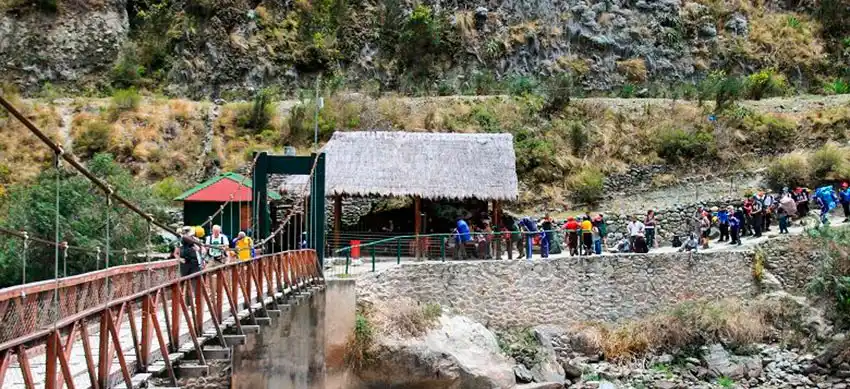
Since the route passes through areas with archaeological protection, Inca Trail tourist regulations are strictly monitored daily. Checking at points along the route as well as at camps is done to ensure Inca Trail tourist regulations are observed at all times.
Official Inca Trail Visitor Rules Every Traveler Must Follow
Regardless of the level of hiking expertise or distance, it is imperative for all trekkers to follow the guidelines for Inca Trail visitors.
Core Inca Trail visitor rules
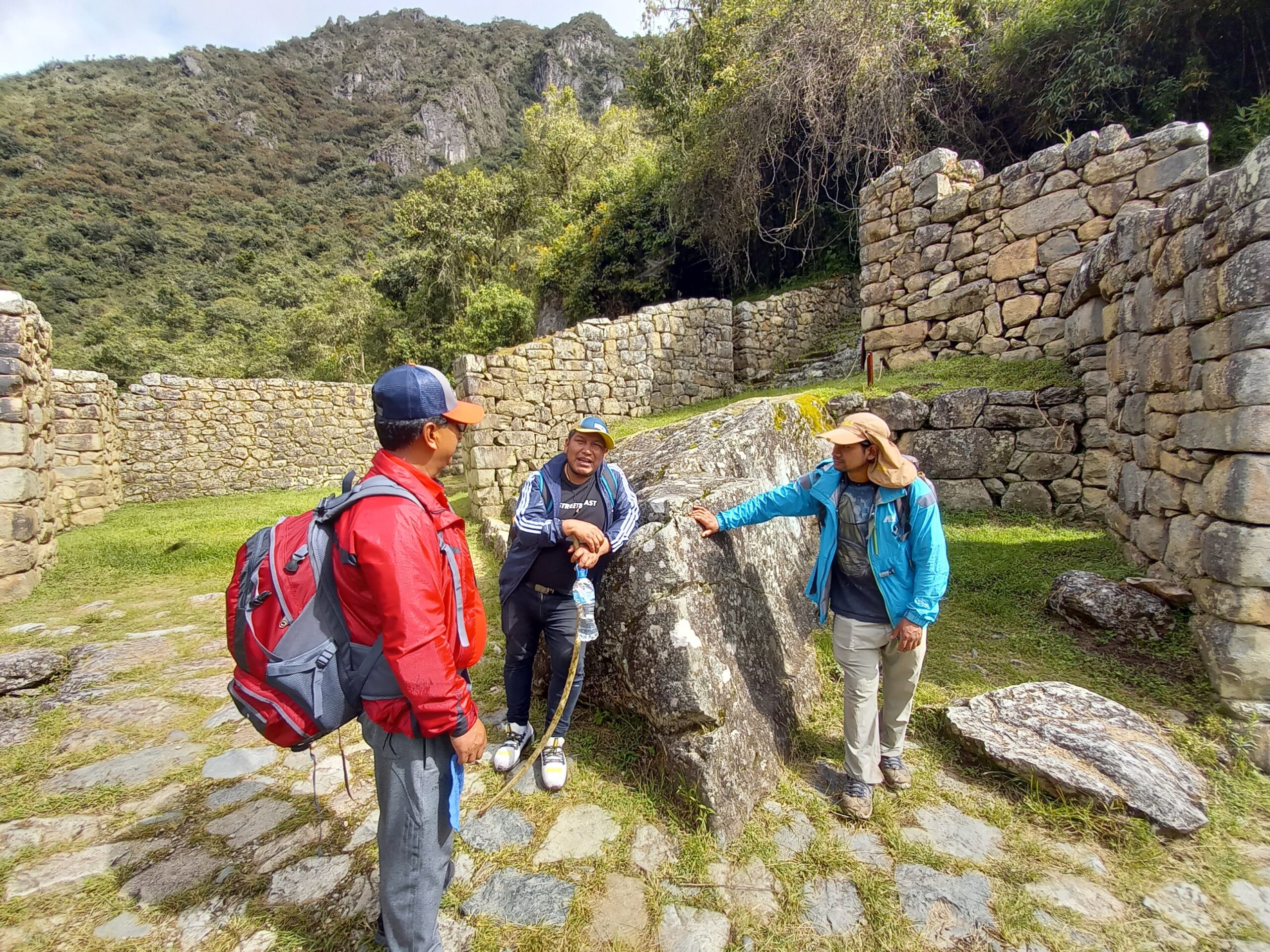
It is strictly necessary for travelers to hike accompanied by an authorized tour guide, possess proper identification documents, and comply with the guidelines of their guide. No solo hiking is allowed as, along with other Inca Trail tourist guidelines, hikers must stick to their allocated campsites.
Consequences of ignoring visitor rules
There are also penalties for violating visitor guidelines in the Inca Trail. Sanctions issued for violating the guidelines in the Inca Trail may include fines, confiscations of prohibited articles, and eviction from the Inca Trail without refunds.
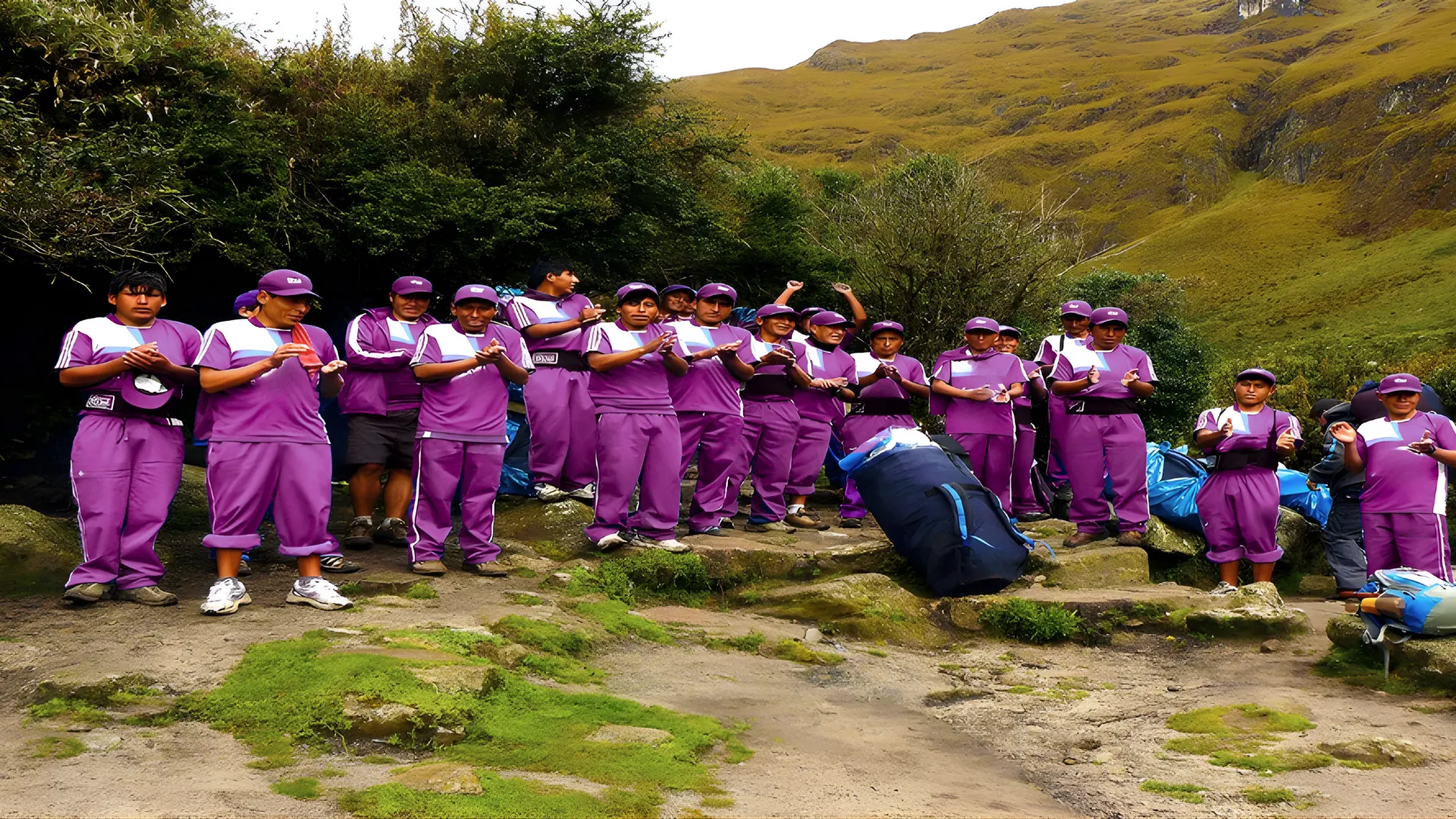
Inca Trail Regulations for Hikers: Allowed Activities and Restrictions
Norms and regulations involving Inca Trail trekkers include what is allowed and what is not allowed on the trail.
Inca Trail regulations for hikers
Trail users should stay in recognized trail ways, around archaeological structures, and within the allowed group size limits. Inca Trail rules concerning trail users are in force throughout the Inca Trail hike.
Inca Trail restrictions
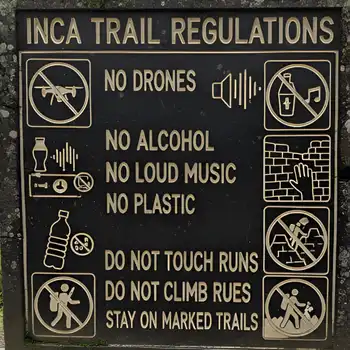
In case you were wondering, official Inca Trail rules prohibit flying drones, consuming alcohol, playing loud music, and using plastic. Also, touching and climbing ruins, as well as staying off trails, are not allowed in Inca Trail visitor guidelines.
Inca Trail Permits Rules and Access Requirements
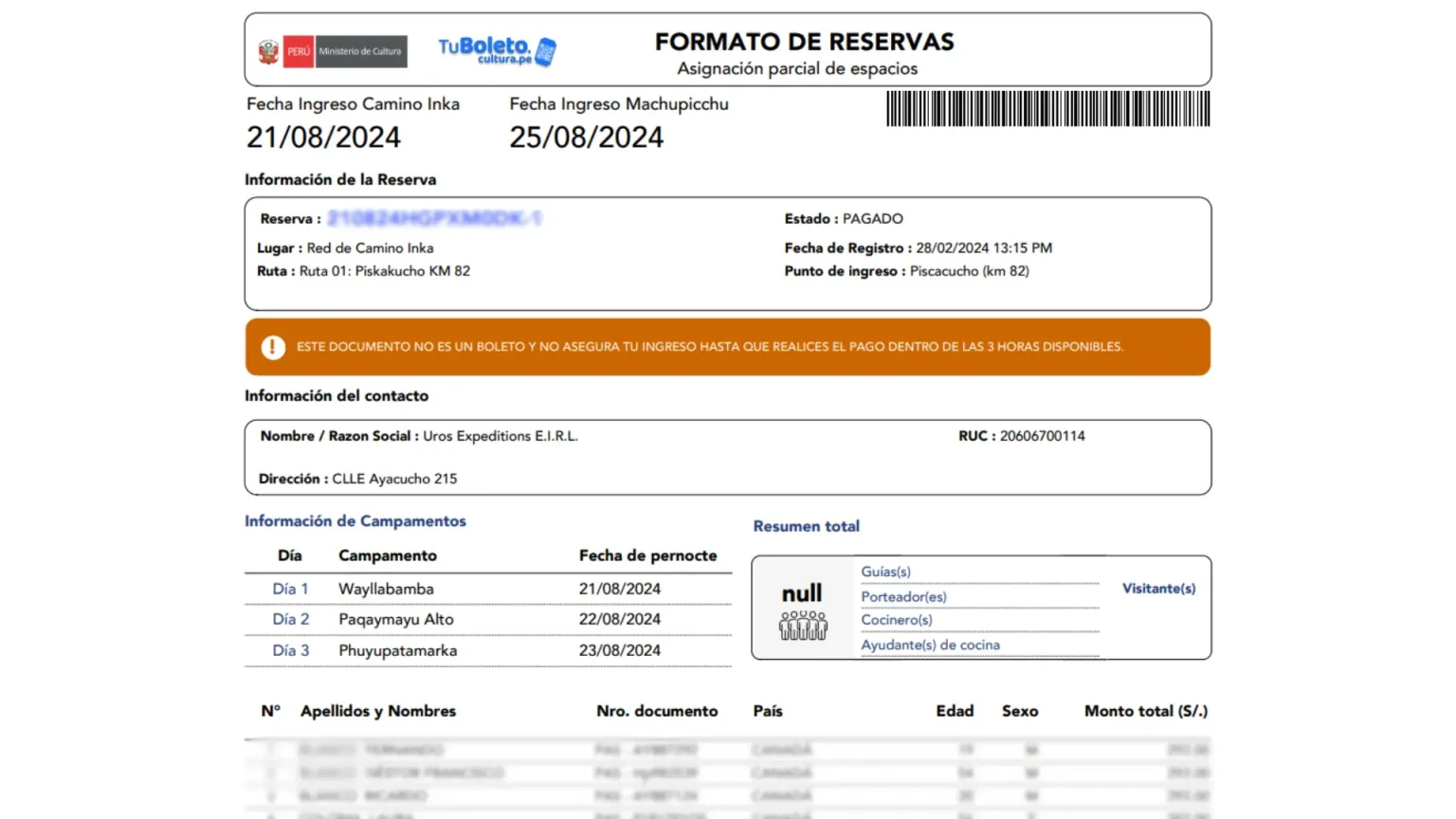
The use of the trail is managed by a permit system according to Inca Trail permits regulations.
How Inca Trail permits rules work
Inca Trail permits have to be booked in advance with approved tourist agencies and are tied to a person’s passport details. Inca Trail permits’ guidelines ensure a limited number of people are allowed each day to avoid overcrowding of the trail.
Permit violations and enforcement
Any discrepancy in personal details or unauthorized access is regarded as a breach of conditions concerning Inca Trail permits and may lead to instantaneous Inca Trail penalties such as revocation of permits.
Short Inca Trail Permit Rules: What Travelers Must Understand
The Inca Short Trail may be similar in terms of legal requirements to the Inca Full Trail despite being much
Inca Trail Permits: Understanding Short Trail Rules
The rules and regulations applicable to a Short Inca Trail issue some restrictions on having authorized tour guides and respecting Inca Trail visitor rules. The distance is not a factor in relation to responsibility.
Common misconceptions
Some adventurers think fewer rules apply on the Inca Trail for a short Inca Trail hike. In fact, Inca Trail permit rule breaches receive the same punishment for Inca Trail for a Classic Inca Trail hike.
Short Inca Trail Permit Rules vs Classic Route Regulations
Even though the Short Inca Trail is shorter in distance, the legal conventions applied to the Short Inca Trail are the same as those for the Classic trail. Legally speaking, there is also no diminished level of responsibility required for tourists. The regulations for Short Inca Trail permits are anchored on the same foundation as all Inca Trail regulations.
Key similarities between both routes
In order to hike under the rules for permits issued for a short Inca Trail, one must hike under the escort of authorized guides, have official entry permits, and abide by all rules concerning visitors to Inca Trail. Control of groups, recognition of identities, as well as checks by officials remain unchanged. Hence, rules concerning permits issued for a short Inca Trail remain as strict as those for a Classic one.
Misconceptions about the Short Inca Trail
One of the most common misconceptions is that fewer Inca Trail rules apply for the Short Inca Trail route. In actuality, any kind of infraction in the rules regarding actions, prohibited items, or permits for the Short Inca Trail routes will incur the same Inca Trail penalties that were incurred for the Classic Inca Trail. This is regardless of distance, as standards are the exact same.
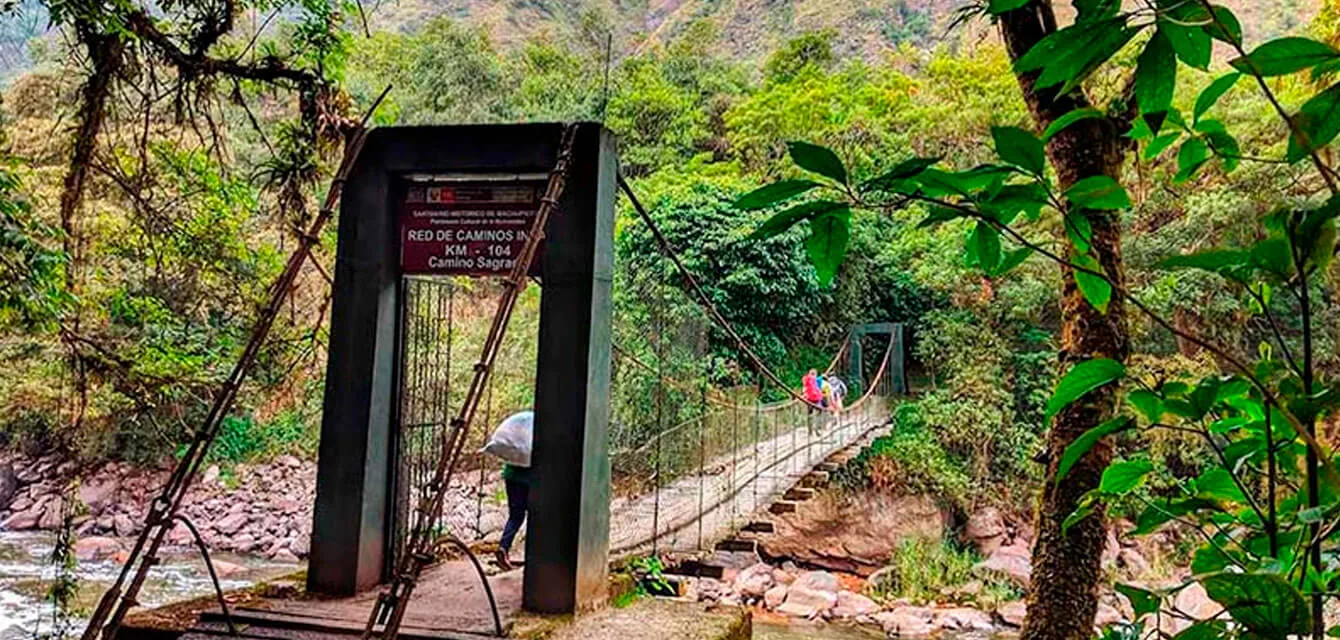
Stricter Enforcement of Inca Trail Rules and Regulations
Lately, there has been a stricter enforcement of rules and regulations required for hiking the Inca trail. The pressure on the environment has led to a stricter enforcement of visitor regulations on the Inca trail.
Today, Inca Trail regulations are considered binding legal standards, rather than just guidelines. Inca Trail infractions are recorded right away, and Inca Trail penalties will be imposed immediately on Inca Trail.
How Inca Trail Permits Rules Are Linked to Visitor Behavior
It is a common perception among tourists and trekkers that Inca Trail permits rules apply just during the time of Inca Trail permit bookings only. In reality, Inca Trail permits are conditionally
Breaking visitor rules on the Inca Trail, failing to heed restrictions on the Inca Trail, or failing to comply with a guide’s directions will immediately render a permit null and void. In these instances, sanctions on the Inca Trail are to be enforced without a refund.
Why Inca Trail Regulations for Hikers Improve the Experience
Looking past the perceived constraints, the Inca Trail regulations for trekkers ensure improved safety and quality.
Through control of group sizes and enforcement of campsite order, Inca Trail rules minimize crowds and safeguard special areas. Inca Trail tourist regulation guidelines help travelers enjoy a well-organized campsite and a real experience.

Inca Trail Sanctions, Penalties, and Enforcement
Inca Trail sanctions refer to the measures which are taken whenever there is a violation of the regulations.
Types of Inca Trail sanctions
Minor violations might result in official warnings or confiscation of forbidden material. Major Inca Trail violations include being denied a permit, being issued fines, or being expelled from the trail.
How enforcement works
The Rangers supervise the adherence to Inca Trail rules and regulations. Breaking the rules and regulations keeps getting stiff penalties for Inca Trail.
Impact of Inca Trail Regulations on Tour Operators
Regulations for Inca Trail apply to tourists and tour guides respectively.
Conversely, should the visitor flout Inca Trail visitor rules, the Inca Trail company will also be penalized for violating Inca Trail rules with the possibility of having its permit withdrawn or suspended. This is why the Inca Trail company enforces Inca Trail regulations among visitors very strictly.
Why Following Inca Trail Rules Protects Your Investment
The Inca Trail permits are limited. Not following the Inca Trail permit guidelines can mean leaving the trail early with nothing.
Failure to follow the visitor rules on the Inca Trail helps to conserve time, money, as well as travel arrangements.
Responsible Travel and the Code of Conduct on the Inca Trail
Final Perspective: Why Inca Trail Visitor Regulations Matter
Information regarding visitor guidelines for Inca Trail tourists is not a hindrance, but rather a protective mechanism. Tourists with knowledge and awareness of Inca Trail guidelines and rules enjoy smooth logistics, a better understanding of the culture, and fewer interruptions during their experiences.
Inca Trail rules adherence, Inca Trail restrictions, Inca Trail permits regulation adherence is what makes for a successful hike on Inca Trail.
Frequently asked questions about Sanctions and Codes of Conduct for Inca Trail Visitors
The main Inca Trail rules require visitors to hike with a licensed operator, carry a valid permit, stay on marked paths, respect archaeological sites, and follow guide instructions at all times. These Inca Trail visitor rules are legally enforced and apply to all hikers without exception.
Yes. Inca Trail regulations apply equally to the Classic Inca Trail and the Short Inca Trail. Although the routes differ in length, the same Inca Trail rules and regulations govern access, behavior, and environmental protection.
Violating Inca Trail permits rules can result in immediate penalties, including permit cancellation, removal from the trail, or fines. In serious cases, official Inca Trail sanctions may be applied without refund, even if the trek has already started.
No. Short Inca Trail permit rules follow the same legal standards as the Classic route. The belief that fewer Inca Trail restrictions apply to the short route is a common misconception. Violations lead to the same Inca Trail sanctions.
Under Inca Trail regulations for hikers, restricted items include drones, alcohol, loud music devices, and single-use plastics. These Inca Trail restrictions are enforced at checkpoints and campsites along the route.
Inca Trail sanctions exist to protect archaeological heritage, fragile ecosystems, and visitor safety. Strict enforcement of Inca Trail rules and regulations helps preserve the Inca Trail and ensures responsible tourism for future generations.