Discover the Qorikancha Ruins with Expert Expeditions in Cusco
Explore the Qorikancha (Coricancha), the Inca Temple of the Sun in Cusco: history, sacred spaces, Spanish colonial legacy, museum highlights, Inti Raymi festival, tickets, nearby sites, and why guided expeditions reveal its spiritual and political significance.
Coricancha Temple in Cusco
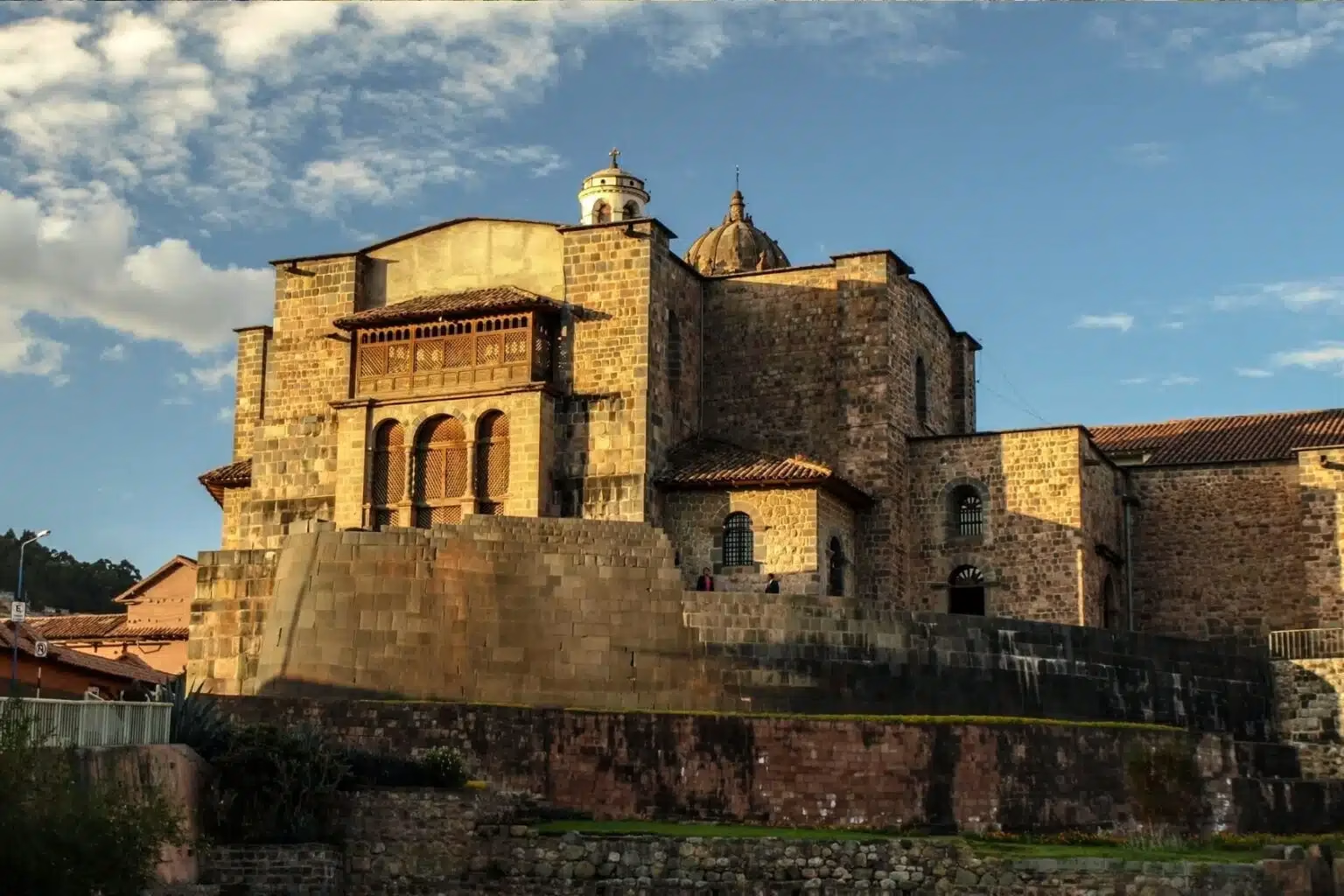
The Coricancha, or Qorikancha, is the Inca Temple of the Sun in Cusco. It is one of the most sacred and amazing examples of Incan architecture. Inside this amazing Incan temple, the walls were once covered with gold and silver sheets. This showed how important the Inca sun god was. Archaeological evidence shows that the “golden enclosure” had sculptures of plants and animals. These included corn, trees, birds, and even vicuñas, all made from precious metals.
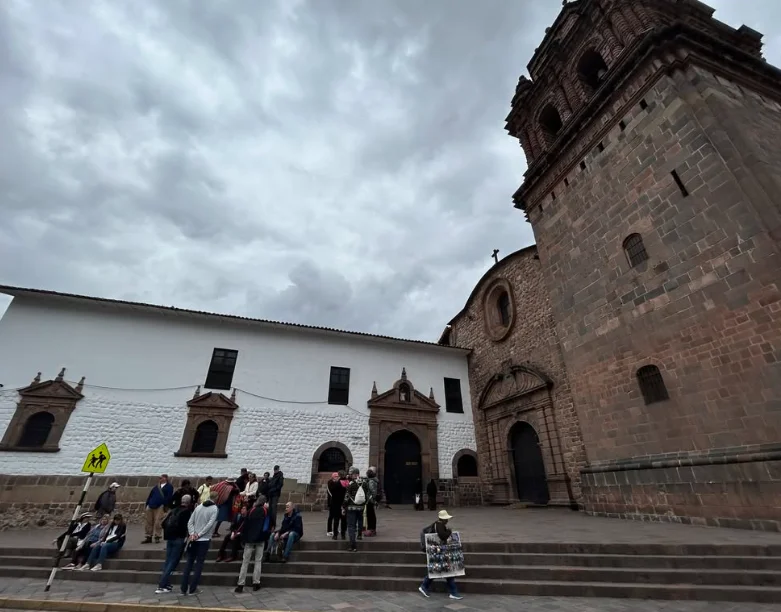
After the Spanish conquest, they built the Temple of Santo Domingo on the old Coricancha temple. This showed the Spanish dominance over the Inca civilization. Over time, the sanctuary was looted, losing much of its gold and silver decorations.
Despite this, the Qorikancha Cusco still demonstrates the advanced techniques of Inca stonework. The finely joined blocks, without the use of mortar, are considered a masterpiece of Inca architecture. The Temple of the Sun in Cusco was a place of worship and a center of power. Leaders and priests held rituals there for Inti, the sun god of Peru.
Today, you can visit the Coricancha in Cusco. It shows the Inca temples and the influence of the Dominican order from the colonial period. The Coricancha, along with nearby sites like the Temple of the Moon and other Inca ruins, is a must-see. It helps visitors understand the spiritual and political importance of the Incan empire.
Inca sun temple of Cuzco significance
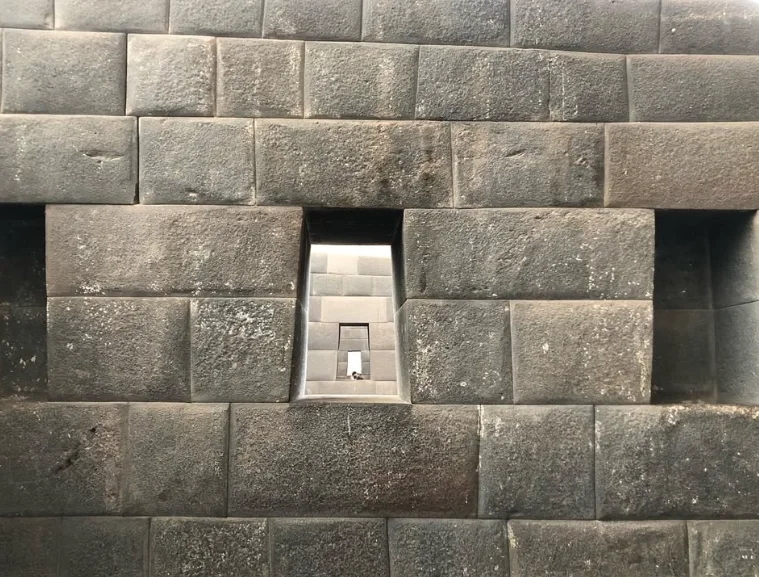
The Inca sun temple of Cuzco is significant. It served as the spiritual center of the Inca Empire. It was also the political center of the empire. Today, this amazing temple is called the Coricancha. It was once covered in gold sheets that showed the worship of Inti, the sun god. For centuries, Qoricancha Cusco has represented a connection between the earthly realm and the heavens. Visitors who explore Qoricancha Peru find not only history but also evidence of advanced Inca engineering, seamlessly merging stone precision with astronomical alignment. The temple is one of the most amazing sacred places. Its story still inspires curiosity all over the world.
Historical background of Qoricancha temple
The Qorikancha temple was the most important religious site in the Inca Empire. Built under the reign of Pachacuti, this sacred sanctuary symbolized the divine power of the sun. Within the city of Qoricancha Cusco, it was the epicenter of ceremonies, rituals, and offerings to Inti. The significance of the Coricancha cannot be overstated, as it reflected the prosperity and influence of the Inca civilization. Today, many historians studying Qoricancha Peru agree on a few key points. They believe that its design reflects the Inca’s deep understanding of cosmology. Additionally, it highlights their connection to nature.
Inside Coricancha temple and its sacred spaces
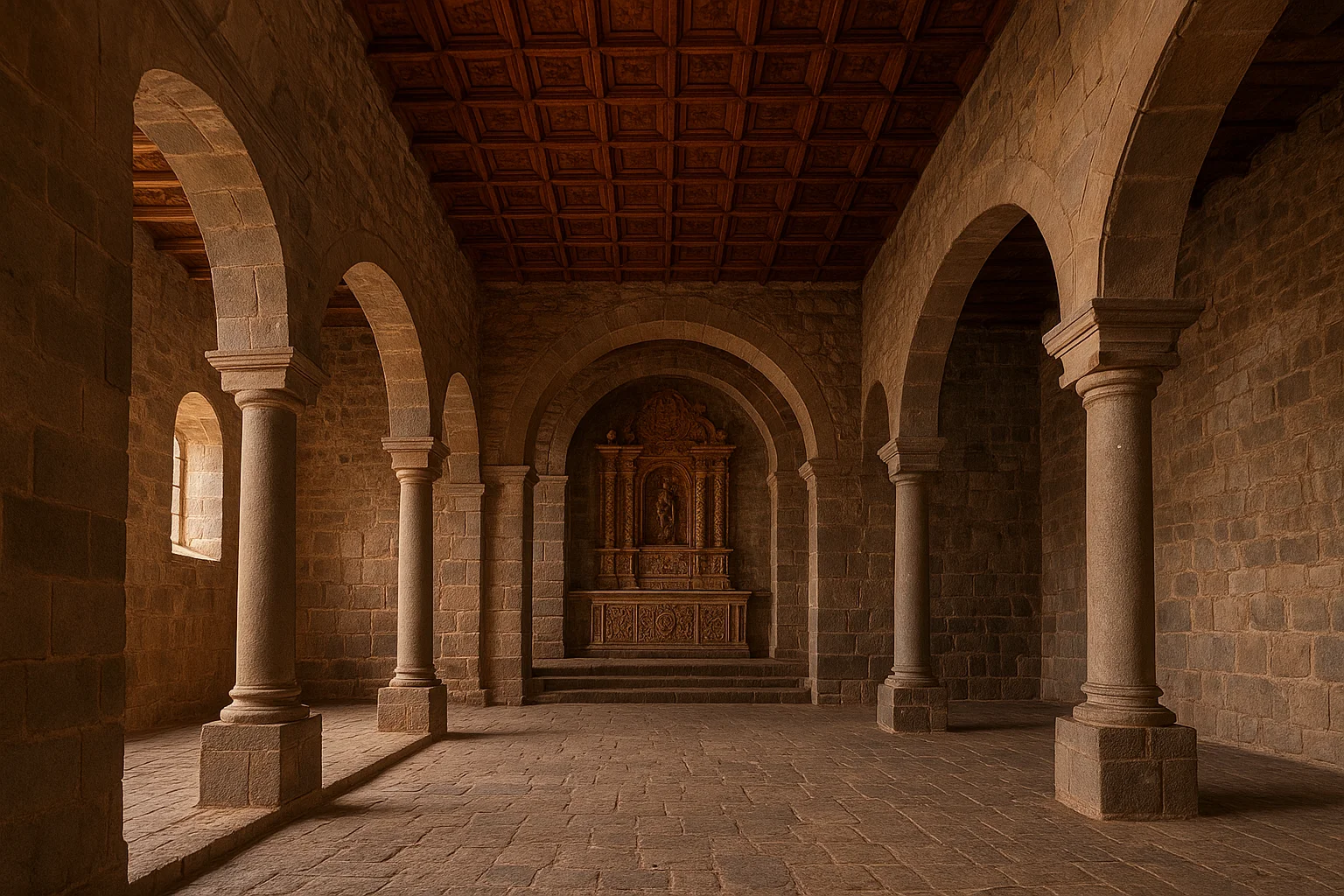
Walking inside Coricancha temple reveals a fascinating blend of Inca stonework and Spanish colonial architecture. The walls of the Qoricancha temple show amazing building skills. They have withstood many earthquakes that harmed other buildings. Inside, you can imagine the bright golden statues. There are holy gardens and ceremonial altars. These were part of the Qorikancha Cusco. Today, visitors exploring Qoricancha Peru witness a space that still carries deep spiritual energy, making the Coricancha an unforgettable cultural treasure.
The lasting importance of Coricancha
Even after the Spanish conquest, the Qorikancha temple retained its relevance as the foundation of the Santo Domingo convent. This transformation illustrates how the conquerors built upon the sacred spaces of the Inca, blending two worlds into one. For travelers learning about Qoricancha Cusco, it is clear that the site embodies resilience and cultural continuity. The Coricancha represents both glory and tragedy, telling the story of civilizations meeting through faith and power. Today, inside Coricancha temple still resonates with history, where walls of precision stonework remain a symbol of Inca strength. The Qoricancha Peru experience is therefore essential to understanding Andean heritage.
Why the Qoricancha temple continues to fascinate visitors
The enduring fascination with the Qoricancha temple lies in its mystery and beauty. For those who visit Qoricancha Peru, every stone speaks of the engineering genius of the Inca. Exploring inside Coricancha temple allows one to appreciate how rituals once shaped the empire. Many consider Qorikancha Cusco not just an archaeological site, but a living monument to human ingenuity and devotion. The Coricancha is known as the crown jewel of Inca sacred architecture. It shows the importance of the Inca sun temple of Cuzco.
The Incredible Architecture of the Coricancha Temple in Cusco
The Coricancha temple, or the Inca Temple of the Sun, is a famous and sacred site of the Inca Empire. Inside, the walls of the rooms were once covered with gold and silver sheets. This showed the great wealth and devotion of the Incas. Inside this “golden enclosure,” there were sacred images of gods. It also held samples of plants and animals. These included vicuñas, birds, trees, and corn, all made from precious metals.
The Spanish conquest led to the building of the Temple of Santo Domingo in 1530. It was built on the original foundations of the Qorikancha in Cusco. This construction symbolized the power of the Spanish over the Incas. Sadly, much of the temple was looted. The gold and silver that decorated its walls were taken away. Only traces of its former glory remain.
The history of the Qorikancha temple in Cusco shows the amazing building skills of the Incas. They made structures with stones that fit together perfectly. This architectural mastery gave the site a sober yet majestic aesthetic. People from all over the empire came here to worship and honor their gods. However, only the most important figures were allowed inside the sacred area.
Today, the Coricancha Cusco is a strong symbol of Inca and Spanish cultures. It attracts many visitors who want to learn about the Qorikancha. They are curious about its age, its meaning, and the size of this sacred temple at its peak. Its ruins continue to reflect the history, culture, and spirituality of one of the greatest civilizations of South America.
History of the Qorikancha in Cusco
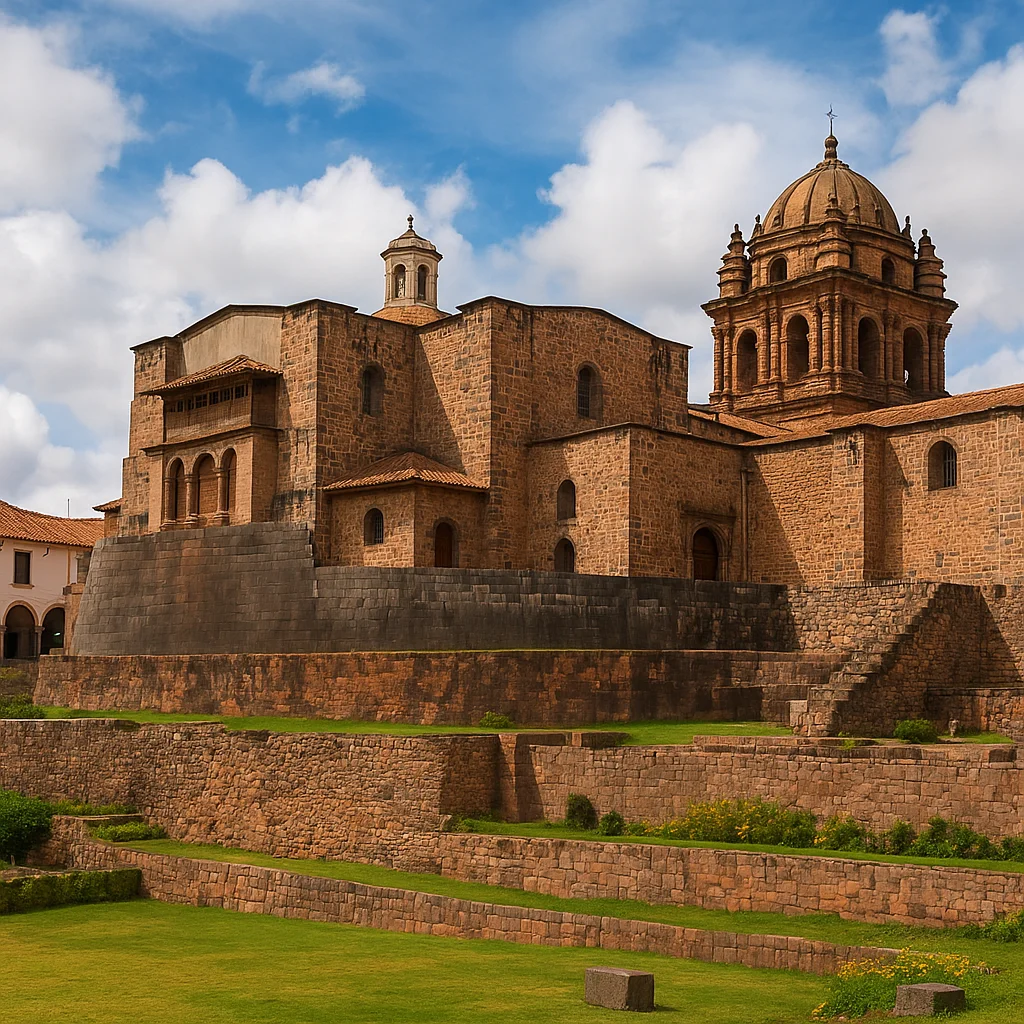
The Coricancha was built to honor Inti, the Peruvian sun god. It was decorated with gold images of plants, animals, and sacred figures. The Spanish conquest changed history. The Temple of Santo Domingo was built on the ruins of the Qorikancha in Cusco, Peru. Today, visitors can see both the impressive Inca stonework and the colonial architecture that rests on top of it.
Qorikancha Museum and Site Museum (Museo de Sitio Qorikancha)
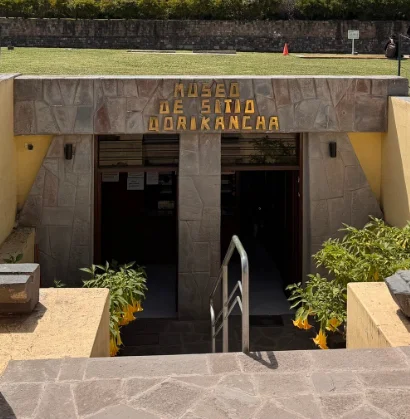
The Qorikancha Museum, also known as the Museo de Sitio Qorikancha, displays artifacts from the Inca and colonial periods. Its salas (rooms) include ceramics, textiles, and mummies that help explain the cultural and religious significance of the site. For travelers interested in history and Inca temples, it is a must-visit attraction in Cusco.
Architecture and Meaning of the Qorikancha Temple
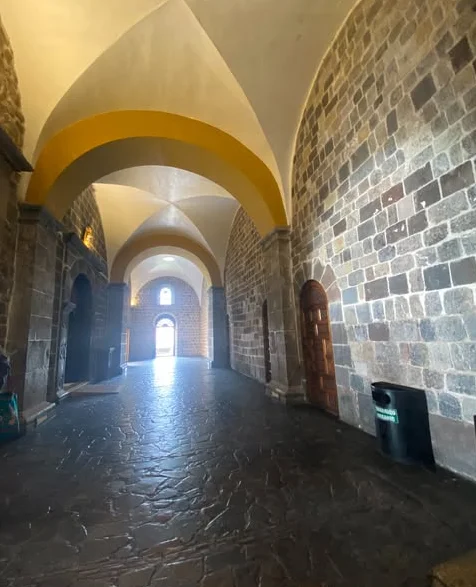
The remains of the Qorikancha in Cusco show advanced Inca building skills. The stones were cut and joined perfectly without using mortar. This precision reflects why Qorikancha (Temple of the Sun) is considered a masterpiece of Incan architecture. Its meaning (Qorikancha significado) was deeply spiritual, functioning as the center of worship and astronomical observation.
Visiting Qorikancha: Entrance, Tickets, and Hotels Nearby
Travelers can easily access the site, with the Qorikancha entrance fee included in the tourist ticket for Cusco. Many visitors choose hotels near Qorikancha. They often stay at the Katari Apart Hotel at Qorikancha or Hotel Qorikancha Cusco. This allows them to be close to this sacred temple. The Qorikancha opening hours 2025 make it easy to plan visits. You can visit nearby places like the Temple of the Moon Cusco and the Inca Museum.
Festivals, Tours, and Qorikancha Inti Raymi
The Qorikancha Inti Raymi festival happens every June. It brings back Inca traditions with music, dance, and gifts to the sun temple in Cusco. Guided tours highlight the cultural importance of several sites. These include the Inca Museum, Cusco Cathedral, and Qorikancha. They are all located near San Pedro Traditional Market. Modern guides describe the Qorikancha temple, in its modern state, as a fusion of Inca and Spanish influences.
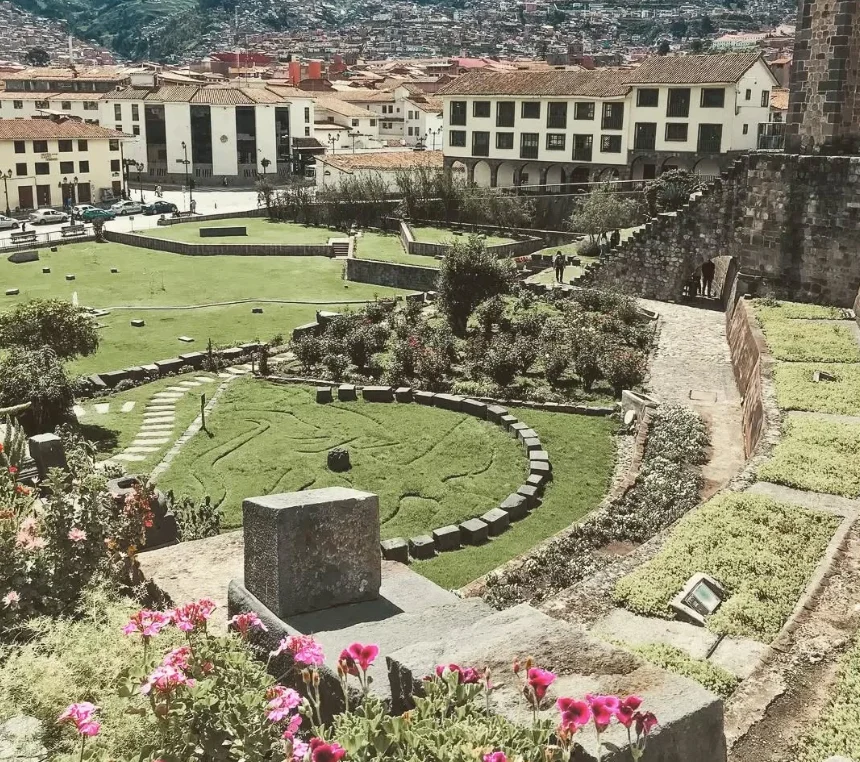
Qorikancha Photos
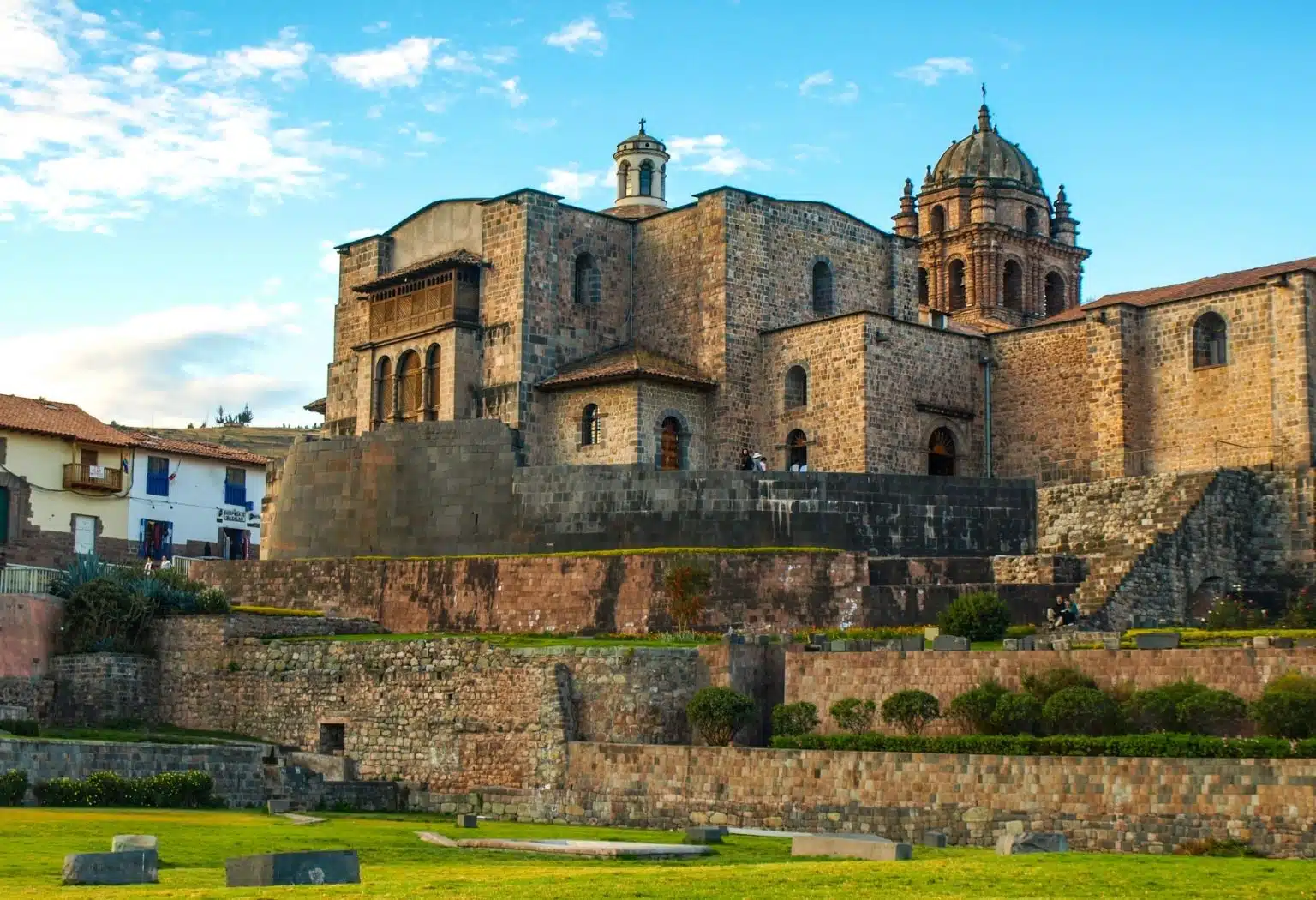
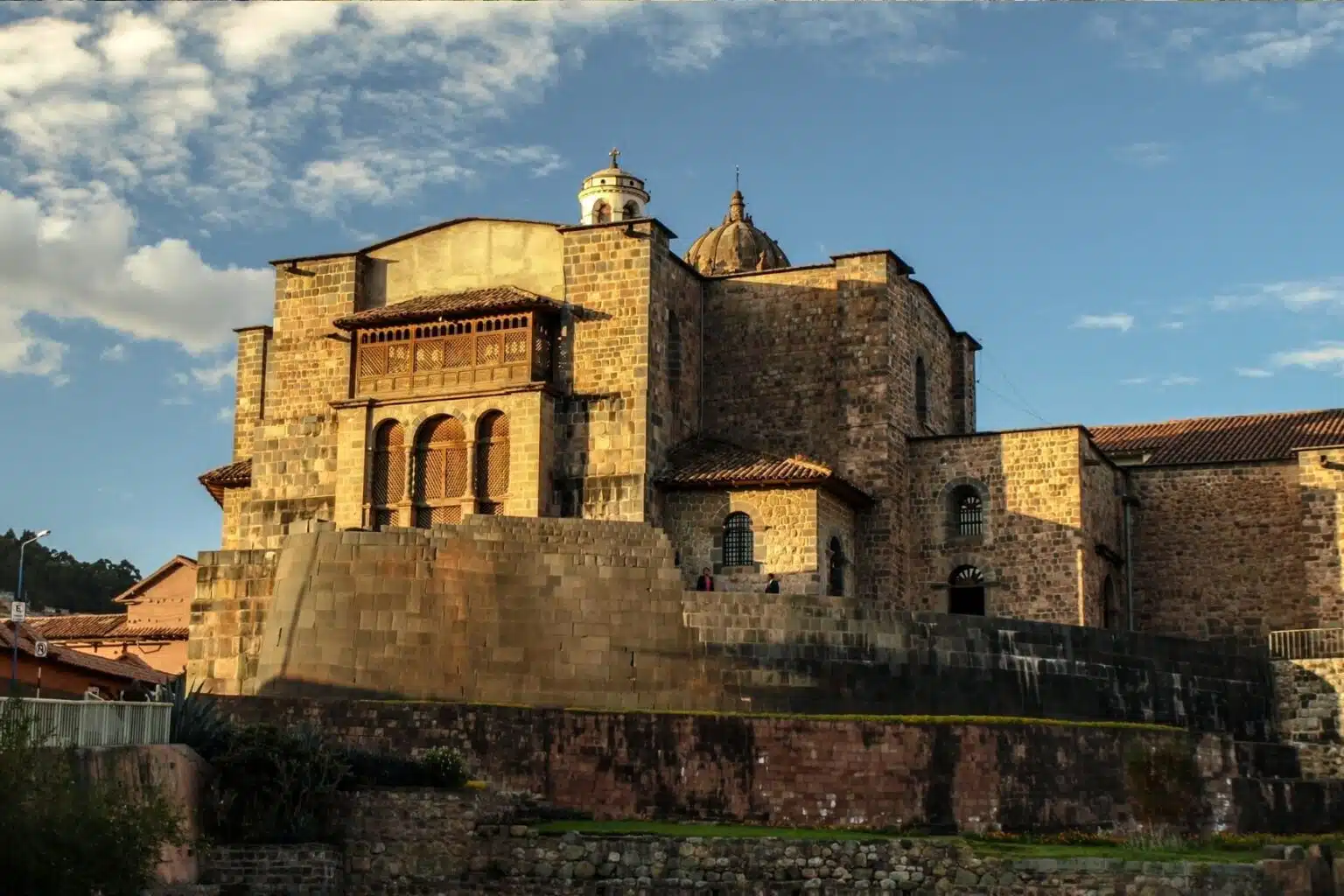
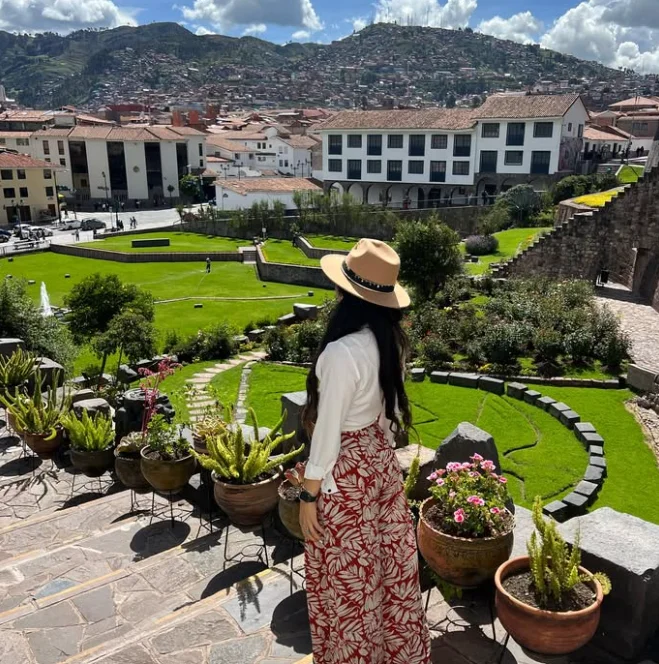
Here are our photos of the Temple of the Sun at Qorikancha in Cusco. These show both the inside and outside of this important temple from the time of the ancient Incas.
Sacred Sites Included in Qorikancha Expeditions
A Qorikancha expedition often goes beyond the temple. It encourages travelers to visit the Temple of the Moon Peru and the Machu Picchu Temple of the Sun. These sites help us understand Inca cosmology better. The sun, moon, and stars were very important in their beliefs and rituals.
Why Choose Qorikancha Expeditions in Cusco?
Travelers who book Qorikancha expeditions get more than just a tour. They enjoy a cultural journey led by experts. These guides bring history and spirituality to life. By visiting the Qorikancha ruins and nearby temples, tourists gain a deep understanding of Peru’s heritage. They learn why Cusco is known as the cradle of Inca civilization.
Frequently asked questions about Discover the Qorikancha Ruins with Expert Expeditions in Cusco
Cusco’s Qorikancha is about 600 years old. During the reign of Pachacútec, the Inca monarch, it was constructed in the fifteenth century. The original stone walls from the Inca period are still standing today. They show how well the design has lasted. This is true even with changes from earthquakes and the Spanish conquest over time.
Qorikancha is relatively easy to get to. The temple is situated in the core of Cusco’s historic district, only a few blocks from the Plaza de Armas. You may take a quick taxi, walk there in ten minutes, or incorporate it in a city tour that stops at Cusco’s major sites. It is one of the most accessible sights due to its central placement.
The most significant and revered temple in the Inca Empire was Qorikancha, also known as the Temple of the Sun. The name, which translates to “Golden Courtyard,” is derived from the Quechua words quri (gold) and kancha (enclosure). Chronicles state that gilded plates that reflected sunlight originally covered its walls. The Convent of Santo Domingo was built on this site. It now represents the Incas’ spiritual heart and shows how Inca and Spanish cultures blend.
In the 15th century, Inca Pachacútec constructed Qorikancha, which his successors further enlarged. Not even a piece of paper could slide between the precisely carved stone blocks that the Incas utilized. Experts and tourists from all over the world are still in awe of this degree of engineering and perfection.
The Convent of Santo Domingo was built on the original Qorikancha. The Incas established Qorikancha before the Spanish conquest in the 16th century. Spanish builders, not the Incas, constructed that section. Visitors today can see both the colonial church above and the Inca masonry below. This serves as a strong symbol of the mixing and clashing of two cultures.