Pozuzo Peru Travel Guide 2025: History, Culture & How to Visit
Pozuzo in Peru is a very unique destination for the country. Tucked away in a jungle valley of Pasco, this small town combines Central European heritage with the beauty of the Amazon and rural life of Peru. With its cultural traditions reflected in the architecture and food to the festivals and the surrounding environment, Pozuzo provides an experience that is completely different from anywhere else in Peru. This guide will take an in depth look at everything that makes Pozuzo such a wonderful place: its founding, how it continues to develop into a great place to visit today, and how to get there. Many travelers first hear about pozuzo peru when searching for off the beaten path destinations in the central jungle, and some even type the town’s name incorrectly as posuso when they start researching the exact pozuzo peru location on the map.
Pozuzo Peru
Pozuzo in Peru is different from what most people think of when they think of Peruvian towns. In 1859, Austrians and Germans crossed the Andes, and it was under difficult circumstances. Today it remains the only place where Central European culture coexists with the Amazonian rainforest. This introduction sets the stage for why Pozuzo is so unique its history, people, environment, and cultural identity. For anyone curious about the precise pozuzo peru location, it sits in a hidden valley of Pasco that feels worlds away from the coastal cities most visitors associate with Peru.
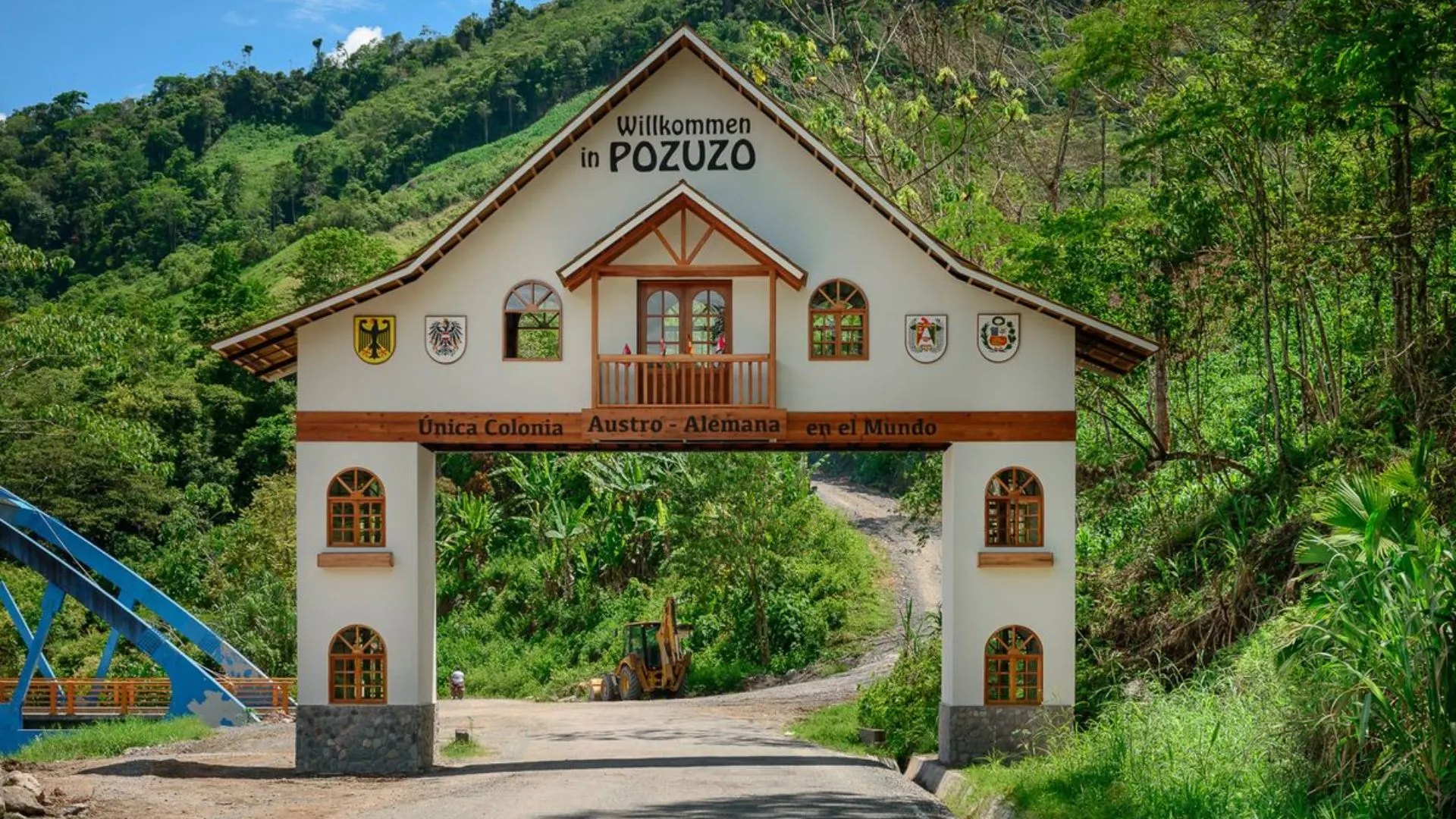
When you visit Pozuzo, you will see houses with steep roofs, you can enjoy homemade sausages and bread, you can learn the Tyrolean dances, and you can find names that are typical of Central Europe. At the same time, you will find Amazonian plants and animals, rivers that are tropical, and the influence of the Yanesha, all combined to produce the wonderful environment of Pozuzo. It is an excellent example of how different cultures can come together to form a place that is entirely its own, and this mix is exactly what makes pozuzo peru such a fascinating case study for travelers exploring lesser known corners of the country. Some blogs or tickets may even refer to the town as posuso, but they are still speaking about the same unique community in the central jungle.
Geography and Location: Pozuzo Deep in the Jungle
Pozuzo’s geographical characteristics contribute significantly to its culture and way of life. It is located remote, lushly green, and surrounded by the cloud forest, at the point where the Andes merge with the Amazon Rainforest of Peru. In this subsection, we will discuss how Pozuzo was formed and how its geographical features affect the culture and lifestyle of Pozuzo. Understanding this context also helps visitors visualize the real pozuzo peru location between the high Andes and the Amazon basin.
Pozuzo’s Position Inside Peru
Pozuzo is located in the Pasco Region in the Province of Oxapampa; it is on the eastern slope of the Andes mountains. Pozuzo’s position is at the midpoint between mountainous regions and the Amazon basin, so it has abundant water, lush greenery, and a warm humid climate. You can access Pozuzo via winding mountain roads that lead you down into the jungle valleys. For travelers planning routes, knowing the pozuzo peru location helps link Lima, La Merced, Oxapampa, and Pozuzo into a single overland circuit through the central jungle. This is why many destination guides refer to pozuzo peru as a natural bridge between the Andes and the lowland rainforest.
Elevation: Pozuzo Height
Pozuzo is at an elevation of approximately 731 meters (2,400 ft), which keeps the temperature mild without being unbearably hot. Due to this elevation, Pozuzo has a tropical climate with cool nights and humid days. Depending on the weather, the abundance of plant and animal life and opportunities for outdoor activities are present throughout the year.
Administrative Identity: Pozuzo Where It Belongs
Understanding the administrative structure of Pozuzo aids in establishing its identification to the greater region. Pozuzo is a small community that occupies a defined role in the provincial structure, and is also part of a greater cultural and ecological framework.
Pozuzo serves as the district’s capital in the Oxapampa District. As with all of the Oxapampa-Asháninka-Yanesha Biosphere Reserve, Pozuzo is an area of great cultural and ecological significance. These attributes have earned UNESCO’s recognition of the district as a UNESCO World Heritage Site. The coexistence of indigenous cultures, descendants of European settlers and migrant cultures from other areas of Peru demonstrate the area’s diversity. In many official documents, the pozuzo peru location is described in the context of this biosphere reserve, emphasizing that pozuzo peru is both a cultural enclave and an ecological hotspot.
The Origins of Pozuzo Peru: A Full Historical Overview
Its history is one of persistence, cultural preservation, and the ability to adapt to an extremely harsh environment. The aim of this work is to research the background of the settlers, the challenges they faced, and how their traditions have survived for over 160 years.
Why Pozuzo Exists
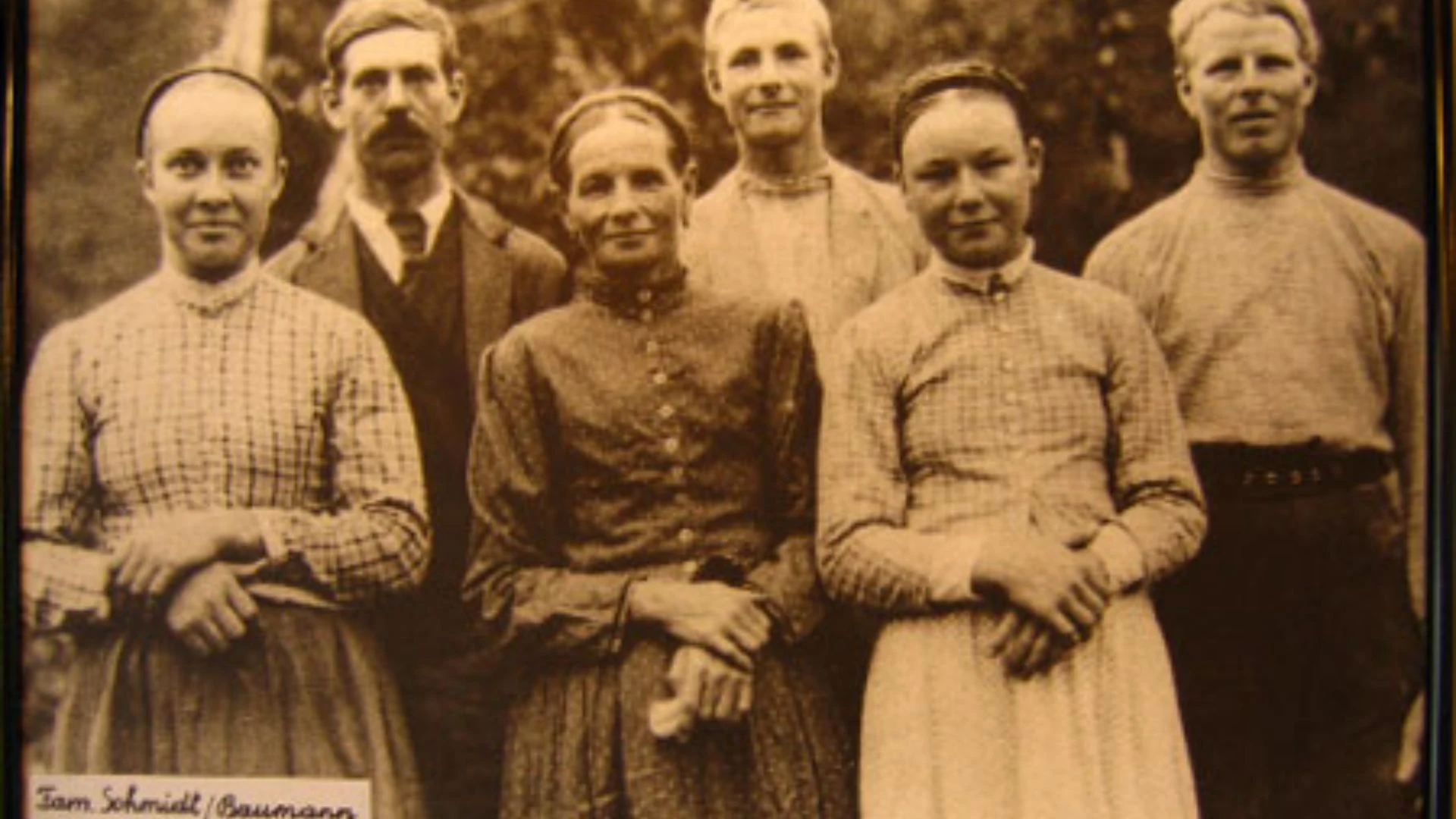
Pozuzo was founded by Austrian and German families that came to Peru during the mid-19th century in search of land for farming, religious freedom, and an opportunity to found a community based on their ideals. Encouraged by the government of Peru, they set off on one of the most difficult migrations that has ever been recorded in South America.
The Journey Across the Andes
The route of the settlers went from the coast through cold Andean passes, deep valleys, and dense forests. Many fell to disease, hunger, or exhaustion. Of more than 300 migrants, about 170 survivors arrived in what would become Pozuzo in 1859. Their survival shaped the community’s identity and remains a source of pride in local culture.
Cultural Preservation
Even in isolation in the jungle, settlers kept distinctive features of Central European culture. That is:
- Wooden Alpine style architecture
- Traditional European breads, pastries, sausages, and beer
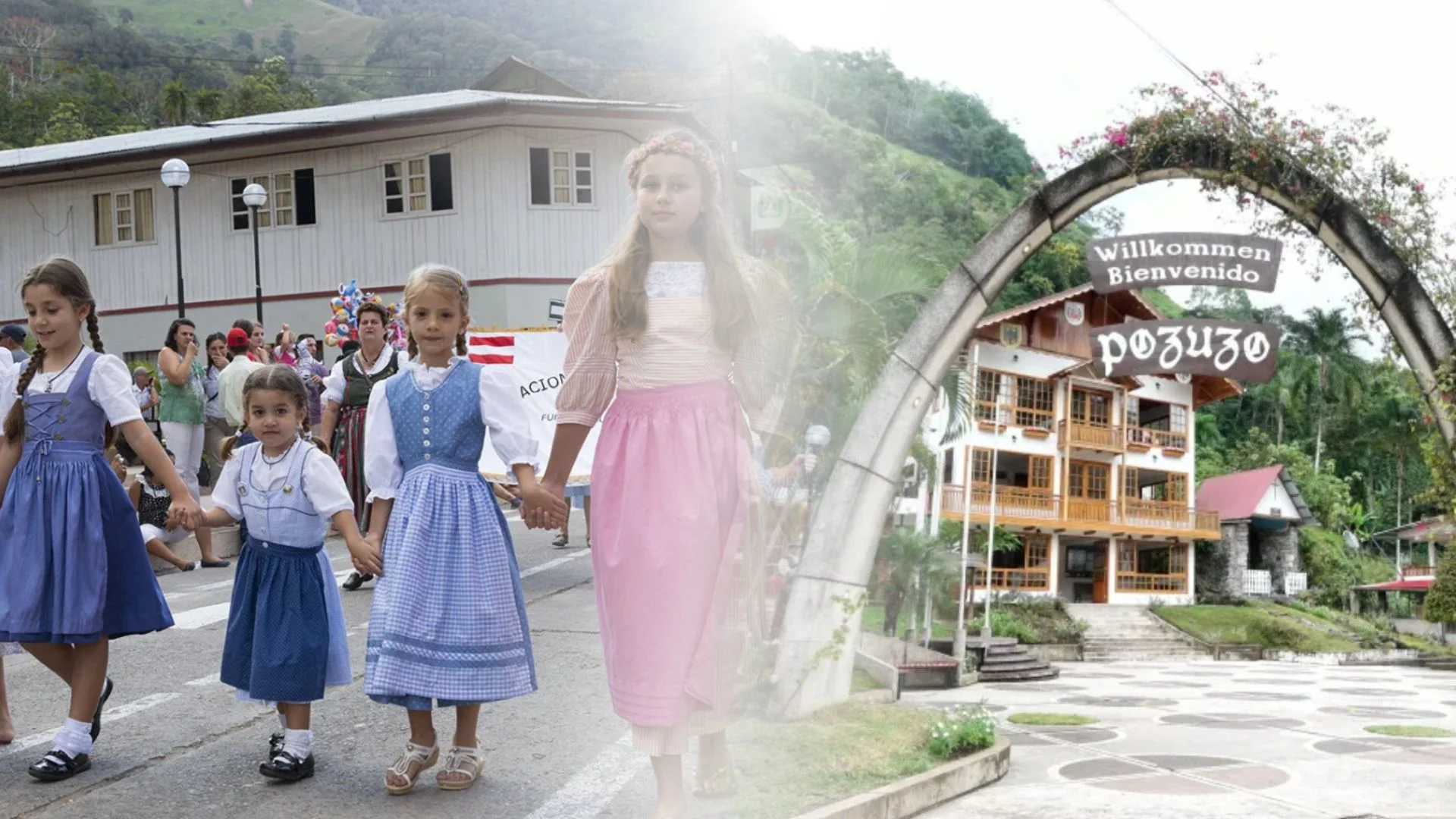
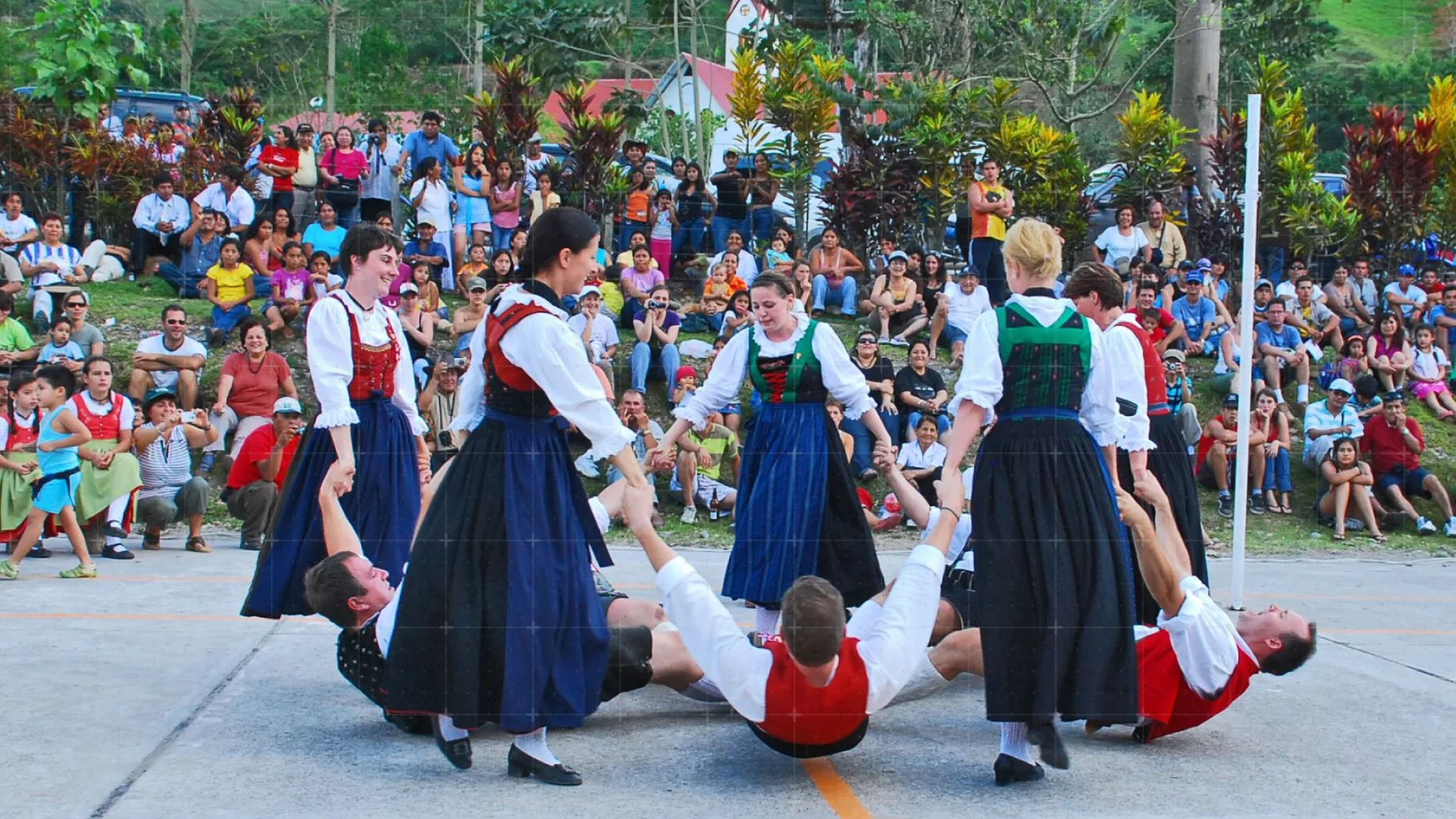
- Tyrolean and Prussian dances and costumes
- Catholic celebrations inspired by Central European customs
- Family names originating in Austria and Germany
Over time, these traditions mixed with the Yanesha indigenous influences, forming the cultural identity that characterizes Pozuzo.
Modern Pozuzo Peru: Daily Life and Population
Today, Pozuzo remains a tranquil, rustic community whose pattern of livelihood is determined both by heritage and by the environment. This section introduces the reader to the people inhabiting it, their livelihoods, and the natural surroundings that define everyday life.
Pozuzo Peru Population
Due to its small size, with only a few thousand residents, Pozuzo is a very tight-knit community. Traditions are passed down from generation to generation, while the daily lives of residents are heavily influenced by their families’ business activities, local farm production, and community celebrations. Many current residents are proud to explain the story of pozuzo peru to visitors who travel long hours just to reach this secluded town.
Local Economy
Pozuzo’s economy is based on Agriculture, raising of livestock, the production and sale of dairy products, and tourism. Many businesses are family-run, with many inhabitants producing all types of traditional breads, cheese, yogurt, and sausages from family recipes.
Environment and Biodiversity
The Environment of Pozuzo is filled with an extremely diverse variety of plant and animal species. One of the easiest ways to see all types of species is by seeing one of the many Hummingbirds, Butterflies, Toucans, Otters or Spectacled Bears.
The natural environment has created an environment that is well suited to Eco-tourism and Outdoor Recreation. There is abundant vegetation and Eco-tourism opportunities so any Eco tourism or Outdoor Recreation opportunities are very possible within the Pozuzo area.
Festivals and Cultural Celebrations in Pozuzo Peru
The festivals in Pozuzo are one way in which their heritage is expressed. Festivals bring families together, retain customs, and give the opportunity for visitors to see the town at its most lively. This section outlines the main celebrations and explains their cultural significance.
Founders’ Day (Día de los Colonos)
Held every July, this festival commemorates the arrival of the settlers back in 1859. This consists of traditional Tyrolean attire, folk music, dances, reenactments of migration, and even food fairs. It is one of those very emotional, yet symbolic, events which reinforces a historical identity within the community.
Pozuzo Anniversary – July 25
The anniversary of Pozuzo involves civic ceremonies, shows from local schools, music, and reunions of families. It underlines the feeling of unity and pride in the town.
Santa Rosa de Lima Festival
This August festival celebrates Pozuzo’s patron saint through decorated processions, religious ceremonies, and desserts inspired by European recipes. It brings together Catholic traditions along with cultural influences passed through generations.
Oktoberfest Pozuzo
It also celebrates Oktoberfest with local artisan beers, typical Germanic dishes, Bavarian dances, and rustic decoration. This celebration is a reflection of the historical ties of this town with Central Europe.
Holy Week (Semana Santa)
Holy Week is observed with candlelit processions, hymns, and reflective ceremonies. Much more low-key compared to major city celebrations, yet significant to those in the community.
Tyrolean Dance and Cultural Festivals
Throughout the year, smaller cultural events showcase Tyrolean dancing, music, and storytelling, which keep alive the traditions brought into Peru by the settlers.
Pozuzo Turismo: What Travelers Can Expect
Pozuzo is ideal for travelers seeking quiet landscapes, authentic culture, and a strong connection to nature. This section describes the main attractions and what visitors typically enjoy.
Main Attractions in Pozuzo
When you visit Pozuzo, many facilities can be found which have unique aspects of European Heritage, Rural Life and Tropical Nature within the town. The majority of the buildings preserve the history as they provide a glimpse into how they developed and how the traditions of Pozuzo continue today, so let us take you through some of the area’s most popular. Many visitors who arrive knowing only the name posuso quickly realize that the correct spelling is pozuzo peru, and they often say that finally seeing the town after studying the pozuzo peru location online feels like stepping into a different continent.
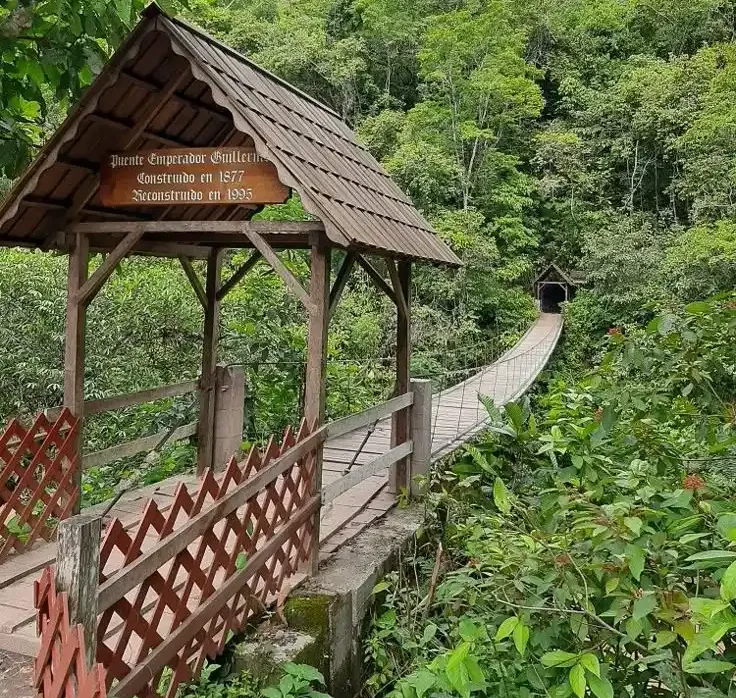
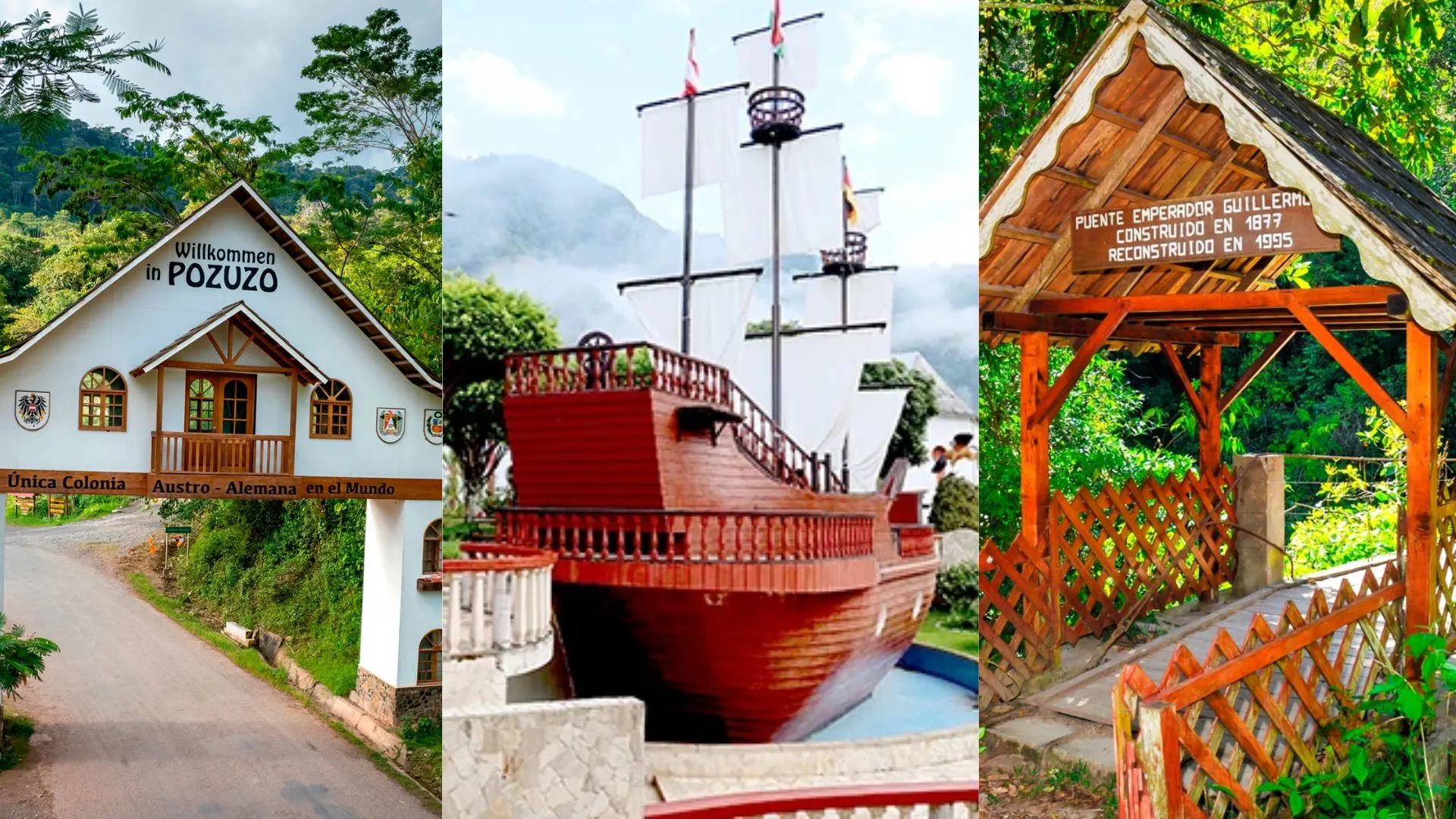
- Prussia Bridge (Puente Emperador Guillermo I)
Prussia Bridge is probably one of the most notable features of Pozuzo. It is a wooden constructed bridge that serves as a ‘gateway’ to Pozuzo, as the name suggests. The symbolism of the bridge is acknowledged by many travelers as being the first step into a place that is different from any other town in Peru. The design of the bridge reflects Central European construction methods; a rustic beauty and strong wood beams fit nicely among the dense jungle growth along the river. The bridge has a number of scenic views when photographed from various locations along the river that many people seem to enjoy capturing.
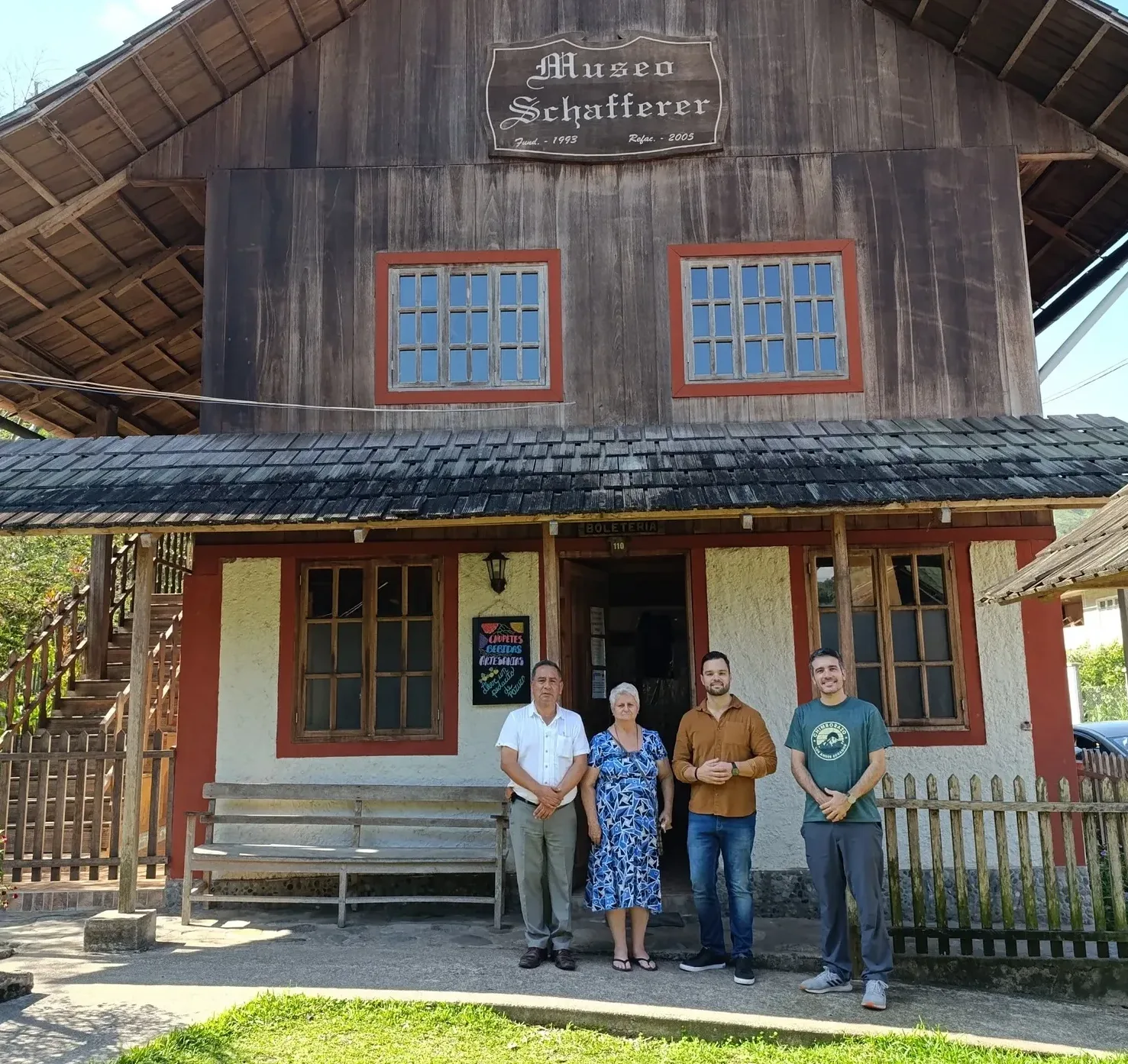
- Schafferer Museum
The Schafferer Museum cares for the heritage left behind by Austrian and German settlers who founded Pozuzo. Original pieces the settlers brought with them-tools, household items, clothes, religious objects, letters, and photographs-form part of the interior displays. These items facilitate an understanding of how hard the voyage must have been and how the families managed to take their customs and adapt them to life in the rainforest. It gives great insight into Pozuzo’s European roots and how resilient the founding families were.
- Dairy Farms and Ranches
The unique and popular aspect of Pozuzo’s Culture is the agrarian lifestyle that prevails in the region. Many families in the area still operate their own farms, producing a variety of products such as dairy products (e.g. cheese, yogurt, butter), traditional sausages, and the same generation of techniques used by many years ago in Pozuzo, combining both European recipes with local ingredients. While visiting these farms allows visitors to see how the locals are preserving their culinary traditions, visitors to these farms can see how the methods of European cooking blended with Peruvian ingredients to create this legacy. Most farms in Pozuzo provide chances for tastings of the various products produced at the farm, providing visitors with an educational experience along with their culinary adventures.

- Huancabamba River
One of Pozuzo’s most stunning natural attributes is the Huancabamba River. Nestled within a backdrop of natural beauty, it is an ideal location to swim, bask in the sun, or simply to enjoy a peaceful afternoon lying in the shade on the banks of this river. Many locals spend hot summer days near the river, and travelers frequently rave about the serenity and natural beauty of this area. The riverbanks provide easy access to photo ops, picnics, and bird watching opportunities featuring many of the birds native to this region.
As you explore these places, you’ll also understand what makes Pozuzo a distinctive location in Peru, how Pozuzo began as an adaptation of a culture from Europe, the relationship of Pozuz to the landscape, and finally, what makes Pozuz an unspoiled environment. Having that mental map of the pozuzo peru location helps link each viewpoint, river, and museum into a coherent travel circuit.
Oxapampa and Pozuzo: A Shared Tourism Circuit
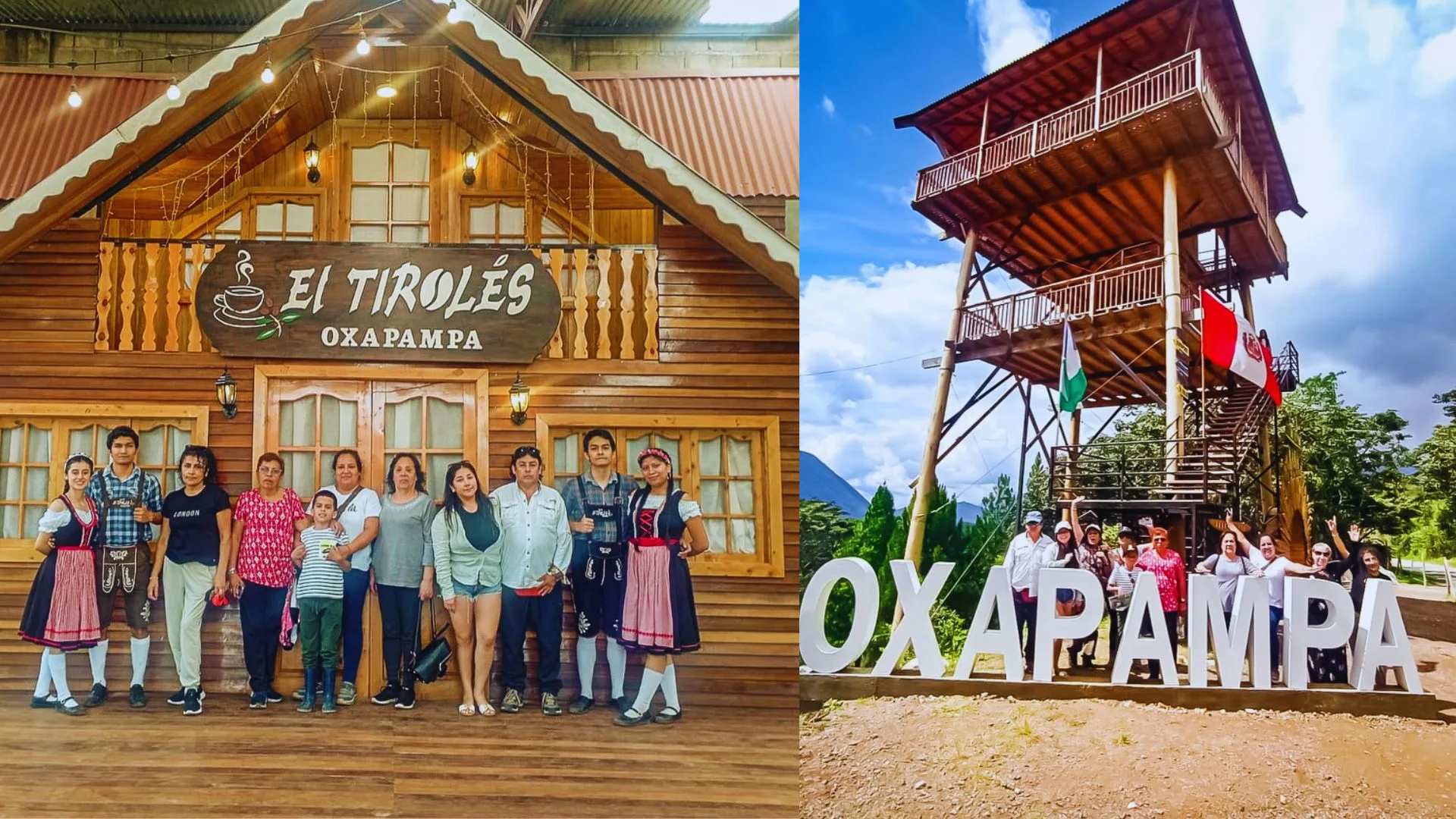
Pozuzo is closely linked to Oxapampa, forming one of the most culturally and ecologically diverse tourism circuits in Peru. This section outlines how both towns connect and why travellers often visit them together.
The Oxapampa – Pozuzo Route
The dramatic sceneries are a hallmark of the route between Oxapampa and Pozuzo. Pass by hanging bridges, jungle cliffs, wooden houses, and misty valleys. For those traveling during the rainy months, the route can be quite challenging, though it remains one of the most memorable features of going to Pozuzo.
Passage de Oxapampa a Pozuzo
The travel time from Oxapampa to Pozuzo is generally in the range of 2.5 to 3.5 hours. Transportation options include shared vans, private 4×4 vehicles, and local transport services. Road conditions change during the year, especially during the rainy season.
How to Get to Pozuzo Peru
Reaching Pozuzo is an adventure in itself. Its inaccessibility means that the journey requires planning, but the experience is worthwhile. This section outlines the two main routes to reach Pozuzo.
Route 1: Lima – La Merced – Oxapampa – Pozuzo
This is the most common route and takes about 10–13 hours depending on conditions. Travelers often go by bus from Lima to La Merced, continuing to Oxapampa, and finally arriving in Pozuzo by 4×4 vehicle.
Route 2: Organized Tours
Many tour operators offer multiday packages combining Oxapampa and Pozuzo, usually including accommodation, meals, and guided visits to major attractions.
Road Conditions
The last stretch of the road is primarily unpaved, narrow, and subject to rain conditions. There are river crossings with sharp curves and stretches of mud during certain months. The drive is lovely with a very real sense of adventure.
Food and Gastronomy in Pozuzo Peru
The cuisine in Pozuzo reflects its cultural origins, as well as its environment in the Amazon. This section outlines flavors that travelers could expect.
Central European Influence
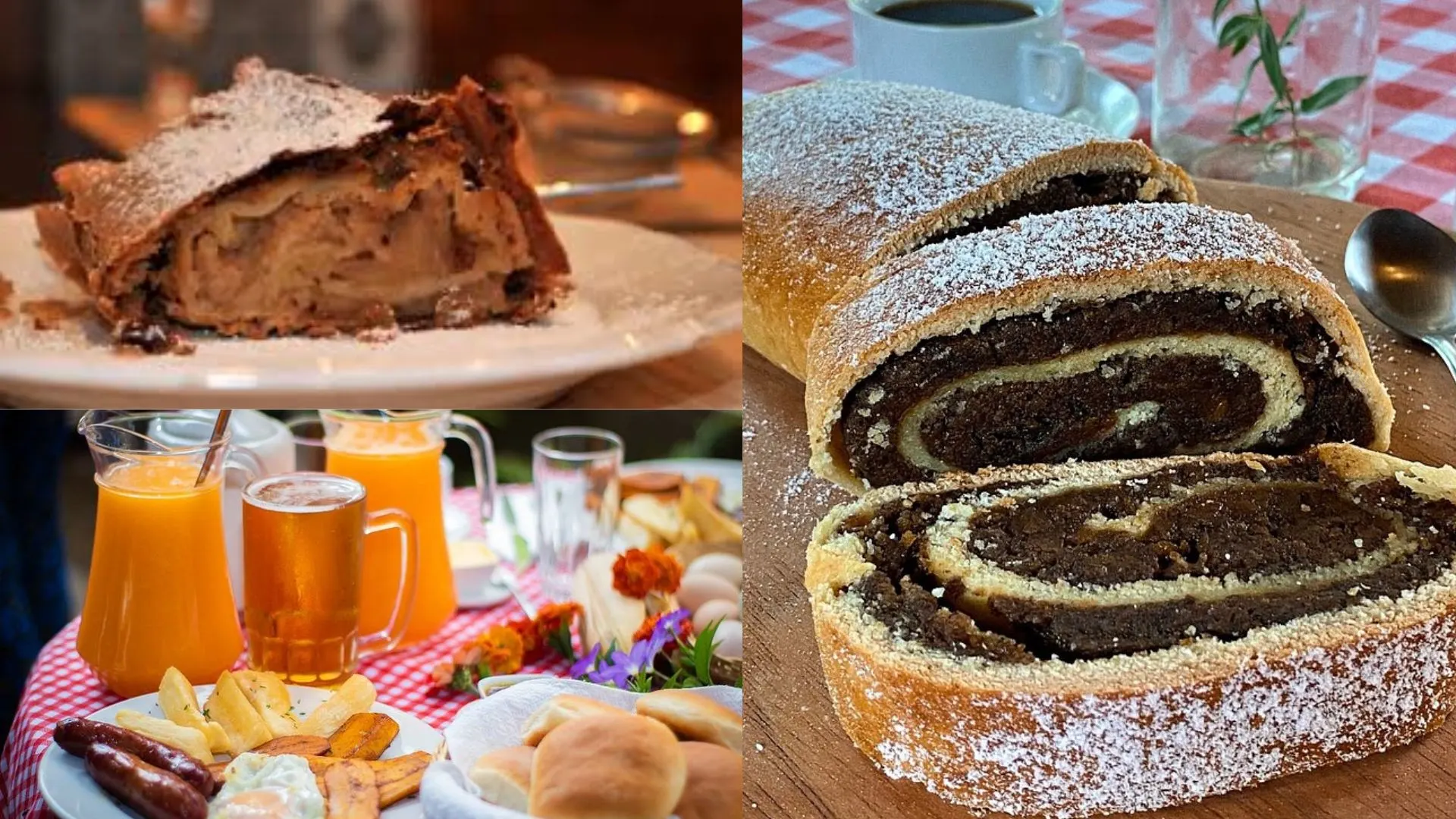
Dishes with European roots include:
- Fresh sausages
- Austrian breads
- Apple strudel
- Goulash
- Homemade cheese and yogurt
- Local craft beer
These are foods that are traditionally prepared by techniques passed down through families.
Peruvian Jungle Influence
Pozuzo also embraces regional Amazonian flavors like:
- Cecina
- Tacacho
- Patarashca
- Fresh river fish
- Exotic fruit juices
The fusion of both culinary traditions makes eating in Pozuzo a unique experience.
Nature and Outdoor Activities
With protected areas and dense forests all around, Pozuzo is an ideal place to enjoy outdoor exploration. This section highlights some activities that can be enjoyed by travelers.
Outdoor opportunities include:
- Observation of wildlife
- Jungle treks
- Swimming in natural pools
- Visiting waterfalls
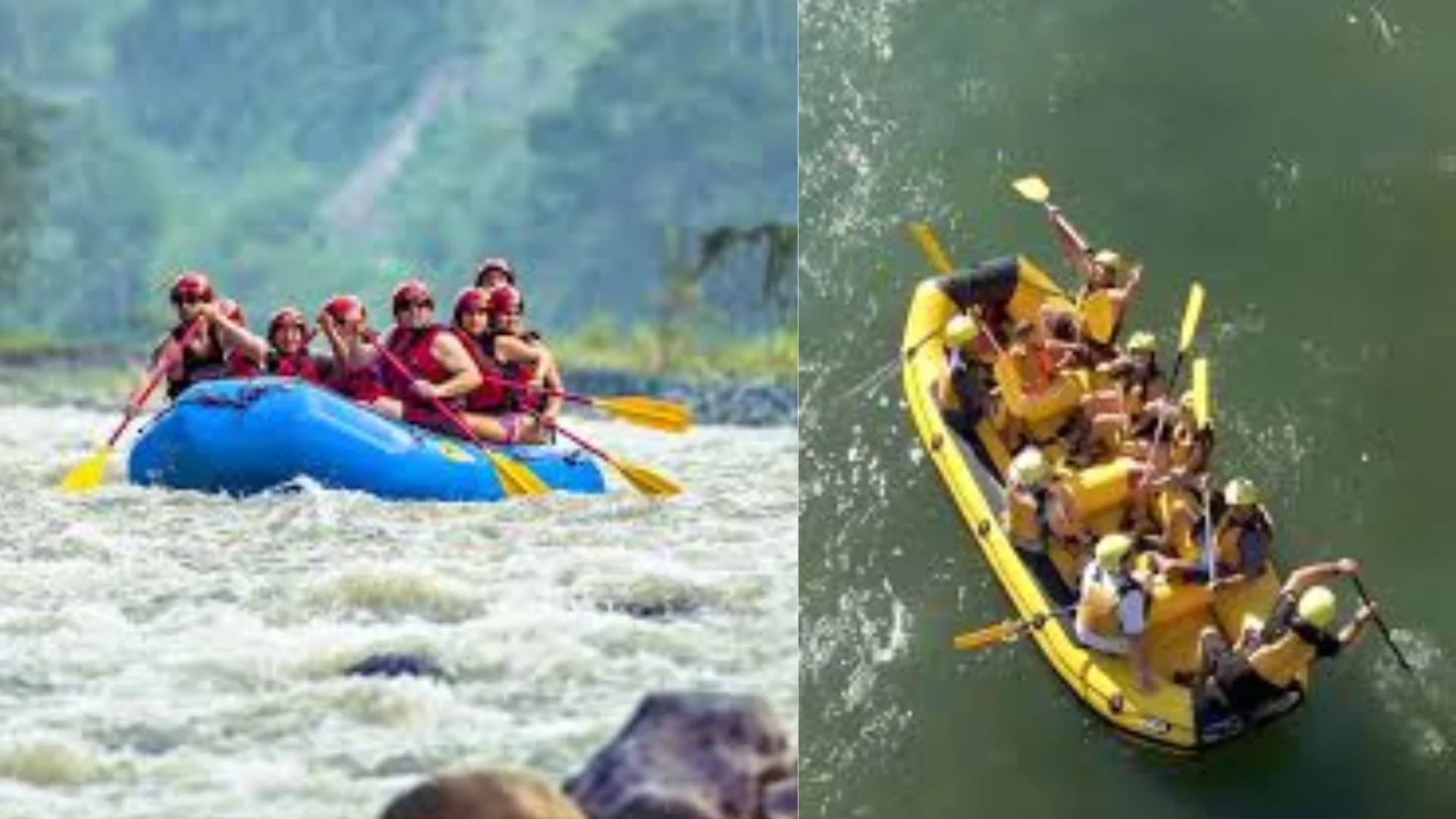
- River activities
- Photography and camping
The region is attractive to nature lovers, especially those seeking peace and attachment to the environment, due to its biodiversity.
Why Pozuzo Peru Is Becoming More Popular
Interest in Pozuzo has grown steadily as modern day travelers seek places of substance and authenticity, away from the crowds. In this section, learn why this little town resonates with so many visitors today.
The cultural identity, natural beauty, quiet rural life, and historical depth all combine in Pozuzo. Unlike more famous destinations, it offers a serene atmosphere where traditions are lived and not just displayed. This is truly one of a kind in Peru, due to its blend of Austrian, German, Yanesha, and Amazonian heritage. As travelers read more about pozuzo peru location and accessibility, they often realize that the effort to reach pozuzo peru is rewarded with an experience that feels deeply genuine.
Furthermore, Pozuzo earns the title of Charming Town of Peru.
Final Thoughts
A beautiful location in the mountains, Pozuzo Peru tells a story of how immigrants came to settle here; how they adjusted; how they created a new home for themselves; and what kind of impact their arrival had on the lives of those already living there.
There is a lot to see and do in Pozuzo; visit the many unique sites; experience the natural beauty of this little town; and enjoy all of the local events and festivities.
If you’d like to experience a truly authentic place where you can feel at home, Pozuzo has everything you need. Whether you come because someone mentioned pozuzo peru, because you saw photos of the pozuzo peru location surrounded by jungle, or even because you accidentally searched for posuso and discovered it by chance, this town rewards curiosity with culture, nature, and heartfelt hospitality.
Frequently asked questions about Pozuzo Peru Travel Guide 2025: History, Culture & How to Visit
Pozuzo is located in the Pasco Region, within the province of Oxapampa, on the eastern flank of the Andes. Its position between the mountains and the Amazon rainforest creates a unique landscape of cloud forest, tropical rivers, and dense vegetation. Although it feels remote, Pozuzo is accessible by road through scenic mountain routes that descend into the jungle valleys.
Reaching Pozuzo requires patience and planning because the trip involves a combination of long-distance travel and rural roads. Most travelers follow the Lima–La Merced–Oxapampa–Pozuzo route, which takes about 10 to 13 hours depending on traffic and weather. The final stretch between Oxapampa and Pozuzo is unpaved, narrow, and affected by seasonal rains, but it is manageable when taken slowly and offers some of the most beautiful scenery in central Peru.
Pozuzo’s European influence comes from the Austrian and German settlers who founded the town in 1859 after a challenging migration across the Andes. They brought their architecture, cuisine, language expressions, and traditions, many of which were preserved thanks to the town’s isolation. Today, descendants of these settlers still maintain elements of Tyrolean and Prussian culture, making Pozuzo the first and most iconic German community in Peru.
The best time to visit Pozuzo is during the dry season, particularly from May to September, when the roads are more stable and outdoor activities are easier to enjoy. The rainy season, generally from December to March, brings heavier showers that can complicate travel on the unpaved sections of the road, but it also enhances the lushness of the forest and the flow of the rivers, giving the landscape a more dramatic appearance.
Popular attractions include the Prussia Bridge, which acts as a symbolic entrance to the town; the Schafferer Museum, which preserves objects and documents from the original settlers; and various dairy farms where traditional products are still made. Visitors also enjoy spending time at the Huancabamba River and exploring natural pools, waterfalls, and quiet forested areas that showcase the region’s biodiversity. These attractions reflect both the cultural heritage and natural beauty that define Pozuzo.
Pozuzo hosts several important cultural events throughout the year, each reflecting the town’s central European roots. Founders’ Day in July is the most emblematic celebration, honoring the settlers with parades, dances, music, and traditional costumes. Other significant events include the Pozuzo Anniversary, the Santa Rosa de Lima festivities, Oktoberfest Pozuzo, and smaller Tyrolean dance gatherings. These festivals offer travelers an opportunity to see traditions that have been preserved for generations.
Pozuzo’s gastronomy blends Central European flavors with Amazonian ingredients, resulting in a distinctive local cuisine. Visitors can enjoy sausages, Austrian style breads, apple strudel, homemade cheeses, yogurts, and local craft beer, along with jungle dishes such as cecina, tacacho, patarashca, and fresh river fish. This combination of cultures makes eating in Pozuzo a memorable part of the travel experience.
Pozuzo is an excellent destination for travelers who enjoy natural environments, as it is surrounded by forested hills, rivers, and a rich diversity of wildlife. Activities include hiking, birdwatching, swimming in natural pools, exploring waterfalls, and camping in peaceful, uncrowded areas. The region’s biodiversity and quiet setting offer an ideal escape for those seeking immersion in nature and a slower rhythm of life.