Everything you need to know about Machu Picchu Mountain!
Nestled in the Peruvian Andes is one of the most beautiful and enigmatic places on earth, Machu Picchu Mountain. This sacred mountain overlooks the famous Inca citadel and offers a sweeping view of not only the ruins but also the surrounding valleys and cloud forests. While the Machu Picchu Mountain hike involves walking, it is more than just a hike. It is a journey through nature, history, and the ongoing legacy of the Inca civilization.
Whether you are a serious hiker or simply a curious traveler, exploring the Machu Picchu Mountain hike enhances an appreciation of the beauty of Machu Picchu and how it continues to inspire people from around the world.
What is Machu Picchu Mountain?
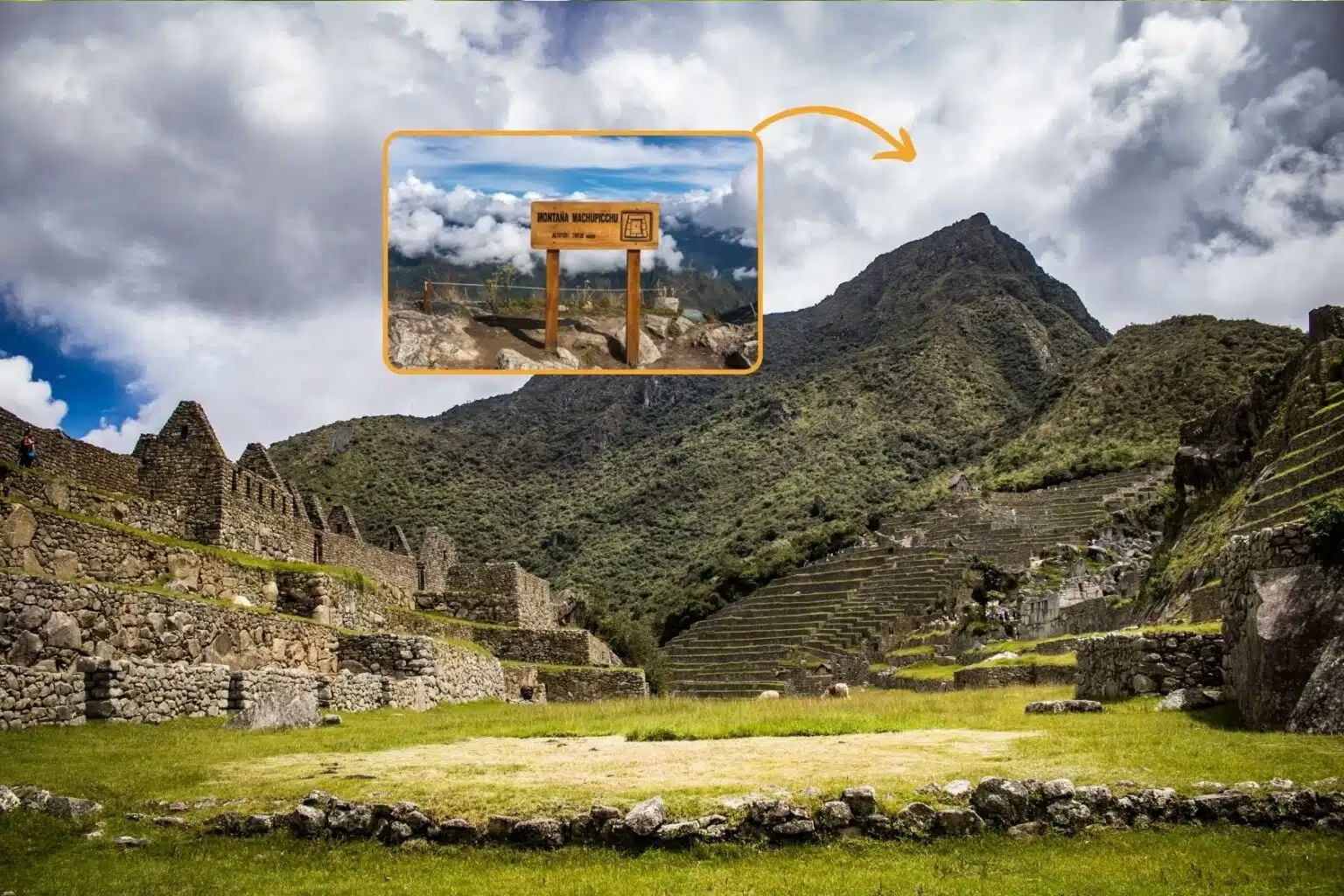
Machu Picchu Mountain is one of the two significant peaks that loom above the ancient citadel, with Huayna Picchu being the other. Although the citadel is the pinnacle of Inca architecture, it is the mountain that provides a natural stage to view it from above. It is part of the protected Machu Picchu Historical Sanctuary which is also a UNESCO World Heritage Site and is distinguished for its exceptional biodiversity and spiritual significance during the Inca Empire.
Location and Meaning
The mountain is situated in the Machu Picchu district of the Urubamba province, in the Cusco region of Peru. Located at an elevation of 3,082 meters (10,111 feet) above sea level, it towers over the Machu Picchu ruins to the south.
Machu Picchu is derived from the ancient Andean language of Quechua, where Machu means “old” or “great,” and Picchu means “mountain.” Therefore, Machu Picchu means “the great mountain,” a fitting name for the peak that sits above the citadel. Many think Machu Picchu Mountain and the archaeological site are one and the same, however, they are two unique locations with very different adventures ahead of you.
You must obtain a special permit to climb the mountain, which is different from your entrance ticket to Machu Picchu. Plan in advance because there are limited visitors each day.
Exploring Machu Picchu Beyond the Citadel
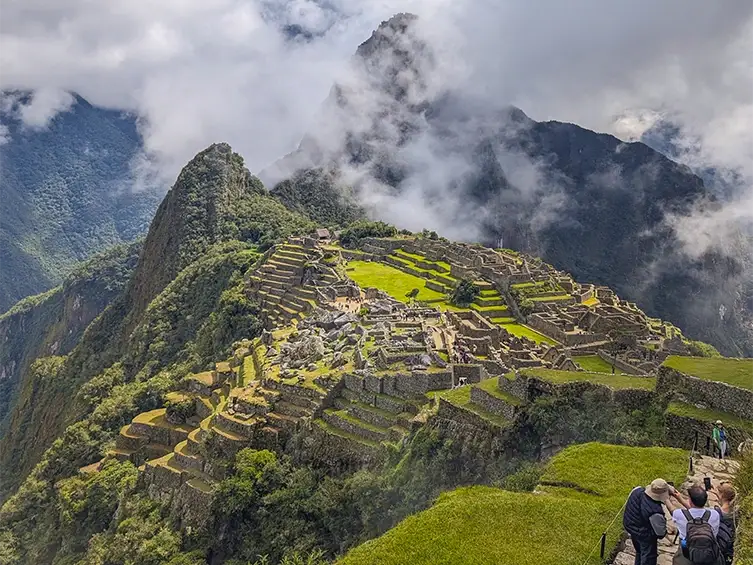
Hiking Machu Picchu Mountain gives you the chance to view the sanctuary from a new perspective. From the summit, you can see the entire archaeological complex, the Urubamba river weaving through the valley, and other surrounding peaks like Huayna Picchu and Putucusi. The trail follows an ancient Inca path, is believed to be used for spiritual ceremonies, and astronomical observations.
For travelers who want to do more than just have a guided tour of the ruins, the hike presents an opportunity for adventure and nature-travel. The perfect marriage of history, culture, and nature.
Altitude and Elevation
Elevation can impact your time at Machu Picchu. Knowledge of the altitude and climatic conditions is useful in preparing for your hike and taking advantage of the views at the summit.
How High Is Machu Picchu Mountain?
The peak of Machu Picchu Mountain is 3,082 meters (10,111 feet), approximately 650 meters (2,133 fee)t higher than the Inca citadel below it. From this height, hikers are rewarded with impressive vistas of the Andean mountain range and the surrounding cloud forest. The ascent may be strenuous at times, yet the views make every effort worthwhile.
Machu Picchu, Peru Altitude and Weather
The weather can change rapidly at this elevation. In general, mornings are cooler and often cloaked in mist, whereas afternoons bring strong sunshine and brighter skies. Hikers should wear layers and bring vital supplies, including sunscreen, a hat, and adequate water.
While the air is thinner at this altitude, most guests can complete the hike at a slow pace, with frequent rest breaks. The payoff of seeing Machu Picchu from above, surrounded by towering peaks, is truly a once-in-a-lifetime experience.
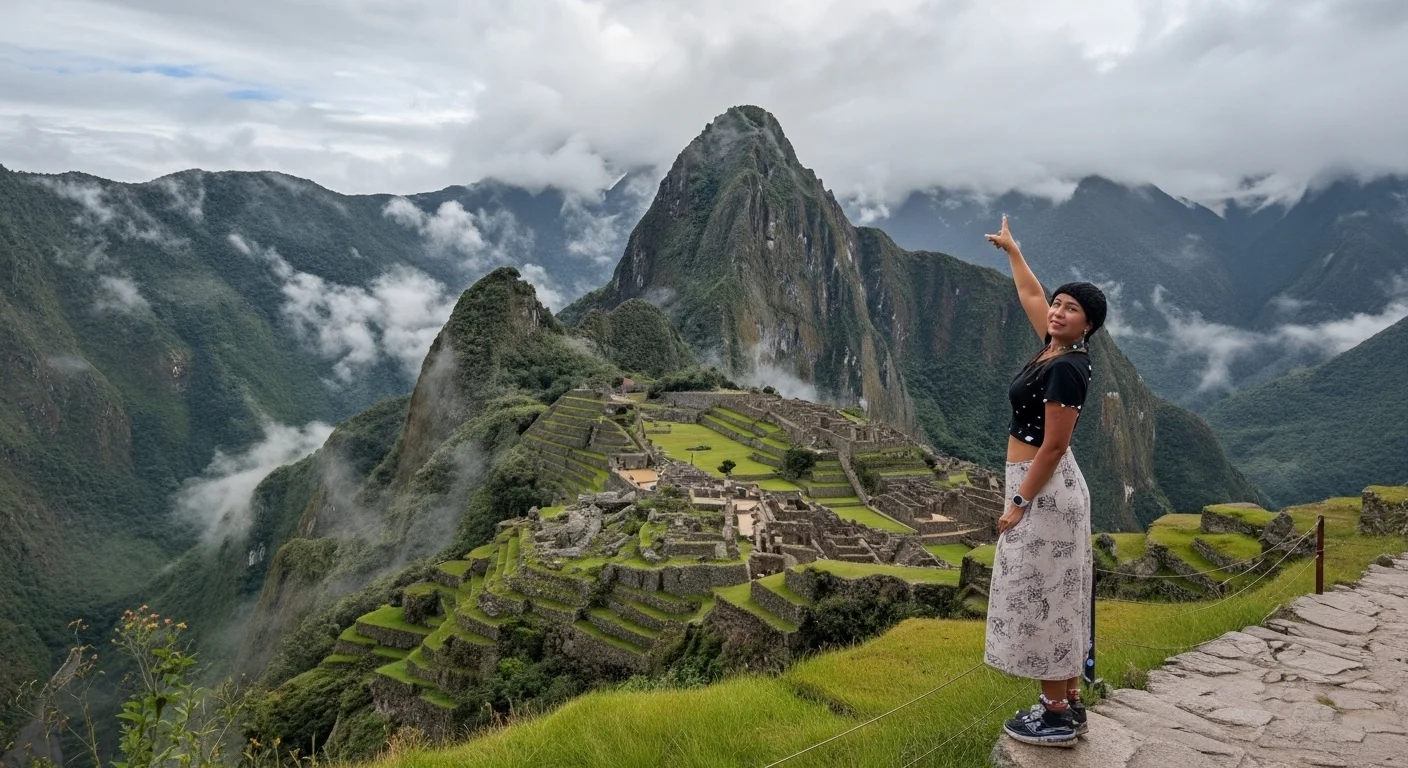
Entry Schedules and Tickets
Due to high demand, visitors must book their Machu Picchu Mountain ticket in advance. This is for safety purposes and to care for the natural environment of the sanctuary.
Entry Times
There are two official entry times to the hike:
- First Entry (7:00 a.m. – 8:00 a.m.)
This would be best for participants spending the night in Aguas Calientes. You would be able to ascend at an earlier time and arrive at the summit just as the morning fog lifts over the ruins. - Second Entry (8:00 a.m. – 9:00 a.m.)
This would be perfect for travelers arriving on a train or those walking a trek such as the Short Inca Trail or Salkantay Trek. This option would allow you to explore the citadel first and hike up later on in the morning.
Ticket Prices
People pay around US $75 each for the Machu Picchu Mountain + Circuit 3 entry ticket, which allows entrance to the mountain and the citadel. As entry tickets sell out quickly, we advise that you buy them weeks in advance.
If you are with a tour company, they will normally help schedule the best entry time to ensure you have all of the proper entry permits for your itinerary.
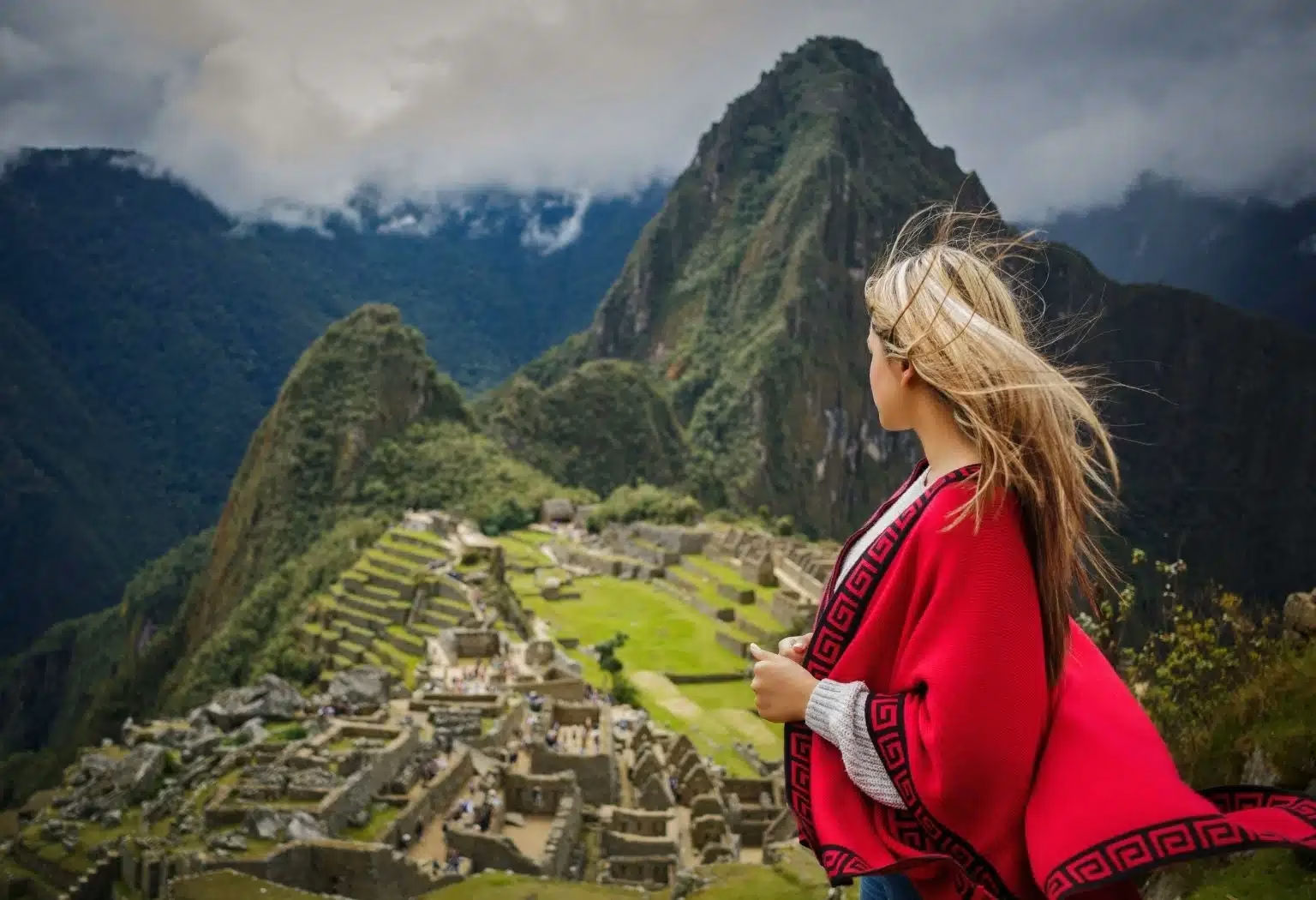
The Trail to Machu Picchu Mountain
The hike up Machu Picchu Mountain is challenging physically but, at the same time, you are rewarded with stunning views and tranquility around every corner.
Route Description
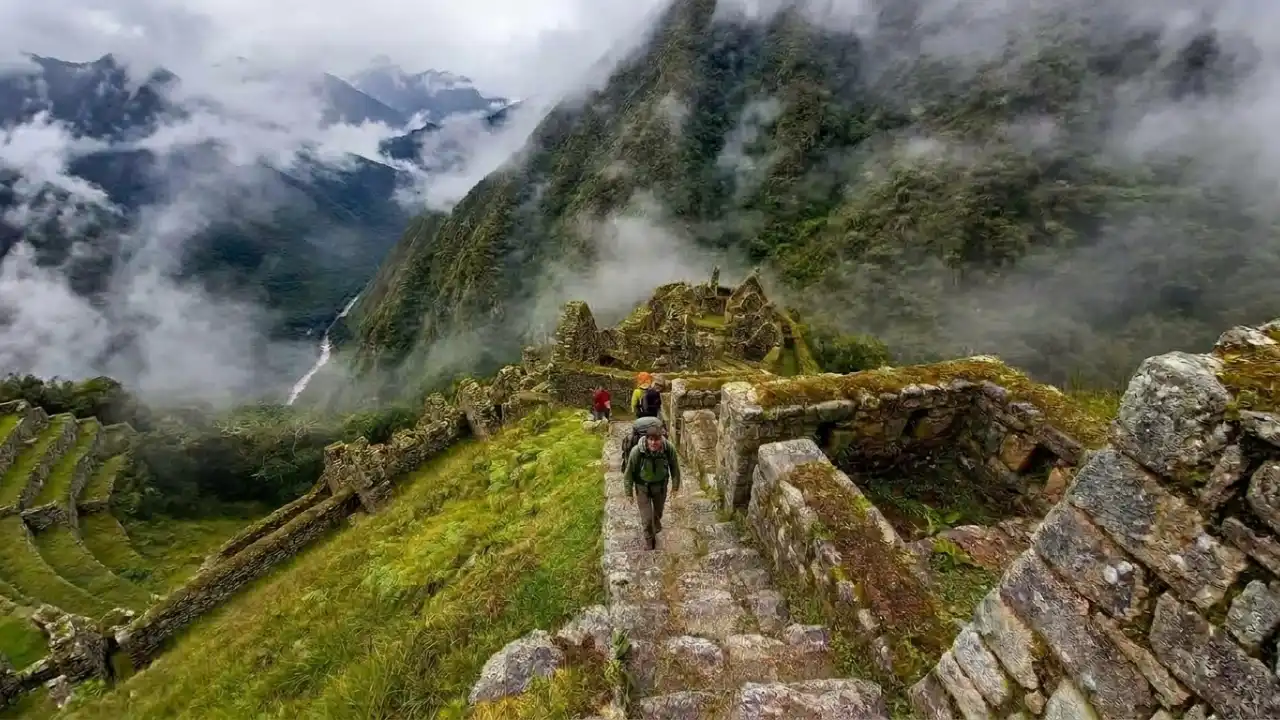
The hike is approximately 3.9 kilometers (2.4) round trip and will take you about three to four hours to complete (again, depending on how well you move). It follows a stone path built by the Incas, which has approximately 1,600 steps going up to the top, and no, it will not be vertical; however, it is incredibly impressive. The bottom section is through lush vegetation, and the top section has a dramatically open feel with the mountain ridges surrounding you and overlooking the sanctuary below.
As you walk the trail, you may notice the air getting thinner and cooler as you ascend in elevation. There are a few rest stops along the route with some lovely scenic points, where you can stop, take a breath, and take some photos.
Difficulty Level
The trail to Machu Picchu Mountain is rated moderate to challenging because of its steep incline and altitude, but it is much safer and not nearly as narrow as the adjacent Huayna Picchu hike. It is manageable by anyone who is in reasonable physical shape.
During the rainy season (December to March), expect wet stones and fog. This may add some challenge to the trail, but the lush plant life becomes an even greener shade of vibrancy, making it one of the best time to visit.
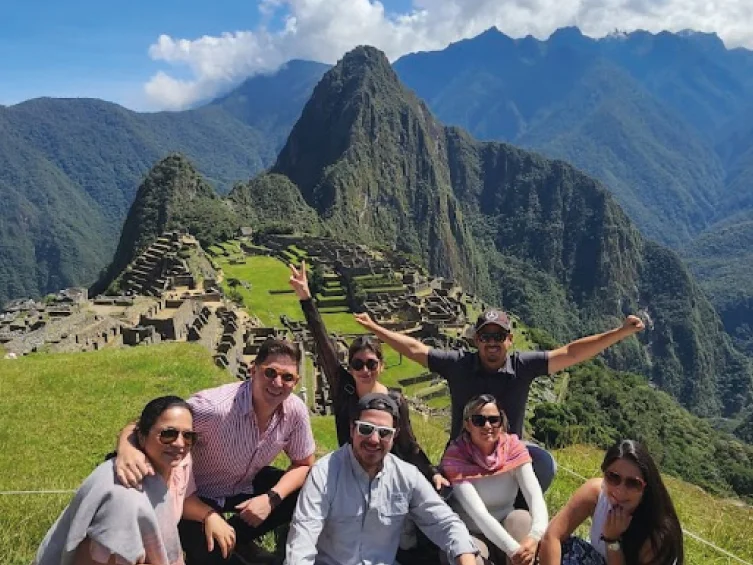
The Summit Experience
While hiking up Machu Picchu Mountain might not be the easiest task, reaching the top is one of the most fulfilling experiences in Peru. The silence, the wind, and the view all play a part in creating an exciting moment of calmness and awe.
The View from Machu Picchu Mountain
When you reach the summit, hikers get to enjoy a 360-degree view of the entire Machu Picchu Sanctuary. You will see the citadel’s terraced structures perfectly arranged against the surrounding mountains, the white cap of the Urubamba River way down below, and rugged peaks disappearing far into the distance. It’s a view that can’t be recreated in a photograph or a half-chance encounter.
The view is possibly even better early in the morning when the light begins to touch both the ruins and the surroundings with a golden hue. Many people who choose to hike to the summit will remain for some time just to contemplate the peace and beauty of the Andes above Machu Picchu.
A Sacred Connection
Mountains were hallowed creatures called apus for the Inca, guardians of the earth and mankind. Wisdom and perseverance are represented in the Quechua word Machu Picchu, which translates as “old peak.”
Climbing this mountain is a spiritual journey connecting you with old customs rather than just a physical workout. Standing atop, many tourists remark that they feel a sense of peace and thanks as they picture how the Incas once sought direction from these same skies.
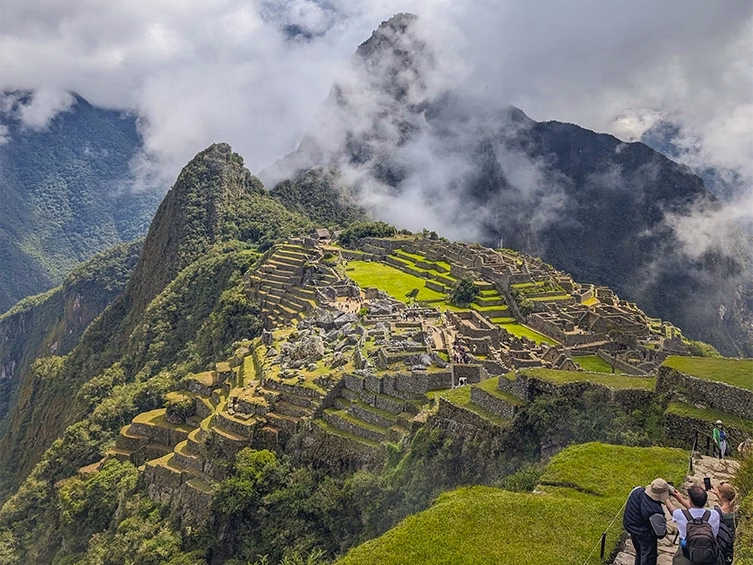
How to Get to Machu Picchu Mountain
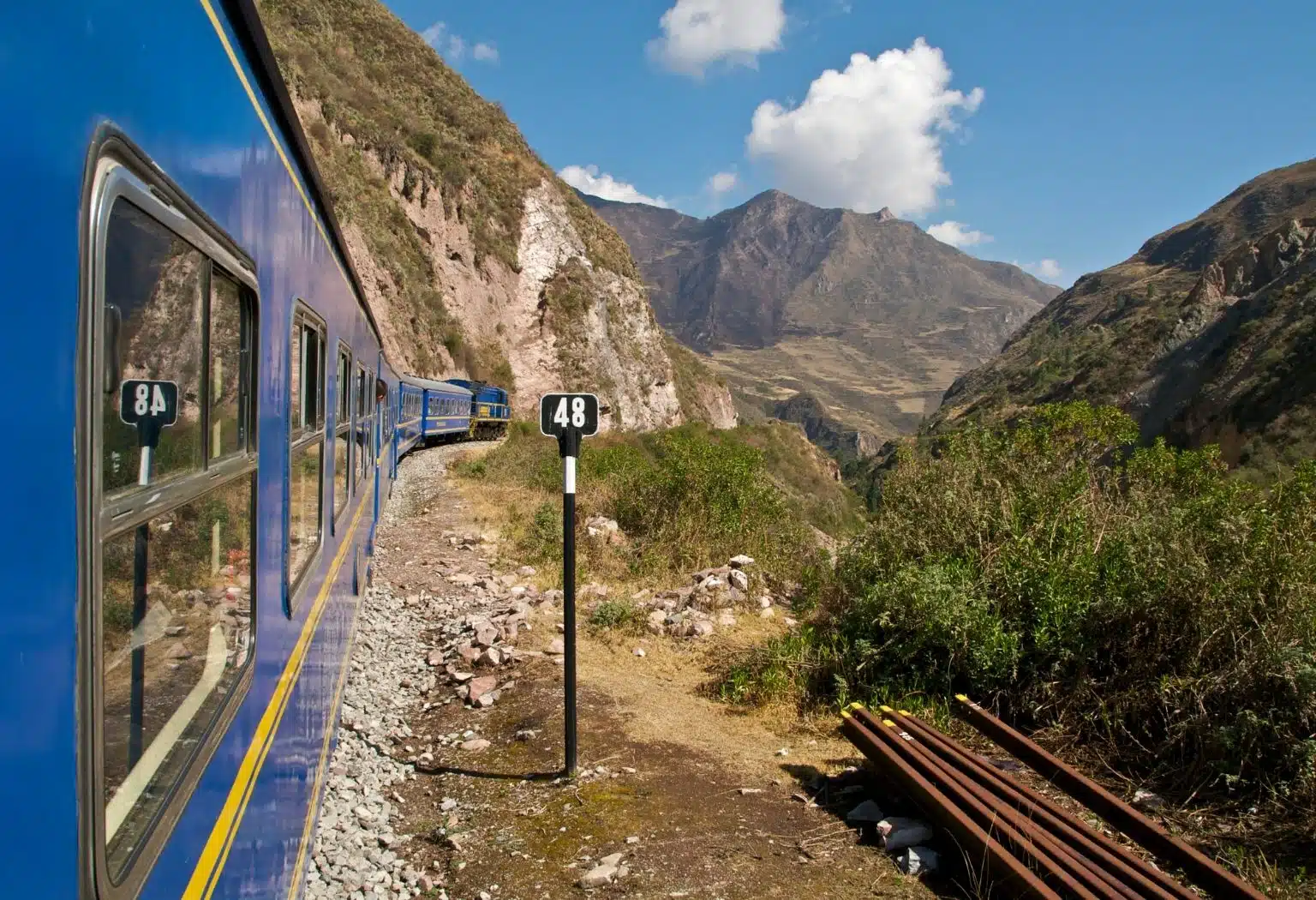
For most visitors, the journey begins in Cusco, the original capital of the Inca Empire. From there, you can take either a train or bus to Aguas Calientes (also known as Machu Picchu Pueblo), the hub town of the site. The train ride is a beautiful way to appreciate the Sacred Valley and Urubamba River as you near the site.
From Cusco to Aguas Calientes
Most visitors begin in Cusco, the former capital of the Inca Empire. From there, you can take a train or bus to Aguas Calientes (also known as Machu Picchu Pueblo), the gateway town to the sanctuary. The train ride offers spectacular views of the Sacred Valley and the Urubamba River.
From Aguas Calientes to the Entrance
From Aguas Calientes, there are buses that depart for the Machu Picchu entrance gate every few minutes, which takes around 25-30 minutes up the mountain road. Once you are inside the site, you will follow the signs to the Machu Picchu Mountain trailhead.
Only visitors with the correct ticket will be able to access the hiking path. You’ll want to make sure you have your passport, ticket, and a water supply, while also having a good understanding of the trip will start right when the ancient city meets the clouds, it’s straight uphill.
Alternative Hikes to Machu Picchu
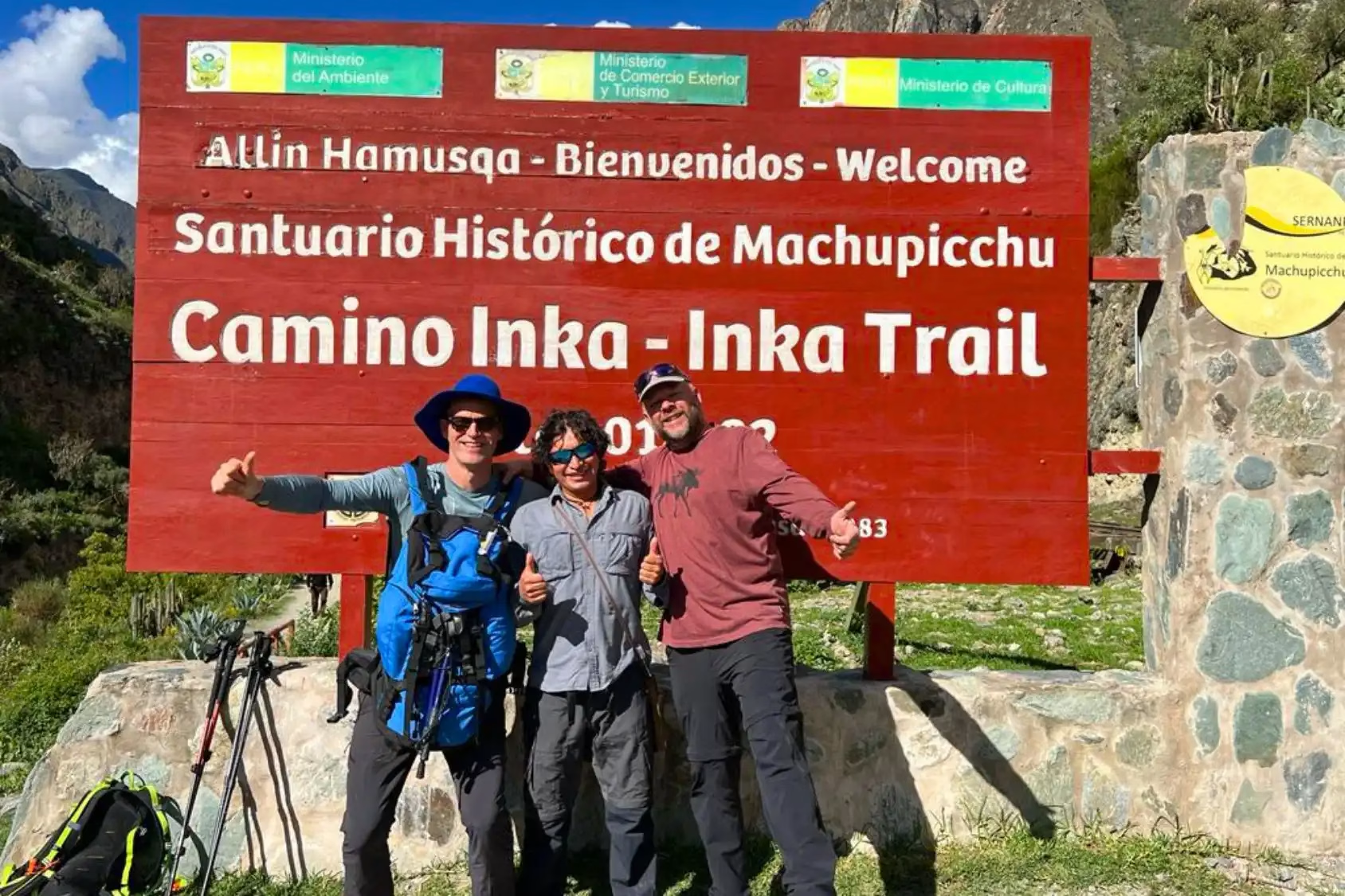
If you’re an avid trekker and want to mix up your trip to Machu Picchu with some hiking, the Cusco region has a number of hiking routes that finish at the sanctuary of Machu Picchu. Each route offers its own unique beauty, landscapes, and cultural experience.Some of the more popular treks to Machu Picchu include:
- The Classic Inca Trail (4 days / 3 nights): This is the most famous trek to Machu Picchu, utilizing ancient Inca trails with outstanding views of mountain passes, archeological sites and ruins and, of course, arriving via the Sun Gate.
- The Short Inca Trail (2 days / 1 night): A shorter option that allows you to walk the original trail and arrive at the citadel directly.
- The Salkantay Trek: A beautiful, but more physically demanding trek to Machu Picchu, Salkantay passes glaciers, jungles, and valleys.
- The Lares Trek: A cultural trek that passes through Andean villages and traditional markets.
- The Inca Jungle and Huchuy Qosqo Treks: These treks will satisfy adventurous travelers who like biking and hiking with opportunities to interact with locals.
Each of the hikes offers a different route to re-experience the same magical place–Machu Picchu, one of the most astonishing wonders of the planet.

Frequently asked questions about Everything you need to know about Machu Picchu Mountain!
The Machu Picchu citadel is the archaeological site; Machu Picchu Mountain is the high peak that overlooks it. Climbing the mountain requires a separate permit.
The Machu Picchu hike is moderate longer than Huayna Picchu but less exposed. Expect about 3 to 4 hours round trip.
The Machu Picchu elevation is 2,430 m (7,972 ft) at the citadel, while Machu Picchu Mountain rises to 3,082 m (10,111 ft).
Light hiking shoes, a hat, sunscreen, rain jacket, and plenty of water. A walking stick can also help during the Machu Picchu climb.
It’s not advisable to purchase your Machu Picchu Mountain ticket on the same day you plan to visit. Because access is limited and demand is high especially during the high tourist season tickets usually sell out well in advance.
To avoid any inconvenience, it’s best to book your ticket at least a month before your trip. You can buy it online through the official Machu Picchu ticket platform: https://tuboleto.cultura.pe/llaqta_machupicchu