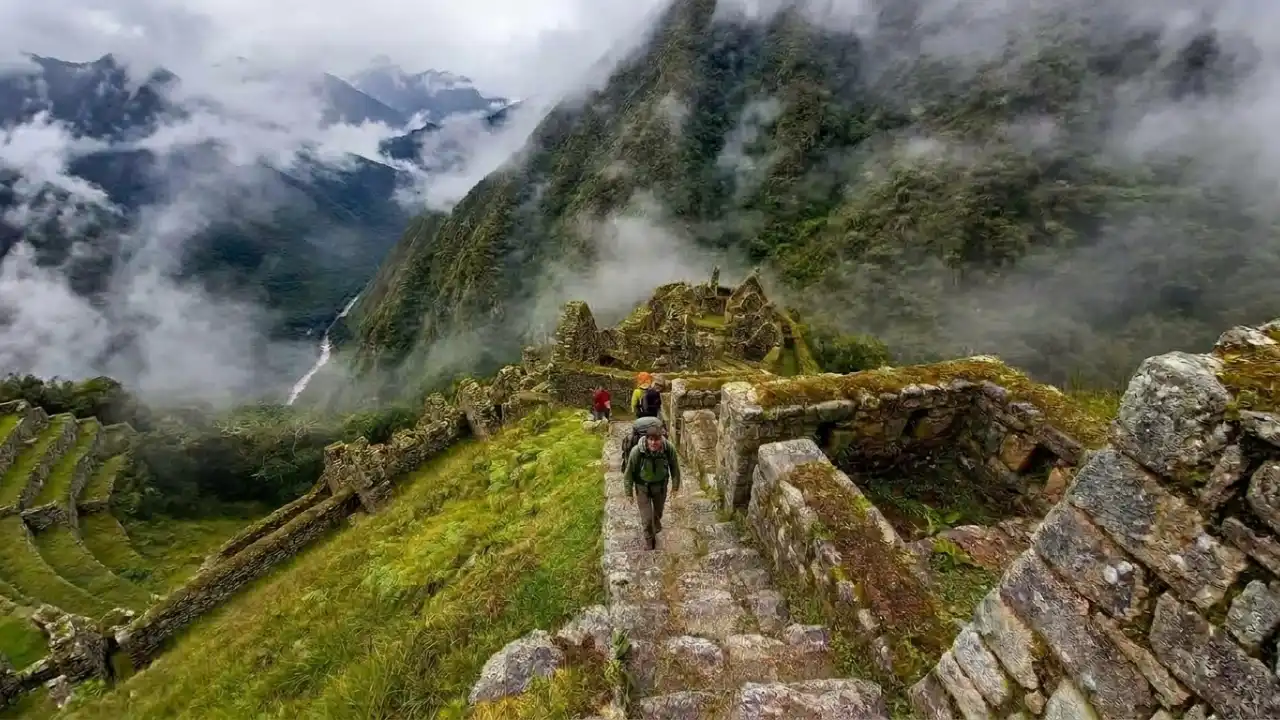

Machu Picchu Complete Altitude Guide
Machu Picchu is located 2,430 meters (7,972 feet) above sea level. This moderately high-altitude archaeological site is part of the Andean cloud forest ecosystem. Unlike other wonders of the world located on flat terrain, Machu Picchu requires the body to adapt to lower oxygen pressure. Knowing this before traveling makes all the difference between a memorable visit and one filled with discomfort.
Understanding Altitude Variations from Cusco to Machu Picchu
The Cusco region isn’t defined by a single altitude, but rather by a constant variation in elevation that directly influences how your body responds throughout your journey. From the high-altitude city of Cusco to the lower valleys of the Sacred Valley and Aguas Calientes, each stop affects your acclimatization before you reach Machu Picchu.
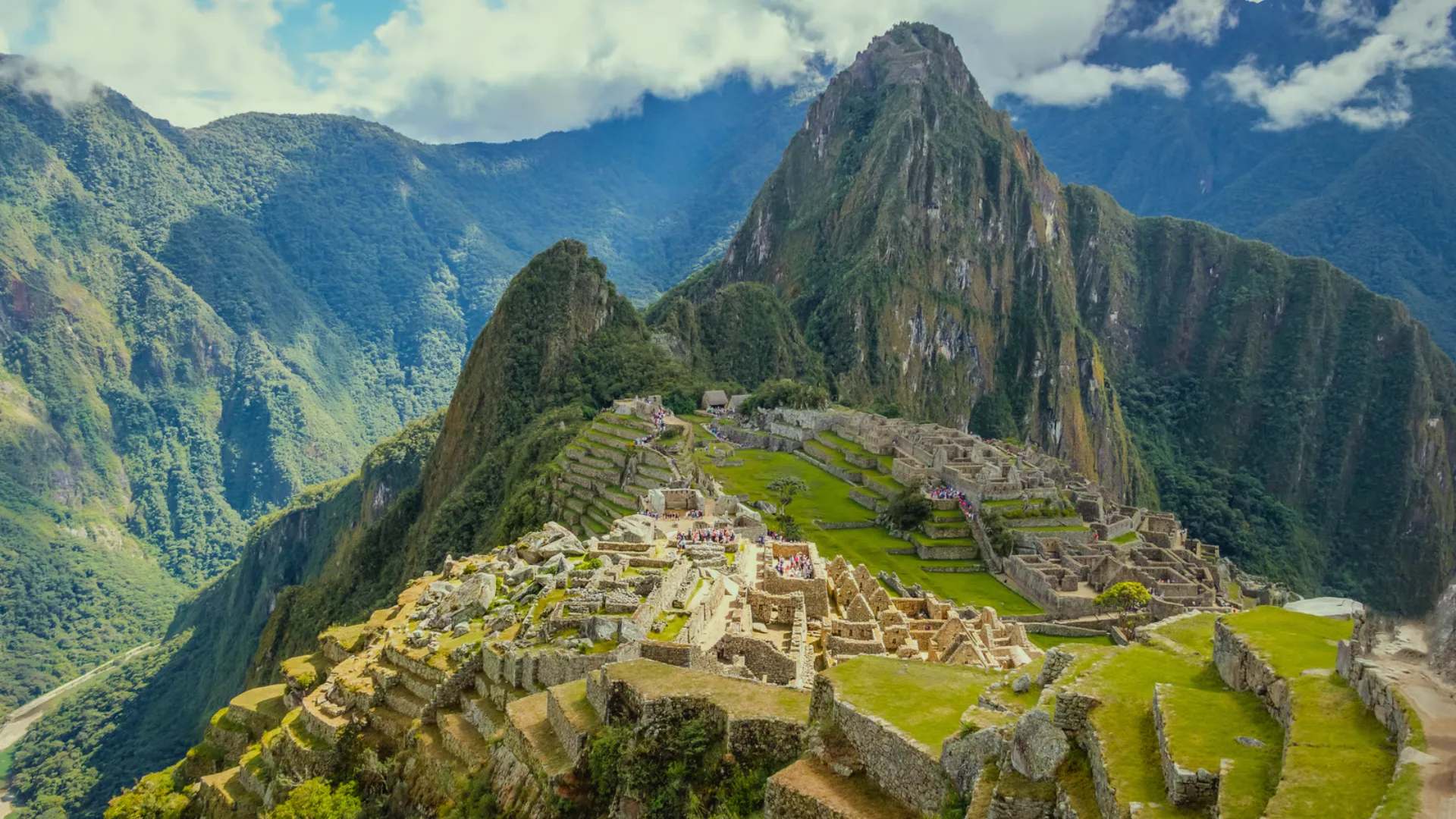
Machu Picchu — The Citadel (2430 m / 7972 ft)
This is the heart of the Archaeological Park and the destination that makes the entire trip worthwhile. At this altitude, the available oxygen is approximately 74% of what is breathed at sea level. Most travelers arriving from Cusco experience a paradoxical relief here, as the lower altitude offers a true physiological respite.
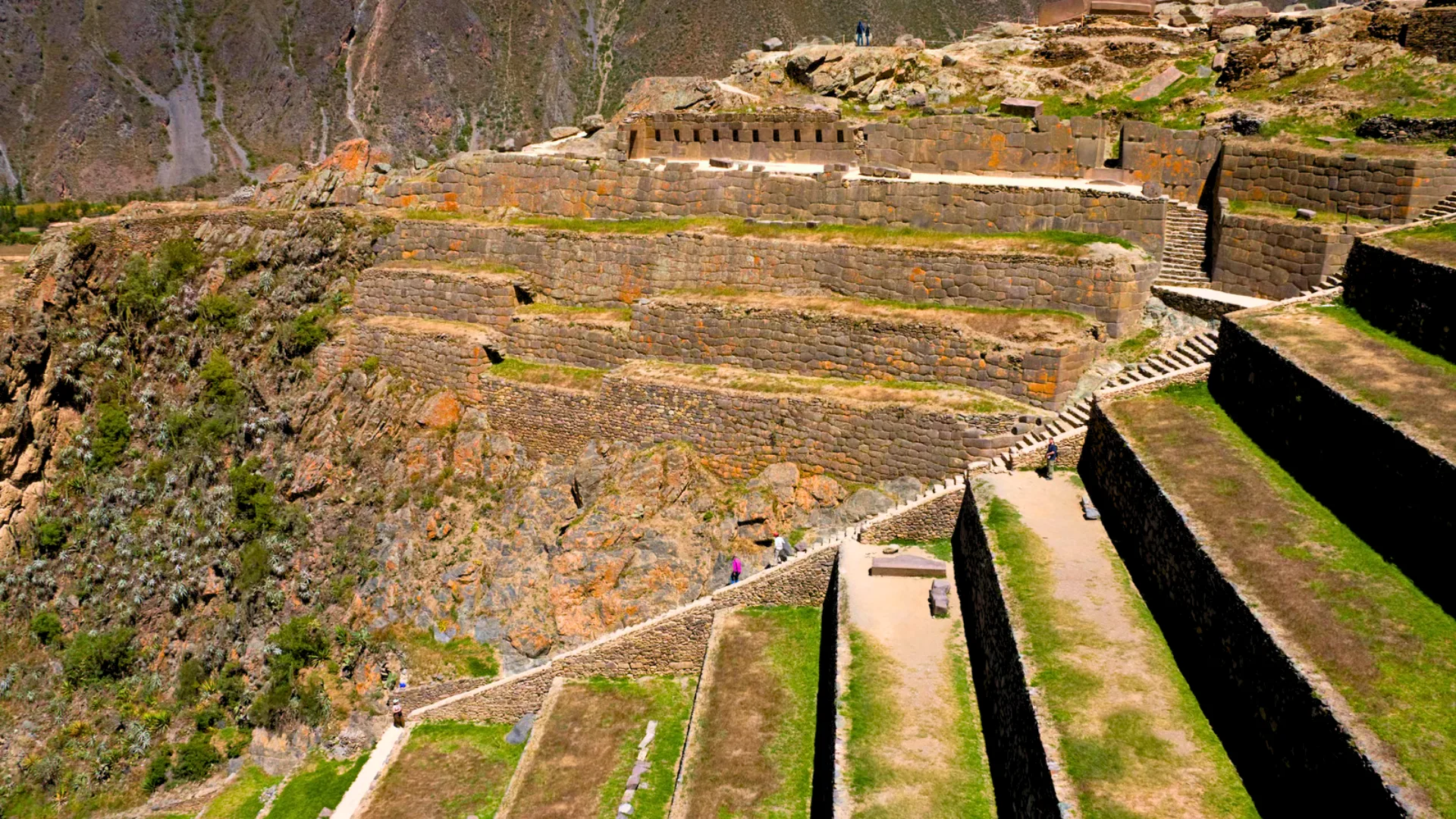
Ollantaytambo — Train departure point (2792 m / 9160 ft)
The main departure point for the train to Aguas Calientes is at a higher altitude than the citadel, but significantly lower than Cusco. Spending a night in Ollantaytambo before descending to Aguas Calientes is an excellent acclimatization step that many travelers overlook.
Cusco — City (3,399 m / 11,152 ft)
This is where the vast majority of altitude-related problems arise. Flying from Lima (47 meters above sea level) to Cusco in under an hour represents an ascent of more than 3,350 meters; the body receives approximately 35% less oxygen almost instantly. Plan for at least two to three nights in Cusco or the Sacred Valley before attempting the trip to Machu Picchu.
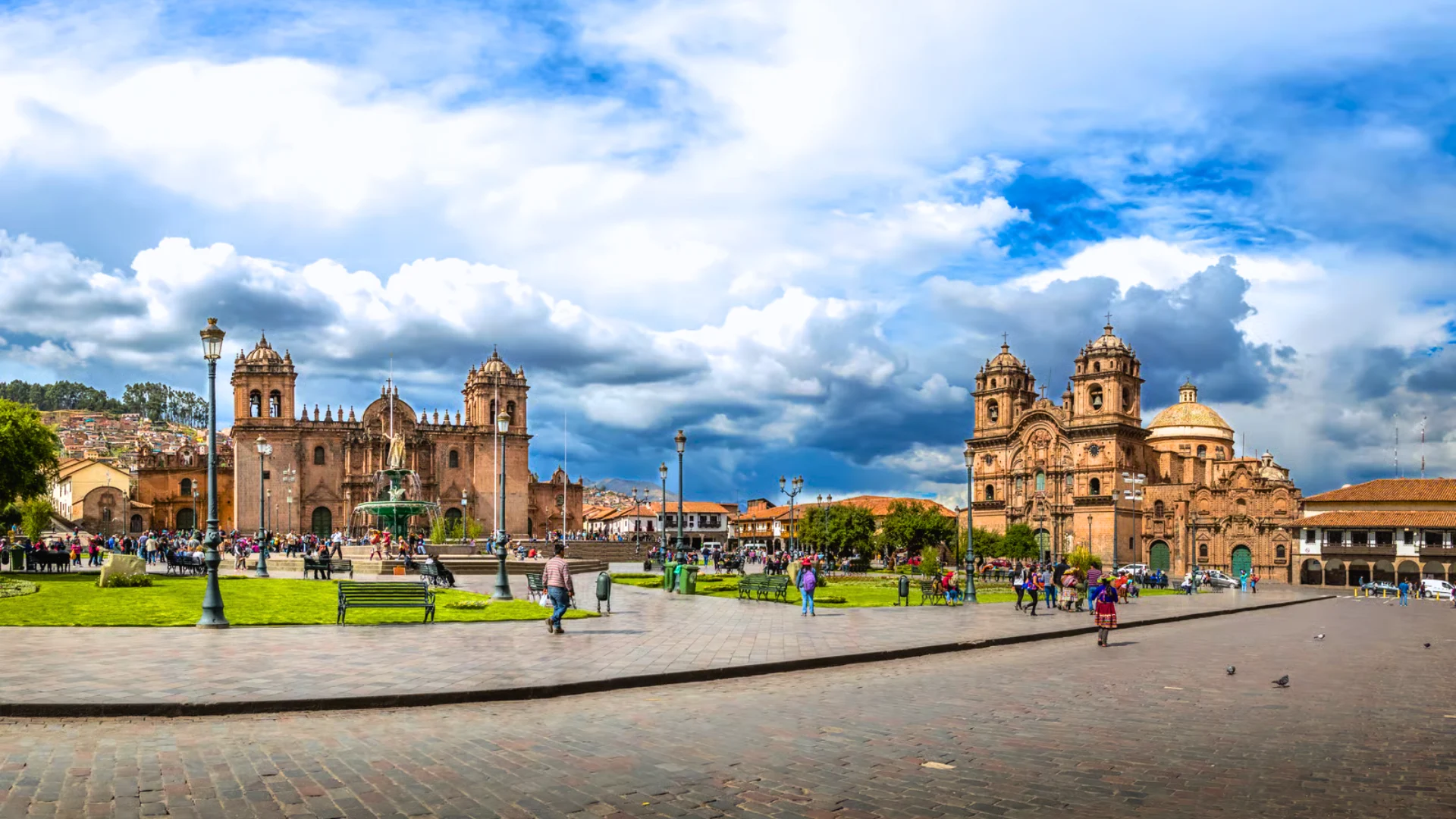
Dead Woman’s Pass — Inca Trail (4215 m / 13,829 ft)
The highest point of the 4-day Classic Inca Trail presents a considerable challenge due to the altitude. Reaching this pass requires several days of prior acclimatization and solid physical preparation. It is not recommended for those new to high-altitude trekking or those who have not yet adapted to intermediate altitudes.
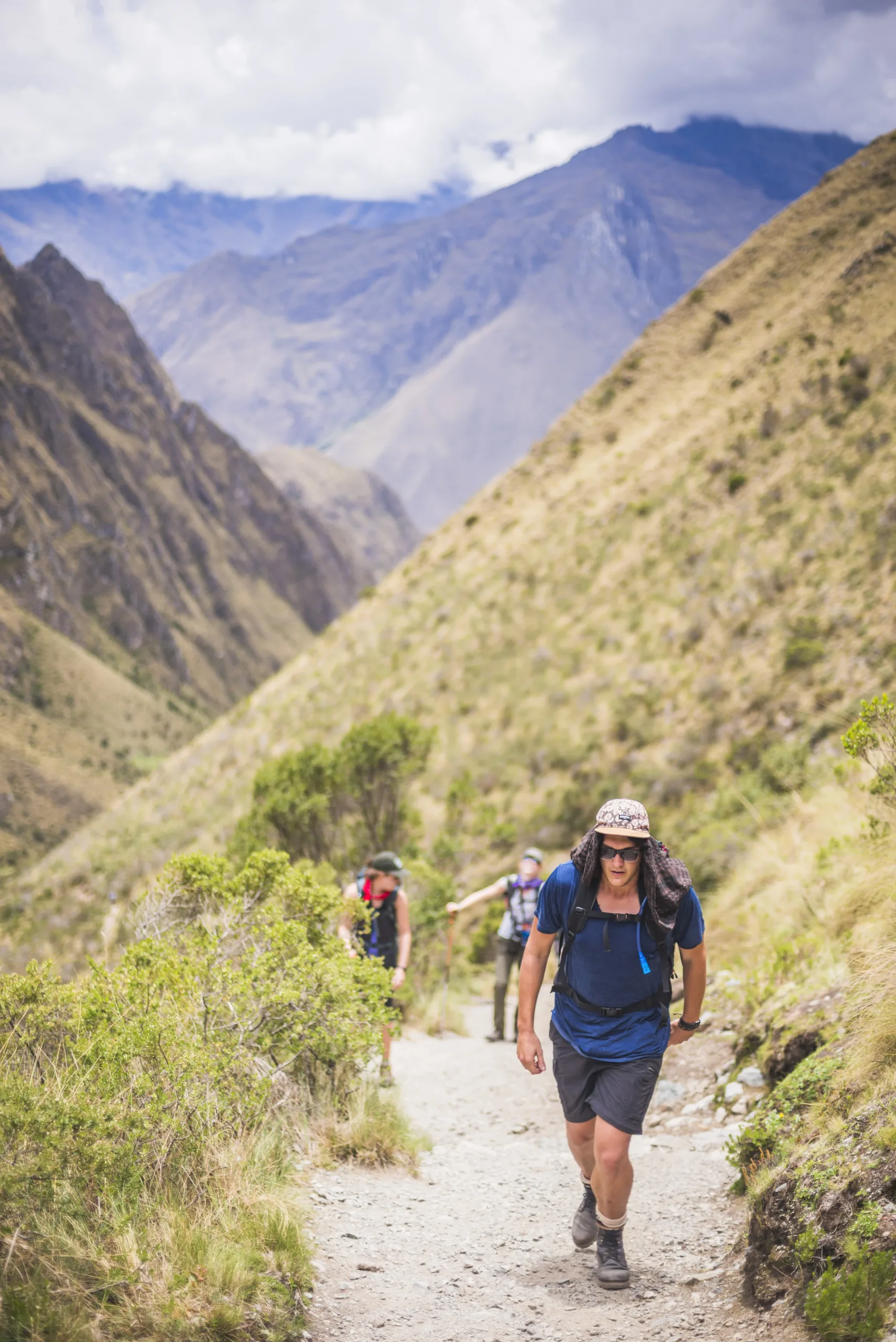
Machu Picchu vs. Cusco: The Comparison Every Traveller Must Know
This is undoubtedly the most important comparison of the entire trip. Cusco is 969 meters higher than Machu Picchu, which translates to a 9% difference in oxygen pressure. The vast majority of altitude sickness problems experienced by tourists occur in Cusco, not at the ruins.
| Machu Picchu | Cusco | |
|---|---|---|
| Altitude | 2,430 m / 7,972 ft | 3,399 m / 11,152 ft |
| Available oxygen | ~74% | ~65% |
| Barometric pressure | ~564 mmHg | ~497 mmHg |
| Average annual temperature. | 13–17 °C | 8–14 °C |
| Humidity | High | Low |
| Risk of altitude sickness | Moderate | High |
| Access | Train from Ollantaytambo / Cusco | Direct flight from Lima (~1 h) |
Why is the difference in altitude so important?
When you fly directly from Lima (47 meters above sea level) to Cusco (3,399 meters), your body experiences an altitude change of more than 3,350 meters in less than an hour like going from breathing normal air to receiving only two-thirds of your usual oxygen in a matter of minutes. This is the source of 80% of the problems experienced by tourists in Peru.
In contrast, by the time you arrive at the ruins of Machu Picchu, your body has already spent several days adjusting to Cusco. The 969-meter descent by train to Aguas Calientes provides genuine physiological relief. Most travelers feel much better at Machu Picchu than they did in Cusco.
What happens to your body in Cusco (3,399 m)?
- With oxygen levels reduced to 65%, each cell works 35% harder than at sea level.
- Accelerated heart rate: the heart pumps more frequently even at rest to compensate for hypoxia.
- Reactivate hyperventilation: you breathe faster automatically, expelling excess CO₂ and causing dizziness.
- Accelerated dehydration: Andean highland air is very dry you can lose 1–2 extra liters of water just by breathing.
- Sleep disruption: the body does not regulate nocturnal breathing properly until the third or fourth night.
- Loss of appetite: the digestive system receives less blood; Eating heavily on your first night in Cusco is a common and painful mistake.
What your body feels at Machu Picchu (2,430 m)
- Nine percentage points more oxygen: most visitors feel it as immediate relief when stepping off the train in Aguas Calientes.
- Normalized heart rate: the heart works less hard than in Cusco.
- Greater tolerance for effort: climbing the terraces is demanding but manageable for those who acclimatized properly.
- Better sleep quality: travelers who overnight in Aguas Calientes (2,040 m) consistently report better rest than in Cusco.
Essential Fact for Planning
The only way to reach Machu Picchu is by train from Cusco or Ollantaytambo. This means virtually every traveler necessarily passes through Cusco and must adapt to its altitude of 3,399 m before visiting the citadel. Plan for at least 2–3 nights in Cusco or the Sacred Valley before heading to Machu Picchu.
Machu Picchu vs. Aguas Calientes: The 400 Metres That Change Everything
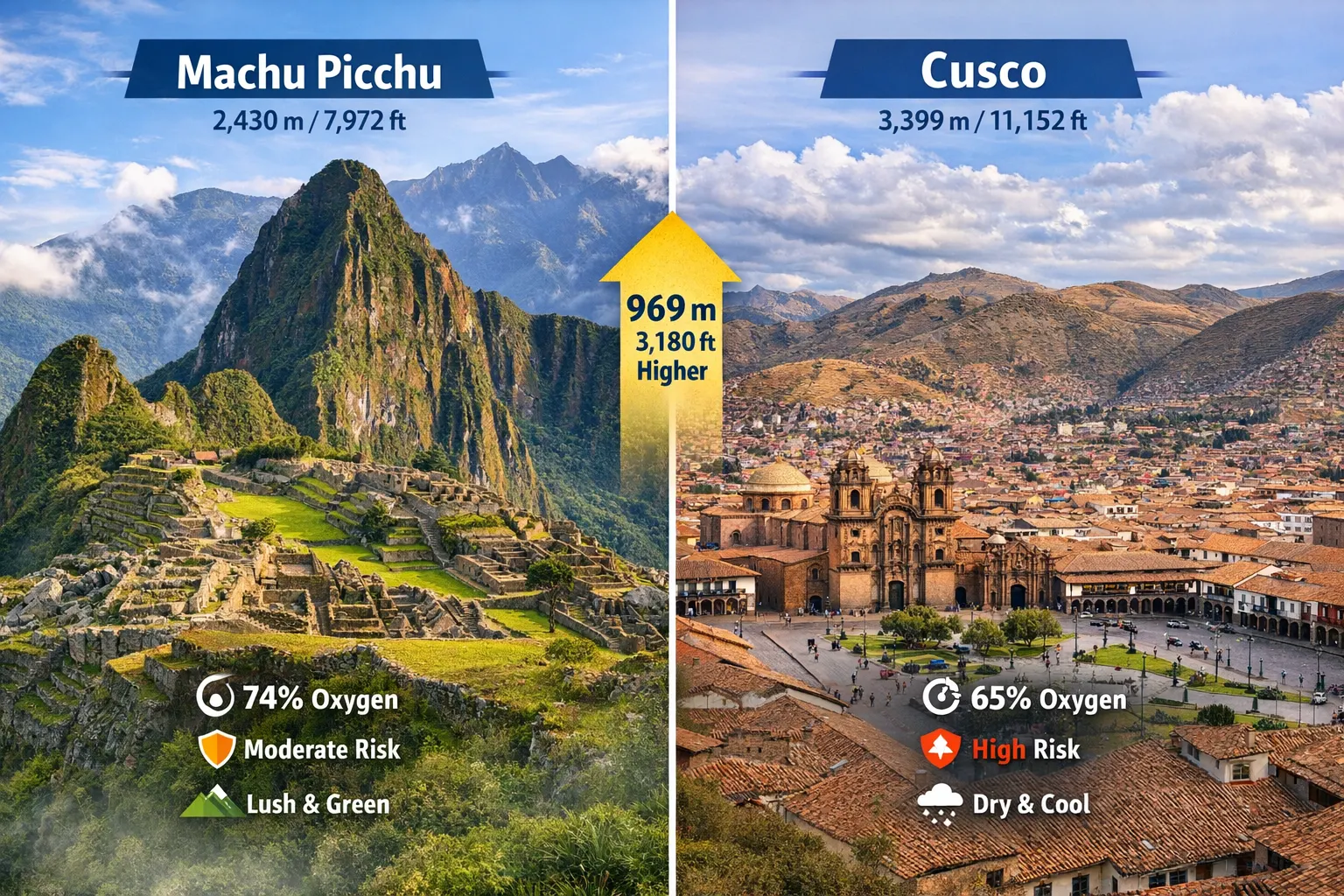
Aguas Calientes is at 2,040 masl, while Machu Picchu is at 2,430 m. The 390-meter difference can be covered in two ways, and your choice directly impacts your physical experience:
- By bus (recommended) Preserve energy for exploring the ruins. It is the best option for families, older travelers, and during rainy days, as it reduces physical strain before entering Machu Picchu.
- On foot (for adventurers) Activates circulation and offers a more immersive experience, but it can lead to premature fatigue. This option is best suited for experienced hikers who are already well-rested and acclimatized.
Why Staying in Aguas Calientes Matters
Whichever option you choose, sleeping in Aguas Calientes the night before your visit is one of the most effective acclimatization strategies. The town’s lower altitude (2,040 m versus 2,430 m at the citadel) allows for deeper sleep, better oxygen intake, and more efficient recovery, helping you arrive at Machu Picchu with more energy.
Altitudes Inside the Machu Picchu Archaeological Park
The park does not end at the main citadel. There are several viewpoints and mountains with different altitude challenges. Knowing them helps you plan what you can do based on your acclimatization level and physical condition.
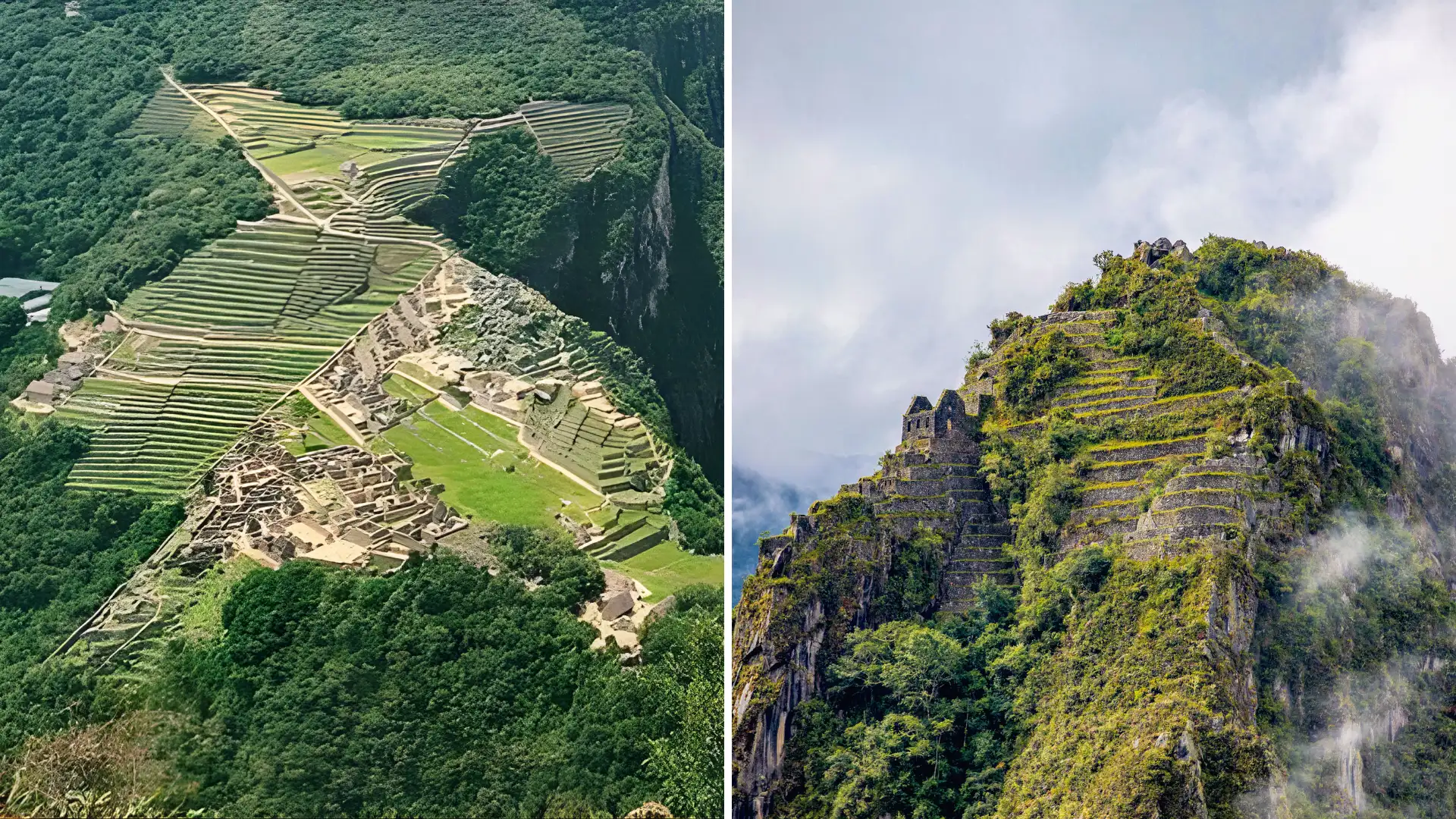
Huayna Picchu (2,693 m / 8,835 ft)
The iconic peak in almost every Machu Picchu photograph. The ascent is short (1–1.5 h up) but extremely steep. Permits are very limited: only 400 visitors/day in two slots (7:00 and 10:00 a.m.) and sell out months in advance. Book 3–6 months ahead.
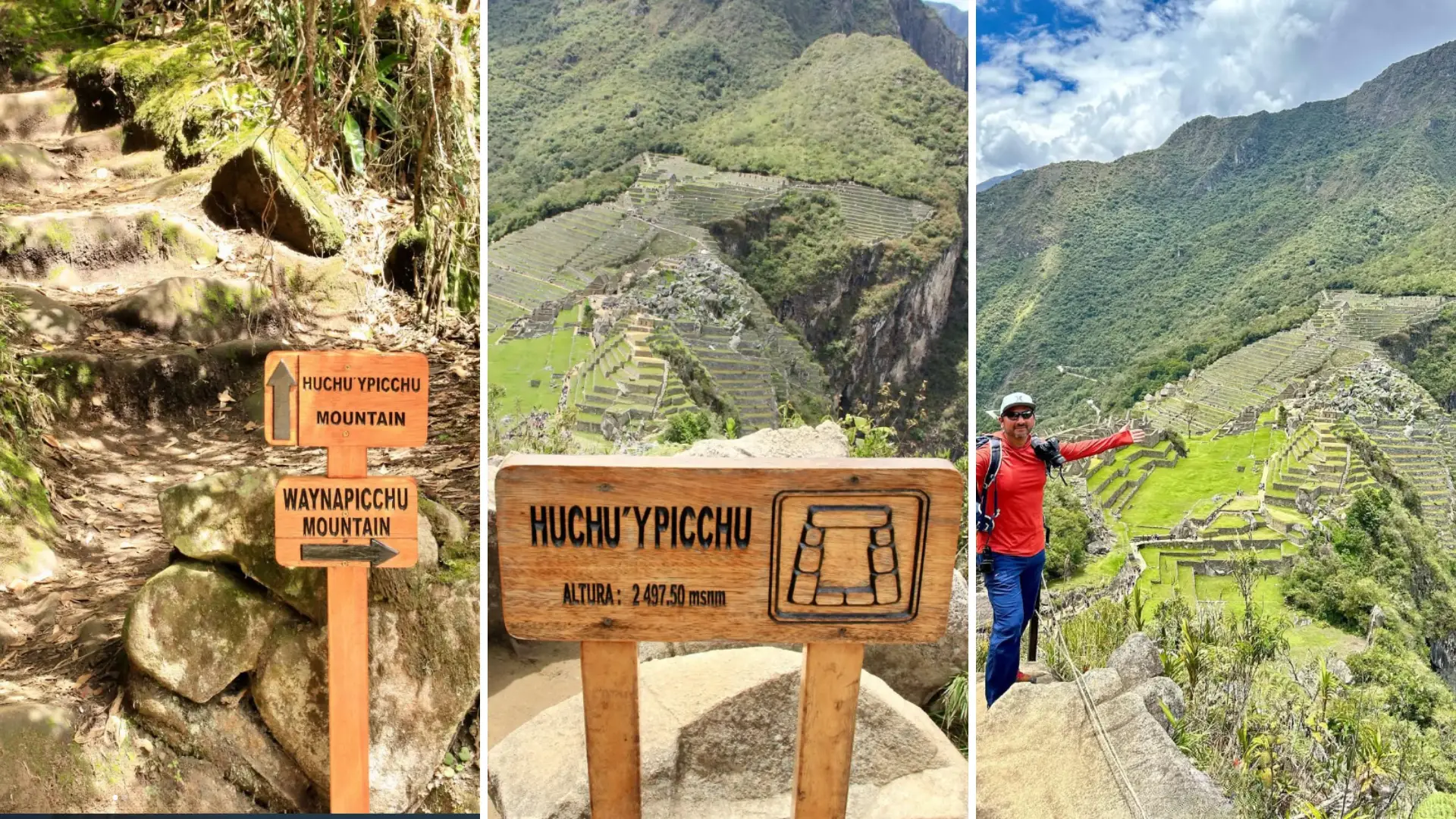
Huchuy Picchu (2,490 m / 8,169 ft)
The quiet and lesser-known alternative. With only 60 extra metres of altitude above the citadel, Huchuy Picchu offers spectacular views with far less effort and none of Huayna Picchu’s crowds. The trail takes approximately 45–60 minutes. Ideal for families or older travellers. No additional permit beyond general park entry.
Sun Gate — Inti Punku (2,720 m / 8,924 ft)
The historic arrival point of the Classic 4-Day Inca Trail. Also accessible as a half-day excursion from the citadel (2 h each way). Sunrise views of Machu Picchu from here are legendary. No additional permit needed, but arrive early as the trail closes in the afternoon.
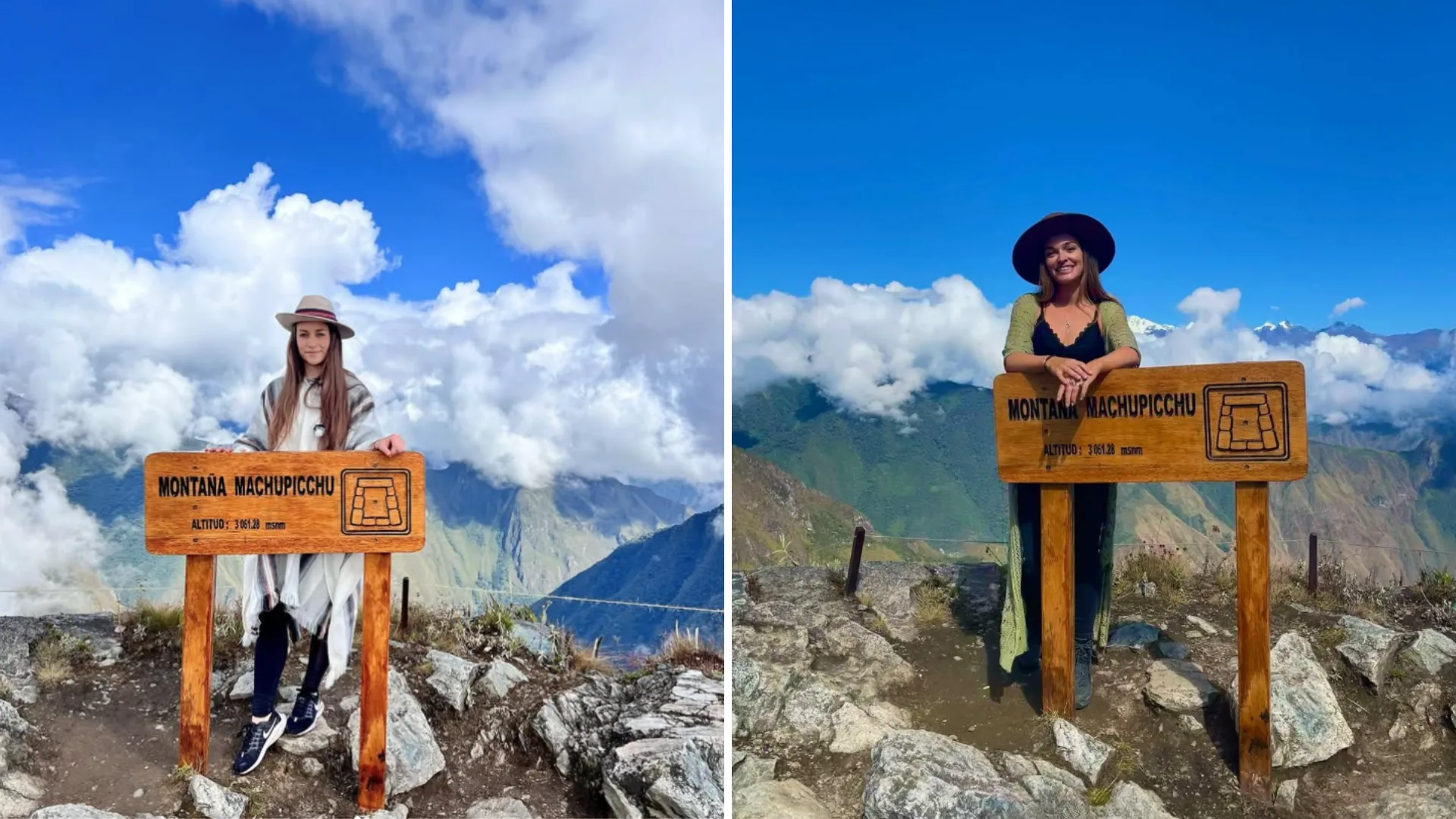
Machu Picchu Mountain (3,082 m / 10,111 ft)
The most demanding and rewarding hike in the park. With 652 metres of elevation gain from the citadel, this 3–4 hour hike takes you above the clouds. At 3,082 m, altitude becomes a real factor even for well-acclimatised visitors. Advance permit required.
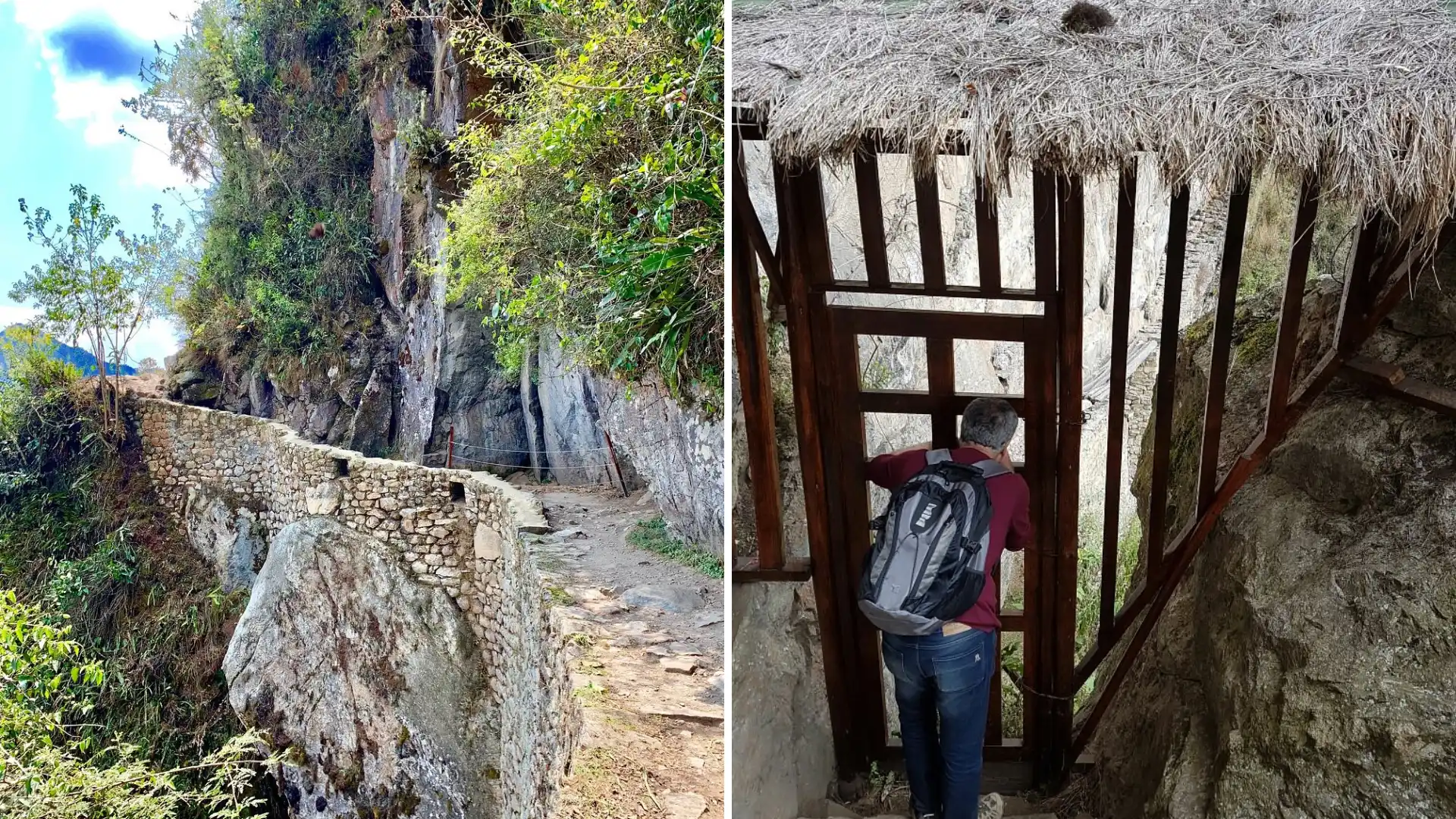
Inca Bridge (2,400 m / 7,874 ft)
A short trail (45 min round trip) running along a cliff edge to an ancient wooden Inca bridge built into the living rock. No special permit required, though you must register at the trailhead. Perfect for those seeking a different perspective without major physical demands.
Does Machu Picchu's Altitude Cause Altitude Sickness?
Honest answer: it can cause symptoms, but it is far from inevitable. The citadel at 2,430 m is considered moderate-to-high altitude by international medical classification. At this elevation, the body operates with approximately 26% less oxygen than at sea level. However, most travellers who have correctly acclimatised in Cusco or the Sacred Valley feel relief on arriving at Machu Picchu, not discomfort.
The Three Types of Altitude Sickness You Need to Know
- Acute Mountain Sickness (AMS) — Most Common
AMS is the most common and benign form of altitude illness. It manifests 6–12 hours after arriving at a high altitude. Main symptoms include: headache, unusual fatigue, nausea or loss of appetite, dizziness when standing up, insomnia or fragmented sleep, and shortness of breath with minimal effort.
Golden rule of AMS: if symptoms improve with rest, you may stay at that altitude. If they worsen or do not improve within 24 hours, descend.
Treatment: complete rest, abundant hydration, ibuprofen (600 mg) for headache, and acetazolamide if prescribed by your doctor. Avoid alcohol, intense exercise, and large meals.
- High-Altitude Pulmonary Oedema (HAPE) — Moderate to Severe
HAPE involves fluid accumulation in the lungs as a response to altitude.
Warning signs: difficulty breathing even at rest, persistent cough progressing to phlegm or blood, a bubbling or crackling sound while breathing.
Immediate action required: descend at least 500–1,000 metres as quickly as possible, administer supplemental oxygen if available, and move to a medical centre urgently. It is the leading cause of death from altitude.
- High-Altitude Cerebral Oedema (HACE) — Medical Emergency
HACE is the most severe and potentially fatal form of altitude illness. It involves brain swelling due to pressure changes.
Critical symptoms: intense headache unresponsive to painkillers, loss of coordination, confusion, hallucinations or disorientation, and loss of consciousness.
Emergency protocol: IMMEDIATE DESCENT without any delay, dexamethasone if available, high-concentration supplemental oxygen, and urgent transfer to Cusco Regional Hospital or Clínica Pardo.
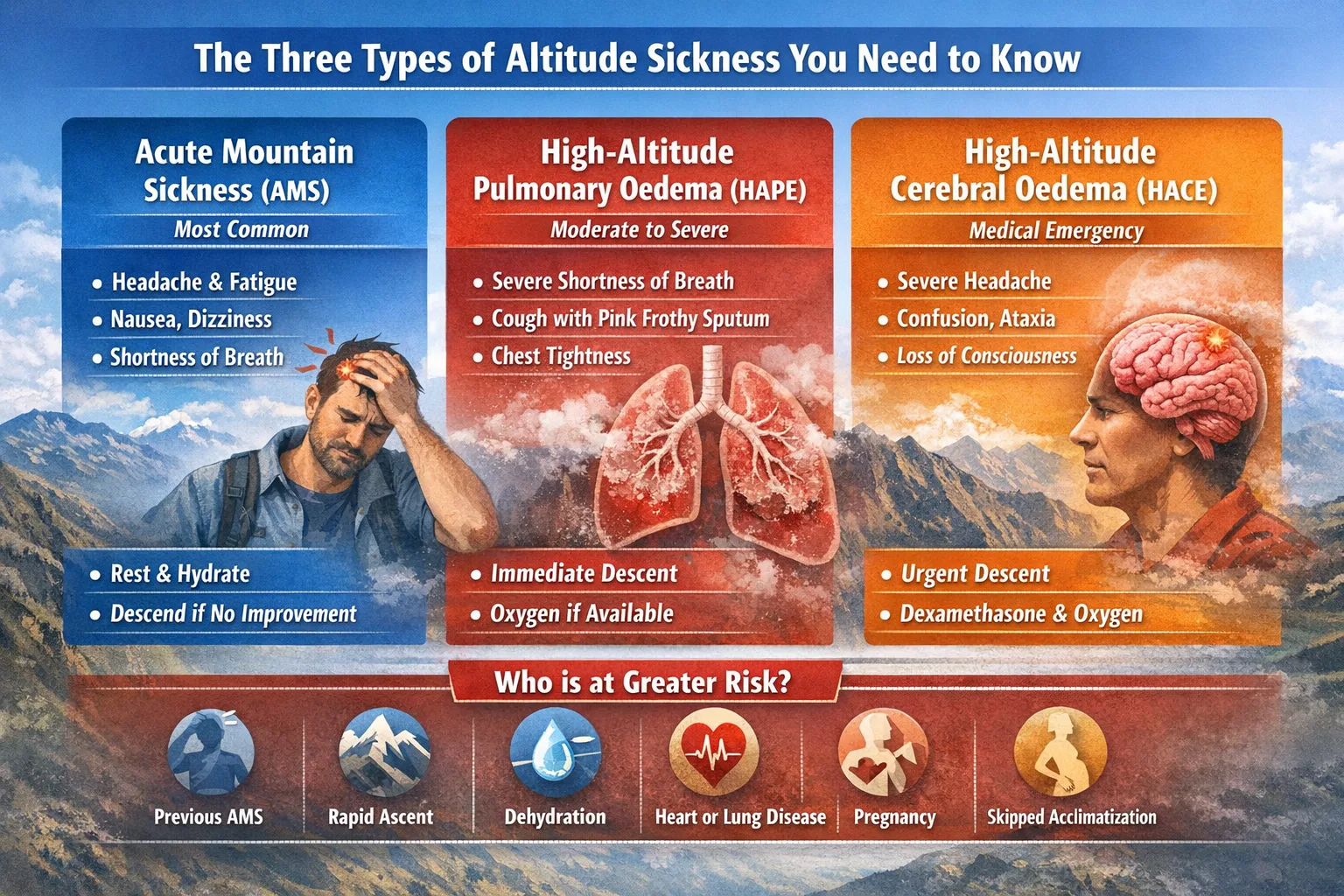
Who is at greater risk?
- Previous history of AMS: the most reliable predictor. If you’ve had it before, plan with extra caution.
- Speed of ascent: flying directly from Lima (47 m) to Cusco (3,399 m) in one hour is the highest-risk scenario.
- Prior dehydration: arriving dehydrated at your flight amplifies all symptoms.
- Cardiopulmonary conditions: asthma, COPD, heart failure, or poorly controlled hypertension.
- Pregnancy: altitudes above 2,500 m require prior medical consultation for pregnant travellers.
- Rushed itinerary: skipping acclimatisation days in Cusco or the Sacred Valley.
Important: Altitude sickness does not discriminate by age or fitness level. A professional triathlete can suffer it just as much as an older person. The key is not your physical condition, but the speed of ascent and time allowed for acclimatisation. Do not underestimate Cusco’s altitude.
Altitude Sickness Symptoms and How to Prevent Them
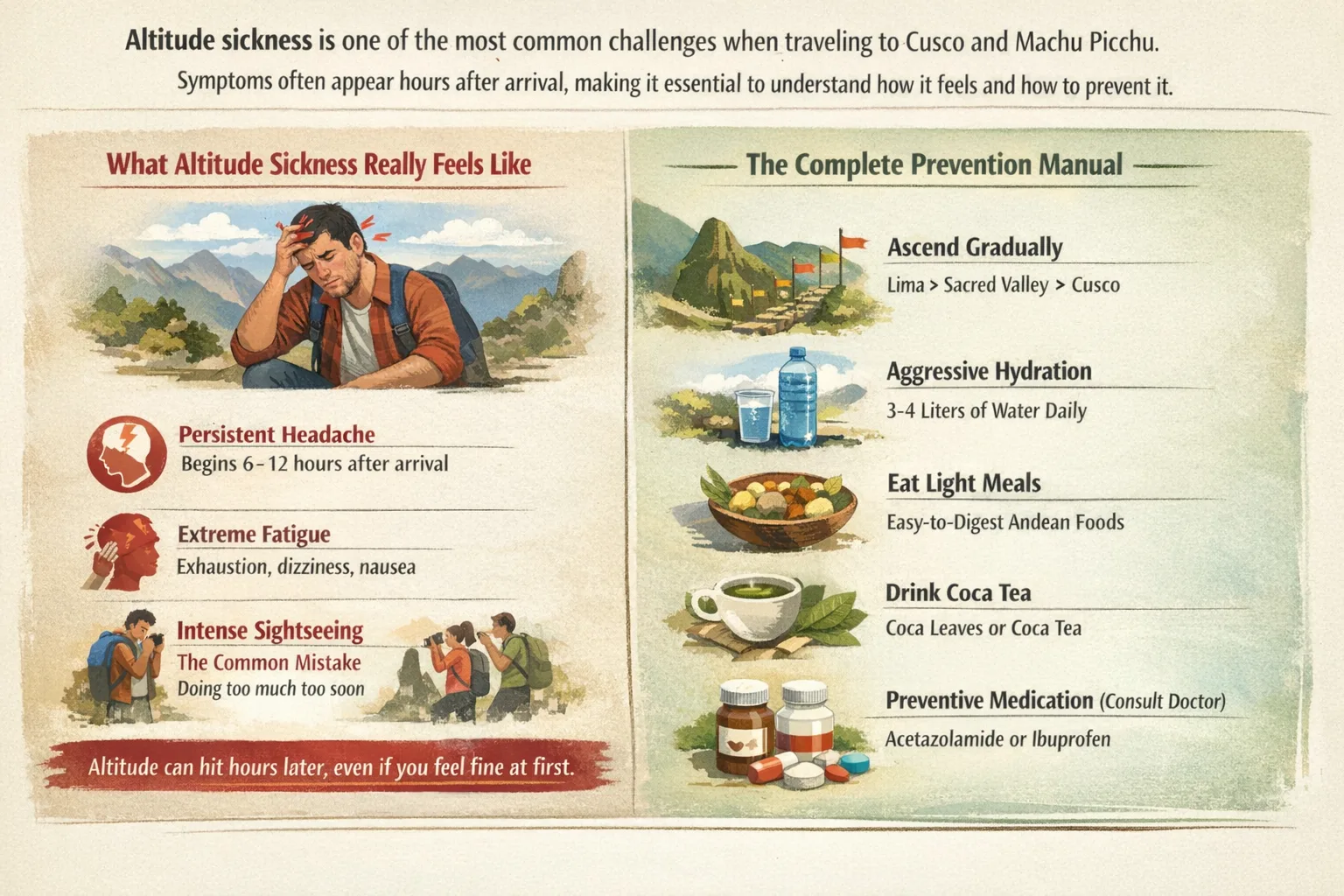
Altitude sickness is one of the most common challenges when traveling to Cusco and Machu Picchu. Symptoms often appear hours after arrival, making it essential to understand how it feels and how to prevent it.
What altitude sickness really feels like
The first symptom is usually a dull and persistent headache that settles behind the eyes or across the forehead. It typically appears between 6 and 12 hours after reaching high altitude. This is why many travellers who feel perfectly fine upon arriving in Cusco often wake up in the middle of the night with a strong headache.
After the headache, a deep and disproportionate fatigue sets in. This is not normal travel tiredness, but a level of exhaustion that makes even small efforts, such as climbing a few steps, feel extremely difficult. Nausea, dizziness when standing, palpitations at rest, and disrupted sleep usually follow.
The most common mistake:Many travellers feel well upon arrival in Cusco and decide to spend the day doing intensive sightseeing. However, symptoms often appear later in the afternoon or evening. Altitude always takes its toll, even if it is delayed.
The Complete Prevention Manual
- Ascend Gradually: The Golden Rule
This is the most scientifically supported strategy. Each night spent at a lower altitude before arriving in Cusco makes a measurable difference. A recommended route is Lima, then the Sacred Valley with an overnight stay, followed by Cusco for two nights, then Aguas Calientes, and finally Machu Picchu.
- Aggressive Hydration from Day One
The goal is to drink between three and four litres of water per day starting from the moment you land in Cusco. Altitude increases dehydration due to faster breathing, which causes greater water loss with each exhalation. Drink regularly, even before you feel thirsty. Limit coffee and black tea, and avoid alcohol during the first two days.
- Eat Light for the First 48 Hours
At high altitude, the digestive system receives less blood flow. Traditional Andean foods such as quinoa, potatoes, and corn-based soups are ideal because they are easy to digest and provide efficient energy. It is best to avoid heavy meals, fried foods, and excessive animal protein during this period.
- Drink Coca Tea or Chew Coca Leaves
Coca has been used in the Andes for centuries due to its mild vasodilatory and analgesic effects. Coca tea is widely available in hotels, restaurants, and local markets in Cusco and Aguas Calientes. It may help reduce headache and nausea associated with altitude. It is legal within Peru.
- Preventive Medication (consult your doctor)
Acetazolamide (Diamox): 125–250 mg twice daily, starting 24–48 h before ascent. Side effects: tingling in hands and feet, frequent urination. Ibuprofen 600 mg: multiple studies have shown efficacy comparable to acetazolamide for preventing AMS. Available over the counter. Dexamethasone: powerful corticosteroid; reserved for emergency treatment of severe HACE and HAPE.
- Available in Cusco without prescription
Acetazolamide is available in most pharmacies in Cusco under the name “Soroche Pills,” often combined with aspirin. Many travellers purchase it upon arrival if they did not bring it with them. However, consulting a doctor before your trip is always the safest approach.
Complete Acclimatisation Guide for Machu Picchu's Altitude
Acclimatisation is not a one-time event, but a continuous physiological process. From the moment your body detects lower oxygen pressure, it begins a series of adaptations. Your breathing rate increases, your heart works harder, and over the following days your kidneys adjust the acid-base balance in your blood. At the same time, your body produces more erythropoietin, which stimulates the creation of red blood cells.
Full adaptation can take weeks. However, for most travellers visiting Machu Picchu, a well-planned acclimatisation period of three to five days is enough to significantly reduce symptoms and improve comfort.
The Climb High and Sleep Low Principle
This is one of the most effective strategies used by mountaineers and experienced guides. It involves reaching higher altitudes during the day and returning to a lower elevation to sleep.
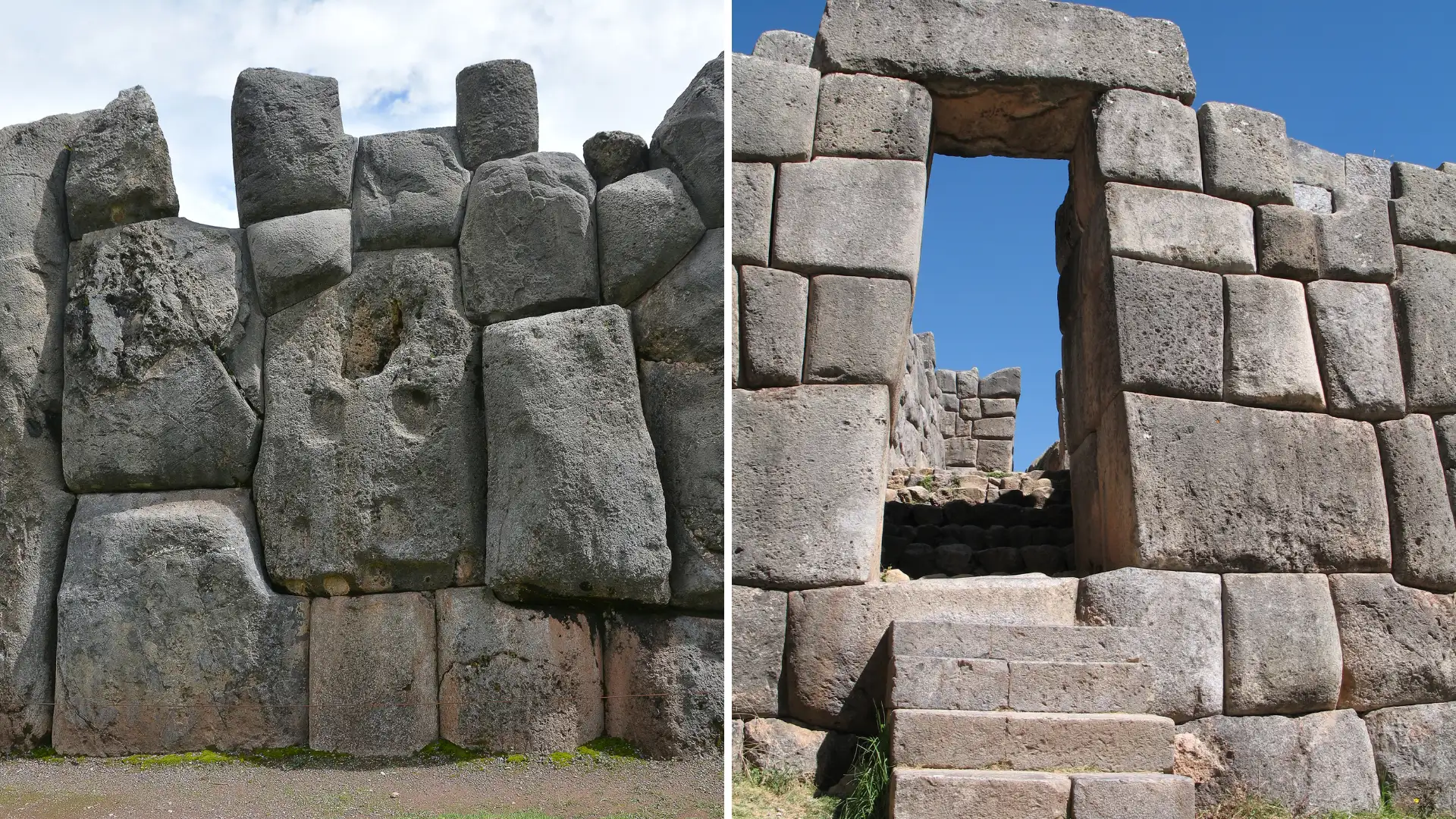
Cusco is ideal for applying this principle. During the day, you can visit places like Sacsayhuamán at around 3,700 meters or the Pisac market at approximately 3,330 meters. At night, you return to sleep either in Cusco or, even better, in the Sacred Valley at around 2,800 meters, which improves recovery and adaptation.
What Happens in Your Body During Acclimatisation
| Period | Physiological Process | What You Feel | Recommendation |
|---|---|---|---|
| First 6–12 h | Reactive hyperventilation; increased heart rate | Slight dizziness, fatigue, possible headache | Rest, water, no alcohol |
| 12–48 h | Kidney adjustment of blood bicarbonate | Peak altitude symptoms, more frequent urination | Medication if prescribed; walk slowly |
| 48–72 h | Stabilisation of blood pH | Progressive improvement; slightly better sleep | Short walks; constant hydration |
| 3–5 days | Increased production of red blood cells | Increasing energy; fewer headaches | Short excursions to higher altitudes |
| Weeks | Full red blood cell adaptation | Physical performance near normal | Long hikes and trekking now feasible |
The Winning Itinerary: The Best Route to Acclimatise Before Machu Picchu
After understanding the theory, this is the itinerary that works best in practice. It may not be the fastest option, but it consistently provides the most comfortable and rewarding experience for the majority of travellers visiting Machu Picchu.
| Day | Location | Altitude | Activity & Strategy |
|---|---|---|---|
| Day 1 | Cusco – Arrival & City Tour | 3,399 m / 11,152 ft | Arrival, hotel transfer, light city tour to nearby ruins, rest in Cusco |
| Day 2 | Sacred Valley – Pisac & Ollantaytambo – Aguas Calientes | 2,792–2,957 m / 2,040 m | Visit Pisac and Ollantaytambo, train to Aguas Calientes, overnight stay |
| Day 3 | Machu Picchu – Return to Cusco | 2,430 m / 3,399 m | Early visit to Machu Picchu, guided tour, return to Cusco |
| Day 4 | Rainbow Mountain Hike | 5,036 m / 16,522 ft | Early hike to Rainbow Mountain, slow pace, return to Cusco |
| Day 5 | Cusco – Departure | 3,399 m / 11,152 ft | Transfer to airport |
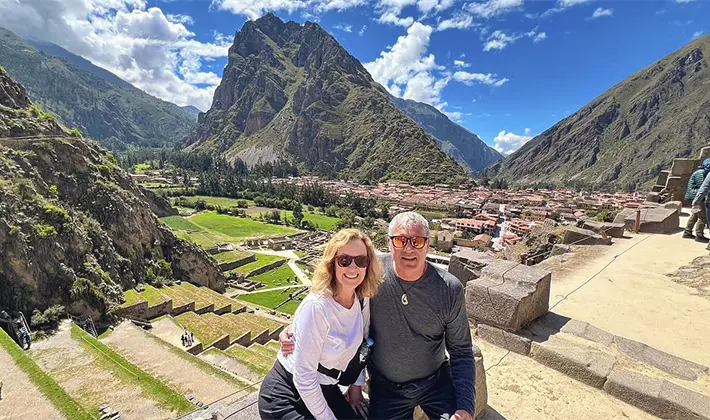
Magical Cusco Tours 5 Days and 4 nights
The Cusco Magic 5 Days trip is the ideal way to witness the highlights of the Peruvian Andes in a single and unforgettable experience. Experience on the adventure of a lifetime wit...
Practical Tip
This itinerary allows gradual acclimatization by combining higher and lower altitudes throughout the trip. Machu Picchu is visited after adaptation, while Rainbow Mountain is scheduled at the end when your body is better prepared.
Medical Centres Near Machu Picchu
Even with the best preparation, altitude sickness can happen. Knowing in advance where to get help is just as important as knowing how to prevent it. Do not improvise in an altitude emergency.
| Medical Centre | Location | Altitude | Services & Contact |
|---|---|---|---|
| Medical Post — Machu Picchu entrance | Citadel / main entrance | 2,430 m | First-level care. Supplemental oxygen, basic stabilisation and evacuation coordination. Open during park hours. |
| EsSalud — Aguas Calientes | Aguas Calientes town centre | 2,040 m | Public health centre providing treatment for moderate altitude sickness, including oxygen, IV fluids, and monitoring. Open daily. Phone: +51 84 211 023 |
| Cusco Regional Hospital | Av. De la Cultura, Cusco | 3,399 m | Full diagnostic and treatment facilities, equipped to handle severe cases such as HAPE and HACE. Phone: +51 84 223 691 |
| Clínica Pardo — Cusco | Av. de la Cultura 710, Cusco | 3,399 m | Private clinic with experience treating international patients, English-speaking staff, and direct agreements with international travel insurance providers |
Emergency Numbers You Should Save Before Your Trip
- Tourism Police (PNP): 105
- National emergency line: 116
- Cusco Regional Hospital: +51 84 223 691
- Aguas Calientes Health Centre: +51 84 211 023
If you are traveling with a tour operator, make sure to save their 24-hour emergency contact number as well. Most operators have agreements with local clinics and can coordinate medical assistance and transportation quickly when needed.
Recommendations for Specific Groups
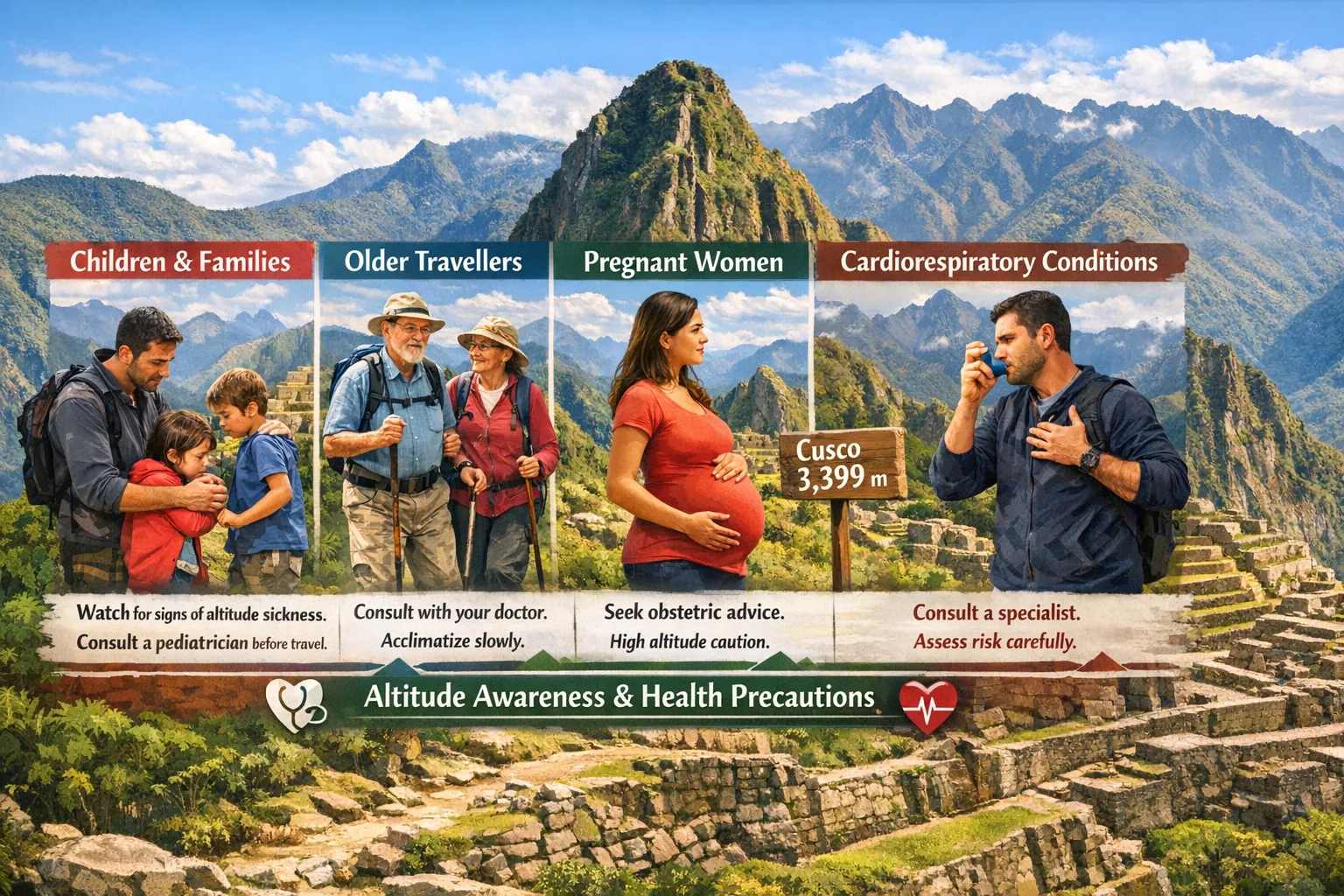
Not all travellers respond to altitude in the same way, making it essential to consider individual health conditions and specific needs before visiting Machu Picchu.
Children and Families
Children can visit Machu Picchu without any problem, but they can be more difficult to assess when it comes to altitude symptoms, as they may not clearly express how they feel. It is important to watch for signs such as unusual lethargy, loss of appetite, or persistent headaches. The same acclimatisation rules should be applied. Acetazolamide is generally not recommended for children under 4 to 5 years old, so consulting a paediatrician beforehand is essential.
Older Travellers
Age does not directly predict susceptibility to AMS, but older adults with cardiac or pulmonary conditions should consult a specialist before the trip. The slower pace that older travellers typically maintain is, in fact, the ideal acclimatisation strategy.
Pregnant Women
Current medical guidelines generally advise avoiding travel to high altitudes during pregnancy. Machu Picchu, at 2,430 meters, falls into a moderate range, which is lower than high-risk altitudes but still not insignificant. The Cusco portion of the trip, at 3,399 meters, requires careful prior evaluation by an obstetric specialist.
People with Cardiorespiratory Conditions
Altitude increases cardiac workload and reduces available oxygen a challenging combination for those with asthma, COPD, heart failure, or hypertension. A consultation with a cardiologist or pulmonologist specialising in altitude medicine is essential before booking the trip.
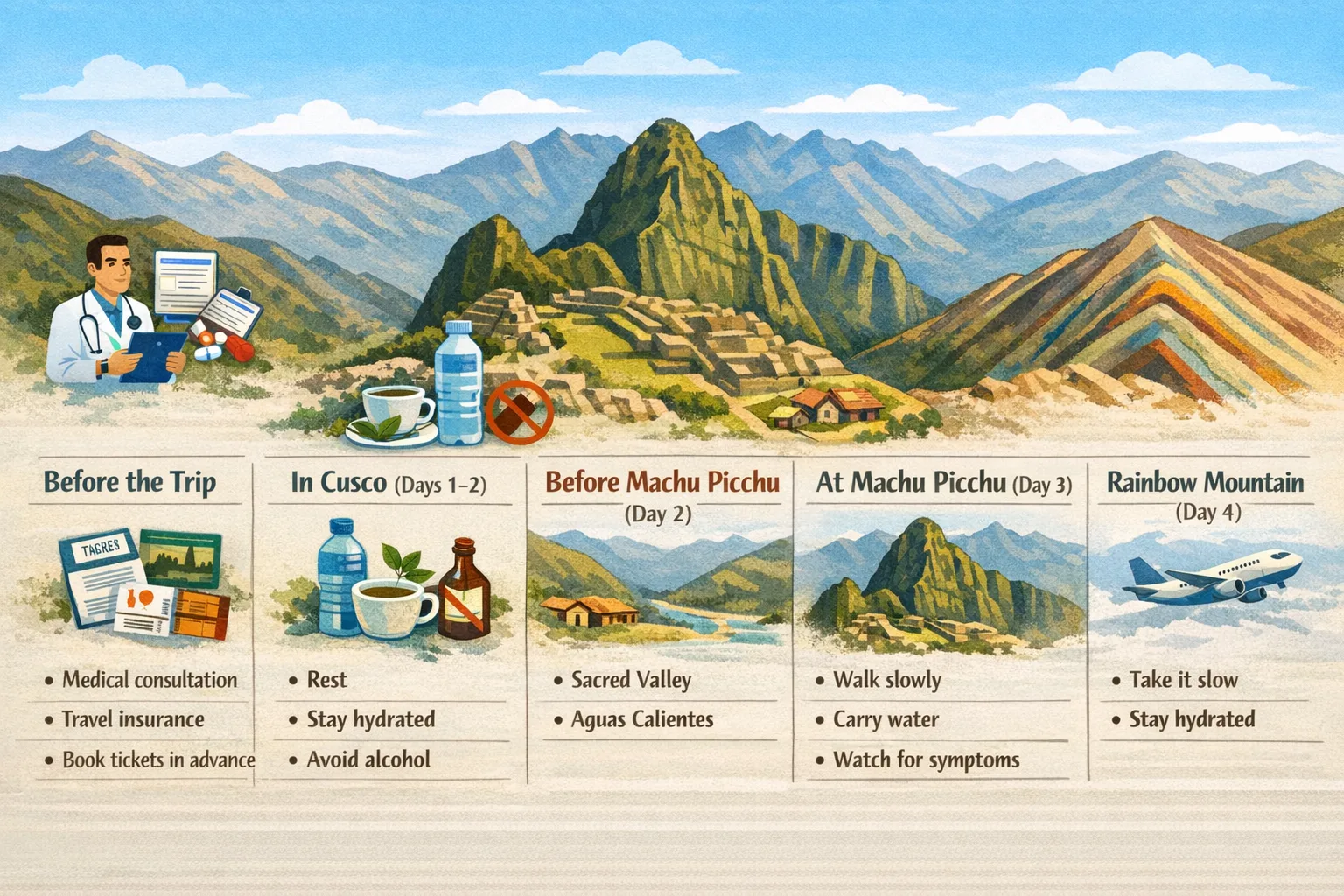
Altitude Preparation Checklist for Machu Picchu
This guide shows how to manage altitude day by day throughout your trip.
Before leaving home
- Consult your doctor about prophylactic acetazolamide or ibuprofen at least two weeks before departure.
- Purchase travel insurance with coverage for altitude medical evacuation (verify it explicitly covers Peru)
- Book Machu Picchu tickets and mountain permits three to six months in advance, especially during high season.
- If you have cardiac or pulmonary conditions, arrange a specialist evaluation by a travel medicine doctor
During the Trip in Cusco (Days 1–2)
- No intense activity on the first day. Rest is essential for acclimatization.
- Drink between three and four litres of water daily from the moment you land.
- Avoid alcohol during the first 48 hours, as it can worsen altitude symptoms.
- Drink coca tea at your hotel or in local markets.
- Eat light and early meals such as Andean soups, quinoa, and potatoes, and avoid heavy or fatty foods.
- Sleep with your head elevated using an extra pillow during the first nights to ease breathing.
Before Going to Machu Picchu (Day 2)
- Take advantage of the Sacred Valley’s lower altitude before continuing to Aguas Calientes.
- Stay overnight in Aguas Calientes, as this significantly improves acclimatization.
- Go to bed early and prepare for an early start the next morning.
At Machu Picchu (Day 3)
- Walk slowly during the first hour to allow your body to adjust.
- If you booked Huayna Picchu or Machu Picchu Mountain, assess how you feel before ascending.
- Carry water and light snacks, as the site is large and the high-altitude sun can cause rapid dehydration.
- If you experience any unusual symptoms, go directly to the medical post at the entrance.
High Altitude Day (Day 4 – Rainbow Mountain)
- This is the most demanding day in terms of altitude. Walk slowly and maintain a steady pace.
- Stay well hydrated before and during the hike.
- Eat light and avoid overexertion.
- Pay close attention to your body and stop if symptoms worsen.
Final Day (Day 5)
- Continue hydrating and take it easy before your transfer to the airport. By this stage, your body is already better adapted to the altitude.
Machu Picchu Is Yours With the Right Preparation
Machu Picchu’s altitude, at 2,430 meters above sea level, is real but perfectly manageable. The true challenge lies in Cusco, which sits at 3,399 meters, rather than in the citadel itself. With gradual acclimatization over 2 to 3 days, proper hydration, a steady pace, and, if necessary, preventive medication, the vast majority of travelers can enjoy Machu Picchu without major issues.
Don’t let the fear of altitude stop you from experiencing one of the most extraordinary wonders in the world. With proper preparation, the visit to Machu Picchu can easily become the highlight of your entire travel experience.
Frequently asked questions about Machu Picchu Complete Altitude Guide
The altitude of Machu Picchu is approximately 2,430 meters (7,972 feet) above sea level. This elevation is significantly lower than Cusco, which is at about 3,399 meters (11,152 feet), but still high enough that some visitors may experience mild altitude sickness symptoms, especially if arriving directly from sea level.
Machu Picchu, the ancient Inca citadel in Peru, is located at an elevation of 2,430 meters (7,972 feet) above sea level.
Yes, altitude sickness remedies are available for visitors to Machu Picchu, and many travelers use them as a preventative measure. The most common medication is acetazolamide (Diamox), which is usually recommended to be taken 24 to 48 hours before ascending to high altitudes to help prevent altitude sickness symptoms.
Altitude sickness can begin within the first 24 hours with symptoms such as headache, fatigue, dizziness, nausea, loss of appetite, and difficulty sleeping; however, if you experience confusion, difficulty breathing at rest, coughing up frothy liquid, or loss of coordination, descend immediately and seek medical help.
It is strongly recommended to spend at least two full days (48 hours) acclimatizing in Cusco, which is located at an altitude of 3,400 meters (11,155 feet), before visiting high-altitude ruins or beginning any treks. During this time, engage in light physical activity, stay hydrated, and eat light meals to allow your body to adjust.