Llamas or Alpacas at Machu Picchu? Identify, Compare, and Understand
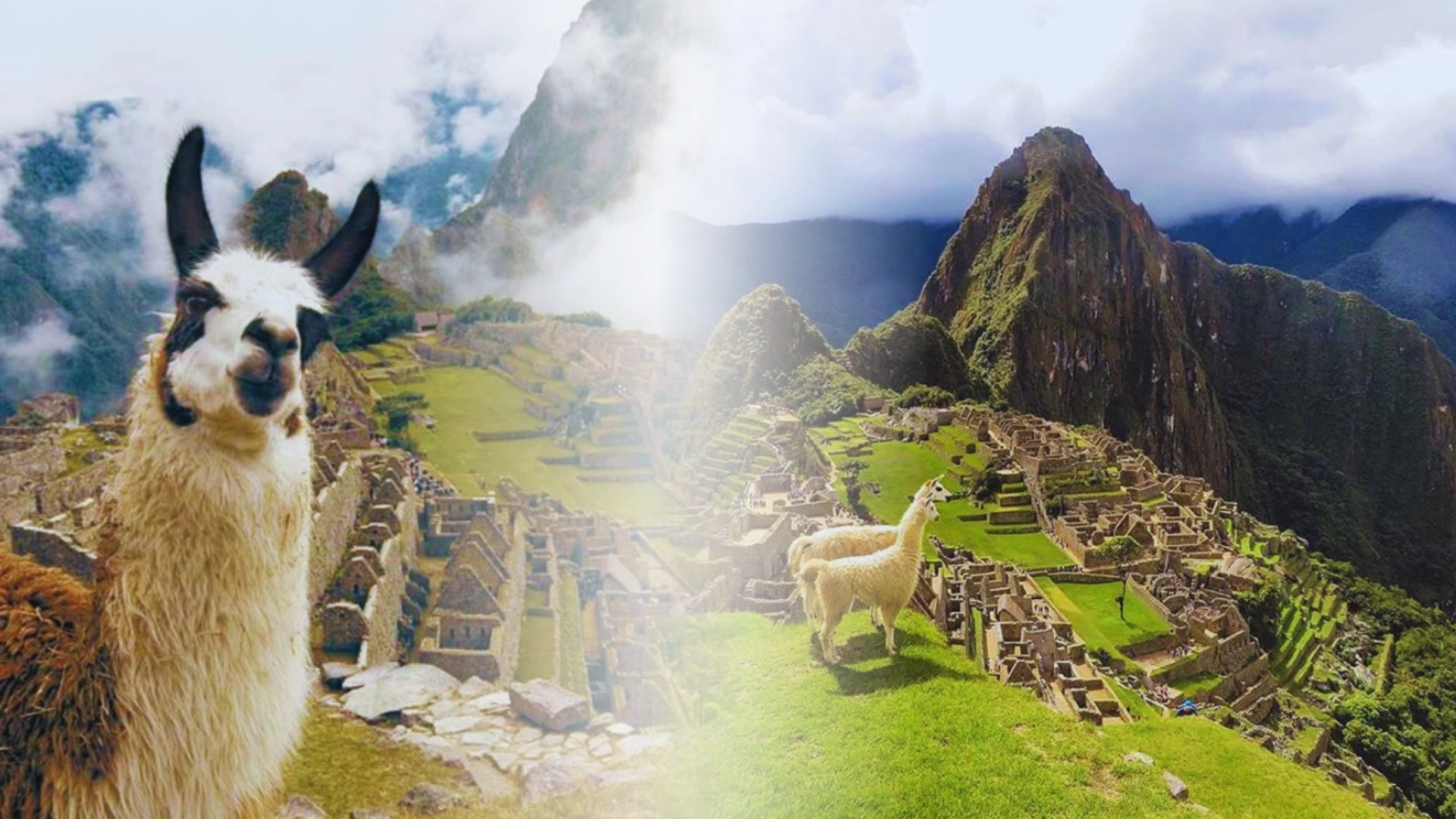
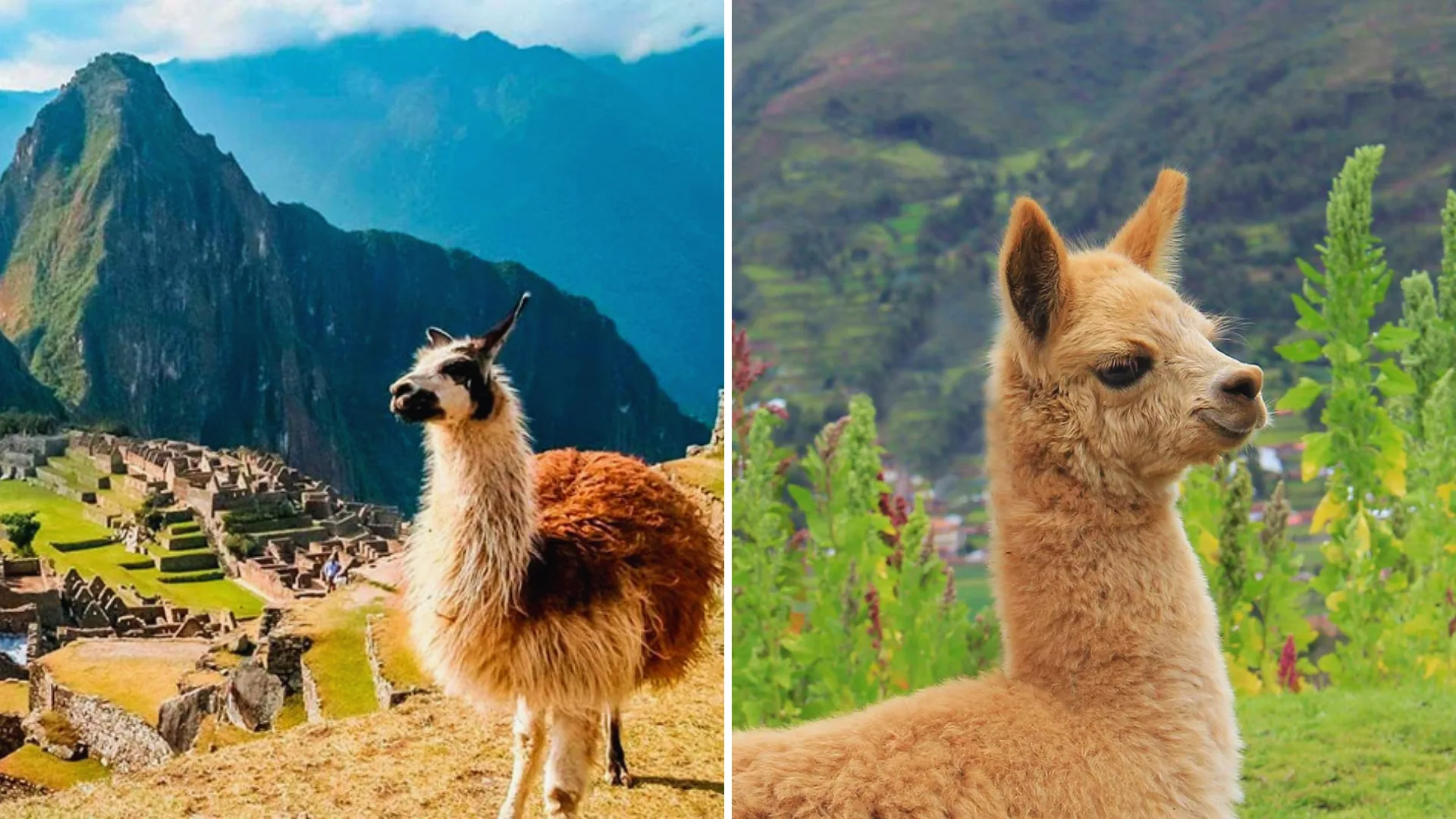
When travelers arrive at Machu Picchu, one of the first questions they ask is simple: Are there llamas or alpacas at Machu Picchu? The answer is straightforward the sanctuary is home almost entirely to llamas. These long necked camelids roam freely across the terraces, appear naturally in the most photographed viewpoints, and have become part of the site’s identity. Many visitors expect to see both species, which is why searches like machu picchu llama or alpaca or peru llamas or alpacas are so common. However, alpacas prefer flat, open grasslands and therefore rarely inhabit the steep, terraced landscape of the citadel.
The presence of these grazing silhouettes amongst the ruins enhances the overall experience for visitors and feeds the curiosity of many as to why llamas thrive in this area. This understand guide will give visitors information regarding the role that llamas play at Machu Picchu and the reasons for the rare sighting of an alpaca in this historical landmark for the Inca civilization. Learning above will complete a visitor’s experience at Machu Picchu and provide insight for anyone who travels for the purpose of simply learning about the historical significance of llama in Andes culture and function are llamas or alpacas at Machu Picchu.
Are There Llamas or Alpacas at Machu Picchu?
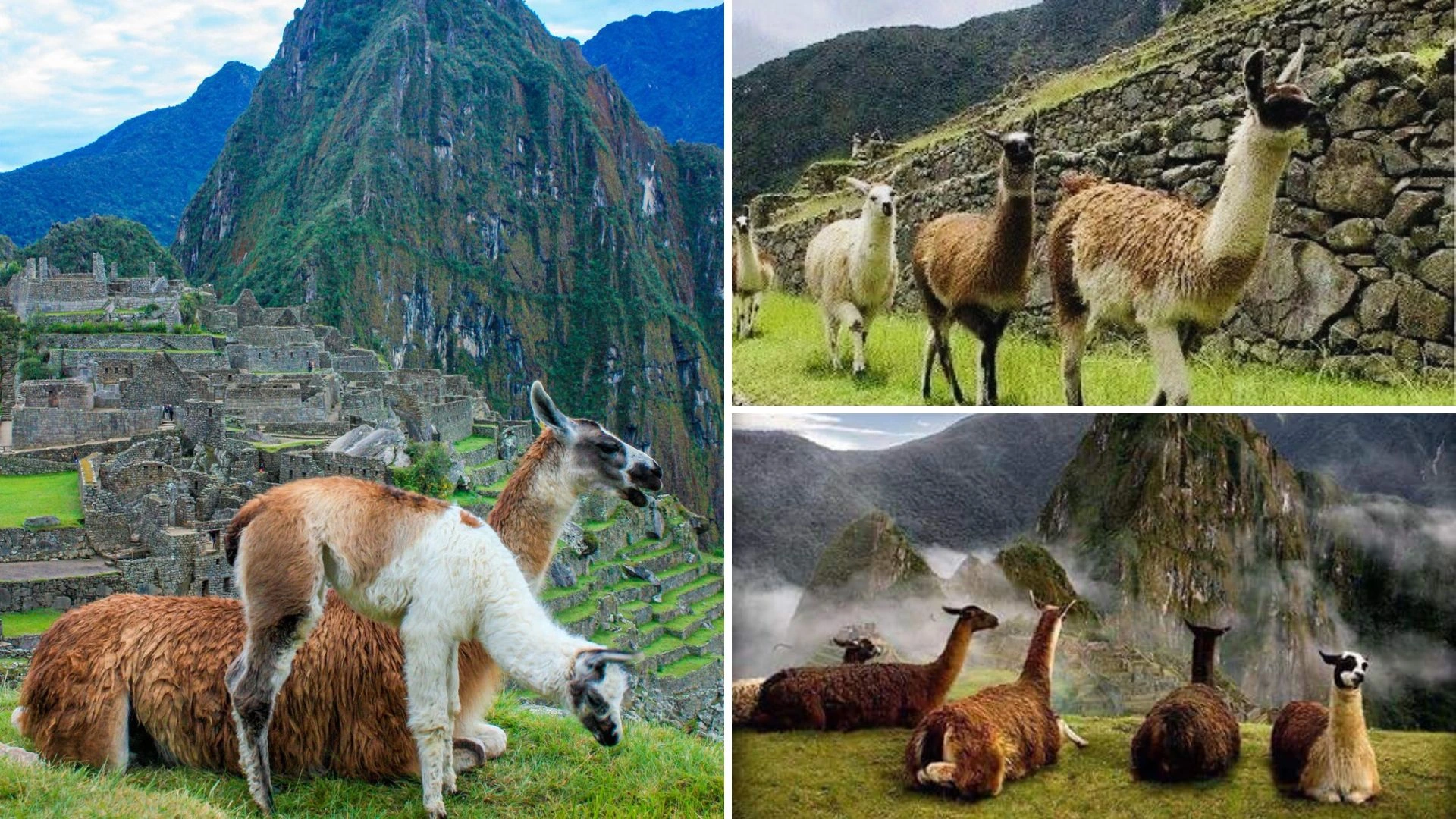
Even though visitors often anticipate seeing both camelid species in this region, Machu Picchu is mostly populated by llamas. Reportedly the site has about 25 llamas that live in different places on the citadel. These llamas were not artificially placed for tourism; they are free, graze, and are part of the landscape. This explains why most casual sightings are described online as machu picchu llamas or simply llamas machu picchu, because they are by far the most common species at the sanctuary.
are rarely found at the site that you won’t see alpacas at Machu Picchu, because they prefer flat, open grasslands, not the steep terraces that characterize this archaeological complex. For this reason, searches like machu picchu alpacas or alpacas machu picchu often lead to the conclusion that alpacas are extremely uncommon here.
Key Differences Between Llamas and Alpacas
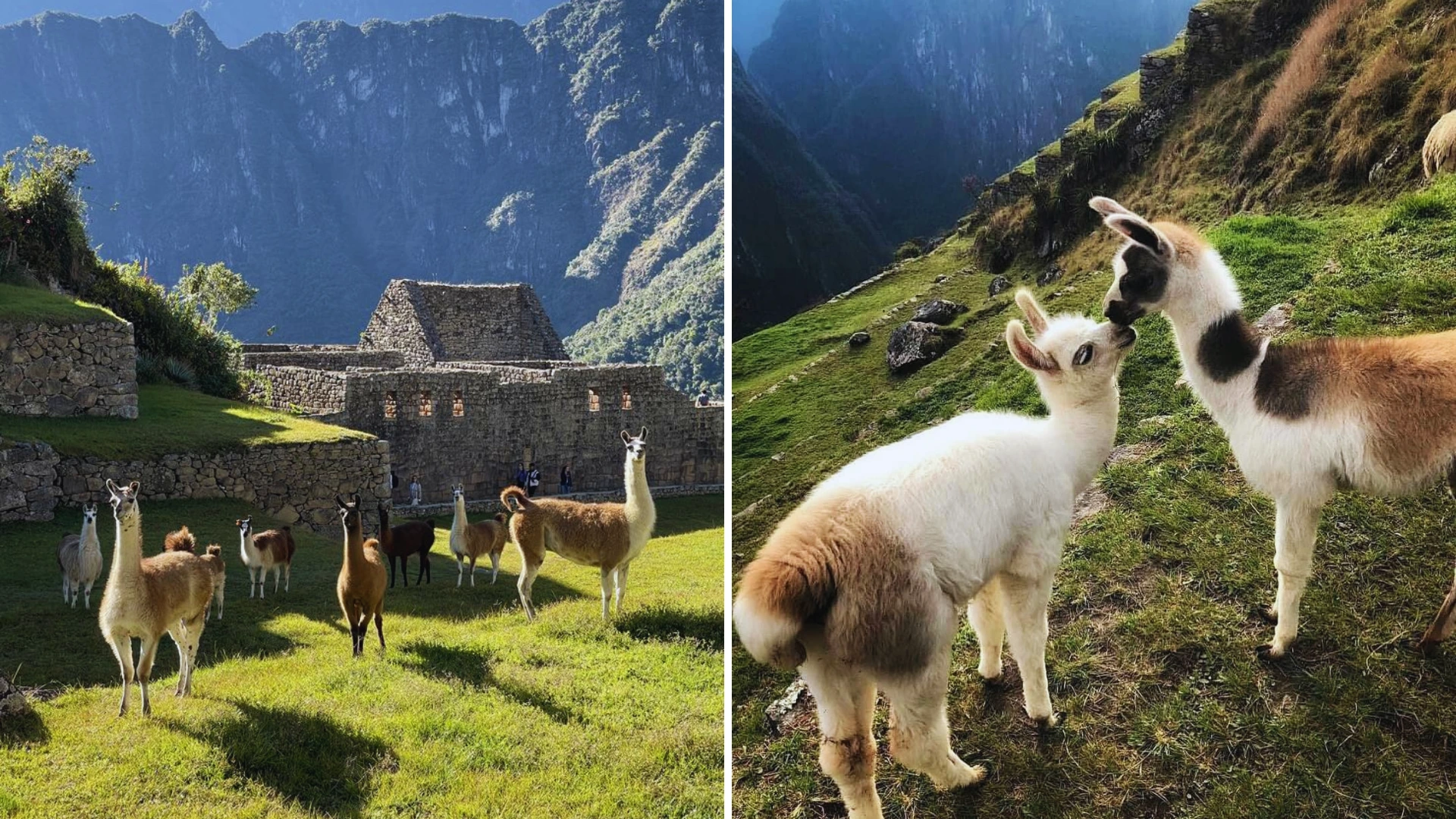
Llamas and alpacas are frequently mistaken for one another by tourists, particularly when they coexist in vacation images or Andean scenery. But the differences are shockingly obvious once you know what to look for. Size, facial shape, and wool texture are the most trustworthy indicators, although their general body structure and behavior can also be useful.
Comparison Table: Llama vs Alpaca
| Feature | Llama | Alpaca |
| Size | Taller, long legs | Smaller, compact body |
| Face Shape | Long, narrow face | Short, rounded face |
| Wool | Coarse, sturdy | Soft, fine, luxury fiber |
| Personality | Confident and curious | Timid and gentle |
| Presence at Machu Picchu | Common | Rare |
When travelers ask whether there are llamas or alpacas at Machu Picchu, the easiest indicator is the size. If the animal is long-necked and large, you are looking at a llama. Most people end up using queries like machu picchu llamas or alpacas because they want to quickly differentiate what they saw.
Which Species Dominates the Machu Picchu Sanctuary?
Llamas are the species of choice because they are very adaptable. They are very capable of adjusting to an altitude and can get from place to place on the steep agricultural terraces. Alpacas prefer softer, flatter ground, and do better in wide-open fields, than on narrow, uneven stone structures. This is why searches such as machu picchu alpacas tend to lead to explanations about their absence.
Clearly, llamas dominate the sanctuary for ecological and historical reasons. Llamas roam about Machu Picchu at will, and represent a great interconnection of the land with its people. The llama is considered symbolic, while at the same time practical, because llamas were naturally able to adjust effectively to the geography of the region. This is why machu picchu llama is a far more common phrase than machu picchu alpaca or llama in visitor observations.
Because they are comfortable on steep terrain and offer benefits to the terraces, the Machu Picchu management keeps llamas as the primary species. Alpacas, which are shorter and prefer flatter land, are extremely uncommon in the sanctuary.
Why Llamas Live in Machu Picchu
Llamas are not here by accident. Their presence supports ecological conservation, represents Andean heritage, and continues a long tradition dating back to Inca times. They help maintain the terraces, symbolize local culture, and thrive naturally in the sanctuary’s high altitude environment. This natural fit is the reason why most online images labeled machu picchu llama or alpaca almost always end up showing llamas, reinforcing the idea that machu picchu llamas outnumber alpacas by a wide margin.
Grazing Management: The Role of Llamas in the Conservation of Inca Terraces
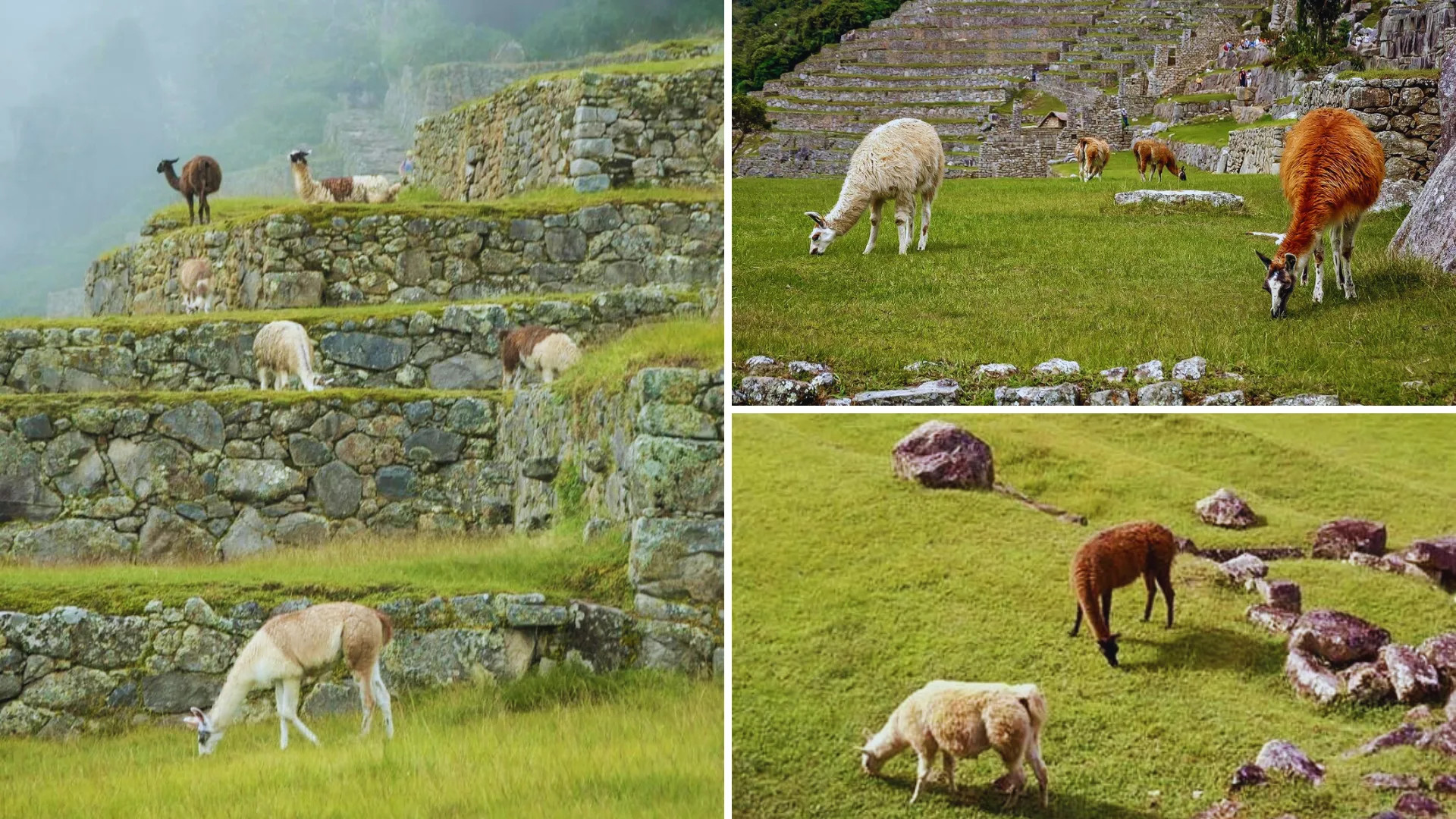
Llamas act as natural landscape managers. Their grazing keeps grass cover at healthy levels, preventing overgrowth that could place pressure on the ancient terraces. Unlike heavy machinery, llamas have soft, padded feet that do not damage stonework.
Their role includes:
- Naturally trimming grass to protect terraces
- Preventing soil accumulation that could harm structures
- Moving safely across steep areas without erosion
Their ecological impact is minimal, making them ideal caretakers of the archaeological landscape.
Ecological Benefits of Llamas at Machu Picchu
| Benefit | How It Helps |
| Soft footed walking | Protects terrace stones from pressure |
| Natural mowing | Keeps grass at safe levels |
| Fertilization | Adds nutrients to the soil naturally |
| Sure footed movement | Safely navigates steep terrain |
| Low ecological impact | Supports landscape preservation |
Historical Importance: The Use of Llamas by the Incas
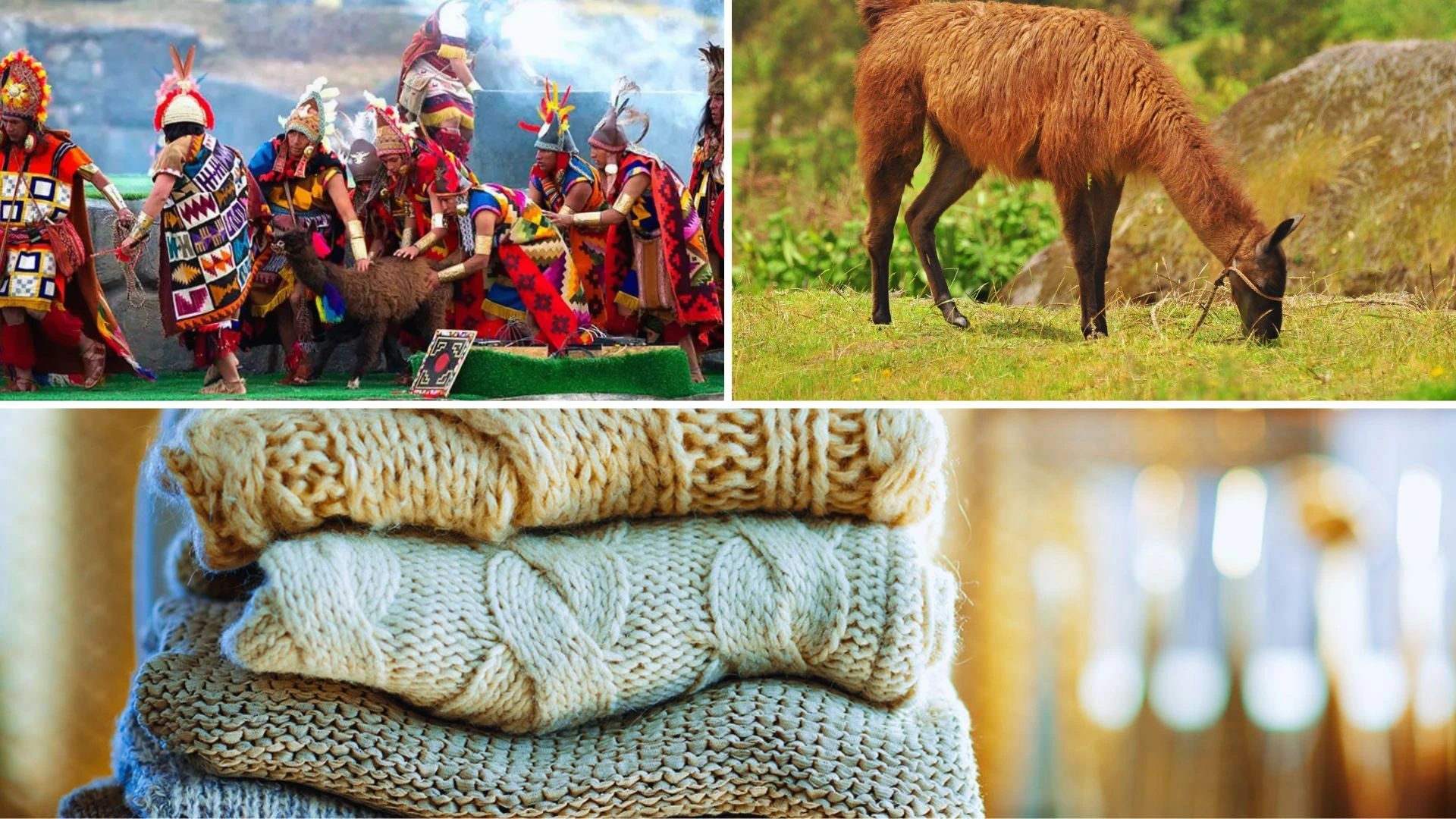
Long before Machu Picchu became a global icon, llamas were essential to Inca society. They served as pack animals on mountain trade routes, provided wool for garments, and contributed to ceremonial and daily life. This long tradition is part of why the distinction between machu picchu llama or alpaca matters culturally.
The Incas utilized llamas for:
- Carrying items along mountain trade routes
- Providing wool used in textiles and blankets
- Offering fat and hides for ceremonial purposes
- Supporting communities at high altitudes
Seeing llamas at Machu Picchu today reflects this cultural continuity. The llamas serve as a reminder to travelers that the Andes were created with the efforts of stone builders and the contribution of people who herd animals, weave textiles, and lead caravans.
Where Do the Llamas of Machu Picchu Die?
Some visitors wonder what happens when llamas at Machu Picchu reach old age or complete their natural life cycle. The truth is that the sanctuary manages these moments with professional care and deep respect. Most llamas live healthy lives ranging from 15 to 20 years. In the case of the Machu Picchu llamas, the elderly llamas are simply given the opportunity to move to a more isolated section of the sanctuary. Should a llama become sick or injured, staff may provide a safe place for the llama as well as veterinary care. When the llamas reach the end of their life cycle, they naturally pass peacefully in a safe environment without interference from visitors.
Are the Llamas at Machu Picchu Wild?
Many visitors wonder if the llamas seen roaming around Machu Picchu are wild or domesticated. The answer is somewhere in the middle: The llamas at Machu Picchu are classified as semi wild see below for the difference between semi wild and wild llamas. The llamas are free to roam, exhibit natural behaviors, and are not trained or handled like livestock, but the staff at the sanctuary does oversee the llamas’ health and wellbeing, and the grazing of llamas protects the archaeological site. This mixed condition is also why people wonder does machu picchu have llamas or alpacas, since llamas exhibit very natural behaviors in the sanctuary.
The llamas graze autonomously, socialize with one another whenever they feel like it, and are free to travel up and down the terraces, helping to foster the natural coexistence visitors experience today.
How Wild Llamas Are Managed in Machu Picchu
If visitors ask are the llamas at Machu Picchu wild, the answer is that they are free roaming which allows them to behave independently; however, they are monitored environmentally. The llamas are monitored to maintain health and ensure that their grazing habits do not harm the archaeological site. This is another reason behind the popularity of terms like machu picchu llama among travelers trying to identify them correctly.
Management practices include:
- Routine health checks to assess physical health
- Parasite control methods to manage disease
- Veterinary care when injury or illness occurs
- Observation behaviors to maintain herd stability
- Planning grazing locations to avoid overgrazing or disturbance
Visitors might think because they move freely and behave in inherent ways that they are wild, but a well planned conservation strategy is working behind the scenes to ensure the herd is healthy and stable.
Health and Welfare of the Machu Picchu Llama Population
The Machu Picchu llamas are one of the healthiest groups in existence, due to their environment and the management work of the sanctuary. Their diet is comprised mostly of native grasses and Andean plants that grow at high altitude, supplemented during the driest months of the year.
Factors contributing to the llamas’ wellbeing include:
- A natural and nutritious diet that mimics their biology
- Very inviting, open space for movement, and grazing.
- Consistent temperature and altitude adaptation
Low stress: due to visitors in manageable numbers, with respectful distance.
These factors help the llamas thrive in Machu Picchu, leading to a strong and sustainable population of llamas that continues to contribute ecologically and culturally to the sanctuary. Their well adapted lifestyle is another point commonly referenced in searches like machu picchu llamas or alpacas, highlighting why llamas dominate the site.
Comparison: Semi-Wild vs Domestic Llamas
| Category | Machu Picchu Llamas | Domestic Llamas |
| Living Space | Open terraces | Enclosed areas |
| Diet | Natural grasses | Controlled feed |
| Handling | Minimal | Frequent |
| Behavior | Natural herd structure | Managed behavior |
| Stress Levels | Low | Varies |
Rules for Interacting with Llamas for Visitors and Photography
For many travelers, seeing llamas at Machu Picchu is one of the highlights of their trip, especially when they unexpectedly show up on a terrace or walk across a stone path with complete confidence. Llamas can be calm and curious animals, but it is important to respect the llamas and the archaeological site. These guidelines are to ensure you have a safe encounter and natural, authentic experience.
Etiquette for Viewing Llamas at the Citadel
Llamas roam freely around Machu Picchu and have adapted to people visiting. However, llamas are not pets and should not be treated as such. When treated with respect and given space, they can express their natural behaviors without experiencing stress. Many people who later search terms like llamas machu picchu or machu picchu llama online are simply trying to understand more about their behavior after observing them onsite.
Visitors should:
- Give llamas space and don’t stand too close.
- Do not touch or hug them, even if they appear calm.
- Do not feed any animal under any circumstance.
- Move slowly and predictably around the llamas.
- You should not inhibit llamas from passing on a trail, and they should pass unimpeded.
Basic etiquette keeps llamas comfortable and minimizes behavior that is counter to their nature.
Safety Recommendations for Llama Selfies at the Top of Machu Picchu
For many travelers, snapping a llama selfie at the top of Machu Picchu is the dream shot; however, patience is key, and it is meant to happen. Sometimes llamas will approach out of curiosity, and everything is more organic when taking a photo and the timing is indeed right without any worry of stress by prompting any interaction all of which is believe will happen safely! This explains why travelers researching machu picchu alpaca or llama often encounter advice emphasizing patience and natural interactions.
• Let the llama approach first
• Avoid sudden movements
• Hold your camera steady and low
• Do not surround or corner the animal
The most natural and beautiful photos happen when the llama feels comfortable and chooses to stay near the visitor.
Sighting of Llamas in Machu Picchu and Other Species
Llamas are most often seen near the Guardian House, terraces facing Huayna Picchu, and wide grass areas near agricultural zones. Other species found in the sanctuary include:
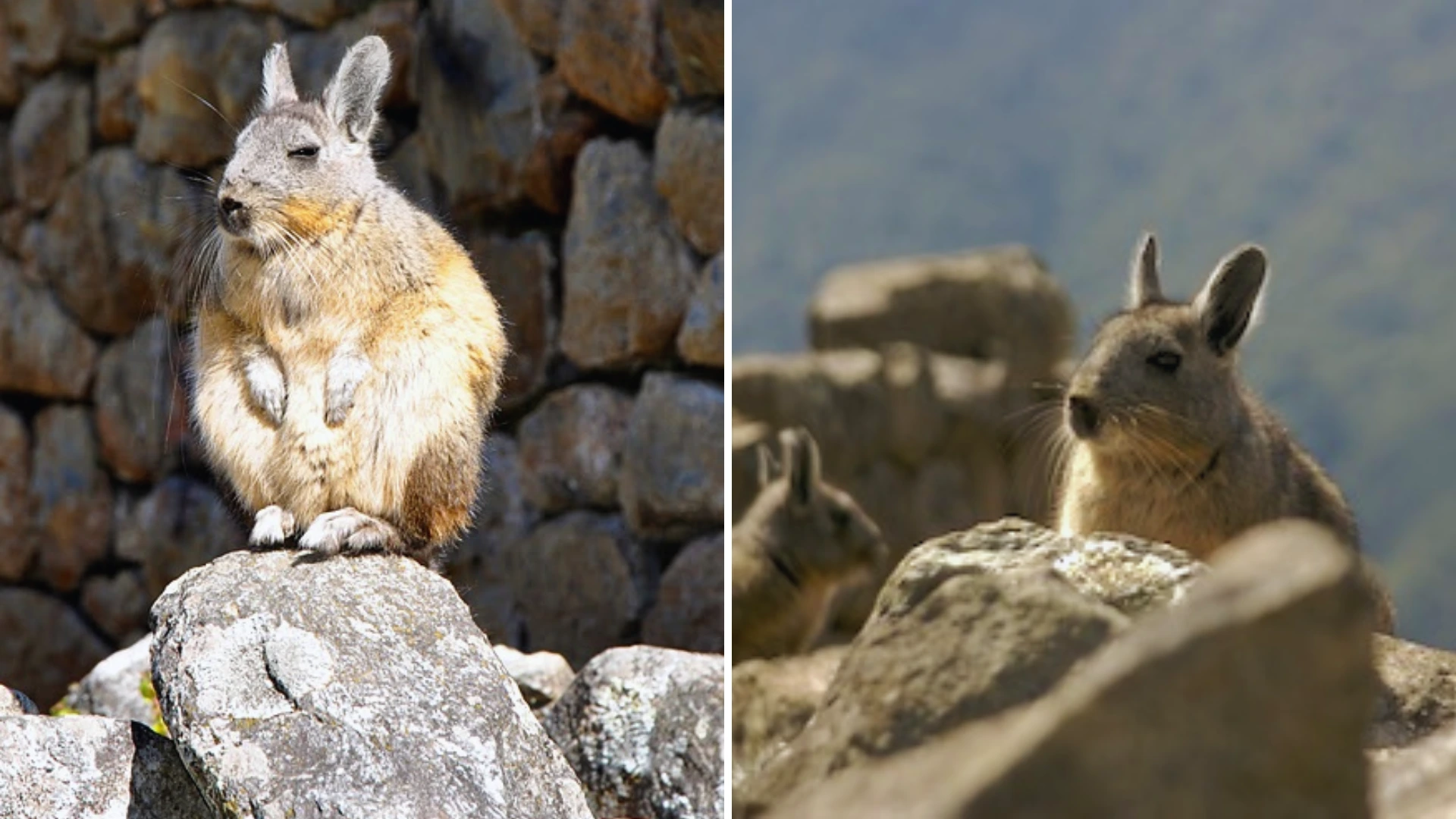
Vizcachas
Vizcachas look like rabbits with long tails and are typically located in rocky sections, stone walls, and warm terraces. They prefer sites that have the benefits of sun and cover, such as at the bottom of agricultural terraces and at the stone walls by the Main Plaza.
They will be most active early in the morning or late in the afternoon and will often be seen resting on stones or scurrying quickly between the rocks.
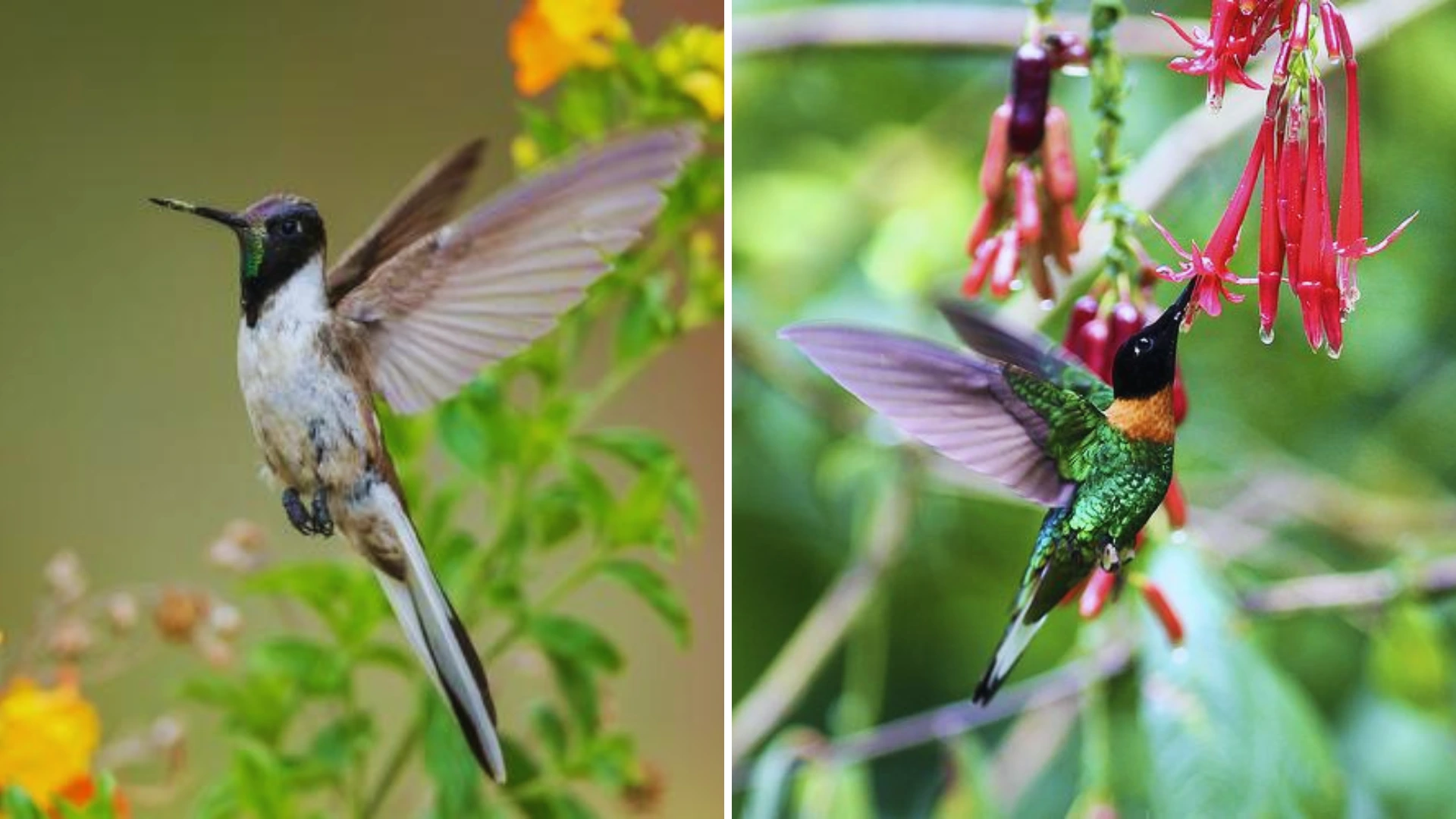
Hummingbirds
The change from high jungle to mountain topography provides an ideal habitat for hummingbirds. Visitors may spot them around shrub roses, near the entry corridor, and in partial shade of the Guard House and the Sacred Rock trail. Their bright colors and fast movement make them easy to spy when they momentarily stop to drink nectar. They are especially active during sunny time periods in the early morning.
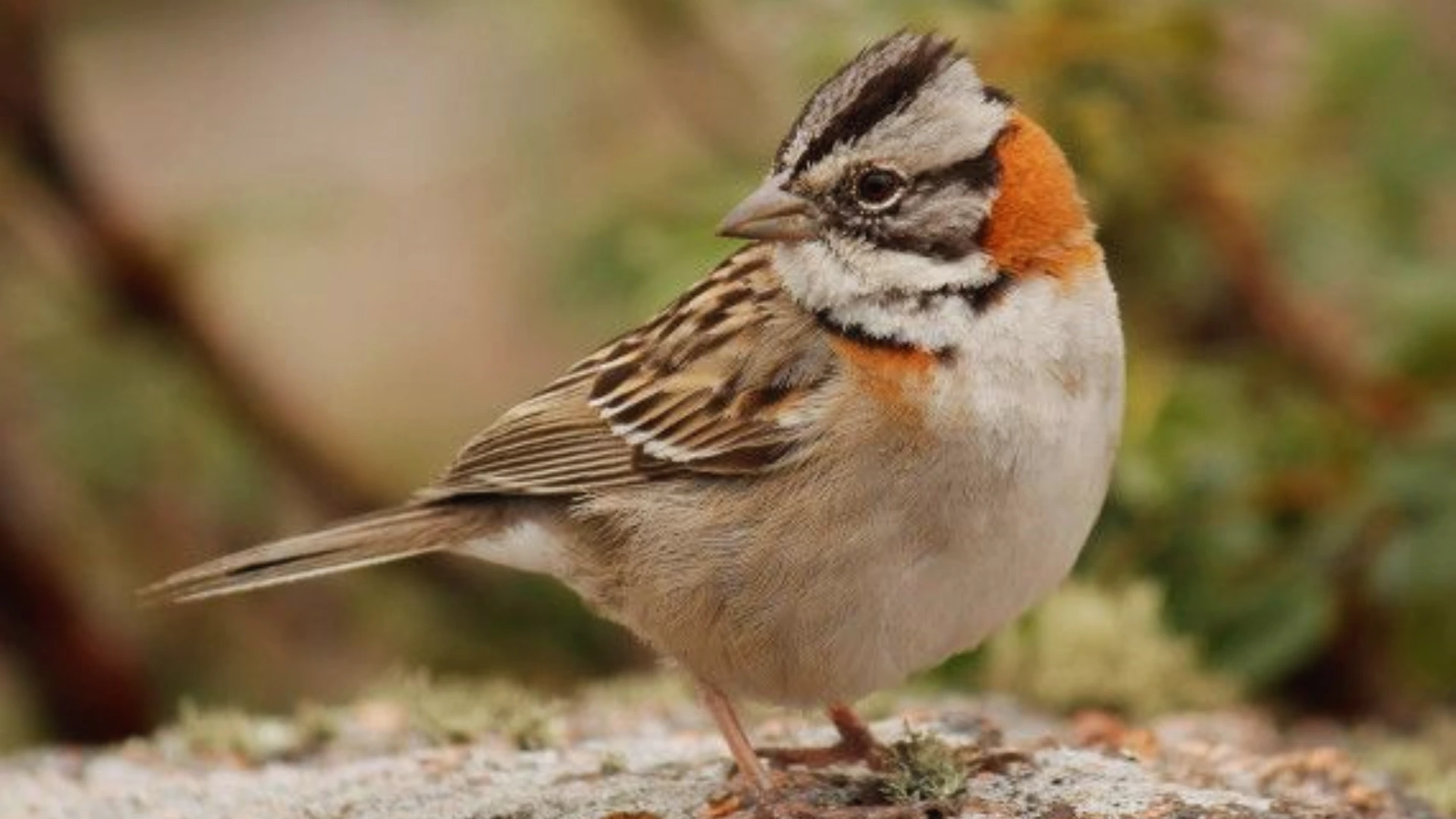
Andean sparrows
These birds are small, but they are quite abundant. Andean sparrows often congregate along the edges of terraces, on low stone walls, or in grassy environments like the open fields of the Main Plaza. They are easily distinguished because they are constantly moving between the grass and the stone structures while foraging for seeds and insects, and they are one of the easiest birds to see as you are walking around the site.
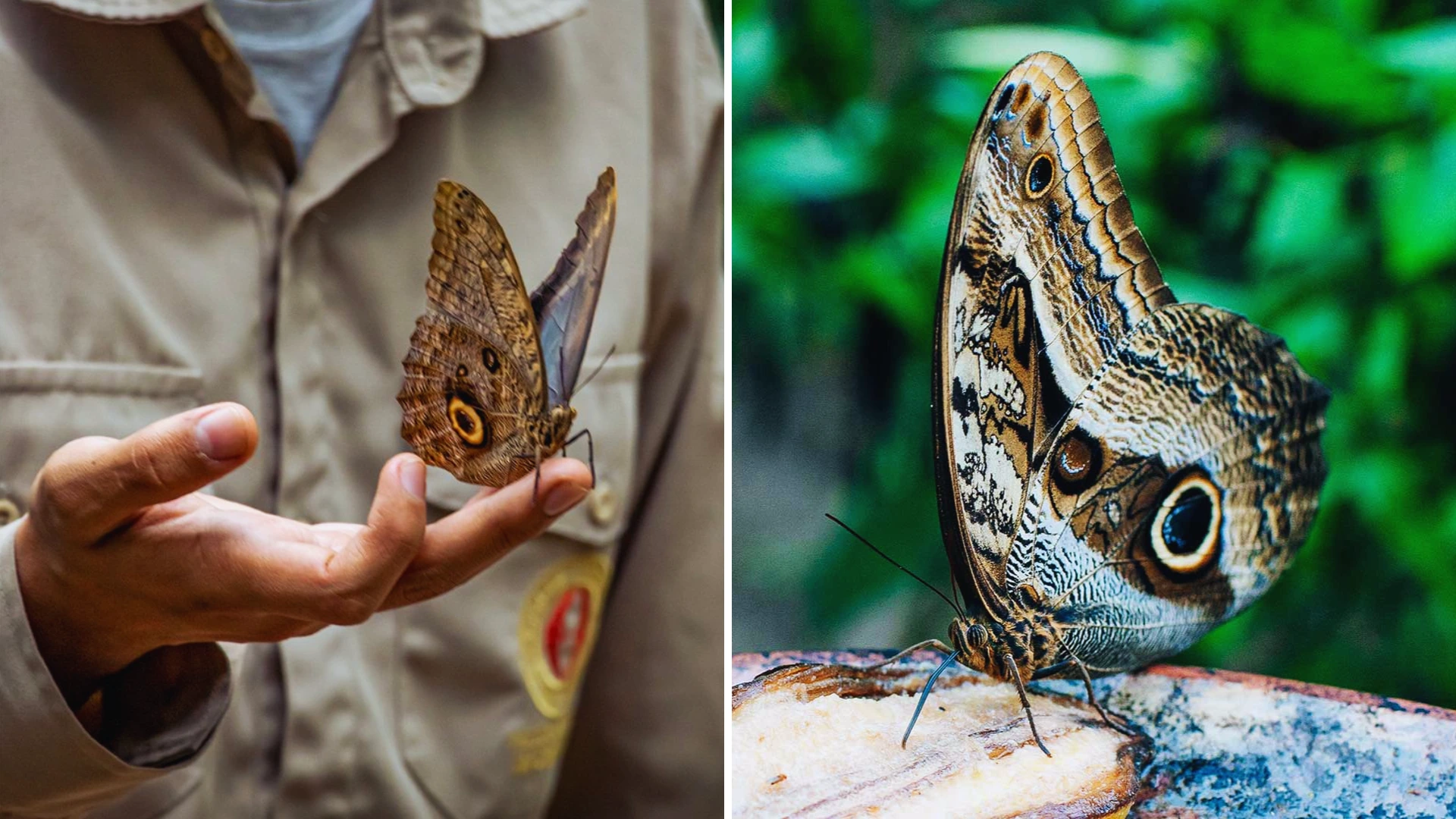
Colorful butterflies
Machu Picchu is home to a plethora of butterflies, particularly in warm, humid conditions. Visitors frequently observe butterflies when walking along the sun drenched upper terraces, around bushes, or hovering over flowering plants on the inner pathways.
Bright blue, yellow, orange, and patterned butterflies often appear, providing stunning and vibrant movement which makes for an elegant visual contrast with the stone architecture.
Small reptiles
Little lizards and other reptiles can be found basking on stones at any sunny time of day. They seem to gravitate toward the edges of rocks, narrow flights of stairs, and low terrace walls, retreating into the crevices should someone approach.
Reptiles are skittish and quick, but if you’re patient, you might be able to see them while you’re walking up steps or stopping to rest.
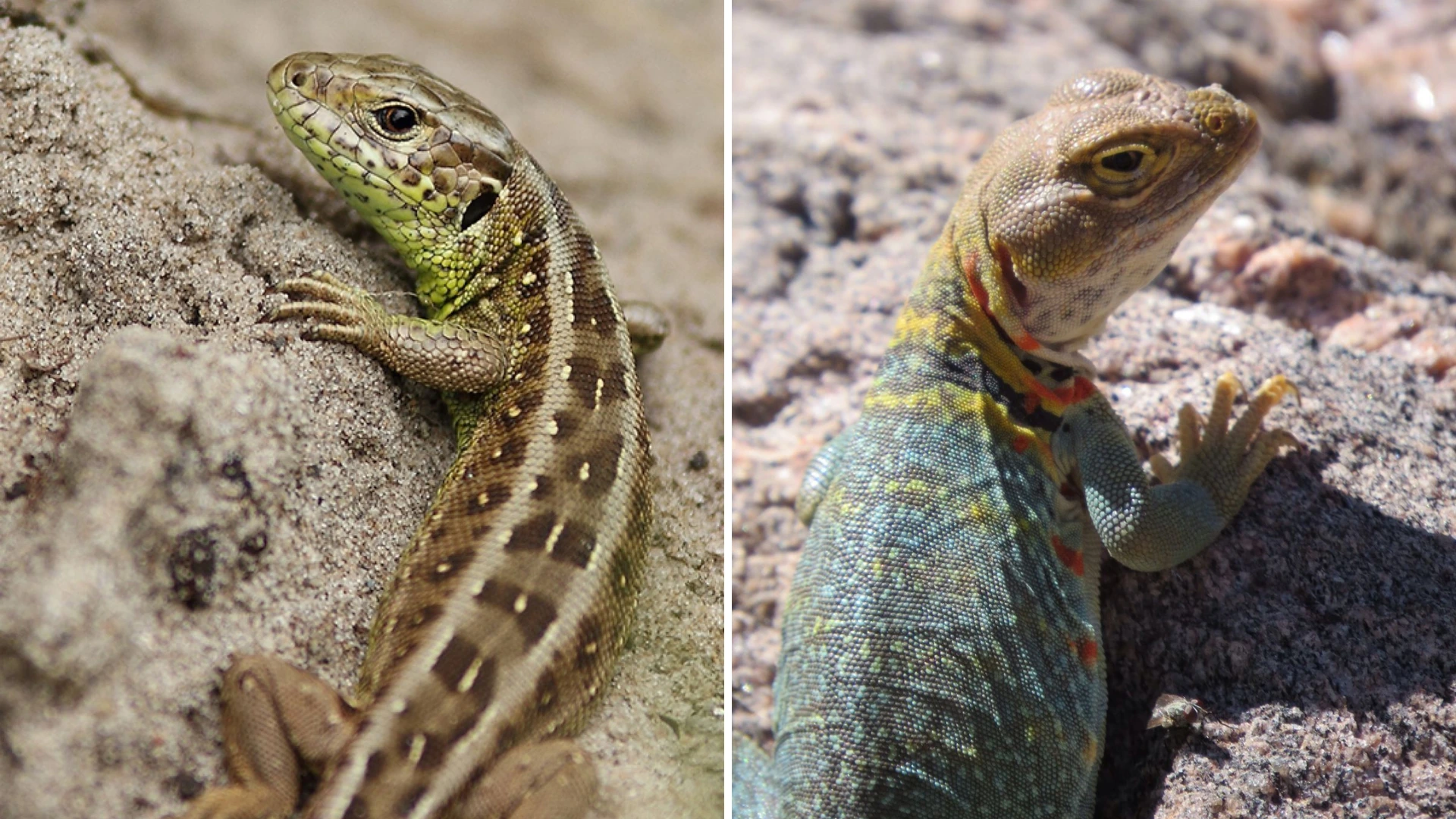
Together, they add color and movement to the already astonishing scenery at Machu Picchu. Watching them in their resident spaces adds an additional and lively dimension to this archaeological spectacle, much to the delight of visitors who slow down and take the time to observe.
The Importance of Llamas in Andean Culture
In the Andes, llamas are more than just animals who graze on the slopes of a mountain. They are intimately woven into notions of identity, resilience, and spirituality of Andean communities. For thousands of years, llamas have been a part of everyday life through transportation, farming, trade, textiles and ceremony. Their presence today at Machu Picchu is a living connection to that centuries old bond now expressed through Andean culture and economy. his also explains why the distinction between machu picchu llama or alpaca continues to matter for travelers who want cultural context.
Historical and Economic Significance of Andean Camelids
In ancient Andean cultures, llamas and alpacas weren‘t merely resources they were vital for survival. No other animal would withstand the extreme altitudes, cold blacktop temperatures, and rugged terrain characteristic of the Andes. In this regard, camelids became the backbone of economic, cultural and logistical systems that permitted a civilization like the Inca Empire to flourish and connect large swathes of territory.
This animal provided high altitude populations with sustenance in a myriad of ways that influence Andean development for the next centuries:
- Means of transport across rugged Andean routes:
Llamas were the main pack animals of the Andes and could carry loads over rugged trails where vehicles or larger animals were not useful. They allowed long distance trade across coastal deserts, mountain valleys, and tropical forests. This original use underscores why llamas dominate the sanctuary today and why searches like machu picchu llamas continue to be so common.
- Wool and fiber for clothing, blankets, and rope:
Alpacas produced the best wool, which was used for high quality clothing and ceremonial textiles, while llamas produced a stronger fiber that could be woven into ropes, bags, and everyday clothing. These fibers formed the foundation of a complex textile industry that continues to be important in the Andes today.
- Meat and fat for nourishment and ritual purposes:
Camelids provided meat, fat, hides, and bones as food and were also incorporated into ceremonial practice. Their symbolic significance is documented in archaeological remains, in religious offerings, and in artistic representations across the area.
- Manure fertilizer for agricultural soils:
Their dung provided an effective natural fertilizer, necessary to improve soil quality in high elevation farmlands, where it was otherwise laborious to cultivate.
- Cultural and Spiritual Importance:
Camelids had a significant position in Inca social life, and cosmology. They appear in myths, rituals, agricultural ceremonies, and traditional festivals. Today, llamas and alpacas still hold deep cultural significance and are inextricably linked to Andean identity.
From a practical perspective, llamas provided mobility, enabling trade networks commencing in Peru and extending thousands of kilometers to meet demand, while alpacas provided the finest wool, guaranteeing warmth and social status in one of the most extreme environments on the planet. The combined presence of llamas and alpacas permitted Andean societies to develop and advance both materially and culturally. The achievement of Andean societies yielded the systems of exchange, craft production, and agricultural output that characterize the region today.
Transportation and Cargo Trade Route: Traditional Role of the Llama
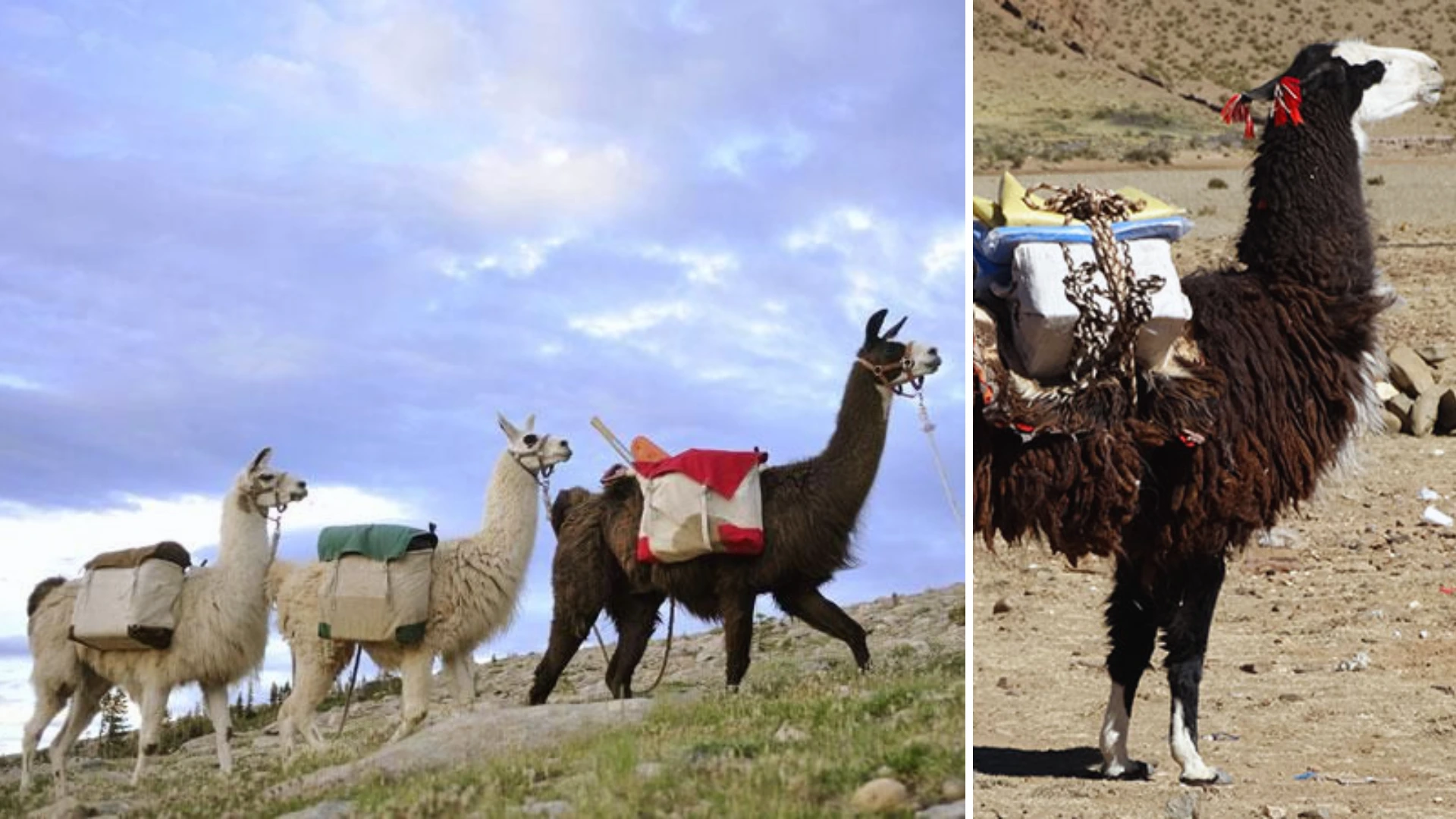
Prior to the introduction of horses or mules as pack animals, the only pack animal capable of traversing the Andes was the llama. Llamas were used to transport various goods, including food, tools, and textiles along long distance trade routes that connected highland communities and valleys, coasts, and tropical areas. Travelers searching machu picchu alpaca or llama often learn that llamas historically played a far greater logistical role than alpacas.
An average llama could carry approximately 20-30 kg, or 44-66 lbs; over mountain passes entire llama caravans could travel, connecting previously isolated settlements, allowing for economic exchange. Their stamina, speed, and big stride enabled the Incas to have a way to ferry goods and people long before modern roads were created with the precision and order that they could accomplish.
Llamas were critical to the Inca Empire’s expansion and continuity.
Sustainable Resource Management in Modern Communities
In the present day, llamas and alpacas are still an important part of sustainable living. Their environmental footprint is incredibly low:
- They have soft, padded feet minimizing erosion of the soil
- They graze and maintain the grasslands without damaging the root
- They fertilize and enrich the soil and are the most natural source of fertilizer
- They are hardy animals, requiring very little water.
Many Andean communities today rely on llamas and alpacas for meat, fiber, and fertilizer, and enjoy having tourists who can responsibly visit and use them. Llama and alpaca livelihoods continue to support families across Peru, Bolivia, Chile, and Argentina, while preserving age old techniques and practices.
Fiber and Textile Production: The Value of Llama and Alpaca Wool
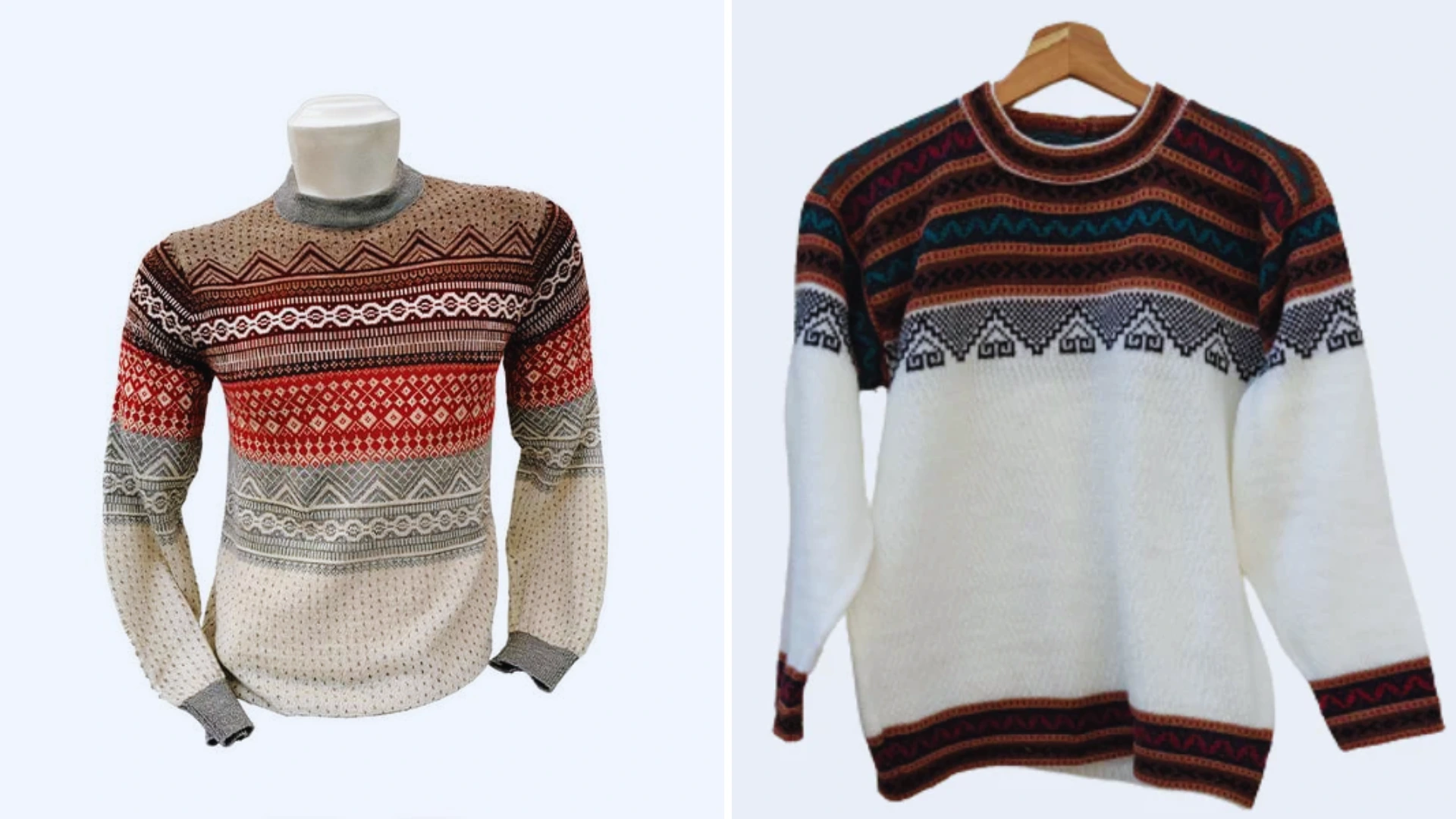
The Andean region’s cultural legacy includes textile production, which has played a crucial role in clothing, ceremonial clothing, blankets, and woven art with alpaca and llama wool for generations.
- Alpaca wool is know for its softness, warmth, and luxurious feeling on the skin, which has gained international recognition.
- Llama wool is prized for its durability, strength, and ability to resist the wear of the elements.
Both alpaca and llama wool fibers currently provide economic value and preservation of traditional communal weaving heritage within Andean culture.
The Cultural Craft of Dyeing and Weaving Techniques
Traditional weavers use natural dyes from plants, minerals, and insects to create textiles with deep symbolic meaning. Patterns often represent mountains, rivers, constellations, and agricultural cycles.
Alpaca wool is famous for its softness, but llama wool is equally important due to its durability.
| Attribute | Alpaca Wool | Llama Wool |
| Texture | Soft, silky | Coarser, strong |
| Warmth | Very warm | Moderate warmth |
| Value | High | Medium |
| Best Uses | Clothing, scarves | Rugs, ropes, bags |
The Cultural Craft: Dyeing and Weaving Techniques
Artisans use natural dyes made from plants, minerals, and cochineal insects to create vibrant colors. Patterns in Andean textiles often carry symbolic meaning mountains, rivers, spirits, and agricultural cycles. These textiles preserve cultural identity and are still produced by hand in many Andean communities today.
Alpaca Fiber Quality Grading and Characteristics of Different Wool Types
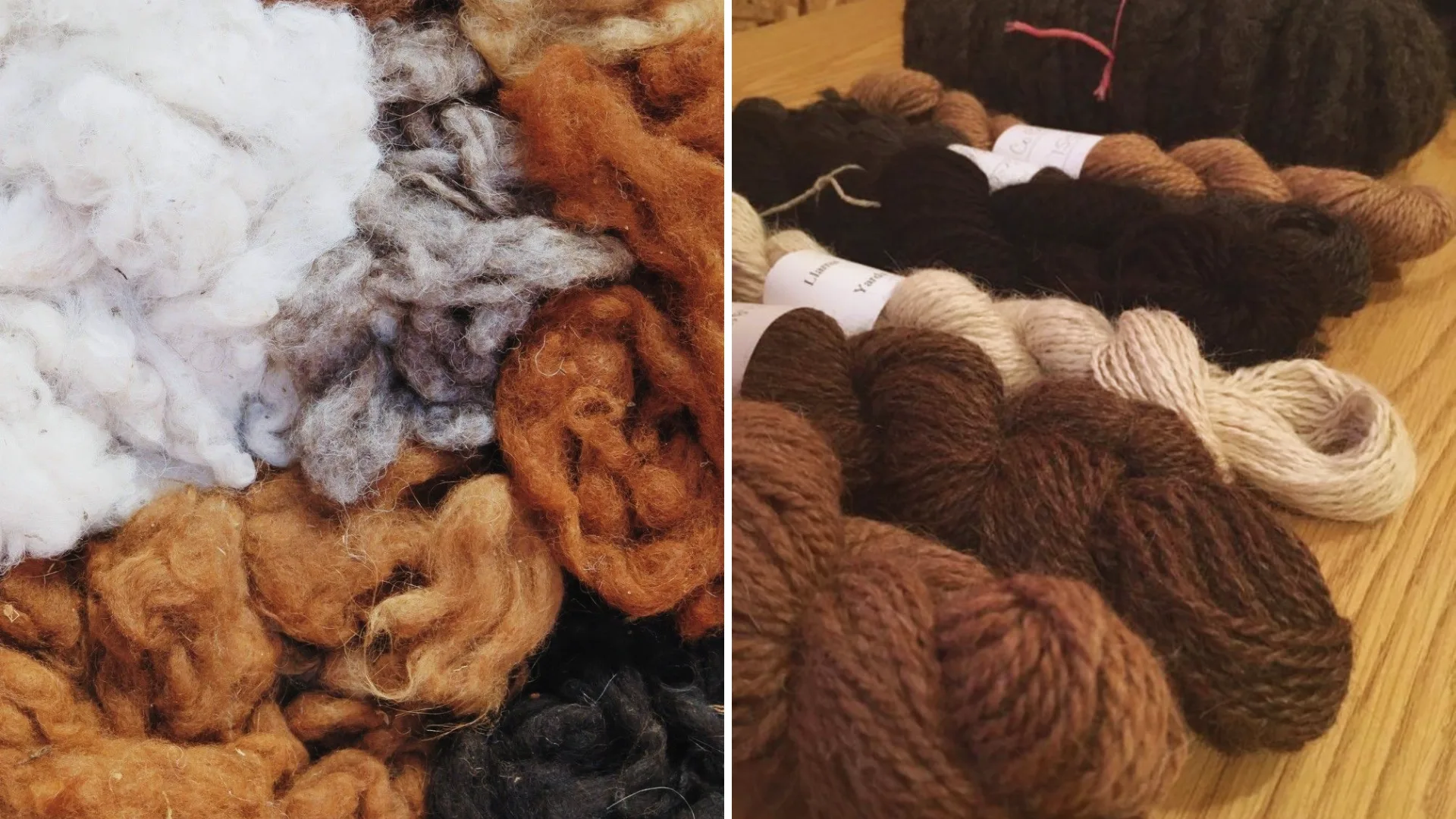
Alpaca fiber is classified into several quality grades, each suited to different uses:
- Royal Alpaca: The finest grade, extremely soft and lightweight
- Baby Alpaca: High-quality, warm, and smooth, ideal for scarves and sweaters
- Superfine Alpaca: Durable and versatile for clothing
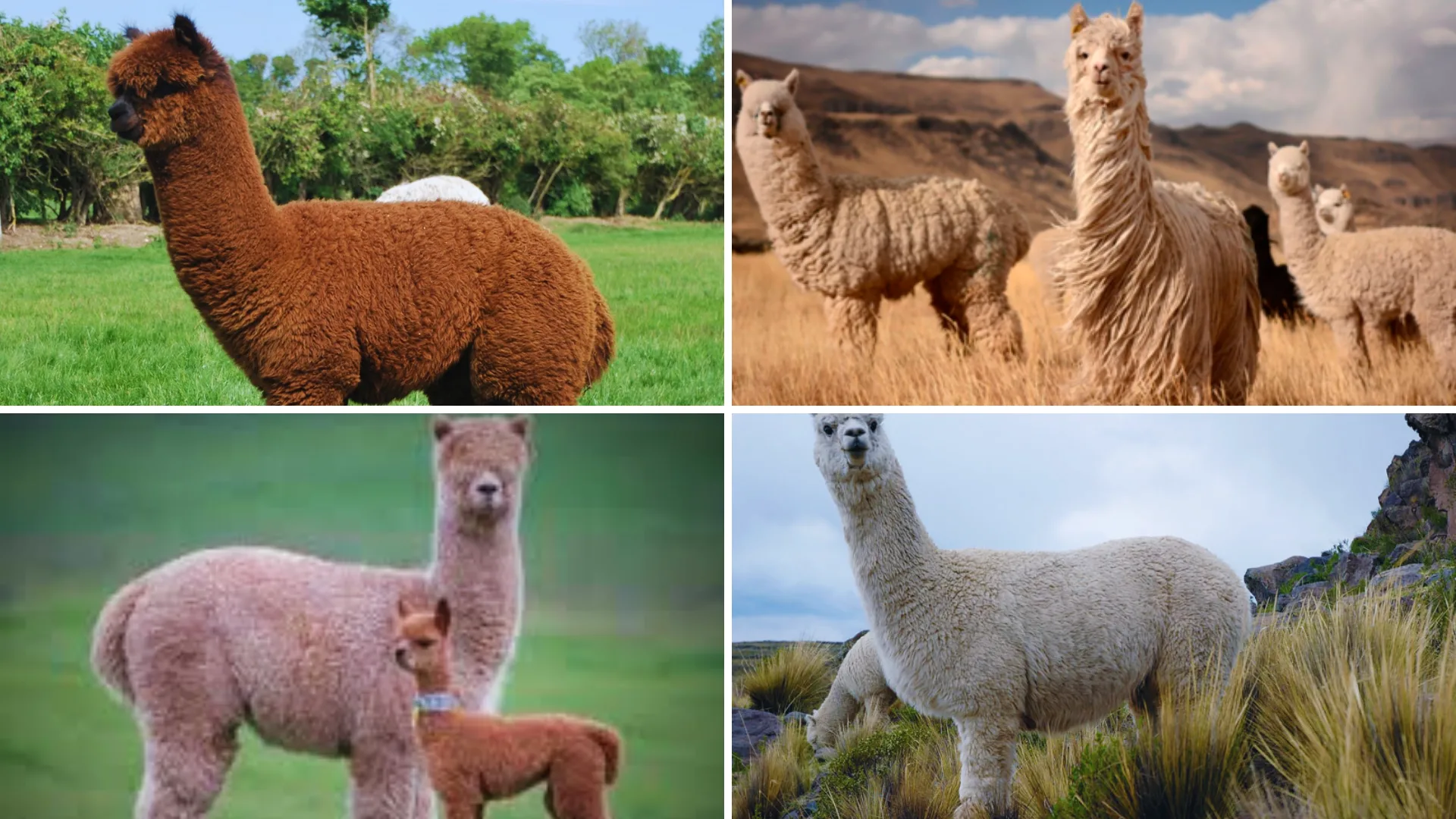
- Huacaya vs. Suri:
- Huacaya fibers are fluffy and elastic
- Suri fibers are silky and shiny, falling in long, elegant locks
These distinctions contribute to alpaca wool’s worldwide reputation as a luxury fiber.
| Fiber Grade | Micron Range | Texture & Feel | Characteristics | Best Uses |
|---|---|---|---|---|
| Royal Alpaca | ≤ 18 microns | Extremely soft, silky, premium touch | Rarest alpaca fiber; ultra light, luxurious, excellent thermal properties | High end scarves, shawls, luxury sweaters, designer garments |
| Baby Alpaca | 18–22 microns | Very soft, warm, smooth on skin | Not from baby animals; refers to fineness; highly valued in premium textiles | Sweaters, ponchos, fine accessories, hats, gloves |
| Superfine / Fine Alpaca | 22–26 microns | Soft but slightly more structured | Durable, warm, balanced comfort; ideal for frequent wear | Everyday sweaters, blankets, cardigans, apparel |
| Huarizo / Medium-Grade Alpaca | 26–30+ microns | Coarser, stronger | Robust, long lasting fibers; better for products needing resistance | Rugs, socks, outerwear, blended textiles, utility fabrics |
| Huacaya Fiber | Varies | Fluffy, crimped, elastic | Excellent insulation; puffy and warm due to air trapping structure | Knitted garments, ponchos, hats, thermal clothing |
| Suri Fiber | Varies | Silky, long staple, shiny | Drapes beautifully; smooth, lustrous, less volume; rare and exclusive | Luxury coats, shawls, high-fashion textiles, flowing fabrics |
Llama Wool Utilization in Traditional and Contemporary Andean Textiles
While alpaca wool is valued for its softness, llama wool remains a staple because of its strength. It is typically used in:
- Rugs
- Ropes
- Bags and satchels
- Ponchos
- Utility textiles designed to withstand heavy use
Its coarseness is what makes it useful for textiles requiring durability. Today, artisans in the Andes continue to combine traditional methods with new designs to create textiles that reflect both cultural heritage and modern design.
The Cultural Craft Dyeing and Weaving Techniques of Andean Fabric
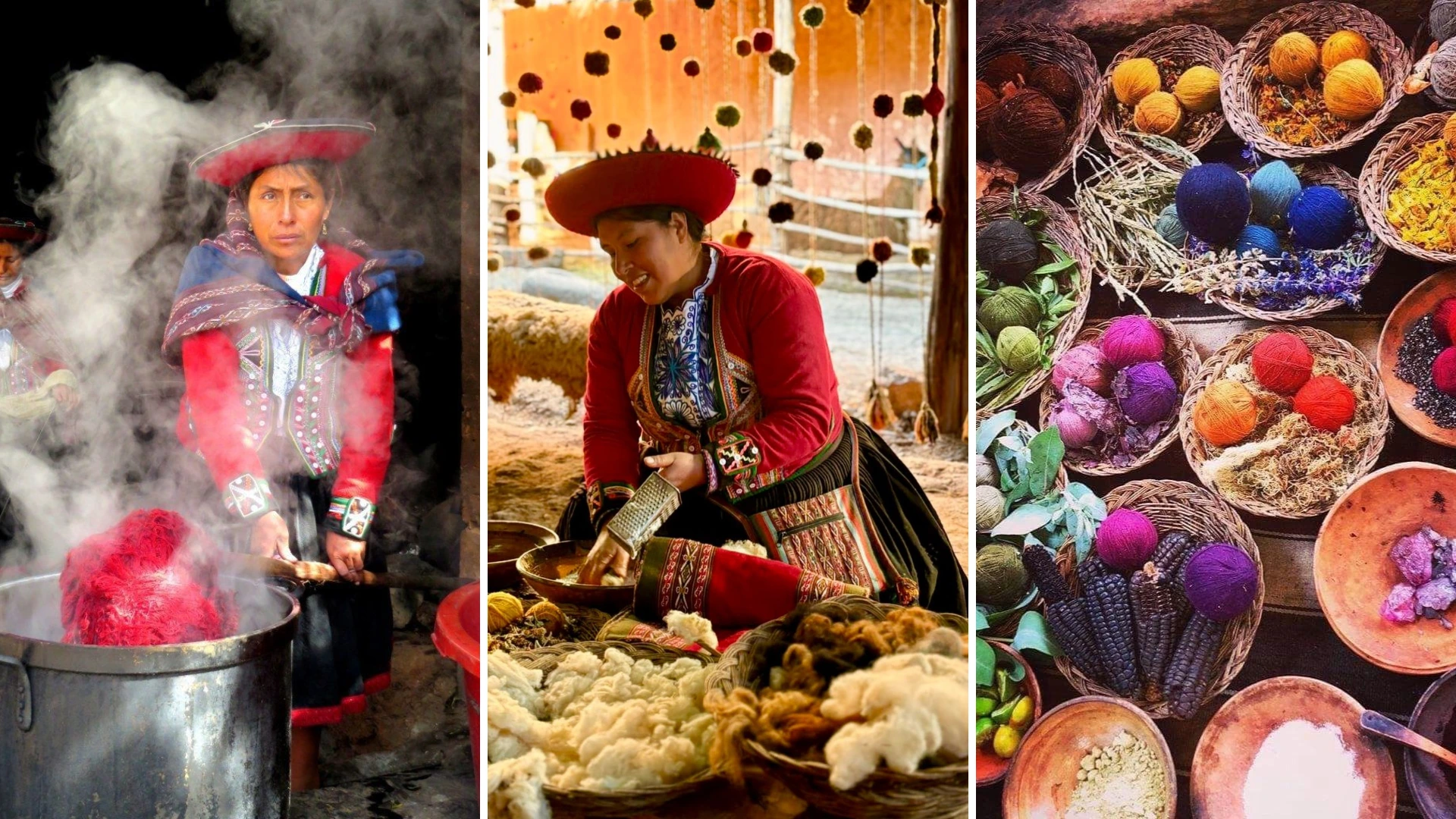
The tradition of weaving in the Andes has a high degree of skill and great symbolic value. Weavers use natural dyes from plants, roots, minerals, and cochineal to make rich red, yellow, blue, and green colors.
Common dye sources include:
- Cochineal for reds and purples.
- Ch’illca leaves for greens.
- Q’olle flowers for yellows.
- Mineral oxides for earth tones.
Patterns that are woven into textiles often depict mountains, constellations, water sources, animals, cycles of cultivation, and sacred symbols. These designs are the way communities maintain their cultural identity and transfer learning from generation to generation.
Frequently asked questions about Llamas or Alpacas at Machu Picchu? Identify, Compare, and Understand
Machu Picchu is home mainly to llamas. Alpacas are rarely seen because they prefer flat, soft grasslands, while llamas are better adapted to steep terraces and rocky terrain. Most animals visitors see in the citadel are llamas.
There are about 25 llamas living in the sanctuary. They roam freely in small groups and move naturally across the terraces, grazing and resting throughout the day.
Llamas live here because they help maintain the terraces by grazing gently and moving with minimal impact. Their soft hooves protect the stonework, and they thrive in high-altitude conditions, making them a perfect fit for the site.
They are considered semi-wild. They are not trained or domesticated, but they are monitored by park staff for health and safety. They choose where to walk, graze, and rest without human control.
No. Visitors should keep a respectful distance and avoid touching or feeding them. Human food can harm their health, and sudden interactions can stress the animals.
Yes, but it must happen naturally. The safest photos are taken when the llama approaches on its own. Visitors should stay calm, avoid blocking the animal’s path, and never force the moment.
Llamas typically live 15 to 20 years. Those in Machu Picchu complete their entire life cycle within the sanctuary, moving to quieter areas as they age.
They are often seen near the Guardian House, on the upper terraces, and along panoramic viewpoints. Early morning and late afternoon are the best times to spot them.
Llamas were essential for transporting goods, providing wool, and supporting Andean communities. Their presence at Machu Picchu reflects this historical connection and helps preserve cultural traditions.