
List of Birds You Can Find in Machu Picchu
Peru is one of the countries with the greatest diversity of bird species in the world. Our country is home to nearly 1,900 bird species, making it the second country with the most bird species. It recently secured second place in the Global Big Day, a worldwide birdwatching event.
In Peru, there are several regions that stand out for their bird diversity. Its geographical diversity allows for the existence of a wide variety of bird species in different climatic conditions and temperatures; Among them is Machu Picchu, with almost 10% of Peru’s biodiversity, including species of birds, orchids, and butterflies.
Birds in Machu Picchu
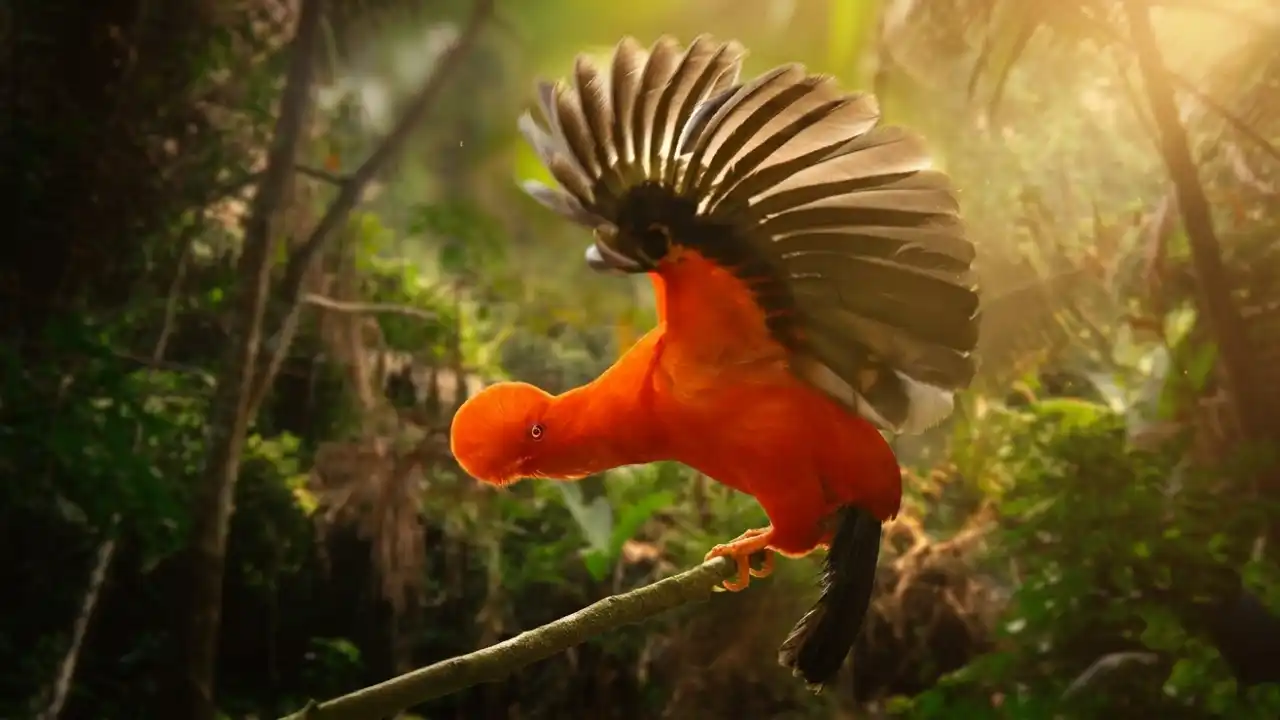
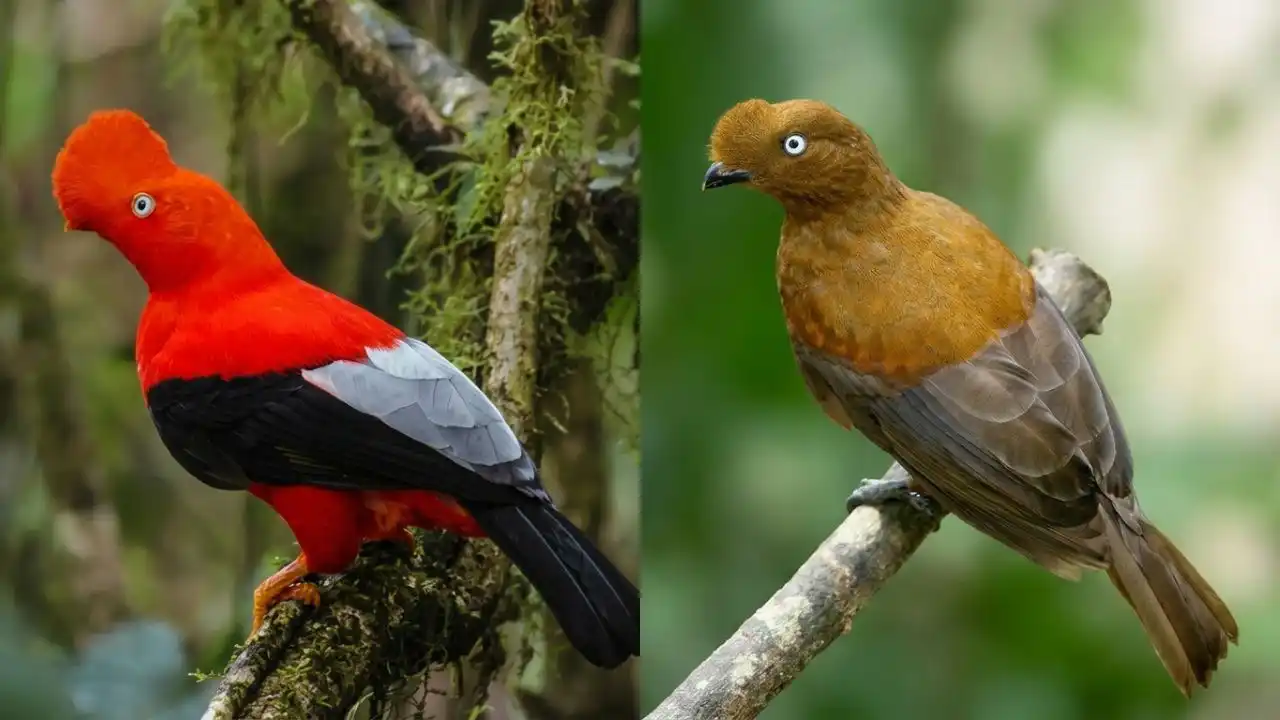
Andean Cock-of-the-rock (Rupicola peruvianus)
A representative bird of Peru, one of the most famous and emblematic species in South America. Males are characterized by their reddish-orange plumage, while the female is a more subdued brown. It inhabits Andean forests. The nest is built by the female using mud, saliva, and plant material on rocky walls. The female chooses locations protected from predators.
In addition to its beauty, it plays a crucial role in the health of ecosystems as a seed disperser.
Andean Guan (Penelope montagnii)
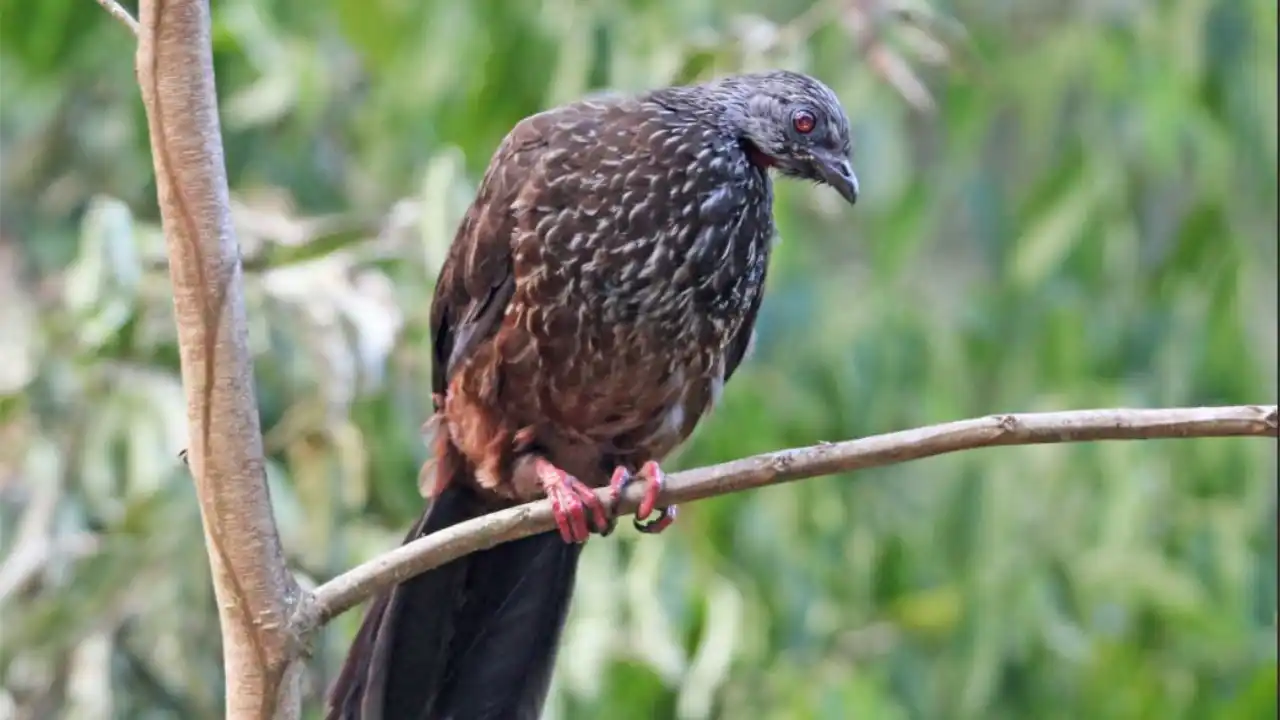
A large bird. Resembling a chicken, it inhabits the Andes Mountains from Venezuela to Peru. It is found at higher elevations than most other guans, from the upper subtropics to the temperate zone.
It is generally dull brown with frosted markings on its head and breast. Its lower belly is reddish-brown. Its legs are reddish. Both sexes are similar in appearance. It is usually found in pairs or small groups. They are often noisy in the middle to upper levels of trees, although they can also perch discreetly. It feeds on fruit.
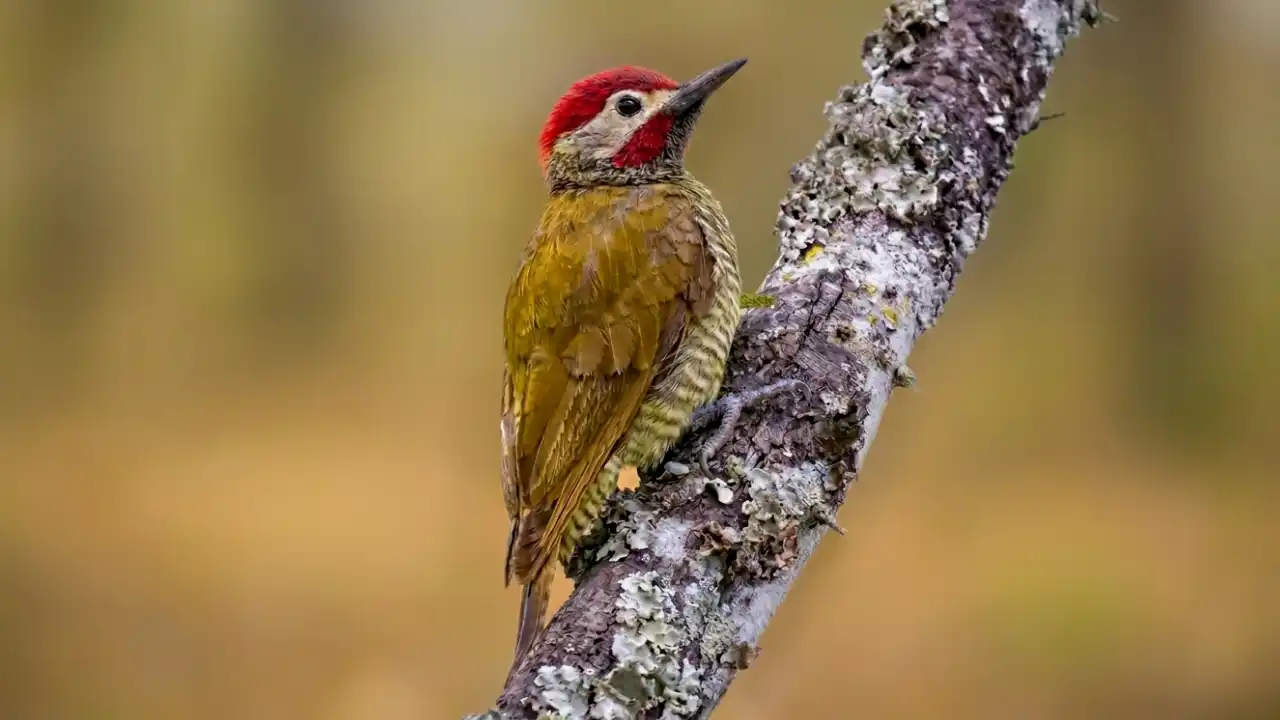
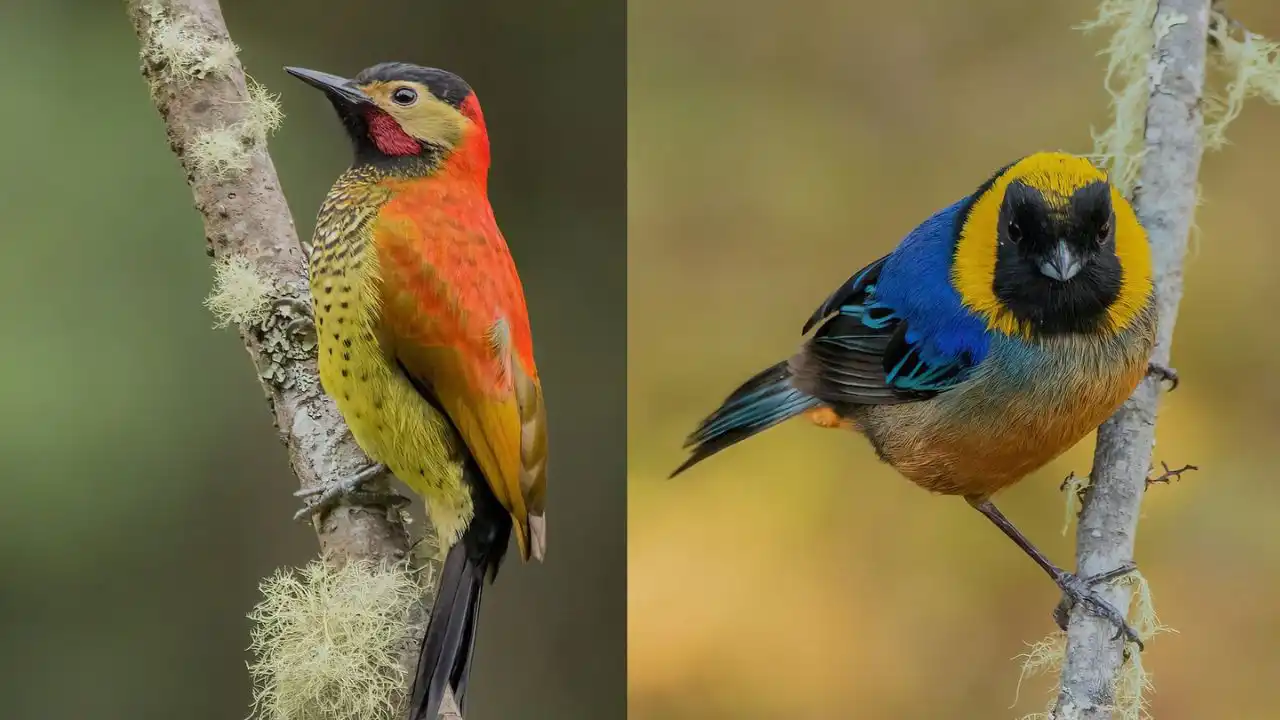
Olive Woodpecker (Colaptes rubiginosus)
Known as the “green” woodpecker, it is widely distributed in tropical and subtropical forests. It is the only woodpecker of this color throughout most of its range, making it distinctive. It prefers mid to upper levels in tropical areas and tends to move slowly, so it is not easy to spot unless its call is known. Both sexes have red markings on the nape of their necks.
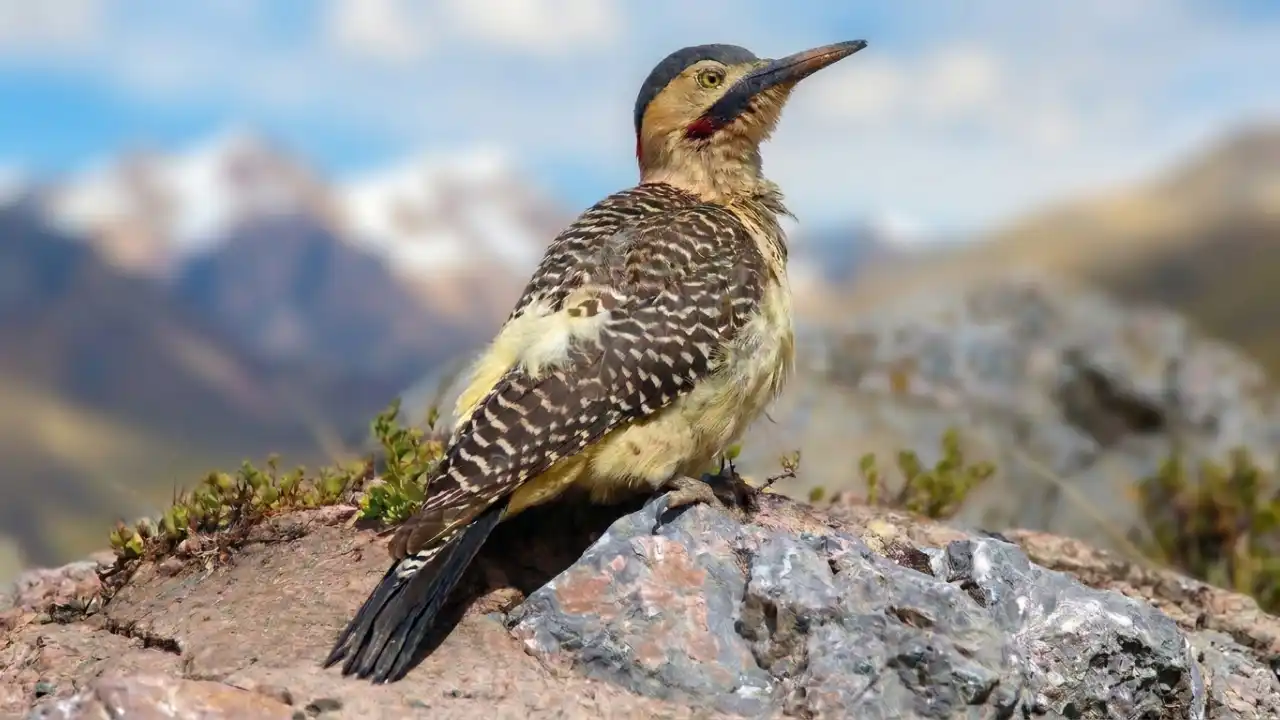
Andean Woodpecker (Colaptes rupicola)
There are no similar species within its Andean range. It is quite common in the open habitats of the puna and páramo; often near marshes and in trees close to the northern treeline that marks its roosting area. It feeds mainly at ground level. It nests in cavities in cliffs and the walls of old buildings, sometimes also in colonies.
Distinguishing features include a gray crown and a beige face with a dark mustache (in both sexes, but with a red tip in the male), a large white patch on the rump, and yellow rachises on the wing feathers (mainly visible in flight).
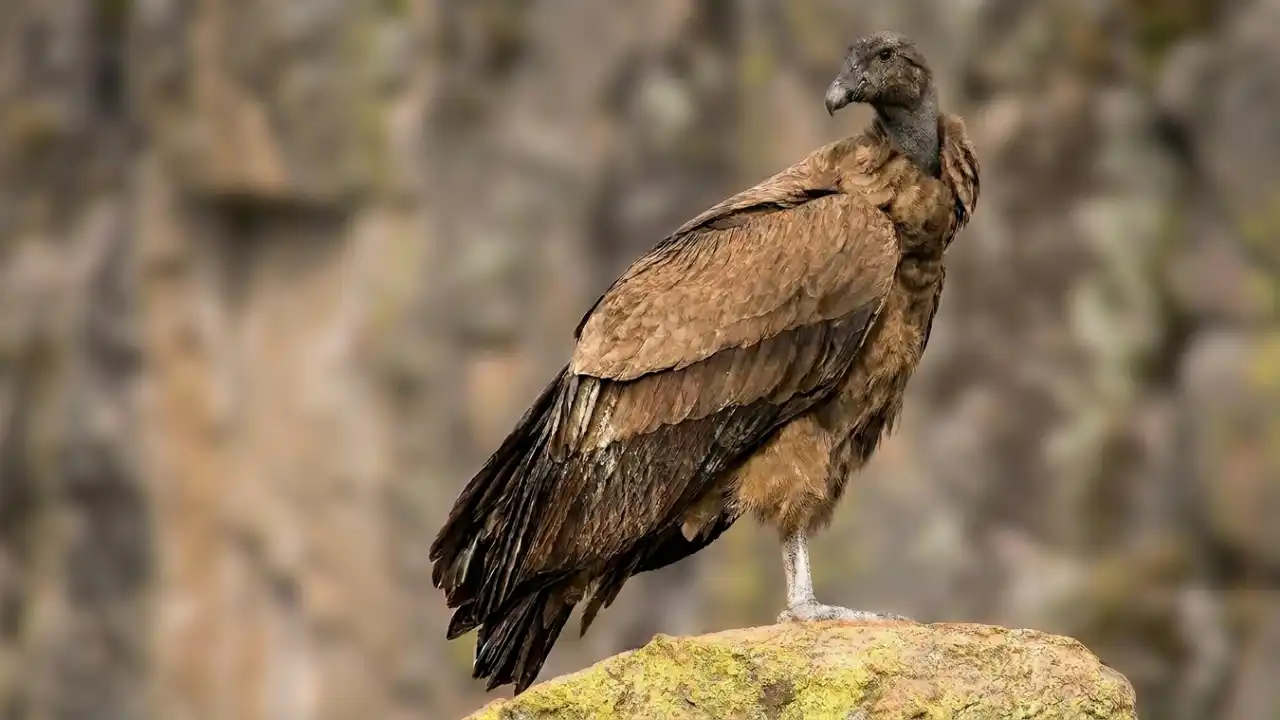
Andean Condor (Vultur gryphus)
This enormous bird covers a vast area of the Andes, though it also extends into the lowlands of southern Chile and Tierra del Fuego. Usually seen alone or in pairs, soaring along cliffs, they can gather in groups of dozens at roosts and to feed on animal carcasses. Often, its size alone is enough to recognize it, but it can be difficult to judge from a distance: the very long “fingers” at the wingtips and the white collar of the adult are distinctive features.
The adult also has large, characteristic white panels on the upper wing, visible when the birds turn. Immature birds are mostly dark, reaching adulthood in about 5 years.
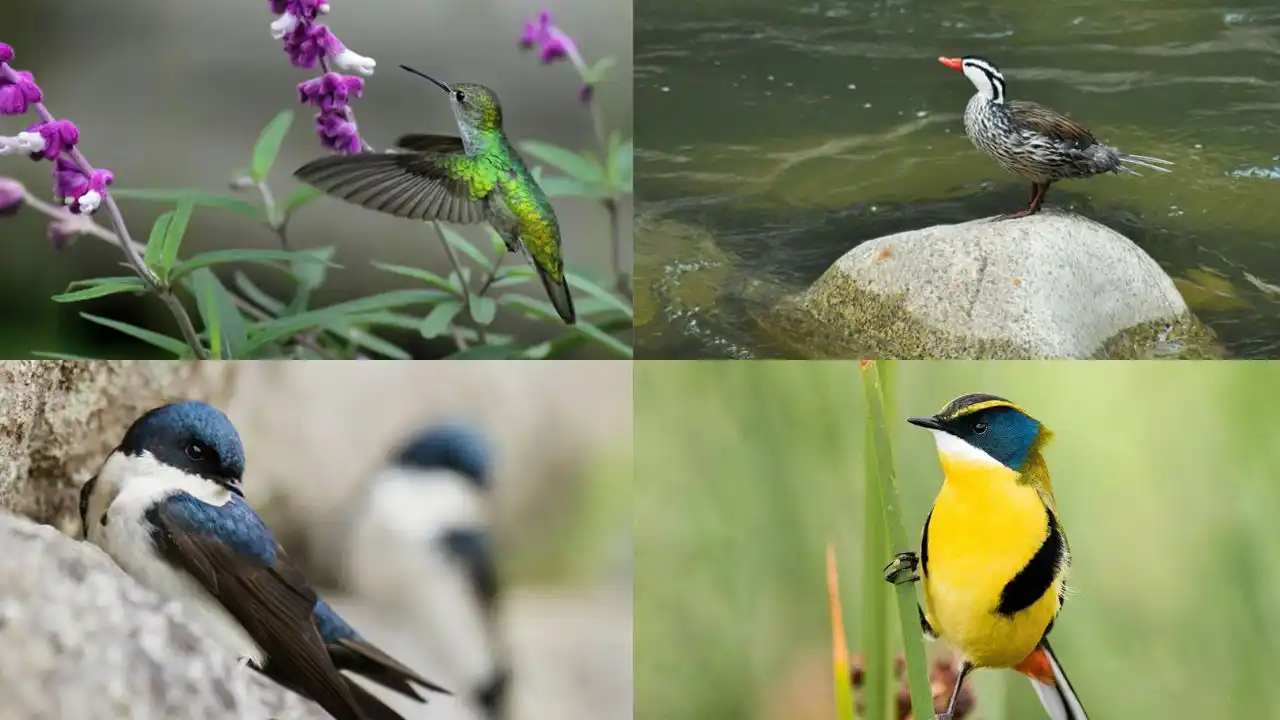
Torrent Duck (Merganetta armata)
This is one of the birds that evokes the most affection among visitors and observers in this tropical area. It inhabits fast-flowing Andean rivers and streams. They are usually seen alone or in pairs resting on rocks and are not associated with other ducks. They feed by diving in turbulent waters and pools. Somehow, they can swim upstream with apparent ease. The sexes look different, although both have a bright red bill and a streaked back; the male has a white head with black lines, while the females have a gray head and rust-colored underparts.

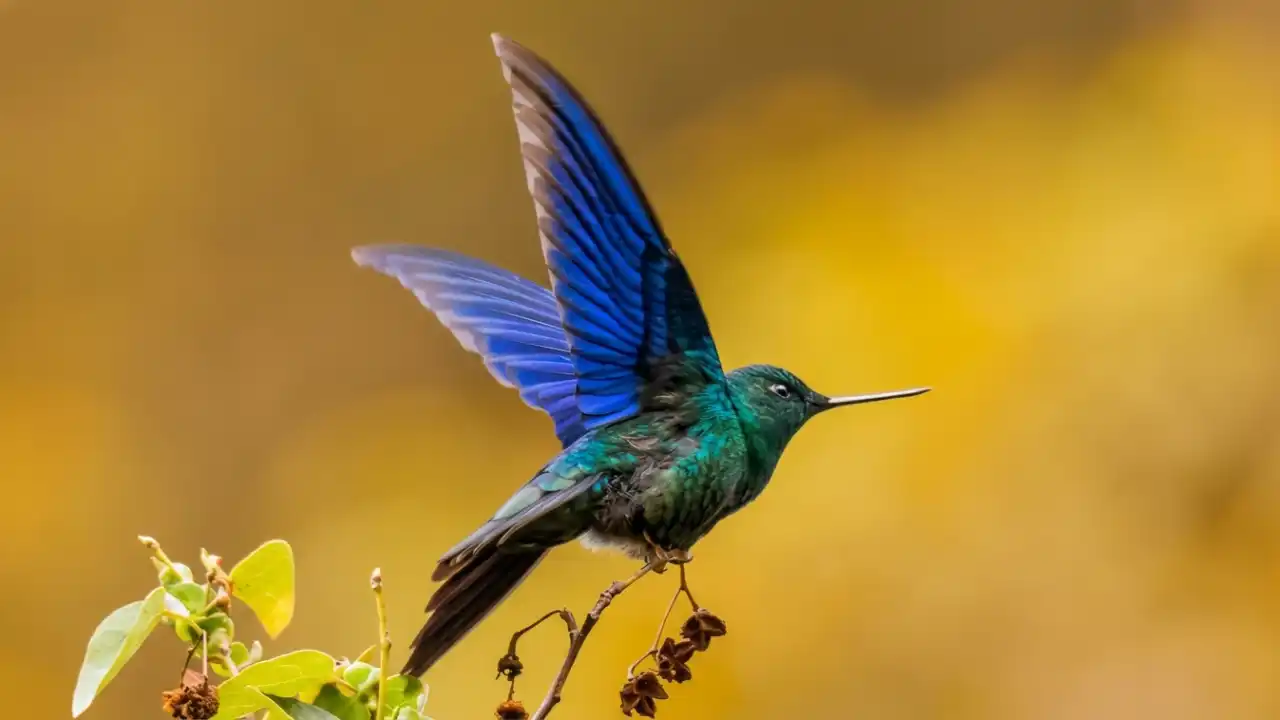
Blue-winged Hummingbird (Pterophanes cyanopterus)
Enormous and spectacular in size. Males are brilliant emerald with blue wings. Females are greenish above with cinnamon underparts. The bill is medium in length and slightly upturned. This hummingbird is larger than almost all others and has a slower wingbeat compared to other hummingbirds. It inhabits montane forests and the edges of the Andes from northern Colombia through Peru to Bolivia, typically from around 2,800 m to near the treeline.
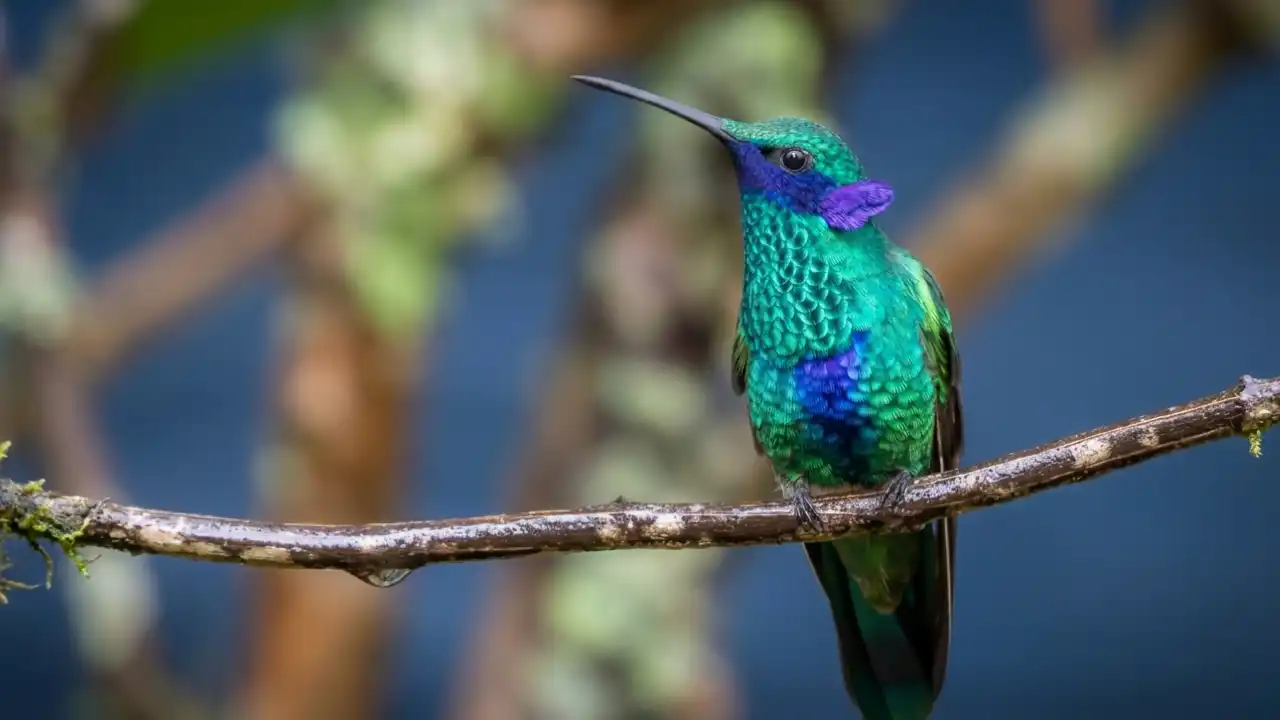
Rufous-breasted Hummingbird (Colibri coruscans)
A large and often aggressive hummingbird that typically dominates feeders or flower patches. Mostly bright green with bluish-purple patches on the cheeks and belly; in both sexes. Common and widely distributed in the Andes. It uses open habitats, including forest edges, scrubland, villages, and towns.
It occurs from 400–4,500 m; most common from the subtropical zone to the scrubland and dry high-altitude valleys. It is distinguished by its incessant song, an endless series of metallic-chip notes.
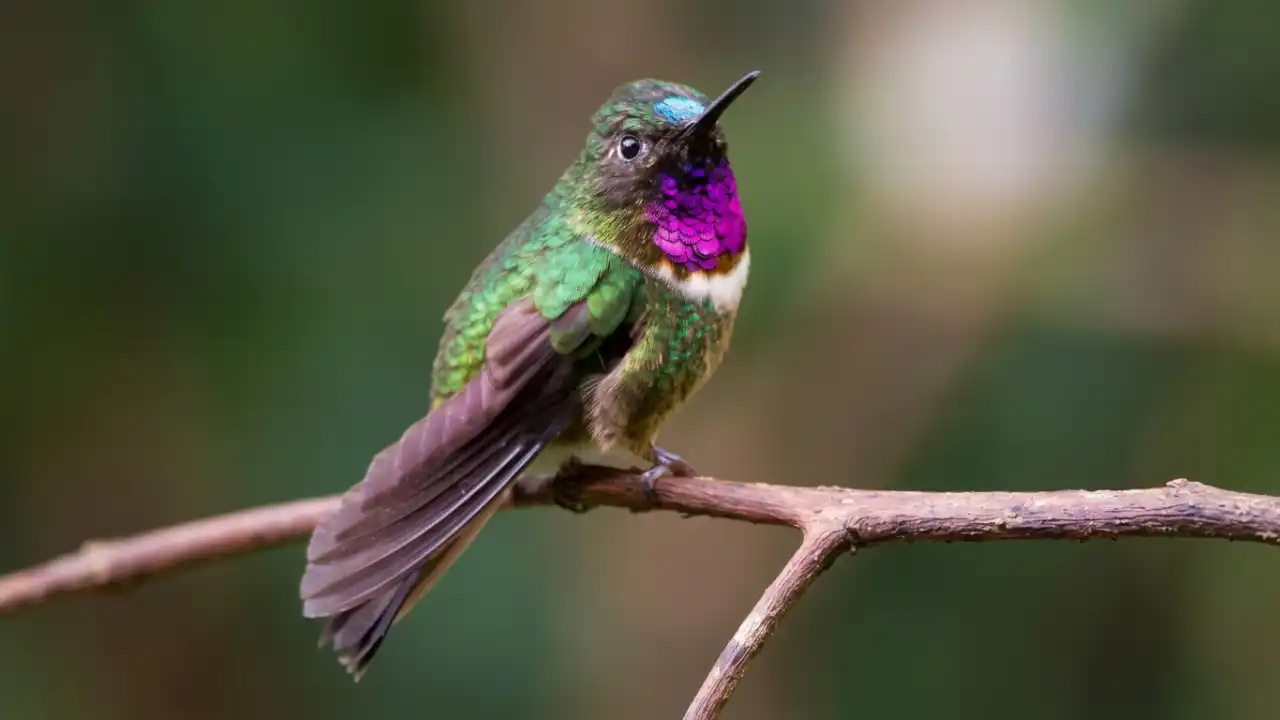
Amethyst-throated Hummingbird (Heliangelus amethysticollis)
A medium-sized hummingbird found from western Venezuela to Peru and Bolivia. The male has a purple throat and a conspicuous white or beige band across the upper breast. The female has a beige throat, sometimes with a touch of purple in the center. It holds its wings raised for one or two seconds after landing. It is found in humid forest and surrounding areas from 1,900 to 2,700 m.
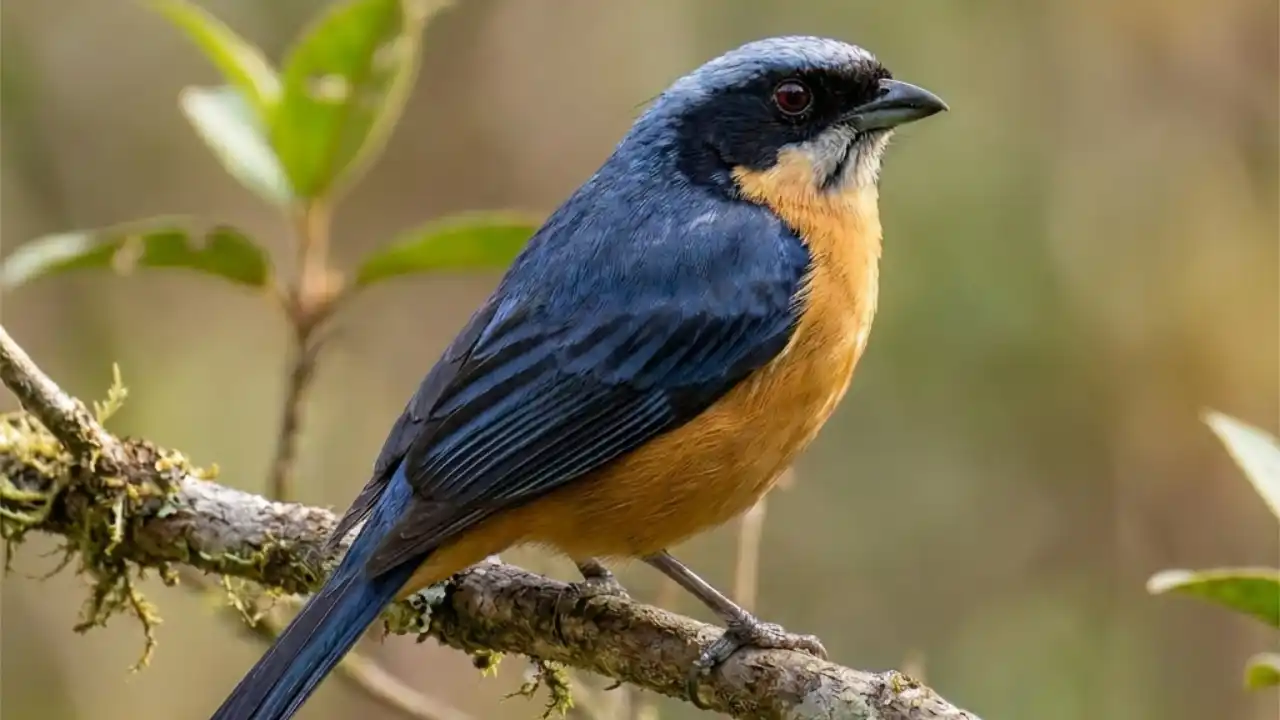
Chestnut-bellied Tanager (Dubusia castaneoventris)
A striking, bicolored, high-flying bird. Reddish-orange below, blue above, with a black mask and a whitish crown and mustache. Found in montane forest and cloud forest up to near the tree line, where it forages singly or in pairs, often joining mixed-species flocks.
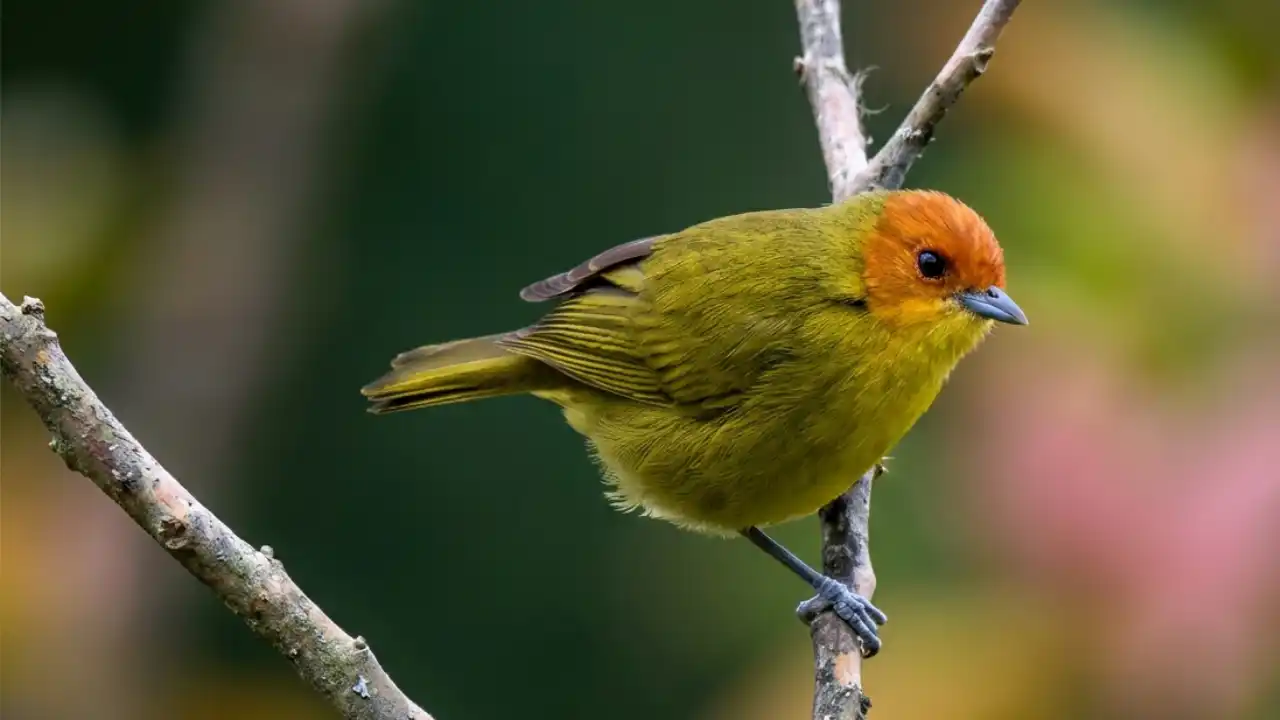
Rufous-breasted Tanager (Thlypopsis ruficeps)
A small, bright yellow bird of mid- to high-elevation habitat. Males have a reddish-brown head with orange tinges, while females have only a hint of reddish-brown, and immature birds are uniformly yellow. It forages in the lower and middle levels of forest habitats ranging from montane rainforest to forest edges and high scrub. It is often found in pairs or small groups and frequently joins mixed-species flocks with other tanagers.
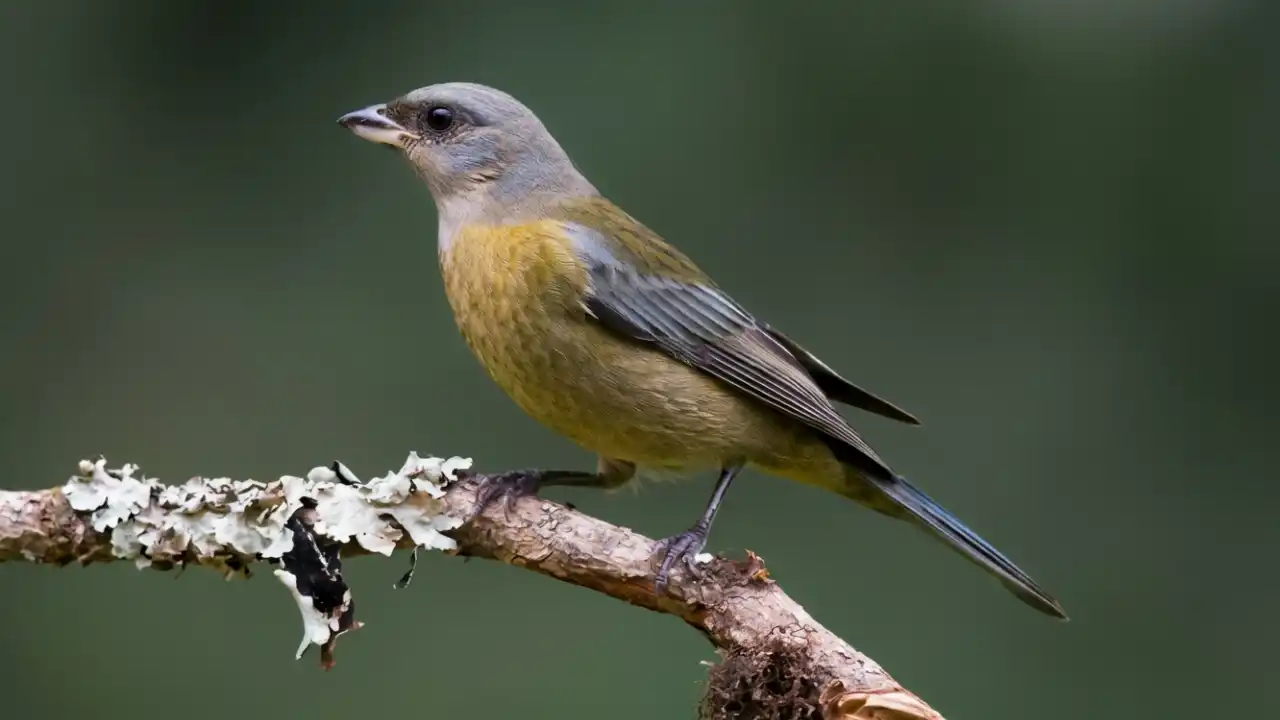
Orange-crowned Tanager (Rauenia bonariensis)
An attractive species found in a variety of semi-open and lightly wooded habitats, primarily in the drier areas of the Andes. Usually found in pairs or small groups, not with mixed-species flocks. It forages from the lower to upper parts of shrubs and trees. The male is colorful, with a bright blue head and yellow underparts and rump. The female is somewhat duller and is best spotted by her stout bill and the presence of the males.
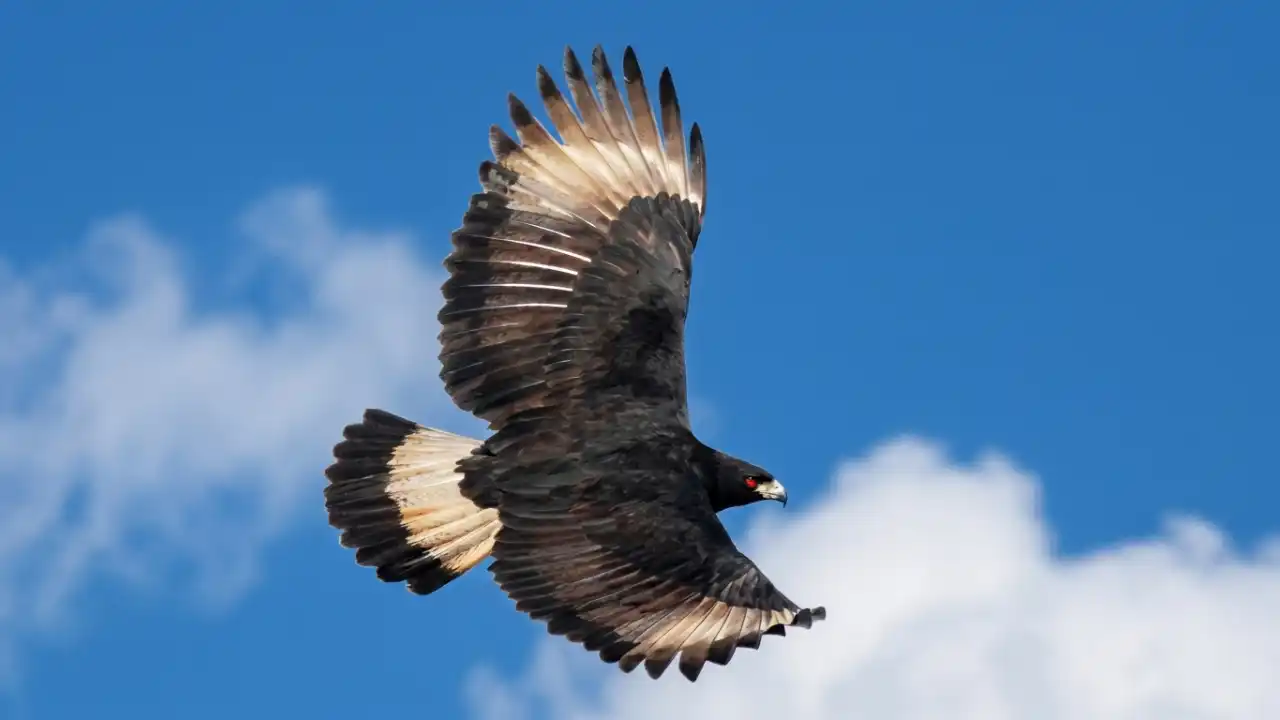
Black-chested Buzzard-Eagle (Spizaetus isidori)
This rare species is found in cloud forests at mid to high elevations. A crested eagle, the adult’s plumage is mostly black with chestnut on the breast and belly. In flight, the large white patches on the wings and at the base of the tail, and the chestnut coloration on the underside of the wings, are distinguishable. The juvenile is strikingly different, with a dark back, white underparts, and heavily banded wings and tail.
It is most likely to be seen on sunny mornings, when, alone or in pairs, it may soar high over forested ridges.
Birdwatching in Machu Picchu
In northern and central Peru, there are nature reserves with a great diversity of bird species.
Southern Peru, particularly privileged for its great biodiversity, is home to places like the Tambopata National Reserve (Madre de Dios): with more than 648 recorded species; Manu National Park (Madre de Dios): with more than 1,000 species; and Bahuaja Sonene National Park (Madre de Dios): with more than 600 species.
Machu Picchu, in the Cusco region, also stands out as a prime destination for birdwatching. It is estimated that more than 400 bird species have been recorded within the Historic Sanctuary of Machu Picchu. Of these 400 species, nearly 200 can be easily observed while hiking the Inca Trail.
Cusco boasts a wide variety of ecosystems, ranging from the Andes to the lowlands. This translates into exceptional and diverse bird sightings.
A key factor in Machu Picchu is the microclimate created by the Urubamba Valley, which fosters favorable weather conditions that attract many bird species.
On a morning spent observing birds in the cloud forest, you might spot: the Andean cock-of-the-rock, brown partridge, white-rumped hawk, Andean guan, and white-necked quail. Larger birds include the Andean parakeet, scaly-naped parrot, gray-toucan, woodpecker, and the canastero.
Other species include the red-crested cotinga, flycatcher, and blue-and-white swallows, among many others.
Where to do birdwatching in Machu Picchu?
Mandor Waterfalls: Located 6 km from the town of Machu Picchu (Aguas Calientes), these waterfalls are ideal for observing the Andean Cock-of-the-rock, toucans, and colorful tanagers in their natural habitat. Orchids and native vegetation abound in this area. The trail is easy to follow along the train tracks, but it’s important to be careful of passing trains.
Bridge of Ruins and Site Museum: Just a 20-minute walk from Aguas Calientes, this transitional trail is surrounded by dense vegetation, perfect for spotting Andean motmots and trogons.
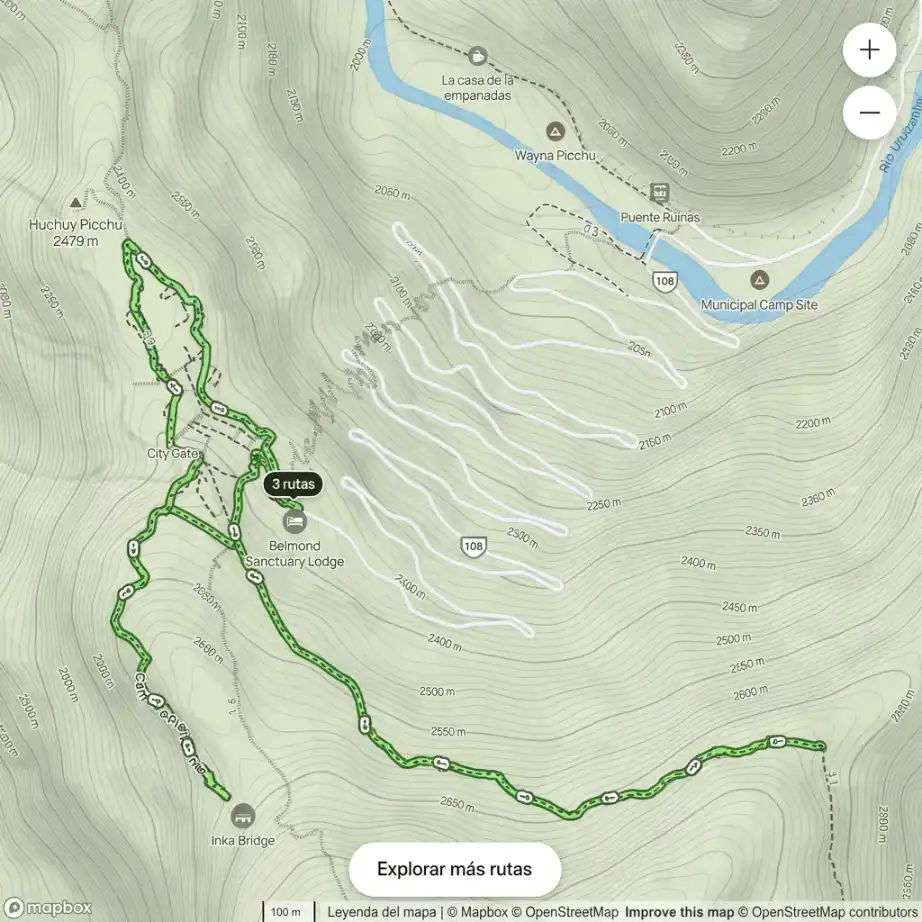
Intipunku (Sun Gate): This viewpoint offers panoramic views and is excellent for spotting higher-altitude birds and birds of prey.
Inca Trail: The route to Machu Picchu crosses diverse ecological zones inhabited by endemic species and the majestic Andean Condor.
We always recommend consulting a local expert to avoid accidents, as weather conditions are variable.
Emblematic Birds of Machu Picchu
Emblematic Birds
- Andean Cock-of-the-Rock (Rupicola peruviana): Known as the tunqui and the national bird of Peru, it is famous for the male’s bright orange plumage.
- Andean Condor (Vultur gryphus): The largest flying bird in the Andes.
- Torrent Duck (Merganetta armata): This unique aquatic bird swims against the current.
- Andean Jay (Cyanocorax yncas): With green, blue, and yellow plumage, it is very active and easy to spot in the Aguas Calientes area.
Hummingbirds and Tanagers: The cloud forest is full of these small and colorful birds
- Marvelous Spatuletail (Loddigesia mirabilis): One of the rarest and most sought-after species for birdwatchers.
- Blue-and-yellow Tanager (Thraupis cyanocephala): With a striking color combination.
- Golden-headed Quetzal (Pharomachrus auriceps): A bird with iridescent green plumage, related to the Central American quetzal.
Birds of Prey and High-Altitude Birds
- Black-and-chestnut Hawk (Spizaetus isidori): A majestic and imposing bird of prey that inhabits the forested slopes of the sanctuary.
- Andean Hawk (Geranoaetus polyosoma): Frequent in open and rocky areas, especially during the Andean winter months.
What is Birdwatching?
The term birdwatching, also known as bird observation, is the practice in which an bird observer or birdwatcher goes on excursions in natural areas to observe, record, and study the appearance and behavior of birds in their natural habitat; some specialize in the search for rare or uncommon birds, which also makes this practice a competitive activity.
For this purpose, binoculars and digital devices are used to help identify and record species, initially by their appearance and later by recording and recognizing their songs. In addition, there are specialized digital guides that store and share photographs and audio recordings uploaded to the cloud by other observers.

Within the birdwatching community, the term “birding” is used colloquially to describe observing or spotting birds, a term widely accepted in the literature specializing in this practice.
How did the interest in birdwatching arise?
Birdwatching began in the 19th century. Due to the lack of technology for this type of activity, scientists and birdwatchers often shot birds to study them. In the mid-19th century, birds began to be documented locally; then, in the early 1900s, the conservation movement gave rise to the first ornithological societies and the popularization of birdwatching with binoculars instead of shotguns.
Thanks to the development of modern optics, such as binoculars, camera lenses, high-resolution photography, and collaborative data platforms like eBird, birdwatching has undergone a revolution, bringing it closer to millions of people worldwide.
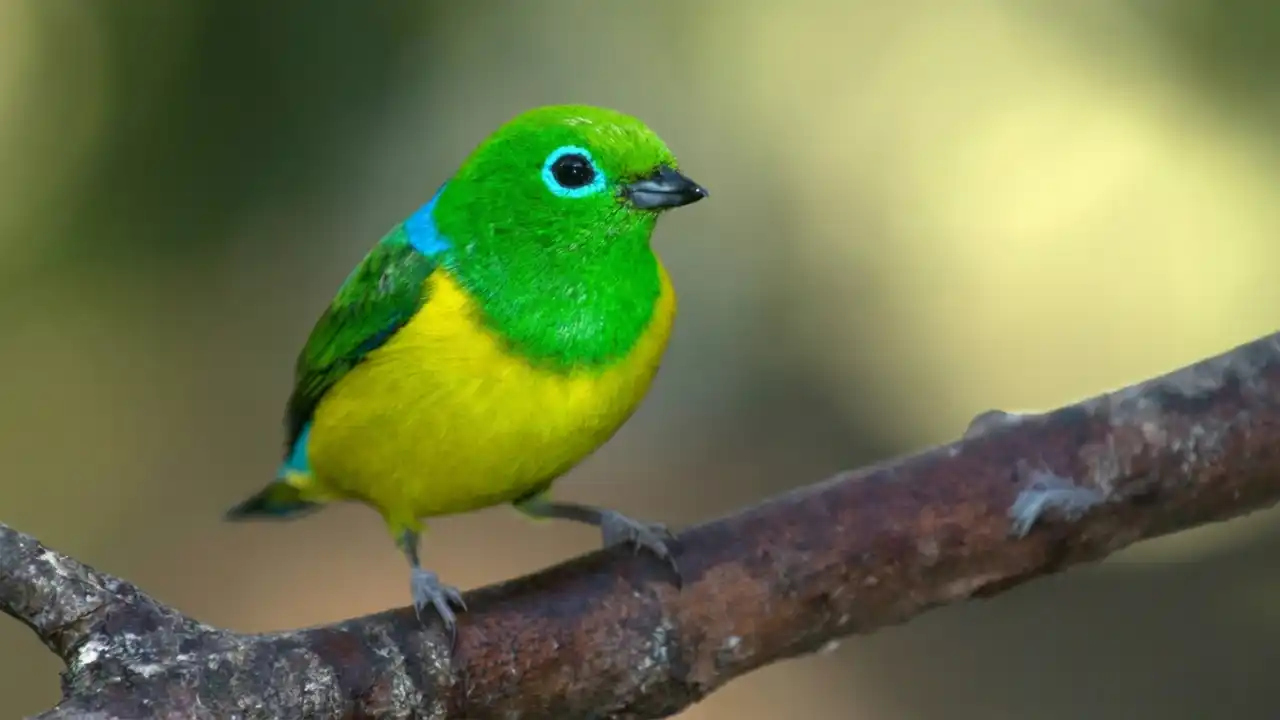
What exactly does a birdwatcher do?
Direct observation: Using binoculars or field telescopes to identify visual characteristics (plumage, size, beak shape, behavior).
Active listening: Much identification is done by listening to birdsong or calls, as many species are difficult to see but easy to hear.
Recording and listing: Many birdwatchers carry notebooks or use apps to record the species seen on each outing.
Photography and Tourism.
What do you need for birdwatching?
Binoculars. These are the most important tool. They allow you to observe and record species without invading or disturbing their environment.
Field guides. These are illustrated books that describe and show the birds of a given region, with information on their distribution, habitat, song, and behavior. Today, there are digital guides integrated into mobile applications.
Mobile applications such as Merlin Bird ID (Cornell Lab), eBird, or iNaturalist.
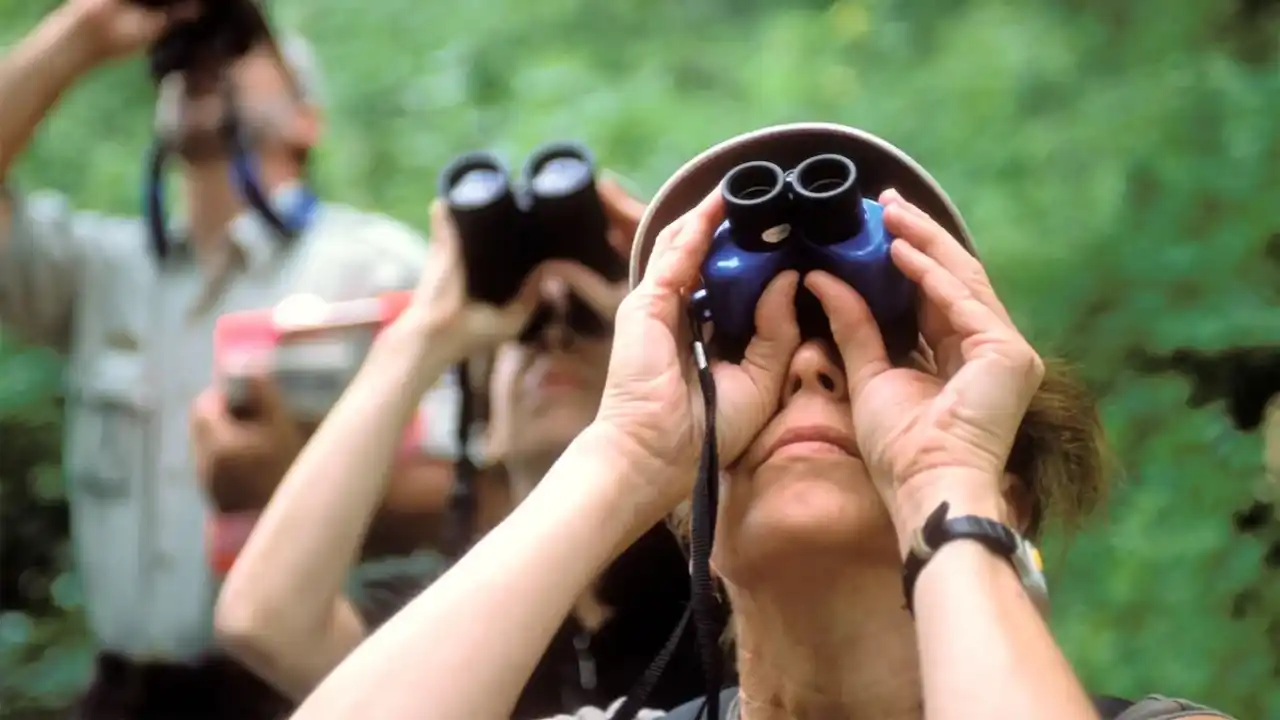
Field notebooks. Many birders keep a journal of their observations, including the date, location, weather conditions, species seen, and observed behaviors. This practice sharpens your attention and creates a valuable personal archive.
Camera and telephoto lens. Essential for recording the species you find, which will also help you become familiar with the taxonomic classification of birds.
Ethics in Birdwatching
Ethics are fundamental to this activity. The well-being of birds should always take precedence over the desire to see or photograph them.
- Do not disturb or approach nests: getting too close to a nest can cause the birds to abandon their eggs or chicks.
- Do not overuse bird calls; the use of recorded songs to attract birds is regulated or discouraged in many places.
- Remain silent and move slowly: so as not to frighten the birds.
- Respect private property and protected areas: always follow the regulations of reserves and natural parks.
- Leave the environment as you found it: do not damage vegetation, do not leave trash, and do not introduce any species.
- Share information responsibly: do not publish the exact location of rare or endangered species to avoid putting undue pressure on them.
Frequently asked questions about List of Birds You Can Find in Machu Picchu
It is recommended 8×42 binoculars (8x magnification, 42mm objective lens), which offer a good balance between magnification, brightness, and field of view. Brands like Swarovski, Zeiss, and Leica are among the highest quality, but there are very competent options at mid-range prices from brands like Nikon, Vortex, and Kowa.
Merlin Bird ID (Cornell Lab): Identifies birds by photo, song, or description. It’s free and works offline.
eBird: Allows you to record observations and access real-time distribution maps.
iNaturalist: A citizen science platform for recording any species, including birds.
You can use reflexive cameras or mirrorless cameras with telephoto lenses of at least 400-600mm. Remember that bird photography requires patience, quick reflexes, and knowledge of animal behavior.
Bird identification is a skill that develops with practice. The main criteria are:
Size and shape; plumage and coloration; beak shape; behavior; song and calls; and habitat.