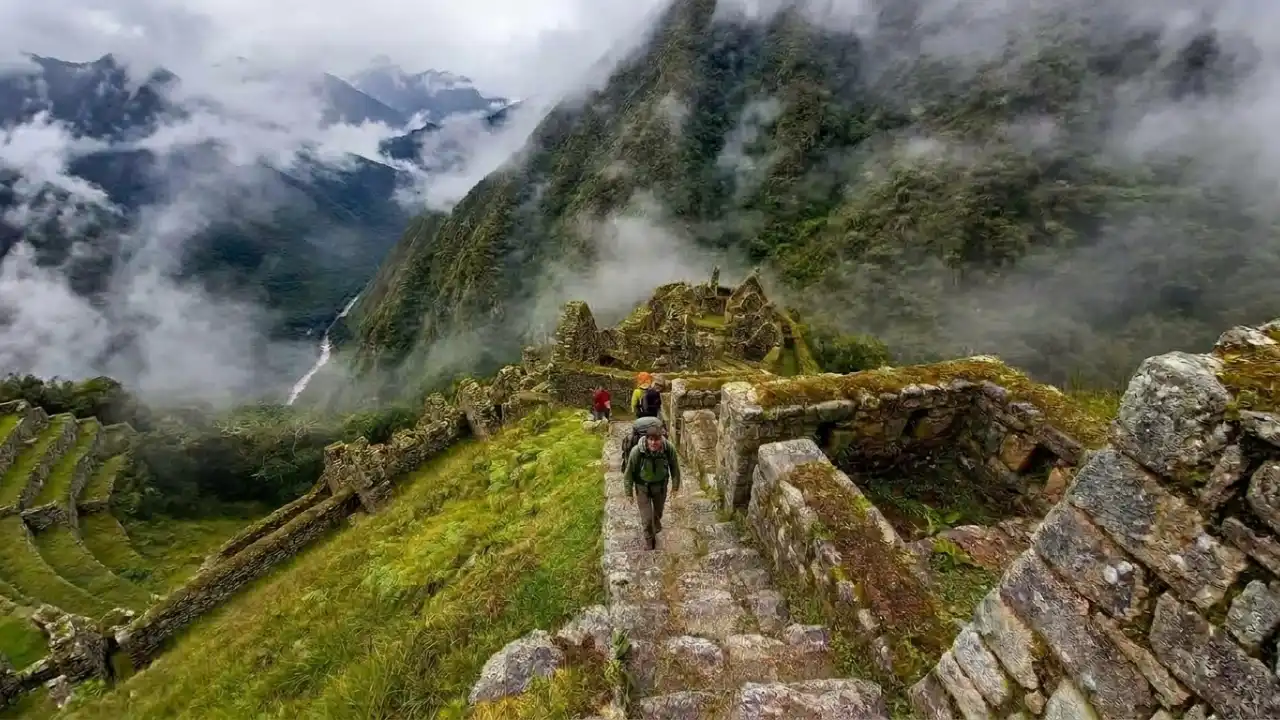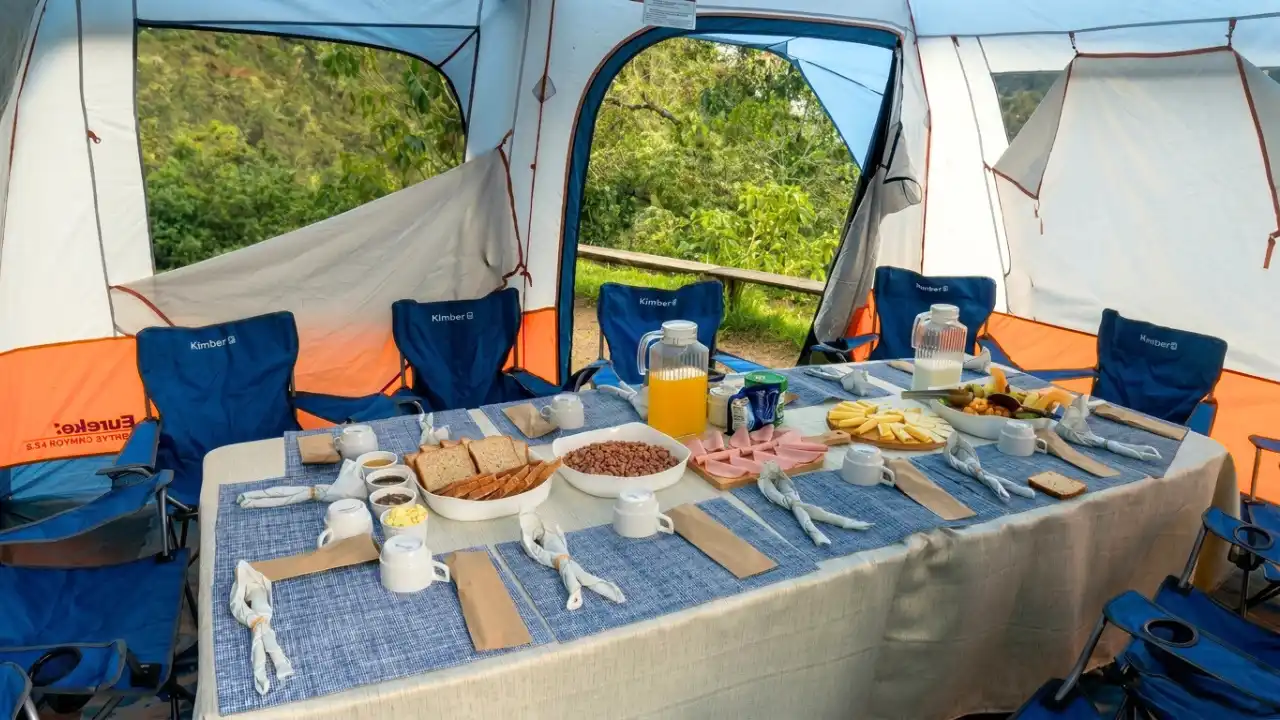
Inca Trail Rainy Season & Best Time to Hike the Inca Trail
One of the most critical decisions that those traveling to Machu Picchu must consider is whether or not to hike the Inca Trail during the rainy season. While many people overlook the rainy season and prefer hiking during peak times, there are certain merits that one will gain after experiencing it. Knowing the difference between rainy and peak periods for those who hike the Inca Trail will allow them to align their expectations with reality.
Inca Trail Rainy Season: What Travelers Need to Know
The rainy season of the Inca Trail shapes the atmosphere of the trail, the degree of difficulty, and the availability of the route. Rain is not a factor but a different way the trail will feel and how the hiker will interact with the landscape. This section simplifies the basics so that travelers can make informed decisions and not base decisions on assumptions.
What Is the Rainy Season on the Inca Trail?
The rainy season on the Inca Trail runs from November through March, with the wettest month normally being January. Normally, it doesn’t rain all day but comes in short, sharp showers, and mornings are generally clear.
February is the only month when the Inca Trail is closed because of conservation and maintenance. Outside of this period, hiking the Inca Trail in rainy season is fully operational and carefully regulated.
Inca Trail During Rainy Season: Pros and Cons
Pros
- Significantly fewer hikers on the trail
- Vibrant green scenery and flowing waterfalls
- Greater flexibility with permits
- Potentially lower tour prices
Cons
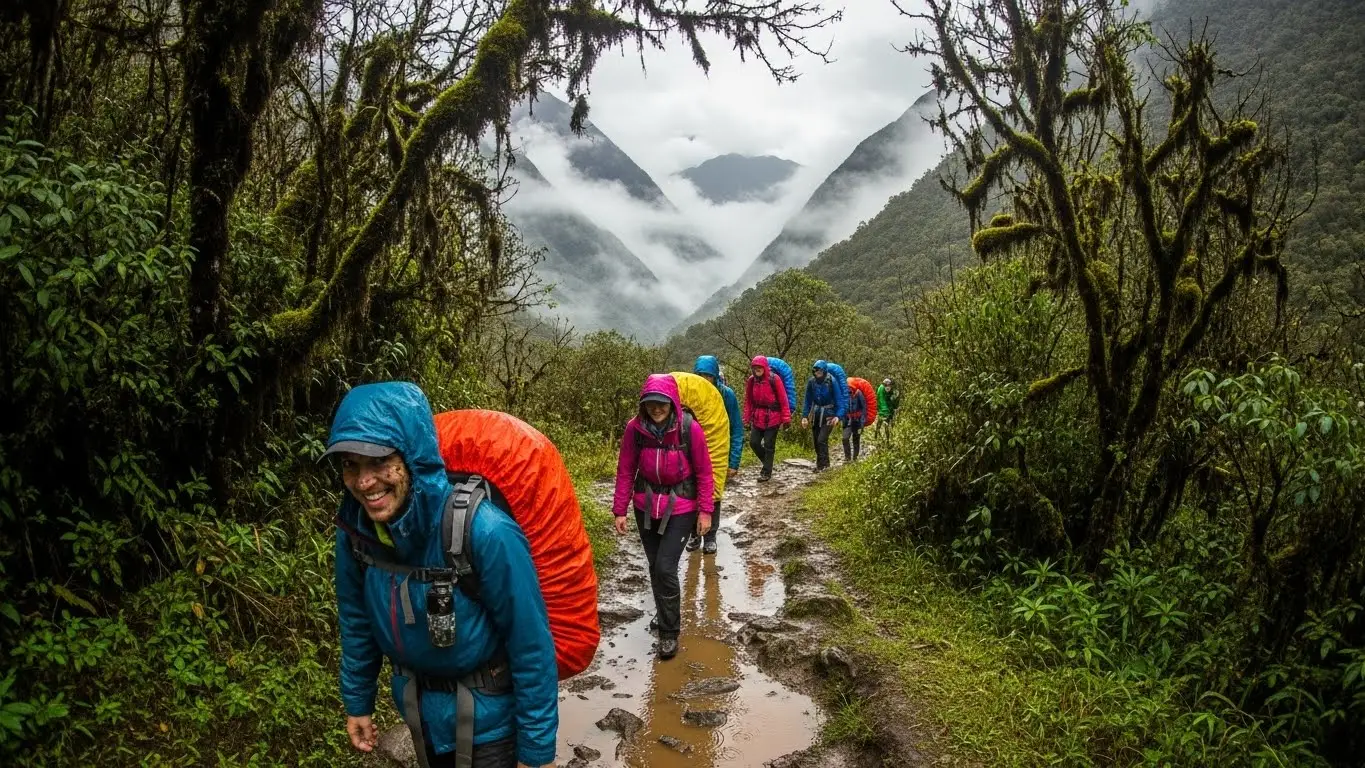
- Wet stone steps and muddy trail sections
- More frequent cloud cover
- Increased importance of proper packing
Hiking the Inca Trail Rainy Season: Experience & Conditions
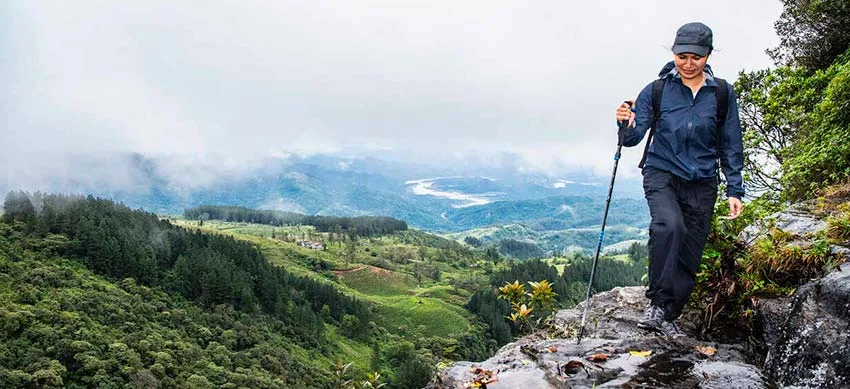
The experience of hiking the Inca Trail during the rainy season is more about adapting to a different rhythm of travel and less about dealing with rain.
What Hiking the Inca Trail in Rainy Season Is Really Like
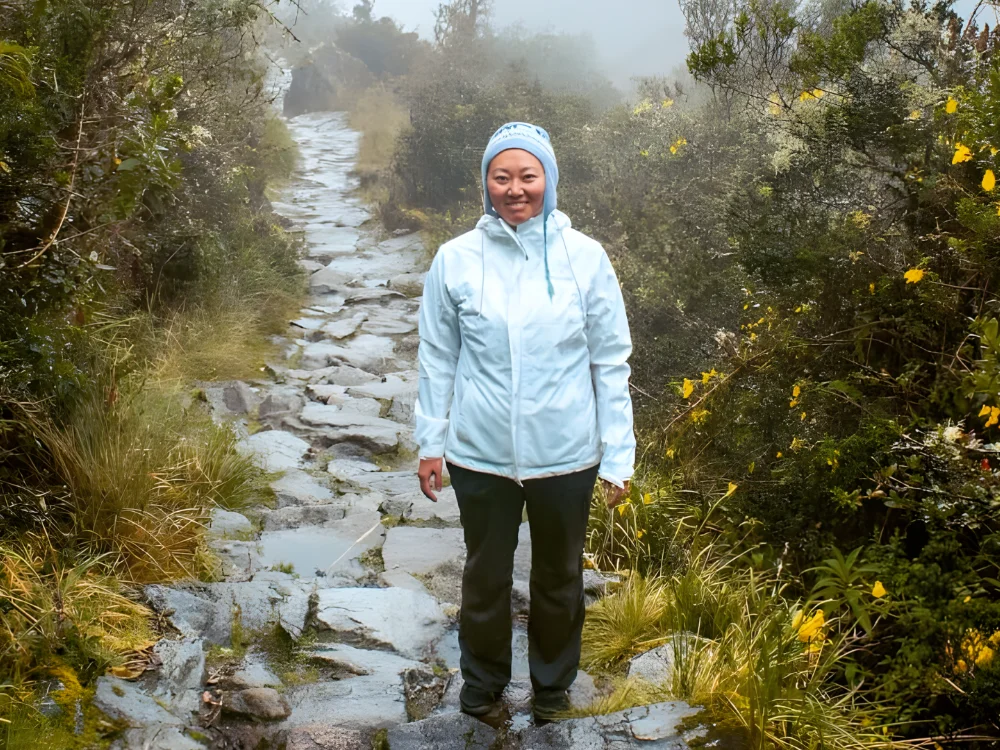
Inca Trail hiking in the rainy months means the experience of the cloud forest in its prime. The vegetation is lush, animal activity rises, and the area’s natural quality of being raw and primeval presents itself. Rainfall may accompany the hike, though it does not impinge on the entire day.
Many hikers report that the cooler temperatures make long ascents more comfortable than during the dry season.
Is the Inca Trail Safe During Rainy Season?
The safety of trekkers is of prime importance, and yet hiking in the Inca Trail rainy season is safe when led by experienced guides. The authorities overseeing the treks are vigilant about checking weather patterns every day, and changes in the itinerary occur when necessary. The main distinction is the pace of travel in the rain season, the pace is slower because of the wet terrain.
Inca Trail in Rainy Season: Weather Breakdown
It’s important when evaluating the best time of year to hike the Inca Trail to understand weather patterns. The rain indeed affects not only trail conditions but also visibility and daily comfort.
Inca Trail Rainy Season Weather by Month
- November: Transitional month with moderate rain and sun
- December: Hot, humid and getting greener
- January: Peak rainfall and minimal crowds
- February: Trail closed
- March: Gradual return to drier conditions
This is due to the fact that temperatures are fairly consistent throughout the year and thus rain ends up being the variable rather than cold.
How Rain Impacts Machu Picchu Access
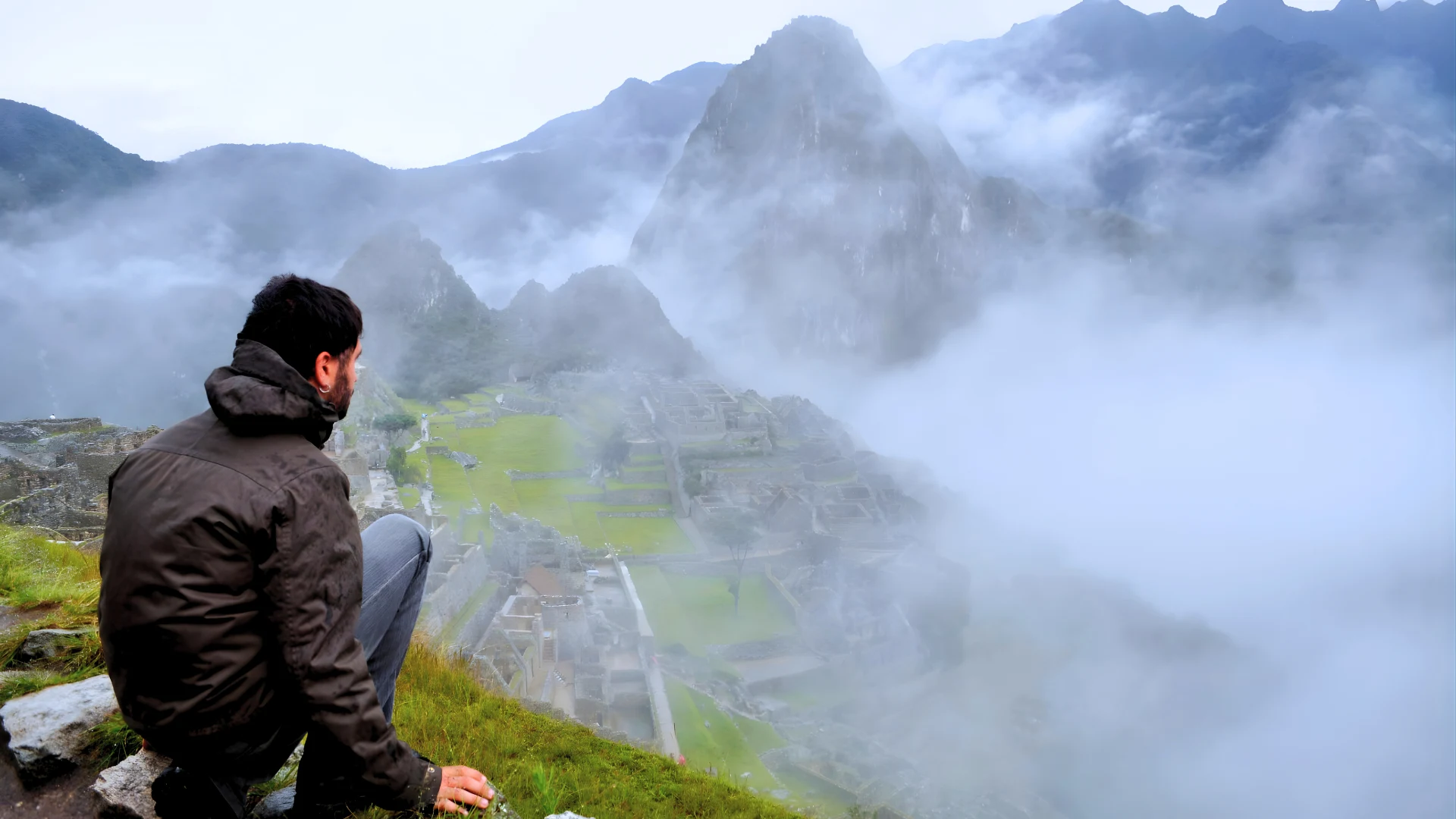
Hiking the Inca Trail to Machu Picchu during rainy season often means arriving through mist or clouds, which can create a dramatic and emotional first view. Machu Picchu operations remain normal, and trains and entry schedules are unaffected.
Inca Trail Rainy Season Packing List
A well considered list of items to take during the rainy season on the Inca Trail significantly affects the hiking experience. The equipment needed allows the hiker to effectively cope with the rain.
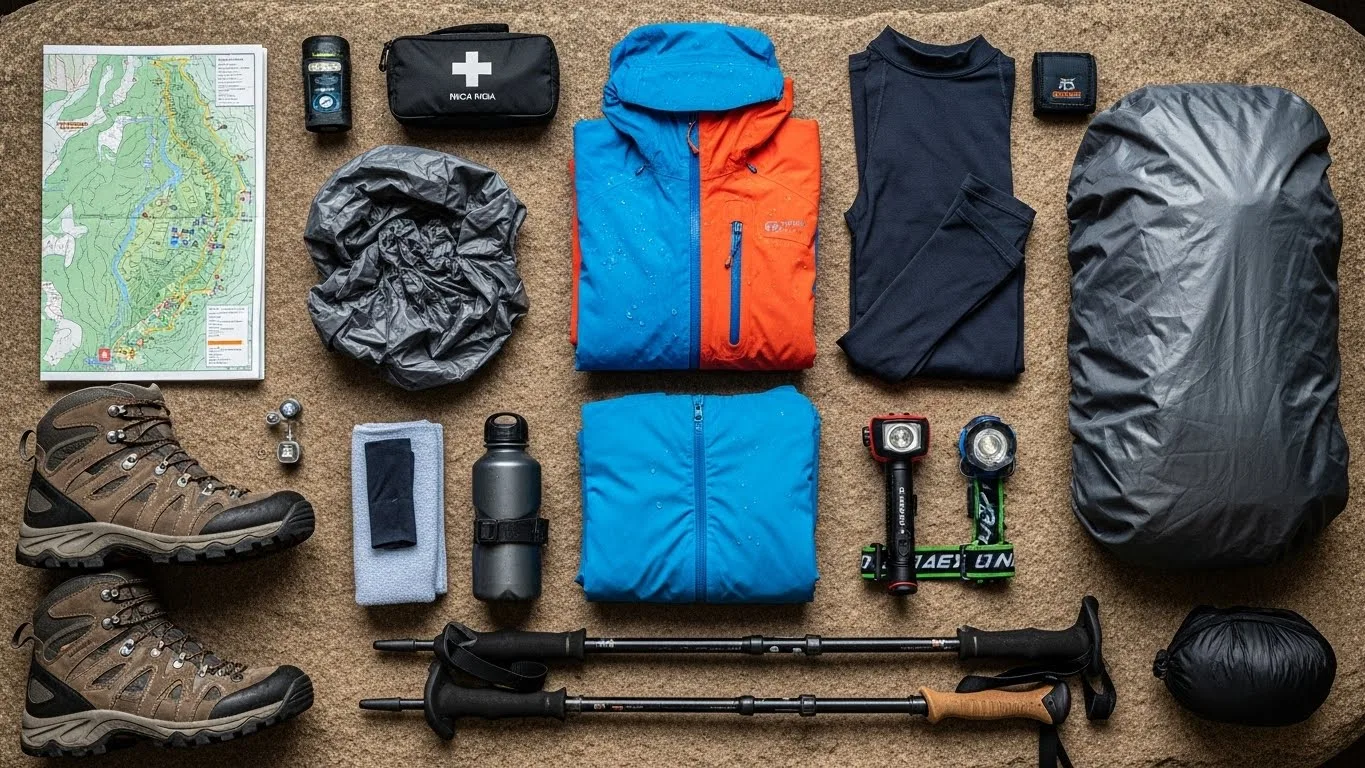
Essential Gear for the Inca Trail Rainy Season
Core items include:
- Waterproof hiking boots with good grip
- Breathable rain jacket and rain pants
- Rain Cover for Backpack or Waterproof liner
- Quick-dry base layers
- Trekking poles for stability
What Not to Forget When Hiking the Inca Trail in Rainy Season
The list of additional items that improve comfort includes:
- Dry bags for electronics
- Extra socks and underwear
- Gloves that are light in weight
- Sunscreen and sunglasses
Rainy season does not eliminate sun exposure, especially at higher elevations.
Inca Trail Best Time to Hike: Seasonal Comparison
Determining the Inca Trail best time to hike depends largely on what travelers prioritize most: predictable weather, fewer crowds, or overall value. Each season offers a distinct balance between climate conditions, trail atmosphere, permit availability, and pricing. Rather than a single “perfect” month, the Inca Trail offers different advantages throughout the year.
Best Time to Hike the Inca Trail vs Rainy Season
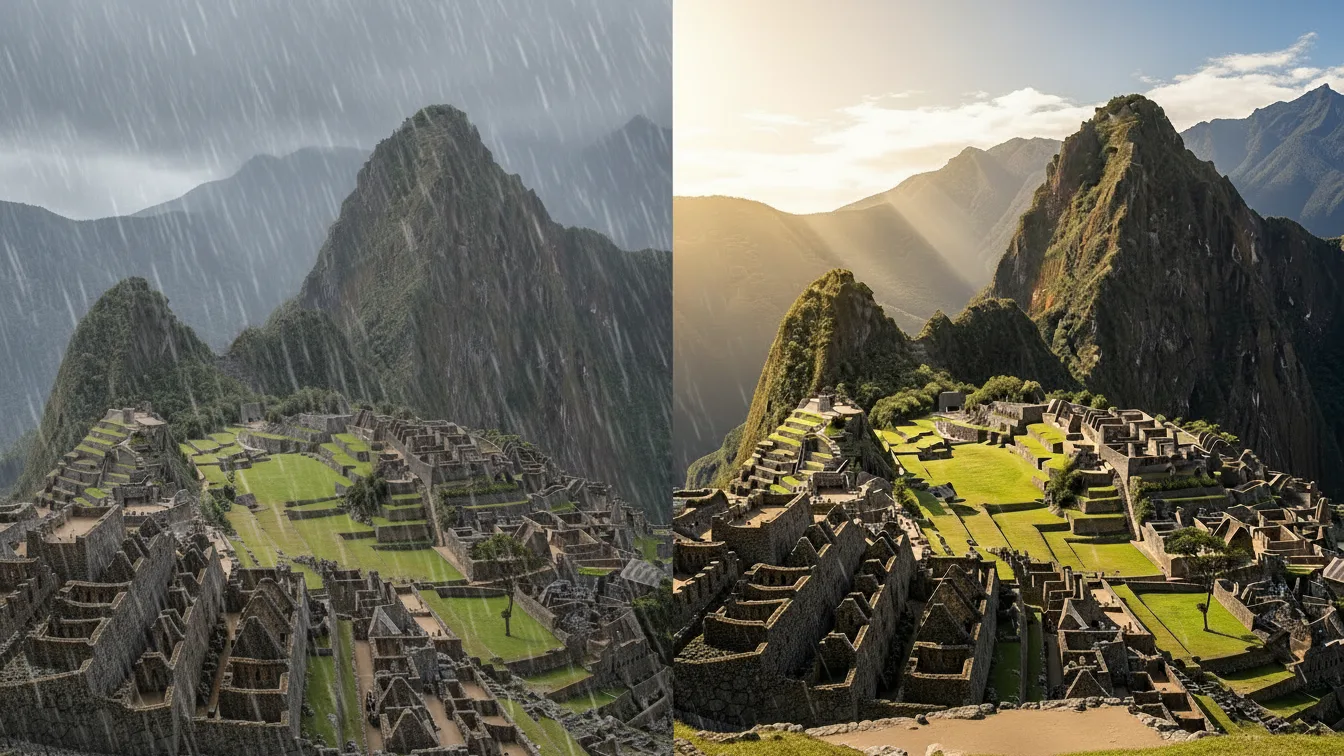
The best time to hike the Inca Trail for consistent weather is generally between May and September, during the dry season. These months provide clearer skies, drier trail conditions, and excellent visibility at archaeological sites. However, this popularity also brings higher demand, crowded campsites, and limited permit availability, requiring bookings months in advance.
In contrast, hiking the Inca Trail during rainy season offers a quieter, more personal alternative. While weather conditions are less predictable, the trail becomes greener, crowds decrease significantly, and hikers often enjoy a stronger sense of solitude and connection with the landscape. For many travelers, this trade-off is well worth it.
Best Time of Year to Hike the Inca Trail
The Inca Trail can be done at different times of the year according to travel preference and expectations:
- Best weather conditions: May to August, with low rainfall and settled conditions for hiking
- Best value and flexibility: November & March – Fewer people & Easier Permit Obtainment
- Balanced conditions: April and October, offering good weather conditions alongside moderate tourist seasons.
Each season delivers a unique experience rather than a strictly better or worse option, making personal priorities the deciding factor.
Best Time to Hike the Inca Trail to Machu Picchu
When looking at the overall journey itself, many tourists tend to zero in on the best time to hike the Inca Trail to Machu Picchu. This is because the season chosen not only impacts the hike itself but also the first impression of Machu Picchu at the end of the trail.
Best Time to Hike the Inca Trail to Machu Picchu for Weather
Conditions For those traveling with sunny skies and vistas in mind, or simply looking to enjoy a slightly less-crowded experience in July and August when they arrive at Machu Picchu, June and September are generally the best months of the year to hike the Inca Trail.
Best Time to Hike the Inca Trail for Availability and Prices
In regard to a functional or business-oriented viewpoint, a wet climate hike through Inca Trail is more beneficial for permits and flexibility of dates not in February, which is usually closed. This is due to fewer people taking advantage of the route, which translates to lower prices than in other wet months. In addition to that, there’s a reduced number of tourists.
For people who like to have space, freedom, and a peaceful trek, the rainy season will definitely be the perfect time to undertake a hike on the Inca Trail, even when it rains.
Is the Inca Trail Worth Hiking During Rainy Season?
This question summarizes the entire debate on seasonality.
Who Should Consider Hiking the Inca Trail in Rainy Season
Good for hikes during the rainy season:
- Travelers who value solitude
- Photographers in search of dramatic landscapes
- Flexible travelers who are comfortable with changing weather
- Budget-friendly hikers
When Rainy Season Becomes the Best Time to Hike the Inca Trail
For most visitors, the tranquil environment, natural beauty, and personal connection with nature afforded by the rainiest season of the year make the rainiest season the ideal time to trek the Inca Trail.
Frequently asked questions about Inca Trail Rainy Season & Best Time to Hike the Inca Trail
Yes. The Inca Trail is open during the rainy season from November to March, except for February, when the trail closes for maintenance and conservation. Hiking the Inca Trail during rainy season is fully regulated and safe when done with a licensed operator.
The best time to hike the Inca Trail depends on priorities. For stable weather and clear skies, May to September is ideal. For fewer crowds and more flexibility, November and March are excellent alternatives.
Yes. Hiking the Inca Trail in rainy season offers fewer crowds, greener landscapes, and a quieter experience. While rain is more frequent, it rarely lasts all day, and many travelers find the atmosphere more immersive and rewarding.
The best time to hike the Inca Trail to Machu Picchu for weather and visibility is typically June or September, when conditions are dry but crowds are slightly lower than in peak summer months.
During peak season (May–September), permits often sell out 3–6 months in advance. In the rainy season, availability is generally better, but booking early is still recommended to secure preferred dates.