Inca Empire Flag History Meaning and the Symbolism of the Tawantinsuyu
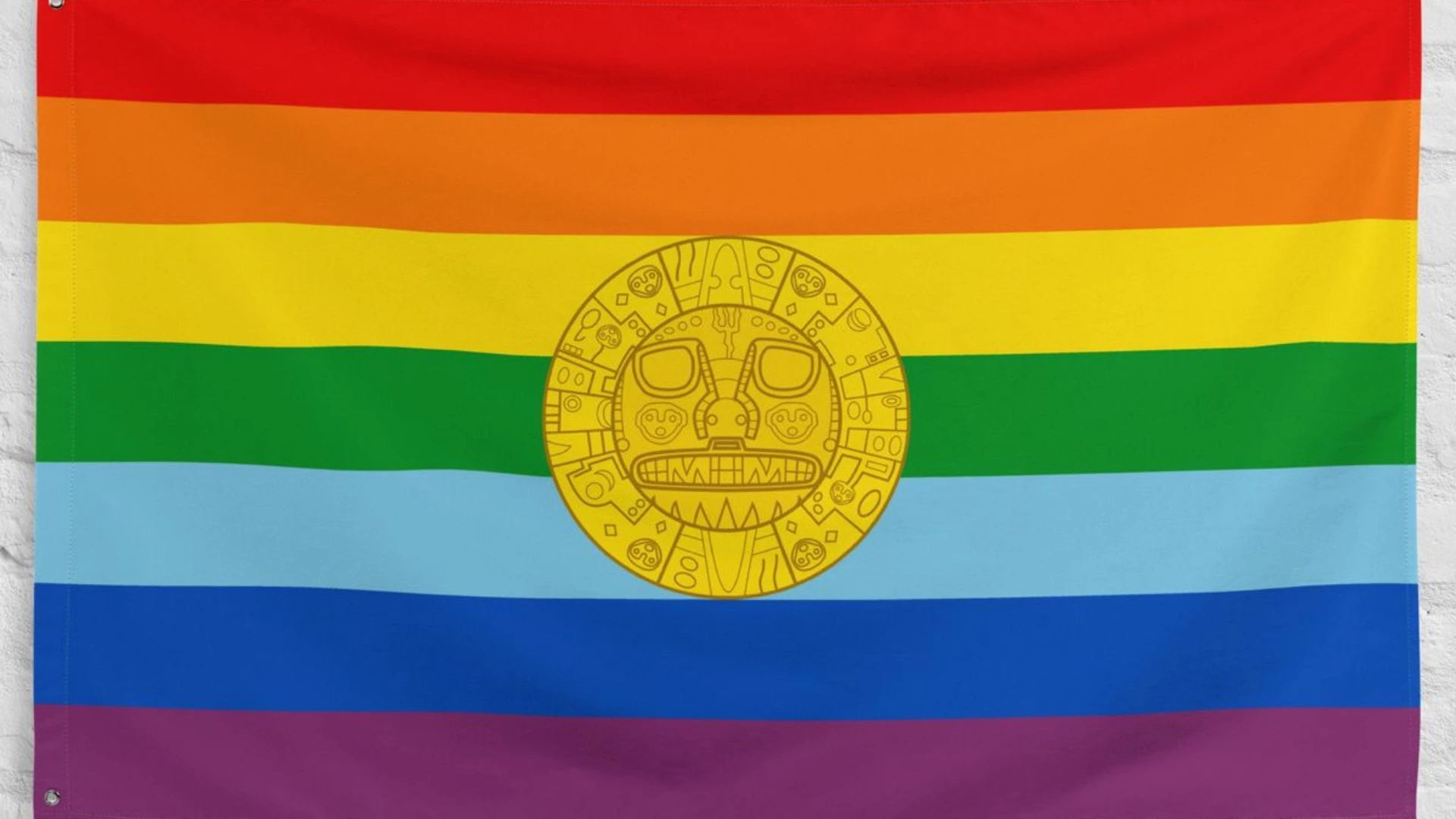
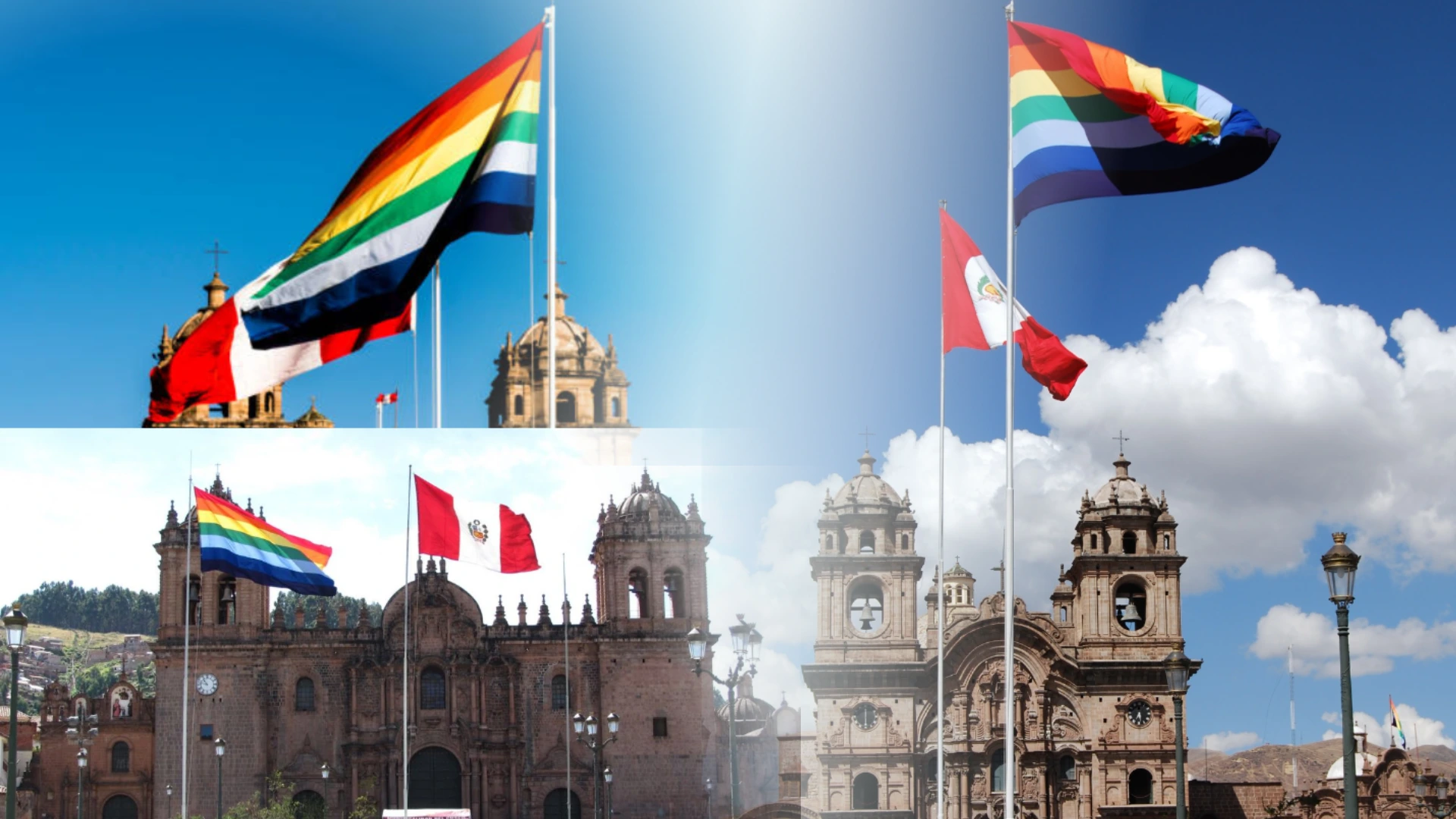
When visiting Cusco or reading about the Inca Empire, people often notice a bold rainbow colored flag waving in plazas, markets, and historical areas of the city. Some people think it is the legitimate flag of the Inca Empire and some question if it is the symbol of the LGBTQ+ Pride movement. Because of this, one of the most common questions asked is whether the Inca Empire had an original flag and what the famous rainbow color and patterned flag means. Many visitors also type queries like what does the symbol in the peru flag mean or real inca flag when they start comparing modern symbols with ancient traditions in peru.
For many visitors, this is their first deep contact with the complex visual language of peru beyond the national flag and the rainbow banner they see everywhere in Cusco.
Was There an Original Inca Flag Did the Inca Empire Have a Flag
This is a common question for tourists learning about the sites and history of the Inca Empire. The idea of a national flag seems normal and intuitively obvious to us, but to ancient cultures, such as the Incas, identity was conveyed quite differently.
Historical Evidence Examining Ancient Inca Flag Representations
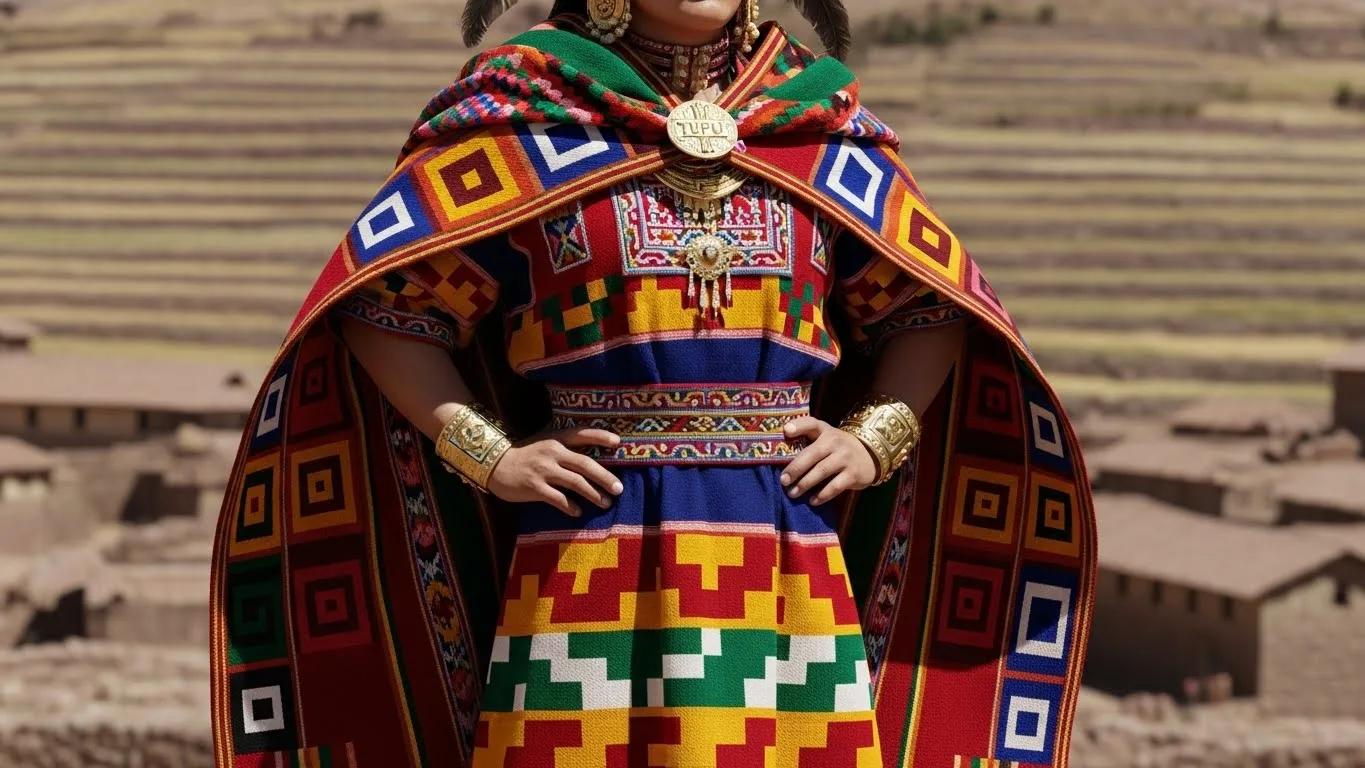
There is no evidence, verified by historical and documented records, that the Inca Empire had a national flag in the way that the current flag of Cusco does. Chroniclers of the Inca culture, after the arrival of the Spanish, explained clothing, ceremonies, military symbols, and standards but failed to document an official flag of the Incas. The Incas expressed identity through textiles and the use of geometric patterns, colors associated with certain rulers or clans, and sacred symbols carved into stone.
These facts challenge the popular idea of a real inca flag in the modern sense, reminding us that the way we imagine national symbols in peru today did not exist in the same way for the Incas.
Analyzing the Flag of the Inca Empire Claims of Authenticity
The rainbow flag is frequently identified as the Inca Empire flag, yet modern historians clarify that this image does not originate from the Inca period. Rather, the rainbow flag was a modern adoption of the twentieth century for a regional identity outside of the Inca period. Although it does not reflect any historical connection to the Inca, it is now historically linked to cultural pride and the remembrance of Tawantinsuyu.
The Pre Columbian Quilt Unancha and Other Inca Banners
The Incas had no formal national flag, but they used ceremonial flags or banners called unancha. The banner usually consisted of a series of geometric patterns or clan emblems and was traditionally placed on a staff. Unancha were systematically employed to represent a particular meaning in an elaborate ceremony or ritual. However, the flags or banners did not resemble or have the same format of the present-day rainbow flag.
The Inca Rainbow Flag Meaning and Design Analysis
Before addressing color and symbolism, it is useful to note why the idea of the rainbow design was taken up and how current interpretations have altered its meaning. Even if it was not a truly Incan symbol in ancient times, it has become a symbol of Andean cultural identity that is now historically significant.
The Wiphala and Tawantinsuyu Understanding the Inca Flag Colors
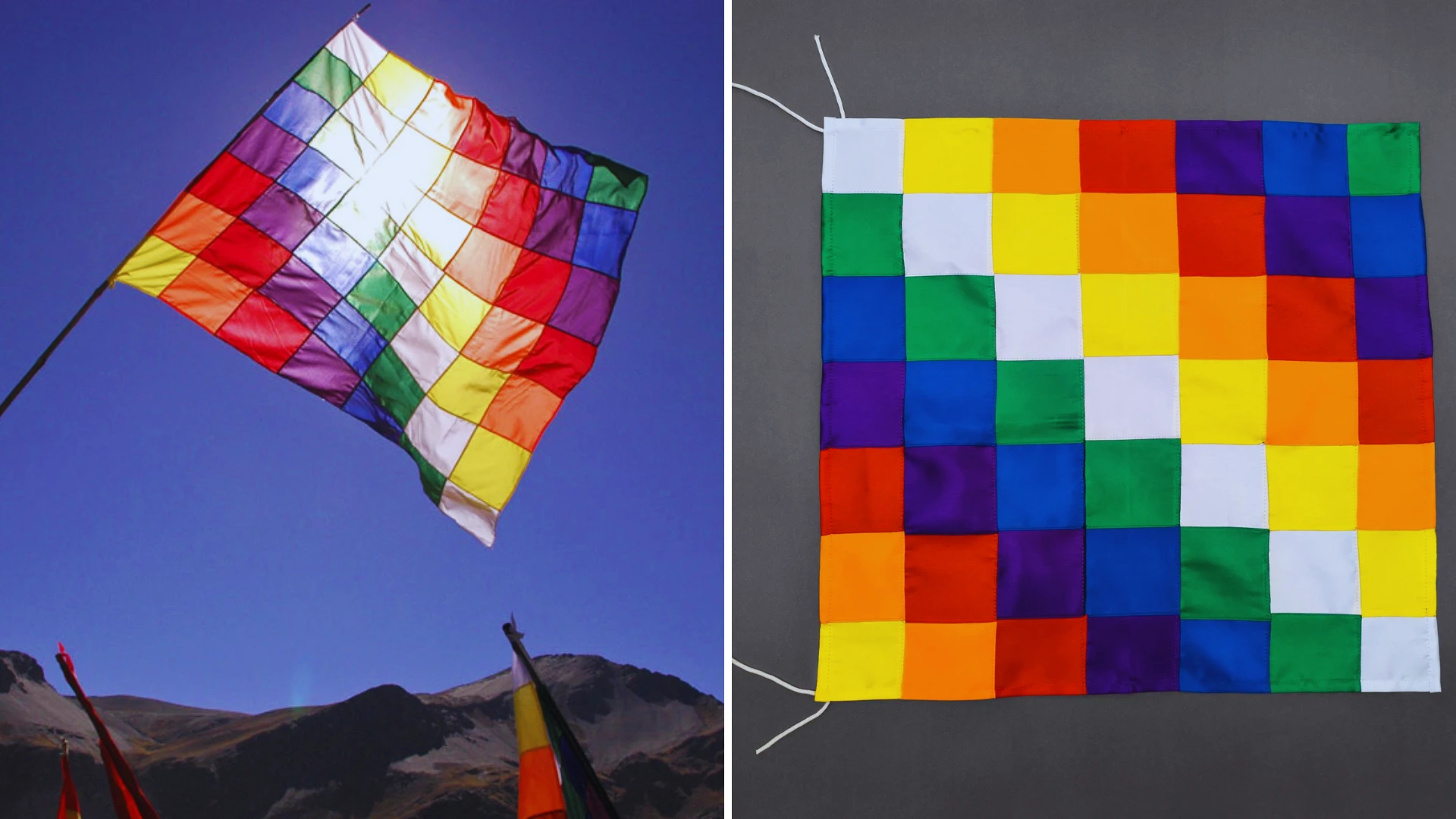
The rainbow flag is often mistaken for the Wiphala, a square symbol embraced by Indigenous Andean communities. While both embrace bright colors, they reflect diverging symbols. The rainbow flag, also referred to as the Inca Empire flag, represents the contemporary identity and unity of the Tawantinsuyu. Many people search what is the wiphala and why was it adopted to understand how this emblem became so closely linked to Indigenous movements in peru and how it differs from other rainbow-based symbols.
The Geographical Representation of the Inca Empire Flag Map
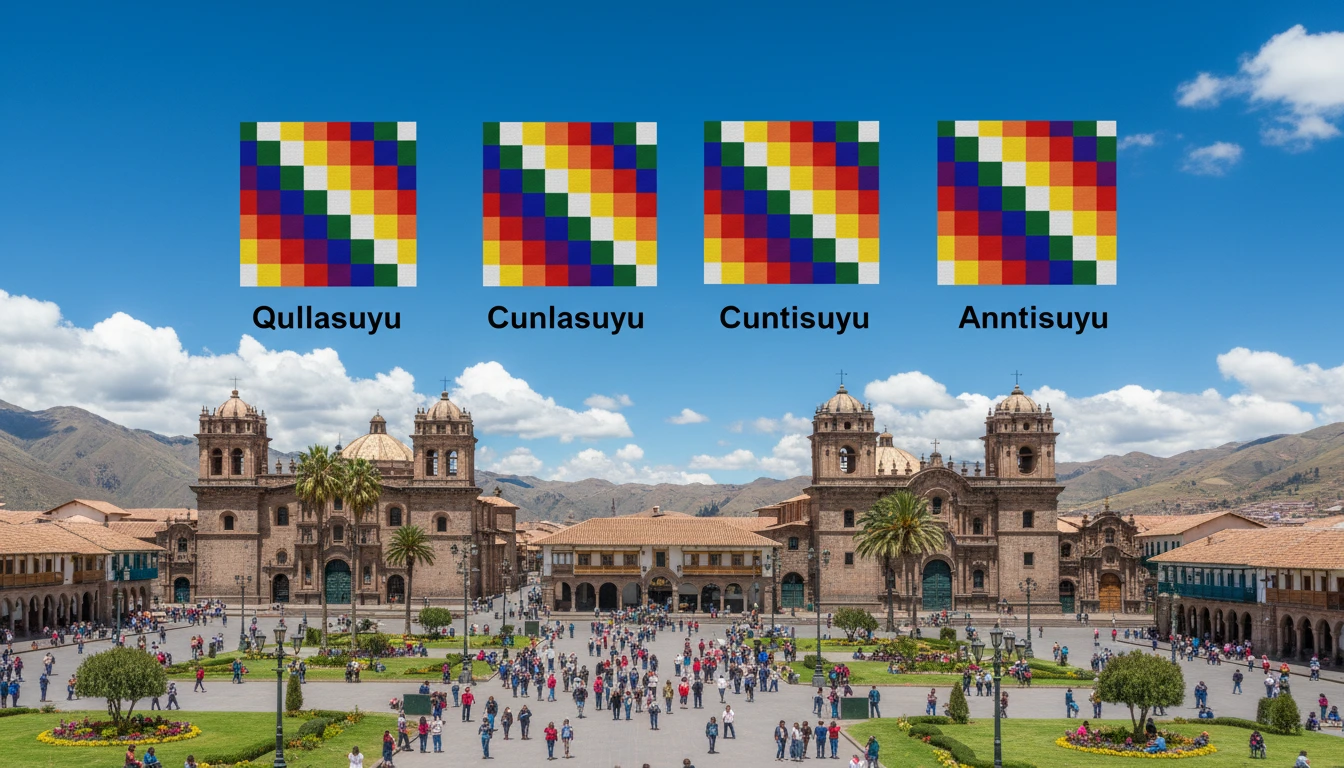
Some also look at the stripes as representing four suyu (regions) of the empire all the inca region such as Chinchaysuyu, Antisuyu, Kuntisuyu and Qullasuyu. This is a symbolic meaning and not a historic meaning to the design, but is still an important meaning and brings an indication of unity to the previously inca regions.
Regional Use Cusco Inca Flag and its Modern Significance
Cusco adopted the rainbow flag as a regional flag for the region in the 1970s and have shown it in celebrations such as beautiful Inti Raymi as well as raised it in the government buildings, cultural places, and open spaces. It is much appreciated in Incan and Andean heritage.
Inca Flag History Origin and Twentieth Century Adoption
The rainbow flag became associated with the Inca Empire during the twentieth century when cultural groups in Cusco promoted it as a symbol representing Indigenous identity. Its modern use reflects a desire to honor and preserve Andean heritage rather than recreate an ancient symbol.
The Rainbow Confusion Inca Flag vs Pride Flag Explained
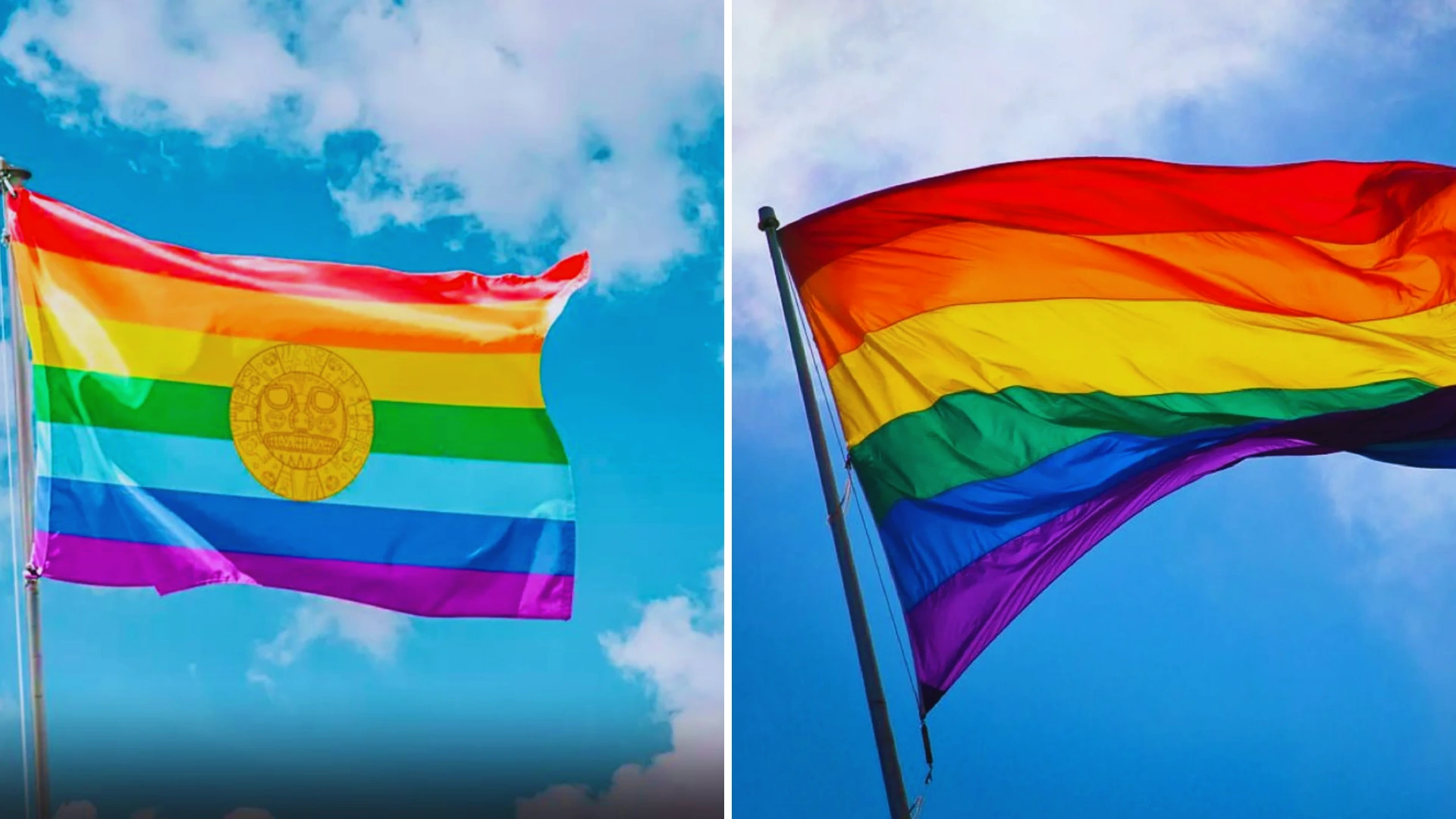
People often ask why the “Inca flag” resembles the LGBTQ Pride flag. Although both flags consist of bright rainbow colors, the histories and meanings behind the two flags are completely different. Visitors who already wondered what does the symbol in the peru flag mean frequently extend the same question to the Cusco rainbow flag and the Pride flag, assuming a shared origin that does not exist.
Inca Flag vs Gay Flag Why They Look Alike But Mean Different Things
The LGBTQ Pride flag was first created in 1978 to signify equality and diversity, while the rainbow flag in Cusco was adopted decades before, and it served as a regional symbol influenced by Andean worldview. They are similar in appearance but not in history.
Side by Side A Visual Guide to Spotting the Key Design Differences
Here is an easy comparison to help visitors distinguish the two flags:
Comparison Table: Inca Flag vs Pride Flag
| Category | Inca Rainbow Flag (Cusco Flag) | LGBTQ Pride Flag |
| Number of Stripes | Seven | Six |
| Color Order | Red, orange, yellow, green, turquoise, blue, violet | Red, orange, yellow, green, blue, violet |
| Symbol Presence | Sometimes includes a Cusco coat of arms | Never includes symbols |
| Purpose | Represents Tawantinsuyu cultural identity | Represents LGBTQ identity and rights |
| Geographic Use | Mainly in Cusco and Andes | Global |
Respect and Recognition Understanding Both Flags’ Importance
Each flag has a deeper significance to it. The Pride flag represents human rights, equality, and visibility; the Cusco rainbow flag represents indigenous identity and regional heritage. Understanding their differences helps avoid confusion while respecting both communities.
Decoding the Colors What the Inca Flag Meaning Truly Represents
This section is renewed with all the information you requested in detail. The rainbow colors embody symbolic meanings informed by the Andean worldview. These interpretations are contemporary, but represent deep cultural values that impact the meaning of the flag today. Many travelers who wonder what does the symbol in the peru flag mean also apply the same question to the Cusco rainbow flag, looking for a direct one-to-one explanation for each stripe even though it is a modern symbol.
More Than a Rainbow Understanding the Inca Flag Colors and Their Significance
Each color represents an element of Andean cosmology.
Symbolic Meaning of Each Color
| Color | Modern Andean Interpretation |
| Red | Earth and life force (Pachamama) |
| Orange | Society and cultural expression |
| Yellow | Energy, sunlight and creativity |
| Green | Nature, agriculture and fertility |
| Light Blue or Turquoise | The Andean sky and water |
| Blue or Indigo | Harmony and balance |
| Violet | Spirituality and cosmic connection |
Differences Explained in Detail
The differences between the rainbow flag used in Cusco and the LGBTQ Pride flag become much easier to understand when looking at their structure, color arrangement and cultural background.
Number of Stripes
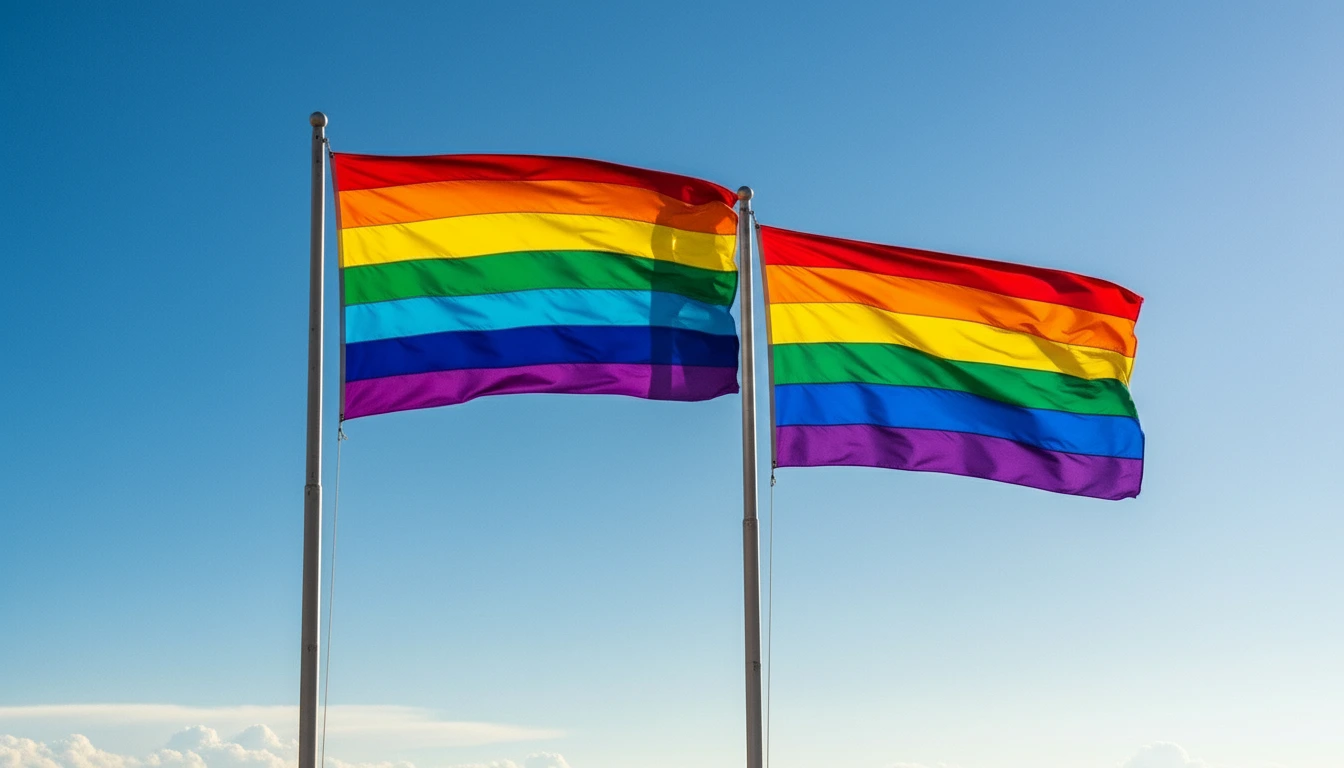
The Cusco rainbow flag contains seven stripes, while the Pride flag has six. The additional turquoise band is one of the most recognizable distinctions and immediately sets the Cusco design apart.
Order of Colors
The order of colors is also distinct.
- Inca flag order: Red, orange, yellow, green, light blue, blue, violet
- Pride flag order: Red, orange, yellow, green, blue, violet
This distinction helps visitors easily identify which is which.
Historical and Cultural Context
The rainbow flag in Cusco signifies contemporary Andean identity, which differs from original practice and meaning in Inca traditions. The Pride flag is a manifestation of LGBTQ rights and visibility on a global scale. Despite their similar color and pattern, many people confound the two flags, but their histories and purposes are entirely separate. In this broader context, questions such as what is the wiphala and why was it adopted appear alongside doubts about the so called real inca flag, showing how modern audiences try to connect visual symbols across different Indigenous and regional movements in peru.
The Four Quarters The Inca Empire Flag as a Map of the Tawantinsuyu
Some people interpret the rainbow flag as a symbolic representation of the four regions of the Tawantinsuyu. Each color is said to reflect unity among the provinces that formed the empire. Although this is a modern interpretation, it adds cultural meaning to the flag’s use today.
Where is it Flown Today The Cusco Inca Flag and Its Official Status
The rainbow flag is flying today all over Cusco. You see it on balconies, government ministries, museums, and during important events. Although it is not the official national flag of Peru, it is officially recognized as the regional flag of Cusco.
Frequently asked questions about Inca Empire Flag History Meaning and the Symbolism of the Tawantinsuyu
The Inca Empire did not have a national flag like modern countries do. The rainbow flag seen today in Cusco was created in the twentieth century as a cultural emblem. While the Incas used banners and symbolic textiles in ceremonies, there is no evidence of a unified Inca flag.
The rainbow flag represents modern Andean identity and the symbolic unity of the Tawantinsuyu. Each color reflects nature, spirituality and harmony. These meanings are contemporary interpretations inspired by Andean worldview, not documented Inca beliefs.
No. Although both feature rainbow colors, they have different histories and meanings. The Pride flag represents LGBTQ identity and equality. The Cusco rainbow flag symbolizes Andean heritage. They also differ in the number and order of stripes.
The Inca flag has seven stripes, including a turquoise band, while the Pride flag has six. The order of colors is different, and some versions of the Inca flag include the Cusco coat of arms. Their cultural contexts and purposes are completely unrelated.
Modern interpretations say the seven colors represent elements of Andean worldview such as earth, nature, energy, harmony, the sky and the spiritual world. These symbolic meanings connect the rainbow design with the idea of the Tawantinsuyu.
Historically, no. The rainbow flag is a modern creation used to celebrate Andean identity. It was not used by Inca rulers, military groups or religious institutions according to historical records.
It was chosen during the twentieth century as a symbol of unity, diversity and connection to the Andean worldview. The rainbow visually represents balance among the lands of the Inca Empire.