
Best Time of the Year to Visit Machu Picchu without Fog!
70% of travelers choose the dry season and avoid the rainy season. But to be honest, both have their advantages and disadvantages in terms of scenery and comfort. That’s why the best time to visit Machu Picchu is during the intermediate months of April, May, September, and October.
These months offer the perfect balance between both seasons, with pleasant weather and fewer crowds. Even so, you can visit Machu Picchu any month of the year, depending on what you are looking for. The important thing is that your savings are not affected by a wall of fog.
Machu Picchu without a Wall of Fog
As you already know, you should choose the middle months to explore Machu Picchu. To avoid the famous wall of fog at Machu Picchu, it is best to enter after 9 AM or 10 AM. At that time, you can experience both the mystical fog and the clear views, because the morning fog usually dissipates right at that time.
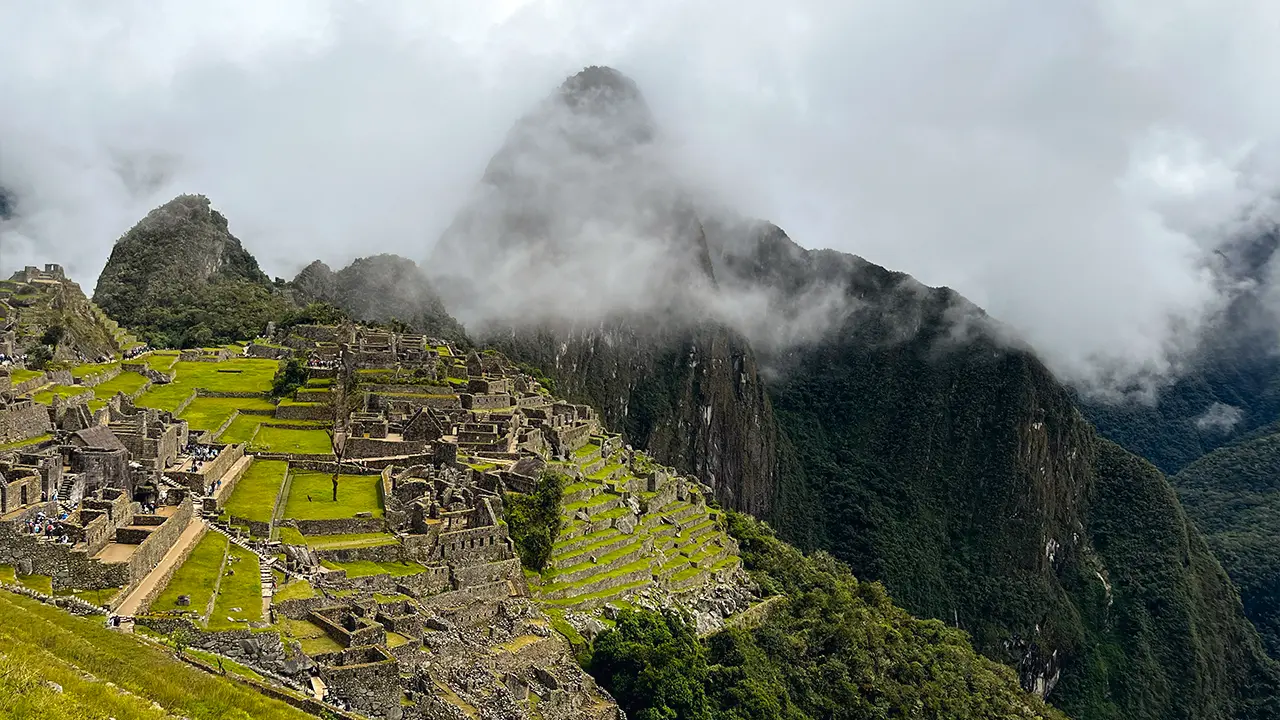
The worst time to encounter the wall of fog is during the rainy season from December to March, and during the first entry shift to the Inca citadel at 6 AM.
That said, early morning still has its advantages. Arriving at 6 AM often gives you the quietest experience before tour groups arrive, even if visibility is not always perfect. Many experienced travelers accept the fog in exchange for fewer crowds and a more peaceful atmosphere
Best Seasons to Visit Machu Picchu
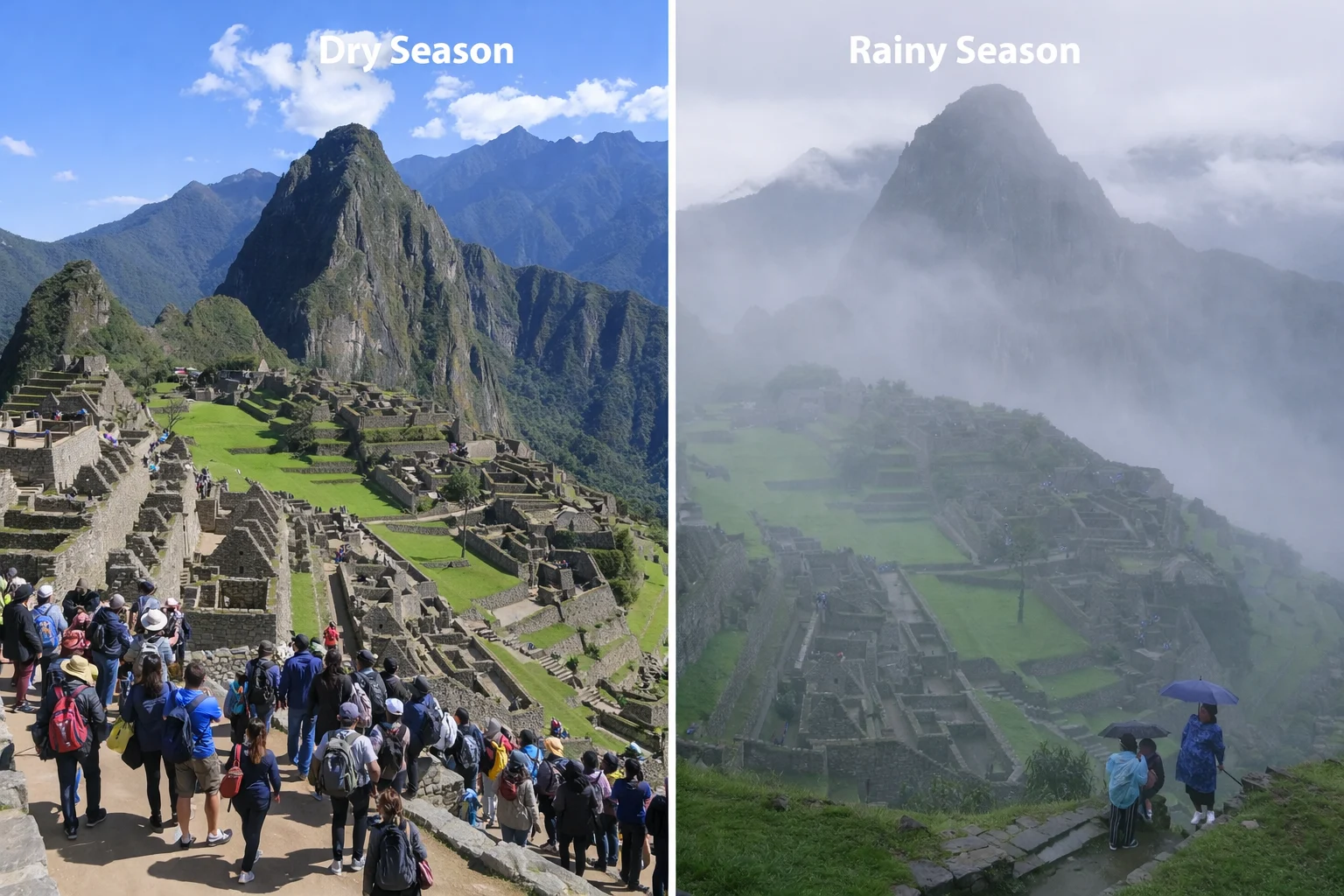
The area has two distinct seasons. On the one hand, you have the dry season, which runs from approximately May to October. On the other hand, there is the rainy season, which occurs from November to March. In addition, there are transition months, known as “shoulder months,” where you will find good weather and fewer people. These are usually April, May, September, and October.
This seasonal split also explains why prices, availability, and overall experience can vary so much. During peak dry months, visitor numbers are capped and tickets can sell out well in advance, making early booking essential
Machu Picchu During the Rainy Season (November–March)
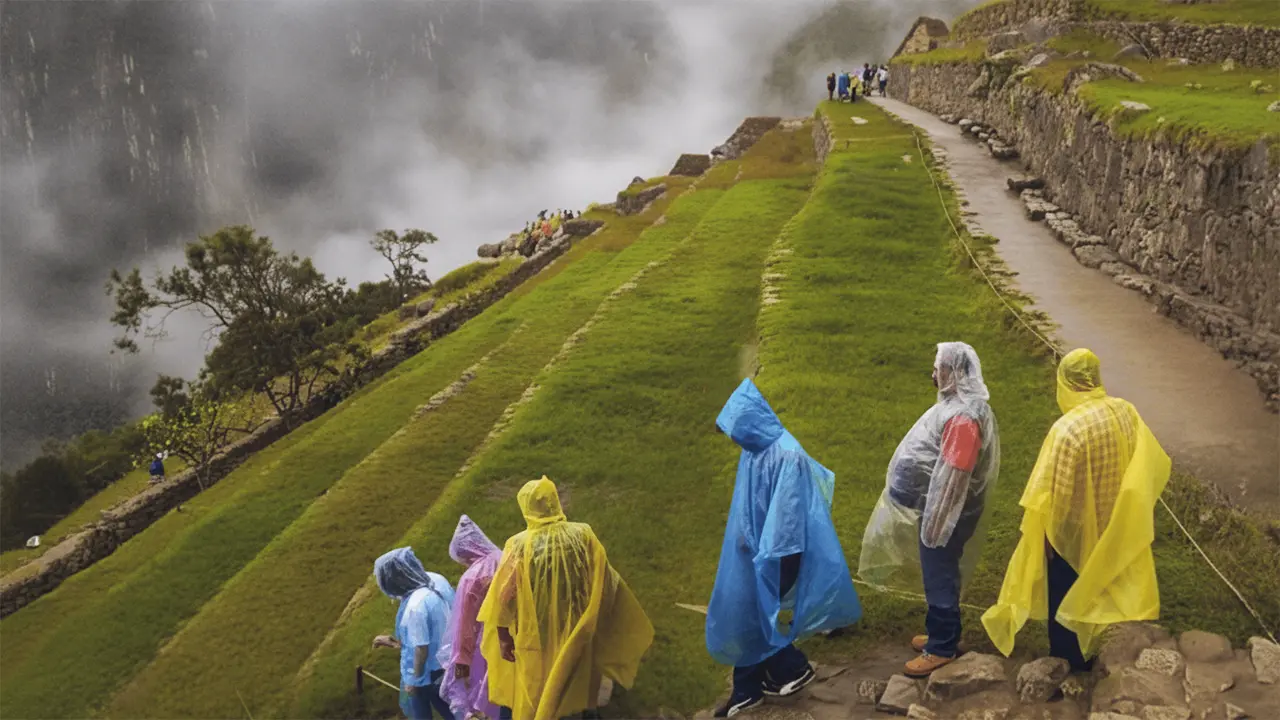
The rainy season starts in mid or late December and ends in late March. You usually get rain early in the morning or late in the afternoon. Even so, you still enjoy sunny moments and dramatic views with cloud mist. You also see fewer visitors. As a result, you find better prices on hotels and flights.
Weather: what to expect
During this time, it rains frequently. However, you will almost always see windows of clear weather, especially in the mornings. Daytime temperatures hover around 20–25 °C. Nights are somewhat warmer than in the dry season. In addition, you will encounter high humidity, which makes walking feel more strenuous.
Overall experience at the site
Advantages:
- First, you will notice fewer tourists. This allows you to hike at a more leisurely pace.
- You will also find lower prices for accommodations and tours.
- The landscapes are greener and foggier, creating a mystical atmosphere. As a result, you can take photos that are very different from those taken during the rest of the year.
Disadvantages:
- However, you must take some risks. The trails become slippery and rain can cause delays or route closures.
- In February, the classic Inca Trail closes for maintenance.
- In addition, fog can obscure the view at times, although with patience it usually clears up.
Who Should Go During the Rainy Season?
This season is for you if you want to save money, avoid crowds, and enjoy green landscapes. However, you must be flexible with your itinerary. You must also tolerate rain and mud.
On the other hand, if you want clear photos and clear skies, this is not the best option. It is also not for you if you don’t like walking in humid conditions or if you have a very rigid itinerary.
Best Months within the Rainy Season
November and March are transition months. It rains, but not as much as between December and February. So, if you’re looking for a balance, these months work well. On the other hand, December to February is the period with the most rain and the most weather risks, although you also have fewer international tourists.
Another key detail is that even during rainy months, mornings are often clear before clouds build up later in the day. This means you can still have excellent visibility if you plan your entry early enough
Machu Picchu during the shoulder season
These months sit between the rainy and dry seasons. You get balanced weather. It is not too cold, not too hot, and not too wet. Additionally, visitor numbers stay lower than in peak season. This group includes April, May, September, October, and November.
What makes this period stand out is that you often get the lush green landscapes left by the rainy season combined with increasingly stable weather. This is why many experienced travelers consider April and October underrated “sweet spots” on the calendar.
Machu Picchu during the dry season (April/May – October)
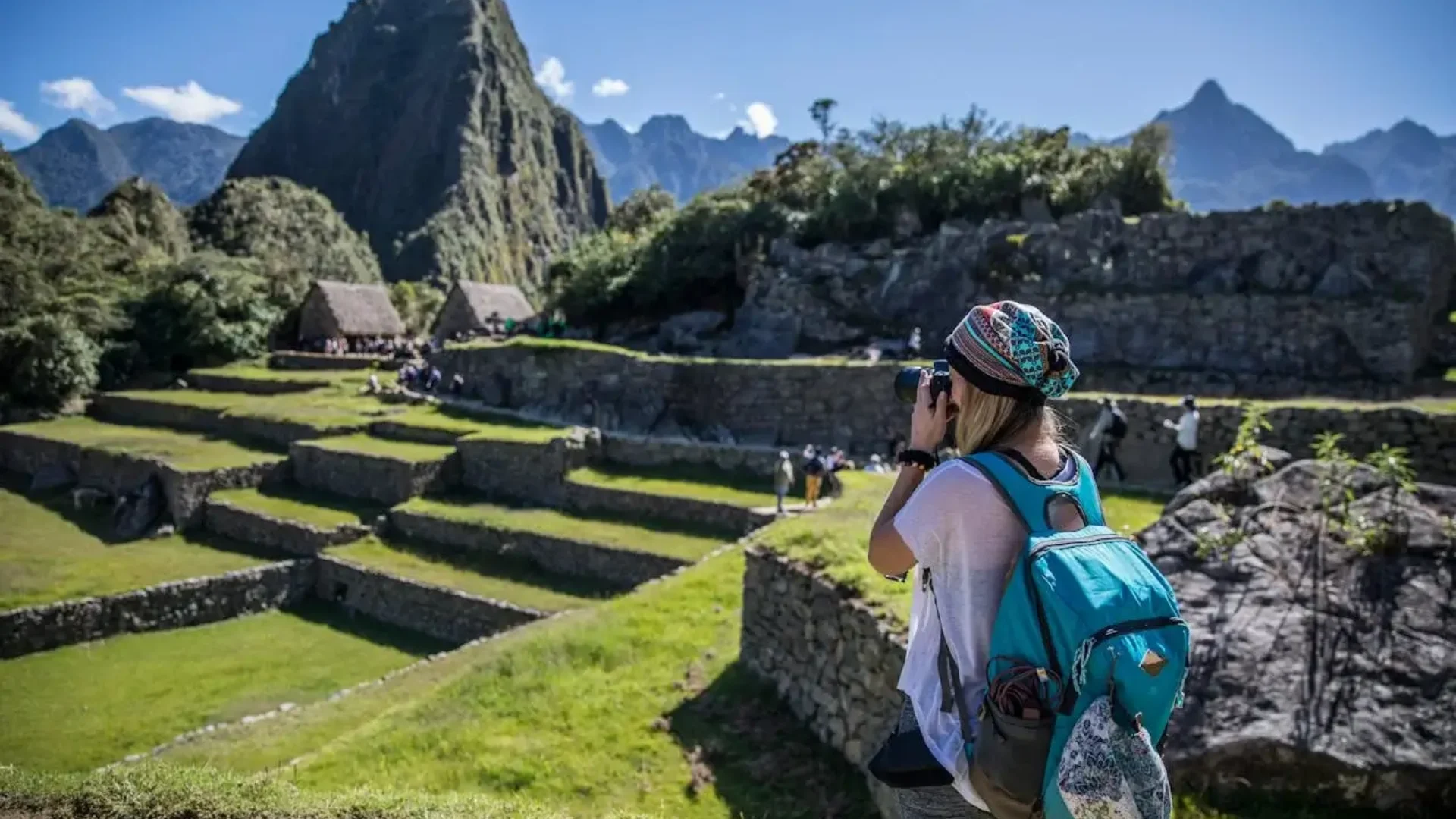
The dry season begins in May. You usually get clear skies. Nevertheless, nights are cold because it is winter in Peru. Crowds grow fast. Many travelers arrive from the northern hemisphere during their summer holidays. You enjoy sunny days and great mountain views. Expect snow on higher trails in June, July, August, and September.
Climate: what to expect
Between May and October, there is little rain. So, if you want clear skies, this is the ideal time to visit. Daytime temperatures range from 17 to 25 °C. Nights, on the other hand, can be cold, especially between June and August. You will also notice clearer skies and better visibility for photos.
Advantages:
- The main advantage is the stable weather. You will almost always find blue skies.
- The conditions for trekking are also better. The trails are usually firm, and there is less risk of landslides.
- Trains and buses run more regularly. You can also enjoy bright, starry nights.
Disadvantages:
- Even so, this season has its drawbacks. From June to August, you will see many more people.
- Tickets sell out quickly. Prices go up.
- You may also encounter long lines for the bus at key times.
- Finally, the cold nights can be uncomfortable if you are not used to them.
Who should go during the dry season?
This season is for you if you are looking for the clearest views. Also, if you want to do demanding trekking in stable conditions. However, you must tolerate crowds and book well in advance. If you have a more limited budget, this time of year may not be right for you.
Best Months during the Dry Season
April and May, as well as September and October, offer a balance between stable weather and fewer crowds. However, June, July, and August are the months with the best weather but also the highest demand. If you like to get up early and plan ahead, these months work very well.
In particular, May and June are often considered the “sweet spot,” combining green landscapes from recent rains with clear skies before peak crowds arrive
Least crowded time of the year
If you want empty views, you should go in January or February. You usually get great prices on trains and hotels. However, you must pack strong rain gear and expect possible delays.
Busiest time of the year
June, July, and August are the busiest months. You must book tours early. Long lines form for buses and for the entrance.
This is also when permits for hikes like the Inca Trail sell out months in advance, sometimes 4–6 months before travel dates.
Wet season tip:
No matter what the Machu Picchu weather forecast says, arrive at the entrance as early as possible gates open around 6 AM. Mornings are almost always clearer. Clouds typically roll in from the valley below by late morning.
Best time of day to visit Machu Picchu
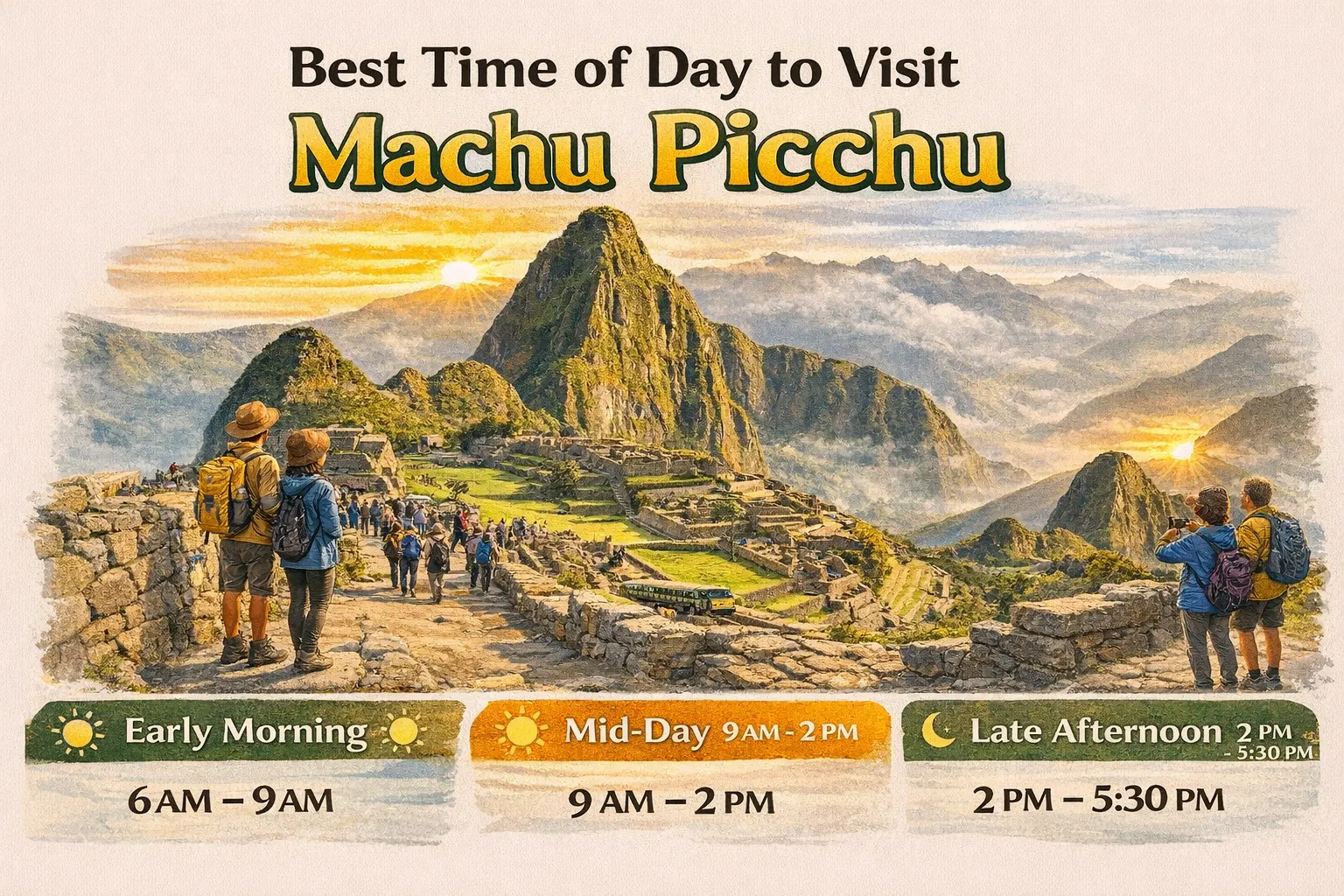
You generally get the best experience early in the morning or late in the afternoon.
- Early morning: The site opens at 6:00 a.m. You must take the 5:30 a.m. bus. You may wait one to two hours. Even so, you enjoy the sunrise when you arrive. You also avoid crowds from the day-trip trains.
- Mid-day: After 9:00 a.m., the trains arrive. This period is the busiest. You still get good weather and clear photo opportunities.
- Late afternoon: Most visitors leave after 2:00 p.m. You then enjoy a quieter citadel. If you buy the 2:00 p.m. entry, you may enter until 4:00 p.m. and leave by 5:30 p.m.
- Sundays: Locals enter for free. As a result, Sundays get crowded. You should avoid this day if possible.
Weather overview: The Andes deliver unpredictable weather. Therefore, you must prepare for sun, clouds, and rain at any moment.
Month-by-month breakdown
- January brings the heaviest rains. You must expect delays and possible closures. Temperatures range from 71°F (21°C) to 45°F (7°C). You find solitude and good prices. You should choose routes like the Lares Trek.
- February stays very wet. Crowds drop to the lowest point. Temperatures range from 72°F (22°C) to 46°F (8°C). Most major trails close. You should avoid Inca Trail, Salkantay, and Choquequirao.
- March Weather improves. Rain decreases, especially later in the month. Temperatures range from 71°F (21°C) to 42°F (6°C). Most trails reopen. Still, you should avoid Salkantay because the area receives heavy rain.
- April marks the start of shoulder season. You get clear mornings and mild temperatures. Highs reach 73°F (22°C). Lows reach 39°F (4°C). You should book tours early. If the best time of the year to visit Machu Picchu with fewer crowds and lush green scenery is your goal, mid-to-late April is worth a serious look. The wet season is tapering off and tourist numbers haven’t surged yet.
- May begins the dry season. You still need rain gear, but you get clear skies most days. Temperatures reach 86°F (30°C) and drop to 42°F (6°C). You enjoy excellent trekking conditions.
- June starts the high season. Rain becomes rare. Temperatures run from 83°F (28°C) to 44°F (7°C). Tours sell out quickly.
- July brings cold nights and crisp mornings. Highs sit around 82°F (27°C). Lows reach 44°F (7°C). Lines for buses and trains grow longer. You must reserve early.
- August receives the highest number of visitors. Temperatures run from 78°F (26°C) to 42°F (6°C). All trails remain open. You should consider alternative routes.
- September Rains return. Winter fades. Temperatures range from 73°F (22°C) to 44°F (7°C). Crowds decrease. You enjoy great trekking conditions. If you’re asking about the best time to visit Machu Picchu to avoid crowds, September deserve serious consideration. Crowds thin out noticeably, prices drop, and you still get mostly dry weather.
- October offers ideal weather. Rain stays light. Temperatures range from 72°F (22°C) to 41°F (5°C). You get availability and moderate crowds. October is a particular favorite among photographers occasional afternoon clouds create dramatic, shifting light over the ruins that you simply don’t get in the height of dry season.
- November starts the rainy season again. Even so, you still get sunny weeks. Temperatures stay between 78°F (25°C) and 45°F (7°C). Visitor numbers continue to drop.
- December Rains become more frequent. Yet, visitor numbers increase during the holidays. Highs reach 71°F (21°C). Lows stay around 44°F (6°C). You still enjoy good weather early in the month.
Important: Daily visitor numbers at Machu Picchu are capped by the Peruvian government. During peak months, slots genuinely sell out. Book through the official portal (tuboleto.cultura.pe) or a licensed operator well ahead of your trip.
Best Time of Year to Visit Machu Picchu — Month by Month
Here’s a quick visual overview of conditions across the full year, followed by what each window actually looks like when you’re there.
| Month | Condition |
|---|---|
| Jan | 🔵 Rainy season |
| Feb | 🔵 Rainy season |
| Mar | 🔵 Rainy season |
| Apr | 🟠 Shoulder season |
| May | 🟢 Best conditions |
| Jun | 🟢 Best conditions |
| Jul | 🟢 Best conditions |
| Aug | 🟢 Best conditions |
| Sep | 🟠 Shoulder season |
| Oct | 🟠 Shoulder season |
| Nov | 🔵 Rainy season |
| Dec | 🔵 Rainy season |
Legend:
- 🟢 Best conditions
- 🟠 Good / shoulder season
- 🔵 Rainy season
Best Time to Visit Machu Picchu: Weather Seasons Compared
| Period | Weather | Crowds | Best For |
|---|---|---|---|
| May – Jun | Dry, clear | Moderate | Best overall balance |
| Jul – Aug | Driest | Very high | Guaranteed sun; book far ahead |
| Sep – Oct | Mostly dry | Low–moderate | Photography, budget travel |
| Nov – Dec | Rainy afternoons | Low | Budget, atmosphere |
| Jan – Feb | Heaviest rain | Very low | Misty landscapes, solitude |
| Mar – Apr | Tapering rain | Low | Green scenery, fewer crowds |
Best Time to Visit Cusco and Machu Picchu Together
Most travelers base themselves in Cusco before heading to the ruins, and the best time to visit Cusco and Machu Picchu follows the same dry-season logic May through October for the best overall conditions. That said, Cusco sits at around 11,200 feet (3,400 meters), which means altitude is a real variable no matter when you visit.
Build in at least two full days in Cusco before heading to Machu Picchu. Drink water constantly, skip heavy meals your first day, and don’t push it on arrival. Altitude sickness doesn’t care how fit you are or what season it is.
What About the Inca Trail?
If you’re planning to hike rather than take the train, the best time to visit Peru and Machu Picchu via trekking shifts slightly. The Inca Trail is closed all of February and open March through January. Permits are capped at 500 people per day and sell out fast for July and August, start the process four to six months in advance, minimum. May, June, and September are popular trekker months for good reason: the trail itself is in ideal condition.
Frequently asked questions about Best Time of the Year to Visit Machu Picchu without Fog!
May and June hit the sweet spot dry weather, lush green scenery, and crowd levels that are busy but manageable. If those months don’t work, September and October are a close second.
The dry season months of May through August give you the most consistently clear skies. July and August are the driest of all, but also the most crowded.
First entry at 6 AM gives you the best light and fewest people. Late afternoon after 3 PM is a solid second option as day-trippers head back to town. Midday is the most crowded and least photogenic time to be there.
The rainy season, which runs from November to March, is typically the least crowded time to visit Machu Picchu . While you’ll need to be prepared for more unpredictable weather, including heavy downpours and muddy trails, you’ll also find lower prices and significantly fewer tourists . February and March are particularly wet, but this also means fewer visitors.
Visiting Machu Picchu in the off-season offers fewer crowds, lush green landscapes, and lower prices, making the experience more relaxed and budget-friendly, but it also comes with unpredictable weather, frequent rain, possible limited views due to clouds, and occasional trail closures, so it’s ideal if you want to avoid crowds but less reliable if you’re looking for clear skies and perfect conditions.