Best Amantani Homestay Agencies for Cultural Experiences
The best Amantani homestay agencies connect travelers with Quechua-speaking host families, use local guides, and clearly explain group sizes and community partnerships. Unlike standard Lake Titicaca tours, these experiences include an overnight stay in a family home and meaningful participation in local life.
Reliable cultural immersion agencies treat the homestay as a community-based experience rather than a simple photo stop. This guide compares agencies that support authentic indigenous tourism and explains what travelers should confirm before booking.
What Makes Amantani Different from Other Lake Titicaca Islands
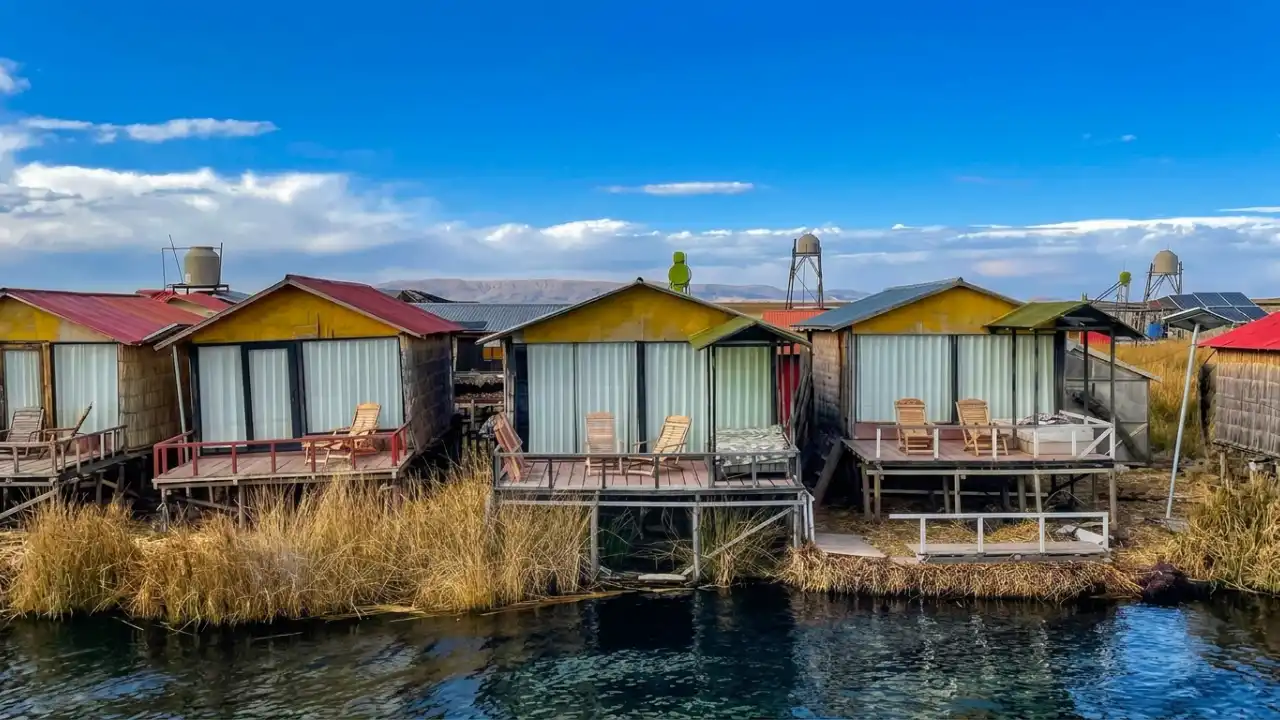
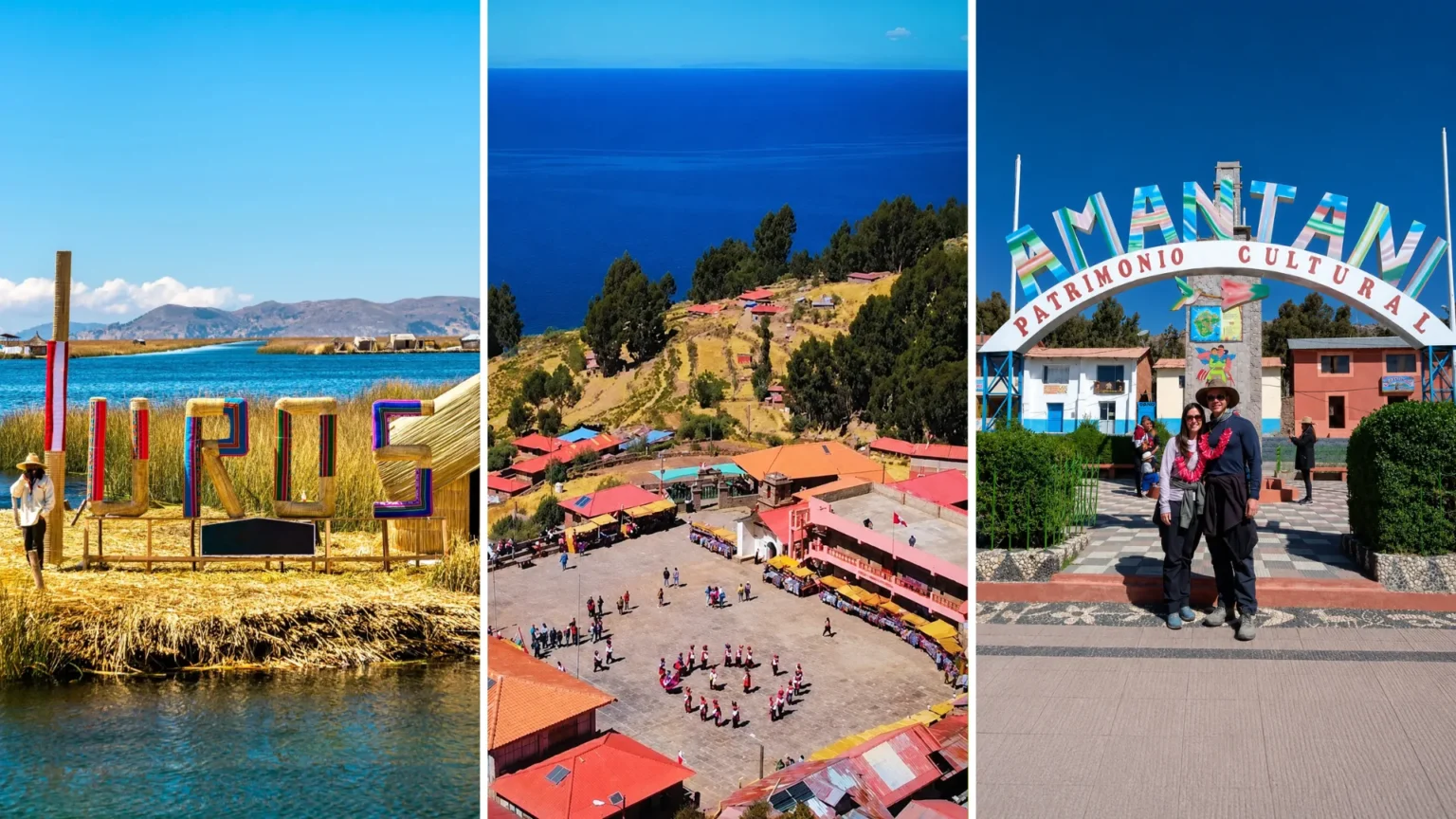
There are several island societies around Lake Titicaca, and every one presents a unique experience. The floating Uros Islands are made from totora reeds and are near the city of Puno, meaning they make for a convenient half-day trip. Taquile Island is famous for its hand-woven textiles, which are recognized on UNESCO’s Representative List of the Intangible Cultural Heritage of Humanity. Amantaní Island is unique in that it remains first and foremost a residential, agricultural community, with tourism fitting into local life rather than defining it.
Homestays with Local Quechua-Speaking Families
Amantaní is divided into ten distinct communities encompassing approximately 800 households. The majority of the inhabitants engage in farming on terraced hills and fishing in the surrounding waters.
On most itineraries, homestay specialists assign travelers to host families on a strict rotational basis. This system ensures that tourism income is shared equitably throughout the ten communities across the island, rather than benefiting only those living near the main harbor. Travelers should confirm with their tour operator that a community rotation system is actively used.
Traditional Customs, Textiles, and Daily Life
Life on Amantaní follows ancestral agricultural cycles determined by altitude. The daily diet consists mostly of island-grown crops like potatoes, oca, quinoa, maize, and beans. Wool sheared from local sheep and alpacas is hand-spun and dyed to weave traditional belts, ponchos, and festive garments. Overnight visitors are invited into daily family routines, often helping with tasks like grinding herbs, preparing traditional meals, or feeding livestock.
Why Amantaní Feels Less Touristy Than the Uros Islands
Due to the absence of large hotel developments and vehicle infrastructure, tour buses and large groups do not crowd the island. Boat arrivals are spread out, and host families accommodate only a small number of guests at a time. Once day-trippers depart in the early afternoon, the island returns to its tranquil rhythm, giving visitors the feeling of stepping into an authentic Andean community rather than a staged attraction.
What to Expect on an Amantani Cultural Immersion Tour
A standard two-day tour of Amantaní begins with a boat journey departing from Puno, typically stopping at the floating Uros Islands along the way. While the overall structure of the itinerary is consistent across agencies, the authenticity and quality of the experience depend heavily on how well the operator works alongside local island hosts.
Arrival and Welcome by Host Families
Tour boats generally dock at Amantaní by early afternoon, where host families wait at the harbor to welcome their assigned guests. Families guide travelers up the island’s terraced stone pathways to their homes, assist with luggage, and serve a fresh home-cooked lunch before afternoon activities begin.
Traditional Meals and Cooking Practices
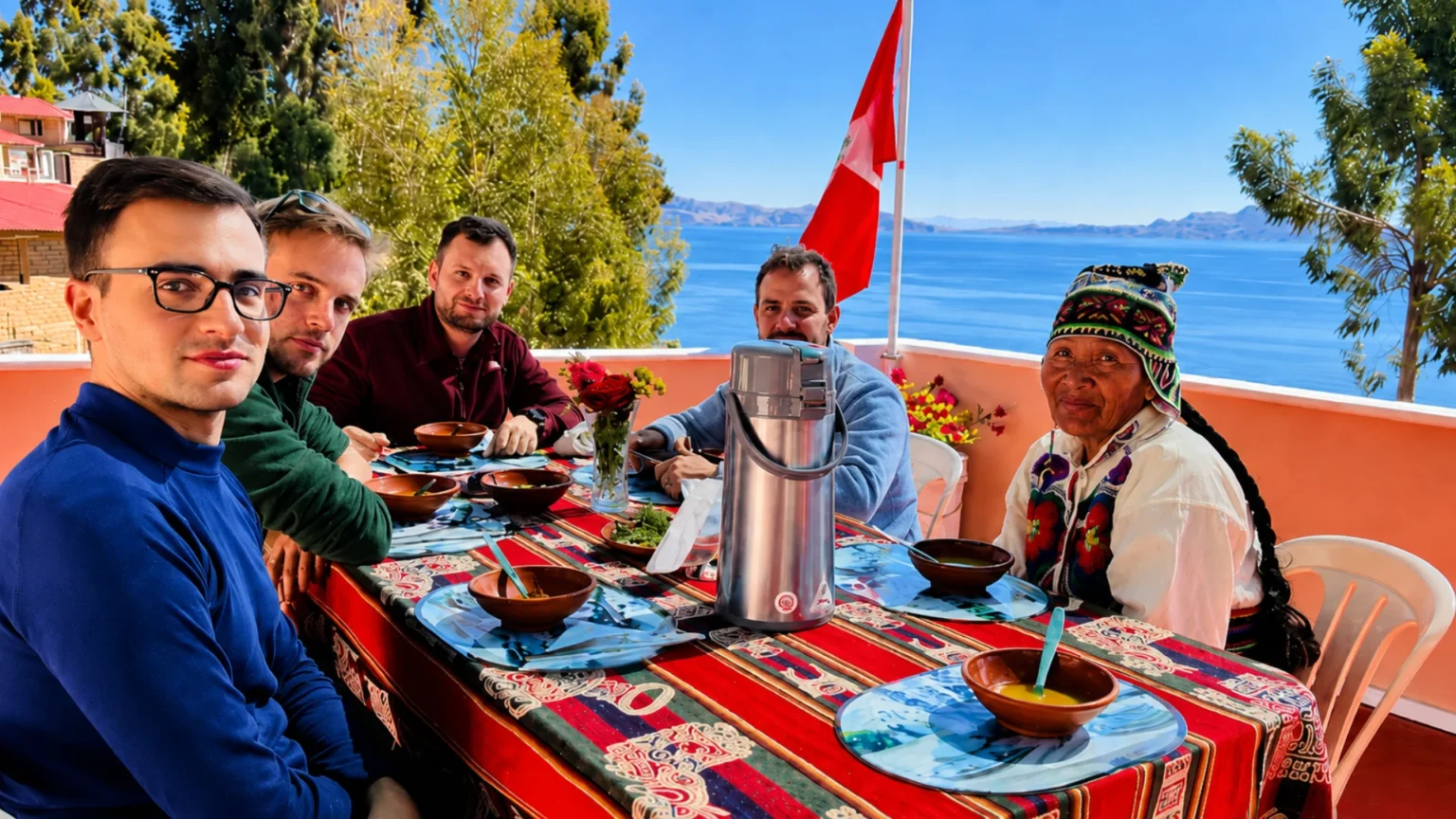
Meals are prepared over wood-fire or gas stoves using ingredients harvested directly from the family’s farm terraces. Because the traditional island diet relies heavily on potatoes, quinoa, oca, and fresh vegetables, vegetarian options are readily available and integrated into daily meals. Guests dine together with the family at their home table, making mealtime a central part of the cultural exchange. Special dietary requirements should be communicated to the tour operator prior to departure from Puno.
Evening Festivities: Traditional Dress and Dance
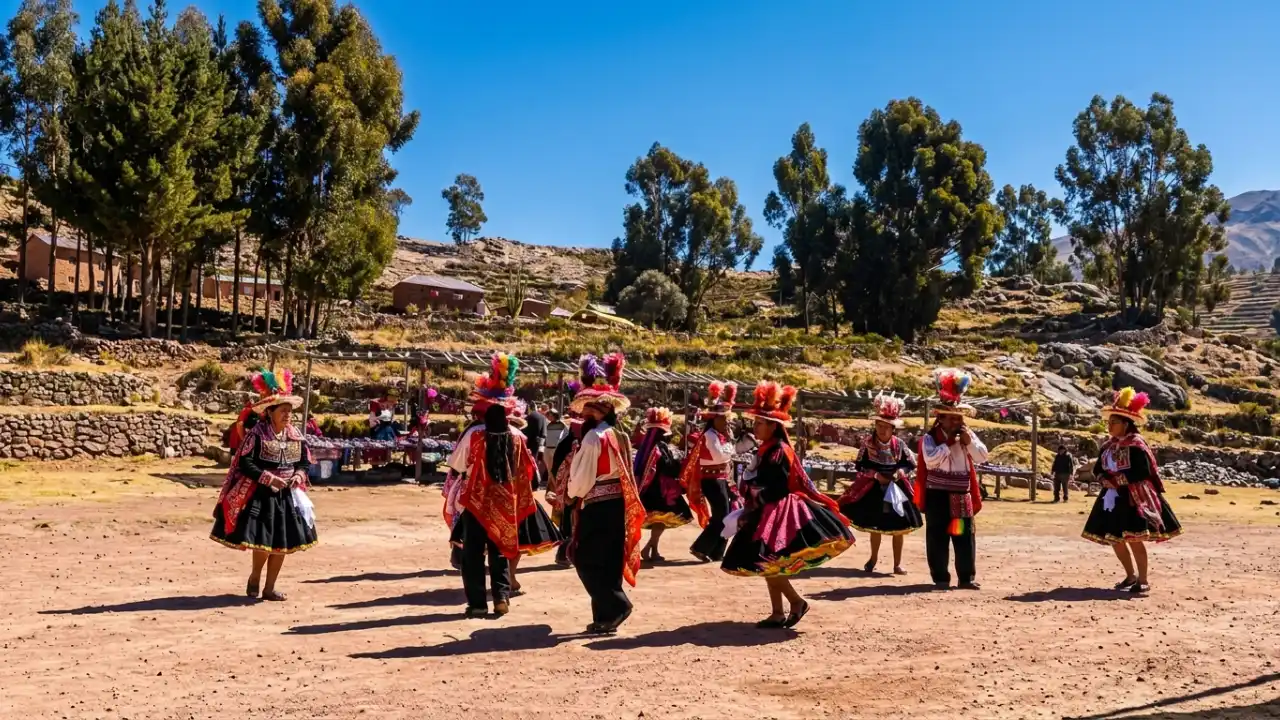
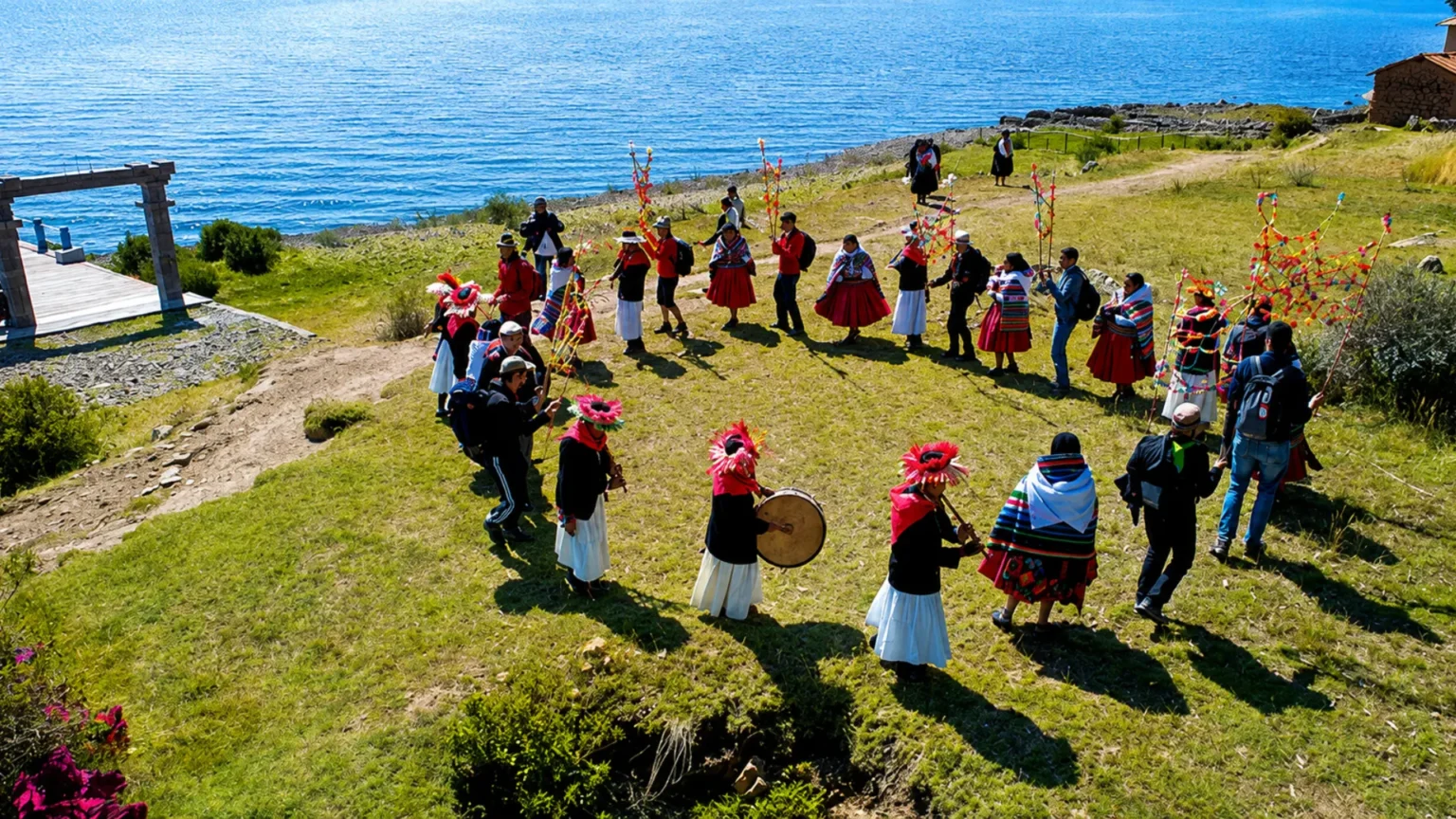
In the evening, host families invite guests to dress in traditional hand-woven garments for a visit to the local community hall. The gathering features live Andean music and dancing, offering an informal, memorable social evening shared with other travelers and island residents.
Sacred Sites: Pachatata and Pachamama Temples
Amantaní features two high summit peaks housing the pre-Inca ceremonial temples of Pachatata (Father Earth) and Pachamama (Mother Earth). A late-afternoon hike to either peak offers sweeping panoramic views of Lake Titicaca at sunset. While the grounds are accessible for sunset hikes year-round, the inner temple structures are opened to the public primarily during the annual cultural festival held in late January.
How to Choose a Responsible Amantani Tour Operator
Not all tour operators advertising the “overnight island Amantaní experience” run their tours in the same manner. With dozens of companies in Puno selling this basic itinerary, what truly distinguishes a reputable operator happens behind the scenes in how host families are compensated, how guides are trained, and how accurately the trip is presented to travelers.
Fair Compensation and Responsible Travel Practices
A key indicator of responsible community-based tourism is how an operator manages payments to host families. Reputable agencies pay local hosts directly and fairly for room and board rather than discounting their rates to maximize profits. Travelers are encouraged to ask tour operators prior to booking how fees are distributed and whether their business model supports community rotation initiatives on Amantaní.
Group Size and Level of Cultural Interaction
Smaller group sizes foster genuine conversation and deeper participation in daily household activities with the host family. While large tour groups can feel impersonal, smaller groups allow for a quieter, more authentic cultural exchange. Travelers should always confirm average group size limits with their agency before booking.
Combined Itineraries (Uros – Amantaní – Taquile)
The standard multi-day Lake Titicaca circuit combines visits to the floating reed platforms of Uros, an overnight homestay on Amantaní, and a stop at Taquile Island on the return journey. This classic three-island itinerary allows travelers to experience Taquile’s UNESCO-recognized textile traditions without requiring a second overnight stay on the lake.
English-Speaking Guides with Community Ties
Navigating the cultural nuances of an island homestay requires more than direct translation. The most effective guides are fluent in English, Spanish, and local Quechua, maintain personal relationships with the host families, and actively bridge cultural gaps by offering context, historical background, and clear expectations throughout the trip.
Best Agencies Specializing in Amantani Cultural Immersion
The following tour operators are frequently recommended by travelers and researchers as dependable providers for an Amantaní homestay, each employing a distinct approach to organizing community-based travel.
Edgar Adventures
Edgar Adventures is a long-established, Puno-based tour operator that offers comprehensive Lake Titicaca itineraries including overnight homestays on Amantaní. For travelers who value working with a company that boasts an extensive regional track record and deep operational experience, Edgar Adventures remains a popular choice.
All Ways Travel
All Ways Travel is widely recognized for its commitment to socially responsible tourism across Lake Titicaca. They emphasize direct financial benefit to host communities, structuring itineraries so visitors can pay local families directly for services and lodging rather than processing all funds through the agency. Travelers interested in prioritizing community equity should verify specific payment policies when inquiring.
Uros Expeditions
Operating out of Cusco, Uros Expeditions specializes in multi-region itineraries that seamlessly link Cusco with Lake Titicaca destinations. They coordinate community-based stays on Amantaní alongside flexible visits to the Uros and Taquile islands. Travelers booking through Cusco-based agencies should confirm group size limits, host family selection procedures, and pre-trip cultural orientation details before setting off.
| Agency | Known For | Best Suited For |
|---|---|---|
| Edgar Adventures | Long-established, Puno-based tour operator | Travelers who prefer a company with a long regional track record |
| All Ways Travel | Direct-to-family payment models and community-focused guides | Travelers prioritizing responsible travel practices above all |
| Uros Expeditions | Cusco-based regional coordination and combined itineraries | Travelers combining Amantaní with Uros and Taquile in one trip |
What to Pack and How to Prepare for a Homestay
The village of Amantaní is at an elevation of 3,800 meters (12,500 feet). Nights on the island are very cold and approach freezing temperatures despite the sunshine during the day. Proper preparation is essential for a comfortable stay.
Weather and Altitude Considerations
Dressing in warm, layerable clothing works much better than relying on a single heavy jacket due to significant temperature drops between the afternoon and evening. Travelers who have not yet acclimated to high altitude should spend at least one full day in either Puno or Cusco before attempting the boat voyage and the high-altitude trek to the summit temples.
Gifts and Etiquette for Host Families
Practical gifts such as school supplies, fresh fruit, or basic kitchen staples are genuinely appreciated by host families. Agencies strongly advise against giving candy or cash directly to children to avoid fostering dependence. It is best to check with your tour operator beforehand regarding what items are most needed by host families.
What Not to Bring
Bathroom facilities on Amantaní are basic and hot showers are rare, making wet wipes and hand sanitizer much more practical than a full kit of toiletries. Leave expensive valuables, high-power electronics, and extra gadgets in Puno, as electricity on the island is limited to only a few hours per day.

Best Time of Year to Visit Amantani
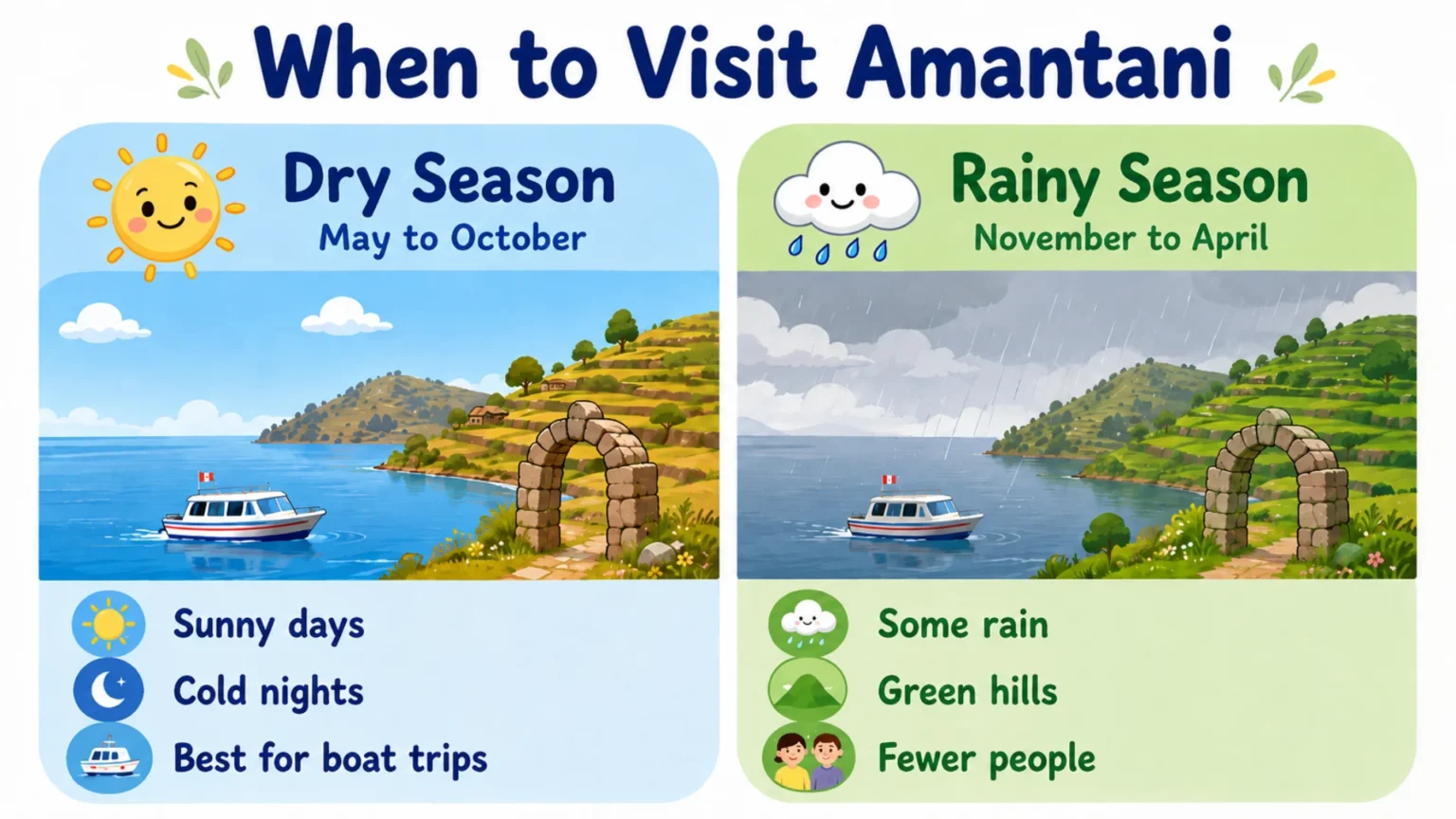
Time of arrival affects not only the environment but also the number of people present, and the correct choice of season depends on the priorities of the traveler.
Dry Season (May–October)
The dry season is characterized by clear skies, cool evenings, and ideal boat conditions, which makes it the most popular and busiest period for a homestay. Travelers who wish to experience clear sunsets from the summit of Pachatata or Pachamama should plan their visit during these months.
Rainy Season (November–April)
The rainy season features afternoon showers, lush green terraced slopes, and significantly fewer visitors on the island. It is important to maintain a flexible itinerary during this period, as inclement weather can occasionally disrupt or delay boat travel across Lake Titicaca.
Planning Your Amantani Visit: What to Confirm Before Booking
There are some preliminary preparations worth undertaking for an Amantani community-based stay experience. Prior to booking with any company, it is essential to learn four facts: how transparent the communication about the itinerary is, how the overnight stay is organized when tourists arrive at the island, how the host families are compensated for meals and accommodation, and how many travelers will travel together, as well as whether the boat, admission tickets, and guide service include any extra costs.
Cooperation with the local agency in Puno or with the operator that arranges the whole itinerary from Cusco can be a wise choice; the most important thing is the transparent communication and readiness to provide some answers before the journey.
Arranging the Amantani homestay tour as a part of the larger itinerary across Peru? Contact Uros Expeditions to arrange the transportation, accommodation, and Lake Titicaca tours with the help of one company.
Frequently asked questions about Best Amantani Homestay Agencies for Cultural Experiences
Generally, yes. Solo travelers are a common part of most groups, and host families on Amantani work through a community-managed lodging system.
No. Most host families speak Quechua and some Spanish, and bilingual guides are present throughout the visit to bridge any language gap during meals and activities.
Pricing depends on several factors: group size, boat type, whether the tour is private or shared, the guide’s language skills, and which meals and entrance fees are included.
Yes, and most agencies build their standard itinerary around exactly this combination, stopping at the Uros floating islands on the way out and Taquile on the return trip.