


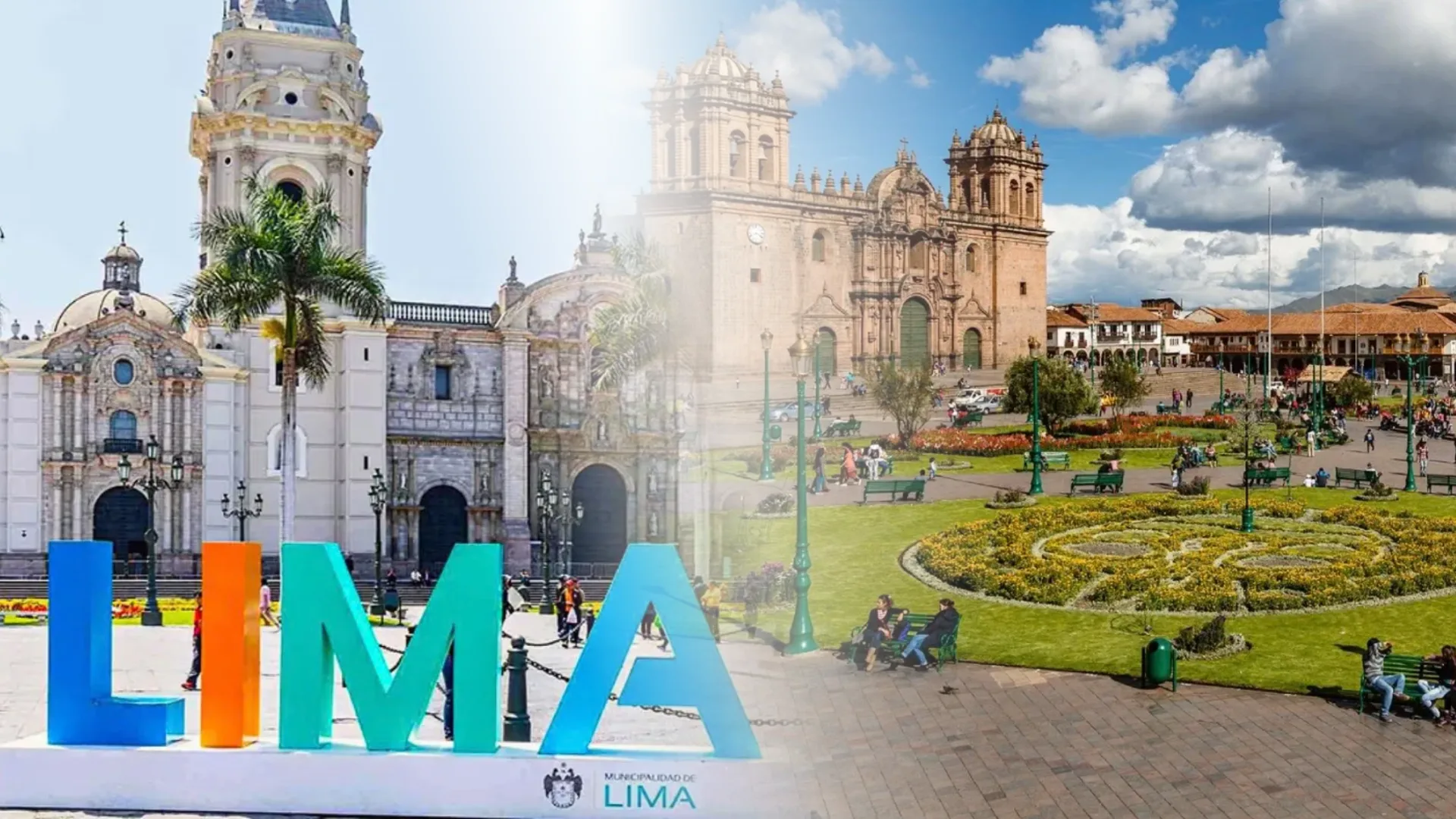
World Climate Day: A Deep, Practical Guide to Peru’s Climate
Peru is the kind of country that makes climate feel personal. You can land in Lima and wonder why a “desert city” feels damp and gray, then fly to Cusco and realize the sun is strong but the nights bite. That is not bad luck. It is geography doing its thing: a cold ocean current hugging the coast, a mountain range that forces air to rise and cool, and tropical moisture on the Amazon side that fuels a totally different weather engine.
World Climate Day is the perfect moment to explain Peru because climate is not abstract here. It shows up in what you pack, when you hike, how you schedule Machu Picchu, and even how your body feels during your first days at altitude.
World Climate Day and why Peru is the perfect country to talk about climate
World Climate Day is commonly marked on March 26 in Peru and across many Spanish language calendars. Peruvian government communications also reference March 26 as “Día Mundial del Clima.”
People often mix it up with another climate related observance that is much more formally defined.
World Meteorological Day is different (and officially March 23)
World Meteorological Day is observed every March 23 by the World Meteorological Organization (WMO), tied to the WMO Convention coming into force on March 23, 1950.
If you are writing a blog, it is actually useful to mention both dates clearly because travelers and students search both phrases and often confuse the two.
The climate drivers that explain Peru’s weather
If you understand these drivers, Peru’s weather stops feeling unpredictable and starts feeling patterned.
The Humboldt Current and why Lima stays mild, cloudy, and dry
Lima sits near sea level in the tropics, so on latitude alone it should be hotter and stormier. Instead, it is cooled and stabilized by the Humboldt (Peru) Current, which chills the air above the ocean and helps create a stable layer that discourages big rain clouds.
That is why Lima is considered desert level dry in terms of rainfall, even though it can feel humid on your skin. Climate summaries describe Lima’s precipitation as extremely low, with “it never rains” as the common practical takeaway.
Garúa, the fog that feels like rain
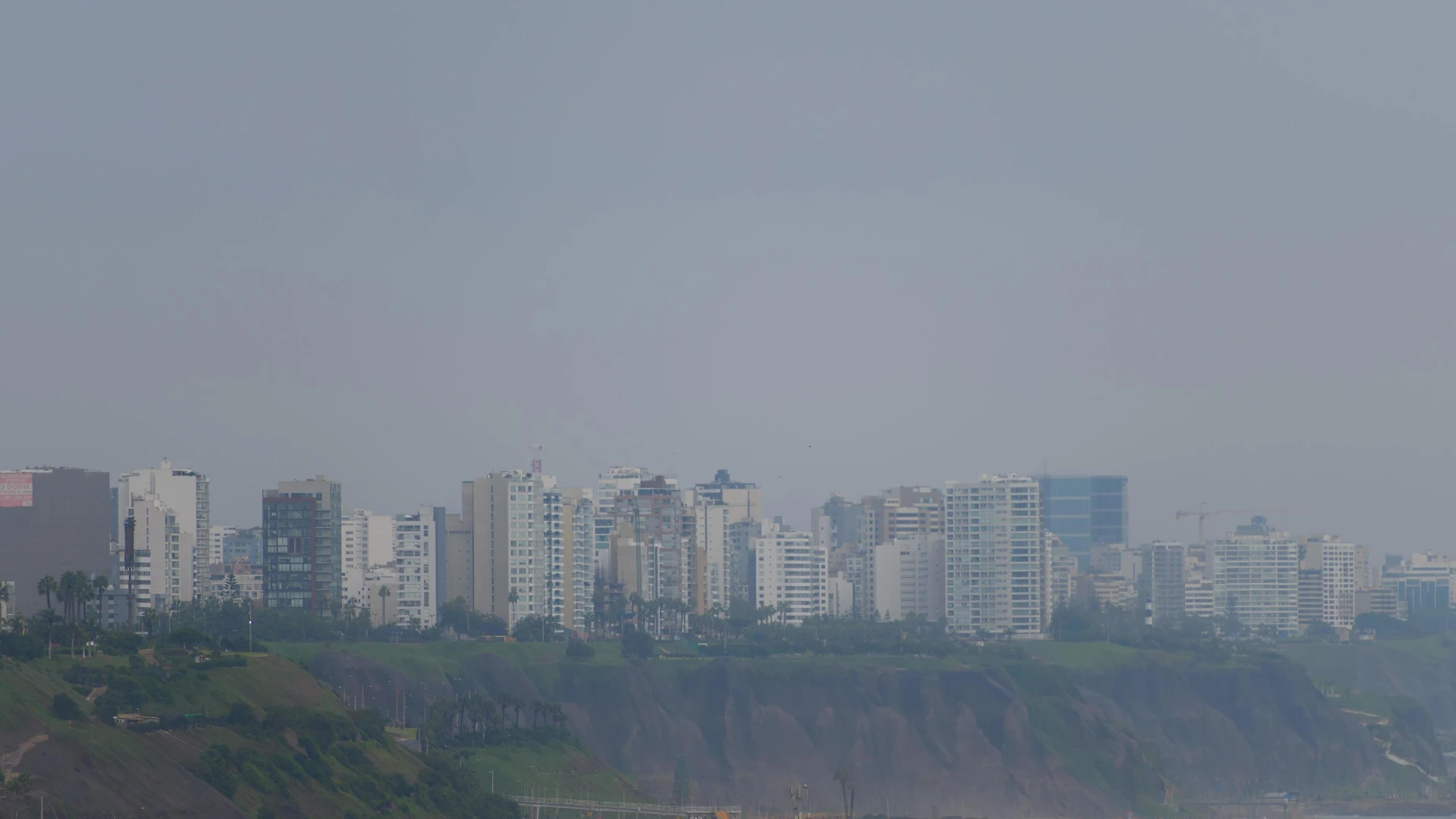
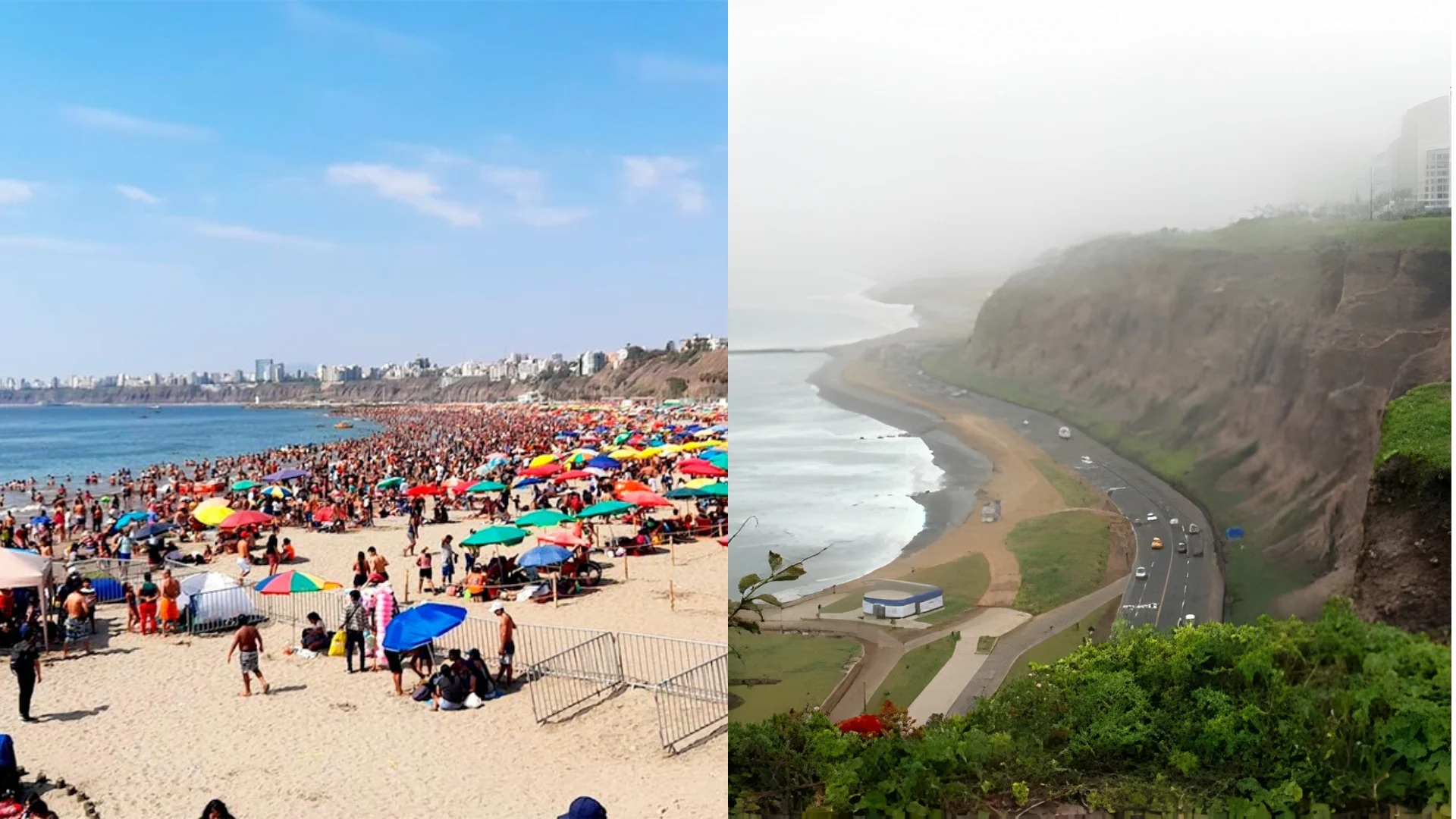
Garúa is the signature Lima vibe for much of the year. It is a persistent moist fog and mist that blankets parts of coastal Peru, especially in the southern hemisphere winter, bringing high humidity and muted skies.
Here is what matters for travelers: garúa can make your clothes feel damp, your photos look flat, and the air feel cooler than the temperature suggests. But it is not the kind of rain that drenches you. It is more like the city is living inside a cloud.
The Andes as a “weather wall” and why Cusco swings day to night
Cusco sits at roughly 3,400 m above sea level, and that elevation alone changes the rules.
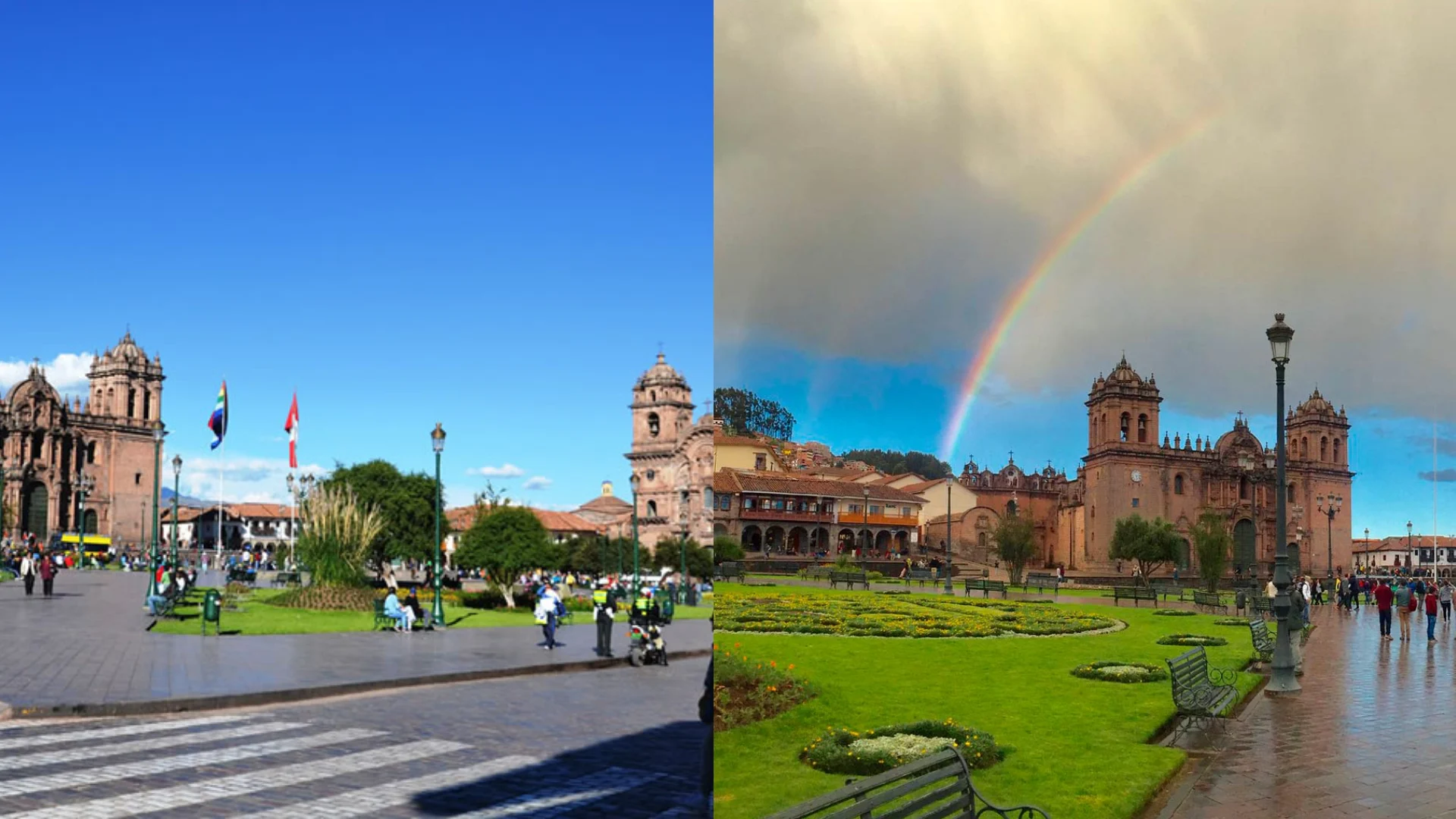
At altitude, sunlight can feel intense during the day, but the thin air does not hold heat well after sunset, so temperatures drop fast. The Andes also force moist air to rise and cool, which is why the region has a clear rainy season pattern, not random showers year round.
El Niño and why some years feel “off”
El Niño is a warming pattern in the equatorial Pacific that can shift weather around the world. For the west coast of South America, it is associated with an increased risk of unusual rainfall and flooding in some affected periods.
The practical traveler takeaway is simple: do not assume a season will behave exactly like a “normal year.” If you are traveling in months that already lean wet in Cusco, an unusual year can amplify the disruption.
Peru’s climate zones in plain English (coast, Andes, Amazon)
Peru is commonly explained in three zones because it is the most accurate simple model.
Coast (Lima): desert precipitation, humid feeling
Peru is commonly explained in three zones because it is the most accurate simple model.This is why packing for Lima is tricky. You think “desert” and imagine heat, but what you actually experience can be mild temperatures with high humidity and gray skies, especially outside summer. The city’s annual temperature range is relatively narrow, roughly 59°F to 81°F in many climate summaries, so it is rarely truly hot or truly cold.
Andes (Cusco): wet season and dry season, plus cold nights
Cusco’s rainfall is concentrated in the summer months, and several climate summaries put total annual rainfall around the 700 mm range, with the wettest months clustering in the early part of the year.
In real life, that means your plans are affected less by “temperature” and more by “visibility and trail conditions.” When it is wet, you are dealing with clouds, slippery steps, and schedule flexibility. When it is dry, you get sharper views and better hiking conditions, but colder mornings and nights.
Amazon: warm baseline, rain is normal
Even if you are not going to the jungle, it helps to understand the Amazon side because it explains why Peru has so much moisture nearby while Lima stays dry. The Andes block and redirect that moisture, creating strong contrasts over short distances.
Cusco climate guide for travelers
Cusco weather becomes easy to plan once you accept one truth: you are planning for a high elevation city that has a wet season, a dry season, and big day to night temperature drops.
Dry season in Cusco (clearer skies, colder mornings)
Cusco’s driest month is commonly described as, with very low precipitation compared to the wet season.
That is why the dry season is popular for trekking and classic viewpoints. The air feels cleaner, the sky tends to cooperate more often, and you get the kind of visibility that makes mountains look close enough to touch. But the cold is real at night, especially if you are up early for tours or sleeping outside the city.
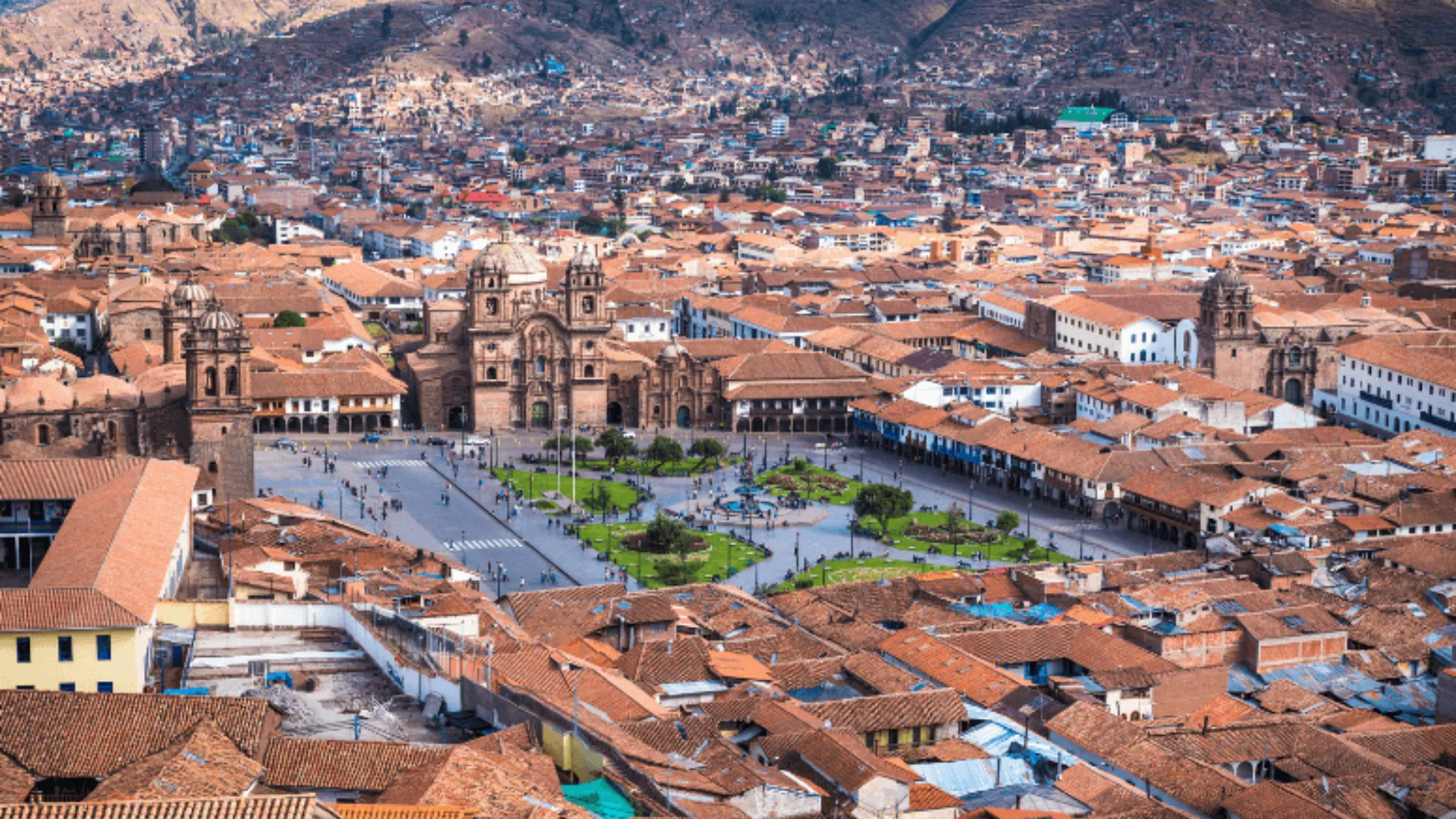
Rainy season in Cusco (green landscapes, higher disruption)
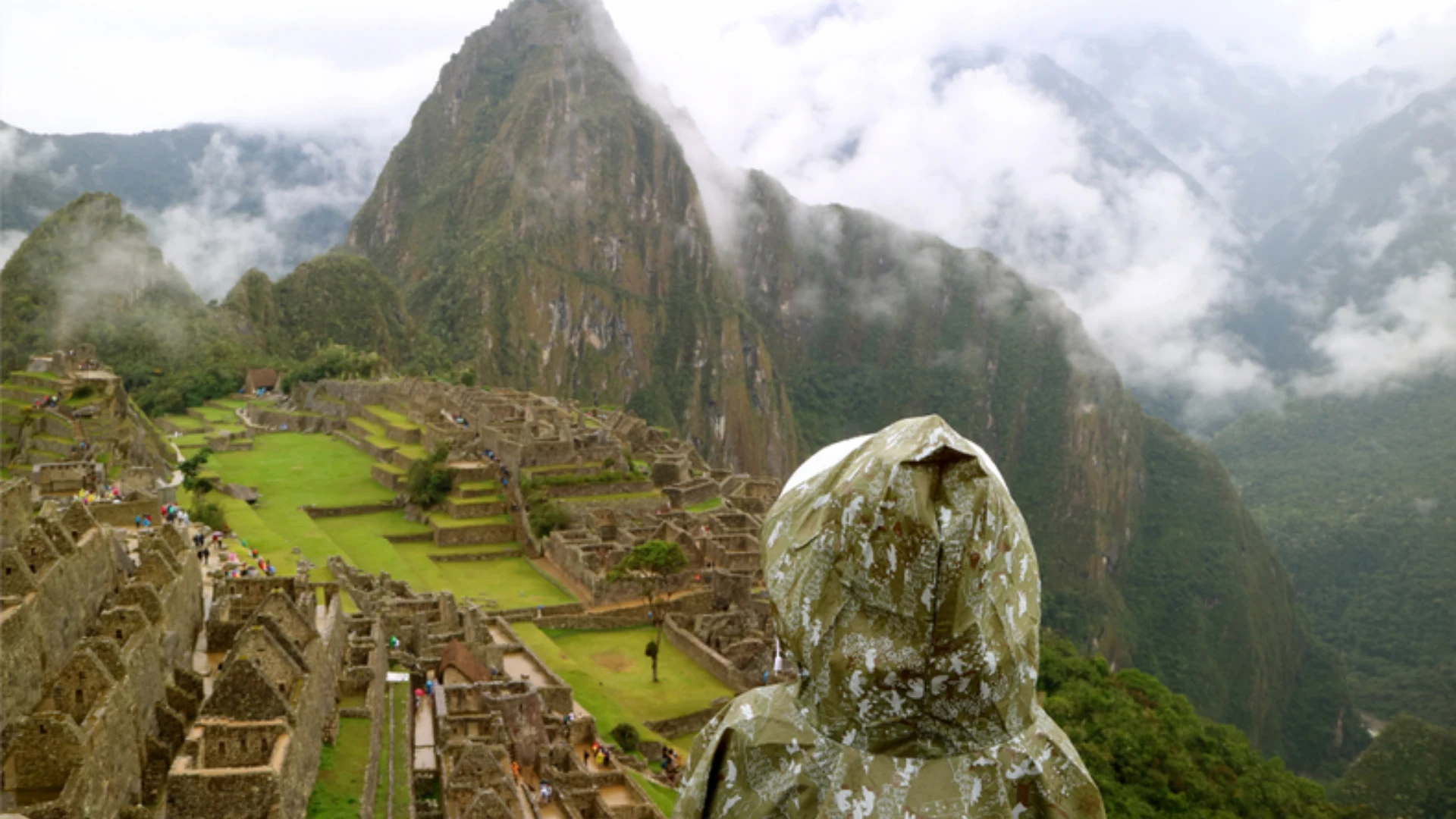
Cusco’s wettest month is often listed as January or February, with heavy rainfall and many rainy days in the month.
For travelers, “rainy season” does not mean nonstop rain all day, every day. It means a higher chance that a key moment, like a viewpoint, a hike, or a train schedule buffer, gets complicated. It is also the season when the landscape looks more alive and green, and some people prefer that look even if it requires more flexibility.
The elevation ladder that changes your whole trip
One reason people feel confused is that a “Cusco trip” includes multiple elevations. Machu Picchu is about 2,430 m, which is more than 1,000 m lower than Cusco, and many people feel noticeably better there.
If you do the Inca Trail, the highest point is around 4,200 m at Warmiwañusqa, which is a big jump above Cusco and can change how hard everything feels.
So the climate you experience is not just “Cusco weather.” It is “Cusco weather plus altitude transitions,” and that affects comfort, pacing, and packing.
Lima climate guide for travelers (why it looks gray, and when it looks blue)
Lima is one of the world’s most misunderstood capital city climates because it does not match the mental picture people have of a coastal tropical city.
Lima summers feel like “real beach weather,” winters feel like “coastal gray”
In summer, Lima tends to deliver warmer afternoons and more sun, which is why first time visitors often love the city most during that window. In winter, garúa and cloud cover can dominate, and the city can feel cooler than expected because humidity plus wind changes how your body reads temperature.
The key is expectation management. If you treat winter Lima as a moody coastal city with great food and ocean views, you enjoy it. If you expect nonstop sun, you get disappointed for the wrong reasons.
Rainfall reality check in Lima
Multiple climate references describe Lima’s precipitation as extremely low, to the point that it is functionally a desert level rainfall city.That is why umbrellas are not the main story. Layers are. A light jacket or hoodie matters more than rain gear for most of the year, because you are usually dealing with cool air and mist, not heavy downpours.
Cusco vs Lima at a glance
This table is not trying to give every monthly detail. It is designed to answer the questions travelers actually ask in a way that is fast to understand.
| Topic | Cusco (Andes) | Lima (Coast) |
| Elevation | Around 3,400 m | Near sea level |
| Main pattern | Strong wet season and dry season | Very low rainfall, garúa and overcast season |
| What “bad weather” looks like | Rain, clouds, muddy trails, reduced visibility | Gray skies, mist, humidity chill, not heavy rain |
| Best planning priority | Build buffers for key hikes and viewpoints | Pack for mild temps and cloudy days |
Best time to visit Peru for Cusco and Lima (based on weather logic)
The smartest way to choose dates is to decide what you care about most, then match the climate pattern to that goal.
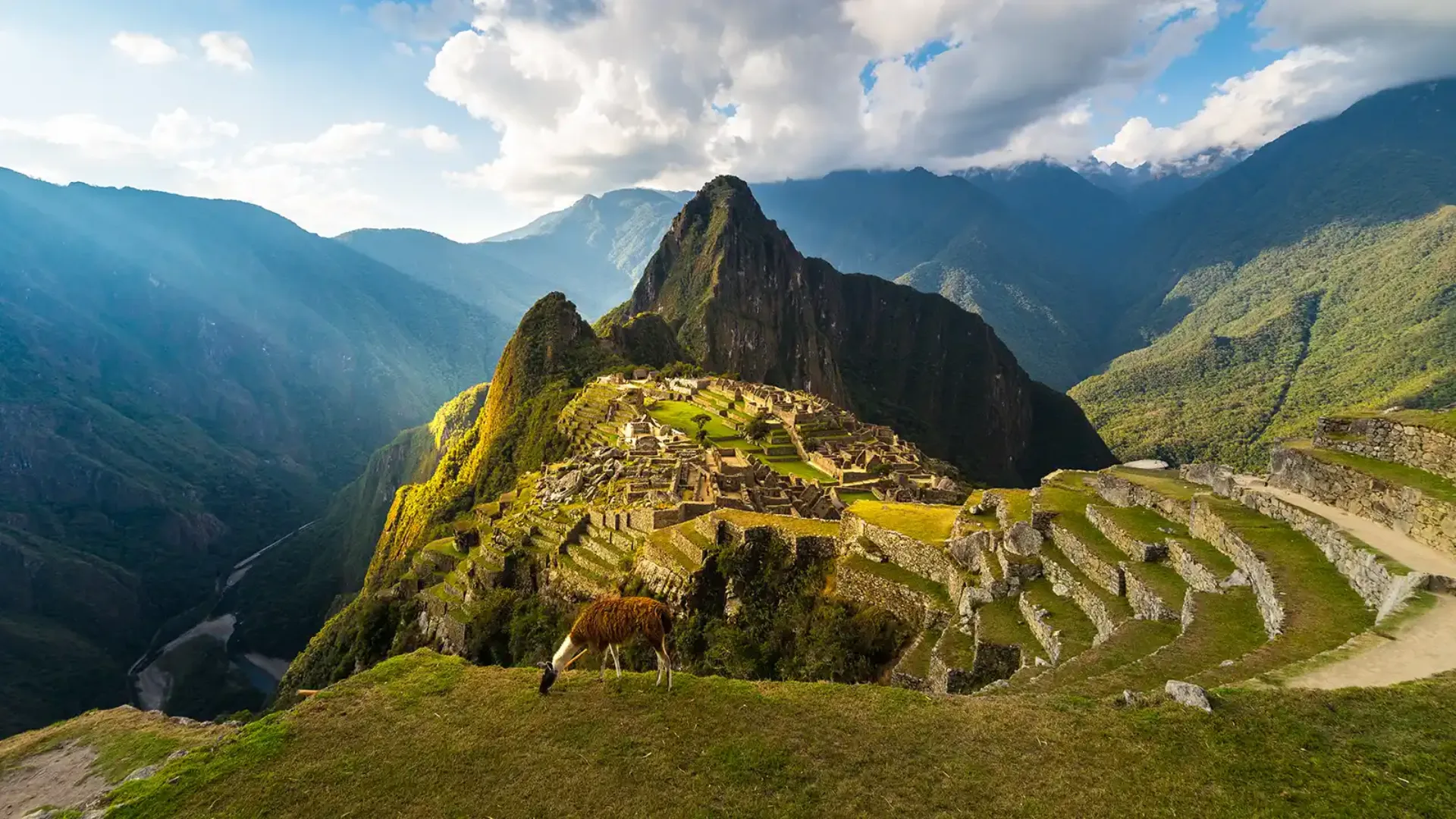
If your priority is trekking and Machu Picchu style views
Dry season months in Cusco are generally favored because lower rainfall improves trail conditions and visibility. References consistently show that mid year is much drier than the early year peak rainfall months.That does not mean every day is perfect, but it reduces the odds that clouds hide the views on your most important day.
If your priority is Lima with sun and bright photos
For blue skies, Lima is typically easier in the warmer part of the year, while winter leans into garúa and reduced sunshine.
If you are building an itinerary for photography or content creation, this matters a lot, because the city can look completely different depending on season.
If you want a balanced trip
Balance usually means prioritizing the Andes conditions first, then accepting Lima as mild and coastal. Cusco is where weather can truly disrupt a hike or viewpoint. Lima is where weather mostly changes mood, not logistics.
What to pack
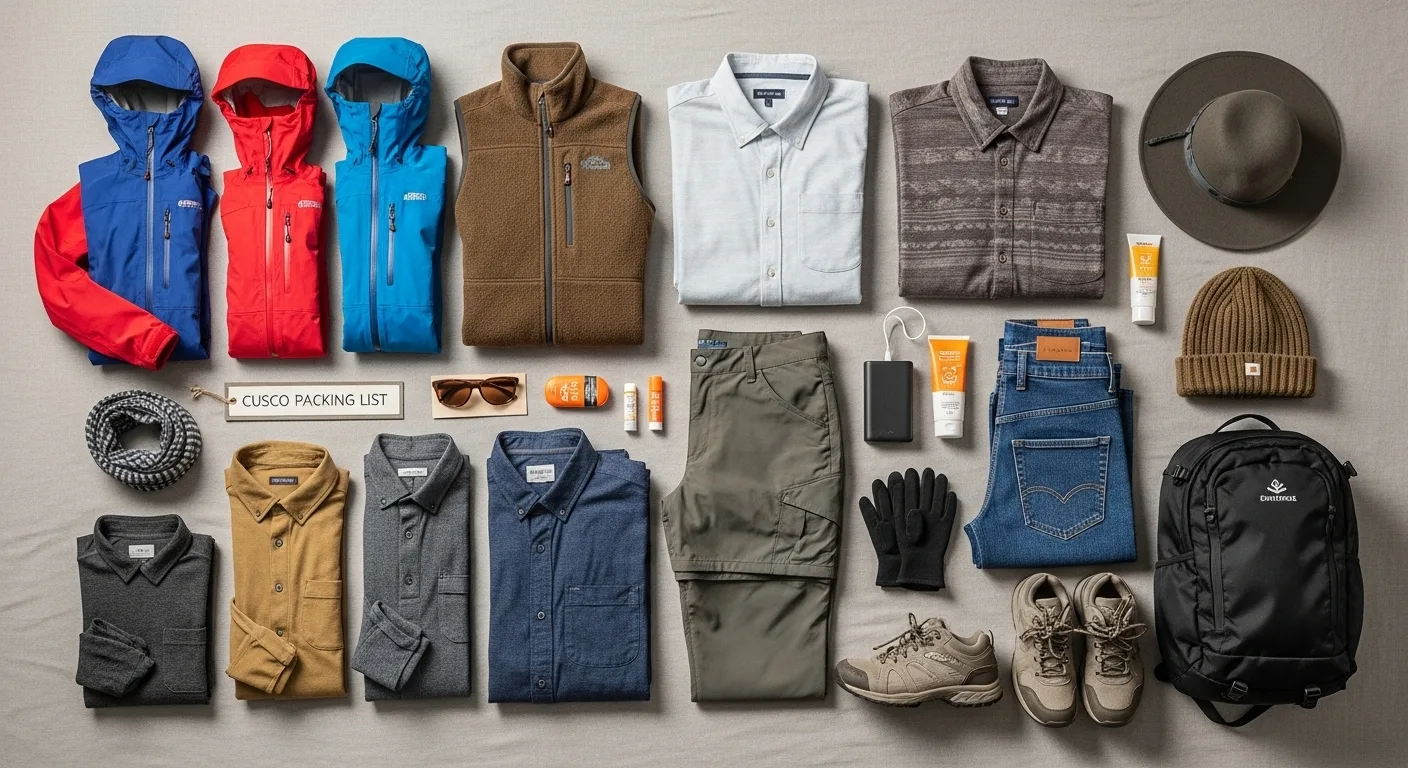
Packing for Peru is less about bringing more and more about bringing the right system.
Cusco packing, explained like a real day
You wake up early, it is cold, and your hotel room feels chilly. Two hours later, you are walking in bright sun and you are warm. By evening, it drops again. That is why layers are the correct strategy in Cusco, not one heavy jacket you wear all day. The wet season adds the need for a proper rain shell, because rainfall peaks heavily in the early year months.
If your itinerary includes the Inca Trail or high viewpoints, remember that higher altitude sections can feel colder and windier than Cusco city, and the trail reaches about 4,200 m at its high point.
Lima packing, explained like a real afternoon
In Lima you can be comfortable in a t shirt during a sunny moment, then feel cold the second the mist rolls in and the breeze hits. A light jacket solves most of that. Rain gear is usually not the main need because Lima’s rainfall is extremely low.
The mistake is packing like Lima is hot beach weather every day. In many months, the city is more “coastal gray” than “tropical bright,” and the garúa fog is the reason.
Frequently asked questions about World Climate Day: A Deep, Practical Guide to Peru’s Climate
Cusco is most reliable for trekking May-September. Lima is sunnier December-March. For a mix, try April-May or September-October.
The Humboldt Current cools the coast and creates garúa. It feels damp, but rainfall stays low.
Usually November-March, peak Jan-Feb. Not all day, but storms are more likely and views can be cloudier.
Nights can drop near freezing, especially in dry season. Bring layers and a light shell.
Sometimes. It can shift normal weather, especially on the coast. Keep your itinerary flexible and check forecasts closer to travel dates.


