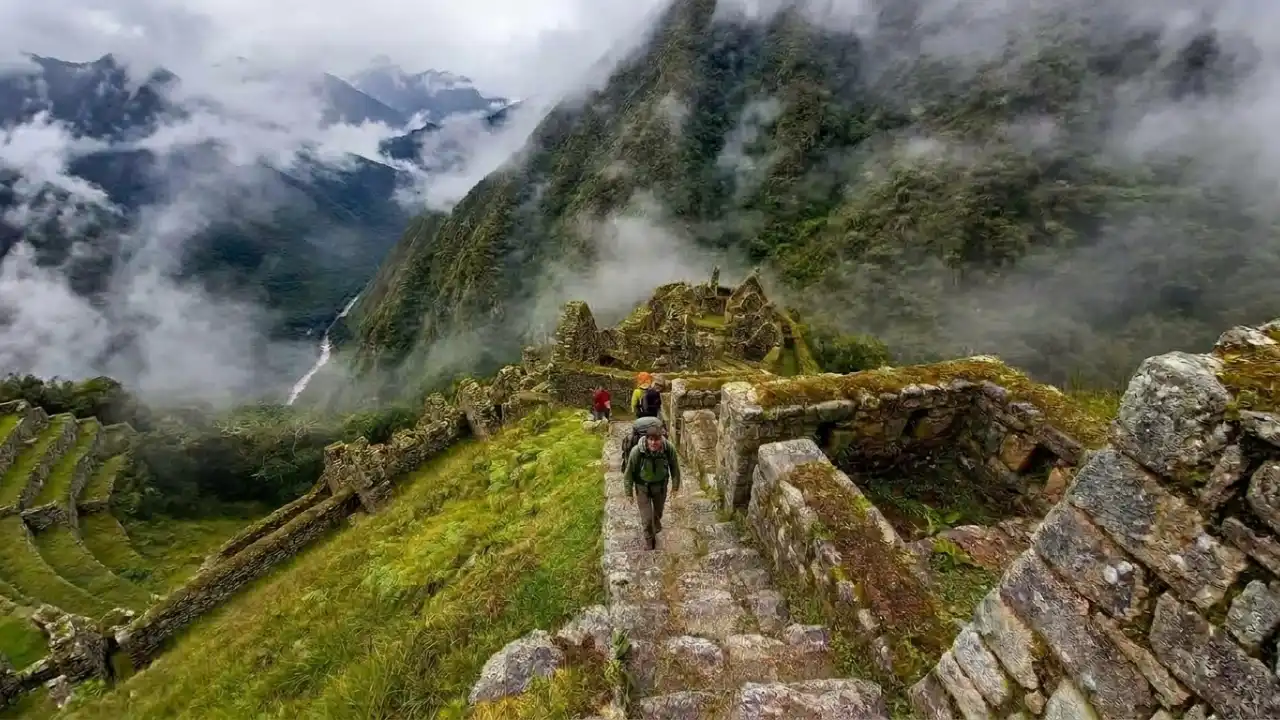
Sunrise at the Sun Gate (Inti Punku): A Magical Experience
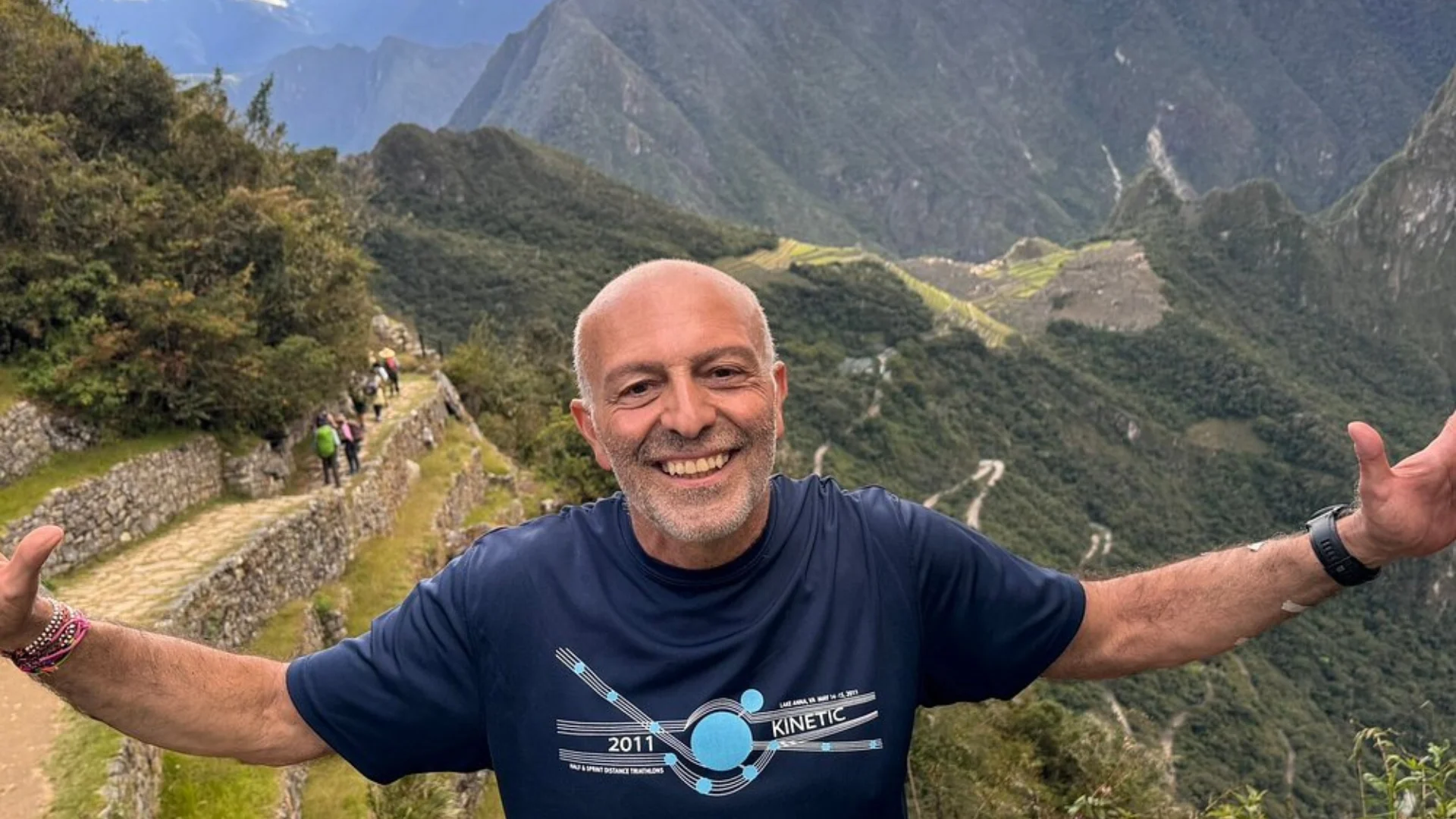
Seeing Machu Picchu from Inti Punku (the Sun Gate) is one of those travel moments that feels almost unreal, even if you’ve watched a hundred videos beforehand. The viewpoint sits above the citadel on the same ancient approach used by Inca Trail hikers, so the experience has a built in sense of arrival. You are not just looking at Machu Picchu, you are approaching it the way it was designed to be revealed.
It’s also a rare Machu Picchu moment that still feels quiet and personal, because the Sun Gate isn’t the main crowd corridor the way the classic terraces and central viewpoints are. When the light starts changing, the whole scene shifts fast: mountain silhouettes soften, the stone takes on warmer tones, and the clouds can move like curtains across the ruins.
One important reality check, though, because it affects planning more than anything else: “sunrise at the Sun Gate” is most realistic for people arriving via the Classic Inca Trail. If you’re visiting Machu Picchu as a standard day visitor, you can absolutely hike to Inti Punku in high season, but it usually won’t be the true, first light sunrise moment people imagine.
What Is Inti Punku, and Why Do People Care So Much?
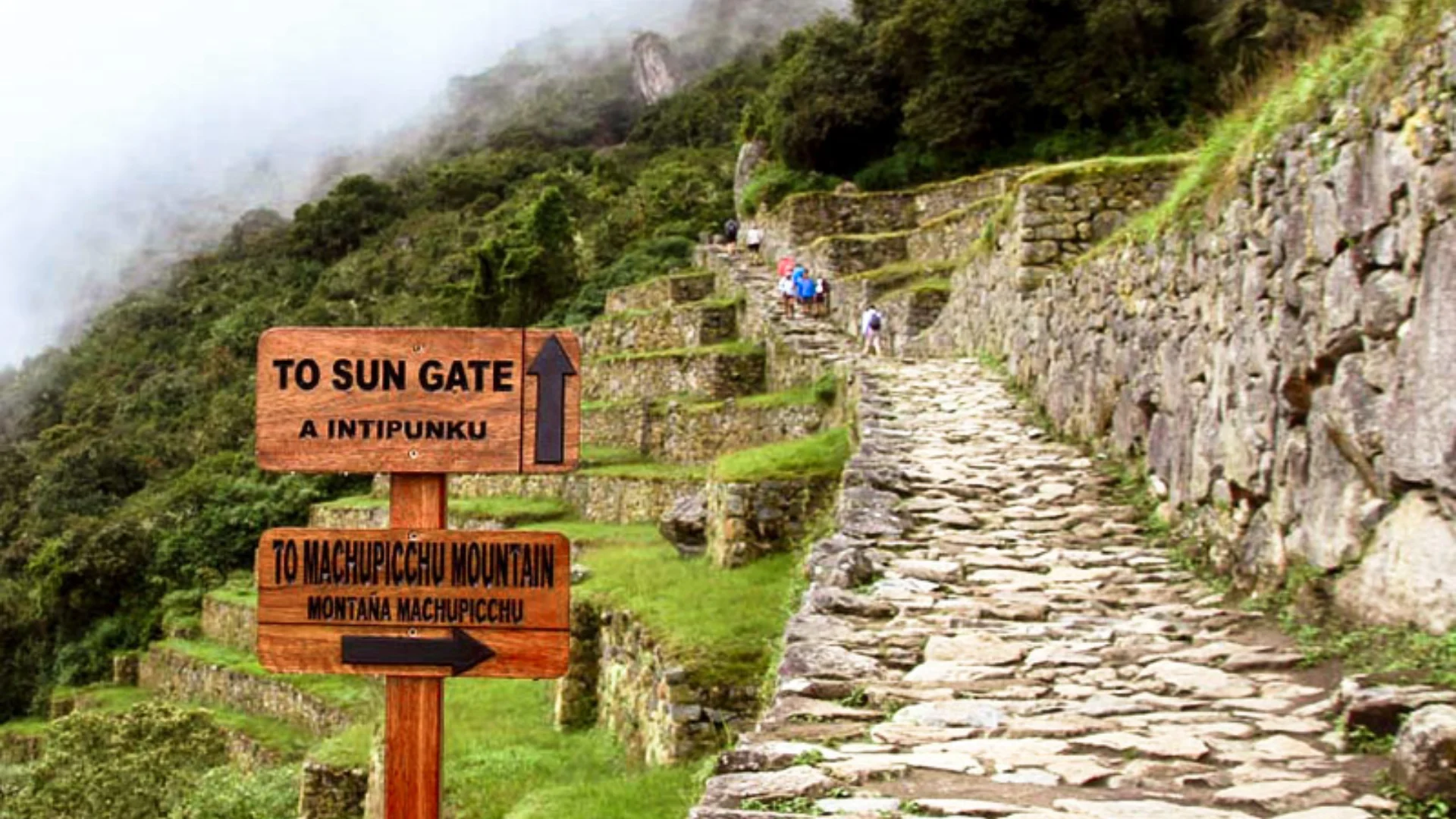
Inti Punku translates to “Sun Gate,” and it’s historically tied to control and ceremony. In Inca times, this was an official entry point that signaled you were close to Machu Picchu, not just geographically, but spiritually and politically. Even today, the route feels like a transition from forest and terraces into that first panoramic look at the citadel.
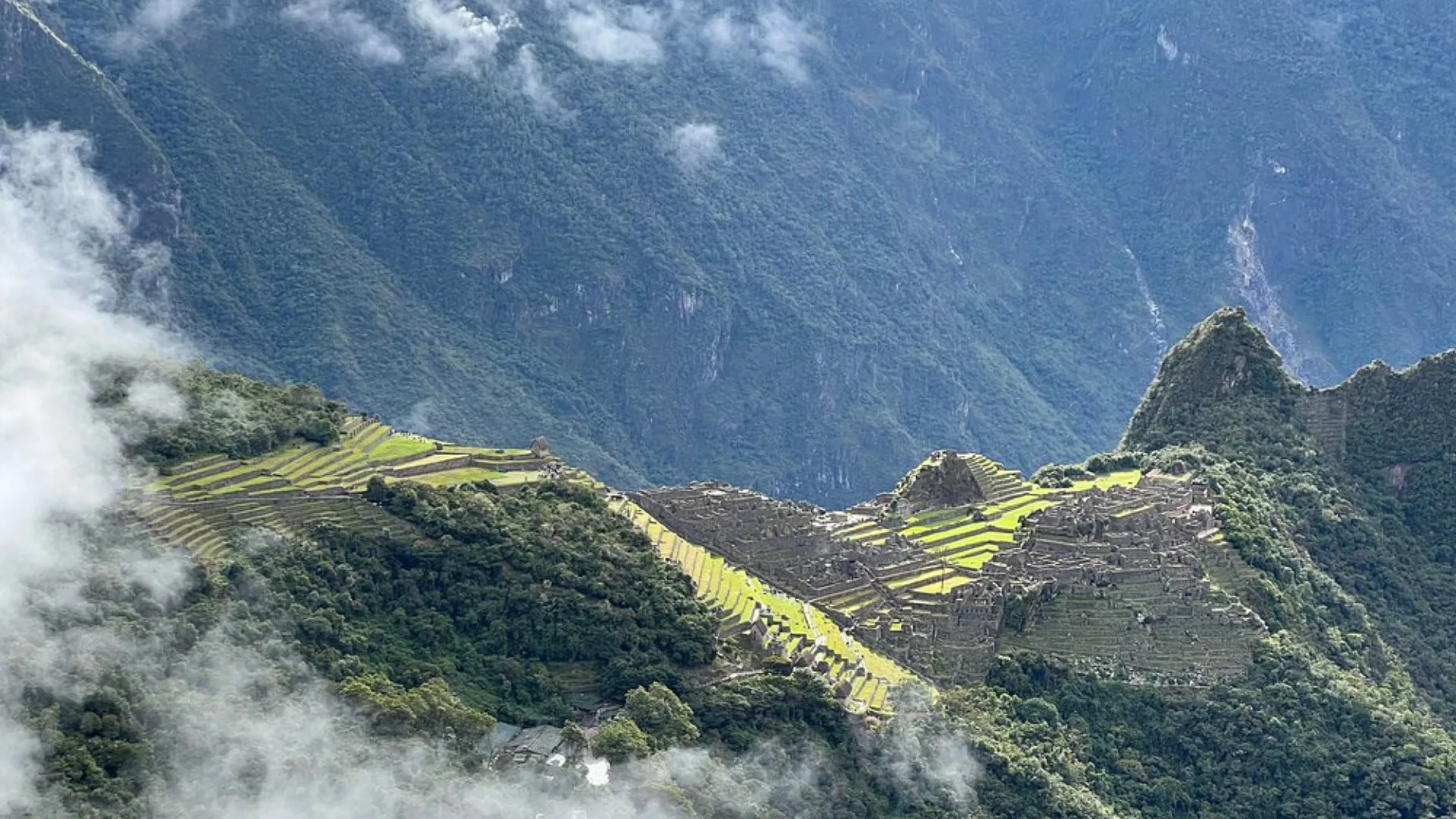
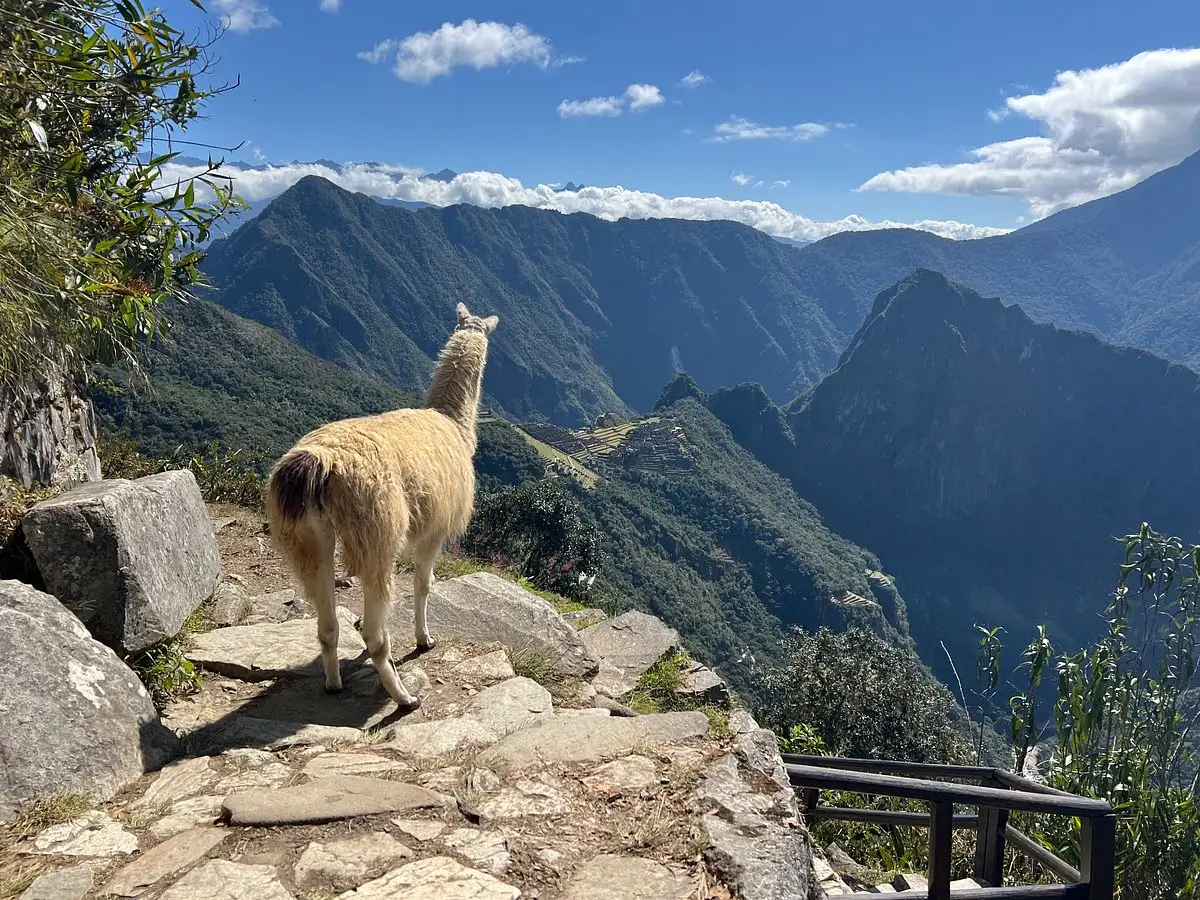
Travelers care so much because Inti Punku frames Machu Picchu from above in a way that feels cinematic without being overly far away. You can still recognize key features of the site, but you also get the full mountain amphitheater around it, which is exactly what makes the place feel protected and otherworldly.
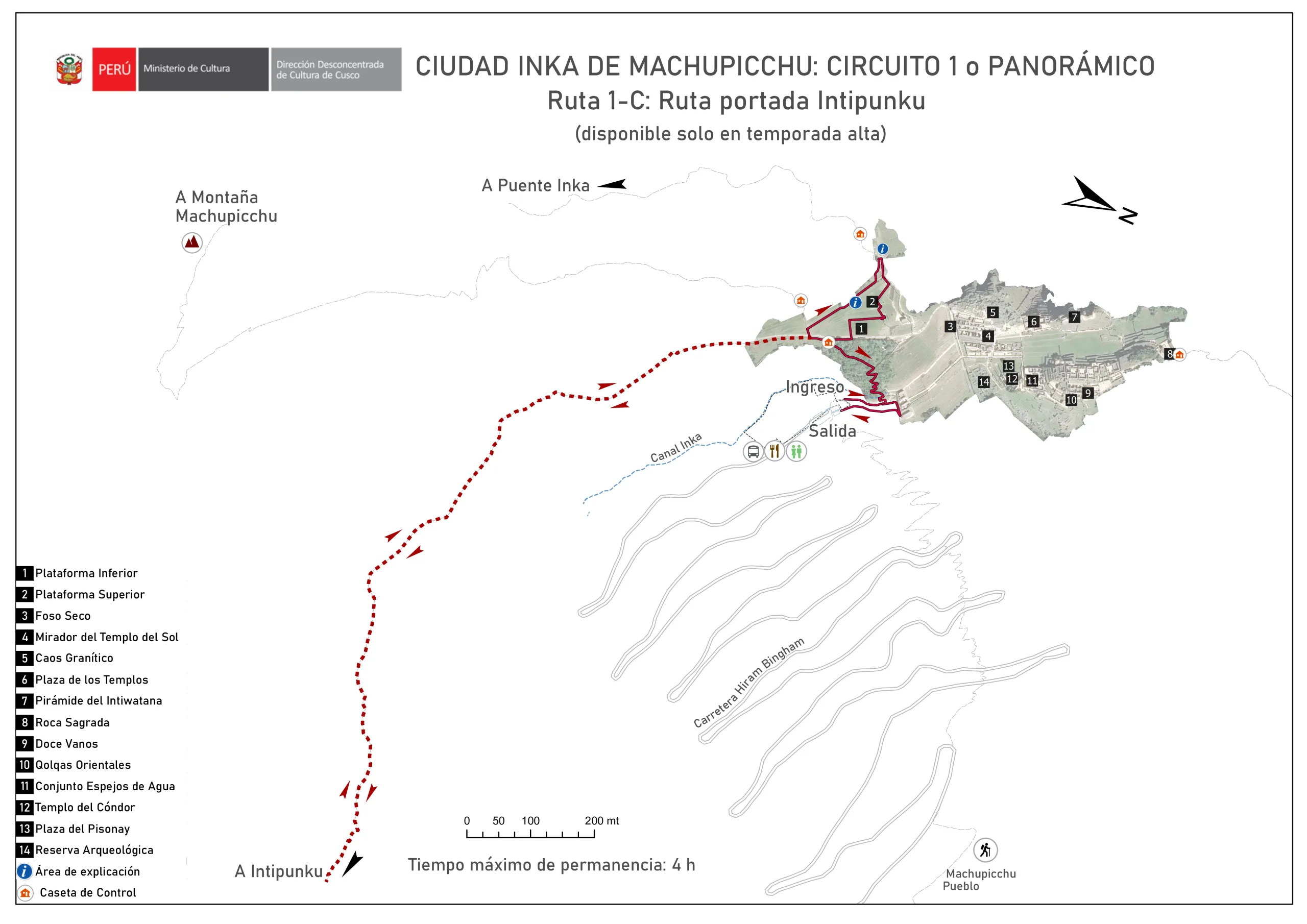
From a modern logistics standpoint, Inti Punku is also “official” in a very specific way: it is a designated route within Machu Picchu’s structured circuits. On the official Machu Picchu site, Inti Punku is listed as Circuit 1 (Panoramic), Route 1 C “Portada Intipunku,” and it’s explicitly marked as available only in high season.
Can You Actually See Sunrise From Inti Punku?
If your definition of sunrise is the sun breaking the horizon while you’re standing at the Sun Gate, the honest answer is that it’s difficult as a normal day visitor. The reason is simple: you need entry timing, route access, and hiking time to line up perfectly. Most people enter Machu Picchu, get oriented, then begin the climb, which usually places you well after the earliest light.
This is where the Inca Trail experience is different. On the Classic Inca Trail, groups leave before dawn on the final morning specifically to reach Inti Punku at first light. That pre dawn approach is part of the tradition and is widely described as the signature “arrival” of the trek.
That said, do not let the word “sunrise” make you think anything else is second best. Even if you reach Inti Punku later in the morning, the viewpoint is still one of the most rewarding short hikes in the sanctuary. The “magic” is not only about the exact minute the sun appears. It’s about the perspective, the sense of history, and the way Machu Picchu sits inside the landscape.
How to Reach the Sun Gate: The Two Legit Options
There are basically two ways to experience Inti Punku, and which one you choose changes the vibe completely. One is a pilgrimage style finish line after days of trekking. The other is a scenic add on hike that pairs well with the panoramic circuit.
The big planning mistake is assuming Inti Punku is something you can casually tack onto any Machu Picchu visit. Current access is tied to circuits and routes, and the Sun Gate route is not open year round for standard ticket holders.
Below are the two approaches that actually work in real life, in a way that respects the current route structure and avoids last minute disappointment.
Option 1: Arrive via the Classic Inca Trail (Best for Sunrise)
This is the iconic version for a reason. On the final day of the Classic Inca Trail, hikers typically depart before dawn, climb through the last stretch of the ancient stone path, and reach Inti Punku right as the sky starts to brighten. That timing is deliberate, because it delivers the famous first reveal of Machu Picchu from above.
What makes it feel so intense is not only the light. It’s the context. You’ve already crossed high passes, walked through cloud forest, and visited other Inca sites along the way, so the Sun Gate feels like a payoff, not just a viewpoint. Even people who don’t consider themselves emotional travelers often describe a quiet, stunned reaction there.
From a practical angle, this option is also the most straightforward if “sunrise” is the goal, because the trek’s final morning is built around that moment. You are not trying to hack a schedule. You are following a long established rhythm that ends where it’s supposed to end.
Option 2: Hike to Inti Punku From Inside Machu Picchu (Great Viewpoint, Not True Sunrise)
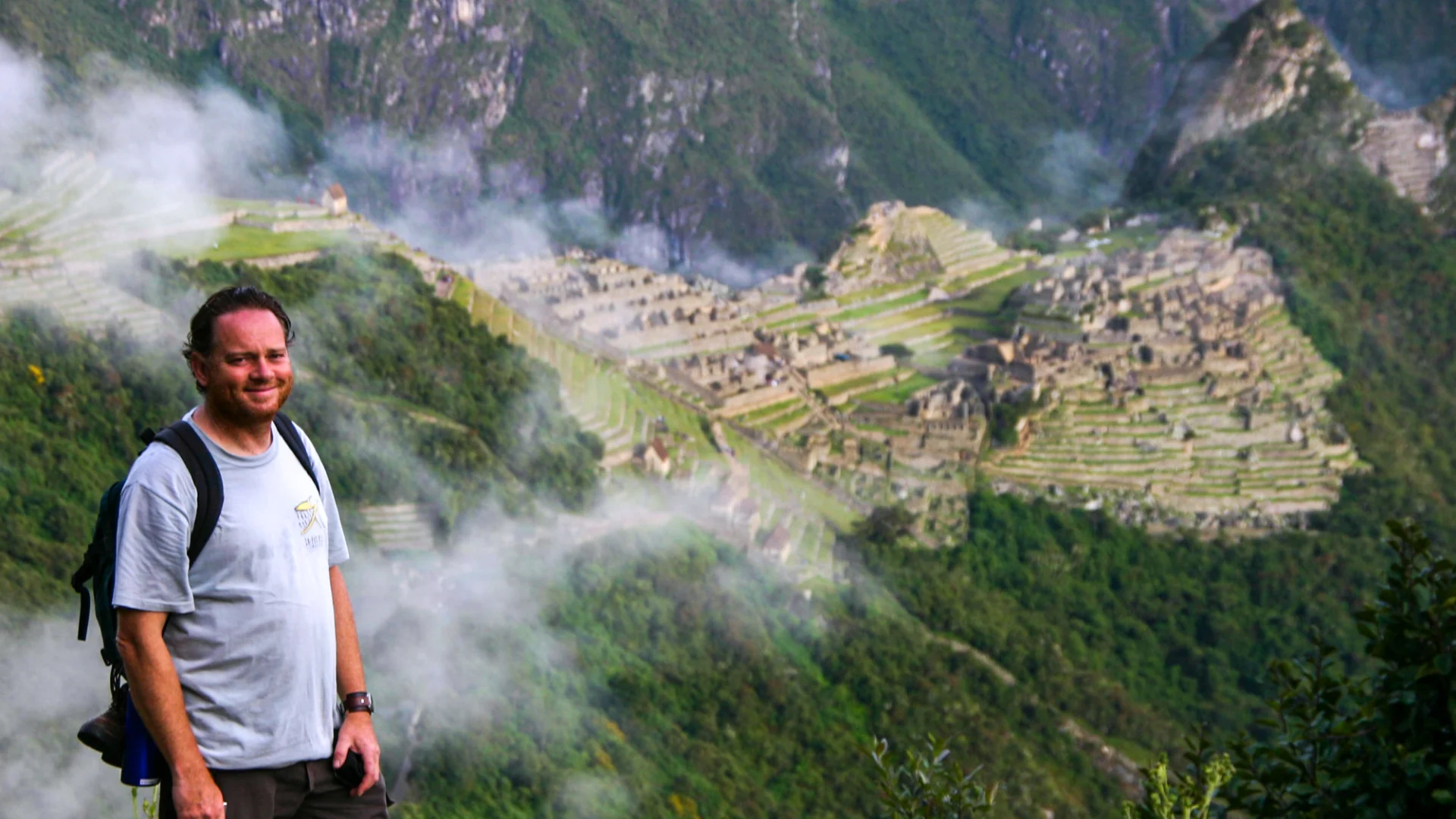
If you are not doing the Inca Trail, you can still hike to Inti Punku, but you need the correct ticket and the right season. On the official Machu Picchu circuits list, Inti Punku is Circuit 1, Route 1 C, and it’s listed as high season only.
Many travel resources describe this as a specific “Machu Picchu + Inti Punku” ticket, meaning it’s not an automatic add on to every entry type. If you book the correct route, you’ll combine the panoramic circuit viewpoints with a side hike to the Sun Gate.
In terms of effort and time, plan for something that feels like a real hike, not a casual stroll. One major rail operator describes the round trip to Inti Punku as taking around two hours, and places the route around 2,745 meters elevation, which matters if you feel altitude quickly. Another Peruvian travel resource also describes the hike distance as roughly 2 km (about 1.2 miles) from the entrance area.
When Is the Best Time of Year for the “Magical” Feeling?
Most people instinctively aim for dry season, and that makes sense because clearer skies can mean cleaner views. But “magical” at Machu Picchu is not always the same as “blue sky.” The most memorable mornings are often the ones with shifting clouds that reveal and hide the ruins in waves, because it makes the citadel feel alive.
Season also matters because Inti Punku access for day visitors is tied to high season availability in the official route structure. In other words, even if you personally love traveling in quieter months, the Sun Gate route may not be open to you on a standard visit outside that high season window.
If your schedule is flexible, think about what you want the photos and the experience to feel like. Crisp, postcard clarity is one version. Dramatic mist and glowing stone is another. Both are “right,” but they happen under different conditions.
What Sunrise at the Sun Gate Actually Feels Like
If you arrive from the Inca Trail in near darkness, the feeling is oddly calm. People are usually quiet, partly because they’re tired, but mostly because the setting is so powerful that it shuts down the need to talk. You hear footsteps, breath, and the occasional rustle of jackets, and then the sky starts doing what it does.
When the light changes, Machu Picchu doesn’t appear all at once. It comes in layers. First the mountain line, then hints of terraces, then the geometry of the ruins, and finally that moment where you realize you’re looking at one of the most famous archaeological sites on earth from a place built to introduce it.
Even if you do not catch the exact sunrise second, the Sun Gate still delivers that gradual reveal effect, especially on mornings with cloud movement. It’s a slower, more immersive way to “meet” Machu Picchu than walking straight into the main viewpoints with everyone else.
Planning Details That Make or Break the Experienc
Inti Punku is a classic example of Machu Picchu planning where the details are not optional. If you get them right, it feels seamless. If you miss one piece, you can end up on a route that simply does not include the Sun Gate.
The current system is built around circuits and specific routes, and Inti Punku is not a “wander over there if you have time” situation. On the official circuits list, it is clearly labeled as Circuit 1, Route 1 C, and seasonal.
Your biggest advantage is thinking like a student doing research: treat the ticket name, circuit number, and route letter as requirements, not suggestions.
Choose the Right Ticket or Trek, Not Just “Machu Picchu Entry”
If you are a day visitor, you are not just buying “Machu Picchu.” You are buying a specific route. Several travel resources explicitly describe the Sun Gate access as a dedicated “Machu Picchu + Inti Punku (Route 1C)” style ticket, which signals that standard entries may not include it.
If you are trekking, the Inca Trail structure takes care of the Sun Gate experience by design, because Inti Punku is the traditional approach on the final morning.
The decision is basically this: do you want the Sun Gate as a finish line, or do you want it as a scenic side hike. Both are valid. They just require different booking logic.
Know That Circuits Are Real Restrictions
It’s easy to underestimate how controlled the visit is until you’re there. Machu Picchu is managed through defined circuits and routes, and you follow a set flow rather than freely exploring every corner. The official circuits page lays out Circuit 1 (Panoramic) and includes Route 1 C (Portada Intipunku) as one of the structured options.
This matters because the Sun Gate route pairs naturally with Circuit 1’s panoramic viewpoints. That’s great if you want the big, elevated look. But if you expected to also wander deep into the urban sector like a classic Circuit 2 experience, you can end up surprised.
So the planning “win” is aligning your priorities. If your priority is Inti Punku and sweeping views, Circuit 1 makes sense. If your priority is close up temples and classic interior pathways, you may need a different ticket on another day.
Book Earlier Than You Think
High demand is not a marketing line in Machu Picchu. Capacity is controlled, and certain routes are seasonal. If you’re aiming for a specific date during peak travel months, treat it like buying concert tickets, not like booking a casual museum entry.
Even major Peru travel operators and rail oriented resources emphasize buying tickets in advance, especially as new circuit frameworks and time slots continue to be refined.
If you’re traveling from the United States with fixed vacation dates, the safe strategy is to lock in the route first, then build trains, buses, and hotels around it.
What to Pack for a Sun Gate Sunrise (or Early Morning Visit)
Mornings at Machu Picchu can feel colder than people expect, especially if you’re standing still at a viewpoint waiting for the light. A light insulating layer is the difference between enjoying the moment and counting minutes until you can move again. If you’re doing the Inca Trail, this matters even more because you’re leaving camp before dawn.
Rain protection is not optional, even in months that are “supposed” to be dry. Cloud forest weather changes fast. A thin rain shell is enough, but it needs to be accessible, not buried. Footwear also matters because stone steps and packed earth can get slick, and the climb to Inti Punku is uphill.
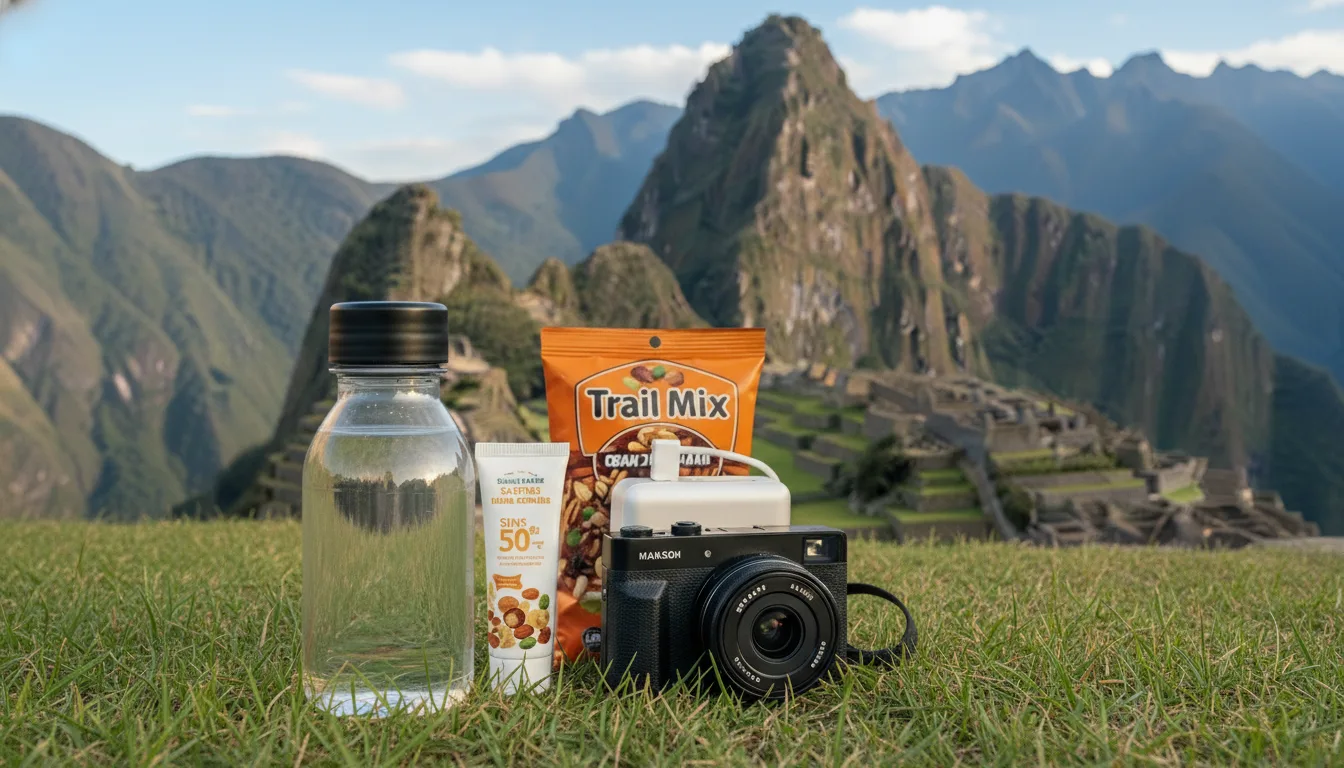
Keep your load simple. Water, a small snack, sun protection once the day brightens, and whatever you need for your phone or camera. The Sun Gate is best experienced when you’re not constantly adjusting straps and digging through pockets.
Photography Tips That Work in Real Life
The most useful photo advice is to stop chasing the single perfect second. Light at the Sun Gate changes quickly, and your best images often happen a few minutes before “sunrise” looks like sunrise in your head. Soft light can make the stone look richer, and mist can add scale and depth.
If you want the classic framed view, be patient with crowds. People rotate in and out of the best spots naturally, and you can usually get a clean shot if you wait instead of forcing it. Also, take a few photos with wider framing than you think you need. The mountains are half the story from Inti Punku.
Finally, build in a non photography moment on purpose. The Sun Gate is one of those places where it’s easy to experience everything through a screen. Give yourself at least a few minutes where you do nothing but look.
Sample Itineraries
There are two clean ways to structure your trip around Inti Punku, and each one sets different expectations. If you decide which version you want early, everything else becomes easier: ticket type, timing, and how you budget your energy.
The biggest itinerary mistake is trying to force the Inca Trail style sunrise experience into a day visitor schedule. It’s possible to have an incredible Sun Gate moment without that exact sunrise timing, as long as you plan for what the day visitor route is designed to be.
Itinerary A: Classic Inca Trail (Sunrise Focused)
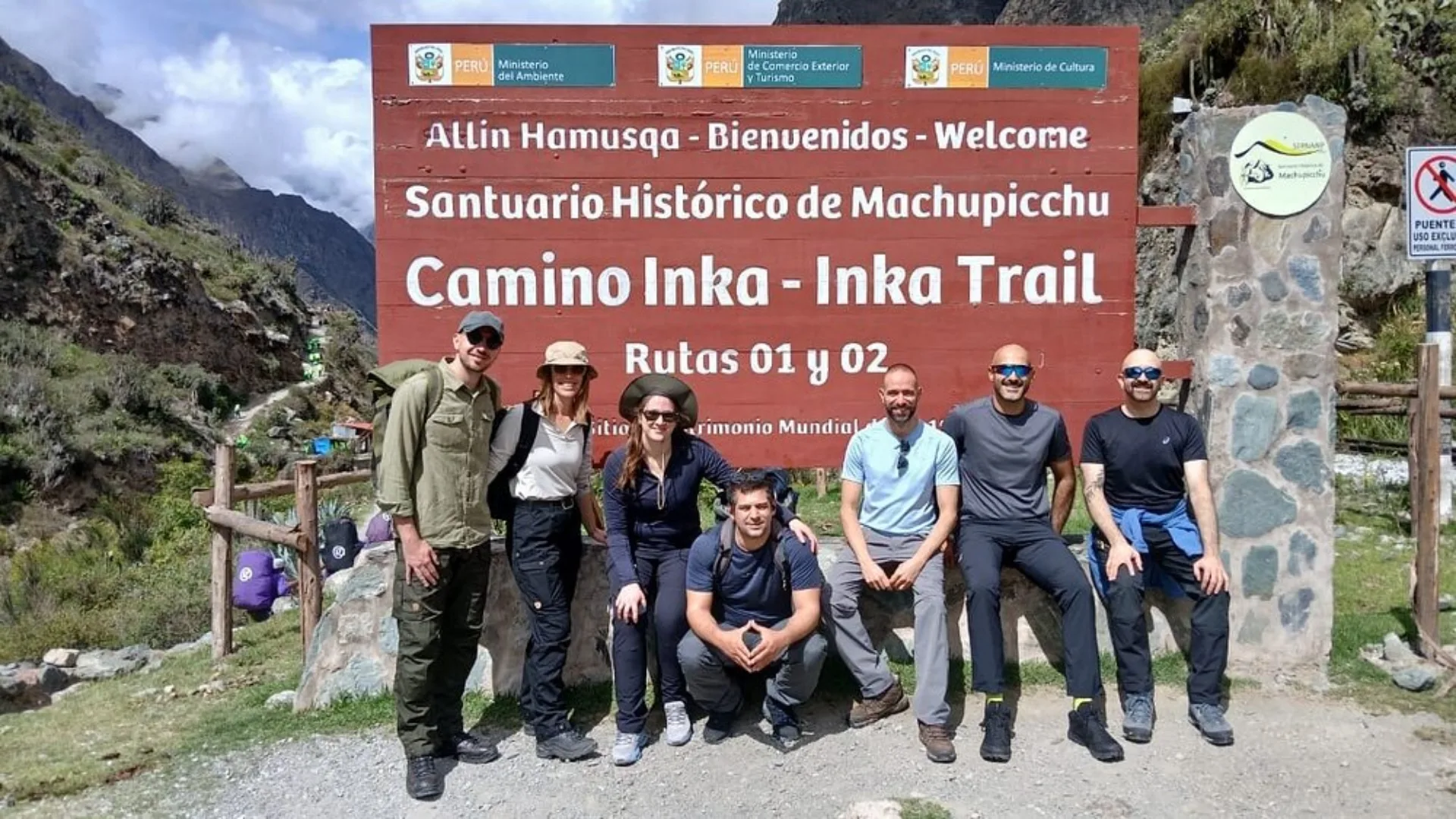
You book the Classic Inca Trail with a permitted operator, hike for several days, then leave camp before dawn on the final morning. The goal is to reach Inti Punku at first light, when Machu Picchu starts glowing below and the valley is still quiet. Multiple guides describing the Classic Inca Trail experience highlight this pre dawn timing as the traditional approach.
After the Sun Gate reveal, you descend toward Machu Picchu for your scheduled entry and continue into the sanctuary. Emotionally, this itinerary tends to feel like a story with a beginning, middle, and ending. You do not just arrive. You complete something.
This is also the best option if you are the kind of traveler who values the process as much as the destination. If Machu Picchu is the headline, the Inca Trail is the build up that makes the headline hit harder.
Itinerary B: Day Visitor + Inti Punku Route (Viewpoint Focused)
You purchase a ticket that specifically includes Inti Punku under Circuit 1, Route 1 C, and you visit during the high season window when that route is offered. The official circuits list identifies Route 1 C “Portada Intipunku” as part of Circuit 1 and notes it is available only in high season.
You enter Machu Picchu in your assigned time slot, follow the panoramic circuit viewpoints, then take the side hike up to the Sun Gate. A rail operator describes the full outing to Inti Punku as roughly a two hour round trip, which is a useful planning benchmark for pacing and hydration.
This itinerary is ideal if you want the big views, want to stay in a hotel the night before, and want a hike that feels rewarding without committing to multi day trekking. It’s also a good fit if you’re traveling with someone who wants a taste of hiking but not a full Inca Trail commitment.
Frequently asked questions about Sunrise at the Sun Gate (Inti Punku): A Magical Experience
No. Inti Punku is listed as a specific route within Circuit 1, Route 1 C, and it is marked as available only in high season on the official circuits and routes page.
That is why many planning guides describe it as a dedicated ticket type rather than a universal add on.
The most reliable path is arriving via the Classic Inca Trail, where the final morning is commonly timed for first light at Inti Punku. This is described repeatedly as the traditional approach for the trek’s finale.
Day visitor timing can still be beautiful, but it is usually not the true sunrise moment people associate with the Inca Trail arrival.
Sources vary based on pace and exact start point, but planning references commonly put the round trip around two hours. Distance is often described around 2 km (about 1.2 miles) each way as a rough reference for the route.
Treat it as a moderate uphill hike at altitude rather than a flat walk, and you’ll be better prepared.
The official entrance to Machu Picchu begins at six in the morning. The ascent to Inti Punku takes more than thirty minutes, depending on your pace. Therefore, it is unlikely to see the sunrise from the top — except for those arriving via the Inca Trail.