Private Inca Trail Tour: Competitive Advantages and Real Benefits
A private Inca Trail tour is not a different trail, it is a different way of running the trail. The trail, the permits, the campsites, the altitude, everything is the same. The only difference is how the operator manages the allocation of people, time, food, and problem-solving in relation to your group. This is where the true competitive advantages lie.
Below is a more informative, practical breakdown, focused on what actually makes a difference to your experience.
Better Planning Control Before You Even Arrive
A private tour starts paying off before you set foot on the trail. The planning stage is where a lot of travelers quietly lose comfort, because small schedule mistakes become big problems once you are at altitude. Private planning usually means fewer compromises and a cleaner lead up.
You can choose dates and priorities more strategically
With a private booking, you are not fitting yourself into a fixed departure that was designed for a mixed crowd. You can plan around your flight schedule, acclimatization days, hotel location, and personal preferences like wanting a quieter pace or more photo time. That matters because the Inca Trail is physically demanding, and the quality of your sleep and acclimatization in Cusco often determines how you feel on Day 2 and Day 3.
A private setup also makes it easier to build a realistic Cusco schedule. You can place your acclimatization activities smartly, like light walking or an easier Sacred Valley day, instead of stacking intense tours back to back right before the trek. When people feel awful on the trail, it is often not the trail, it is the week that led into the trail.
Another practical advantage is packing strategy. Private operators tend to spend more time explaining what actually helps on the trail, what is dead weight, and how to avoid the classic mistake of carrying too much in your daypack. That reduces fatigue and makes the climbs feel more manageable.
You can tailor the prep and briefing to your group
On shared departures, the pre trek briefing is often standardized. In private, you can get a more detailed run through of altitude strategy, pacing, hydration, blister prevention, and what to pack in the daypack versus the duffel. That translates into fewer mistakes on the trail, like carrying too much weight or showing up without enough layers for cold nights.
You can also handle specifics that matter but do not always come up in group briefings, like what time you personally should eat breakfast if your stomach is sensitive, how to manage caffeine at altitude, or how to layer correctly when you are hiking cold in the morning and sweating two hours later.
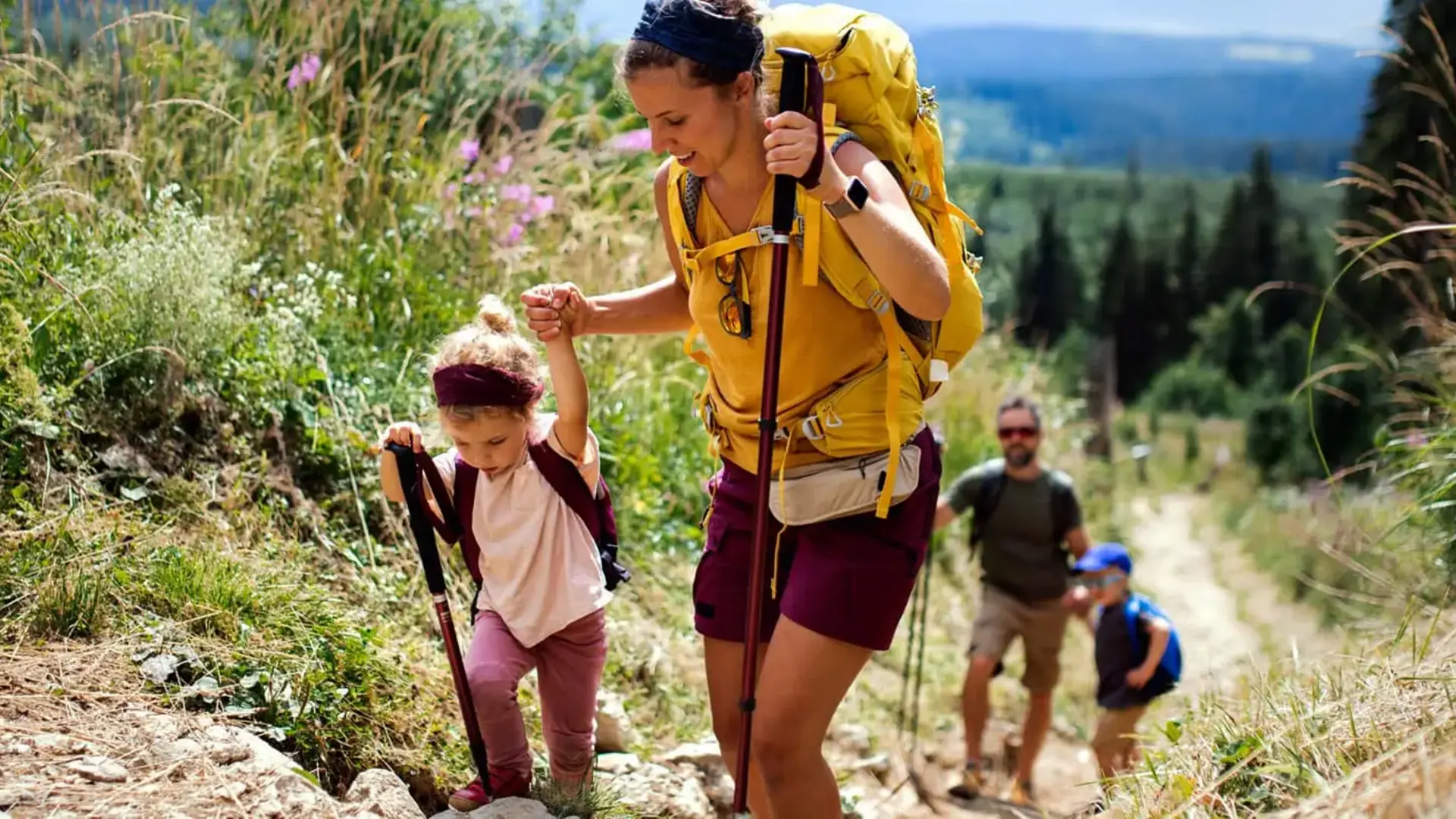
If you are traveling with kids, older parents, or anyone anxious about the physical demand, private briefings can calm things down. The guide can explain what the hard moments look like and what the support plan is, which turns uncertainty into a clear system.
A Real Advantage in Guide Attention and Decision Making
This is one of the biggest reasons why private tours feel different. On the Inca Trail, your guide is not just a person who points at ruins; he or she is the person who controls the rhythm, maintains the morale, and makes decisions that affect how your body holds up over multiple days.
Your guide to guest ratio changes everything
With a group trek, even a fantastic guide has limited bandwidth. He or she is managing time, managing the group, and managing logistics for multiple people with different requirements. With a private trek, the guide is now focused on you. This means more real-time coaching on your rhythm and respiration, more site information, and quicker adaptation if you’re having problems.
A guide who is really focused on your group can help you avoid problems. This can include recognizing when you’re hiking too quickly for the altitude and helping you learn how to slow down without feeling like you’re failing. This can also include helping you manage your breaks so that you don’t stop in windy areas that can cool your body down too much.
Another benefit is the ability to make decisions without resistance. If your party wants to linger at a view, you can. If you want to hike through a stretch to get to camp earlier and rest, you can. You are not negotiating with the moods and energy of 15 other people.
You get deeper context at ruins, not just quick explanations
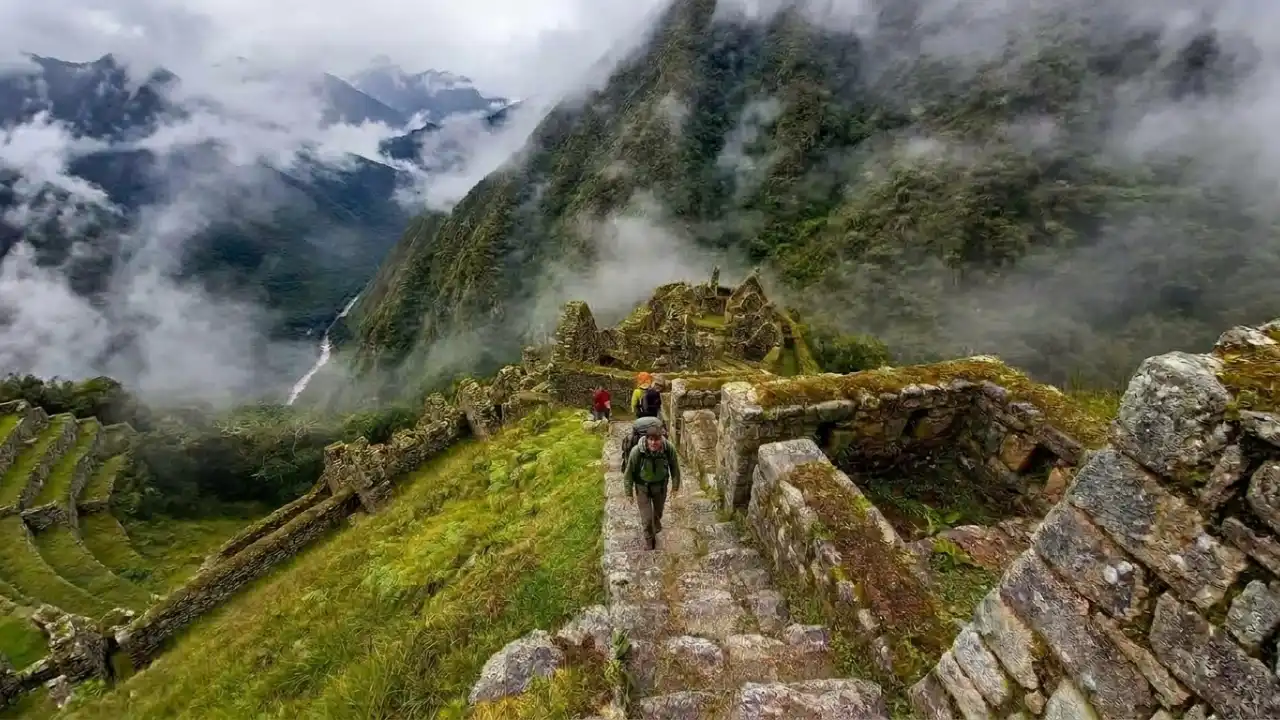
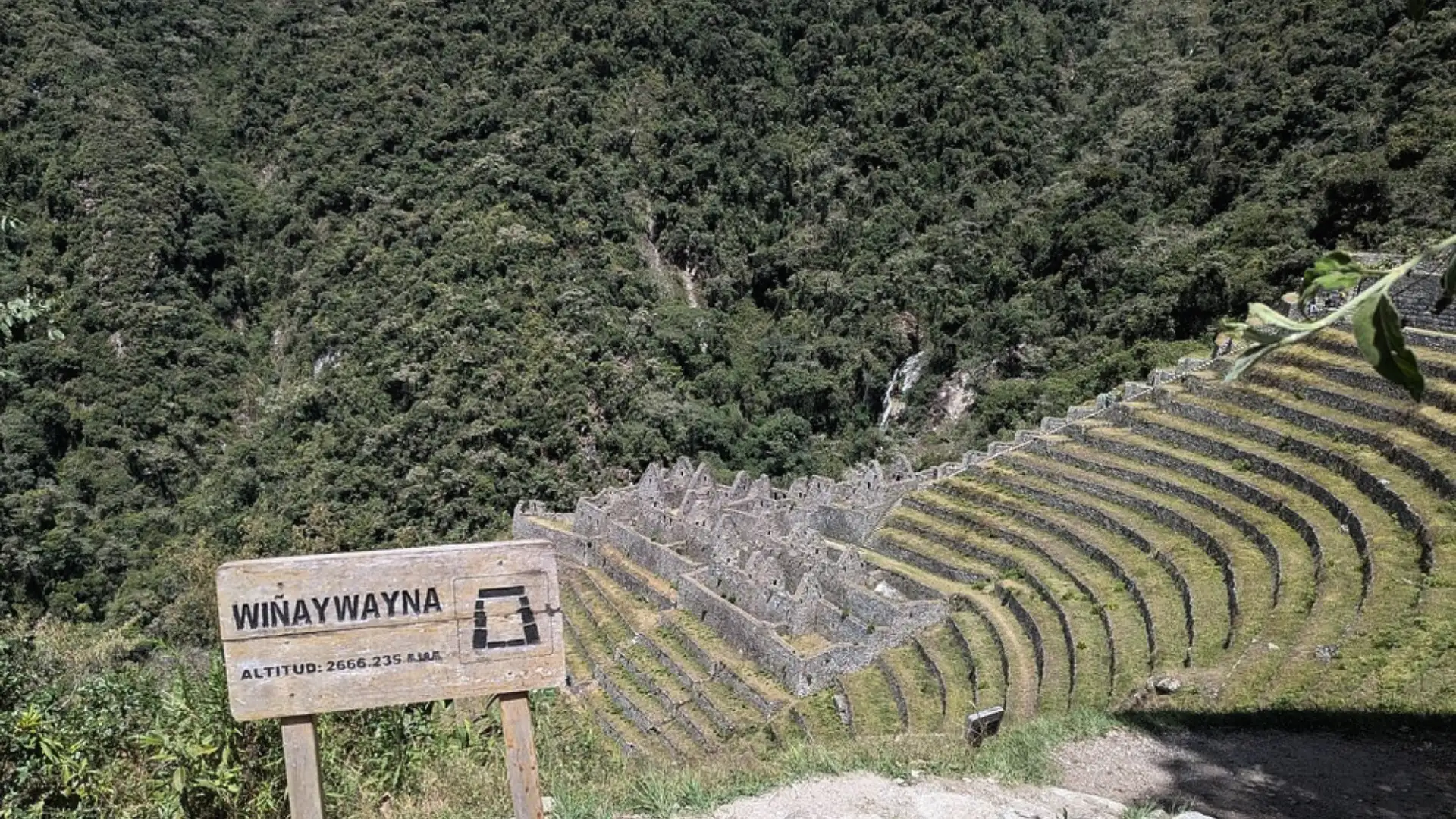
The ruins of the Inca Trail are more than just places to take pictures. Places such as Patallacta, Runkurakay, Sayacmarca, Phuyupatamarca, and Wiñay Wayna have particular purposes and features. A personal guide can take the time to describe why the Incas chose to build where they built, what the water features are, how the terracing was done, and what you are actually looking at behind the stone walls.
In private, guides can also help visitors connect the dots between the sites. Instead of focusing on each ruin as its own individual location, the guide can help visitors understand the role of the trail as a whole, the control points, and the difference that altitude and terrain make in the style of architecture. It makes the route feel intentional, rather than arbitrary.
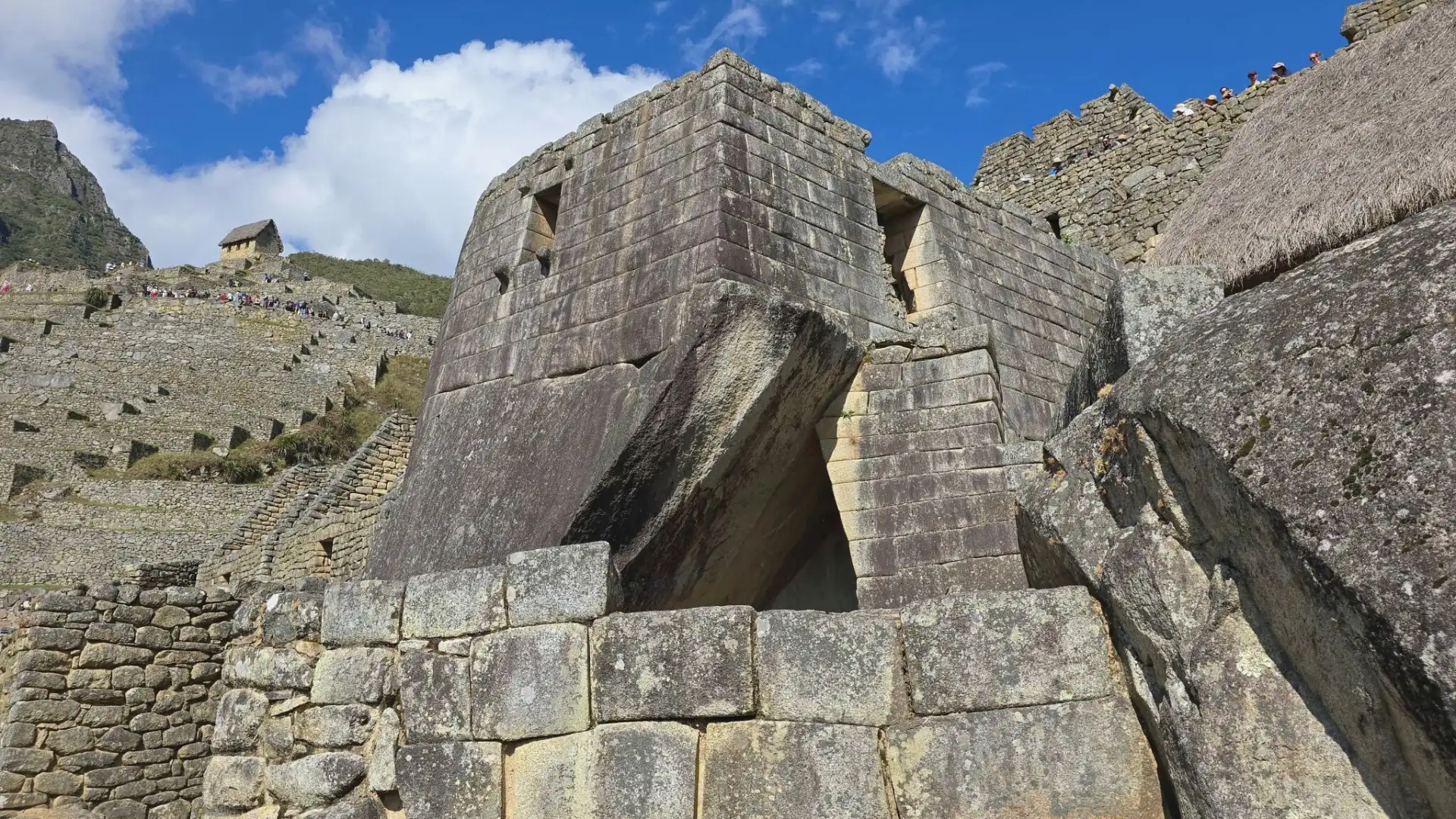
You also get more time to ask the kinds of questions that travelers might actually have, like how the rocks were moved, why the doorways are trapezoid in shape, or why some of the sites feel ceremonial, some feel military, and some feel administrative. Those kinds of answers take time, and private tours provide that time.
Pacing and Daily Flow That Matches Your Body
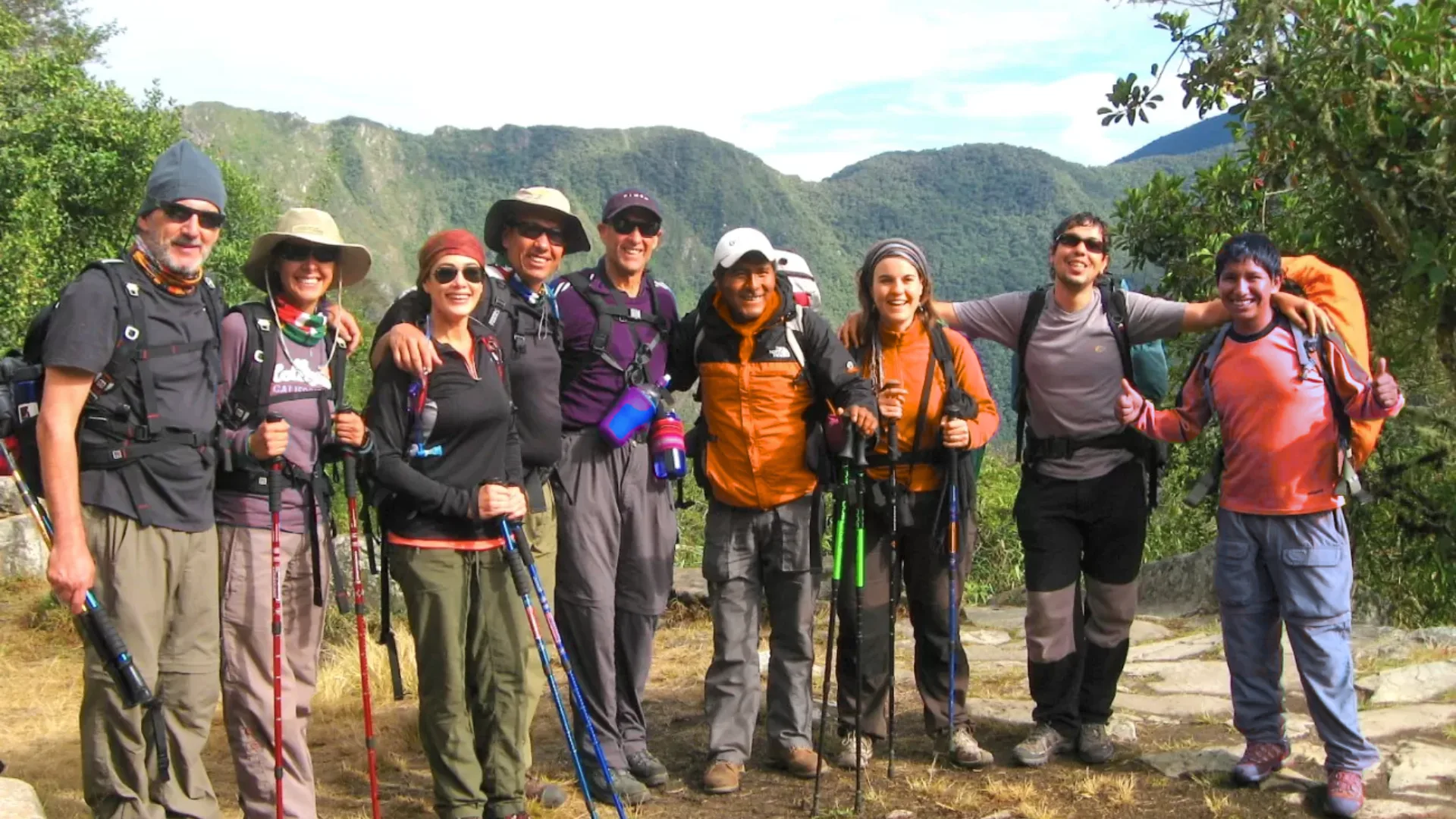
Private pacing is not about speed; it is about consistency. Consistency is what preserves your legs and your energy over multiple days.
Fewer stop and go interruptions
Group treks can become a never-ending cycle of waiting and catching up. This can leave you colder on ridges, hotter on climbs, and more exhausted by afternoon. In private, stops can be taken where they are most beneficial to your breathing and energy levels, particularly before challenging climbs and high passes.
A more consistent rhythm also relieves mental exhaustion. When you are constantly stopping and starting, your mind becomes as tired as your legs. Private pacing keeps your mind sharp, and this is important when the trail begins to feel long.
Another technical aspect of private pacing is photography. In private, you can stop for photos when the lighting is good, not just when the group stops. This allows you to take better photos without rushing, and you will not feel like you are interrupting others.
More realistic recovery at altitude
Recovery at altitude has to do with sleep, food, hydration, and stress. When your day goes more smoothly, you tend to waste less energy on things like frustration and waiting. This can help your sleep situation in camp, and sleep is one of the largest performance variables on multi-day hikes.
Private tours also help with appetite variability. Some folks just don’t want to eat at altitude, and they need to snack smaller and more often. Others need to eat more substantial meals to help with recovery. A private crew can work with you and keep you fueled in a way that your body needs, and this directly relates to how you feel the next morning.
There is also a morale benefit to this. When folks feel like they are being managed and taken care of, they tend to sleep better and feel better in the morning. When they feel like they are being rushed or are falling behind, stress levels go up, and sleep suffers.
Camp Logistics That Feel Cleaner and More Comfortable
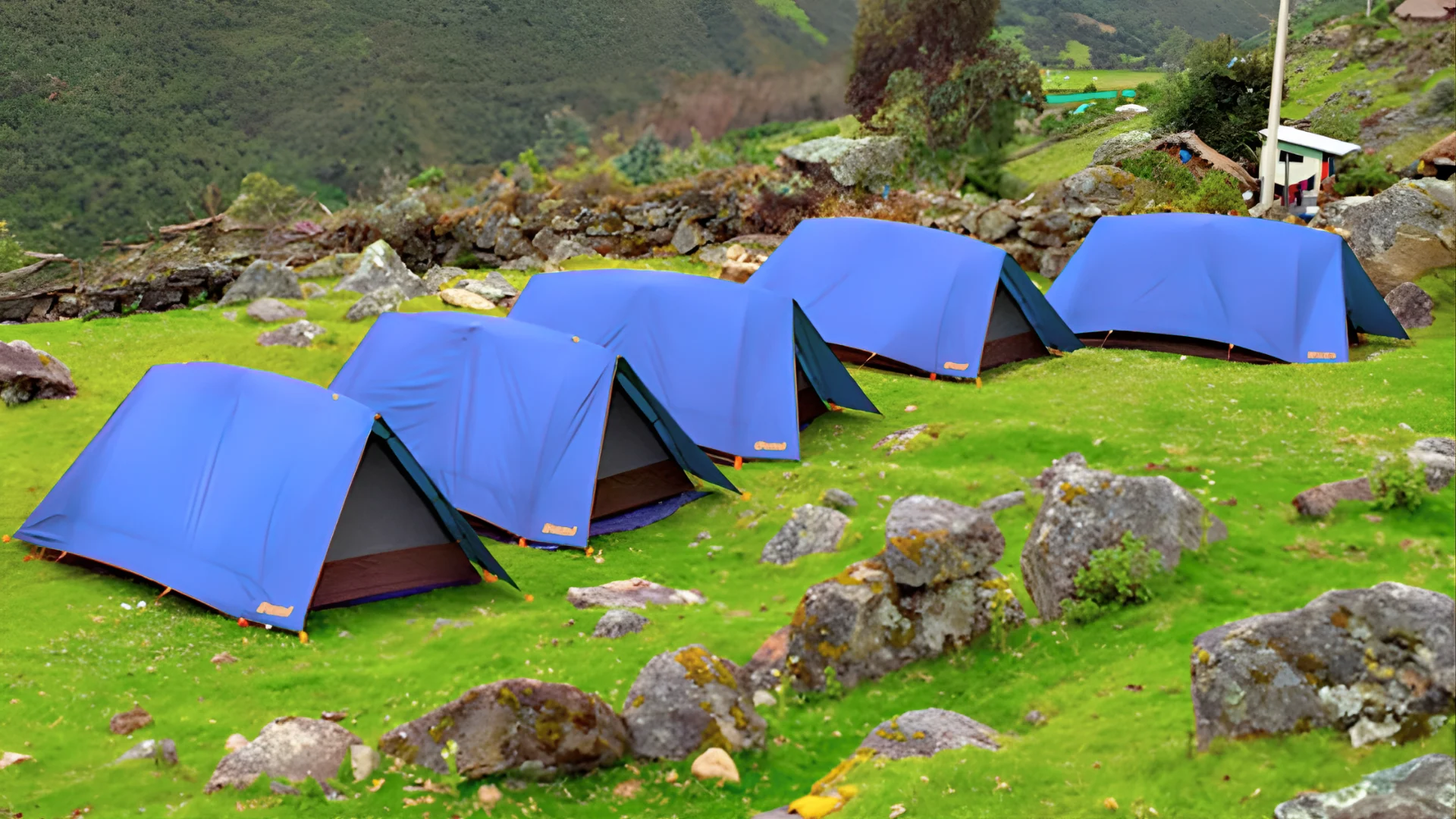
You still camp on the Inca Trail, but the experience can be vastly different depending on how it is organized. Camp is where you recover, and it is the recovering that determines how Day 2 and Day 3 feel.
More predictable camp setup and less confusion
Private tours usually result in a more predictable camp experience. Your duffel bag is delivered, you have a tent to go to, and you know when dinner is going to be served. When you are cold and tired, this is not a luxury item; it is a necessity for you to recover.
A clean routine also means you don’t have to worry about end-of-the-day stress. In a group tour, you might have to worry about where your gear is, whether you have hot water, when dinner is, and what is going on the next day. In a private tour, you don’t have to worry about these things.
Another benefit of private tours is the space you have. In a private tour, you are not surrounded by strangers. The ambiance is more peaceful, and it is a more romantic experience.
Better control over meals and dietary needs
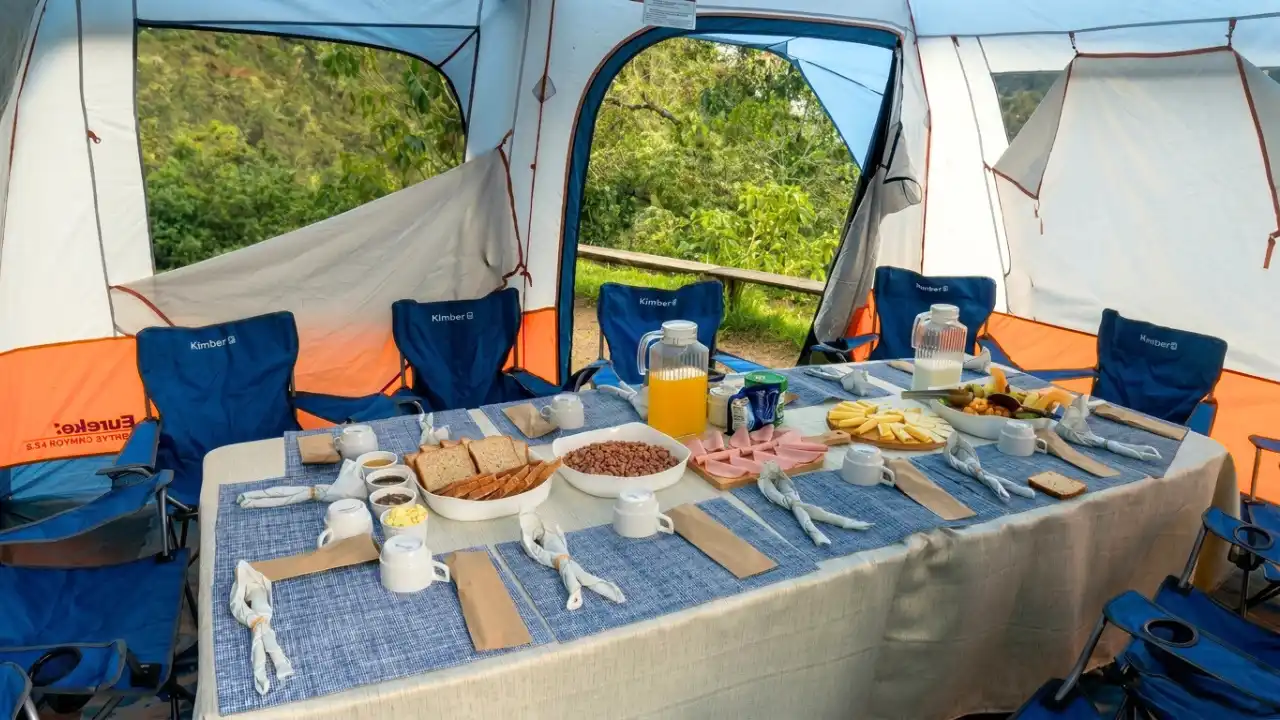
During a hard trek, food is not just about taste; food is about energy and recovery. With a private tour, food needs are usually met with regard to dietary needs such as vegetarian, gluten free, lactose sensitive, and reduced appetite at high altitudes. This is important since most people find it difficult to eat large meals when they are at high altitudes and tired.
Private food service appears more personal and consistent. You feel like the team is monitoring your progress and adjusting accordingly, rather than just providing food and moving on.
Additionally, your hydration needs are usually well managed. A good private food service crew knows how important consistent hot drink provision and refill reminders are. This helps prevent headaches and fatigue caused by dehydration, which is usually common during the trek.
Smarter Timing at Crowded Points and Archaeological Sites
Timing is a quiet advantage that improves your photos and your experience. The Inca Trail has natural congestion points, and when you hit them matters.
You can avoid predictable congestion
Certain trail sections bottleneck, especially near ruins and narrow stair segments. A private guide can shift breaks and walking windows so you arrive when it is calmer. That means fewer people in your photos, less noise during explanations, and more space to actually enjoy the place.
This also improves safety on stairs and narrow edges. When there is congestion, people move unpredictably and you end up stopping in awkward spots. Better timing reduces that stress.
It also makes your site visits feel more respectful. Instead of feeling like you are in a line, you can stand back, absorb the space, and let your guide explain without shouting over other groups.
A more controlled arrival into Machu Picchu
The final approach is emotional for most people. With private, you can manage the timing and the pace so the Sun Gate arrival feels like a moment, not a rush. Your guide can also help you understand what you are seeing, where to stand, and how to get the classic views without panicking about crowds.
Private tours can also make the transition into Machu Picchu smoother. Instead of feeling like you suddenly enter a chaotic tourist zone, your guide can prepare you for what happens next and keep the experience grounded.
This is also where a private guide can help with photos in a practical way, not by taking a million pictures, but by putting you in the right position at the right time so you do not waste the moment.
Safety and Support When Things Do Not Go Perfectly
The majority of the issues on the Inca Trail are minor, but the impact of a series of minor issues can be significant if not addressed quickly. Private tours minimize the risk of this happening.
Faster adjustments if someone is struggling
If one of the hikers experiences a headache, nausea, blisters, or simply has a bad morning, the private tour guide can slow down the pace and make the best of the situation without having to keep up with the pace of the rest of the group. This could potentially prevent a bad morning from becoming a bad day.
Another significant factor to consider is the emotional support aspect of the private tour. Sometimes hikers get mentally exhausted on the climb. With a private tour guide, one can be emotionally lifted up because the private tour guide can be there to support and normalize the situation.
With a private tour, one can also get support from the rest of the team to help one deal with the issues that may come up on the way. This could potentially be very helpful if one experiences issues such as blisters or headaches.
More proactive monitoring
In a private setting, a good guide can detect subtle signs of warning, such as the person not eating, not drinking, walking unusually quiet, or breathing heavily. These interventions, although simple, can be difficult in large groups.
They can also assist you in temperature regulation, which can be a problem in the Inca Trail. Many people get too sweaty, stop, and then get cold. A private guide can encourage you to change layers at the right time, which can prevent you from getting cold.
Value and Cost, What You Are Actually Paying For
A private tour will cost you more, but the price is not simply a matter of comfort. It is a matter of staffing, flexibility, and design.
You are paying for allocation, not just exclusivity
Private typically means more staff per guest, a more tailored food program, and greater flexibility. These are actual resources the operator must commit to your group. If the operator is good, the price difference is a function of staffing and service design, not simply branding.
You are also paying for reduced friction points. This means less waiting, less compromise, better flow, and cleaner logistics. On an altitude trek, smoothness is not a trivial consideration; it has a direct impact on performance.
Private makes the most sense for specific traveler types
Private tends to deliver the highest value for couples who want a calmer trip, families with mixed fitness levels, friends who want their own rhythm, and travelers who are anxious about altitude or group pressure. If you are very social and price sensitive, a shared trek can still be a great experience.
Private is also a smart choice for travelers with specific goals, like photography, birdwatching, or a deeper cultural focus. Those goals require time, stops, and customization that shared groups cannot always support.
How to Tell if a Private Tour Is Actually Better
Not every private tour is well run. These are the practical signals that matter, especially when comparing operators.
Ask about guide to guest ratio and porter support
A true private setup should clearly state how many guides, assistant guides, and porters you will have. Vague answers are a red flag. Strong operators explain exactly what support looks like and how duffel weight is handled.
You should also ask whether there is an assistant guide for your group. On the Inca Trail, assistant guides are useful because they can manage different walking speeds without splitting the experience.
Ask how meals and dietary needs are managed
If you have any dietary needs, ask how they handle cross contamination, what a typical menu looks like, and what snacks are provided during the day. The answer should be specific, not generic.
Also ask about water provision and hot drinks. These details sound small, but they are part of what makes a trek feel well managed instead of improvised.
Ask what flexibility is real and what is fixed
Some things are fixed, like permit dates and official campsites assigned by regulation. Other things are flexible, like pacing, break timing, wake up routines, and how long you spend at sites. A good operator will explain what can be customized realistically.
A strong operator will also tell you what cannot be changed, clearly and early. That is usually a sign they are experienced and reliable.
Bottom Line
A private Inca Trail tour is worth it when you care about pace control, deeper guiding, smoother camp logistics, and a calmer overall experience. You still do the hard work of hiking, but you do it with fewer friction points and with more attention on your group.
The biggest competitive advantage is simple. You do not just buy access to the trail, you buy a better system around you. That is what changes the quality of the trek.
Frequently asked questions about Private Inca Trail Tour: Competitive Advantages and Real Benefits
Yes, if you value flexible pacing, personalized guiding, smoother logistics, and a calmer overall experience. You are paying for better execution, not a different trail.
The trail is the same, but a private tour offers more guide attention, adjustable schedules, better meal control, and fewer compromises with other hikers.
Yes. Private tours allow the guide to set a pace that matches your fitness and altitude response, rather than forcing everyone to follow a group rhythm.
They can be. Guides can monitor you more closely, adjust breaks, manage hydration, and respond faster if altitude symptoms appear.
Private tours are ideal for couples, families, friends traveling together, photographers, and travelers who want a quieter and more controlled experience.
Usually yes. Private tours often provide more consistent camp organization, customized meals, and better attention to dietary needs and recovery.