International Day of Forests: Top Forests in Peru to Visit
Peru is not defined by just one type of forest. In a single country you can find the Amazon rainforest, misty Andean cloud forests, and unique northern dry forests, each with its own wildlife, climate, and landscapes. International Day of Forests is the perfect moment to see why these ecosystems matter for biodiversity, water, and local communities, and to discover the most important forest destinations you can experience in Peru.
Why International Day of Forests Matters in Peru
Peru is not “a jungle country” in a simple way. It is a country where forests change personality fast: steamy Amazon floodplains, misty cloud forests that feel like a living greenhouse, and dry forests in the north that look tough on the surface but are full of rare life. International Day of Forests is the perfect excuse to understand that variety and to appreciate how much of Peru’s identity, water, wildlife, and culture depends on healthy forests.
When International Day of Forests Is Celebrated
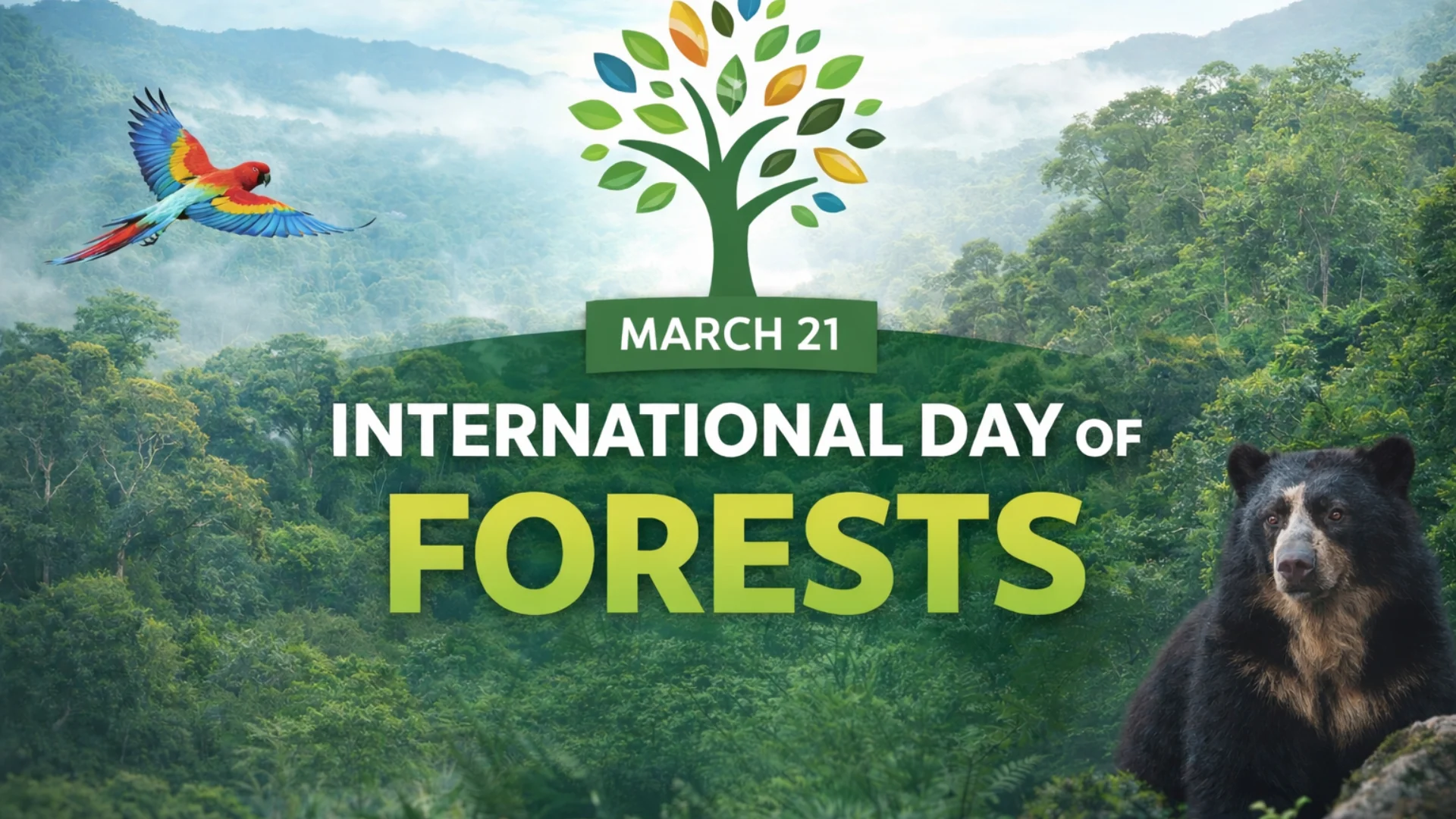
International Day of Forests is observed every year on March 21. Around the world, it is used to highlight why forests matter for biodiversity, water, climate regulation, and livelihoods. In Peru, it often becomes a moment to talk about conservation, restoration, and the communities that protect forest landscapes.
What Makes Peru a Forest Superpower
Peru has the Amazon, yes, but also forests that exist only because the Andes create dramatic altitude and climate changes. That means you can move a few hours and go from hot rainforest to cool cloud forest, or from coastal desert to a dry forest ecosystem that feels like a different planet. This range is why Peru is so rich in birds, orchids, mammals, and endemic species, and why the country is central to global biodiversity conversations.
Peru’s Main Forest Types You Should Know
Before choosing where to go, it helps to understand what “forest” means in Peru. These main forest types shape the climate, wildlife, and overall travel experience, and they explain why each region feels so different.
Amazon Lowland Rainforest
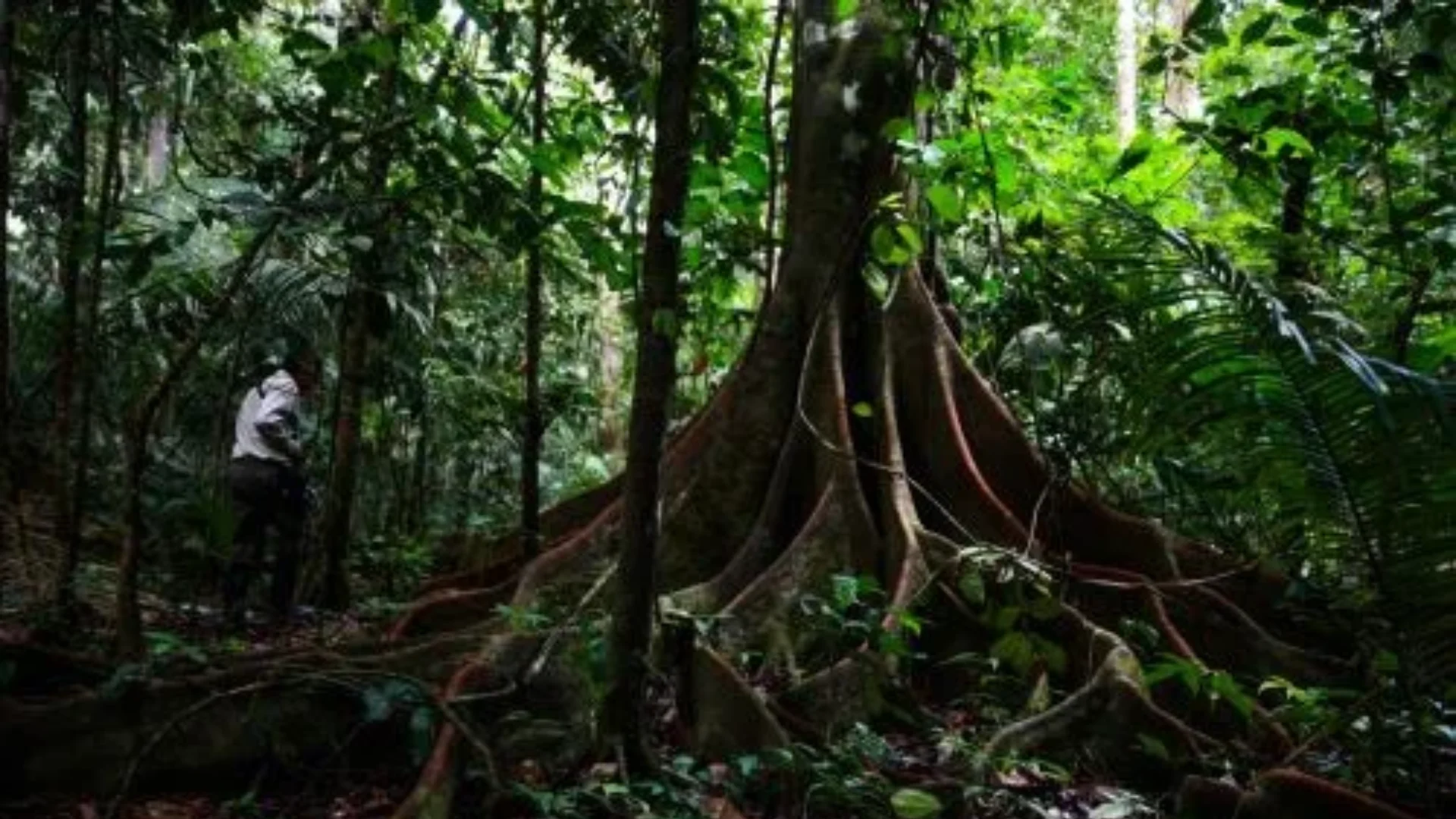
This is the classic Amazon: huge trees, heavy humidity, rivers everywhere, and wildlife that feels like it belongs in a documentary. It dominates regions like Loreto, Madre de Dios, and Ucayali. Travel here is often shaped by water, meaning boats, oxbow lakes, and lodge based exploration. The best part is how immersive it feels, because the forest is not a backdrop, it is the whole environment, day and night.
Andean Cloud Forest
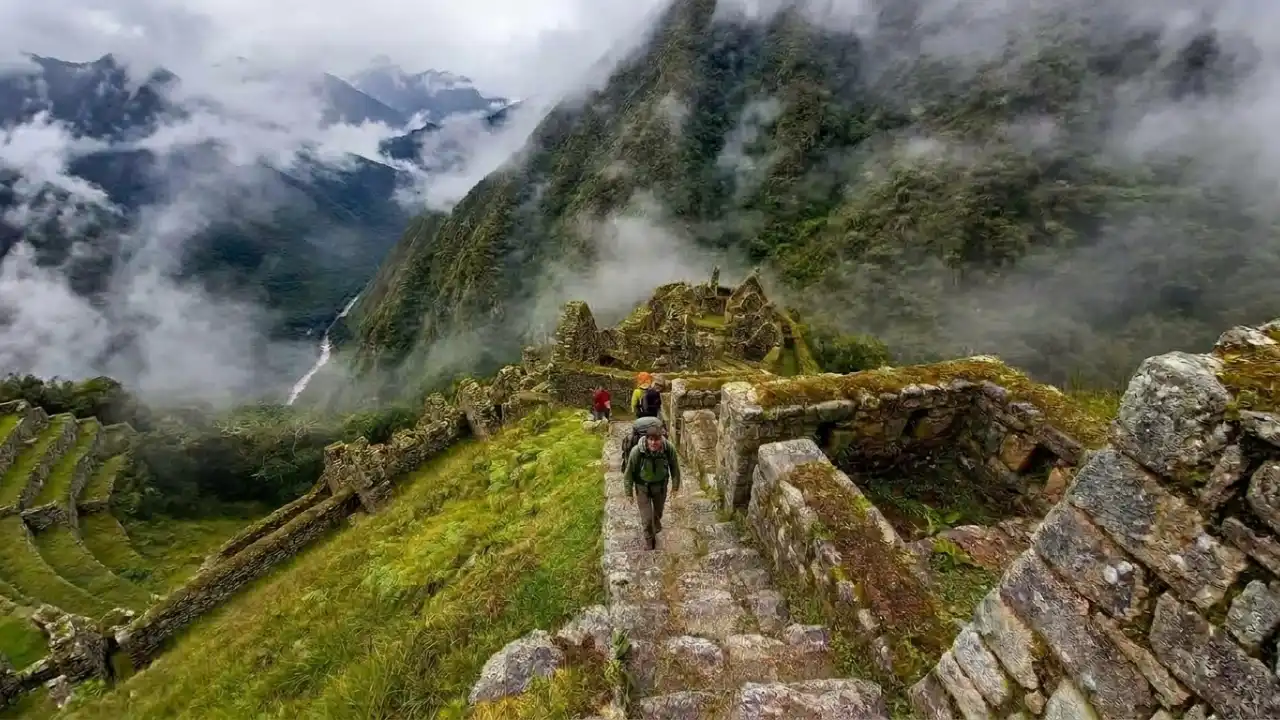
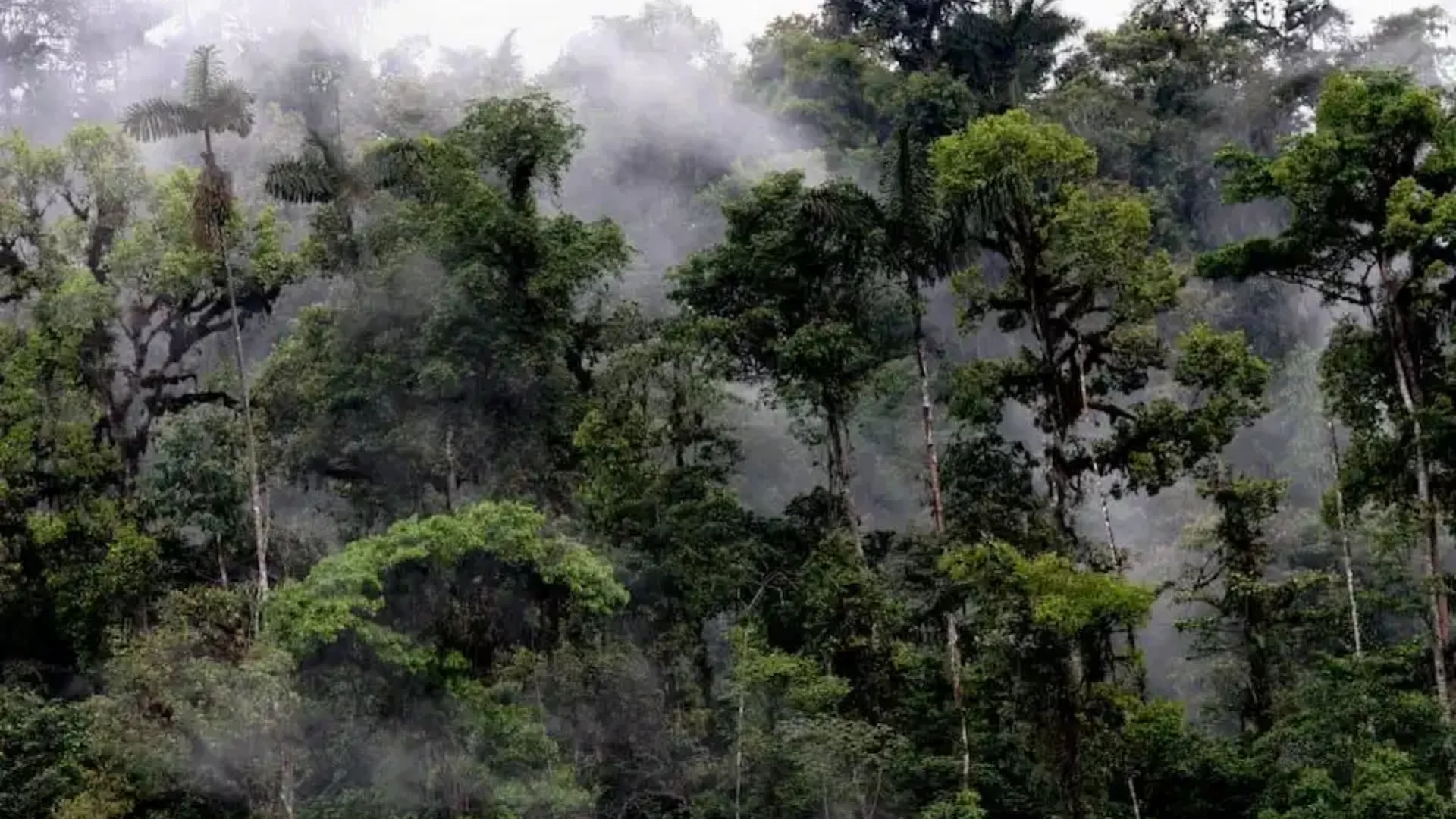
Cloud forest is where Peru becomes magical. This zone sits on the Andean slopes where warm Amazon air rises and turns into constant mist and drizzle. The result is lush, bright green life everywhere: moss covered branches, orchids, tree ferns, and birds that are easier to hear than see at first. It is cooler and often more comfortable than the lowland jungle, and it is one of the best forest types in Peru for travelers who want nature without extreme heat.
The Most Important Forest Destinations in Peru
Now that you know the main forest types, here are the places worth knowing by name. These protected areas are some of the most important forest destinations in Peru because they represent totally different ecosystems, climates, and travel experiences. Some are ideal for a short first Amazon trip, while others feel like true expeditions where the reward is distance, silence, and a stronger sense of wilderness.
Manu National Park
Manu is legendary for a reason. It protects an enormous area that stretches across multiple ecological zones, from lowland Amazon rainforest up into Andean cloud forest, which creates an exceptional range of habitats in one protected landscape. That elevation change is a big reason Manu is often described as one of the most biodiverse places on Earth: you are not just visiting one forest, you are moving through a whole ecological gradient. The experience also tends to feel more “raw” than other Amazon destinations because the park is remote, trips are longer, and logistics can be more demanding. But that difficulty is exactly what makes the payoff so strong.
Tambopata National Reserve
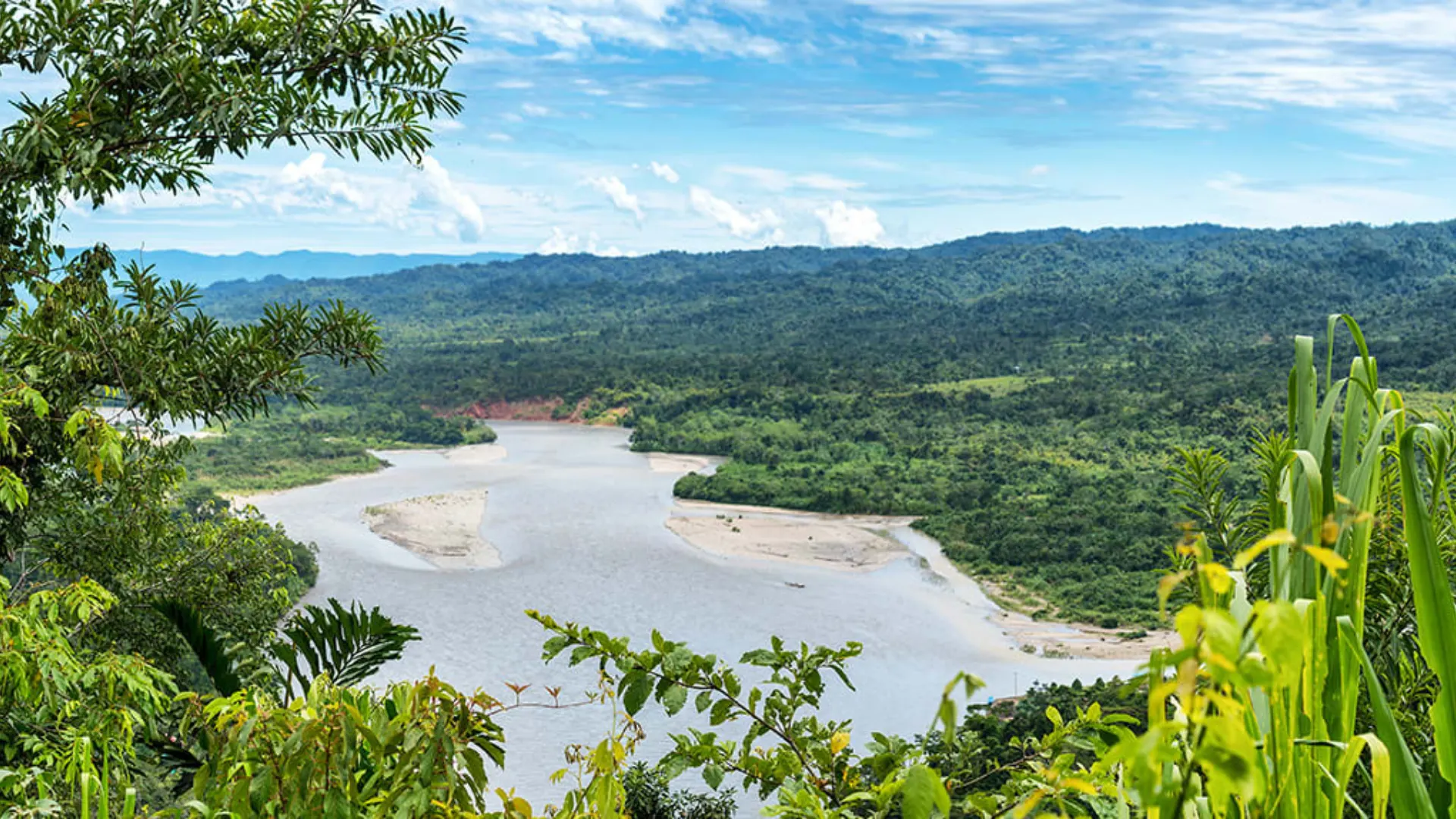
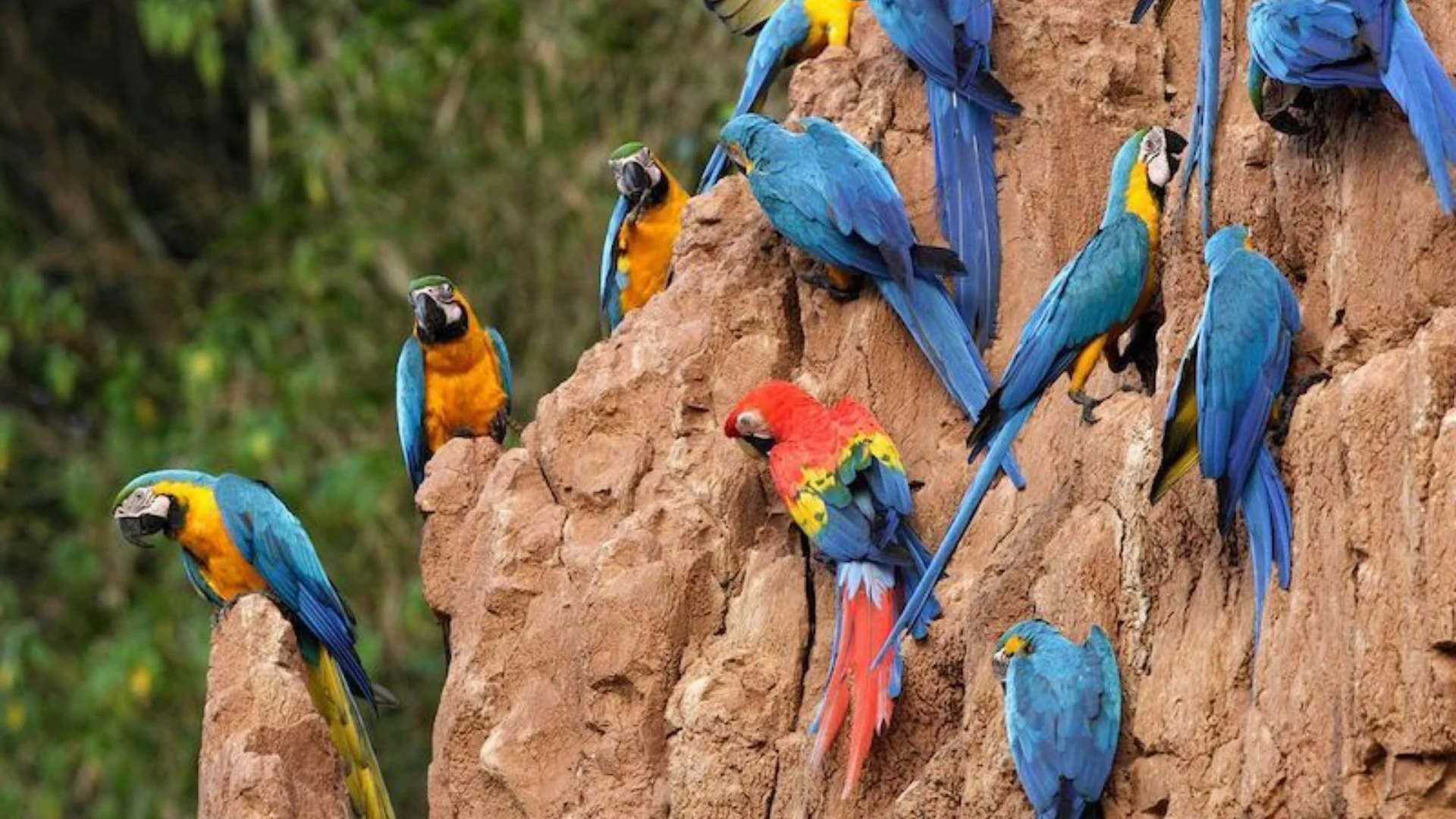
Tambopata is one of the best choices for a first Amazon trip because it combines real rainforest immersion with relatively practical access. Most travelers enter through Puerto Maldonado, and from there the experience usually becomes lodge based with a mix of river travel, forest trails, and early morning excursions when wildlife activity is highest. Tambopata is also known for classic Amazon highlights like clay licks, where colorful macaws and parrots gather, and oxbow lakes that can be strong spots for wildlife viewing. It is a strong pick for travelers who want high impact nature, comfortable logistics, and a higher chance of seeing wildlife within a short timeframe.
Pacaya Samiria National Reserve
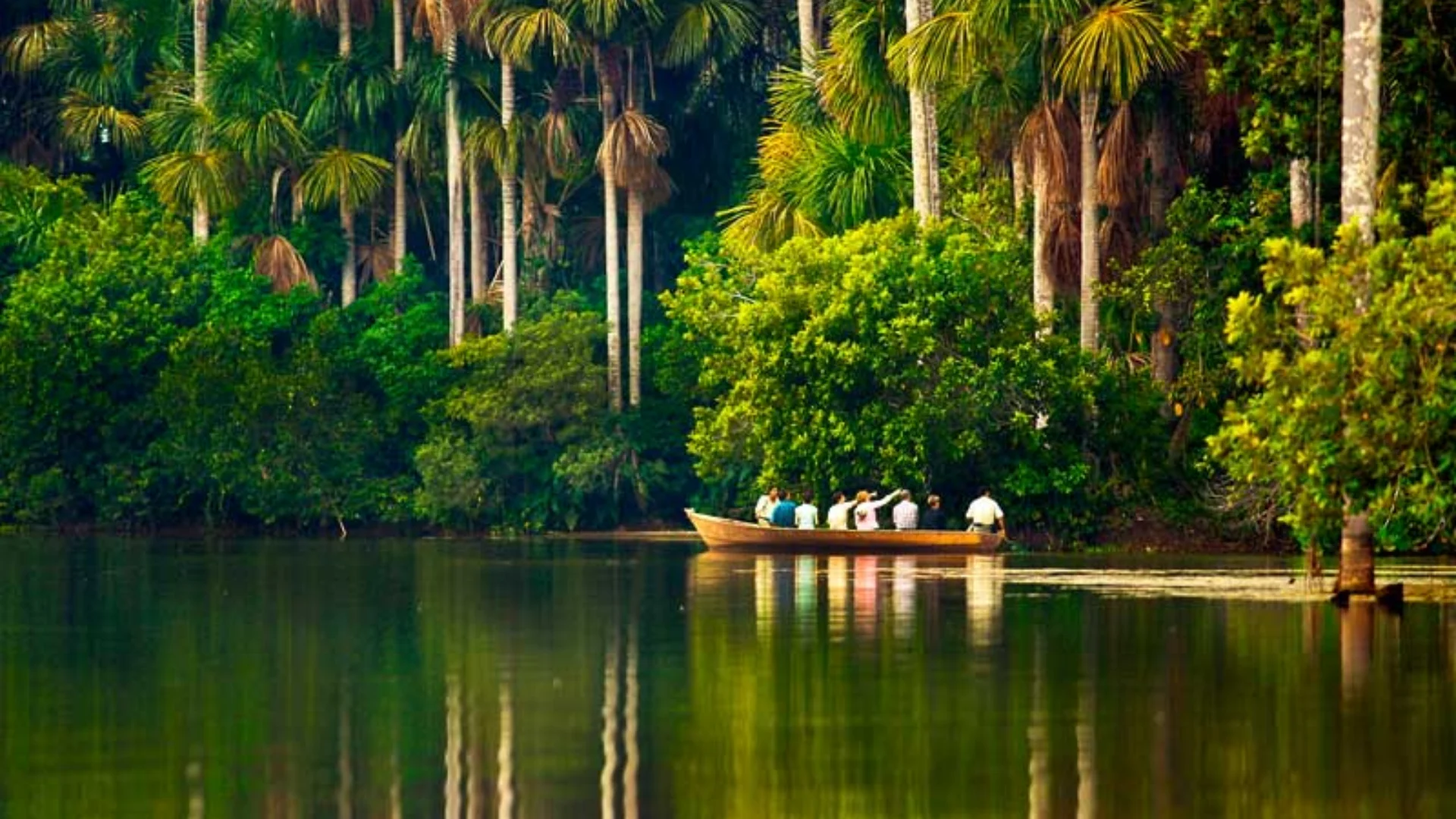
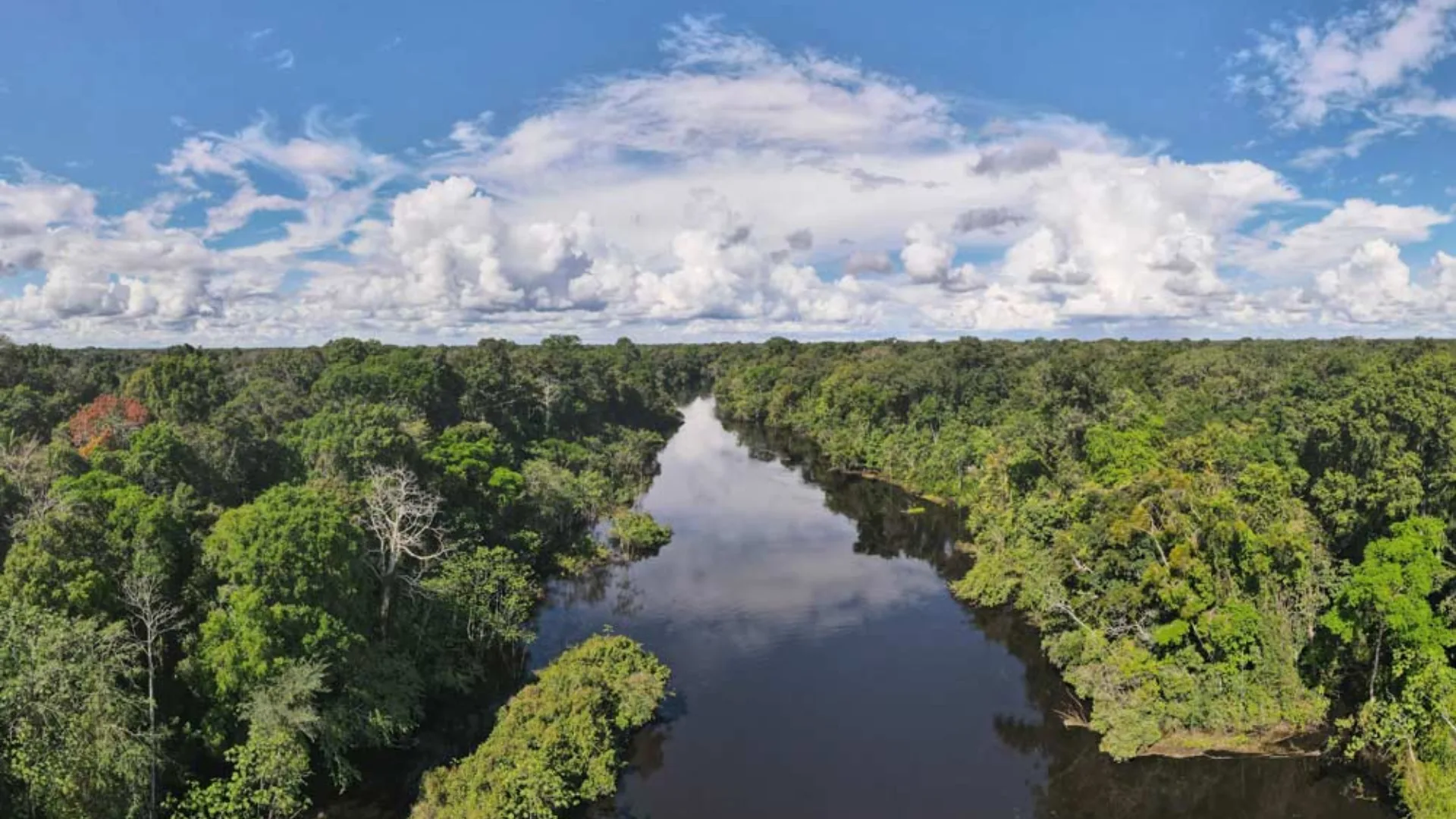
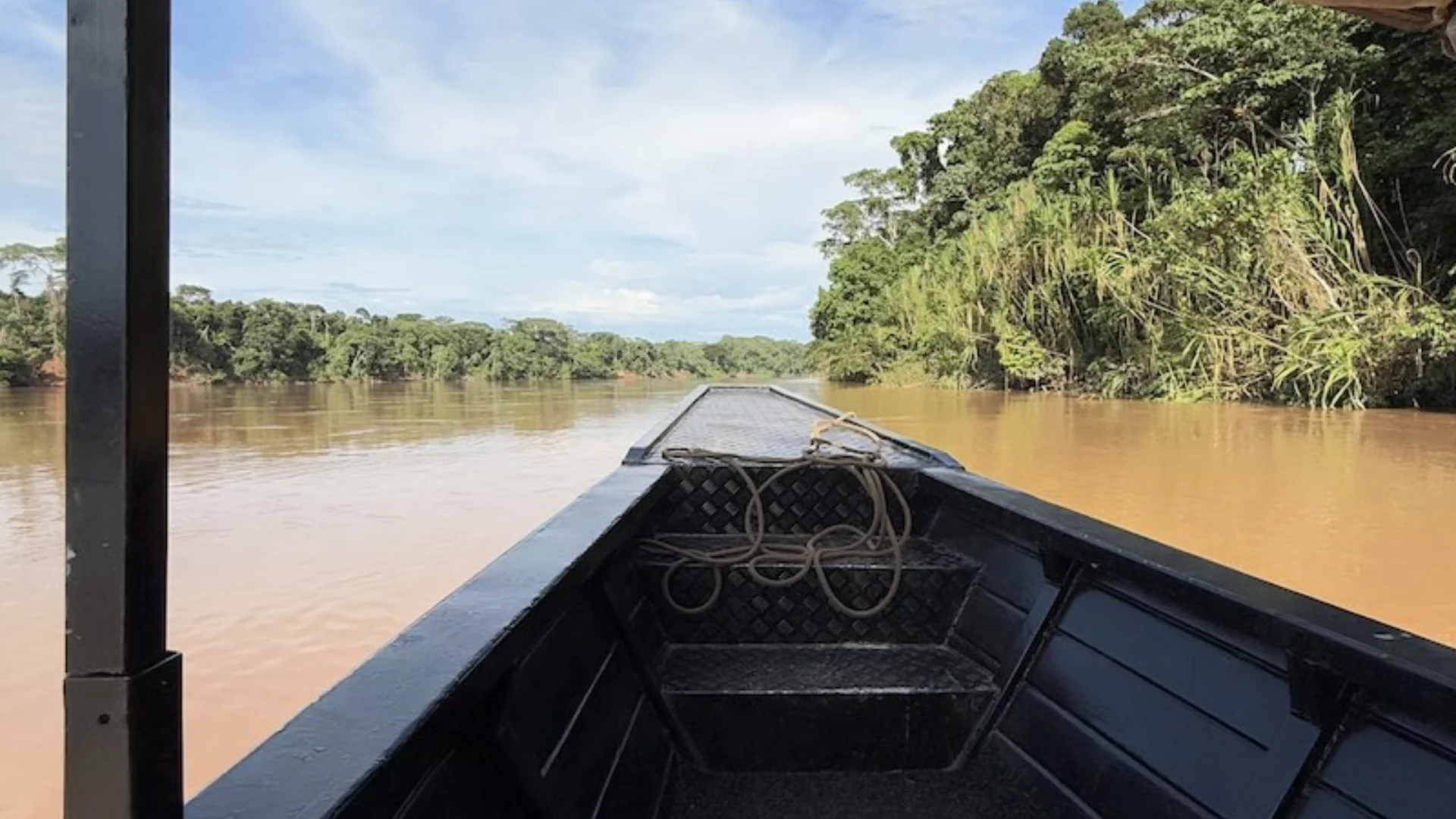
Pacaya Samiria is the flooded forest Amazon, and it feels completely different from the standard jungle lodge image. Water defines everything here, from how you move to what wildlife you see and when. Depending on the season, forest corridors become waterways, and boat travel becomes the center of the experience, often with long stretches of quiet navigation through narrow channels and open river systems. Wildlife watching here tends to include a strong river focus, and the overall atmosphere is often calmer and more expansive than trail heavy rainforest destinations. If your wants an Amazon experience shaped by rivers, lakes, reflections, and wide open horizons, Pacaya Samiria delivers that “water world” version of the rainforest that feels unique even within Peru.
Cordillera Azul National Park
Cordillera Azul matters because it protects a huge area of forested mountains and watersheds, helping maintain ecological connectivity across regions. Unlike more tourism heavy Amazon areas, this park is less known in standard travel planning, which makes it more important to include from an educational and conservation perspective. Its value is tied to scale: large protected forests help stabilize ecosystems, protect headwaters, and maintain habitat continuity for wildlife over long distances. For a blog, Cordillera Azul shows that Peru’s most important forest areas are not only the popular ones with lodges and tours. It is a destination that represents “big conservation,” and it helps your article feel more complete and serious.
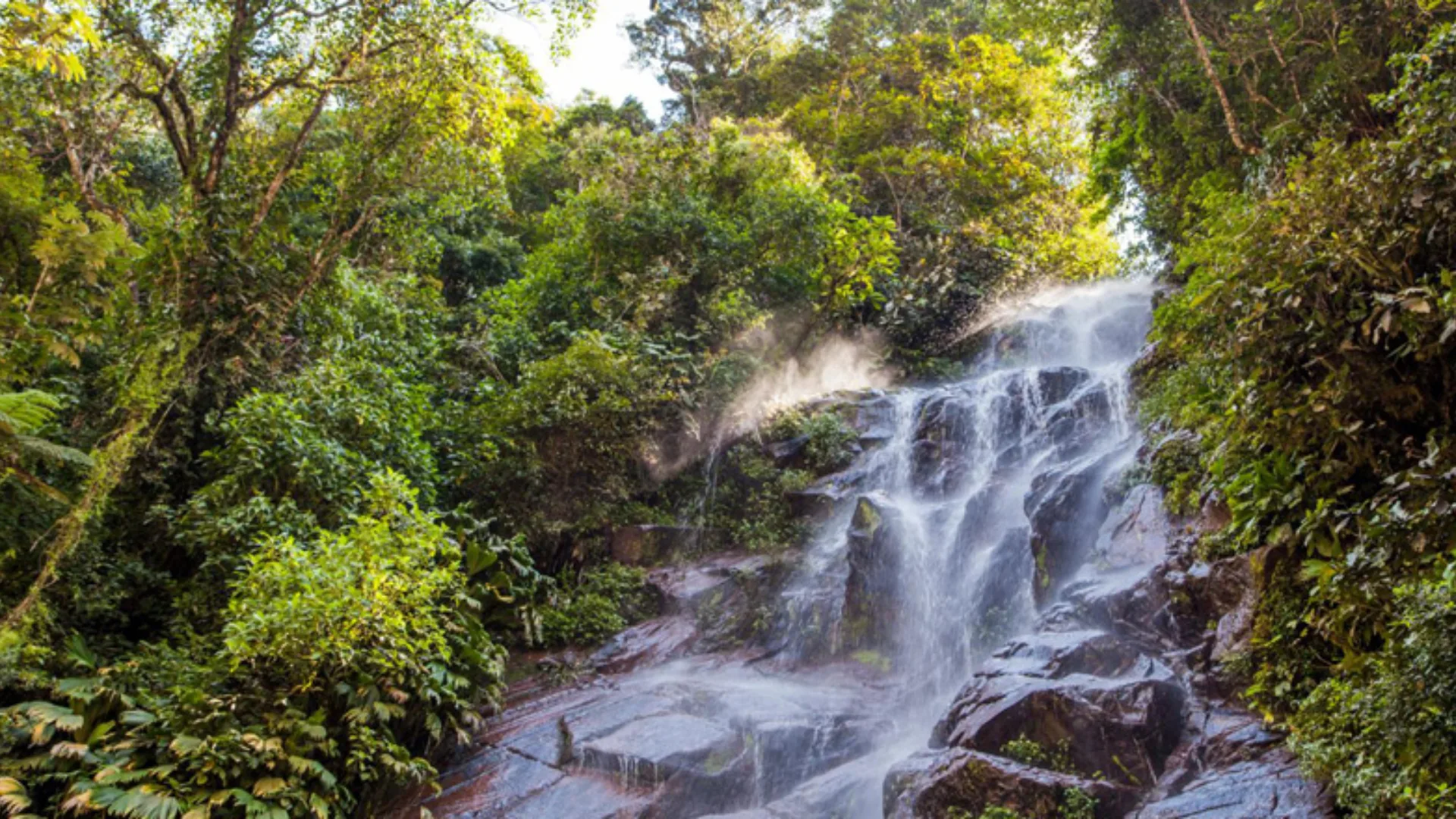
Alto Mayo Protected Forest
Alto Mayo is cloud forest beauty in northern Peru, and it is especially loved by travelers who prefer cooler temperatures and lush mountain greenery over the heavy humidity of the lowland Amazon. The landscape is often misty and bright green, with thick vegetation, mossy branches, and high diversity of birds and plant life, which is why it is frequently associated with birding focused travel. Alto Mayo is a forest experience that feels more accessible and easier to combine with other northern Peru routes. It shows how Peru’s forests are not just “Amazon trips,” but also mountain forest adventures with totally different scenery, climate, and biodiversity.
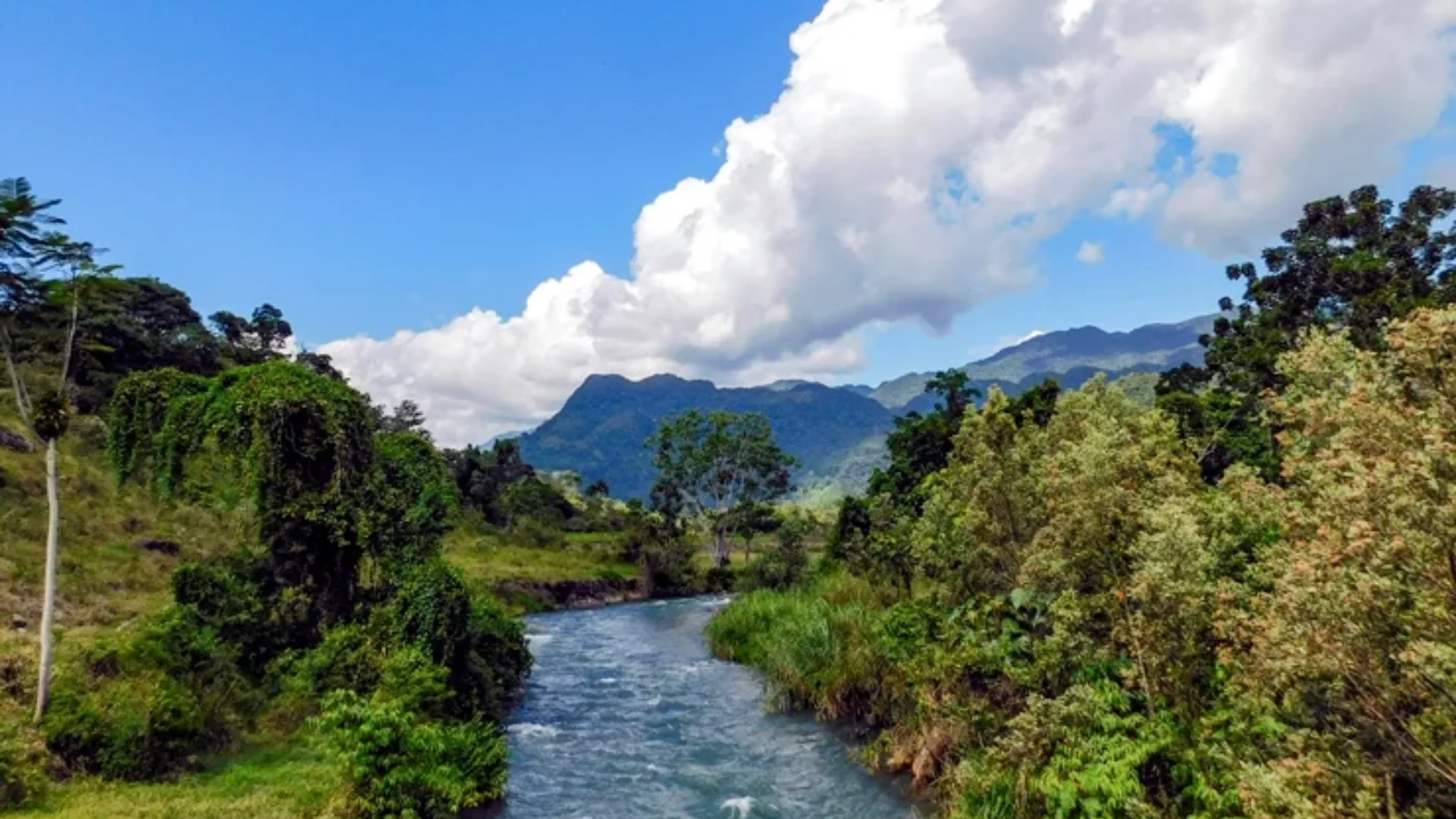
Yanachaga Chemillén National Park
Yanachaga Chemillén is a strong pick for travelers exploring Peru’s central jungle region near Oxapampa, an area that has a distinct identity and a different travel feel compared with the more common southern Amazon entry points. The park protects forests where Andean and Amazon influences overlap, which creates a rich mix of habitats and a strong sense of ecological transition. It also helps diversify your blog’s recommendations by giving people an alternative route if they want forest landscapes without the same crowds or the same standard Amazon itinerary pattern.
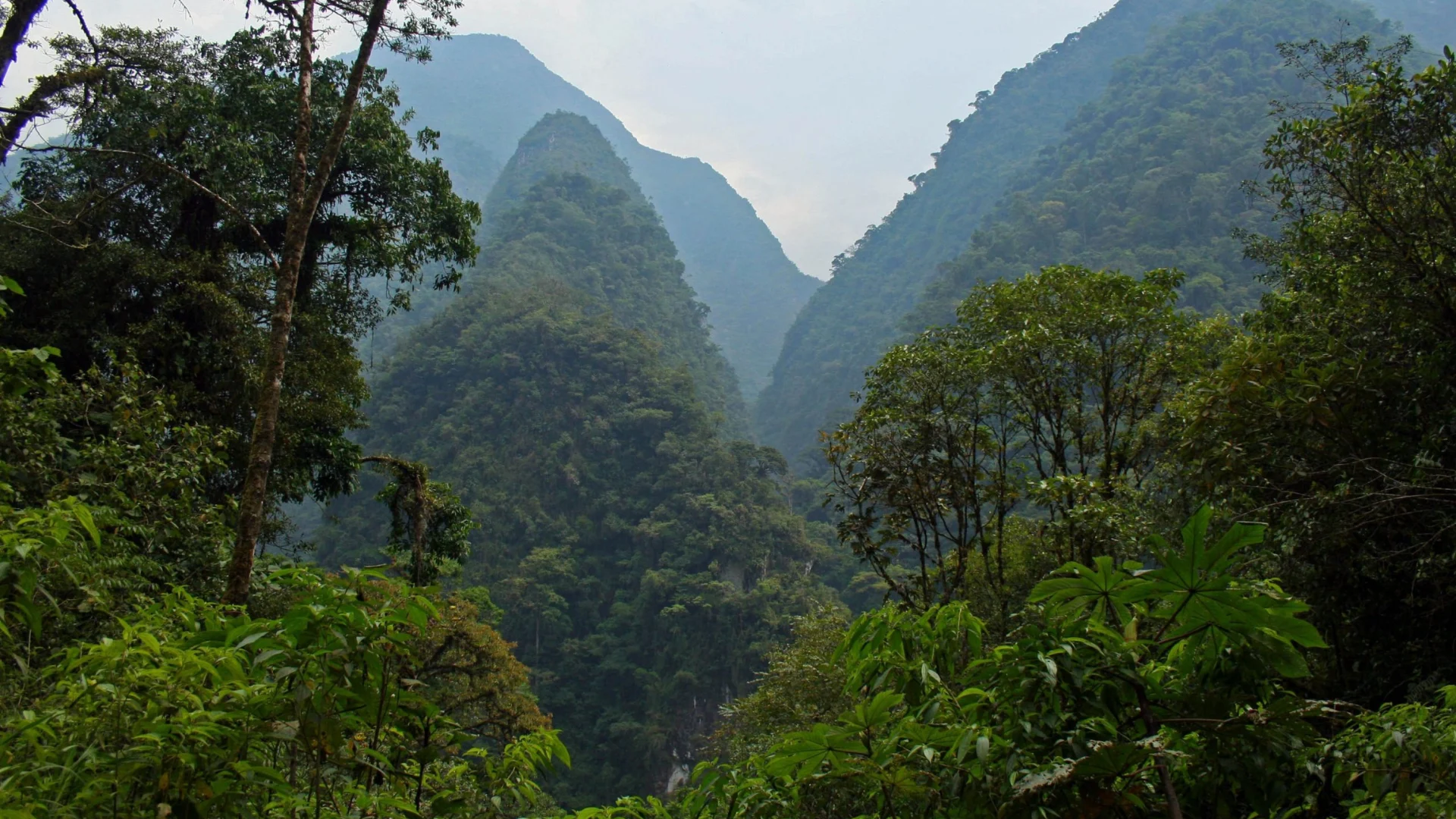
Cerros de Amotape National Park and the Tumbes Forest
This northern Peru’s dry forest ecosystem near the Ecuador border, which immediately breaks the stereotype that Peru’s forests are always wet, dense, and tropical. The climate here has a strong seasonal rhythm, and the landscape feels more open, sunlit, and rugged, with wildlife adapted to drought conditions and shifts in rainfall. That difference is exactly why it deserves a spot in a “most important forests” list: it represents a rare ecosystem type that many travelers never consider, even though it is one of the most distinctive forest stories in the country. If your traveling in northern Peru already, this is the forest destination that gives them a completely different nature experience.
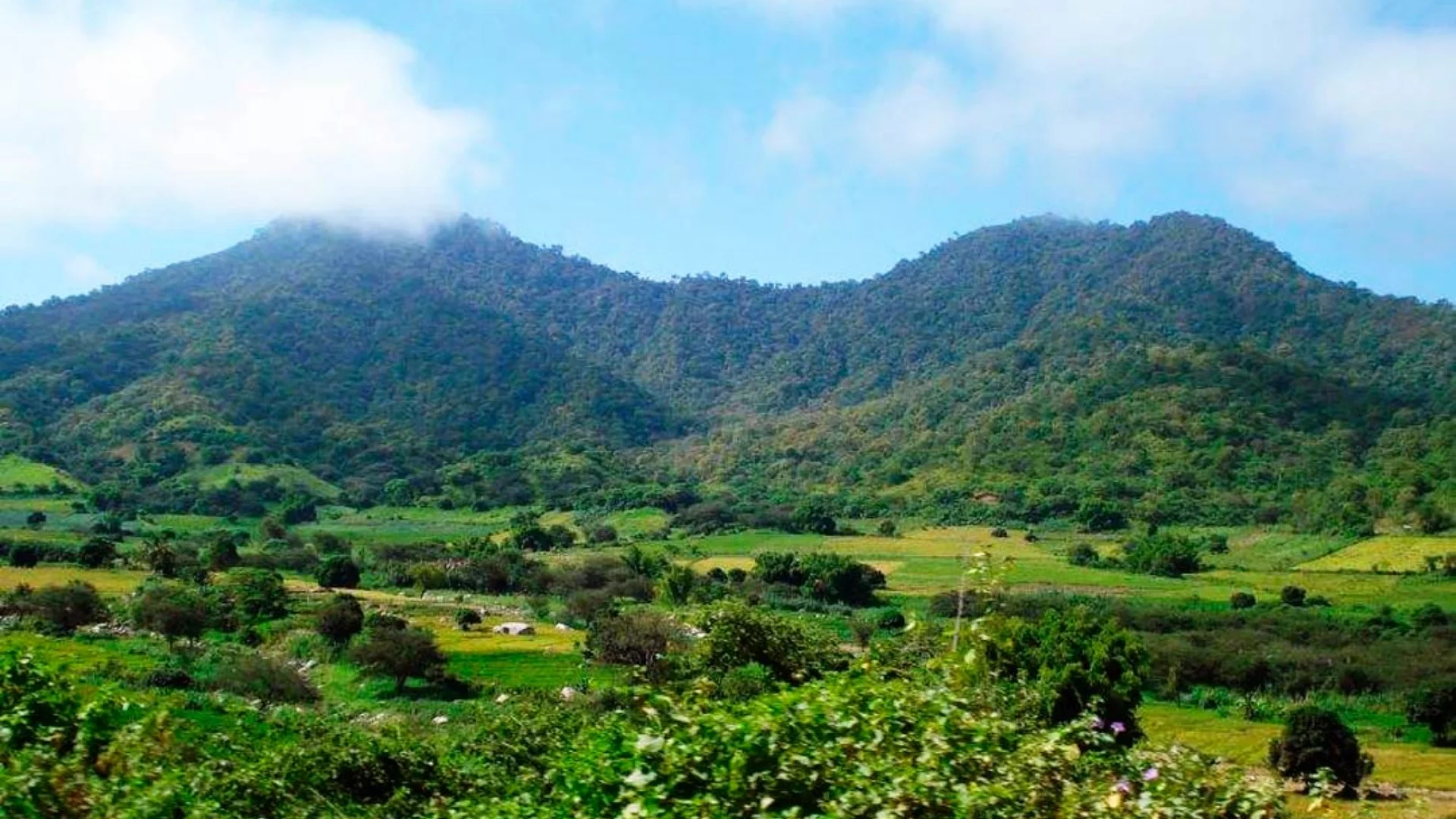
Bosque de Pómac Historic Sanctuary
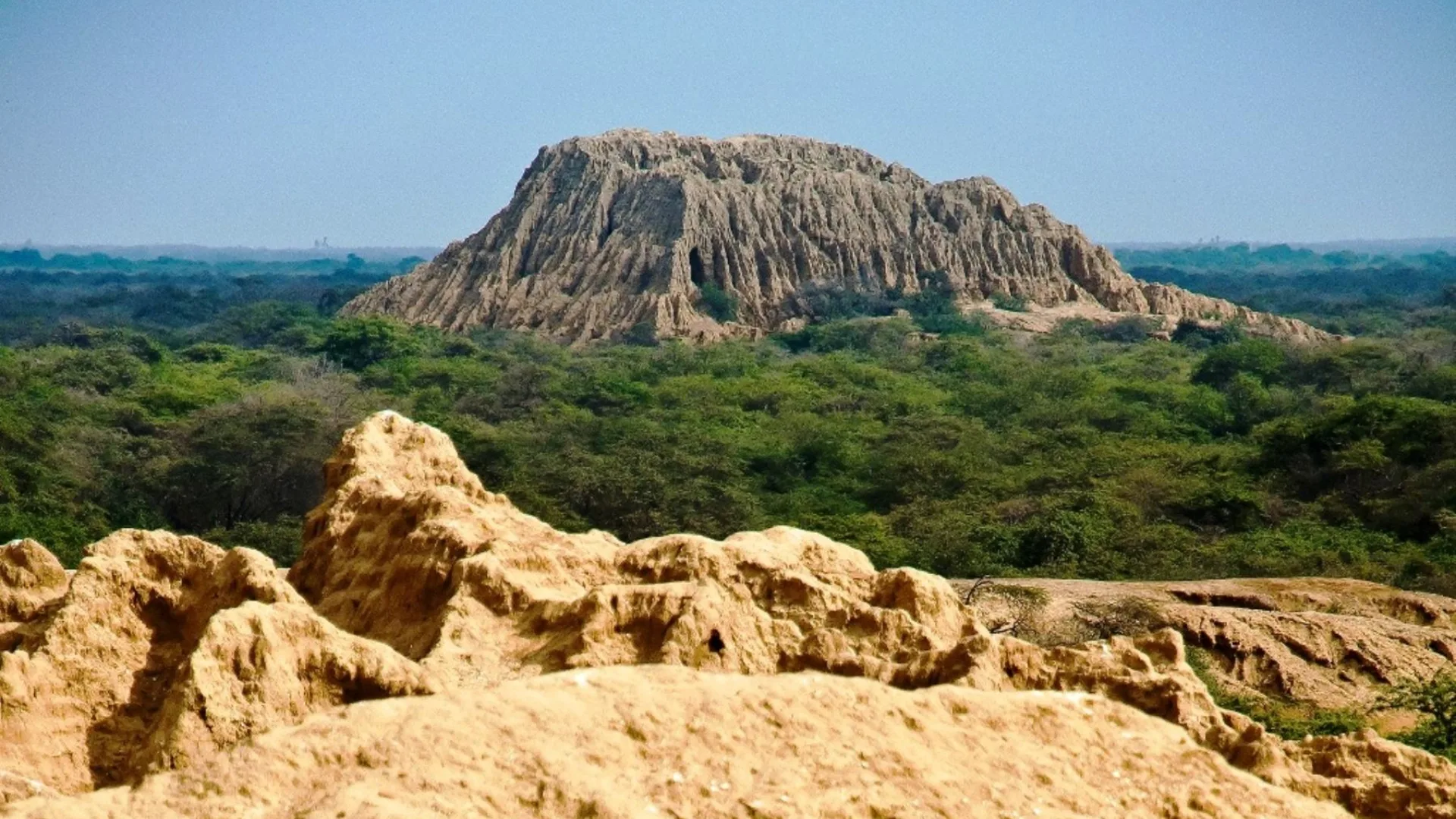
Bosque de Pómac is a standout because it combines nature and culture in a way that to understand and plan around. It is a dry forest sanctuary in Lambayeque, which means it represents northern Peru’s forest ecosystems while also connecting to regional history and heritage. This is especially valuable for travelers who want more than “just nature,” and prefer destinations where landscape and story are linked.
What You Can Actually Do in These Forests
These are the kinds of activities that make Peru’s forests feel real, memorable, and worth planning around.
Wildlife Watching That Feels Real (Not Just a Checklist)
In the Amazon lowlands, wildlife watching often means early mornings on rivers, listening first, then spotting movement in the canopy. In cloud forests, it is more about patience, bird calls, and sudden moments when the mist lifts and you finally see the shape of a rare species. In dry forests, you learn to look for subtle signs, because life here is built for efficiency and camouflage.
Forest Experiences Beyond Wildlife
Many people remember the “small things” most: the soundscape at night, the smell of wet earth after rain, the feeling of walking under trees that are older than modern history. Forest experiences in Peru can include canopy walks, clay lick visits, boat journeys at sunrise, orchid spotting, and cultural encounters with local communities where traditions and forests are connected.
Responsible Travel Tips
A forest trip is better when it is respectful, realistic, and well planned. These simple habits help protect fragile ecosystems while also giving travelers a smoother, more enjoyable experience.
Choose Tours and Lodges That Protect the Forest
A good lodge is not just comfortable, it runs responsibly. Look for clear waste management, local employment, respect for protected area rules, and guides who teach rather than chase wildlife for photos. If the operator can explain their conservation practices clearly, that is usually a good sign.
Simple Wildlife Etiquette That Makes a Big Difference
Keep a respectful distance, stay quiet, and avoid feeding animals. Do not pressure guides to “get closer” for photos. Wildlife encounters are better when the animal feels safe.
Plan for Weather and Logistics So You Don’t Get Stressed
Rainforest trips are better when you accept that rain is part of the experience. Dry bags, lightweight long sleeves, and flexible scheduling reduce frustration. In remote areas, delays happen, so building a buffer day into tight itineraries can save a trip from turning stressful.
Peru’s Forests Are Not One Story, They’re Many
International Day of Forests is a reminder that Peru’s forests are not a single destination. They are a network of ecosystems that protect biodiversity, shape rivers, support communities, and create some of the most memorable travel experiences in South America. If your wants a trip that feels alive, Peru’s forests deliver, as long as they choose the region that matches the experience they actually want.
Frequently asked questions about International Day of Forests: Top Forests in Peru to Visit
It is celebrated every year on March 21.
Because Peru combines Amazon rainforest, Andean cloud forests, northern dry forests, and high-Andean woodlands, creating massive biodiversity.
The main types are Amazon lowland rainforest, Andean cloud forest, northern dry forest, and high-Andean Polylepis forests.
Many travelers choose Tambopata because access is straightforward and the lodge experience is well developed.
Manu protects multiple ecosystems (from Amazon to cloud forest), which is why it is known for extremely high biodiversity.