Inca Trail Porter Law: How Regulations Shape Daily Logistics on the Inca Trail
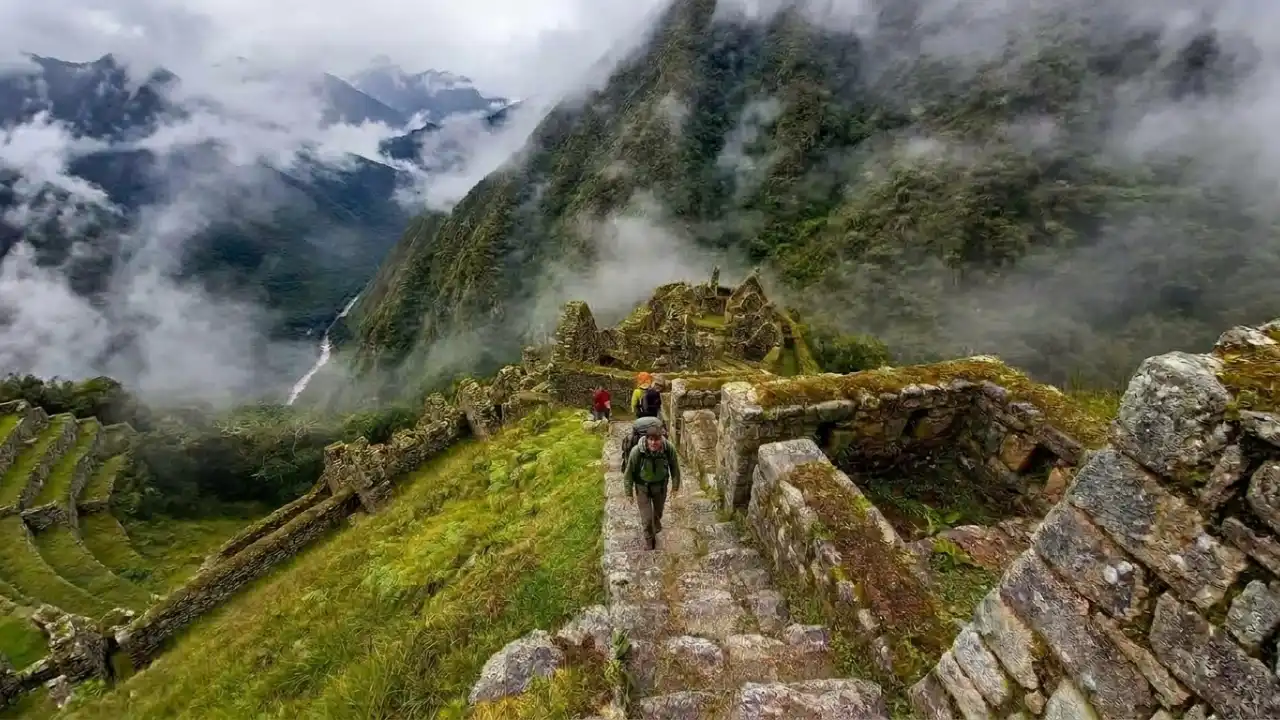
It is much more than a trail, the Inca Trail is one of the surviving road systems that connected ceremonial centers, administrative focal points, and sacred landscapes along the Andes more than 500 years ago. The Inca Trail was not a commercial trade route but was developed with political and spiritual motives to culminate at Machu Picchu.
The Inca Trail, owing to its historic and cultural importance, is not a route where free access is allowed. Nowadays, it operates under a system very tight: visitor numbers are controlled, labor conditions, and the logistics through which a daily operation takes place. This is in place to protect not just the archaeological heritage of the trail, but the people who make trekking possible, namely the porter workers.
The center of this system is the Inca Trail porter law, a legal framework that shapes directly how the trail functions daily.
The Role of Porters on the Inca Trail
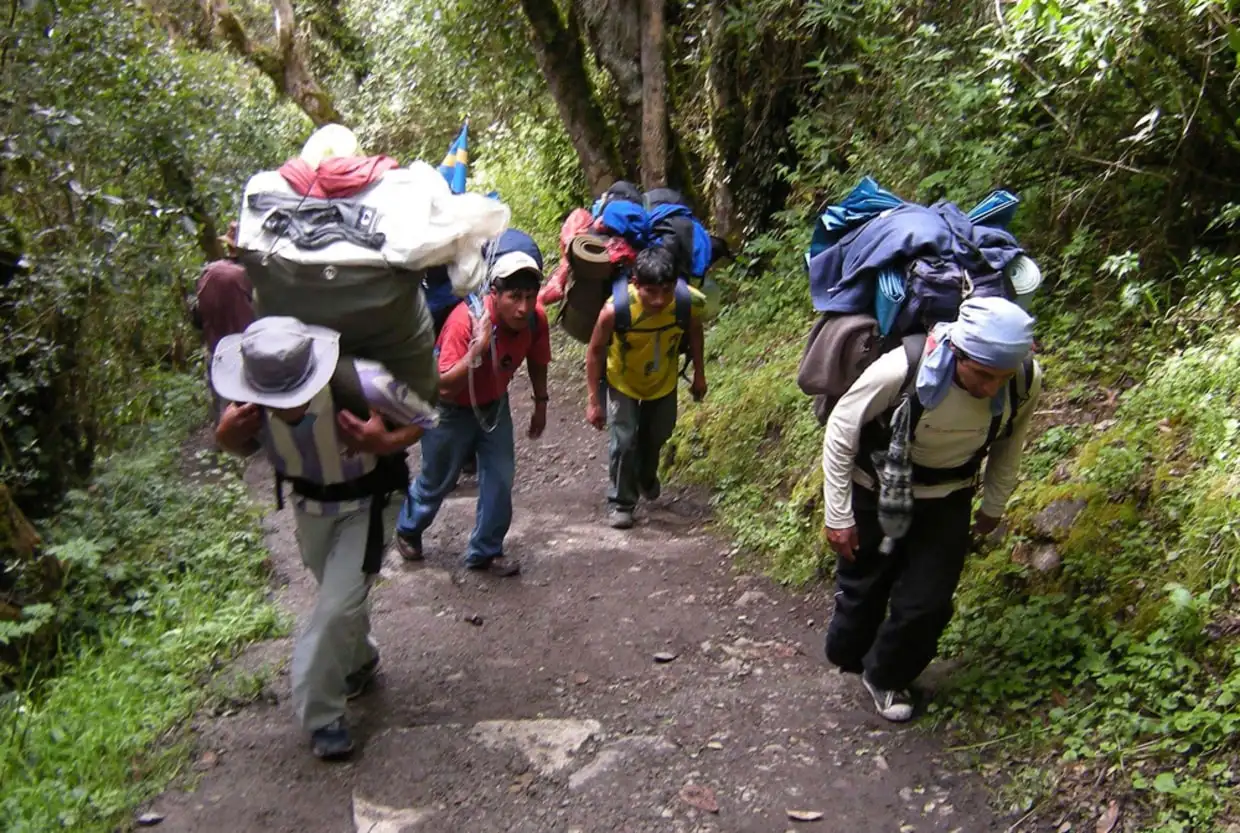
Porters are the backbone of the Inca Trail day-to-day operations. These people help in the carrying of food, tents, and communal equipment for the trekkers. Porters play an essential role in the daily operations of the Inca Trail. Their presence ensures that the trekkers are able to walk in a safe and organized manner.
Without porters, controlled access, organized campsites, and logistical support, the existence of the Inca Trail would not be possible.
Why a New Porter Law Was Introduced
As a result of the increasing trend in trekking tourism, it became imperative to safeguard the interests of porters. In this regard, Peru adopted new labor protection laws that became synonymous with the Peru Porter Law. This act was drafted to deal with employment concerns for porters operating on designated routes. The law became a turning point in the sense that the spotlight changed from the number of tourists to responsible trekking practices.
Understanding the Inca Trail Porter Law and Why It Exists
The running of the Inca Trail does not happen in an accidental or ad-hoc manner. All the moves along the trail are conducted within a specific framework of law and logistics with the aim of safeguarding people and the heritage along with providing for a sustainable treks-experience. There is the Inca Trail Porter law regarding the operation of the Inca Trail.
What Is the Inca Trail Porter Law and Why It Exists
The Inca Trail Porter Law is part of the national labor legislation in Peru and is usually referred to as the Peru Porter Law. It was formulated in an effort to regulate porters who work on controlled hiking trails. The main aims of this law include ensuring fair pay and enforced portage weight. In order to prevent the exploitation of these porters and to ensure that trekking arrangements are organized with concern for human welfare rather than profit, these Inca Trail porter rules were established.
Law No. 31624: The Legal Framework Governing Inca Trail Porters
Law No. 31624 is the specific Peruvian law for regulating porter work on the Inca Trail and other trekking routes. This law formally establishes the rights, obligations, and working conditions of porter workers, with the purpose that the trekking logistics operate within a legal framework rather than under informal agreements.
Through Law No. 31624, porter work was legally framed as a formal labor relationship between the worker and a tourism company that is legally registered. Even though porter work is done in shifts, it is permanent but discontinuous; thus, it guarantees the rights of workers, the responsibilities of the employer, and oversight by the state.
This law formed the cornerstone of the Inca Trail porter law, transforming porter protection from a voluntary good practice into a legal obligation for all authorized tour operators.
Why Law No. 31624 Was Introduced
This resulted in the development of the law known as “Law No. 31624,” which was used in the response to the issue of rapidly increasing tourism in trekking. Before the law was enforced, the porters found themselves in conditions of overworking, danger of injury and death, varying remuneration, as well as a lack of access to insurance or medical coverage.
This is a significant move towards ensuring treks are carried out in a safe, sustainable, and respectful manner, where Inca Trail planning is no longer a result of commercial gain but instead considers human dignity.
What Law No. 31624 Establishes for Porter Workers
The law numbered 31624 establishes specific and legally binding rules for all the porters in the Inca Trail. The law is continually enforced on a day-by-day basis and directly affects the planning and implementation of Inca Trail logistics on a daily basis.
- A minimum working age of 18 years
- High weight constraints (20kg for men and 15kg for women)
- A maximum of 48 working hours a week
- The need for rest periods between shifts
- Fair daily wages and overtime pay
- Supplementary risk work insurance (STCR)
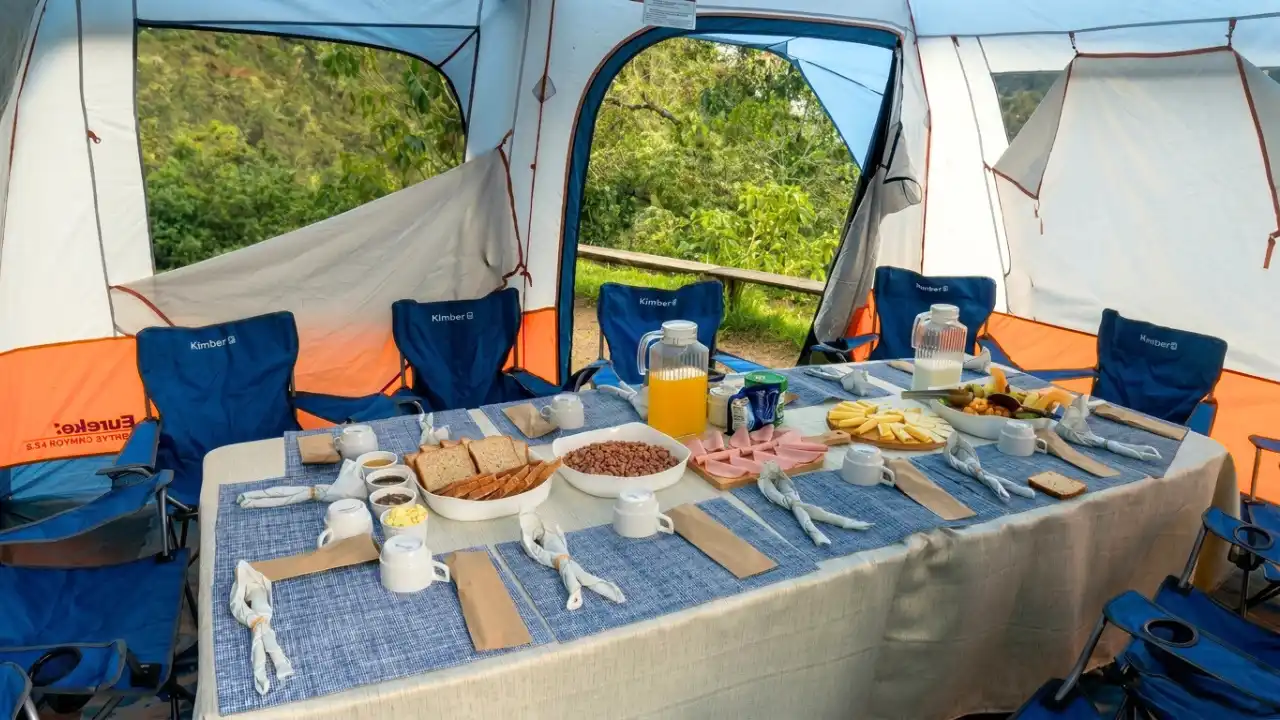
- Minimum requirements for equipment, diet, and sleeping conditions
Historical Background of Porter Regulations in Peru
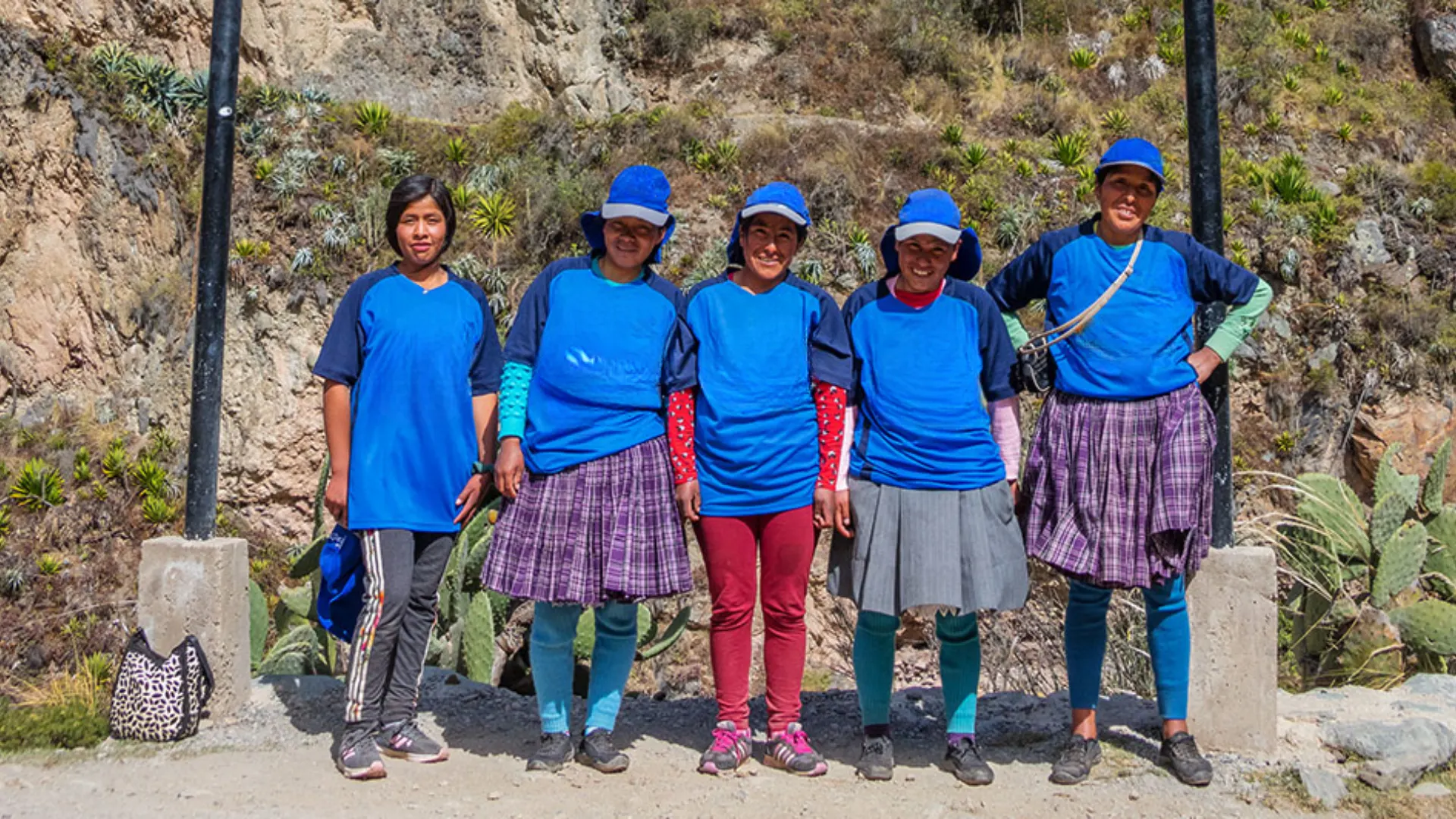
The rapid increase in trekking holidays in the Andes meant that the working conditions of porters differed greatly among companies. Before the implementation of the regulation guidelines for Inca Trail workers, porters were exposed to excessive loads, long hours, and poor treatment.
The porterage system changed significantly with the introduction of standard porterage legislation. Regulation of the sector introduced efficiency to daily Inca Trail logistics. Portering, which had been informal employment, is now a professional sector due to regulation.
Inca Trail Regulations, Government Oversight, and Operator Responsibility
The Inca Trail is one of the most strictly controlled trekking trails in the world. The reason is the important place the Inca Trail holds in the culture, nature, and history.
Permits for following Inca Trail rules and regulations are managed by the Ministry of Culture of Peru. They must be followed in conjunction with park rules. These Inca Trail rules regulate permits, tourist capacity, registration for porters, campsites, and service standards.
The Inca Trail rules that must be followed by all licensed operators to secure permits:
This includes adhering to porter weight limits, providing approved equipment, and following strict scheduling protocols. These requirements directly influence Inca Trail logistics, ensuring that operations remain structured, predictable, and sustainable.
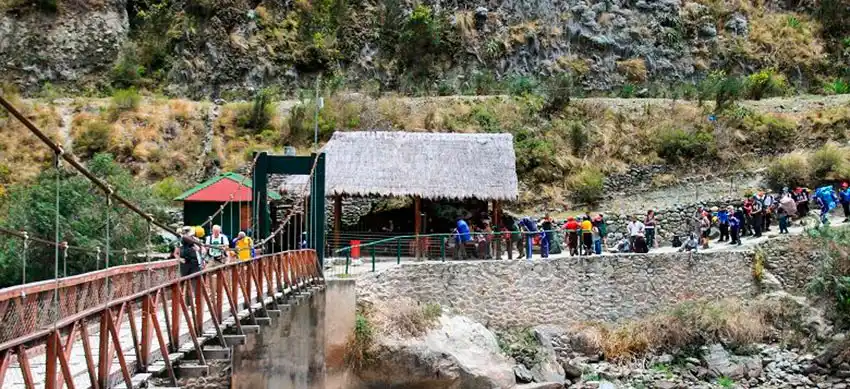
Daily Logistics of the Inca Trail Explained
Every successful trek has a complex support system. The Inca Trail has a complex support lifesystem. The Inca Trail daily support structure is a result of proper planning and regulatory elements.
How Daily Inca Trail Logistics Are Planned and Controlled
Each day’s schedule on the trail is predetermined. Camping, food preparation, porters, and hiking times are all taken care of in advance. The law regulating porters on Inca Trail ensures consistency in porters’ schedules, designed to avoid rushed and dangerous agendas. This degree of organization facilitates the simultaneous movement of groups on the trail without conflict.
The Role of Regulations in Inca Trail Logistics
Regulations determine how fast groups move, where they rest, and how resources are distributed. Inca Trail regulations turn logistics into a controlled system rather than a competitive race, protecting porters while also improving the overall trekking experience for travelers.
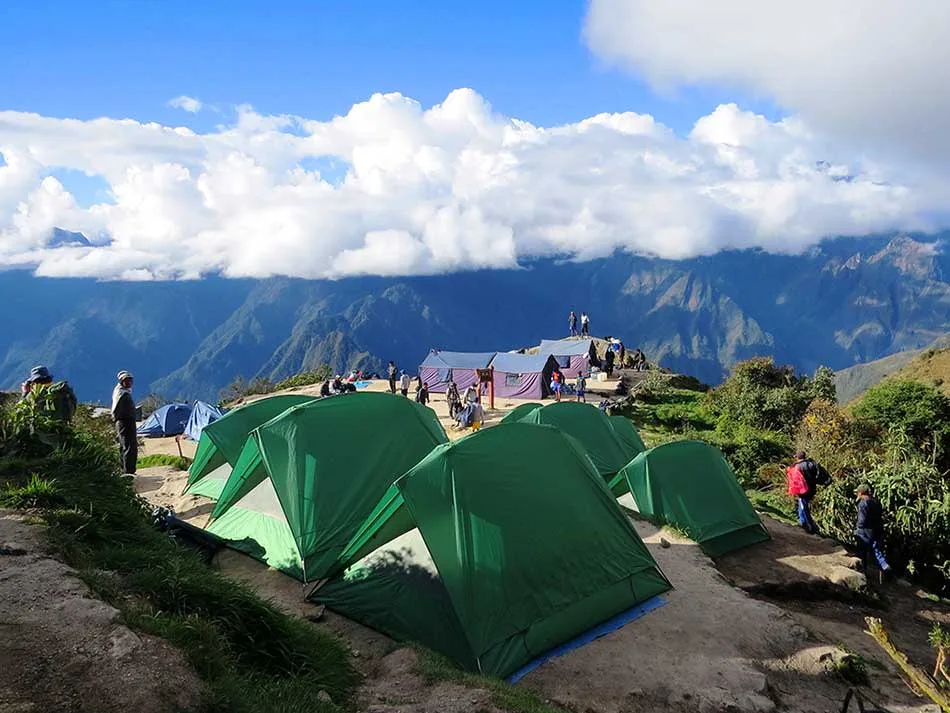
Inca Trail Porter Regulations and Worker Protection
Worker protection when trekking the Inca Trail is not optional, it is mandated by law and enforced. The law governing porters has a direct correlation to the working environment and experiences of porters.
According to the existing legislation for porters on the Inca Trail, the carriers have a prescribed maximum weight limit. The tour operators are compelled to supply the porters with suitable clothing, footwear, sleeping accommodations, and tents. This is well monitored on the Inca Trail.
However, the welfare of porters is safeguarded in terms of compulsory health insurance schemes, fair remuneration, and restricted working hours. These measures are informed by the Peru porter law and the Inca Trail employees working terms.
Ethical Inca Trail Operators and Responsible Trekking
Not all of these companies operate on the same level. Along the Inca Trail, personal ethics are measured by performance rather than .
A responsible Inca Trail tour operator will adhere to Inca Trail regulations, demonstrate openness about employment policies, and consider porter well-being as part of logistical considerations. Reliable operations view porter protection as a primary requirement rather than an optional component.
A responsible selection of an Inca Trail trekking company results in a smoother, safer, and more respectful experience. This is because responsible operations mean that there are fewer logistical hiccups and that in no way does tourist comfort jeopardize employees rights.

Inca Trail Booking Rules, Permits, and Logistics Control
Permit systems and booking systems are not administrative formalities; they are logistical controls directly linked to labor law.
Inca Trail booking rules control the number of people who can access the trail each day and limit group sizes. These restrictions ensure that porter teams can be staffed within legal limits, reinforcing the protections established by the Inca Trail porter law.
The Inca Trail permits control the number of trekkers, porters, and support staff on the road at a time. The system enables Inca Trail logistics to work in harmony without environmental overload or human overload.
Sustainability and the Long Term Impact of the Porter Law
Sustainability on the Inca Trail does not depend on environmental rules alone; it requires the integration of labor law and logistics.
Inca Trail sustainability regulations aim to reduce erosion, manage waste, and protect fragile areas of archaeological interest. Logistics shaped by regulation minimize the long-term impact on, and help protect, the integrity of the trail.
The Inca Trail Porter Law helps to protect the workers and control day-to-day operations to maintain a kind of tourism that balances access with preservation, benefiting the local community and the tourists who will come in the future.
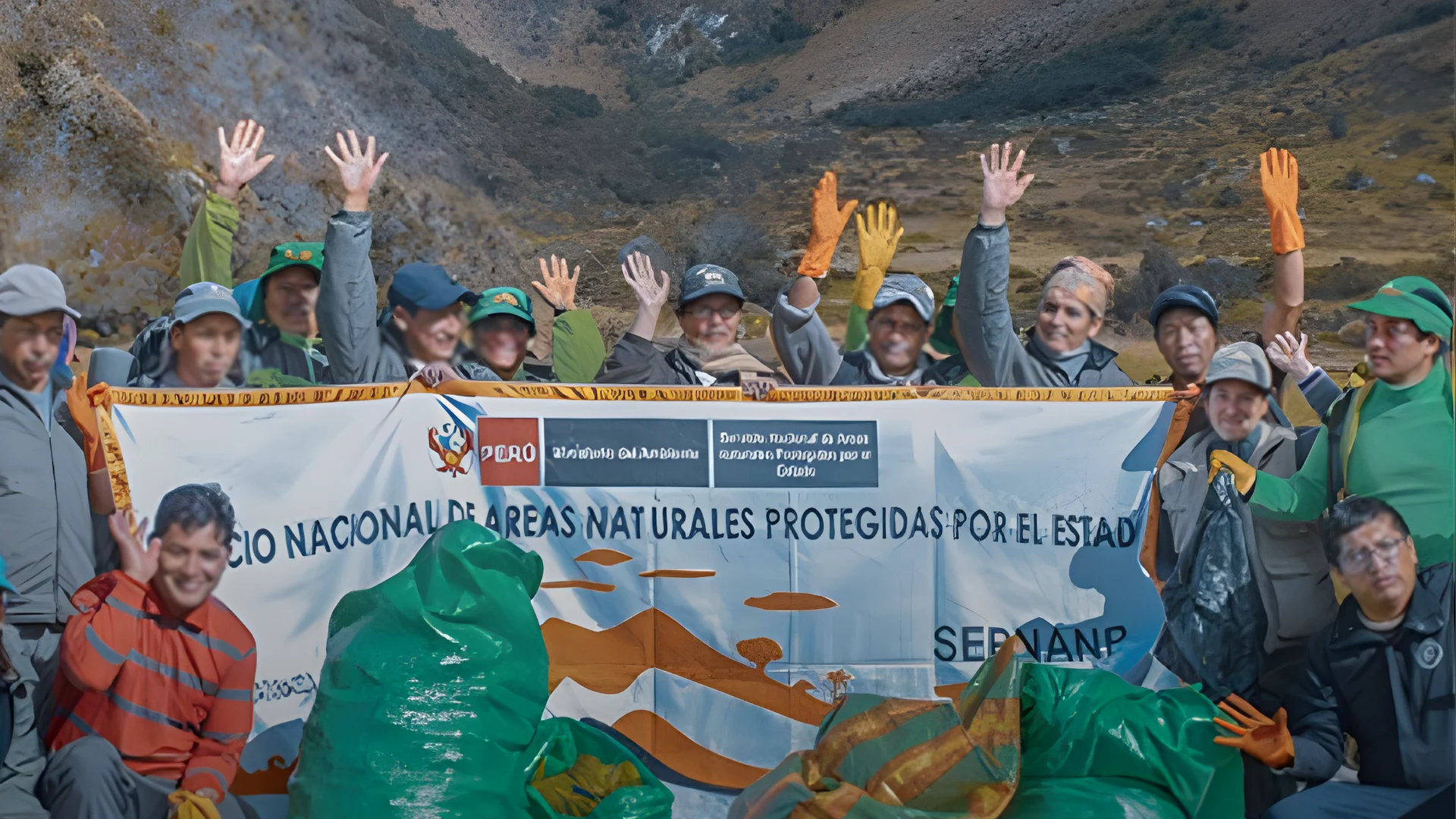
Why Understanding the Inca Trail Porter Law Matters for Travelers
Inca Trail savvy travelers are better decision-makers and take part in ethical tourist activities.
The Inca Trail government rules allow for safer hiking conditions, organized schedules for hiking, and good services. These enable a safer hiking experience while upholding good ethics.
Disregarding rules on Inca Trail hiking is dangerous for both porters and tourists. Understanding the implications of Inca Trail porter law assists tourists in identifying authorized operators.
Final Thoughts on Inca Trail Regulations and Daily Logistics
The success and management of the Inca Trail are based on control, organization, and responsibility. Inca Trail Porter Law regulates and organizes porters and helps preserve a globally recognized cultural trail.
With the continued increase in demand for the hike, Inca Trail guidelines will remain critical for the future of the Inca Trail so that it will remain ethical and sustainable.
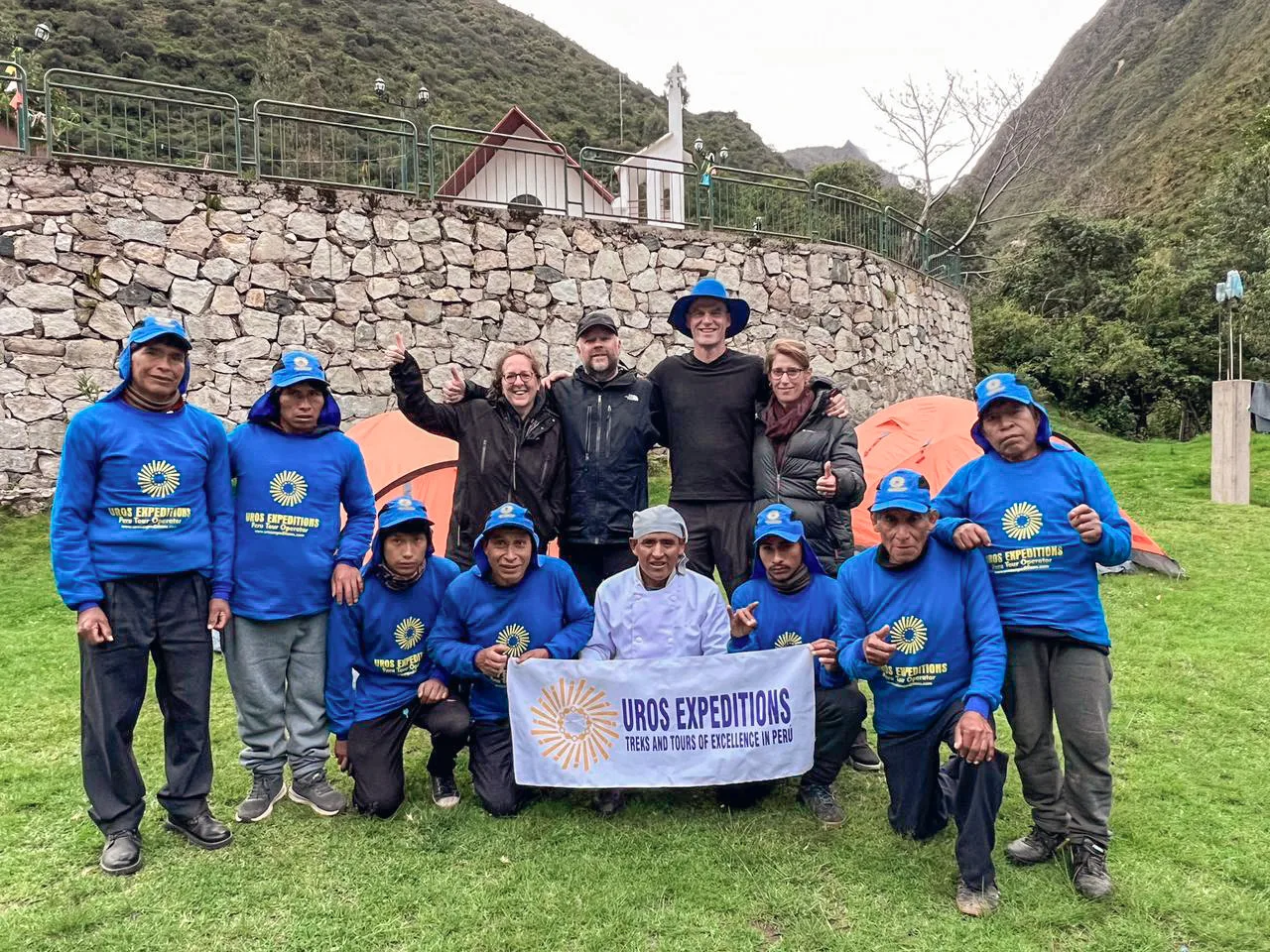
Frequently asked questions about Inca Trail Porter Law: How Regulations Shape Daily Logistics on the Inca Trail
The Inca Trail porter law is the legal framework that regulates porter work on the Inca Trail, including labor standards, load limits, safety requirements, and operator responsibilities. It exists to protect porter welfare and ensure Inca Trail logistics are built around safety and accountability, not speed or cost cutting.
Law No. 31624 is the specific Peruvian legislation that governs porter work on the Inca Trail and other authorized trekking routes. It formally defines porter rights and employer obligations, turning porter protection into a legal requirement under the broader Peru porter law.
Law No. 31624 was introduced because porter work involves high physical demand and increased risk at altitude. As trekking tourism expanded, the law addressed issues like overload, inconsistent pay, and lack of insurance helping standardize ethical practices and protect workers across the industry.
Law No. 31624 sets the minimum age at 18 years old. This improves safety standards and ensures porter work aligns with occupational health requirements under Inca Trail worker regulations.
Law No. 31624 sets a maximum of 48 working hours per week and includes mandatory rest periods between shifts. These rules are intended to prevent fatigue accumulation and reduce risk in high-altitude conditions.
Yes. Porter work is classified as a risky activity, and operators must provide supplementary risk work insurance (STCR) for the duration of the shift. This is a key protection under Peru porter law and is central to ethical trekking.
Inca Trail permits and Inca Trail booking rules limit daily access and group sizes to control crowding and staffing. This system helps ensure porter teams operate within legal working conditions and staffing ratios, reinforcing the protections set by the Inca Trail porter law.
Yes. Inca Trail government regulations create predictable schedules, controlled campsite use, safer operations, and consistent standards. Strong regulation usually means smoother logistics, fewer operational issues, and a more organized trek overall.