Inca Trail Guide: Passes, Routes, Ruins & Trekking Tours
The Inca Trail is one of the most legendary treks in the world, filled with breathtaking mountain sceneries, ancient engineering, and a deep connection with Andean culture and spirituality of the Incas. Every year, thousands of trekkers make their way from all over the world to walk upon the same stone pathways that long ago were used by priests, astronomers, and Inca nobility on their ceremonial journey to Machu Picchu.
Planning the Inca Trail requires more than booking a tour; it involves understanding the permit system, preparing physically for altitude, choosing the right type of tour, and learning about the archaeological sites found along the route. This 2026 comprehensive guide will walk you through everything so that you’ll know exactly what to expect and how to prepare.
Essential Guide to Planning Your Inca Trail Trek
Preparing for the Inca Trail is an experience in itself. This is not just a physical trek but a historical pilgrimage that reveals the remarkable engineering, astronomy, and cultural practices of the Inca Empire. Before hitting the trail, you should know what makes it so unique and why it continues to captivate travelers year after year.
Care is taken to protect the archaeological heritage of the Inca Trail, carefully controlling the number of campsites and trekking groups. Understanding these basics early can help you plan efficiently and secure your preferred travel dates.
Why the Inca Trail Is Different from Other Routes to Machu Picchu
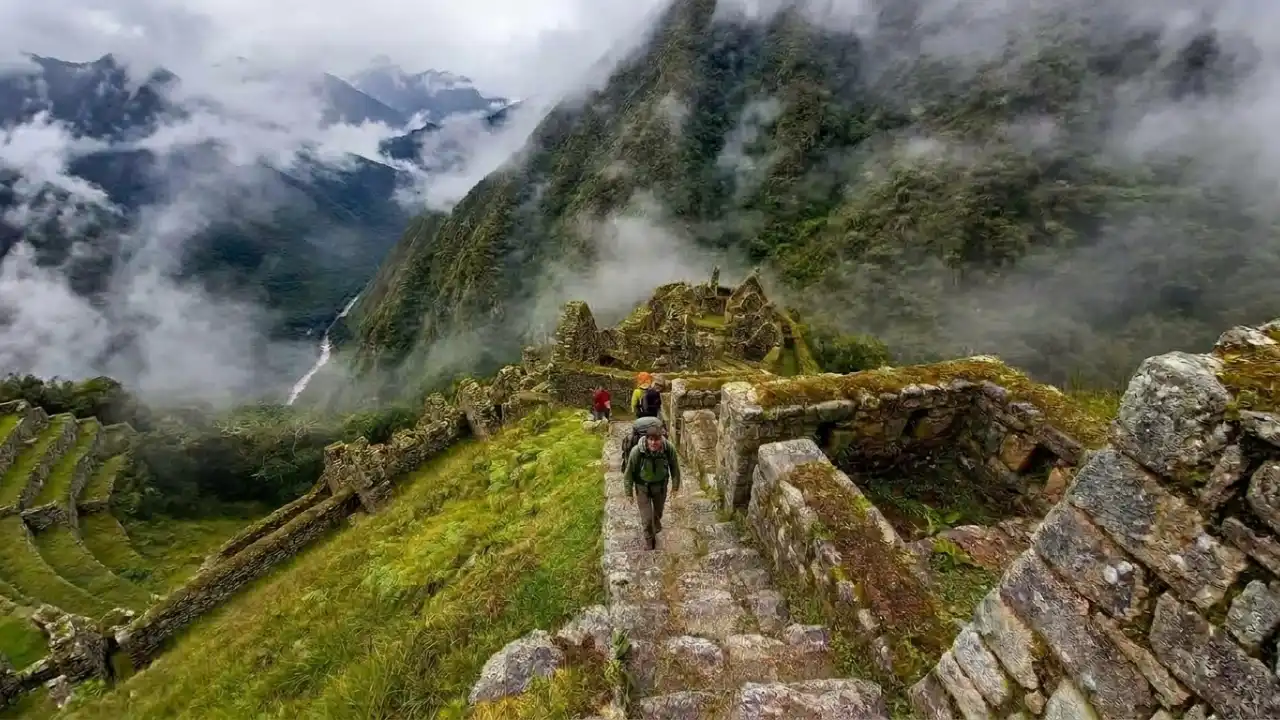
The Classic Inca Trail is the only route that follows the original sacred pathway used by the Incas more than 500 years ago. Every segment of the trail was intentionally designed with symbolic meaning. Terraces, water channels, temples, and viewpoints helped prepare pilgrims mentally and spiritually before entering Machu Picchu.
Other treks while stunning do not pass through these exclusive archaeological sites, nor do they offer arrival at Machu Picchu through the Sun Gate. This privilege is reserved for those who complete the Inca Trail, making it the ultimate way to approach the citadel.
Who the Inca Trail Is For
The Inca Trail is ideal for those who are interested in outdoor adventure, cultural experience, or historical exploration. While extreme athleticism is not required, this activity does require the participant to be comfortable walking several hours per day on varying, uneven terrain at high altitude.
It is not for the fainthearted or for those seeking luxury accommodations every night. It is not meant for those who do not like camping, either. It includes arrangements for early rising, changes in temperature, steep climbs, and camp conditions that are basic. Having said that, the rewards to hikers are unparalleled for sceneries, archaeological wonders, and once-in-a-lifetime arrival at Machu Picchu.
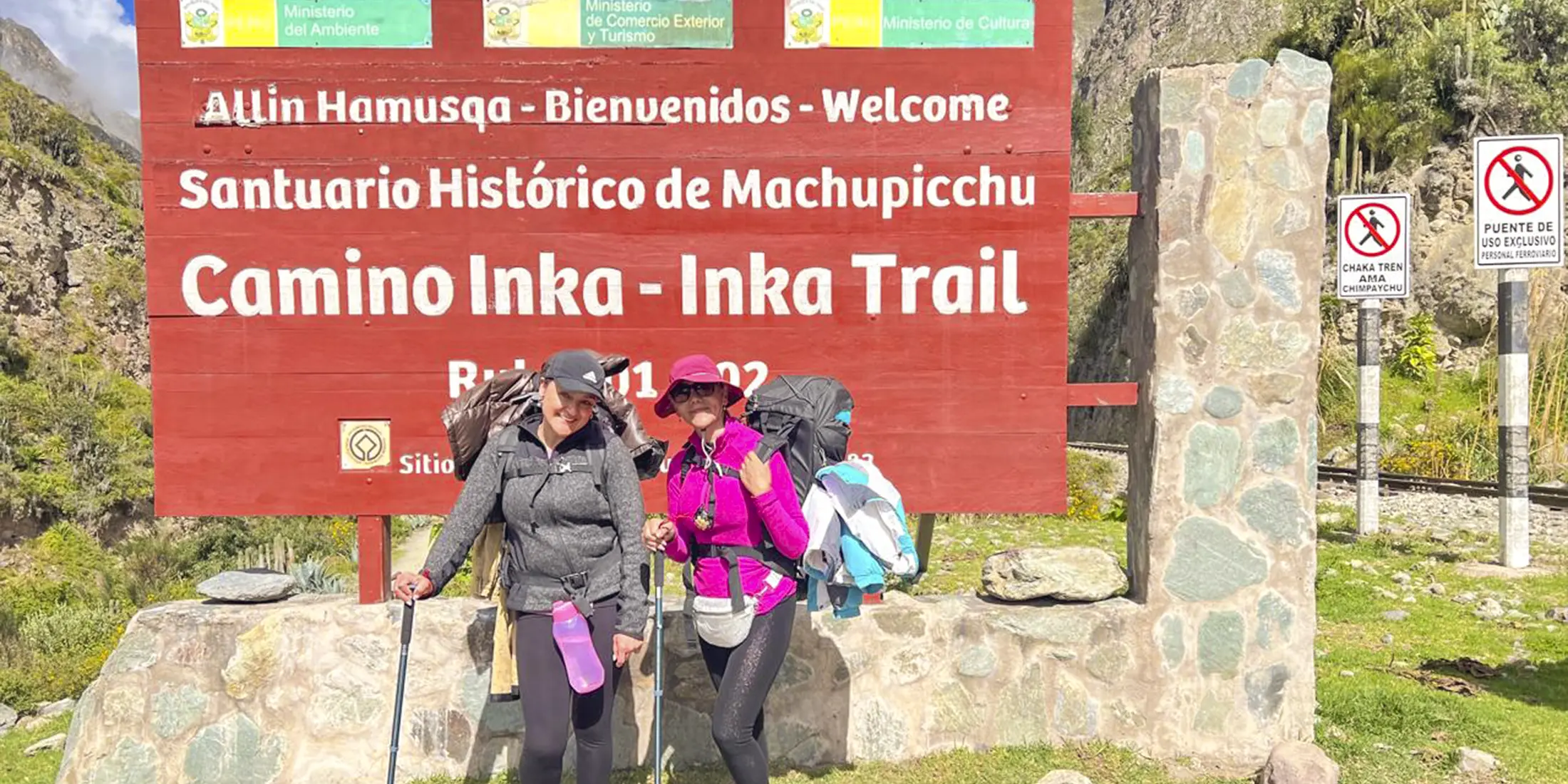
Understanding the Classic Inca Trail Route
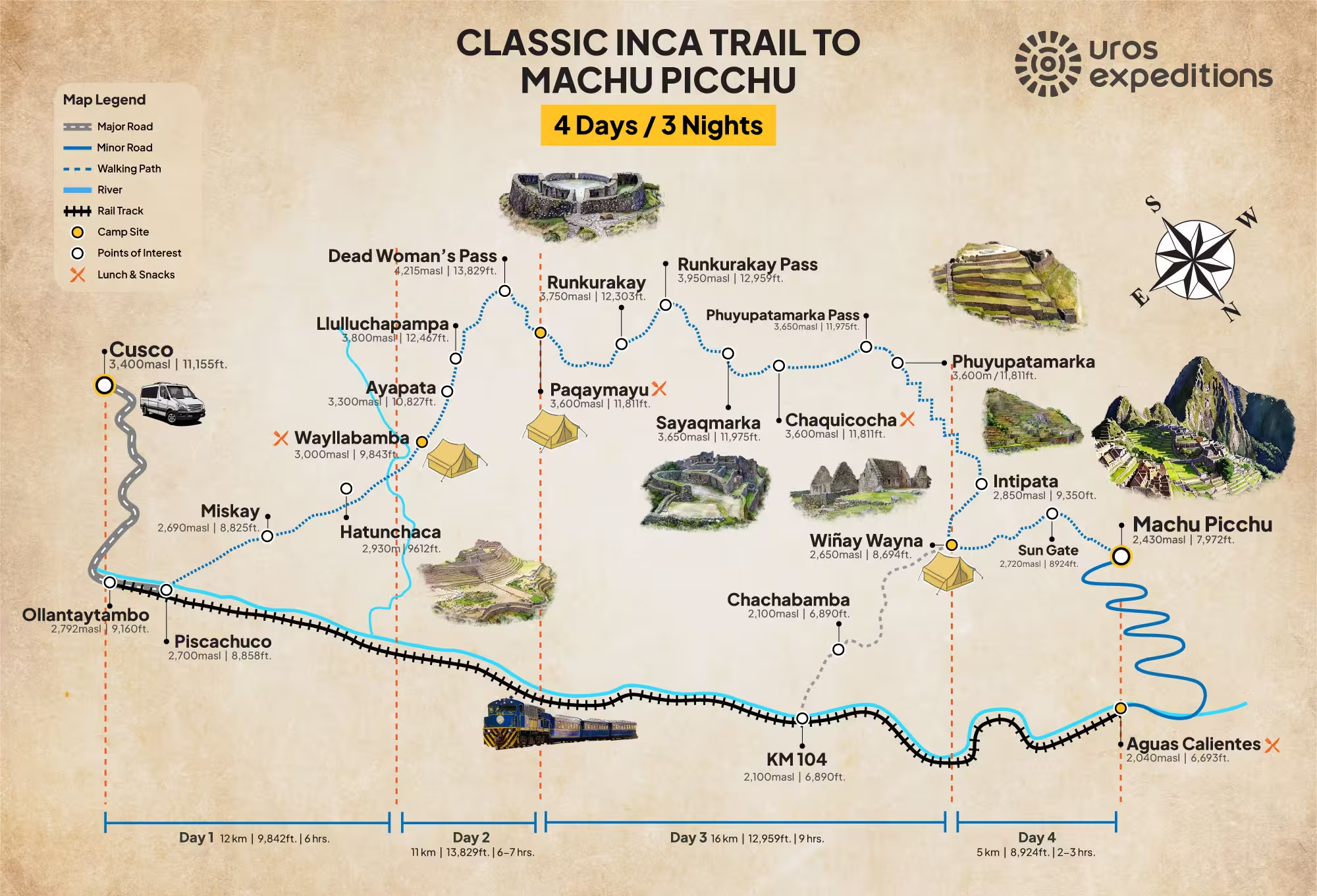
The Classic Inca Trail runs 26 miles (42 km) spread out over four days. Each day is a different combination of landscapes, vegetation, climate, archaeological ruins, and physical challenge. This section breaks down how the route works so that you know what lies ahead.
It was built as part of the Qhapaq Ñan, a more than 25,000 mile long ancient Inca road network across South America. Hiking the Inca Trail is actually experiencing firsthand how the Incas connected remote mountain regions through sophisticated engineering.
Overview of the Inca Trail Route and Distance
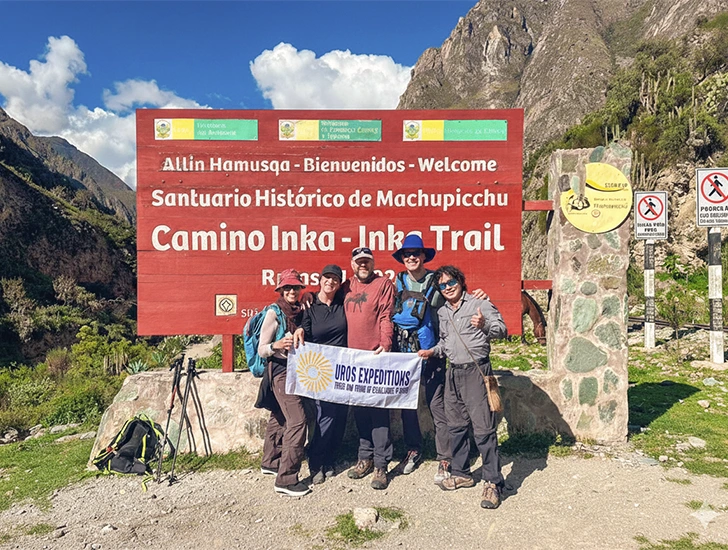
The trek starts at kilometer 82, where the Urubamba River begins to meet the mountains. From this point, hikers will take an uphill trail through the valley to a pass and then into the jungle-like cloud forests. The last section of the trip ends at Machu Picchu via the Sun Gate, just like those originally did hundreds of years ago.
26 miles, although not extremely far, does present challenges due to the extremely high altitude and steepness of the stony steps; however, the majority of athletes/active travelers should find the trek fairly easy to manage when they prepare accurately for it.
Inca Trail Profile Altitude, Terrain, and Climate Zones
Certainly one of the most fascinating, not to say mentally taxing, aspects of the Inca Trail is that it dramatically shifts altitude and climate. You start off in a dry, Andean valley, rise to almost 14,000 ft (4,215 m), then descend into humid, dense cloud forest. Each zone has different flora, fauna, and scenery.
The altitude profile is an important factor. The steep climb to Dead Woman’s Pass on day two is often the hardest part, but the descent after it can be equally demanding. The trail includes Inca staircases, narrow cliffside paths, rocky parts, and forested areas. Good footwear and trekking poles make a big difference here.
Day by Day Breakdown of the Inca Trail Itinerary
- Day 1 – Km 82 to Wayllabamba Gentle Start into the Andes
Day one is intentionally designed as a soft introduction. You’ll hike near the Urubamba River, pass traditional Quechua speaking villages, and enjoy constant views of Veronica Mountain. You also visit your first ruin, Llactapata, a massive agricultural complex. The campsite at Wayllabamba offers a peaceful setting surrounded by mountains.
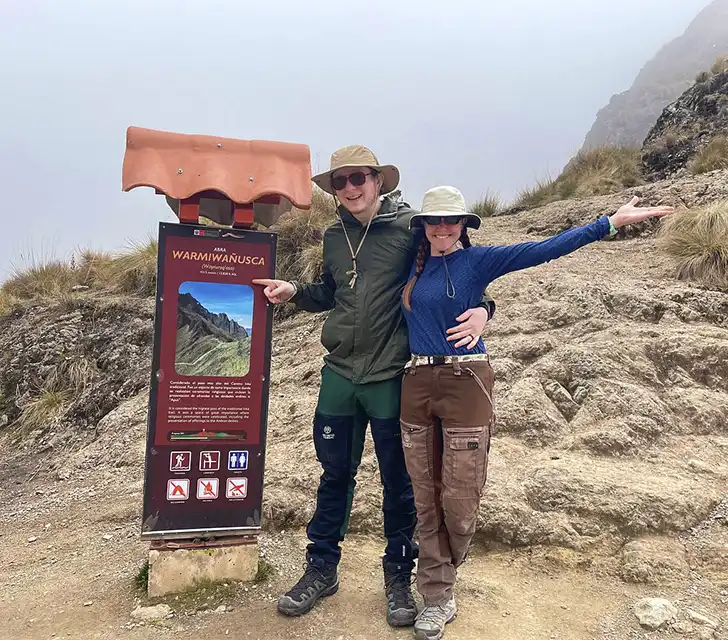
- Day 2 – Wayllabamba,Warmiwañusca to Pacaymayo Conquering Dead Woman’s Pass
Day two is the physical test of the Inca Trail. The climb to Dead Woman’s Pass is steep and relentless, but the breathtaking views at the top make it all worthwhile. Many hikers describe reaching the pass as one of the proudest moments of their trip. After resting, you descend into Pacaymayo Valley, where you’ll camp for the night.
- Day 3 – Pacaymayo to Wiñay Wayna The Most Scenic Day of the Trek
Day three is a highlight of many hikers’ trips. The trail now becomes more varied and beautiful as you go through various ruins like Runkurakay, Sayacmarca, and Phuyupatamarca-all different in architecture and history. Later, the cloud forest provides lush vegetation, waterfalls, and great views. The day ends at Wiñay Wayna, one of the most impressive archaeological sites on the route.
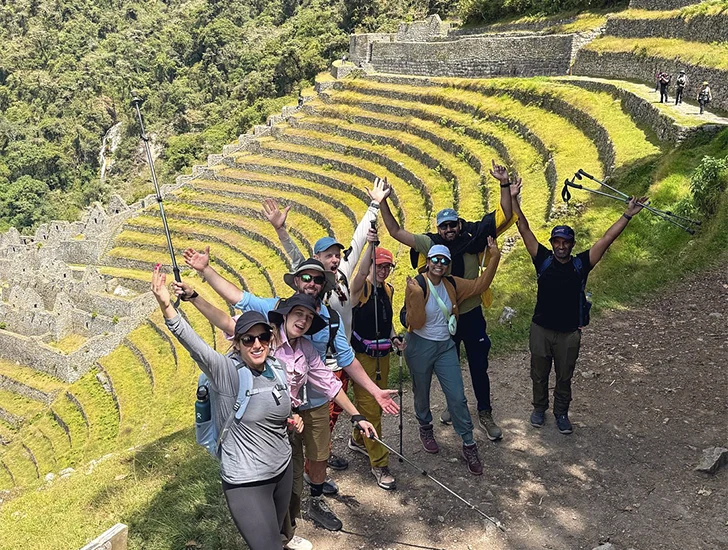
- Day 4 – Wiñay Wayna to Sun Gate and Machu Picchu Sunrise Arrival
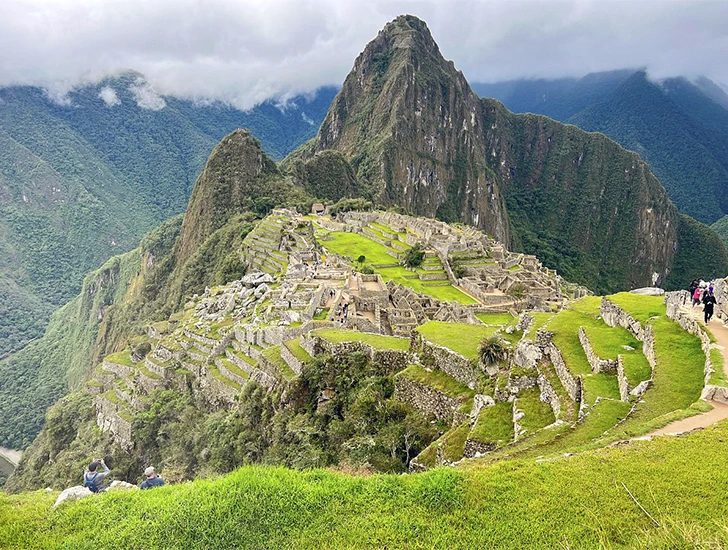
Your final morning starts early in order to reach the Sun Gate, watching the first sunlight illuminate Machu Picchu from above, a truly emotional experience that may remain with hikers for their lifetime. You then enter the citadel and join your guide for a full exploration of temples, terraces, plazas, and sacred structures.
Inca Trail Passes How Permits Work and Why They Sell Out
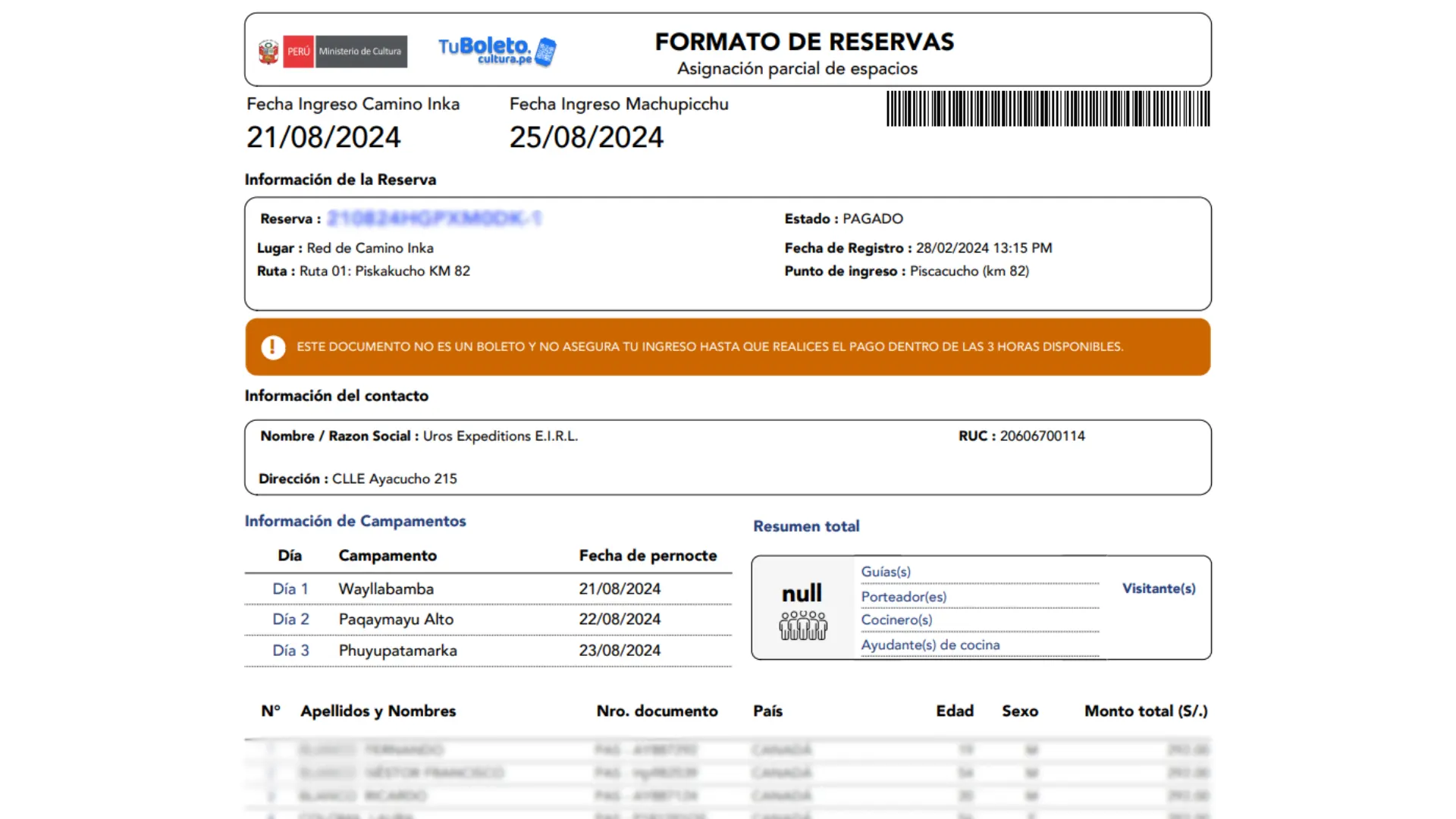
Inca Trail permits are the most important element of planning your trek. Without a valid permit, you cannot enter the trail at any checkpoint. Because demand far exceeds supply especially during high season permits often sell out months in advance. Understanding how the system works will help you avoid common mistakes and secure your preferred dates.
Daily Limits and Government Regulations
The Peruvian government strictly controls access to the Inca Trail to protect its fragile ecosystems and archaeological treasures. Each day, a maximum of 500 people may enter the trail. This number includes guides, cooks, and porters, meaning only about 200-250 trekking permits are available for hikers.
These limits ensure:
- Reduced erosion on narrow stone paths
- Protection of Inca ruins and terraces
- Less crowding at camp areas
- A safer and more enjoyable experience for trekkers
Because of these regulations, the trail maintains its natural beauty and cultural significance despite high global demand.
When to Book Your Inca Trail Passes for 2026
Permits are released once per year and sell out quickly often within hours for peak season dates. The earlier you book, the better your chances of securing your preferred dates.
Recommended booking windows:
- June-August: 8-12 months in advance
- April, May, September: 6-9 months in advance
- March, October: 3-4 months in advance
Travelers visiting during holidays, special events, or school vacations should book even earlier. Flexibility with dates increases your chances of getting a permit.
Step by Step Inca Trail Booking Process with Licensed Operators
Only licensed and government approved tour operators can purchase permits. Travelers cannot buy permits independently. Here’s how the process works:
- Choose a licensed operator with good ethical standards and clear policies.
- Submit your passport information exactly as it appears on your document.
- Pay the permit deposit, which is non refundable.
- Your operator registers your details in the Ministry of Culture system.
- Once permits are released, the operator attempts to secure your date.
- Once confirmed, your permit becomes permanently tied to your name and passport number.
Important: Once issued, permits cannot be refunded, transferred, or modified under any circumstance.
Common Mistakes with Permits and Passport Details
Because of avoidable mistakes, many tourists have their permits denied or misplaced. Here’s how to avoid common mistakes:
- Using a passport close to expiration
If you renew your passport after purchasing a permit, you need to bring both old and new passports.
- Changing travel dates after securing the permit
No permit may be transferred, even for one day.
- Submitting incorrect passport information
Missing hyphens, incorrect middle names, or any sort of typographical errors create problems at checkpoints.
- Booking late for high season
Many travelers do not realize how fast dates fill up, especially for June and July.
Carefully plan every detail to ensure that you get your permit without complications and begin your adventure on the Inca Trail problem-free.
Inca Trail Tours from Cusco Group vs Private Options
Choosing between group or private tours will determine your overall pace, comfort, and style of travel. Both formats offer memorable experiences but cater to different types of trekkers.
What’s Included in Most Inca Trail Tours Cusco Packages
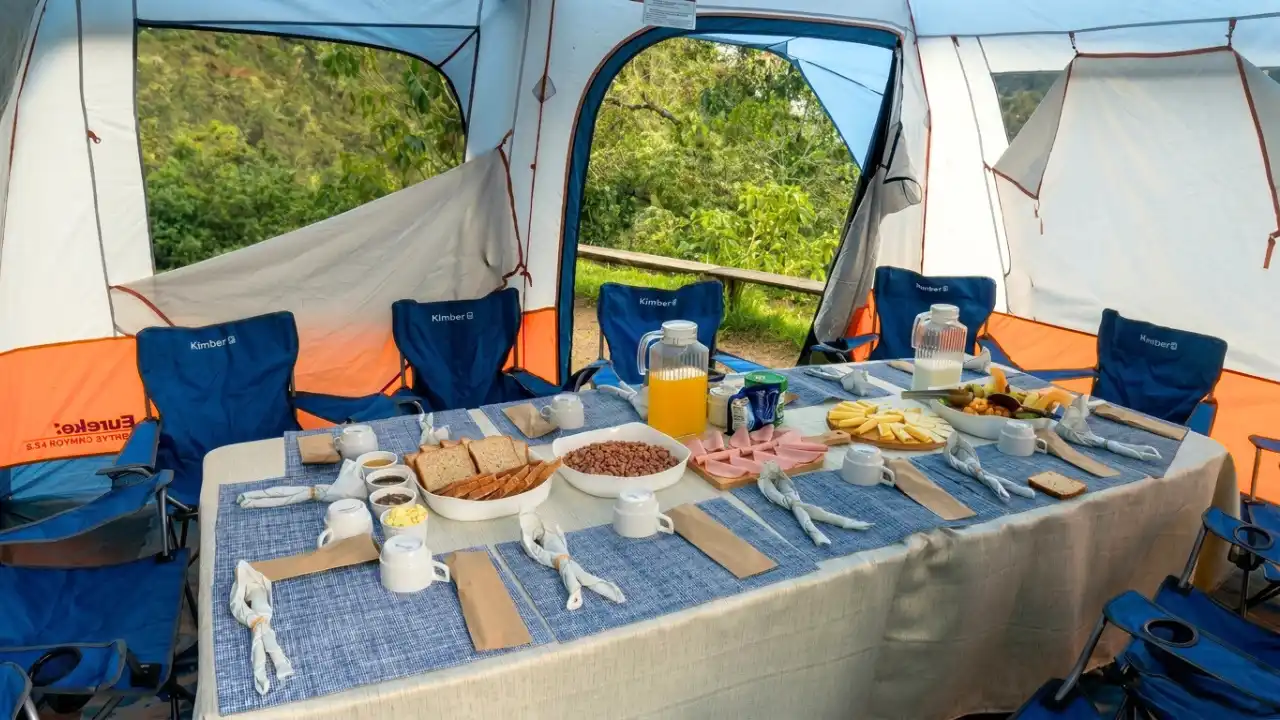
For a simple trek, most tour companies provide everything from transportation to Cusco, all entrance fees, tents, porters, chefs, meals & snacks daily, drinking water (boiled), oxygen tanks, and professional bilingual guides. Some premium companies may provide premium sprung tents, thicker sleeping pads, porta-john toilets, upgraded menus, and ecofriendly products for added comfort and convenience.
Inca Trail Tour Groups Social, Budget Friendly, and Structured
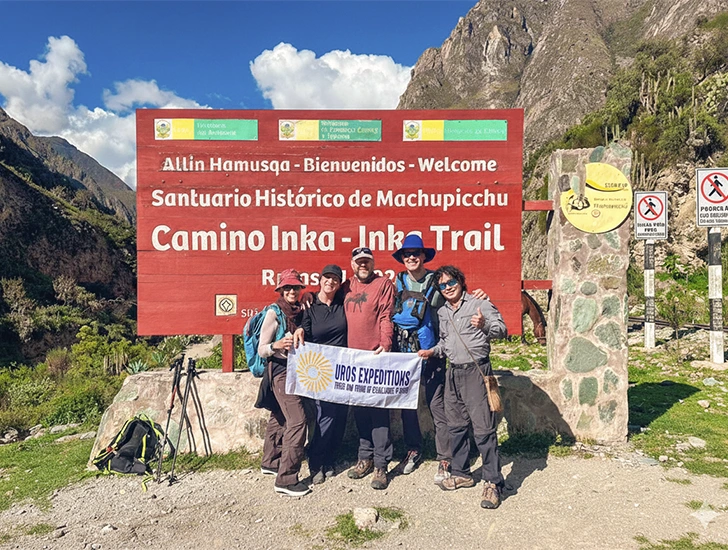
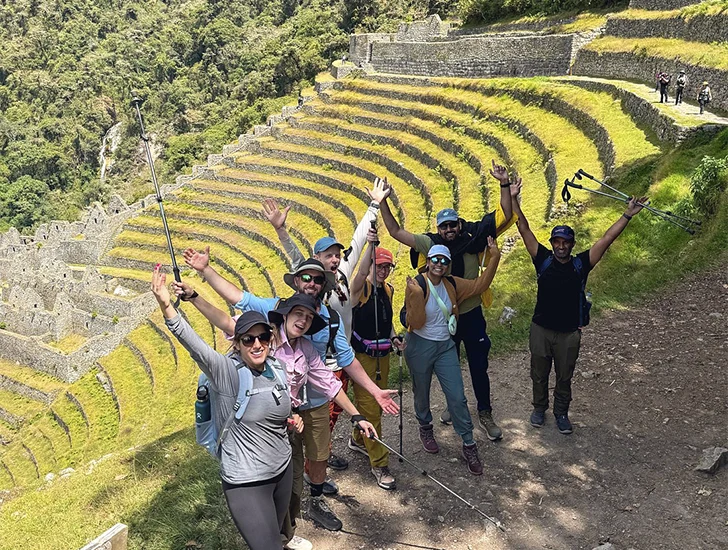
Travelers from many different countries come together to form an exciting and supportive community while on the Inca Trail. The format of a group tour provides a well organized schedule that accommodates varying levels of physical fitness, as well as being one of the most cost effective methods to hike the Inca Trail. The mutual encouragement and bonding of being with others with a shared purpose can also alleviate some of the stress associated with the more difficult portions of the Inca Trail.
Inca Trail Private Trips Flexible, Personalized, and More Exclusive
Private treks offer greater flexibility and a fully personalized experience. You can hike at your own pace, adjust break times, and spend extra time exploring ruins or taking photos. With a dedicated guide, private porters, and a more intimate setup, this format is ideal for families, couples, photographers, or travelers celebrating special occasions who want comfort and privacy throughout the journey.
How to Choose the Right Inca Trail Trek Tours for Your Travel Style and Budget
Inca Trail Ruins You’ll Explore Along the Route
Scattered along the Inca Trail, archaeological sites turn this trek into a journey through history. Each ruin reveals how the Incas combined engineering, astronomy, religion, and landscape design to create sacred spaces in harmony with the mountains. These were built as ceremonial stops, rest points, agricultural centers, and observation viewpoints used en route by those on pilgrimage to Machu Picchu.
Llactapata First Agricultural Terraces on the Inca Trail
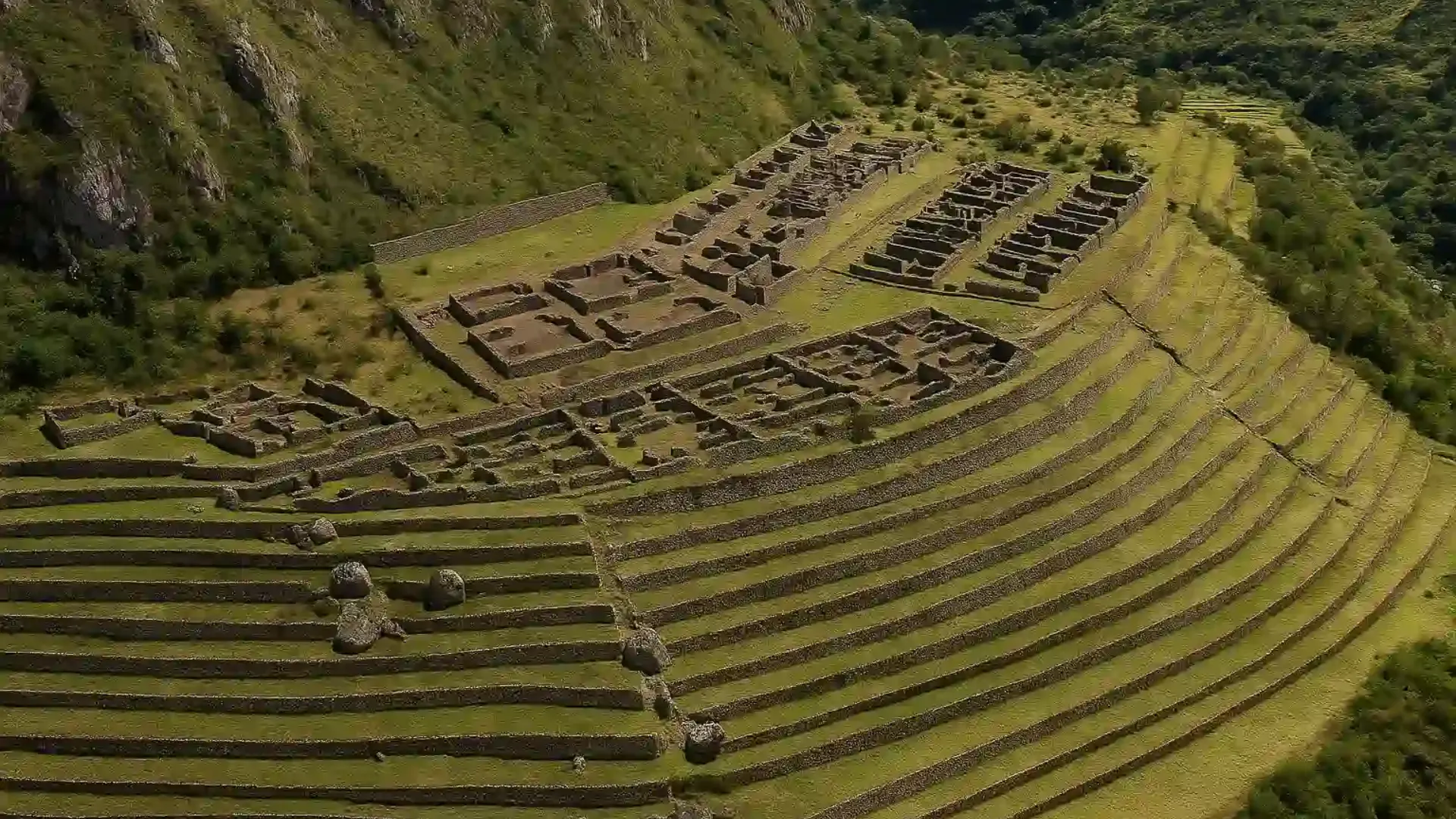
Llactapata is an introduction to the ingenuity of Inca agricultural engineering. The site contains extensive terraces, storage buildings, and sophisticated irrigation channels that once supported food production for the region. From this commanding vantage point, the Incas could watch over the valley below and any travelers who entered their sacred route. The wide terraces also provide examples of how the Incas adapted farming techniques to steep mountain slopes, whereby yield was maximized on challenging terrain.
Runkurakay Circular Ruin and High Mountain Lookout
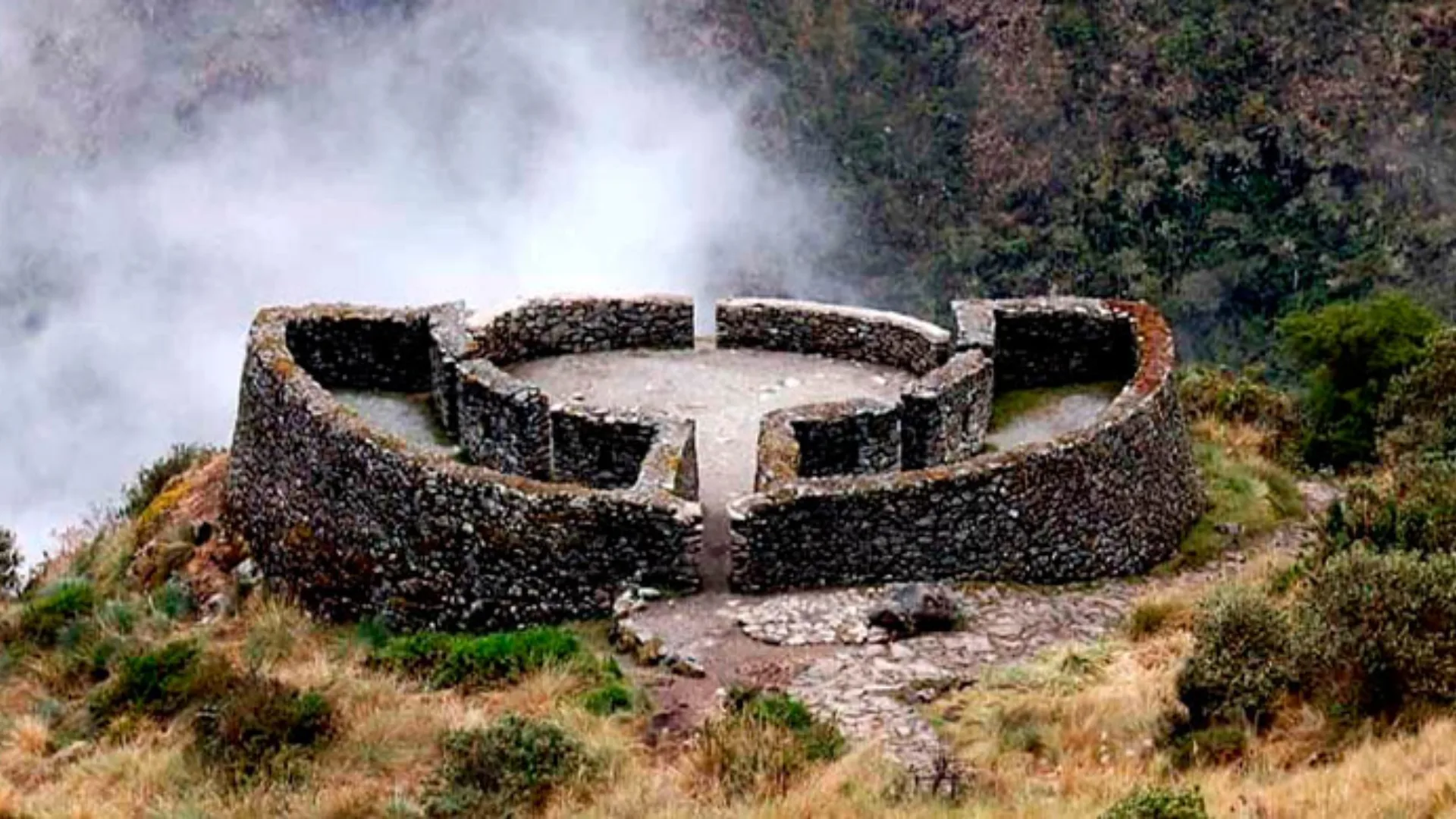
Runkurakay is a rare circular structure built into the mountains and believed to be a resting and control point for Inca chasquis (messengers). The architectural symmetry of Runkurakay’s walls and its windows suggests it had both ceremonial and astronomical functions. The dramatic views of the valley below were instrumental in communicating with each other, defending against attacks, and marking celestial events.
Sayacmarca The “Inaccessible Town” on a Cliffside Ridge
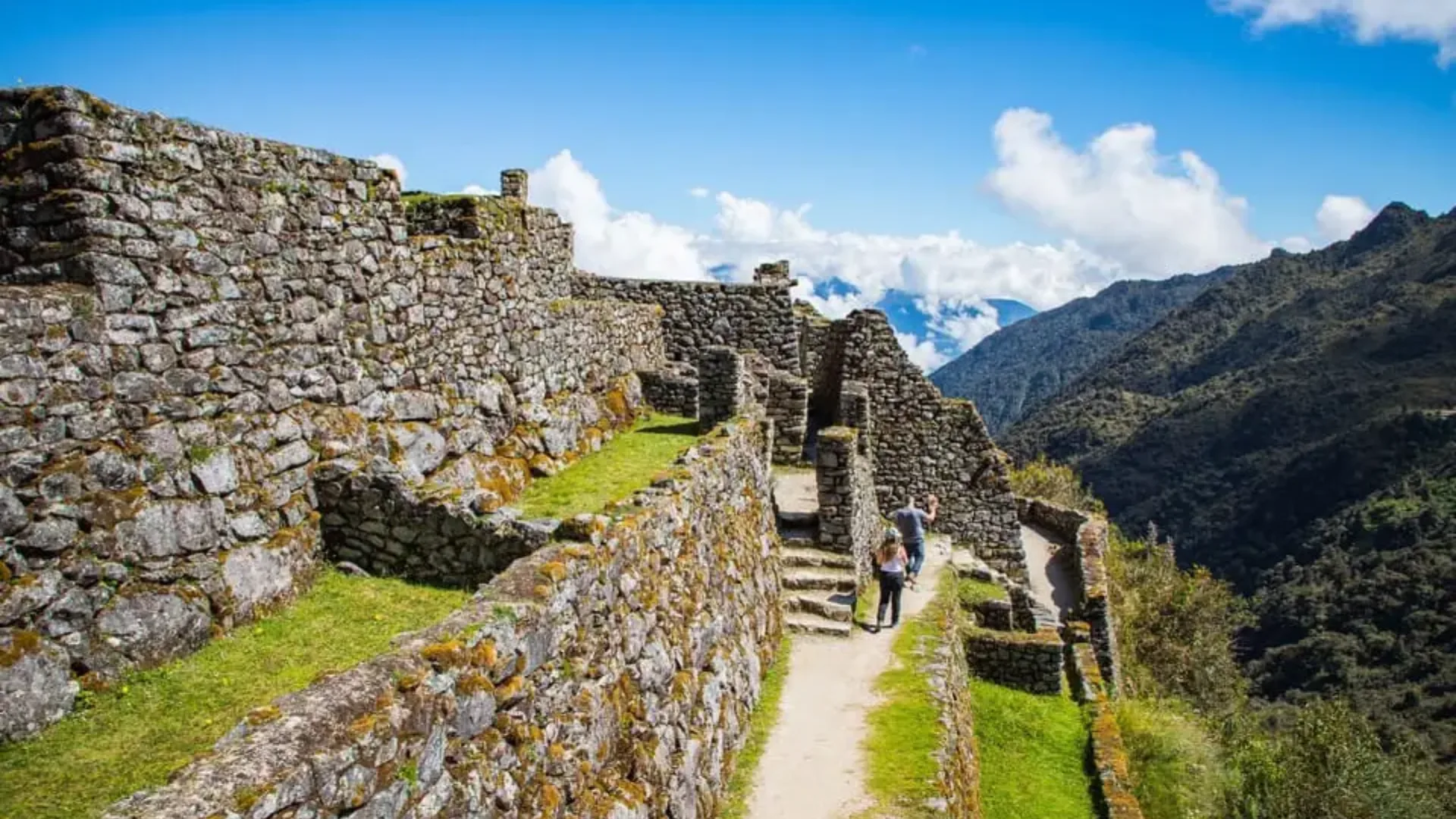
Sayacmarca, built on a narrow stone platform, appears to “float” above the valley.The large ruins have houses connected to one another, have ceremonial fountains, have plazas, and have built steep staircases carved into solid rock. Due to the strategic location of Sayacmarca overlooking several major ancient paths, there is evidence that it has served as both a checkpoint and ceremonial location. The design of the structure illustrates the ingenuity of the Inca people in constructing stable structures capable of withstanding earthquakes, even on the steepest ground.
Phuyupatamarca The “Town Above the Clouds” and Ritual Baths
Phuyupatamarca, an atmospheric site shrouded in mist, features beautiful ceremonial baths made from natural spring-fed water, which likely provided pilgrims with purifying baths before continuing onto Machu Picchu. The site also offers spectacular views of the skies, deep valleys, and snow capped peaks of the Vilcabamba mountain range. This height and architectural layout suggest the importance the Incas placed on water and mountain worship.
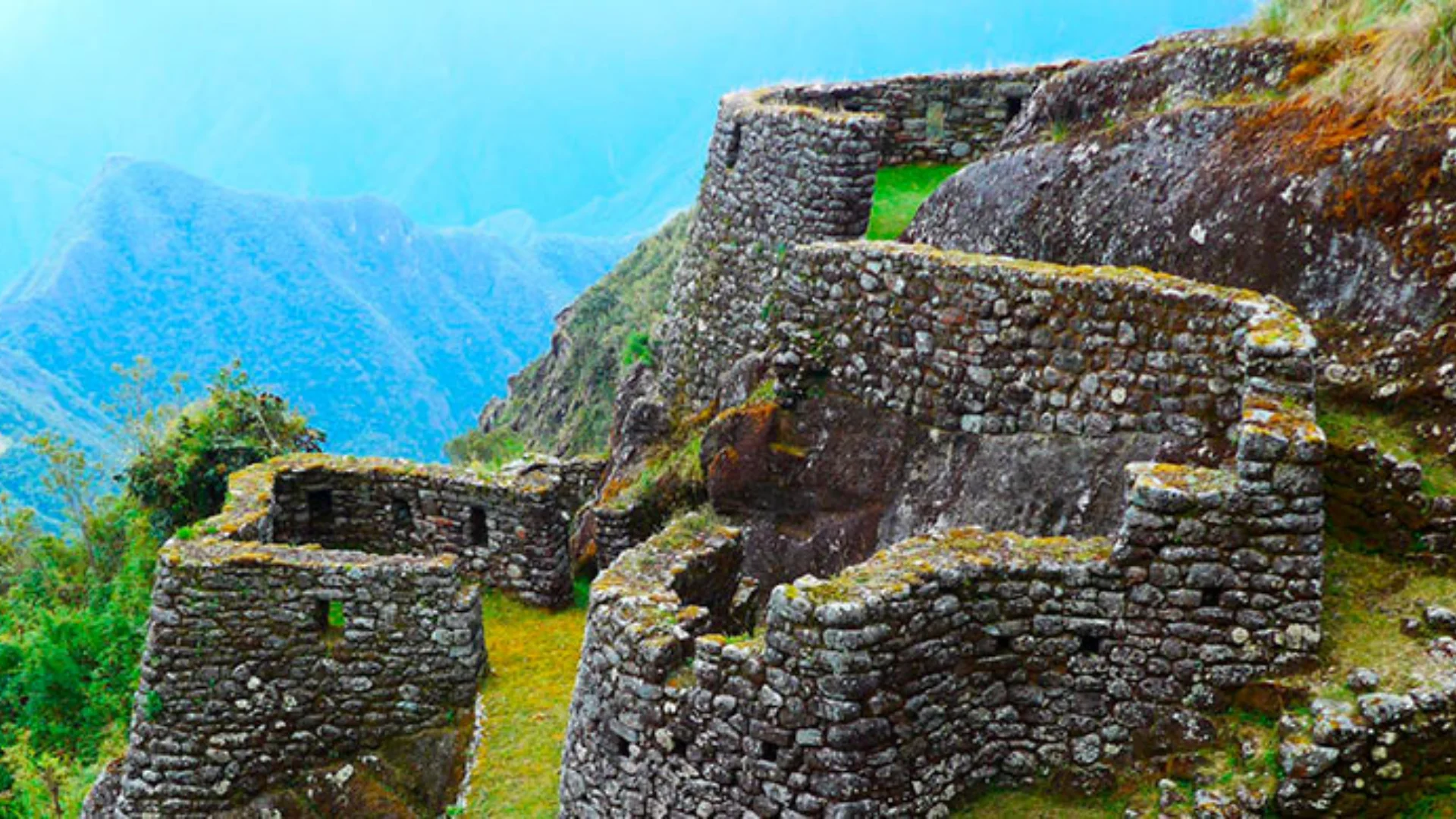
Wiñay Wayna Forever Young Terraces and Ceremonial Complex
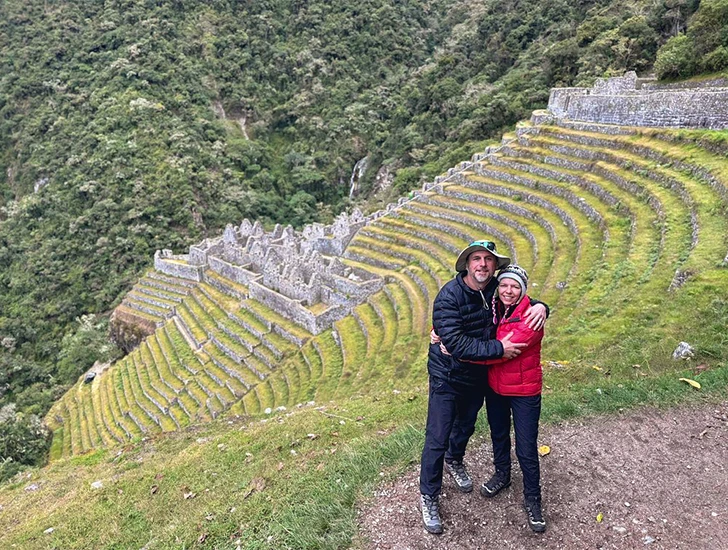
Wiñay Wayna is the second largest archaeological complex on the Inca Trail; however, it is one of the most beautiful and well-preserved sites. The name Wiñay Wayna, meaning forever young, alludes to the vast number of orchids that bloom in Wiñay Wayna throughout the year. This hustle and bustle of daily life would have made Wiñay Wayna a stopping point for worship, rest, and preparation on the way to Machu Picchu. Most hikers regard Wiñay Wayna as the most spectacular site on the entire trail due to its size, depth of historical preservation, and the serenity of the surrounding environment.
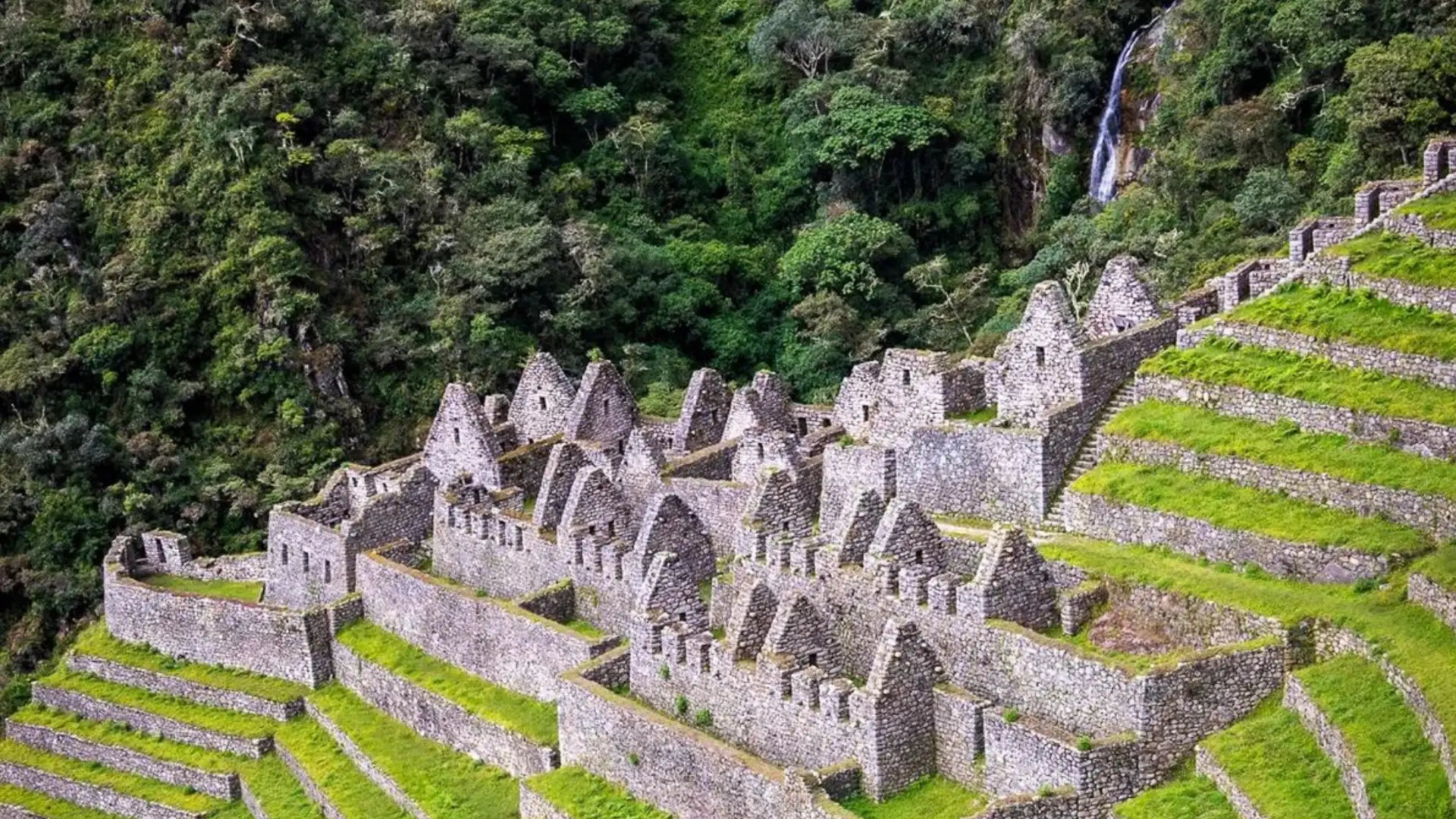
Inti Punku The Sun Gate and First View of Machu Picchu
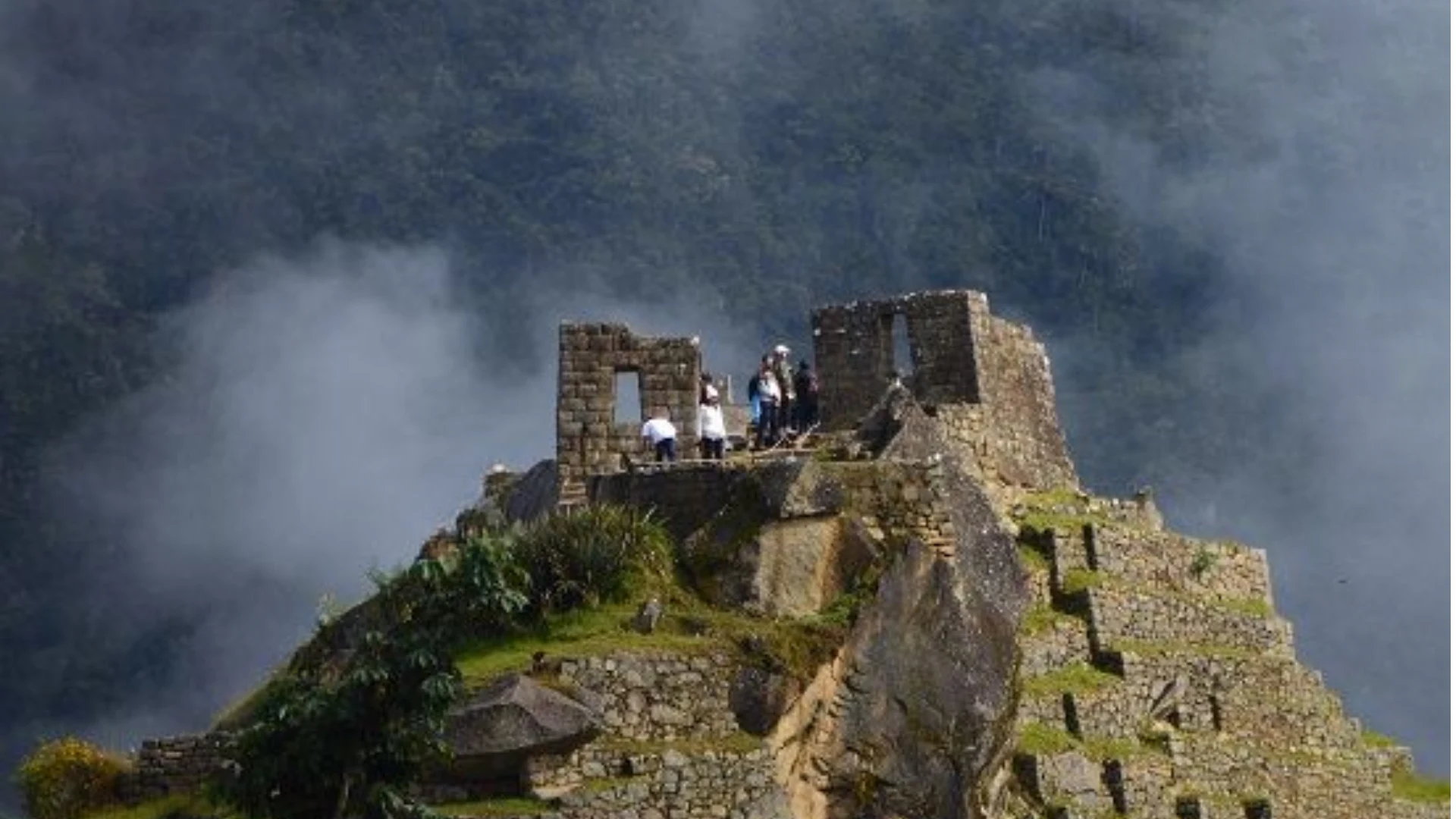
Inti Punku, or the Sun Gate, marks the ceremonial entrance to Machu Picchu. In Inca times, only select pilgrims were allowed to enter the sanctuary through this gate. As dawn breaks, sunlight passes directly through the structure during the solstices, illuminating the path and symbolizing the connection between the living world and the gods. For modern trekkers, arriving at Inti Punku and seeing Machu Picchu emerge from the morning light is an emotional and unforgettable moment a fitting reward after days of effort on the trail.
Physical Preparation and Inca Trail Profile Difficulty
While anyone can complete the Inca Trail, better preparation will result in a more enjoyable experience.
How Fit Do You Need to Be for the Inca Trail?
Most individuals who walk the Inca Trail have an average physical fitness. However, individuals who build their physical strength through a variety of methods, including cardio, hiking, and using stairways to improve their physical ability to walk up mountains will complete the trek successfully.
Training Plan for the Inca Trail Trek
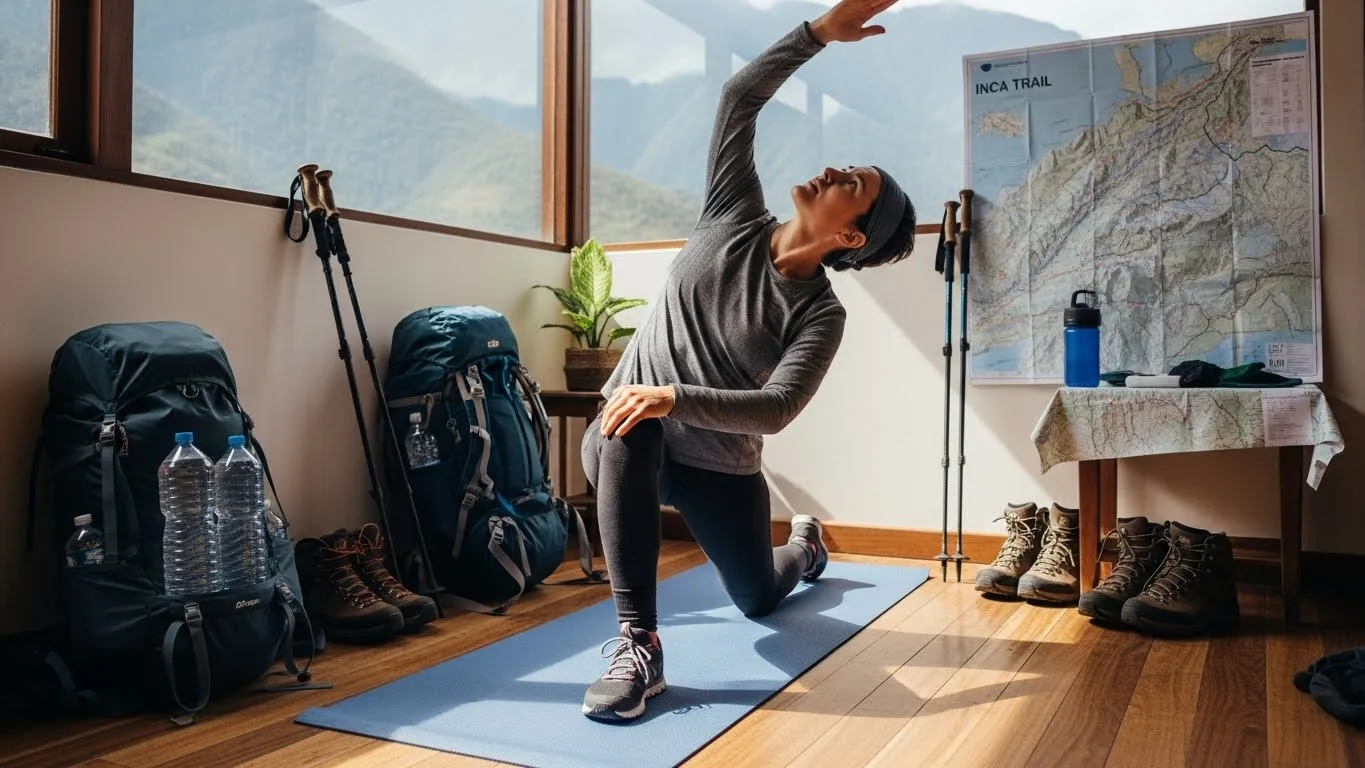
A well rounded physical training plan should include exercises to strengthen your leg muscles, walk or hike on slopes and stairs in addition to a gym workout to build muscle strength. You should begin training approximately six to eight weeks prior to your trip, and gradually increase the level of intensity as you become more proficient.
Dealing with Altitude and Acclimatization in Cusco and the Sacred Valley
Altitude affects everyone differently. Spend a couple of days acclimatizing in Cusco or the Sacred Valley. Hydrate, avoid alcohol, and eat light meals. Some travelers also use altitude medication, but always consult a doctor first.
Best Time for Inca Trail Travel in 2026
The timing of an Inca Trail trek is very important because weather and season have a huge impact on trail conditions, scenery, and the overall experience. Each month has both good and bad aspects to consider when selecting your ideal time.
Dry Season vs Rainy Season Pros and Cons
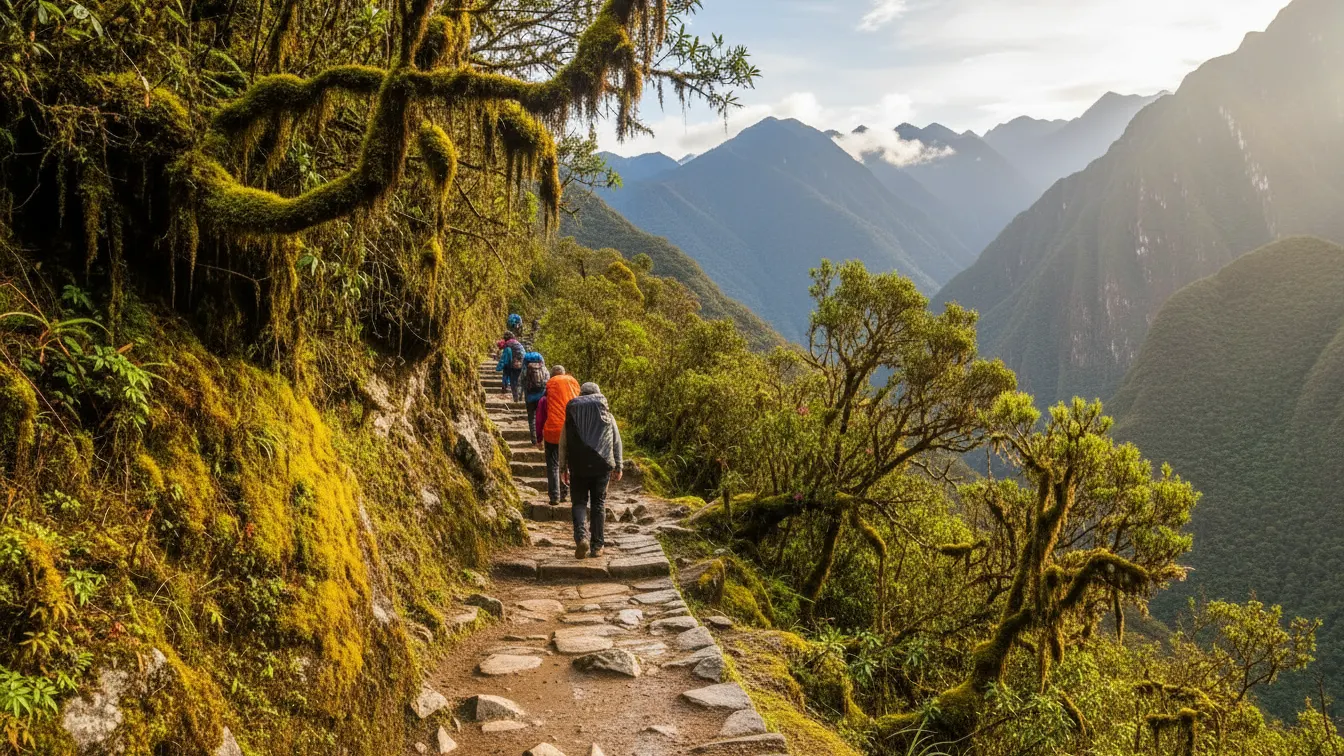
- The dry season (May-September) is typically the best time to hike the Inca Trail because there are clear skies, moderate temperatures and safe, dry trails. You will have the best view from high passes and at archaeological sites during these six months as well. The down side to the dry season is that there will be the most number of hikers, campsites tend to be crowded, and the nights during June and July do get quite cold. While many people enjoy the idea of hiking during this season, it can also become a very busy and often times uncomfortable trek.
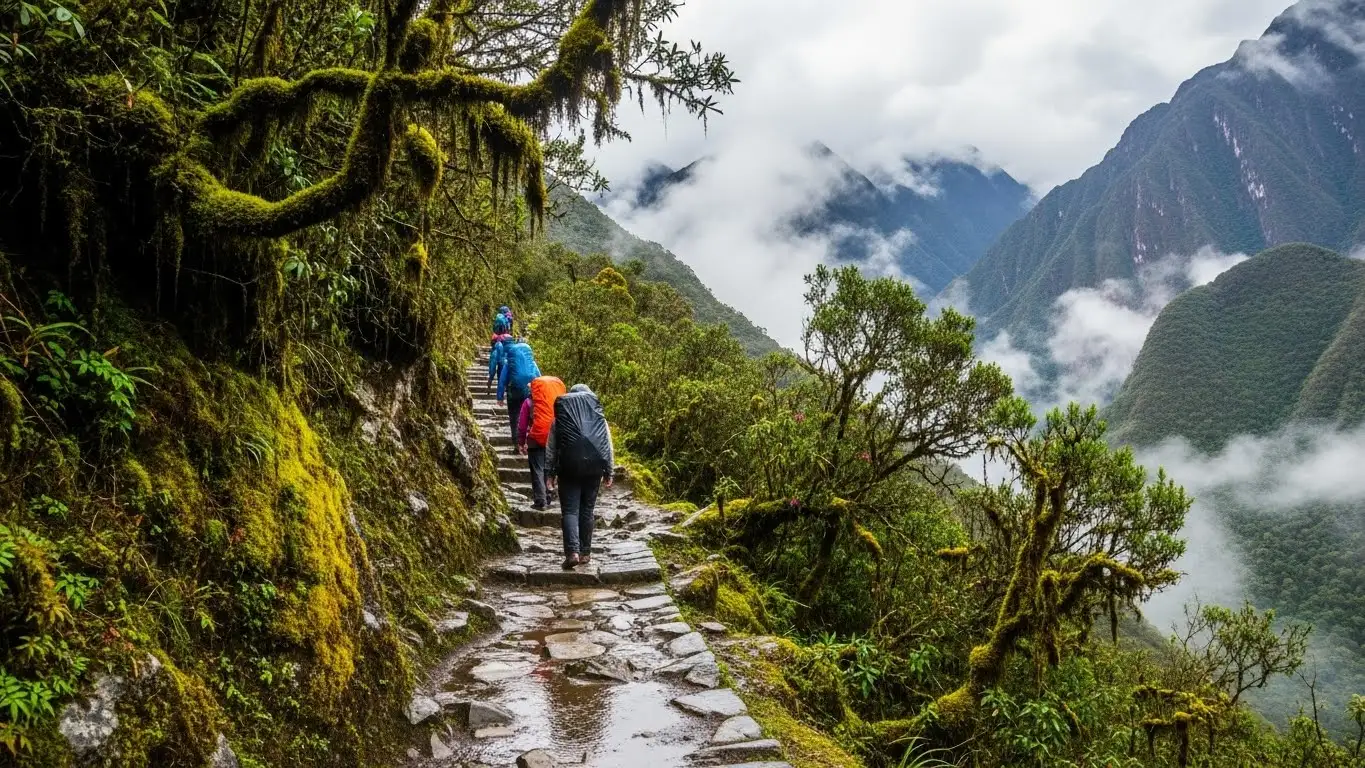
- The rainy season (November-March) brings greener landscapes, blooming cloud forest vegetation, and far fewer people on the trail. Morning weather can be surprisingly clear, but trekkers must be prepared for muddy sections, slippery steps, and occasional heavy showers.
Shoulder Months for Fewer Crowds and Good Weather
April and October are ideal for those who want a balance. April benefits from the end of the rains, offering vibrant scenery and improving weather. October maintains many dry season advantages but with noticeably fewer hikers and milder temperatures. Both months provide a great mix of comfort, visibility, and reduced crowds.
February Trail Closure and What It Means
Every February, the Inca Trail closes for essential maintenance and environmental restoration. While Machu Picchu remains open, all Inca Trail routes are unavailable, so trekkers must adjust their dates or choose an alternative trek during this month.
What to Pack for the Inca Trail
Packing correctly is essential for enjoying the Inca Trail. The trek crosses different microclimates high mountain passes, humid cloud forests, cold campsites, and warm valleys so bringing the right gear keeps you comfortable, safe, and fully prepared. Below is a complete packing guide based on field experience, reputable trekking resources, and recommendations used by professional Andean guides.
Clothing Layers for Changing Mountain Weather
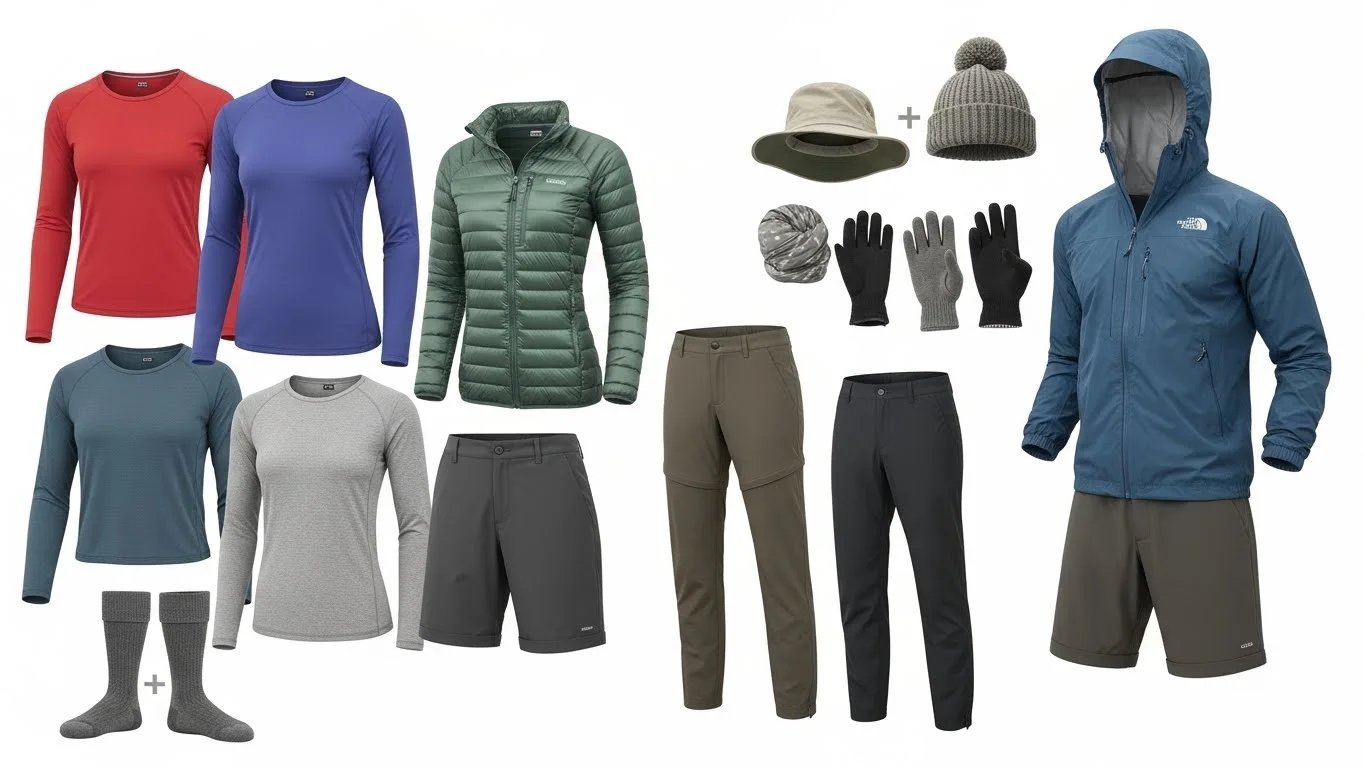
The Andes are known for fast changing weather, so layering is the smartest strategy. Temperatures can shift from strong sun to cold winds within minutes.
Bring:
- Moisture wicking T-shirts and long sleeves (quick-dry, non-cotton)
- Base thermal layers (top and bottom) for early mornings and high passes
- Fleece or lightweight down jacket for insulation
- Waterproof jacket and rain pants for cloud-forest showers
- Hiking pants (convertible pants are extremely practical)
- Comfortable shorts for warmer sections
- Wool hat, warm gloves, and buff or bandana
- Sun hat and UV protective sunglasses
- 3-5 pairs of thick hiking socks + optional sock liners
This is because it traps moisture, remains damp for a long time, and makes cold temperatures feel much worse.
Footwear and Trekking Poles for the Inca Trail Route
One of the most important decisions you will make is your footwear. The Inca Trail is full of uneven stones, steep staircases, and long descents.
Essential items:
- Waterproof hiking boots with ankle support and durable traction
- The boots should be fully broken in before the trek
- Lightweight camp shoes or sandals for evenings
- Trekking poles with rubber tips (metal tips are not allowed)
Poles help protect your knees, improve balance, and make descent days much easier.
Backpack Setup and Daypack Essentials
Most tour operators provide a duffel bag (usually with a 7 kg personal weight limit carried by porters). Your daypack will hold everything you need during the day.
Choose a 20-30 liter daypack with good shoulder support, chest strap, and a rain cover.
Daily essentials for your daypack include:
- Minimum 2 liters of water (hydration bladder recommended)
- Snacks: nuts, chocolate, fruit, energy bars
- Sunscreen + SPF lip balm
- Rain jacket or poncho
- Lightweight gloves/extra warm layer
- Headlamp with extra batteries
- Camera or phone in a waterproof bag
- Small personal first-aid kit
- Toilet paper, hand sanitizer, and biodegradable wipes
Pack smart and keep your daypack as light as possible every gram counts at altitude.
Health, Hygiene, and First Aid Must-Haves
Facilities are basic along the trail, so a simple hygiene kit is invaluable.
Bring:
- Biodegradable wet wipes
- Hand sanitizer
- Quick-dry microfiber towel
- Toothbrush, toothpaste, minimalist toiletries
- Toilet paper in a waterproof bag
Health and first-aid essentials:
- Blister patches and friction tape
- Pain relievers
- Electrolyte salts
- Anti-diarrheal medication
- Altitude medication (if prescribed)
- Any personal prescriptions
- Insect repellent for cloud-forest zones
Nausea or fatigue caused by steep climbs can be remedied by Coca candy, ginger candy, or rehydration packets.
Camping Gear and Optional Comfort Items
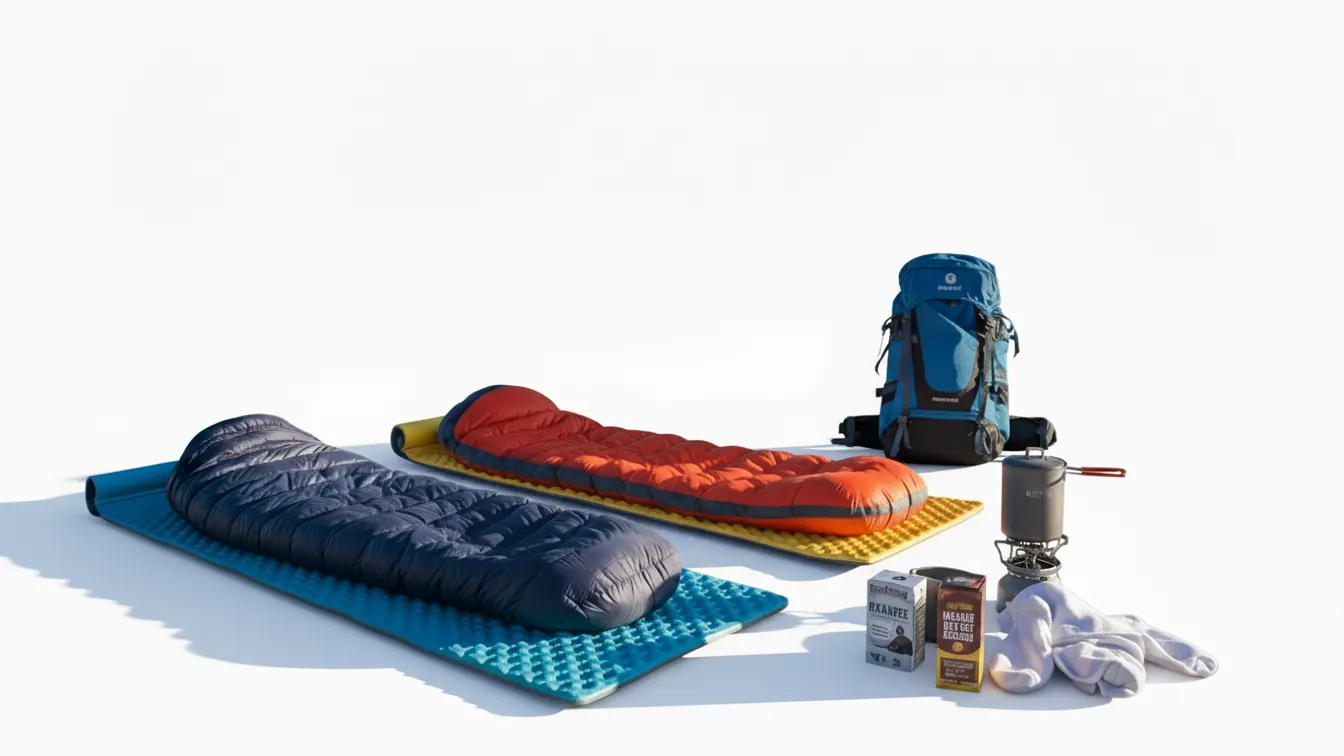
Most operators provide quality tents, sleeping mats, and all cooking gear, but carrying (or renting) a few extras helps with comfort.
Recommended extras:
- Warm sleeping bag (rated for cold alpine nights)
- Inflatable Sleeping Pad for Improved Sleep
- Dry bags for clothes and electronics
- Backpack rain cover
- Extra socks and a small towel
- Instant coffee or electrolyte drink mixes for energy boosts
These items enhance your comfort without adding too much weight.
Electronics, Documents, and Essentials
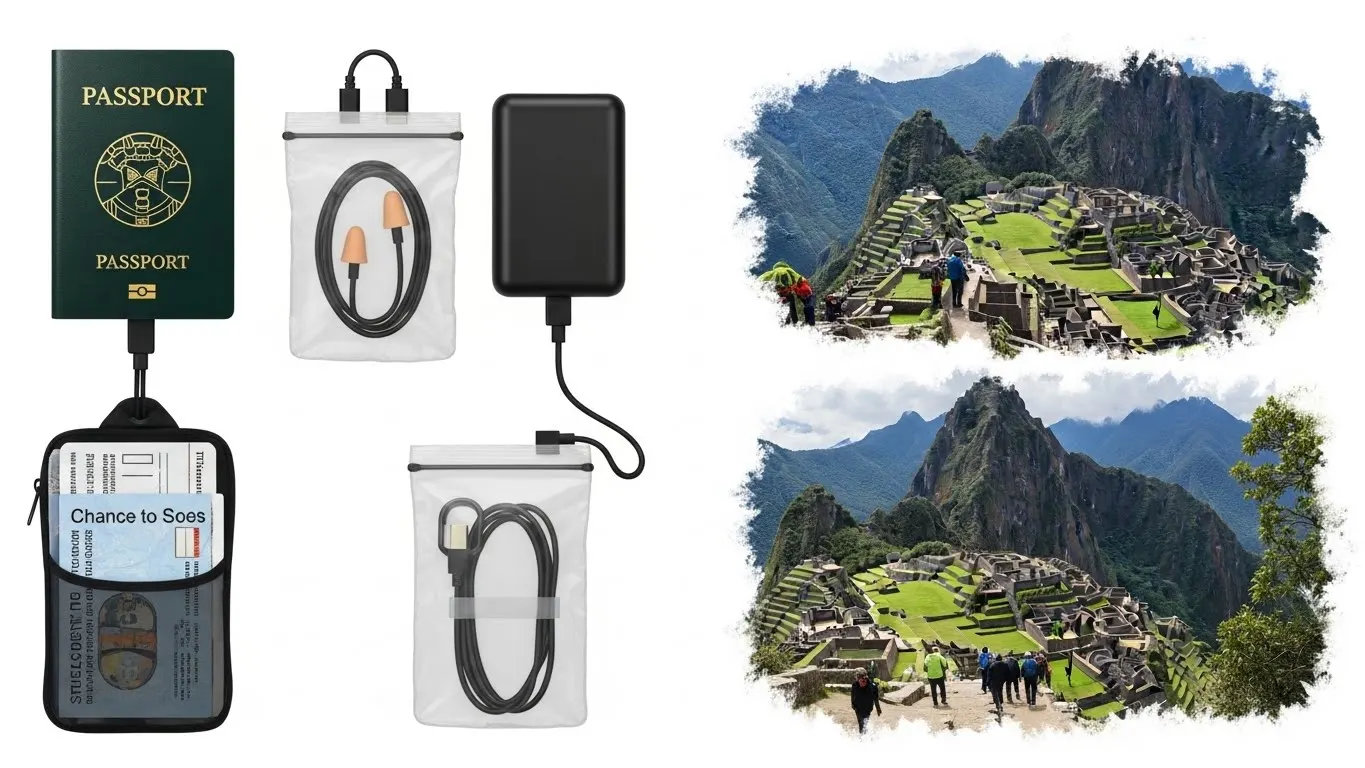
Keep electronics minimal; there are no charging stations along the trail.
Bring:
- Phone or camera + small power bank
- Charging cables in waterproof bags
- Earplugs (useful for windy nights or early campsites)
Documents:
- Passport is compulsory at every Inca Trail checkpoint.
- Cash in soles for tips and small purchases
- If applicable: student ID for Machu Picchu discounts
Keep all documents stored securely but accessible.
What Not to Bring on the Inca Trail
Keep unnecessary items to a minimum, so that your load remains light and manageable.
Do NOT bring:
- Heavy cotton clothesDrones (prohibited at Machu Picchu)
- Large electronics or heavy chargers
- Glass bottles
- Excess toiletries
- Jewelry or treasure
A lighter load improves your pace, reduces fatigue, and makes the trek far more enjoyable.
Why Smart Packing Matters
The Inca Trail is physically demanding long days, steep climbs, high altitude, and variable weather make preparation essential. Packing strategically ensures comfort, safety, warmth, and mobility. With the right gear and a balanced pack, you’ll be able to fully enjoy the ruins, landscapes, and unforgettable entrance into Machu Picchu through the Sun Gate.
Alternative Treks and Tours That Lead to the Inca Trail Region
When Inca Trail permits are sold out, several alternative treks offer outstanding scenery and memorable approaches to Machu Picchu. Each route has its own character, combining mountain landscapes, local culture, and unique experiences that appeal to different types of travelers.
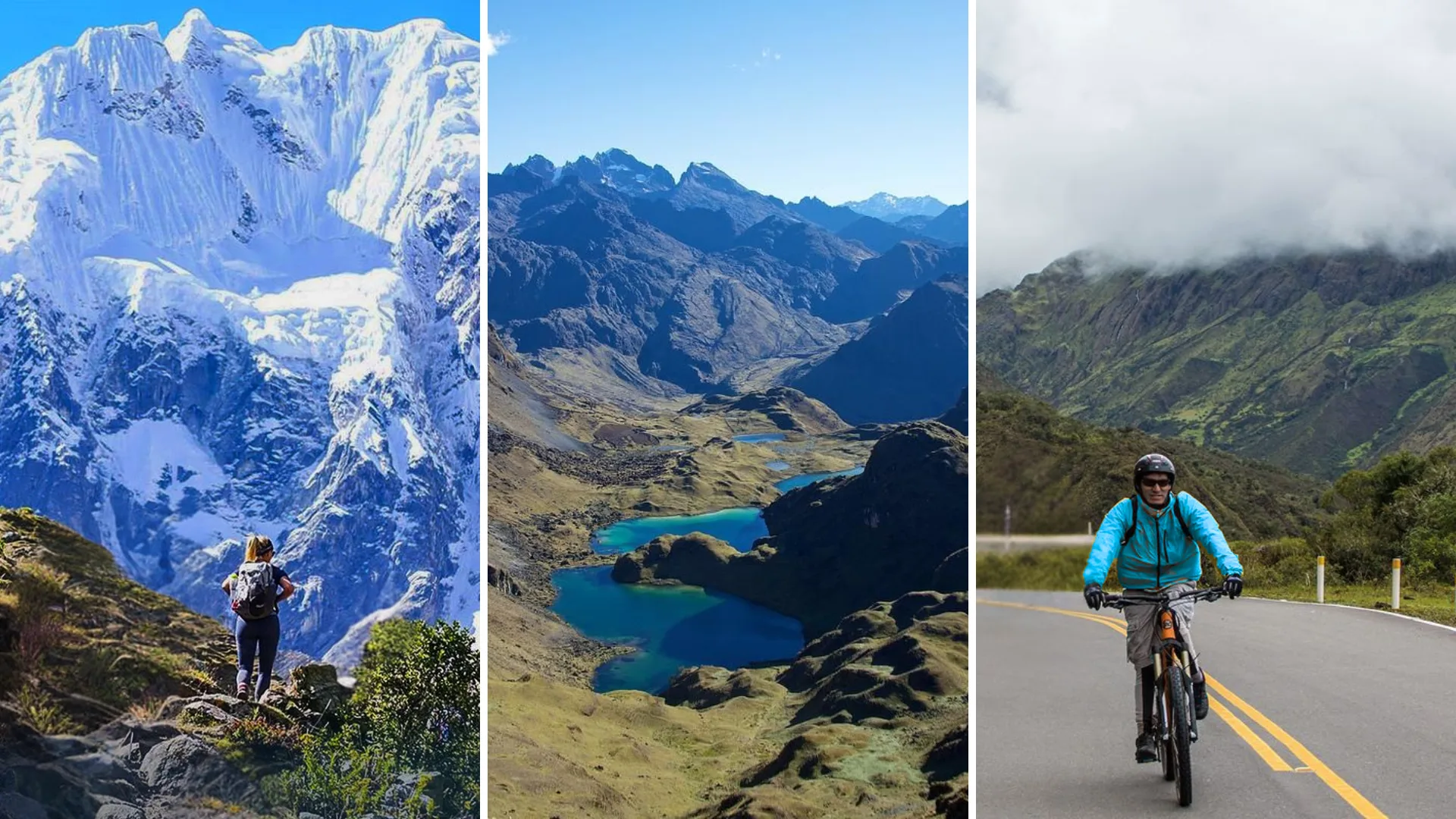
Salkantay Trek High Altitude Alternative to the Inca Trail
The Salkantay Trek is the most popular alternative thanks to its dramatic landscapes. It crosses high mountain passes near the sacred Salkantay Glacier, visits turquoise lakes like Humantay, and then descends into lush jungle valleys. This trek offers a powerful mix of adventure, altitude challenges, and diverse ecosystems, making it a solid option for hikers seeking varied terrain.
Lares Trek Culture, Communities, and Hot Springs
The Lares Trek is all about cultural sensitivity rather than extreme altitude. Along the way, you will pass through traditional Andean villages, meet skilled weavers, see alpaca herds, and enjoy peaceful valley scenery. Natural hot springs in Lares provide a relaxing break before continuing toward Machu Picchu. Ideal for travelers who value meaningful cultural encounters and quiet mountain paths.
Inca Jungle Trek Adventure Route for Active Travelers
For the real adrenaline-filled adventure, the Inca Jungle Trek combines biking, hiking, ziplining, and even rafting. The route follows warm, tropical landscapes with plantations of fruits, cloud forest trails, and lively small towns. In all, it’s a fun, energetic option for active travelers who want more than to simply hike.
Why These Alternatives Don’t Replace the Classic Inca Trail Experience
These treks are both rewarding and scenic, but none follow the original ceremonial route built by the Incas. Only the Classic Inca Trail allows hikers to enter Machu Picchu through the Sun Gate, an experience which stays singularly symbolic and historically meaningful.
Responsible Inca Trail Travel and Porter Welfare
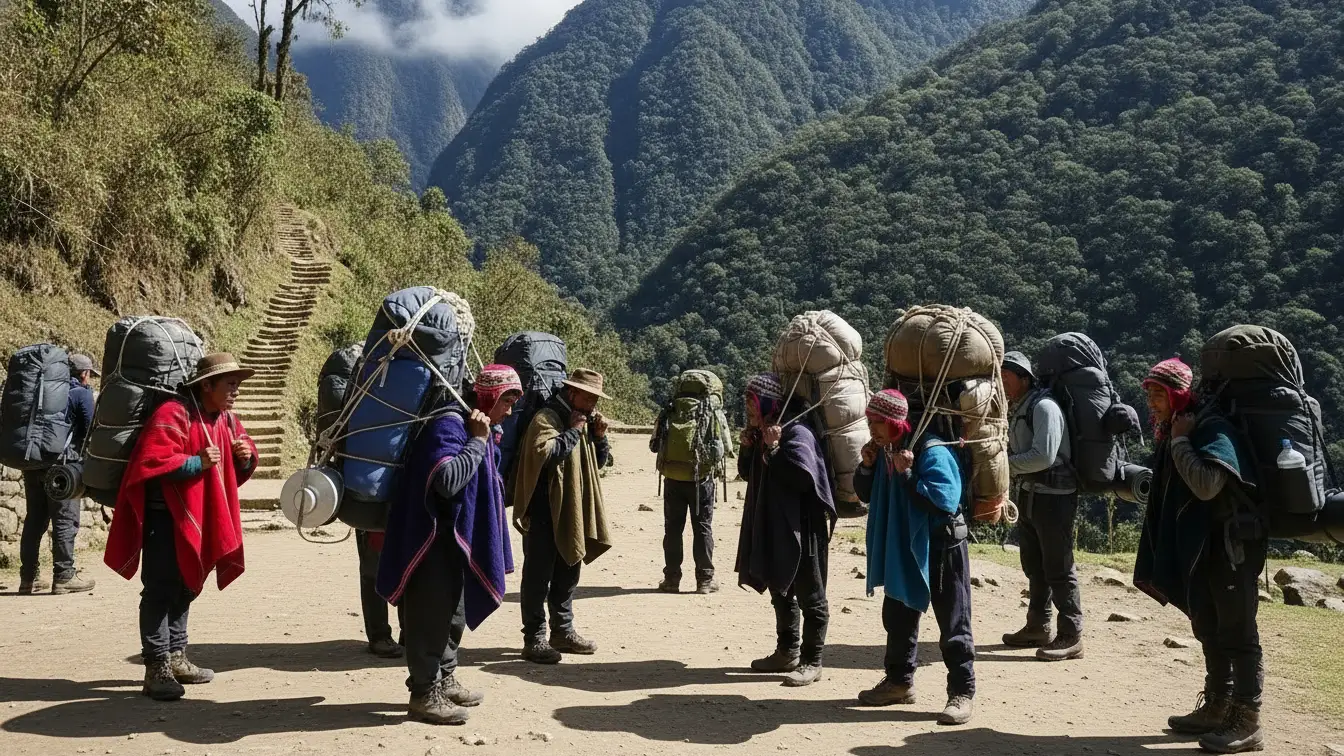
Traveling responsibly along the Inca Trail includes respect for the environment and culture as well as respect for the porters who allow you to have this experience. Trekking ethically ensures that the Inca Trail will continue to be protected and that local communities will be compensated fairly through tourism.
Ethical Inca Trail Trek Tours What to Ask Your Operator
Before you book, talk with your operator about the following: Porter load limits, porter wages, porter meals, porter equipment, and their environmental practices. Responsible operators follow legal weight limits, feed and provide proper shelter for their porters, and work with local communities. The more transparent an operation is about these issues, the more likely it is to be a responsible and sustainable operation.
Porter Loads, Wages, and Working Conditions
Porters carry the necessary equipment for camping while trekking and work in very difficult conditions. Ethical operators provide warm clothing, high-quality tents, healthy meals, and fair wages for their porters. Choosing an operator who values the welfare of their porters will directly enhance the safety and morale of each trekker, and allow for an enriching overall trekking experience.
Environmental Practices and Reducing Your Impact on the Trail
Help preserve the Inca Trail by using reusable bottles, avoiding plastics, staying on marked paths, and packing out all waste. Respect wildlife, keep noise low, and follow Leave No Trace guidelines. Small actions help protect this sacred route for future generations.
Final Tips for Your Inca Trail Trek
These final recommendations will help you feel fully prepared and confident before starting your journey to Machu Picchu.
Checklist Before You Fly to Peru
Check that your passport details are identical to your Inca Trail permit, along with hotel and transportation reservations. Pack accordingly for the season. Plan at least 2-3 days for acclimatization in Cusco or the Sacred Valley. Rent items in advance if you need to, such as trekking poles and sleeping bags.
Last Minute Advice for the Night Before Your Trek
Have a light meal, drink plenty of water, but avoid alcohol. Pack your daypack, charge your camera and other electronic devices, and lay out your clothes in layers ready for an early cold start. Most groups depart to hike well before sunrise, so set multiple alarms to get a good night’s sleep.
Making the Most of Your Day in Machu Picchu After the Trail
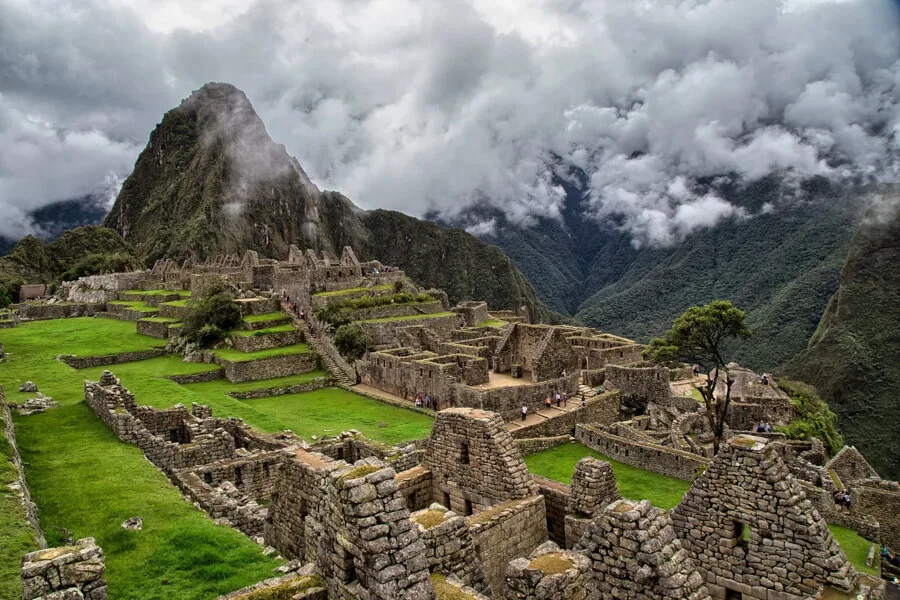
When arriving at your final destination of Machu Picchu through the Sun Gate, take a moment to enjoy this beautiful view as it will be one of the most memorable sights along your journey. Enjoy wandering around the different temples/terraces lookouts and taking photos but do so at a leisurely pace. If you have sufficient energy remaining after visiting the site and hold a separate permit, then you might consider hiking up Machu Picchu Mountain to take in a stunning panoramic view of the area surrounding Machu Picchu.
Frequently asked questions about Inca Trail Guide: Passes, Routes, Ruins & Trekking Tours
The Classic Inca Trail is about 26 miles (42 km) over four days, with several hours of hiking each day and one big ascent over Dead Woman’s Pass at 4,215 m (13,828 ft). It’s considered moderately challenging due to altitude and steep stone steps, but most reasonably fit travelers who train a bit beforehand can complete it.
Permits often sell out months in advance, especially for May-September. In general, it’s best to book 8-12 months ahead for June-August, 6-9 months for April, May, and September, and 3-4 months for March and October. The more flexible you are with dates, the easier it is to find availability.
The best conditions are usually during the dry season (May-September), when the trail is more stable and views are clearer. April and October are great shoulder months with fewer crowds and still good weather. The trail is closed in February for maintenance, although Machu Picchu itself remains open.
You cannot hike the Classic Inca Trail independently. By law, all trekkers must join a licensed tour operator with authorized guides and porters. The company handles permits, logistics, camping equipment, and safety, which is why choosing a reputable operator is so important.
You’ll carry a daypack (20-30 L) with essentials like water, snacks, layers, rain gear, sunscreen, and personal items. Most companies provide a duffel bag for extra clothing and a sleeping bag, carried by porters, with a typical personal weight limit of around 7 kg (15 lb). Packing light, using layers, and avoiding unnecessary items is key to a comfortable trek.