
The Virgen de la Candelaria in Puno, Peru: A Complete Cultural and Religious Guide
The Virgin de la Candelaria Festival in Puno is one of Peru’s most important celebrations because it blends deep Catholic devotion with one of the largest folkloric dance traditions in the Andes. Every February, the city shifts into festival mode: you will see religious services, community rituals, dance competitions, and marathon parades that take over streets and stadiums. UNESCO describes the celebration as religious, festive, and cultural, shaped by Catholic traditions while also reflecting symbolic elements of the Andean worldview. In plain terms, this is not “just a parade.” It is a full cultural season where faith, identity, and performance all happen at once.
What Is the Festividad de la Virgin de la Candelaria?
This festival honors the Virgin Mary as the Virgin de la Candelaria, but in Puno it is not one single ceremony or one single day. It is a multi-stage celebration that starts with formal religious acts and grows into massive public performances where entire communities express who they are through dance, music, and costumes. UNESCO notes that the main festival begins early in the month with a daybreak mass followed by an ancient purification ceremony, which helps explain why locals see it as a serious obligation of faith before it becomes the biggest spectacle in the streets.
Religious Origins of the Festival
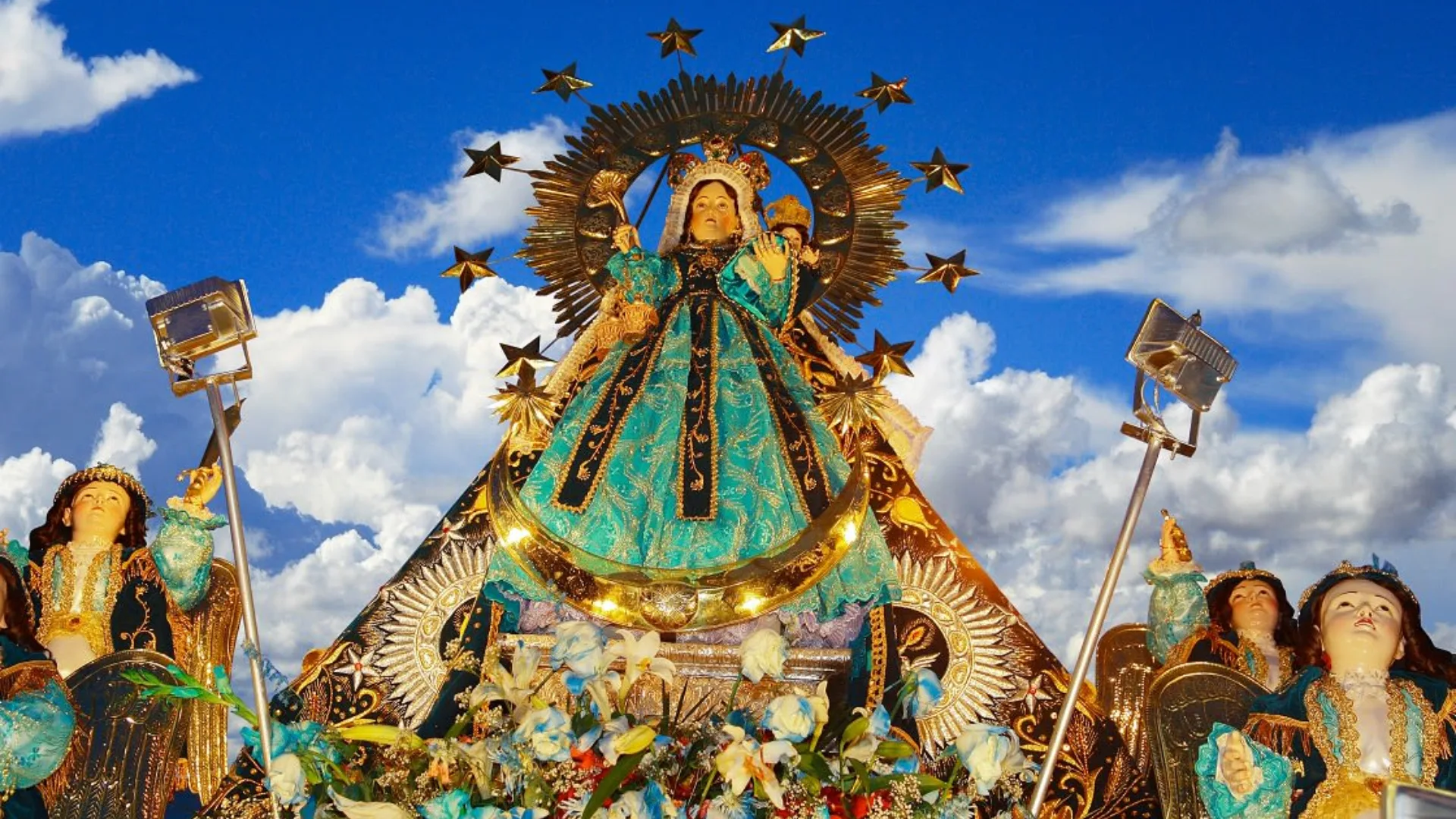
Candelaria connects to Candlemas on February 2, a Christian feast that commemorates the presentation of Jesus at the Temple and is traditionally linked to the blessing of candles. In Puno, February 2 remains the spiritual center of the celebration, typically marked by a solemn mass and a formal procession honoring the Virgin. UNESCO also highlights that the festival begins early in February with a dawn mass and a purification ceremony, which sets a devotional tone before the biggest dance days arrive. Many locals participate for personal reasons like promises, gratitude, and faith, not only for culture or applause. For visitors, the religious portion is where you usually feel the most quiet intensity: candles, prayers, and the strong sense that this is sacred, not staged.
Cultural Importance in Southern Peru
In Puno, the festival works like a citywide project that communities prepare for months in advance. People do not simply “join a parade.” They belong to organized dance associations, rehearse seriously, and represent a neighborhood, a social group, or a region through performance. The cultural meaning is easy to see in how traditions get passed down: younger participants learn steps, music cues, and etiquette by training with older members, year after year. Is a mix of a major religious feast, a regional heritage event, and a competitive performance season all rolled into one.
Why It Is One of the Largest Festivals in South America
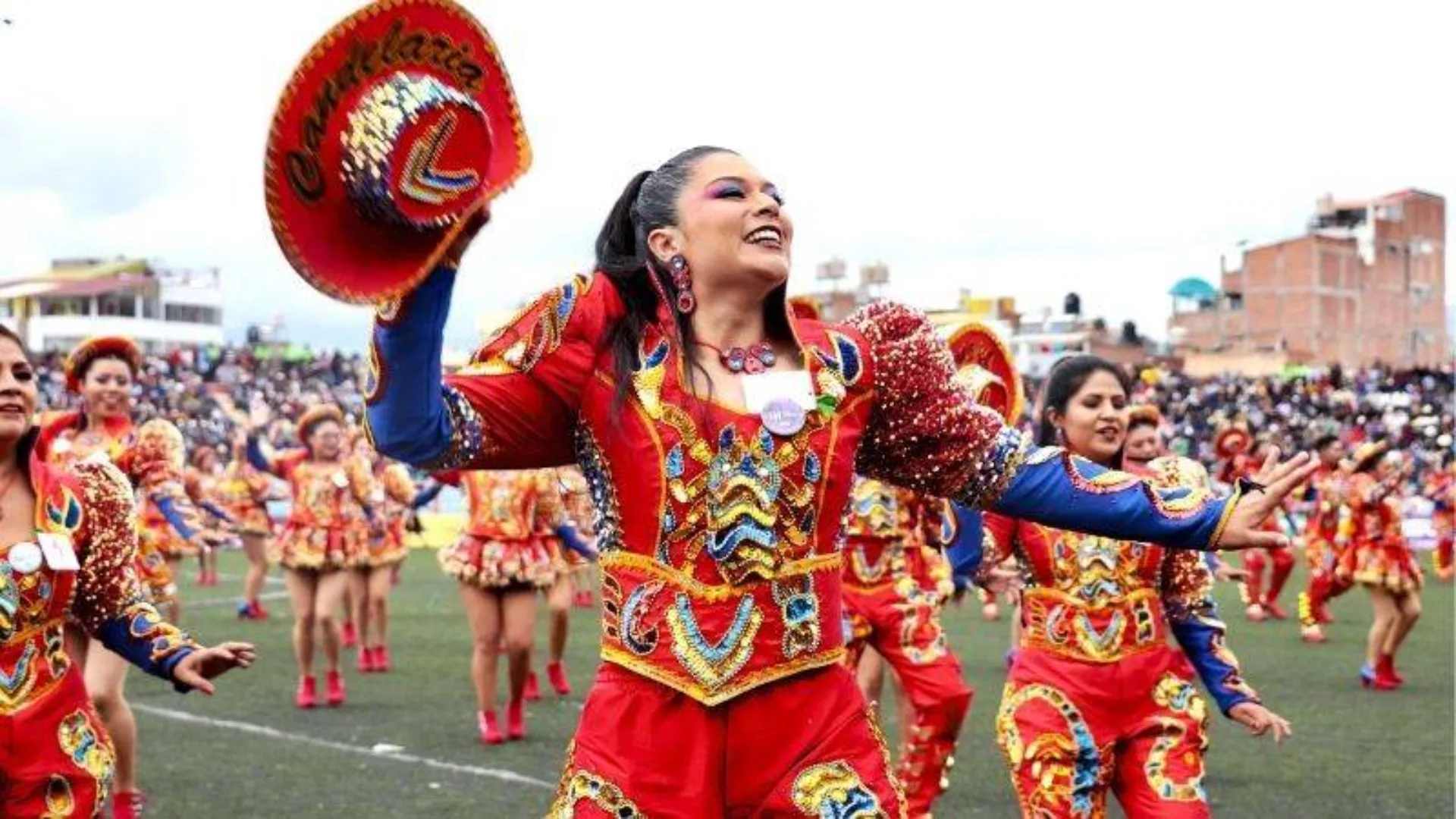
The festival is “big” in the most practical way possible: multiple major days, multiple venues, and schedules that can run for hours. It is also “big” because it includes two major dance worlds that attract huge participation: dances considered originarias or autóctonas, and the more elaborate trajes de luces tradition with brighter costumes and large brass bands. UNESCO recognition as Intangible Cultural Heritage reinforces that the scale is not only about crowds, but about cultural continuity and meaning. For travelers, this scale changes everything: streets fill early, good viewing spots disappear fast, and the city can feel like it runs on music nonstop for days. This is a festival you plan for like an all-day event, not something you “drop by” for an hour.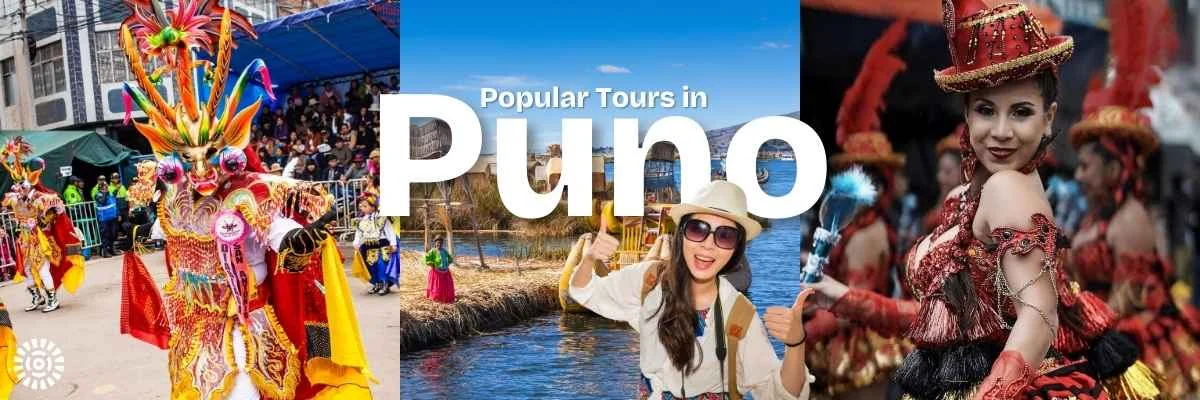
Where Is the Virgin de la Candelaria Festival Celebrated?
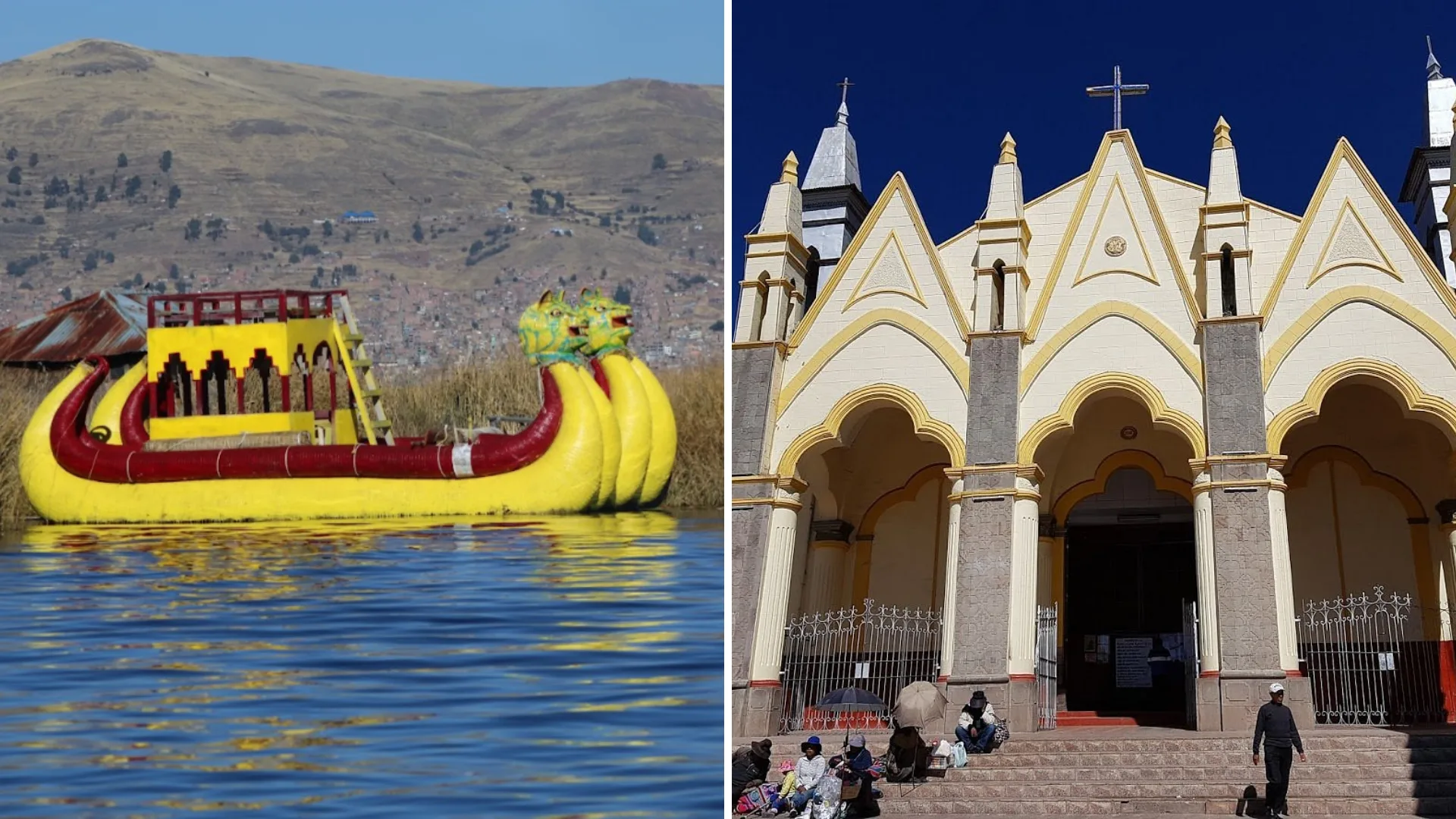
The festival takes place in Puno, a high-altitude city near Lake Titicaca. The location shapes the entire experience because altitude affects endurance for performers, walking distances matter for visitors, and the region’s cultural identity is woven into the dances. The Virgin’s image is closely tied to the San Juan Bautista Church, which is identified as a sanctuary for the Virgen de la Candelaria.
The City of Puno and Its Cultural Identity
Puno is not just the host city; it feels like an active participant. Streets, plazas, churches, and stadiums all become part of the festival depending on the day. The city’s identity is strongly folkloric, meaning music and dance are not occasional entertainment but core ways the community expresses itself. During festival season, it is common to see rehearsals, group gatherings, and coordinated arrivals of musicians and dancers as momentum builds toward the biggest days. For first-time visitors, Puno can feel like it has one shared purpose in February: honoring the Virgin through devotion and performance.
Geographic Location Near Lake Titicaca
Puno sits in the highlands near Lake Titicaca, and the festival reflects that wider cultural landscape. Many traditions connected to the region appear during Candelaria, especially on the originarias or autóctonas side of the celebration. For travelers, the geography affects pacing in a very real way: altitude plus long hours outside can make a festival day physically demanding, especially if you arrive straight from a lower elevation. Because many visitors also plan Titicaca excursions, hotel demand can rise quickly when festival crowds overlap with lake tourism.
Key Festival Sites: the Sanctuary and the Main Performance Venues
The religious heart of the festival is linked to the San Juan Bautista Church, which houses the image of the Virgin de la Candelaria and is described as a sanctuary. The biggest dance events typically happen in large organized venues, especially for competitions, and Estadio Enrique Torres Belón is widely referenced as a key site for these major days. In some years, events are also promoted at Estadio de la UNA Puno (the Universidad Nacional del Altiplano stadium), which is a good reminder that venues can shift depending on logistics.
When Does the Virgin de la Candelaria Festival Take Place?
The festival is celebrated each February, but it does not function like a one-day holiday. It is better understood as a season, with a religious anchor on February 2 and major competitions and parades clustered around that period. UNESCO states the celebration happens in February and begins early in the month with a dawn mass and purification ceremony, which helps explain why the schedule feels like a buildup rather than a single peak moment.
February 2 and Candlemas Day
February 2 is the central date because it aligns with Candlemas and the devotional identity of “Candelaria.” If you want to explain the festival clearly, treat this day as the spiritual center even if the biggest dance crowds happen on surrounding weekends. This is also when visitors tend to feel the strongest religious atmosphere, including ceremonies that are formal, emotional, and deeply respectful.
Festival Duration and Main Celebration Weeks
Most descriptions place the main celebration across the first weeks of February, with multiple headline events rather than one parade. A common structure is that originarias or autóctonas dances appear in early competitions, while trajes de luces competitions and long parades take over later key days. Local schedules often include a formal parade described as “parada” or “veneración,” and events can be spread across multiple days because there are so many groups. For travelers, “duration” is actually helpful: you can choose your focus, whether that is church ceremonies, stadium competitions, or the long street parades.
How Dates May Vary Each Year
The festival reliably happens in early February, but the exact competition and parade dates can shift depending on the year’s official program. That variability is normal for an event this large because organizers coordinate hundreds of groups, multiple venues, and citywide routes. The most practical approach is to plan travel around February 2 as the anchor, then confirm the specific year’s schedule close to your trip so you know exactly when the biggest competitions and parades will happen.
Candelaria 2026: Official Calendar of Activities
The activities planned for the 2026 Candelaria Festival include dance competitions and sikuri musical gatherings. Traditional rituals are also included. Below is the complete list of events scheduled for this religious celebration.
January
- Friday 16. The official presentation of the 2026 Virgin of Candelaria Festival will take place in the city of Puno.
- Sunday, January 18. This will be followed by a parade to mark the 61st anniversary of the FRFCP.
- Friday, January 23. On this day, the election and coronation of the 2026 Queen of Folklore will take place in the indigenous and lights categories.
- Saturday 24. Afterwards, there will be a Eucharistic celebration and a toast to the institutional anniversary of the federation.
- Monday, February 26. The Ordinary General Assembly will be held with the participation of delegates.
- Saturday, February 31. Finally, the first day of the 59th Candelaria 2026 Traditional Costume Dance Competition will begin.
February
- Sunday 1. The second day of the 59th Traditional Costume Dance Competition will continue.
- Monday 2. A solemn mass and procession will be held through the main streets of Puno. In addition, carpets will be laid out with costumes of lights.
- Sunday 8. The 59th Dance Competition in Costumes of Light will then take place.
- Monday 9. On this day, there will be a solemn mass and procession in traditional costumes. The first day of the grand parade and veneration of the Virgin will also begin.
- Tuesday, February 10: Finally, the second day of the grand parade and veneration in honor of the Virgin of Candelaria 2026 will take place.
Order of Presentation of the Traditional Dances
Saturday, January 31
- Carnaval de Nicasio
- Conjunto de Zampoñas Juventud Central Chucuito – Puno
- Asociación Folklórica Ayarachis Riqchary Huayna de Cuyo Cuyo – Sandia
- Danza Autóctona Choquelas del C.P. Calacoto, Copani – Yunguyo
- Carnaval de Manazo
- Conjunto de Sikuris Proyecto Cultural Wiñay Panqara Marka – Moho
- Institución Cultural Mallku Kunturine – Kelluyo
- Los Turcos de Cabanilla – Lampa
- Agrupación Sentimiento Sikuris de Ingeniería Civil
- Centro de Expresión Cultural Sikuris 12 de Julio Inchupalla – Huancané
- Asociación Cultural Carnaval Chaku Chucahuacas – Chupa, Azángaro
- Asociación Folklórica Carnaval de Jayllihuaya
- Cultural de Arte Milenario Heraldos Sangre Aymara – Ilave
- Conjunto Autóctono Cahuires Tajquina – Chucuito
- Conjunto Arte Folklórico Nueva Generación Kajelos del C.P. Marca Esqueña
- Asociación Central Pulipulis de Taraco
- Asociación Cultural Carnaval de Chupa
- Conjunto Folklórico Carnaval de Taraco
- Asociación de Arte Folklórico Yapuchiris 25 de Julio Huilacaya
- Asociación Juvenil de Sikuris y Zampoñas Wayra Marka – Juliaca
- Asociación Cultural Carnaval de Huerta Huaraya – Puno
- Centro de Expresión Cultural Carnaval de Patambuco
- Asociación Cultural Chokela de la Comunidad Campesina Huarijuyo
- Conjunto Folklórico Carnaval de Churo – Huayrapata
- Conjunto de Sikuris Centro Cultural 2 de Febrero de Sucuni – Conima
- Conjunto Carnaval de Chulluni Palca – Lampa
- Asociación Folklórica Alpaqueros de Culta – Acora
- Asociación Cultural Luriguayos Auténticos Rivales de Aychuyo – Yunguyo
- Danza Guerrera Los Unkakus de la Comunidad Campesina Pacaje
- Asociación Cultural Originarios Hach’akallas de Usicayos – Carabaya
- Asociación Cultural Unucajas de Azángaro – Acupa
- Asociación Cultural Carnaval de Santiago de Pupuja – Azángaro
- Centro de Expresión Cultural Sikuris Sentimiento Q’oriwayra – Putina
- Confraternidad Negritos – Acora
- Conjunto Wifalas de San Fernando – San Juan de Salinas
- Sociedad Cultural Café Pallay de las Yungas – San Juan del Oro
- Asociación de Arte y Cultura Carnaval de Chucuito
- Conjunto Juventud Kajelos San Juan de Dios – Pichacani
- Conjunto Folklórico Carnaval de Pusi – Cofocap
- Suri Sikuri Ciudad del Lago
- Grupo de Arte Sikuris Los Chasquis de Coasia – Vilquechico
- Luriguayos Fraternidad Cultural Los Compadres – Yunguyo
- Sociedad Cultural 9 de Agosto – Perka
- Asociación Cultural Carnaval Ceniza Sangre Aymara Zona Lago – Platería
- Asociación Cultural Qawra T’ikhiris – Kelluyo
- Conjunto Autóctono Pinkillada Utachiris Aymaras – Desaguadero
- Conjunto Folklórico Flor de Sank’ayo – Acora
- Asociación Cultural Sikuris Viento Andino Nueva Era – Lampa
- Asociación Cultural Carnaval Misturitas Atuncolla – Sillustani
- Conjunto de Danzas Pinkilladas Luque Pankara – Desaguadero
- Asociación Cultural Los Tenientes de Incasaya – Caracoto
- Conjunto Juventud Wifalas San Isidro – Putina
- Conjunto Milenario de Sikuris 12 de Diciembre – El Collao
- Conjunto Awatiris Santiago de Vizcachani – Jayllihuaya
- Asociación Cultural Chacareros de Caritamaya – Acora
- Agrupación Cultural Sikuris 29 de Septiembre – Conima
- Auténticos Lawa Kumus del C.P. Thunco – Acora
- Centro Cultural Juventud Kajelos – Laraqueri
- Auténtico y Original Carnaval de Ichu
- Guerreros Hach’akallas de Oruro – Crucero
- Sikuris Sentimiento Rosal Andino – Cabana
- Centro Cultural Sikuris Proyecto Peñablanca – Lampa
- Asociación Cultural Qaswa 5 Claveles – Capachica
- Conjunto Carnaval de Chuque – Acora
- Asociación Cultural Carnaval Machu Thinkay – Santa Lucía
- Asociación Chacallada Juventud Clavelitos – Platería
- Asociación Cultural Ispalla Llachon – Capachica
- Asociación Cultural Sikuris Kalacampana – Chucuito
- Conjunto Juventud Wifalas – Putina
- Carnaval Autóctono de Angara – Vilavila
- Kajelos Asociación Cultural Estudiantes Laraqueri
- Conjunto Carnaval de Alto Antalla
- Asociación Cultural Chacareros Fuerza Aymara – Acora
Sunday, February 1
- Asociación Cultural Kaswas de Huata
- Asociación Cultural Allpachu Awatiris – Mazocruz
- Sociedad Cultural Mercedes Achachi – Vilquechico
- Asociación Folklórica Llipi Pulis – Acora
- Chacareros Jhata Katus – Zepita
- Asociación Tokoros y Pinquillos Machuaychas – Caracoto
- Conjunto Carnaval de Ichuña – Moquegua
- Asociación Quena Quena 14 de Setiembre – Juli
- Centro Cultural Ayarachis Chulluni Paccha – Lampa
- Asociación Carnaval de Chucaripo Saman – Azángaro
- Asociación Cultural Los Argentinos – Paucarcolla
- Carnaval Santiago de Pupuja Zona Valle
- Kajchas Chita Señalacuy – Orurillo
- Kajelos San Santiago de Viluyo
- Sikuris Kantutas Rojas – Capachica
- Asociación Cultural Carnaval de Tiquillaca
- Asociación Cultural Unucajas de Chaupi Compuyo – Asillo
- Carnaval Chacareros de Chancachi
- Unucajas Santa Cruz José Domingo Choquehuanca
- Kajchas Cruz Taripacuy Ichucahua – Orurillo
- K’acchas de Urinsaya
- Llameritos de Cantería – Lampa
- Sikuris Raíces Andinos – Santa Lucía
- Asociación Cultural Unucajas del Distrito de San José
- Asociación Cultural Zampoñistas Arco Blanco – Puno
- Llamayuris Chusamarca – Acora
- Chacallada Potojani Grande
- Inti Tusuy de Lenzoro – Lampa
- Sikuris Jurimarka Occopampa – Moho
- Carnaval de Cabanilla – Collana
- Asociación Cultural Unkakos – Macusani
- Conjunto Vicuñitas de Collini – Acora
- Carnaval de Paucarcolla
- Carnaval de Macari Jauray – Melgar
- Chacallada Selva Alegre – Camacani
- Centro Cultural Uyma Ch’uwa – Acora
- Centro Cultural Juventud Collana – Cabana
- Sikuris Los Bosques – Huancané
- Karabotas de Pichacani
- Luriguayo Juventud Rivales de Aychuyo
- Auqui Auquis Achachis K’umos – Umuchi
- Carnaval de Pusi – Huancané
- Warakeros Laqueque Iguara – Sandia
- Sikuris 8 de Diciembre – Macusani
- Kajchas de Caracara – Nicasio
- Sikuris 19 de Setiembre – Huancané
- Carnaval Lawa K’umus – Acora
- Sikuris Qheny Sank’ayo – Huata Conima
- Auténticos Chacareros Titilaca – Platería
- Centro Cultural Pulipulis – Caracoto
- Carnaval de Suatia Palca – Lampa
- Kajelos de Yunguyo Chamacuta – Acora
- Uyma Ch’uas de Jatucachi
- Carnaval de Esmeralda Arapa – Azángaro
- Zampoñistas Confraternidad – Acora
- Sikuris Fuerza Joven – Puno
- Danza de la Soltera y Larqa Llank’ay – Moquegua
- Carnaval Wapullos – Lampa
- Chacallada Brisas del Lago – Luquina Chico
- Centro Cultural Pinkillada – Moho
- Centro Cultural Wayra Marka – San Román
- Carnaval de Capullani – Puno
- Ayarachis Somos Patrimonio – Paratia
- Sikuris Inti Marka – Coata
- Proyecto Zampoñistas Puno
- Carnaval Ayarachi de Lacachi
- Varados de Ichu
- Papa Tarpuy Alto Catacha – Lampa
- Carnaval de Arapa
- Carnaval Tupay Zona Lago Chocco – Chupa, Azángaro.
Order of Presentation for the Veneration and Parade
Monday, February 9
- Conjunto de Zampoñas y Danzas UNI
- Organización Cultural Wiñay Quta Marka – Ccota Platería
- Agrupación de Sikuris Raíces Aymaras – Ilave
- Fraternidad Caporales Virgen de la Candelaria Vientos del Sur
- Asociación Cultural Zampoñistas Lacustre del Barrio José Antonio Encinas
- Morenada Virgen de la Candelaria – Mandachitos
- Asociación Folklórica Diablada Centinelas del Altiplano
- Asociación Cultural de Sikuris Los Aymaras de Huancané
- Asociación Folklórica Caporales San Valentín
- Waca Waca del Barrio Porteño
- Juventud Tinkus del Barrio Porteño
- Asociación Cultural Morenada Azoguini
- Conjunto de Danzas y Música Autóctona Qhantati Ururi de Conima
- Conjunto Folklórico Los Caporales de la Tuntuna del Barrio Miraflores Catumi – Puno
- Conjunto de Zampoñas Expresión Cultural del Centro Poblado de Ocoña – Ilave
- Tradicional Rey Moreno San Antonio
- Agrupación Kullahuada Victoria
- Expresión Cultural Milenarios de Sikuris Internacional Los Rosales – Rosaspata Huancané
- Escuela de Arte José Carlos Mariátegui Zambos Tundiques
- Fabulosa Morenada Independencia
- Diablada Confraternidad Victoria
- Agrupación Sangre Chumbivilcana Danza Huaylia Chumbivilcana – Cusco
- Grupo de Arte 14 de Septiembre – Moho
- Asociación Cultural Folklórica Legado Caporal
- Agrupación de Zampoñistas del Altiplano del Barrio Huajsapata – Puno
- Auténticos Ayarachis Tawantin Ayllu Cuyo Cuyo – Sandia
- Morenada Laykakota
- Centro Social Kullahuada Central Puno
- Agrupación Cultural Sikuris Claveles Rojos de Huancané
- Sikuris 27 de Junio Nueva Era
- Fraternidad Artística Sambos Caporales Señor de Qollor Ritty
- Asociación Cultural Folklórica Tobas Amazonas Anata
- Conjunto Morenada Ricardo Palma
- Conjunto Sikuris 15 de Mayo de Cambria – Conima
- Asociación de Arte Cultura y Folklore Caporales de Siempre – Pitones
- Asociación Folklórica Espectacular Diablada Bellavista
- Morenada Central Galeno – Dr. Ricardo J. Ruelas Rodríguez
- Asociación Folklórica Waca Waca Santa Rosa
- Conjunto Folklórico La Llamerada del Club Juvenil Andino de Lampa
- Escuela Internacional del Folklore Caporales del Sur Puno
- Centenario Conjunto Sikuris del Barrio Mañazo
- Asociación Morenada Porteño
- Sociedad de Expresión Cultural Sikuris Wara Wara Wayras Huatasani – Huancané
- Centro Universitario de Folklore y Conjunto de Zampoñas de la UNMSM (CZSM)
- Agrupación Cultural Milenaria de Sikuris Internacional Huarihuma – Rosaspata Huancané
- Asociación Folklórica Virgen de la Candelaria – Afovic
- Conjunto Folklórico Morenada Orkapata
- Asociación Folklórica Diablada Azoguini
- Asociación Cultural Sangre Indomable – Azángaro
- Conjunto de Zampoñistas Juventud Paxa Jupax
Tuesday, February 10
- Asociación Cultural Diablada Confraternidad Huáscar
- Centro Cultural Melodías El Collao – Ilave
- La Gran Confraternidad Llamerada Virgen de la Candelaria Central Puno – La Gran Collavía
- Morenada San Martín
- Asociación Folklórica Andino Amazónico Tobas Central Perú
- Asociación Romeos de Candelaria
- Conjunto de Danzas Altiplánicas de la UNI (Tuntuna UNI)
- Asociación Cultural Incomparable Gran Diablada Amigos de la PNP
- Centro Cultural Sentimiento Sikuris Las Vicuñas de la Inmaculada – Lampa
- Gran Morenada Salcedo
- Confraternidad Central Tobas Sur
- Asociación Juvenil Puno Sikuris 27 de Junio (AJP)
- Confraternidad Poderosa y Espectacular Morenada San Valentín – Ilave
- Asociación de Zampoñistas Juventud Mañazo – Distrito de Mañazo
- Confraternidad Diablada San Antonio
- Asociación de Expresión Cultural Juvenil 29 de Septiembre – Ilave
- Caporales Centro Cultural Andino
- Conjunto de Músicos y Danzas Autóctonas Wiñay Qhantati Ururi – Conima
- Morenada Huajsapata
- Conjunto de Arte y Folklore Sikuris Juventud Obrera
- Asociación Folklórica Caporales Sambos con Sentimiento y Devoción Porteño
- Rey Moreno Laykakota
- Poderosa y Espectacular Waca Waca Alto Puno
- Cofradía de Negritos Chacón Beaterio de Huánuco
- Asociación La Voz Cultural Khantus 13 de Mayo – Huayrapata
- Asociación Cultural Kullahuada Virgen María de la Candelaria
- Asociación Folklórica Caporales Victoria – Puno
- Asociación de Zampoñistas y Danzas Autóctonas San Francisco de Borja – Yunguyo
- Tradicional Diablada Porteño
- Confraternidad Cultural Wacas Puno
- Agrupación Sociedad Cultural Autóctono Sikuris Wila Marka de Conima
- Asociación Folklórica Tinkus Señor de Machallata
- Asociación Cultural Caporales Centralistas Puno
- Sociedad Centro Social de Folklore y Cultura Sikuris y Danzas Autóctonas Fundación Pokopaka – Huancané
- Asociación Cultural de Sikuris Intercontinentales Aymaras de Huancané
- Asociación Cultural Ecologista Etnias Amazónicas del Perú – Biodanza
- Confraternidad Morenada Intocables Juliaca Mía
- Conjunto Rey Caporal Independencia – Puno
- Asociación Cultural Folklórica Caporales Huáscar
- Auténticos Ayarachis de Antalla Palca – Lampa
- Asociación de Arte y Folklore Caporales San Juan Bautista – Puno
- Poderosa y Espectacular Morenada Bellavista
- Asociación Cultural de Sikuris Proyecto Parinawas de Huancané
- Asociación Cultural Genjinos Ayarachis de Paratia – Lampa
- Asociación Juvenil Cabanillas Sikuris AJC
- Taller de Arte Música y Danza Real Asunción – Juli
Religious Meaning of the Virgin de la Candelaria
Even though the festival is famous for dance, it is not a dance festival that happens to include a church event. It is a religious celebration that expands into cultural performance, with devotion as the emotional core. UNESCO frames it explicitly as religious, festive, and cultural, and it describes early religious events like the dawn mass and purification ceremony, which signals that faith is the starting point.
Catholic Devotion and Processions
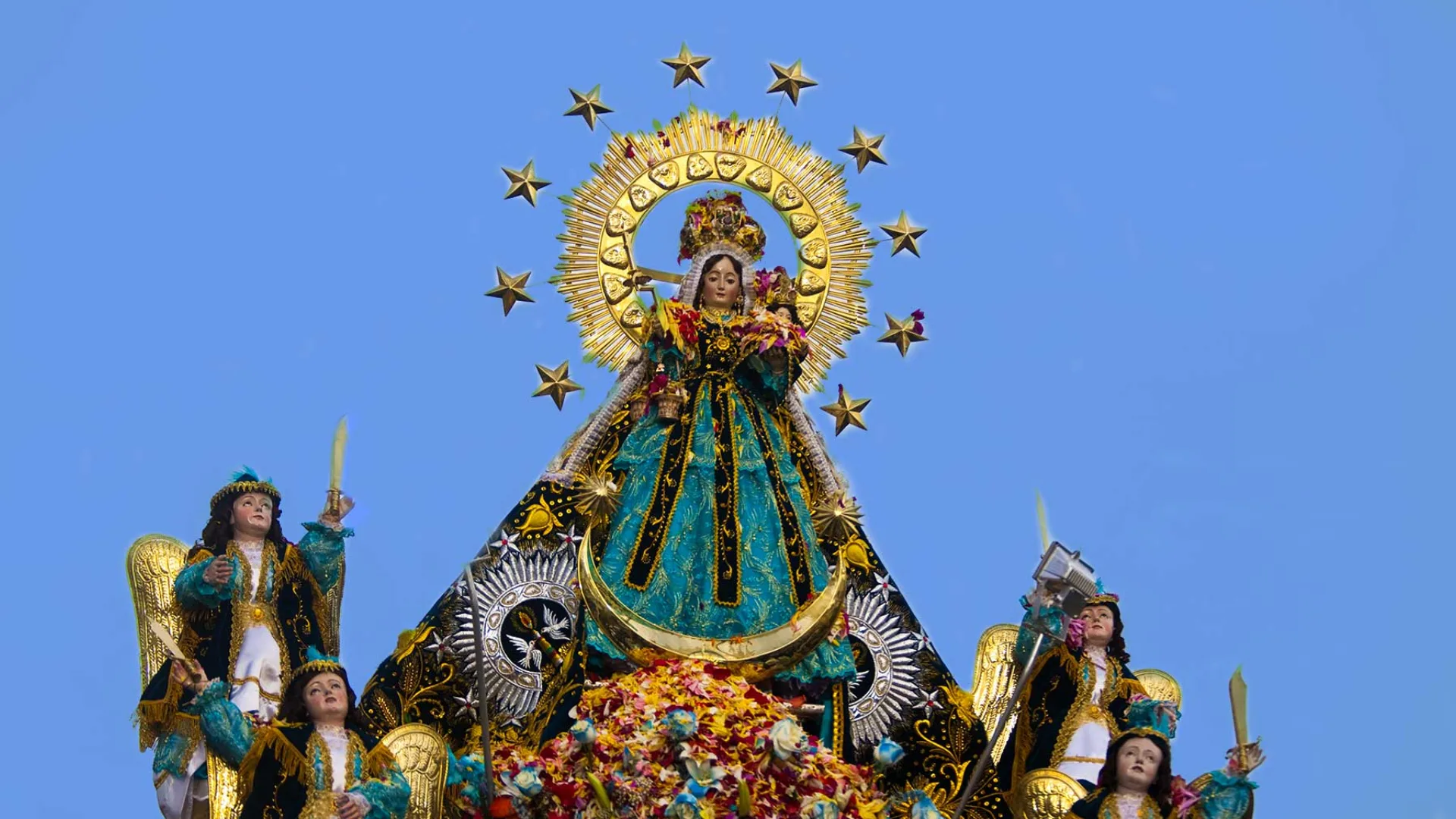
Religious events include mass and processions treated as central, especially on February 2. During processions, the Virgin’s image is carried through the streets and the atmosphere becomes solemn and focused, even in crowded spaces. For visitors, it helps to picture what you may actually see: packed church entrances, candles, families dressed carefully, and a clear sense of respect, even among people who are simply watching. This is also the moment when etiquette matters most, because many parts are sacred rather than performative.
The Role of the Virgin as Protector of Puno
The Virgin de la Candelaria is commonly described as a patron figure of Puno, which helps explain why the city treats the festival as its defining celebration. Devotion is not abstract for many residents; it is tied to promises, gratitude, and the belief that the Virgin protects families and the city. That belief gives participation weight: people rehearse for months and invest heavily because they are honoring a protector, not just performing for entertainment. This is why the festival can feel emotional even in public spaces, and why it is important to describe it as reverence as much as celebration.
Churches and Religious Ceremonies During the Festival
The San Juan Bautista Church remains a key religious site because it houses the image of the Virgin de la Candelaria and is recognized as a sanctuary. Religious ceremonies do not happen only once; they shape the calendar and give the entire celebration its meaning and rhythm. The blend described by UNESCO, Catholic liturgy alongside ancestral ritual elements, helps explain why the ceremonies can feel layered and culturally rich. For visitors, attending a mass or observing a procession provides context that makes the dances easier to understand as acts of devotion and identity, not just entertainment.
Andean Traditions and Cultural Fusion
One reason Candelaria is internationally recognized is that it reflects cultural syncretism in the Andes. UNESCO states that the festival draws on Catholic traditions while also carrying symbolic elements of the Andean worldview. That is why the meaning often feels deeper than what you see in a short video clip online: there is a long history of adaptation where both layers remain present.
Pre-Hispanic Beliefs and Symbolism
Many symbols show up through costumes, masks, and choreography that feel older than the colonial era, even when performed in a Catholic context. You see repeated characters, patterns, and movements across groups, which is one way communities preserve meaning through performance. The key point is that tradition is carried through practice: people learn by doing, not only by reading. That is why a visitor can sense that the dances are structured storytelling with rules and shared references rather than improvisation.
The Influence of the Andean Worldview
UNESCO’s mention of the Andean worldview matters because it points to values like community, reciprocity, and ritual meaning embedded in celebration. You can often see this in how groups move together and how participation is framed as collective representation, not individual showmanship. It also appears in ritual moments linked to early festival days, such as purification ceremonies that connect to ancestral practices. For US readers, this is a practical explanation of why the festival can feel spiritual even when it looks like a competition: the community is expressing belonging and meaning, not just performance.
How Catholicism and Andean Culture Merge
The merge is visible in the festival’s layout itself: Catholic masses and processions exist alongside ancestral ritual elements and culturally coded dances. Instead of one tradition replacing the other, the festival shows a long historical process where both continue side by side. That complexity is part of why UNESCO recognizes it as living heritage. When describing this, the most credible approach is simple and factual: Catholic roots, Andean symbolism, and continued community practice.
Traditional Dances of the Virgin de la Candelaria Festival
Dance is the most visible part of the festival, and also the easiest part to misunderstand if it is treated like pure entertainment. Competitions and parades involve organized groups presenting established dances, often separated into categories such as originarias and trajes de luces depending on style, tradition, and the kind of music used.
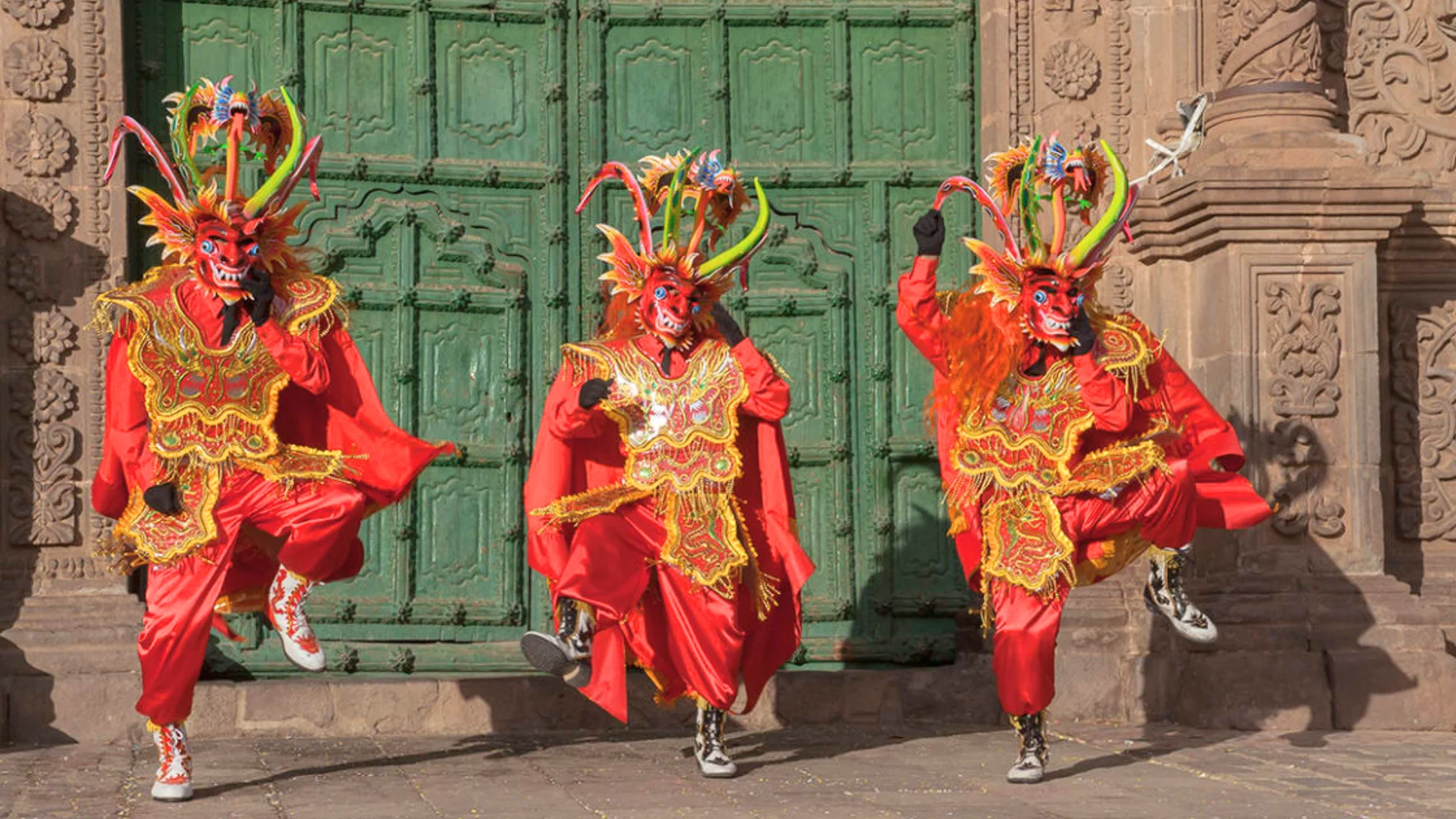
Diablada and the Symbolism of Good and Evil
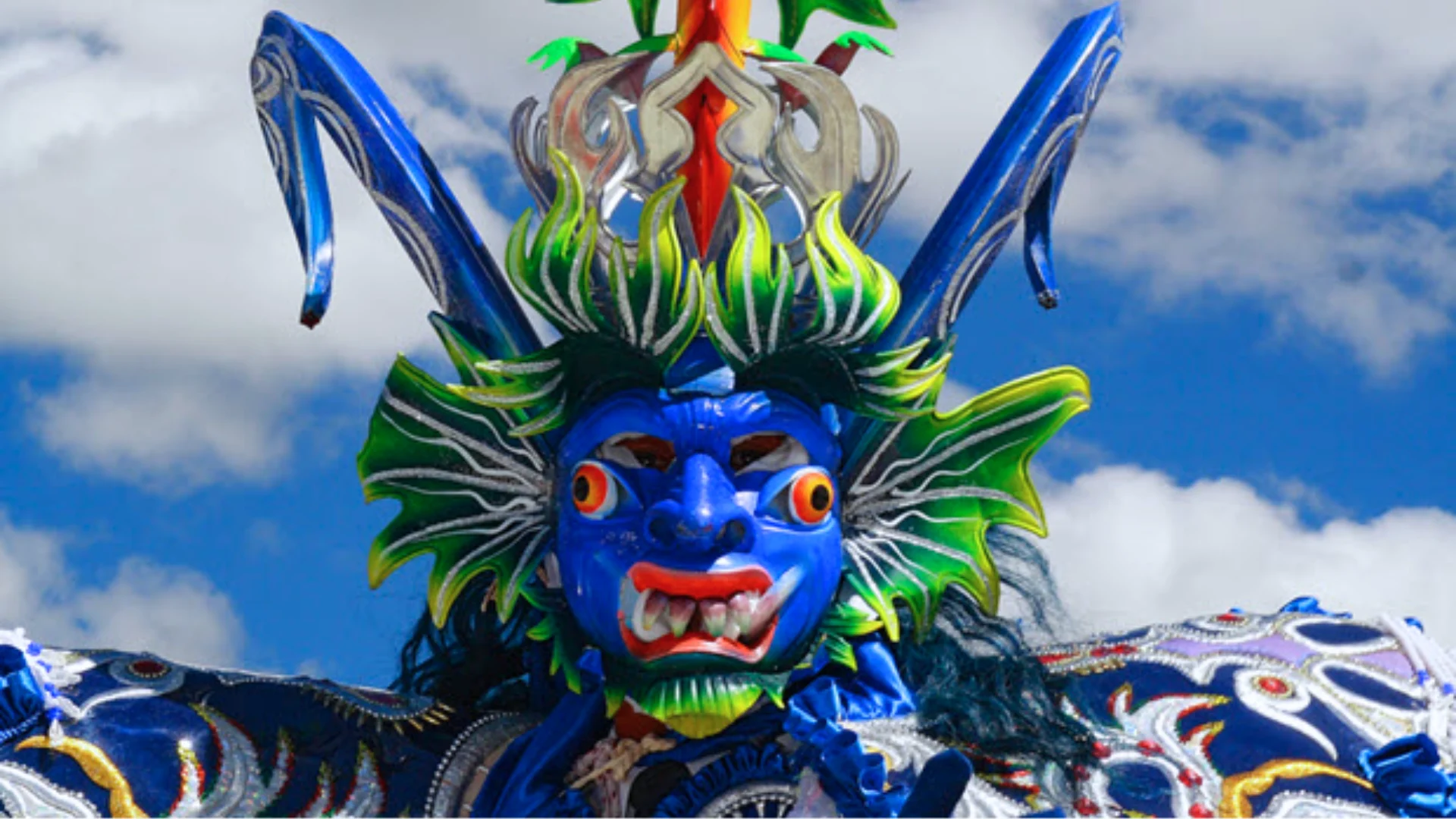
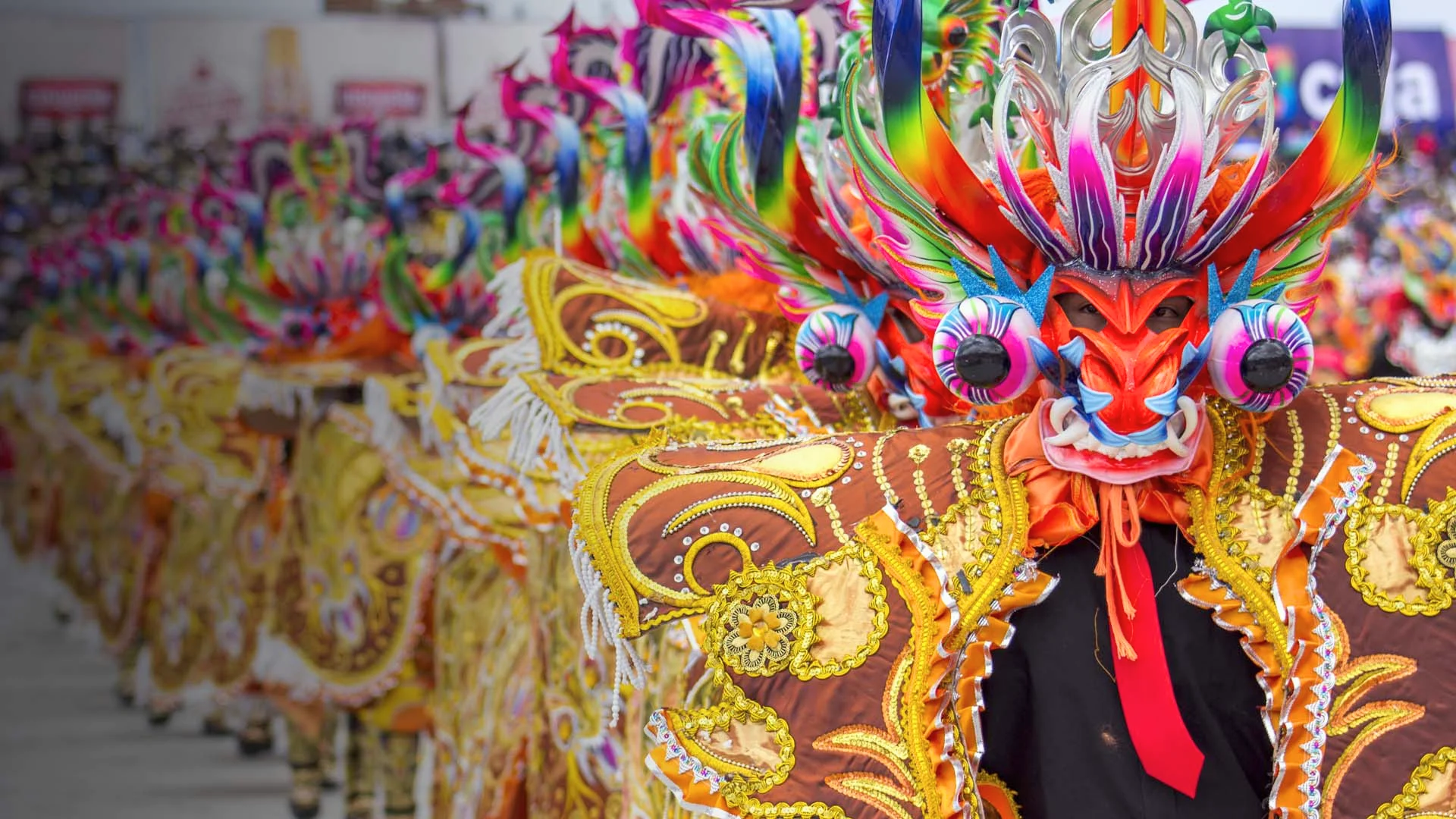
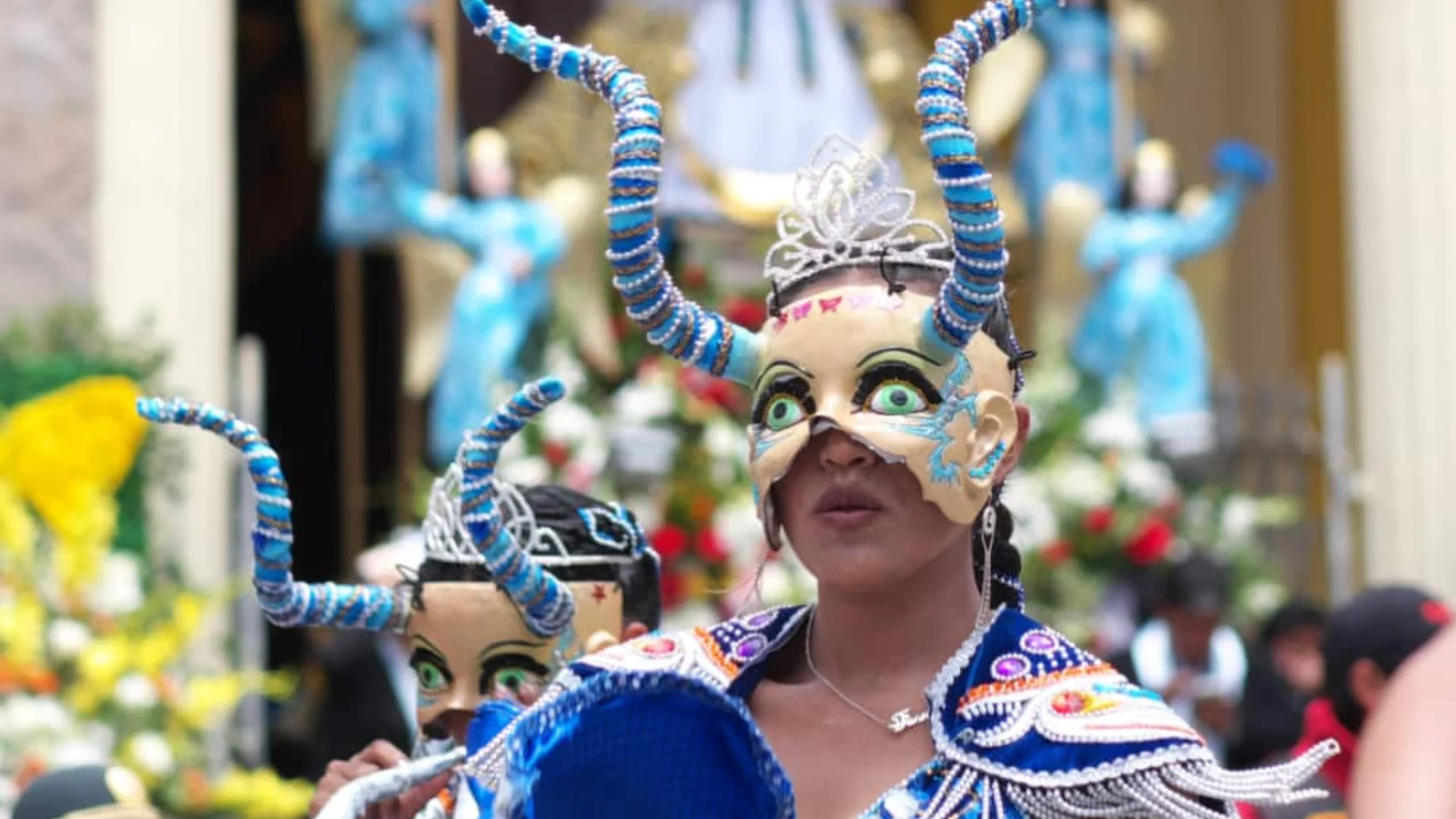
Diablada is one of the most iconic dances in major Andean festivals because it uses dramatic masks and clear characters. In Candelaria, it often communicates a moral struggle narrative, which connects naturally with Catholic symbolism while still feeling deeply Andean in style and rhythm. The performance is physically demanding and dancers move in formations that show months of rehearsal, not casual street dancing. Costumes and masks turn performers into recognizable figures, which is why Diablada images are so widely shared in photos and videos.
Morenada and Its Historical Meaning
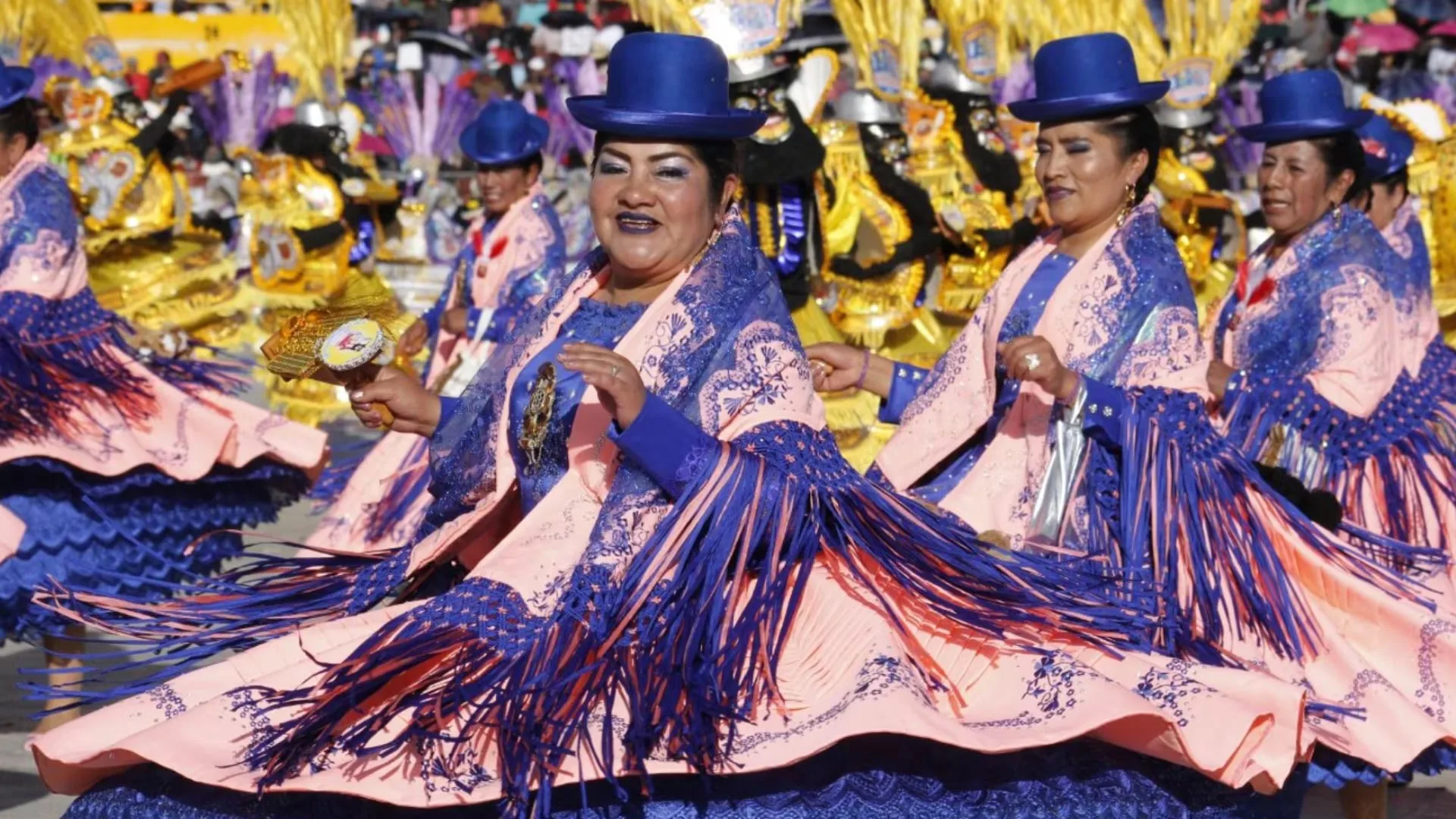
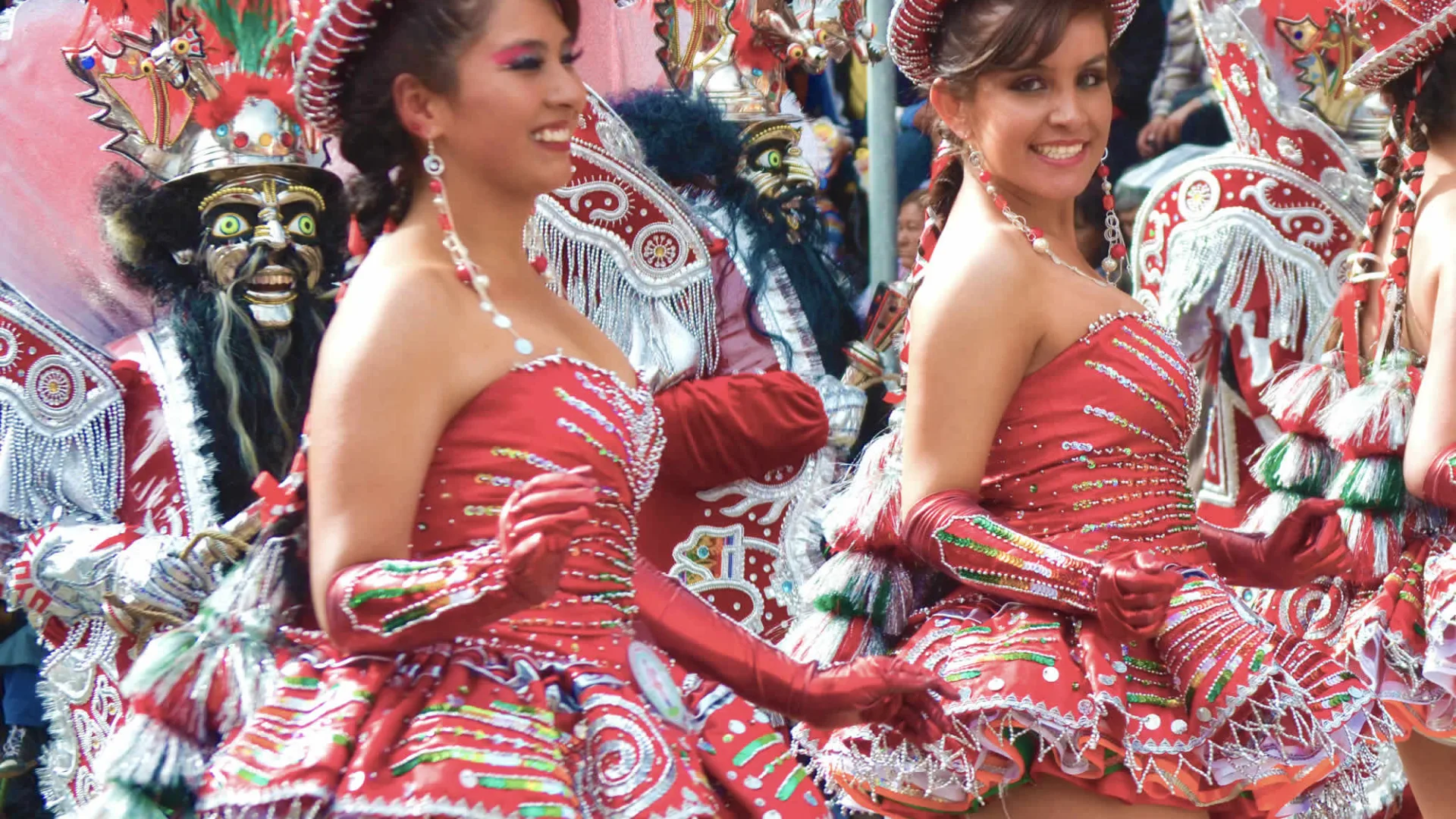
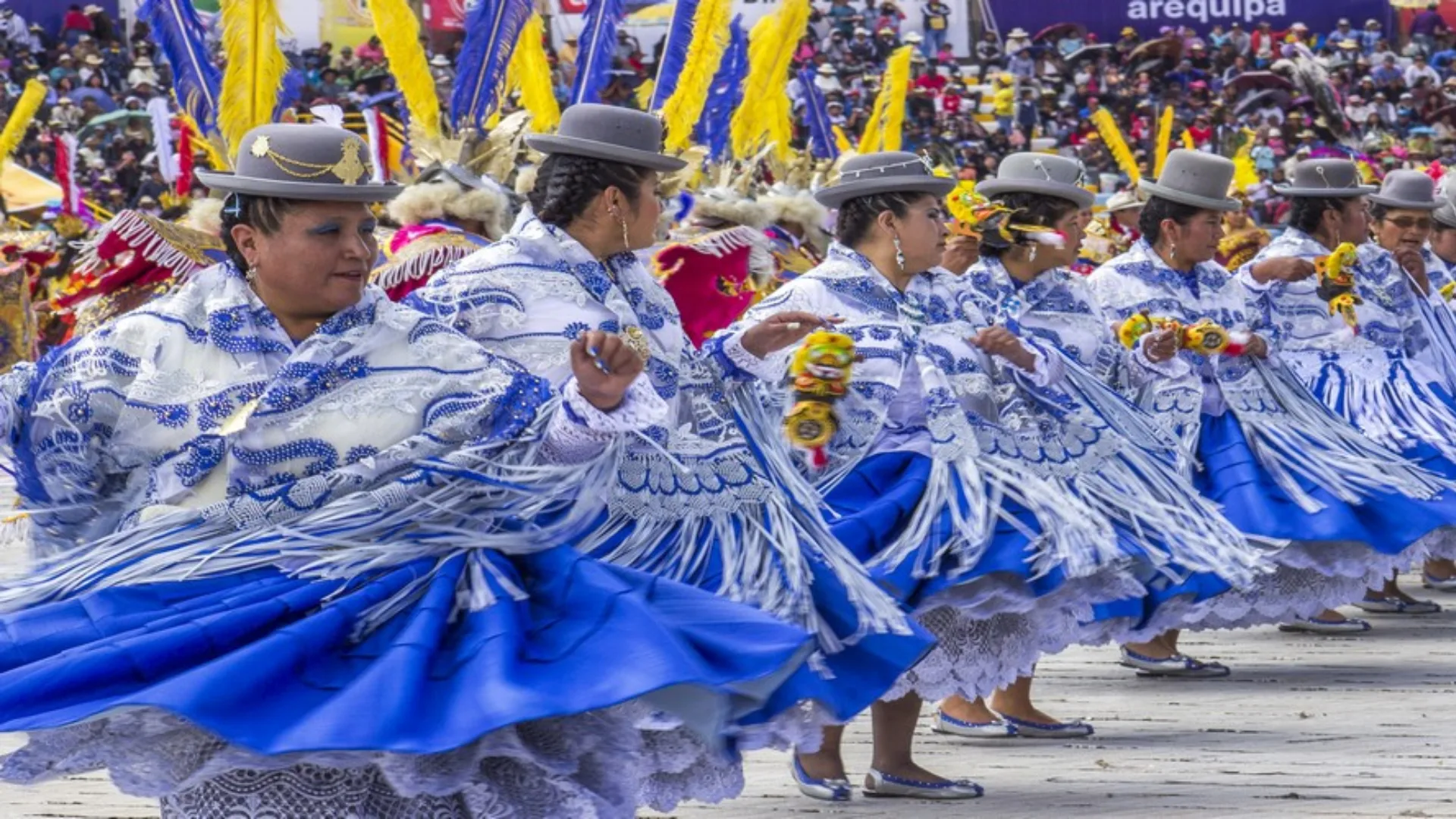
Morenada is widely performed across the Andes and is strongly associated with the trajes de luces tradition, where costumes are elaborate and brass bands are prominent. The movement style tends to be slower and heavier, and that “weight” is part of its identity and impact. Many interpretations connect Morenada to colonial history and social memory, which is why the dance is often discussed as cultural storytelling, not only aesthetics. In Puno, Morenada groups often represent large associations, and participation can carry prestige because the level of coordination and costume investment is significant.
Sikuris and Indigenous Musical Traditions
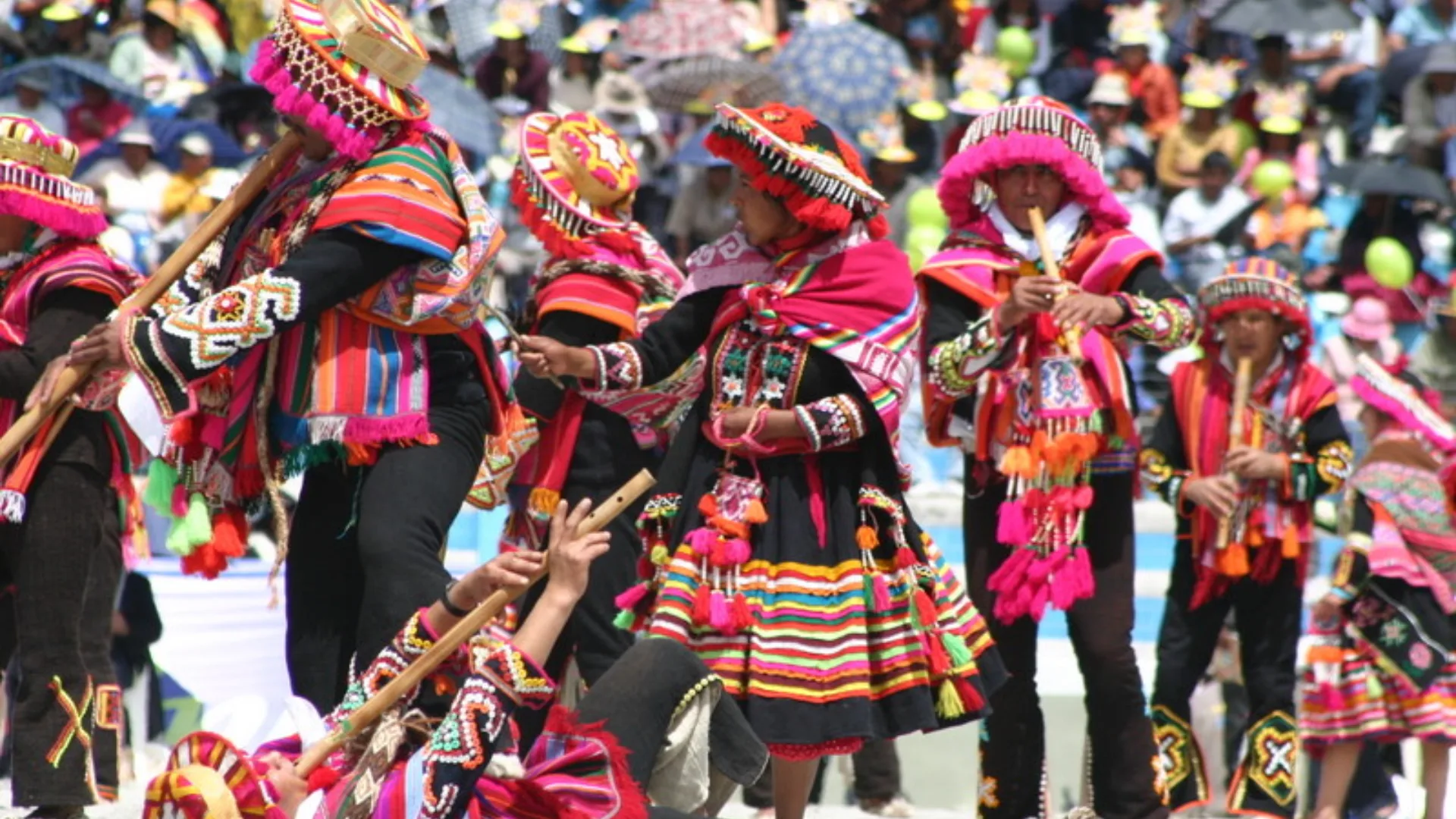
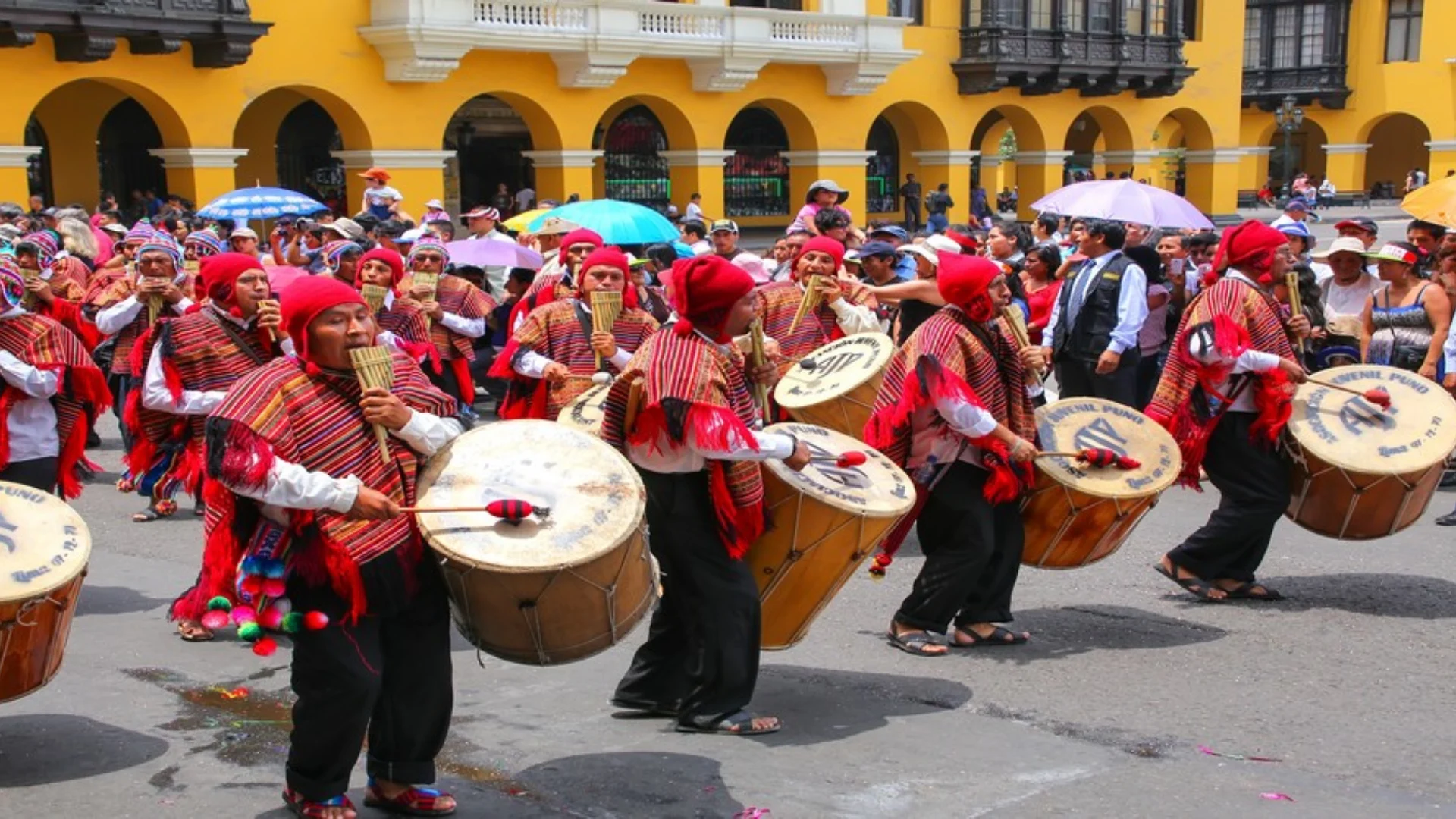
Sikuris refers to traditions centered on panpipe ensembles and collective rhythm, strongly linked to Indigenous heritage and community music culture in the region. Compared to the flash of trajes de luces, Sikuris often feels more communal, with emphasis on group sound and steady procession energy. The repetition is intentional because it supports long processions and helps everyone maintain shared rhythm for hours. For students, Sikuris is a strong example of how music can function socially, creating unity and identity through collective performance.
Music and Costumes in the Candelaria Celebration
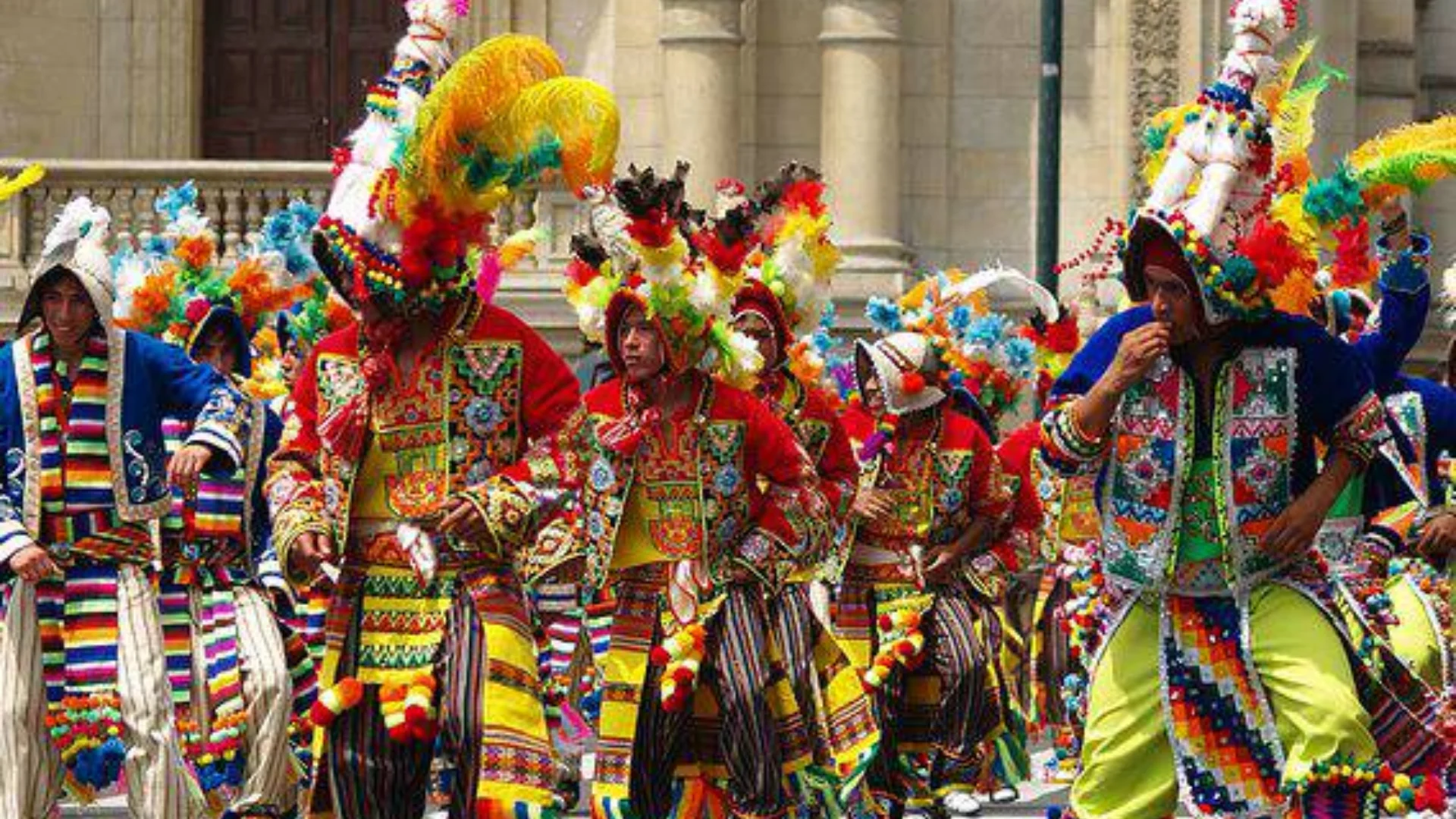
Candelaria feels intense because it hits you through sound and visuals at the same time. Bands are constant on key days, and costumes are treated as cultural investment and craftsmanship, not optional decoration. In competitions especially, presentation and performance are inseparable, which is why music and attire matter so much.
Traditional Brass Bands and Live Music
Brass bands are central to the trajes de luces culture, and live music drives the timing and energy of performances. Visitors notice quickly that the band is not background sound; it is the engine of the parade, the cue system for dancers, and the emotional build for spectators. Because performances can last for long stretches, musicians and dancers train endurance as part of preparation, not as an afterthought. That is why festival days can feel nonstop: even when you step away from the main route, the music often continues in the distance.
Handcrafted Costumes and Masks
Costumes and masks are frequently handcrafted and highly detailed, especially in trajes de luces, where visual impact is part of the art form. Embroidery, metallic finishes, and sculpted mask features are common, transforming each group into a moving visual story. Costume design also signals identity because associations often have signature colors, patterns, and iconography that followers recognize immediately. In competitions, costume quality becomes part of the overall impression, which is one reason groups invest so much time and money into their attire.
Economic and Cultural Value of Festival Attire
Festival attire has real economic weight because it supports local artisans, including sewing, embroidery, mask-making, and accessory production. But the deeper value is cultural: wearing full attire is a public declaration of belonging, commitment, and respect for tradition. Because groups rehearse for months, attire becomes part of disciplined preparation rather than a last-minute purchase. This matches UNESCO’s heritage framing, which emphasizes community practice and continuity rather than one-time spectacle.
Dance Competitions and Street Parades
If someone asks, “What do you actually do there,” the clearest answer is that you attend competitions, parades, or both. Competitions are structured events in large venues, while parades are long route experiences where groups dance for hours through city streets. Understanding the difference helps visitors choose what kind of day they want.
Stadium Dance Competitions
Competitions are formal events where groups perform in a stadium setting with organized entry order and long schedules. Estadio Enrique Torres Belón is widely referenced as a major venue for these competitions, and in some years events are also promoted at Estadio de la UNA Puno, depending on planning and infrastructure. For spectators, competitions are efficient because you can see many groups in one place and performances are easier to follow than during a moving street parade. If you want a clearer view, more structure, and less pushing through crowds, this is usually the better option.
Folkloric Street Parades
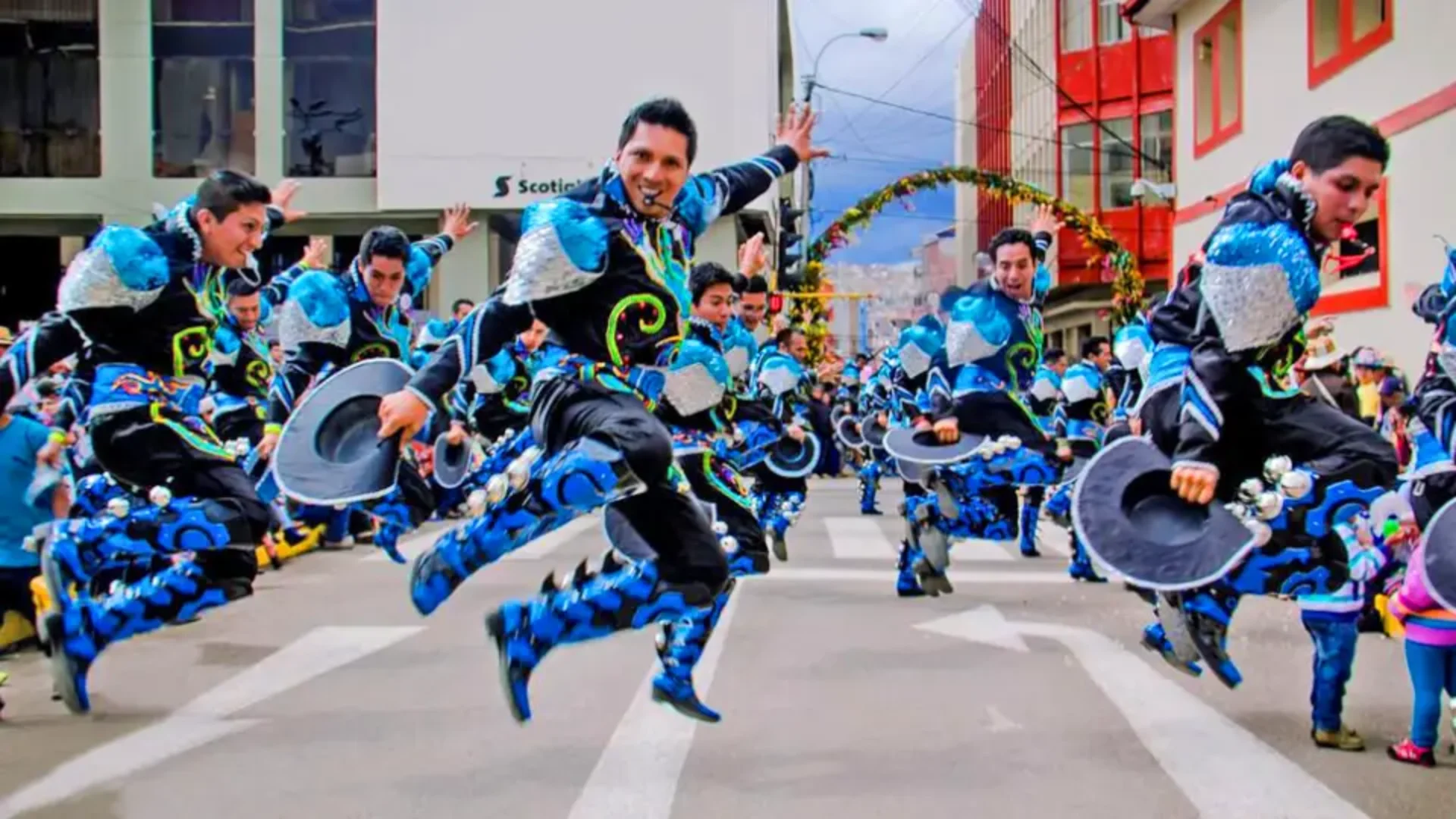
Parades are the festival’s most immersive experience because they turn Puno’s streets into performance corridors for hours at a time. Because there are so many participating groups, schedules can include multiple parade days, and each day can feel like a full-day commitment. Crowds are heavy in popular areas, and good viewing spots fill early, especially near central streets and key intersections. Parades also highlight endurance: dancers are not performing one short routine, they are sustaining performance while moving through the city. The simplest way to describe it is this: you pick a spot, you settle in, and you let the city’s rhythm carry you for the day.
Community Participation and Organization
The festival runs on organization. Dance associations manage rehearsals, costumes, funding, and logistics, and that structure is a major reason the festival feels “owned” by locals. Participation is planned, financed, and socially meaningful, not spontaneous. From a heritage perspective, this is also how tradition stays alive: organization creates a system for teaching younger members and repeating the celebration year after year. For visitors, this explains why such a massive event can still feel coherent and purposeful.
Why the Virgin de la Candelaria Festival Matters to Peru
This festival matters because it is not only popular; it is formally recognized as cultural heritage and it represents a major expression of Andean identity and continuity. UNESCO lists the festivity as Intangible Cultural Heritage and emphasizes its blend of religious devotion, cultural performance, and Andean symbolism.
Cultural Identity and Heritage Preservation
Candelaria preserves heritage through repetition, structure, and community participation. Preservation happens in public, not in a museum: people rehearse, perform, and teach the next generation inside the tradition itself. That is why the festival can feel emotionally intense, because it is identity being displayed and renewed. For students, it is a clear example of how intangible cultural heritage survives: it stays alive because people keep practicing it in real life.
Recognition as Intangible Cultural Heritage
UNESCO recognition signals that the festival is globally significant as living heritage, not simply as a tourist attraction. The listing highlights the festival’s religious, festive, and cultural components, which helps readers understand why it cannot be reduced to “one parade.” This is also why many people search for “UNESCO Candelaria Puno,” because the recognition is a quick way to confirm its importance without relying on hype.
Intergenerational Transmission of Traditions
The festival stays strong because knowledge is passed down through practice. Younger participants learn choreography, music cues, and group discipline by joining rehearsals and following experienced members. Community organization gives tradition a reliable calendar, making learning repeatable every year. That is why the festival remains resilient even as modern life changes: it creates time and space where heritage is prioritized and renewed.
Tips for Visitors Attending the Festival
If someone is planning a trip, they usually need practical clarity more than poetic description. The main issues are scheduling, crowds, altitude, and the fact that official programs can vary year to year. If you plan around the religious anchor and confirm the official schedule close to travel time, the experience becomes much easier.
Travel Planning and Accommodation
If you want to attend major competition or parade days, book lodging early because Puno gets busy during festival season. Decide what you care about most: religious ceremonies give meaning and context, competitions give structured viewing, and parades give the most immersive street experience. Expect slower movement around the city on major days, especially near stadium venues and parade corridors. If Lake Titicaca tours are part of your plan, schedule them on lighter festival windows so you are not trying to do everything during peak crowd hours.
Weather and Crowd Reality
Puno’s weather can shift quickly, and evenings are often colder than visitors expect, so layers are usually the best strategy. Crowds are intense and the best viewing areas fill early, especially on major parade days. Bring patience because long waits are normal when you are watching a tradition that involves many groups and hours of performance. If you are photographing, plan for long time outdoors and protect your gear from dust and sudden weather changes.
Cultural Respect and Festival Etiquette
Some moments are religious ceremonies first, so behavior should match the setting. If you attend mass or processions, keep noise low, follow local cues, and be careful about when and where photos are appropriate. During parades, stay aware of dancers’ space, especially when masks reduce visibility and movements are fast. Avoid treating performers like props; many are participating out of devotion and community responsibility, not for tourist attention. Respect tends to be noticed, and it often leads to a warmer experience overall.
Is the Virgin de la Candelaria Festival Worth Visiting?
If you want a cultural experience that is not designed around tourists, Candelaria is one of Peru’s strongest options. It is demanding because it is large, loud, and long, but that intensity is exactly why it feels real. UNESCO recognition supports that it is a major living tradition, not just a local party.
Cultural Experience vs Traditional Tourism
This is not a controlled attraction with a clean two-hour program. It is a city living its biggest tradition in public, and that means you adapt to the festival, not the other way around. Crowds, long schedules, and constant music are part of the deal. If you want cultural depth, the payoff is huge because you are seeing identity expressed through devotion, music, and movement. If you want quiet comfort, you can still enjoy it, but you should plan carefully and prioritize structured events like stadium competitions.
What Makes This Festival Unique
The festival is unique because it combines a Catholic feast day tied to Candlemas on February 2 with a massive folkloric performance tradition sustained by community organizations. It also has a clear internal structure: religious anchor events, competitions in major venues, and long public parades that can run for hours. The coexistence of Catholic ceremony and Andean symbolic elements is not a side detail; it is the defining feature highlighted by UNESCO. That is why Candelaria stands out even among Peru’s many famous festivals: it is colorful, yes, but it is also culturally layered and deeply meaningful.
Who Should Attend This Celebration
This festival is ideal for travelers interested in culture, music, dance, and heritage, especially people who want something beyond Peru’s standard highlights. It is also valuable for students and researchers studying syncretism, regional identity, and how cultural heritage is maintained through community practice. Photographers can capture extraordinary material, but the best results come from learning the rhythm of events and respecting context. If you are sensitive to crowds, a stadium competition is often more manageable than a packed street route.
Final Thoughts on the Virgin de la Candelaria in Puno
Candelaria remains one of Peru’s most important celebrations because it combines a major religious tradition with a powerful cultural expression rooted in the Andes, and UNESCO recognizes that complexity. The festival’s size is impressive, but the deeper point is that it continues because communities choose to sustain it through rehearsal, organization, and shared devotion.
The Festival as a Living Cultural Tradition
Candelaria is living tradition because it is practiced, organized, and renewed every year by communities, not preserved as a static show. It stays alive through associations, rehearsals, and the shared idea that participation represents both devotion and identity. Its structure, a religious center with major public performance days around it, makes the tradition repeatable and teachable across generations. For visitors, that translates into intensity and authenticity; for students, it is intangible cultural heritage functioning in real time.
Its Impact on Local Communities
The festival strengthens community networks because groups need coordination, funding, and shared effort to participate. It also supports local craftsmanship, since costumes, masks, and accessories require skilled labor and long preparation. Socially, it reinforces pride and belonging because representation matters and performance is tied to group identity. That is why emotions can run high on key days: for many participants, this is the most important annual moment to show who they are.
Why It Remains One of Peru’s Most Important Celebrations
It remains important because it unites faith and cultural identity in one public tradition, and it keeps going year after year through inherited practice, not just tourism. Its visibility makes it a national symbol, but its real strength comes from local participation and commitment. If someone wants to understand Peru beyond landmarks, Candelaria offers a direct view of devotion, heritage, and community pride in motion.
Frequently asked questions about The Virgen de la Candelaria in Puno, Peru: A Complete Cultural and Religious Guide
It is a major February celebration that combines Catholic devotion (mass and processions honoring the Virgin) with large-scale folkloric dance competitions and street parades led by organized community groups.
It happens every February, with February 2 (Candlemas) as the religious anchor day. The biggest competitions and parades usually happen on surrounding days and can vary slightly each year.
Religious ceremonies center around the San Juan Bautista Church (the sanctuary of the Virgen), while major dance competitions are commonly held in Estadio Enrique Torres Belón and, in some years, other large venues.
You will commonly see famous Andean festival dances like Diablada, Morenada, and Indigenous music traditions such as Sikuris, plus many other groups divided into categories like originarias/autóctonas and trajes de luces.
Yes, if you want a deep cultural experience beyond typical tourism. It is intense (crowds, long days, loud music), but it offers one of the strongest live examples of Andean identity, devotion, and community tradition in Peru.