Carnivals in Peru: The Best Places to Celebrate Carnival
Carnival in Peru is not a single event ihis also supports “Ayacucho Carnival itinerary”, it is a nationwide celebration that turns entire regions into open-air festivals filled with music, dance, costumes, and community traditions. Depending on where you go, Carnival can feel like a massive street party, a folkloric comparsa competition, or a tropical Amazon celebration with a completely different rhythm and energy. In this guide, you will find the best places to celebrate Carnival in Peru, what makes each destination unique, what to expect on the streets, and how to choose the right city based on your travel style, timing, and comfort level. If you are searching from the US for “best Carnival in Peru” or “where to go for Carnival in Peru,” this is built to help you compare destinations fast and plan a trip that matches the experience you actually want.
What Carnival in Peru Is and When It Happens
Carnival in Peru is one of the most immersive cultural weeks you can experience in South America because it is not limited to one city or one “main parade.” Instead, the celebration changes personality by region, from highland street bands and comparsas to Amazon parties shaped by heat, music, and local tradition. The biggest travel value is that you see Peru celebrating as a community, not as a staged performance, which is why it often feels personal and unforgettable.
Why the Dates Change Every Year
Carnival dates change every year because the timing is linked to the Christian calendar and Lent. That is why you should not plan around last year’s dates, even if you are going to the same destination. In real travel terms, shifting dates affect airfare, hotel pricing, and availability because peak days create a demand spike. US travelers often search “When is Carnival in Peru” because timing decides whether you arrive during full intensity or during a quieter lead up. The most reliable method is choosing the city first, then aligning your trip once that city’s program dates are confirmed.
The Traditions You Will See Almost Everywhere
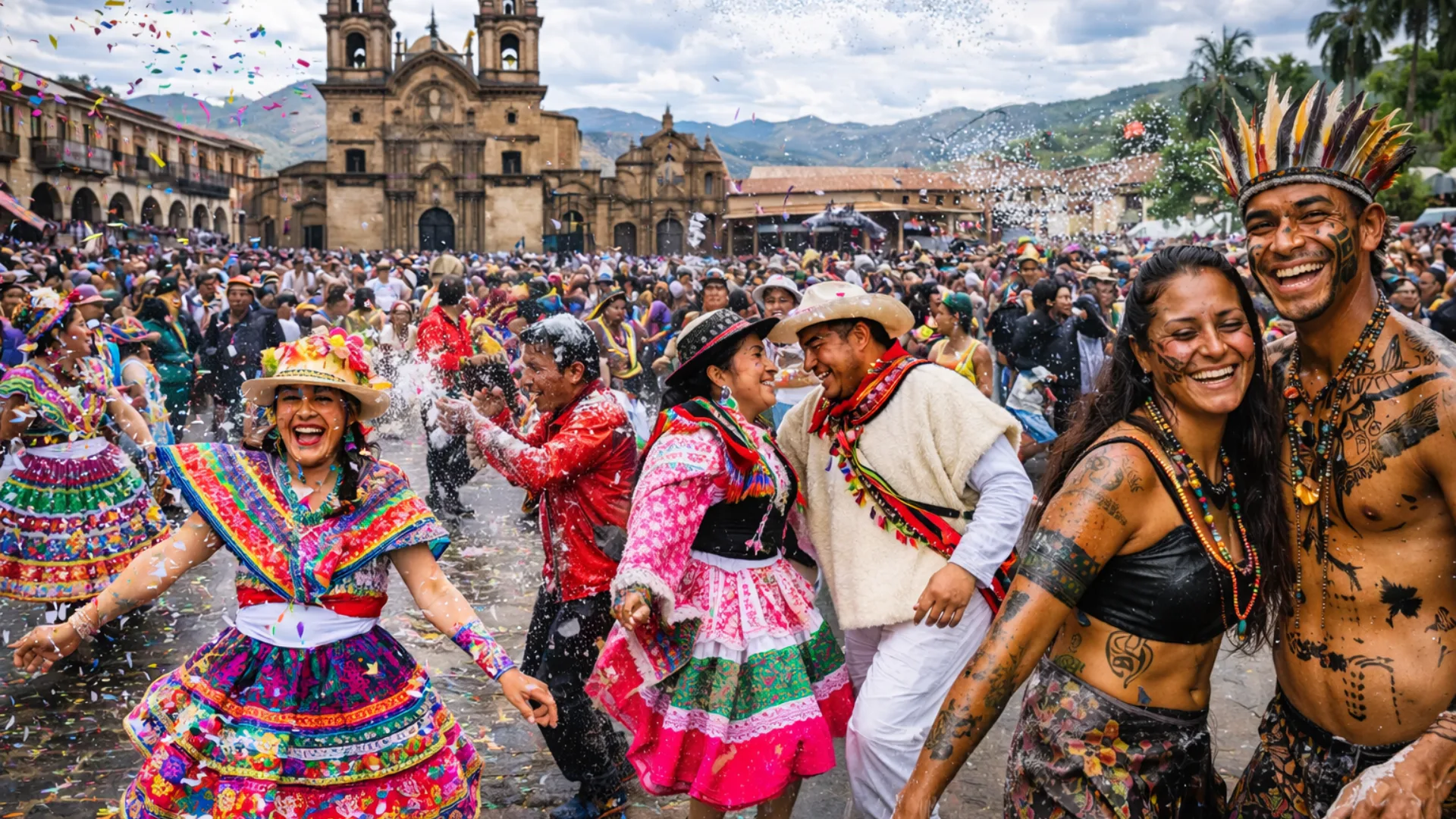
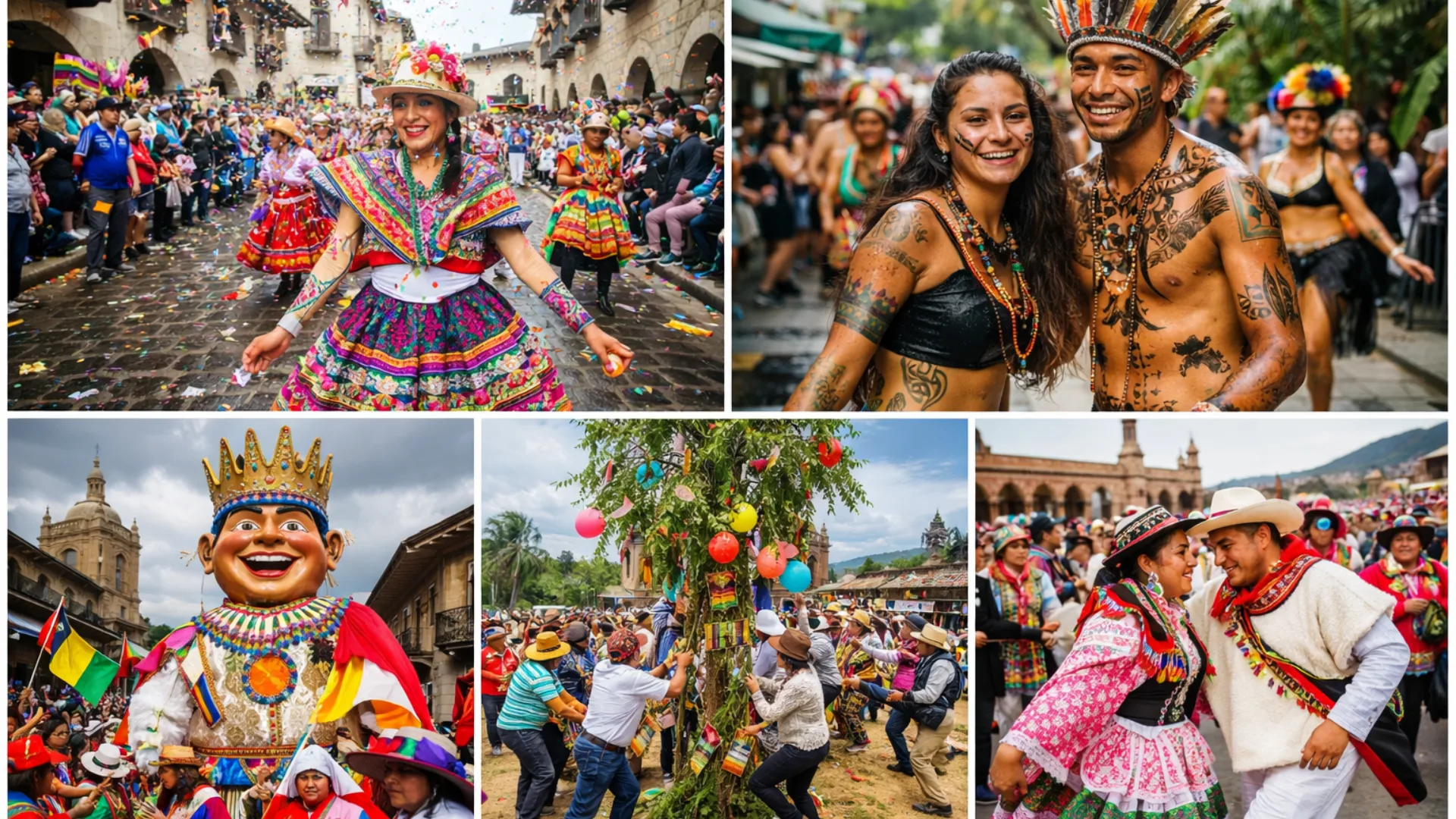
Across Peru, Carnival commonly includes water play, and the intensity depends on the city and the day. In many Andean areas you may also see talc, foam, confetti, and streamers, which can turn streets into a moving party zone. Another shared tradition is the yunza or cortamonte, centered on dancing around a decorated tree as a community celebration. Even when events look chaotic, they are usually rooted in neighborhood identity and shared participation. The key point is that Carnival is social first, meaning locals treat it as meaningful community time, not just entertainment.
What to Pack If You Plan to Join the Water Games
Pack as if you expect to get wet and messy, even if you plan to “only watch.” Bring clothes you can sacrifice, because water, powder, and confetti can stain and cling more than you expect. A waterproof phone pouch helps a lot in crowded plazas where bumps and splashes are constant. Choose footwear for grip, because streets can get slippery after hours of water play. If you are traveling with a camera, protect it and only take it out when you are in calmer viewing zones.
Cajamarca Carnival (Often Called Peru’s Carnival Capital)
Cajamarca is the classic answer for “best Carnival in Peru” because the celebration feels citywide, nonstop, and proud. What makes it special is not only size, but the sense that neighborhoods and community groups drive the energy for days. For US travelers who want one destination that feels truly iconic, Cajamarca is often the strongest single-city pick.
Why Cajamarca Is the Most Famous Pick
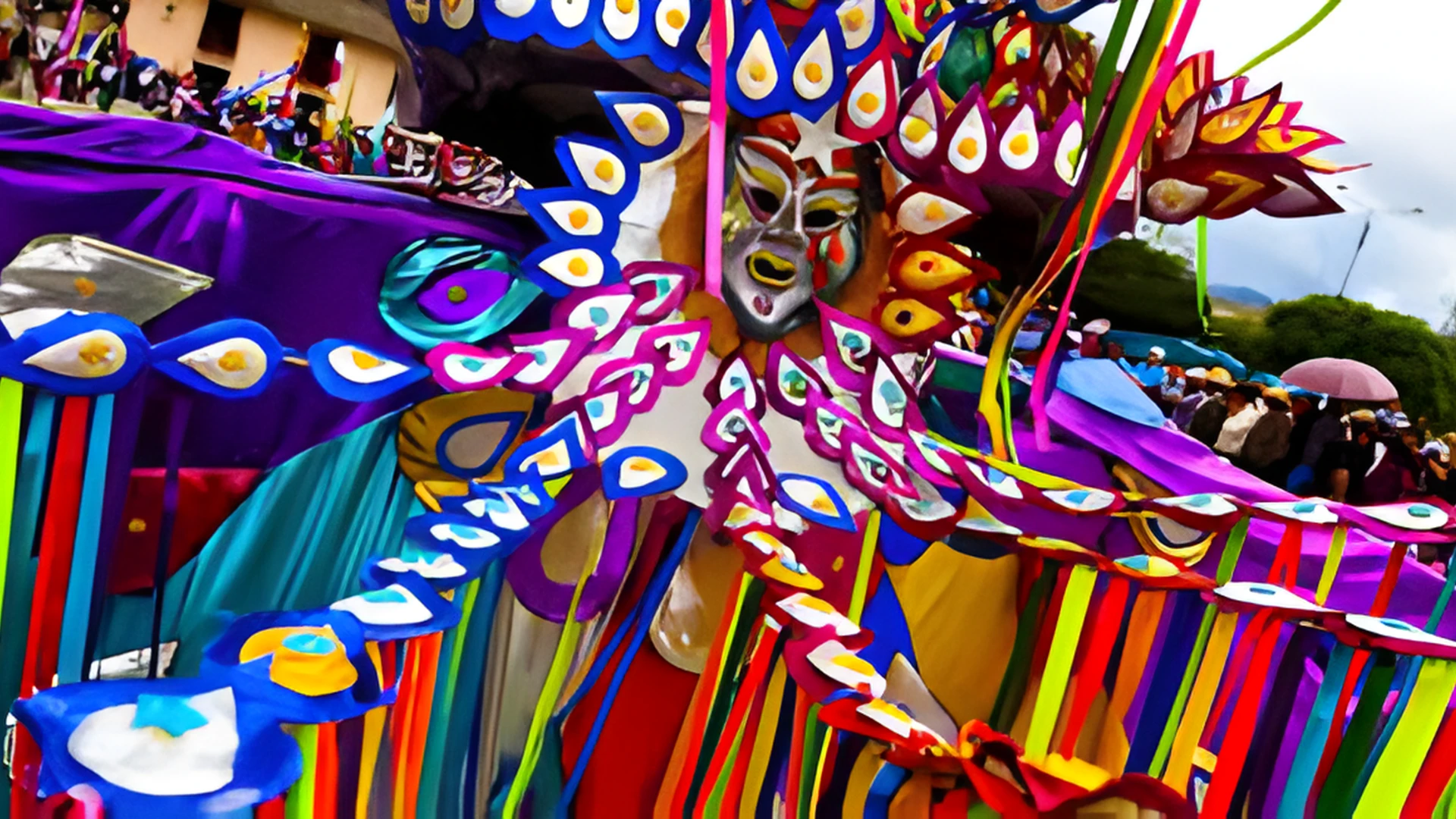
Cajamarca’s reputation comes from consistency, people celebrate hard every year and the city is known nationally for it. It feels organized and local, with groups representing neighborhoods through costumes, choreography, and music. Visitors often say you do not need a perfect schedule because the streets guide you to the action. If you want big visuals, dense crowds, and a true festival takeover vibe, this is where you get it. The tradeoff is popularity, lodging and good locations require early planning.
The Big Moments: Parades, Neighborhood Troupes, Ño Carnavalón
Cajamarca Carnival has a story arc, not just random partying. Ño Carnavalón is the symbolic figure that signals the central days have arrived and the city energy shifts upward. You will see parades and neighborhood troupes showing humor, creativity, and identity through performances. The corso-style parade is usually the visual peak, with the biggest floats, crowds, and photo opportunities. Toward the end, farewell rituals add satire and tradition, giving cultural closure to the week. These signature moments are why Cajamarca is often labeled the Carnival capital.
Where to Stay and How to Move Around During Peak Days
Location matters more than luxury during Carnival because closures and traffic can slow everything down. Staying close enough to walk to central streets and plazas removes daily friction and helps you catch spontaneous moments. If you stay far out, you may waste time on transport and arrive after key moments pass. Arriving at least one day early reduces stress and helps you learn the city’s rhythm. During peak nights, even dinner can take longer, so walkability improves the entire trip.
What First Time Visitors Usually Get Wrong
Many visitors assume they can stay clean and dry, but Cajamarca often rewards participation and flexibility. Another mistake is underestimating crowd density, which affects movement, comfort, and how carefully you need to manage valuables. Some travelers treat it like a staged show and miss the best moments, which often happen between official events. Overpacking the schedule without rest leads to burnout while the city is still building momentum. Finally, not planning for wet clothes and laundry becomes annoying fast when everything stays damp.
Cusco Carnival (Compadres, Comadres, and the Main Sunday)
Cusco is a strong option if you want tradition and culture while keeping travel logistics relatively smooth. The city’s infrastructure supports travelers, and it pairs naturally with Sacred Valley and Machu Picchu plans. Carnival here can feel spread across neighborhoods and social traditions, so understanding key days improves the experience. For many US travelers, Cusco is the best “balanced” choice.
Compadres and Comadres: What It Means and Why It Matters
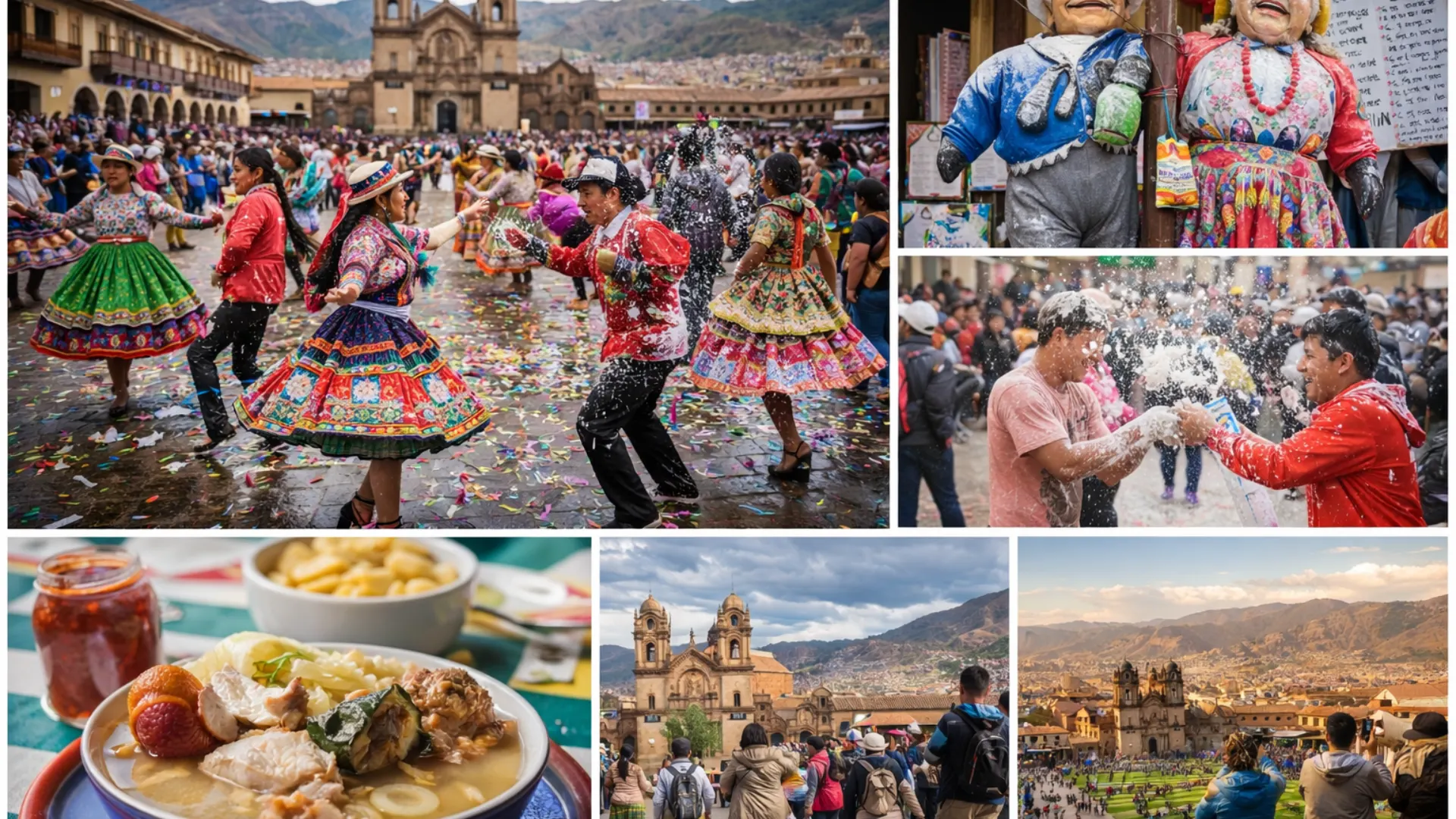
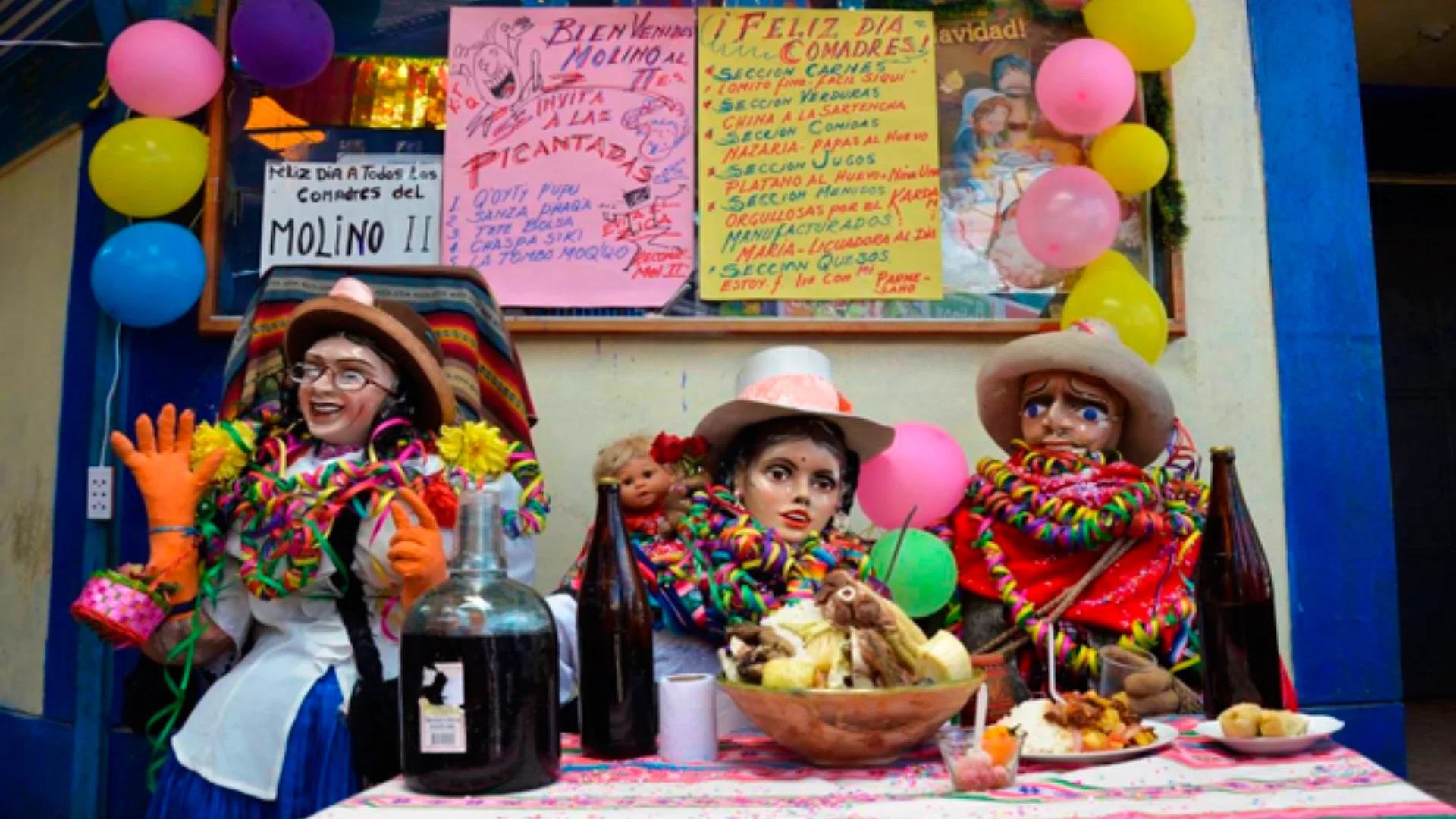
Compadres and Comadres are not just parties, they are social traditions tied to community bonds and playful satire. They act as a cultural kickoff, signaling that Carnival season is officially active in Cusco. Travelers like it because it feels authentic, you are seeing something locals do for themselves, not for visitors. You may notice symbolic figures and public humor that reflects relationships and community roles. If your goal is a truly local Cusco Carnival experience, aligning dates with these traditions makes a real difference.
The Main Day in Cusco: Music, Dances, Water, Talc
Cusco’s central Carnival day brings music, dancing, and street energy that can shift block by block. Some areas focus on organized performances and cultural dance, while others turn into full street-level foam, water, and powder play. The best strategy is choosing your intensity level intentionally, because calmer viewing zones exist if you step slightly away from the busiest corridors. Photography is strong here because costumes and Andean identity create distinct visuals. Families can still enjoy Carnival comfortably by prioritizing daytime activity and avoiding the most aggressive water zones.
Food to Try During Carnival Week
Carnival days are long and physical, especially at altitude, so warm, filling local food matters. Markets and neighborhood eateries often deliver better value and faster service than the main tourist strips near central plazas. Eating earlier in the day helps, because peak street hours can slow restaurants and increase wait times. Meals in Cusco often feel social during Carnival, not just functional, because groups and families gather around food as part of the celebration.
Smart Logistics: Altitude, Weather, and Crowds
Altitude affects stamina, so give yourself one to two days to acclimatize before you try full-day festival pacing. Weather can shift quickly, so layers work better than one heavy jacket, and afternoons may bring clouds or rain. Crowd flow can interfere with tight schedules, especially if you mix Carnival with major transit days. If your trip is short, simplify and avoid stacking too many destinations. Cusco is best when you plan essentials but stay flexible in the streets.
Ayacucho Carnival (A Culture Forward Celebration)
Ayacucho is ideal if you want folk tradition, music-focused comparsas, and a city atmosphere that feels rooted in local identity. The experience often feels like cultural immersion, where you follow sound and movement through streets rather than chasing one tourist-centered parade. If your goal is tradition and community energy, Ayacucho belongs on the shortlist.
What Makes Ayacucho Feel More Traditional and Folk Focused
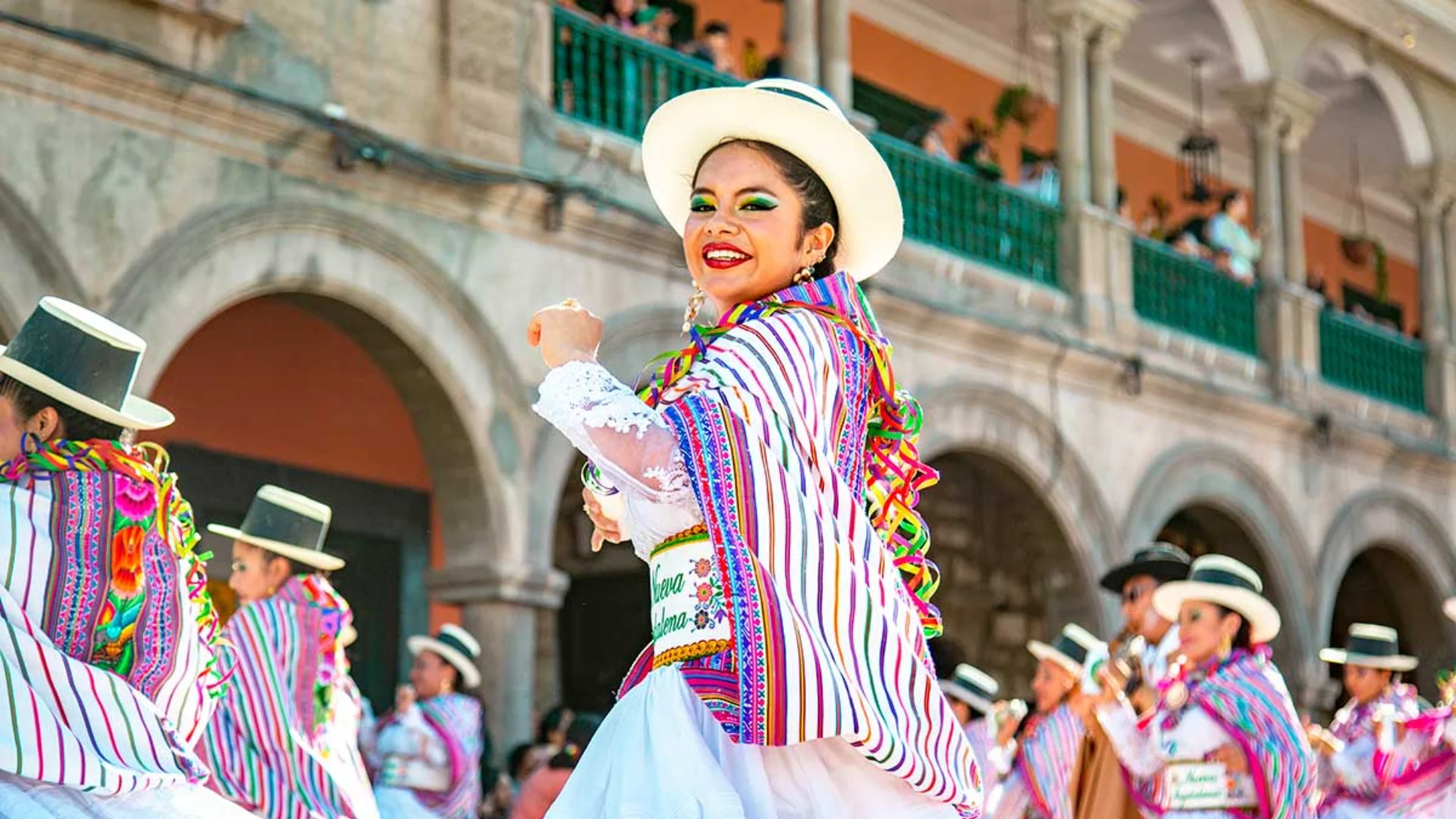
Ayacucho is strongly associated with comparsa culture, organized groups representing communities through music and coordinated movement. The vibe is less about one polished spectacle and more about the city moving together, which many visitors describe as authentic. It is especially satisfying for travelers who enjoy cultural photography, live music, and human-scale celebration. You can feel that groups prepare and take pride in representing their identity well.
Comparsas, Music, and the Flow of the Week
The best way to enjoy Ayacucho is to stop trying to control every hour and let comparsas guide your day. Memorable moments often happen when you stumble into a street performance that was not on your plan. Music is constant and shapes the emotion of the celebration in a distinctly Andean, community-driven way. Timing still matters because some days concentrate activity, so arriving early enough to orient yourself helps.
Best Viewing Areas in the City
Start near central public spaces where groups naturally pass through, then adjust based on crowd intensity. For better photos, arrive earlier and choose spots where groups approach you rather than pushing through dense crowds. Stepping one or two blocks off the main corridor often improves visibility and reduces pressure. Asking a local vendor where groups tend to pause can be surprisingly helpful. Keep valuables secure and carry only what you truly need so you can relax into the experience.
How to Pair Ayacucho With Lima or Cusco
Ayacucho pairs well with Lima if you want one inland cultural destination plus the capital for food, museums, and flight convenience. It can pair with Cusco too, but that often requires more time because additional transit reduces festival flexibility. Buffer days matter during festival weeks because demand and delays happen. For many US travelers, choosing Ayacucho as the main Carnival base creates a better trip than trying to cover too many regions in one week. Simple itineraries usually win during Carnival.
Jauja Carnival in Junín (A Community Style Celebration)
Jauja is a strong option for travelers who want highland tradition that feels community-hosted and less obvious than the standard tourist route. The celebration is often described as organized, musical, and tied to local customs.
Cortamonte: The Tree Cutting Celebration and Why People Love It
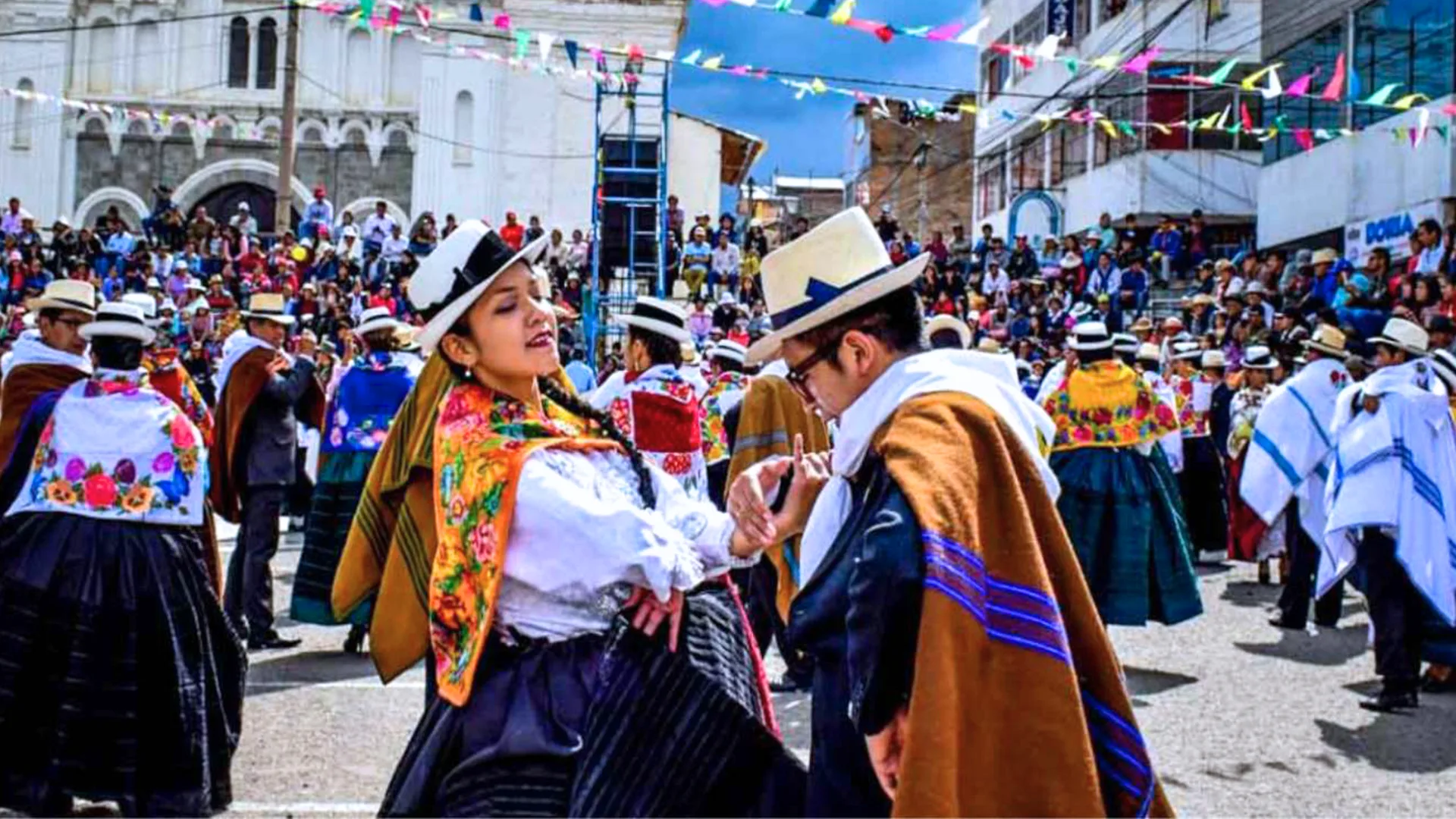
Cortamonte is interactive and communal, a decorated tree becomes the center of dancing and group energy. The celebration builds as people take turns, so it feels participatory instead of spectator-only. Visitors like it because you do not need specialized knowledge to understand the rhythm and social structure. It is one of the clearest examples of how Andean communities celebrate together.
What “Elegant Carnival” Means in Real Life
“Elegant” usually refers to presentation and coordination, including clothing, music style, and structured social rhythm. The tone often feels festive but less chaotic than the most intense water-play destinations. That makes Jauja appealing for travelers who want culture and music without feeling overwhelmed. It still has energy, but it can feel curated by tradition rather than pure spontaneity. For US travelers worried about the wildest party scenes, Jauja can be a comfortable middle ground.
Quick Planning: Getting There and Where to Base Yourself
Plan routing realistically, central highland travel can take longer than visitors expect. Once you arrive, staying near areas where events gather makes the trip smoother because a lot happens on foot. Location can feel like a luxury during festival days because it reduces daily friction. Arriving a day early helps you learn where activity concentrates and how the town flows. If traveling in a group, set simple meeting points because crowds and noise can make coordination harder.
Easy Side Trips in the Mantaro Valley
The Mantaro Valley is useful for balancing festival intensity with calmer scenery and local town culture. Many travelers use mornings for low-key exploration and afternoons for Carnival activity, which prevents burnout. Local food, markets, and small-town life complement festival content and add depth to the trip. Keep side trips short and flexible so you do not miss spontaneous Carnival moments. Over-scheduling usually works against you during festival weeks.
Rioja Carnival in San Martín (Amazon Energy Without the Biggest Logistics)
Rioja is a smart choice if you want warm, tropical Carnival energy and a different cultural feel than the Andes. It is often easier to combine with regional nature add-ons than deeper Amazon options. For travelers who want something beyond the standard Cusco route, Rioja can feel like a fresh version of Peru.
What Makes Rioja Different: Music, Masks, Jungle Energy
Rioja tends to feel brighter, warmer, and more tropical, with a jungle-region rhythm that differs from the highlands. Music styles and parade energy often match the climate and local identity. Visually, it can be excellent for photos, especially in morning and late afternoon light. It is also a destination where local pride is easy to feel, which helps the celebration feel real. If you want an Amazon-flavored Carnival angle without making the trip too complex, Rioja fits well.
How to Get There via Tarapoto
Most travelers use Tarapoto as the gateway and continue to Rioja by road. Plan connections to avoid late-night arrivals when transport can be less convenient during festival crowds. A rest night before peak Carnival days helps if you are coming from long travel legs. Once in town, staying near central activity zones makes the experience easier because walking becomes your best transport. Minimizing last-minute ride dependency reduces stress during the busiest days.
Weather Reality Check: Heat, Humidity, Rain
Heat and humidity can drain energy faster than people expect, so packing breathable layers matters. Rain is possible, so a light rain layer protects you and your day bag. Hydration should be steady, not occasional, because festival walking plus humidity adds up quickly. Plan midday breaks to prevent burnout and enjoy peak street moments later.
Best Add Ons: Waterfalls, Coffee, Local Nature Spots
Rioja works well with nature add-ons that reset you between intense festival hours. Waterfalls and short excursions make great recovery days after big nights. Local coffee and regional food add depth and turn a festival trip into a broader travel story. Schedule nature either before the central days as a calm start or after as recovery. Avoid cramming too much into one day because regional travel times can surprise visitors.
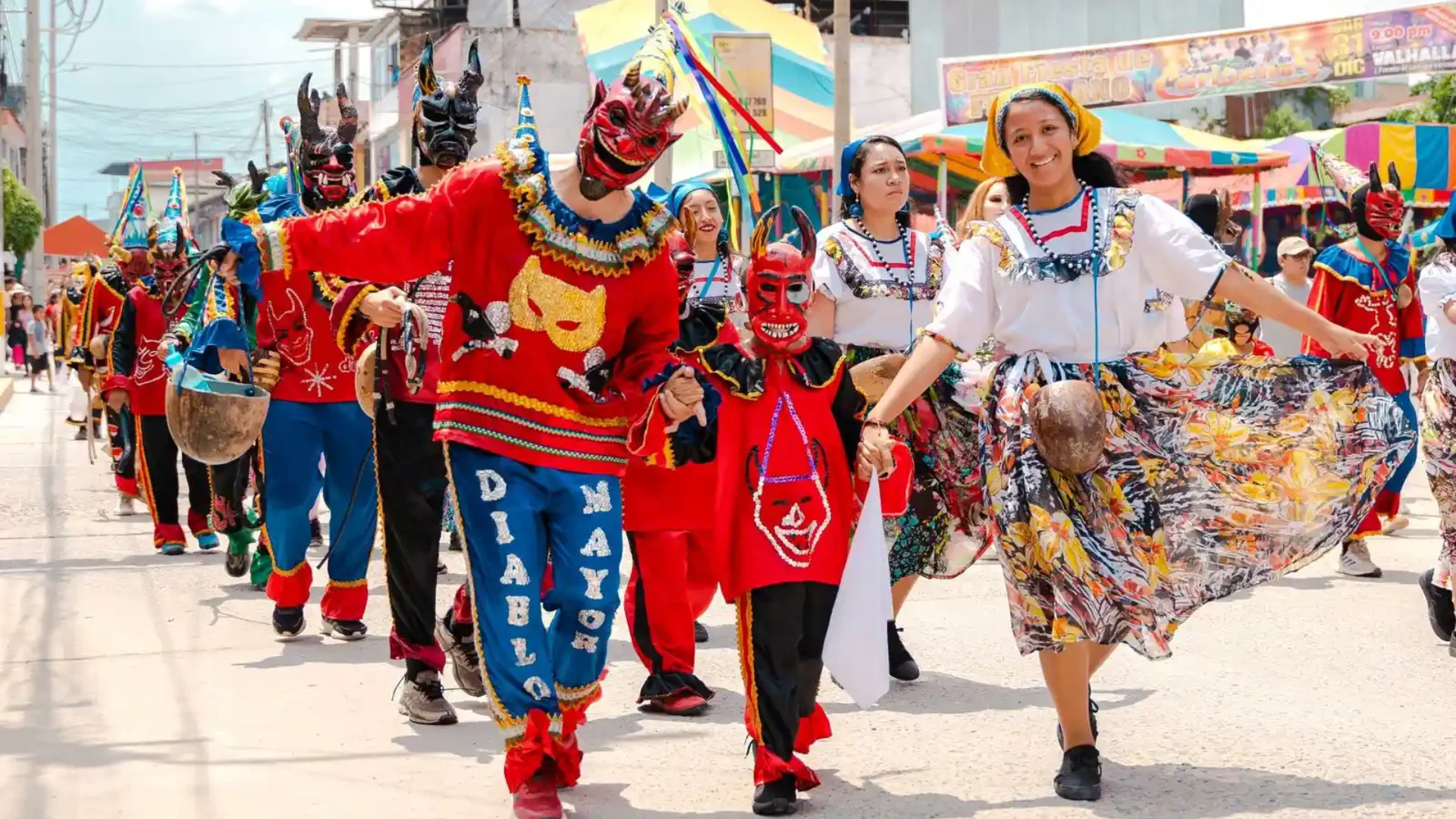
Amazonian Carnival in Iquitos (The Full Amazon City Experience)
Iquitos offers a true Amazon city atmosphere, and Carnival there feels completely different from the Andes. Heat, music, and neighborhood energy shape the celebration, and the vibe is often more tropical and intense. It typically requires flights, which makes it a deliberate choice, but the cultural payoff can be huge.
What the Celebration Feels Like in the Neighborhoods
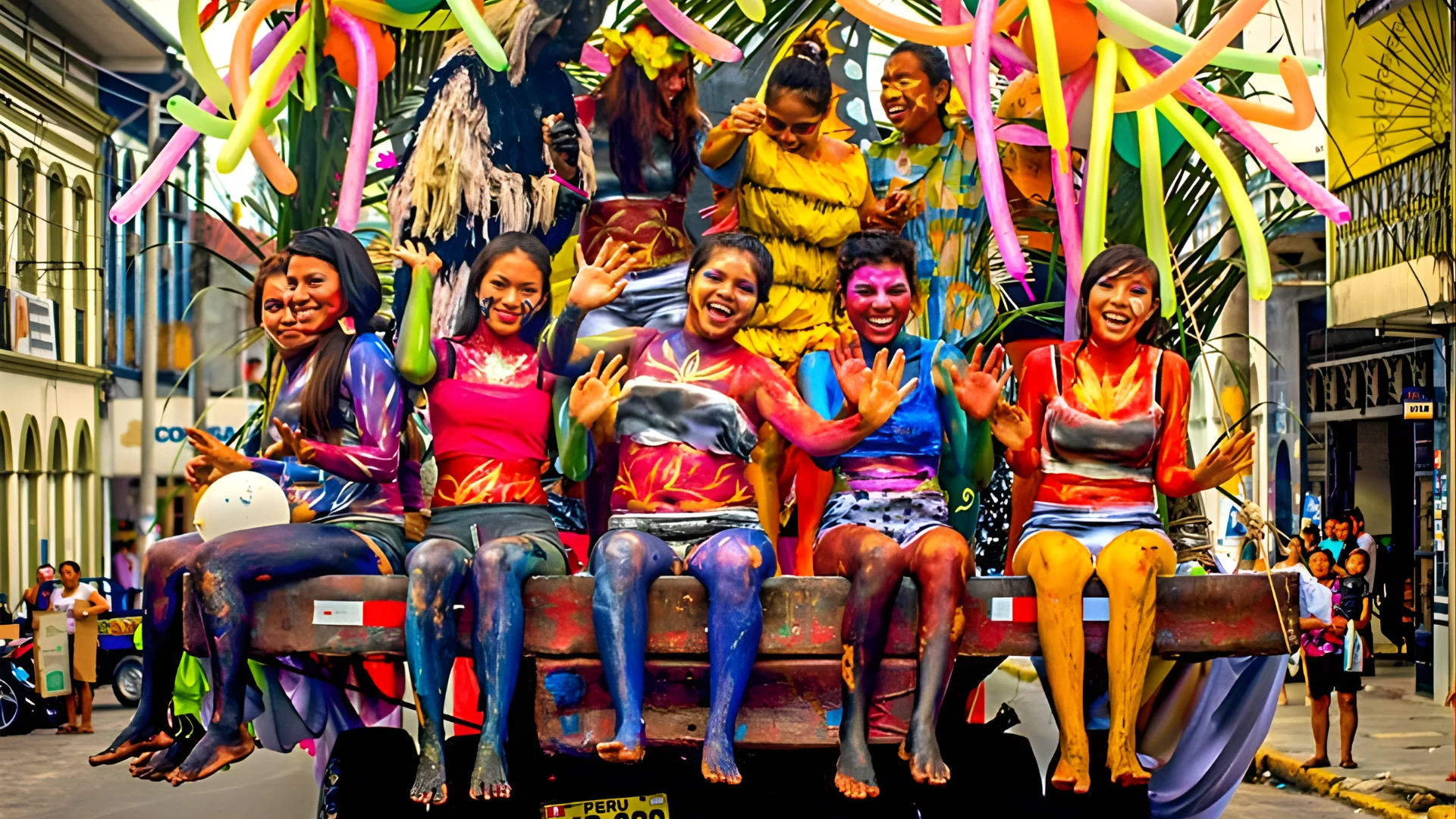
Iquitos Carnival can feel neighborhood-driven, with some of the most memorable moments happening in local streets. You see community identity through music, paint, costumes, and constant movement. It often feels immersive because you are walking through celebration, not watching from a distance. The rhythm can change quickly, so flexibility helps more than tight scheduling. Stay mindful in dense crowds and prioritize areas that feel active but comfortable for your group.
Travel Logistics: Flights, Costs, and Timing
Flights create a natural cost factor, and prices can rise during Carnival weeks if you book late. Early booking improves both cost and schedule options, which matters because you want to arrive with energy for peak days. Hotel location matters because walking back easily is valuable when streets are busy late at night. If combining Iquitos with another region, include buffer time because tight connections can derail plans. A well-paced schedule makes Iquitos exciting instead of exhausting.
Health Basics: Heat, Mosquitos, Hydration
Comfort is not a small detail in the Amazon, it determines how long you can enjoy the streets. Treat hydration as part of the itinerary, not an afterthought, especially during long outdoor hours. Mosquitos are common, particularly in evenings, so repellent and light coverage help. Protect electronics from rain and sweat because both are realistic during Carnival days. Planned rest windows keep your mood and stamina stable across multiple celebration days.
Puno Region Option: Juliaca Carnival (Dance Energy and Long Festival Days)
Juliaca is a strong choice if you are already near Lake Titicaca and want Carnival centered on dance, costumes, and performance energy. The celebration can be long and intense, with groups showing real preparation and pride. If you want a “dance-first Carnival in Peru” angle, Juliaca supports it well.
What to Expect: Dance Competitions and Long Celebration Days
Expect long days, loud music, and big performance energy. If you want strong video and photography content, dance groups and costumes are the highlight. Crowds build fast, so good viewing positions require arriving earlier than peak hours. Plan your day like a festival day, eat well, hydrate, and avoid assuming you can do everything nonstop. This destination is best for travelers who enjoy performance culture more than water-play chaos.
Altitude and Weather Planning
Altitude in the region is significant, and many visitors feel it more than expected. Acclimatize in the first 24 to 48 hours, stay hydrated, and pace yourself early. Weather can swing from strong sun to cold wind, so layers and sunscreen matter. If you ignore altitude management, fatigue can cut your experience short. If you manage it well, the region feels energizing and memorable.
How to Combine It With Lake Titicaca
Use Puno as a base and treat Juliaca as a key Carnival day or weekend window. Schedule lake excursions on calmer days so you do not stack early tours after late festival nights. Build transport buffers because festival traffic can slow routes. A balanced plan improves your mood, photos, and overall enjoyment. The best trips combine calm lake mornings with structured Carnival time later.
How to Choose the Best Carnival City for Your Trip
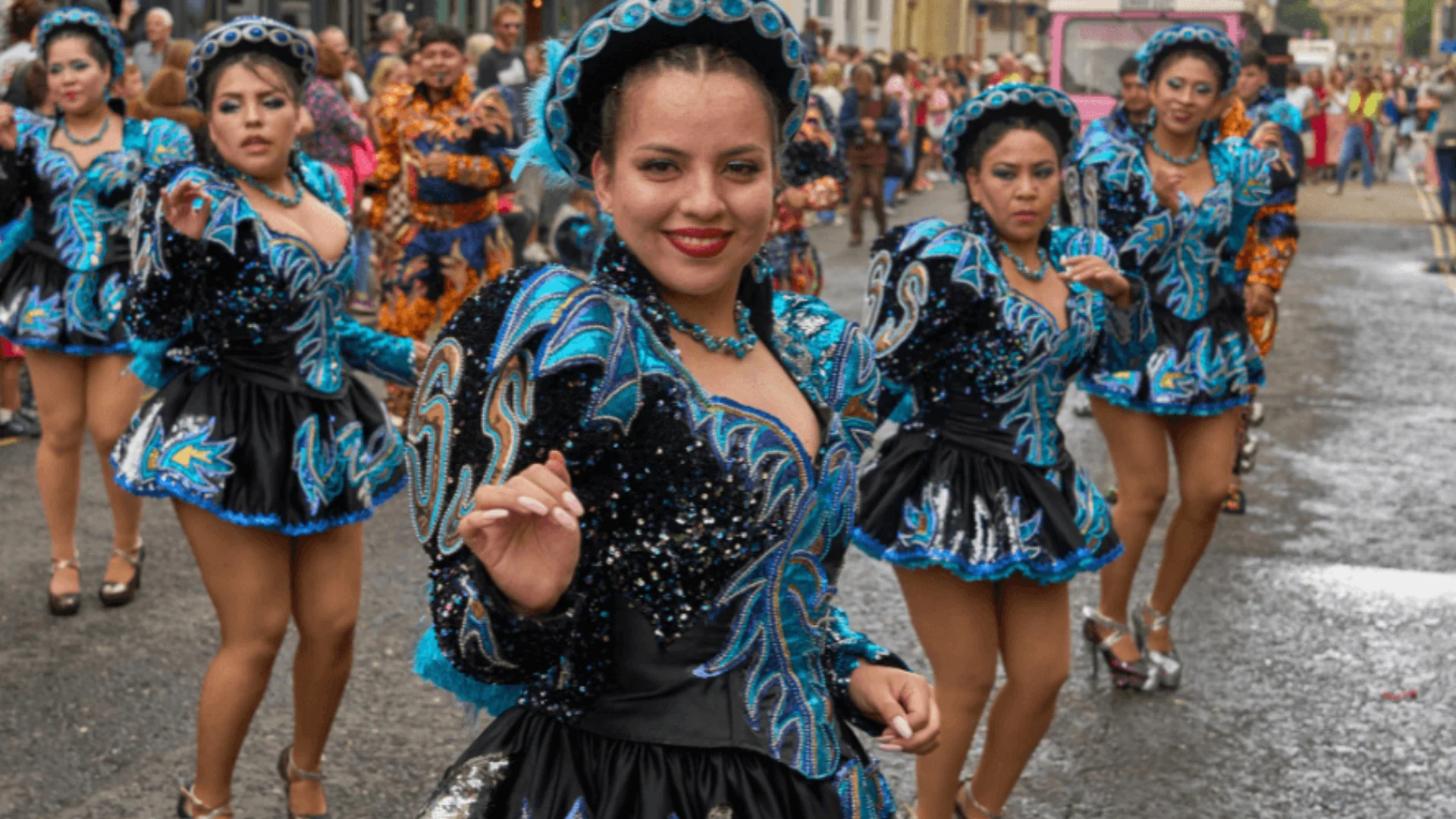
Peru does not have one single “best” Carnival, it has the best match for your style, timeline, and comfort level. Some destinations are all about citywide party intensity, others are about music and folk tradition, and others are tropical Amazon identity. Your best pick depends on how you travel, not just on fame. Planning becomes easier when you choose one main base and build the trip around it.
Best for Big Party Energy
Cajamarca is the most reliable choice for nonstop citywide intensity and big visuals. Cusco can also be energetic, but it spreads out more across neighborhoods and social traditions. For party-focused destinations, early hotel booking matters and walkability is a major advantage. Expect to get wet if you are in central zones, because participation is part of the experience. The best memories usually come from flexibility rather than strict control.
Best for Culture and Folk Music
Ayacucho is a top pick for comparsas, community identity, and music-forward celebration. Jauja is excellent for tradition with a more structured, community-hosted tone. These options suit travelers who want culture, photos, and local identity more than pure party chaos. They can also feel more local-first, which many visitors describe as more authentic.
Best for Amazon Vibes
Iquitos is the flagship choice for full Amazon city identity and tropical intensity. Rioja is a strong alternative if you want jungle-region energy with easier gateway logistics and nature add-ons. Amazon Carnivals require accepting heat, humidity, and a different pacing than the Andes. Rest and hydration planning increases enjoyment more than most travelers expect. If you want the most distinct “not the Andes” Carnival experience, this is the category.
Best if You Only Have One Week
Cusco is often the easiest one-week choice because it pairs Carnival with major Peru highlights and stable logistics. Cajamarca can also work in one week if you fly in, focus on peak days, and keep routing simple. Ayacucho is strong for cultural depth if you want to avoid over-splitting the trip. The worst one-week plan is trying to do too many regions because transit eats the experience. One strong base plus one calm add-on usually creates the best one-week result.
Frequently asked questions about Carnivals in Peru: The Best Places to Celebrate Carnival
Cajamarca is considered the best Carnival in Peru for its citywide parades and nonstop celebrations. Cusco and Ayacucho are also excellent, depending on travel style.
Carnival in Peru takes place between February and early March. The exact dates change every year because they follow the Lent calendar.
Cusco is ideal for first-time visitors because it combines Carnival traditions with good infrastructure and easy access to major attractions.
They are traditional pre-Carnival events that represent social bonds and mark the start of Carnival season in Cusco.
Yes, especially during daytime parades and cultural events. Water games can be intense in busy areas.
Wear comfortable clothes you do not mind getting wet, plus sturdy shoes. Bring layers for Andean cities.
Prices can be higher in popular cities like Cajamarca and Cusco, so booking early is recommended.