Why the Inca Trail Is the Ultimate Adventure Travel Investment
The Inca Trail is one of the few trips on Earth where the price you pay, the effort you put in, and the emotion you feel at the end line up cleanly. If you travel for challenge and meaning, not just for a quick photo, this trek consistently delivers a return that lasts. It is not only about reaching Machu Picchu. It is about arriving in a way that makes you proud you chose the harder, more intentional route.
Why the Inca Trail deserves to be called an “investment”
Before you decide whether it is worth it, you need the right frame. “Investment” is the best word because it describes a trip that pays you back over time, not just during the days you are traveling. That payoff can be confidence, a stronger identity as an adventure traveler, and a memory that stays vivid because you earned it. The Inca Trail has all of those built into the experience.
Adventure travelers buy outcomes, not destinations
An adventure traveler is not paying for a location pin on a map. You are paying for a set of outcomes: a real physical challenge, a story you did not “purchase” but completed, and an experience that makes your time off feel well used. Many trips can be beautiful, but they do not always create those outcomes in a reliable way. The Inca Trail is designed to create them, which is why it is so consistently recommended.
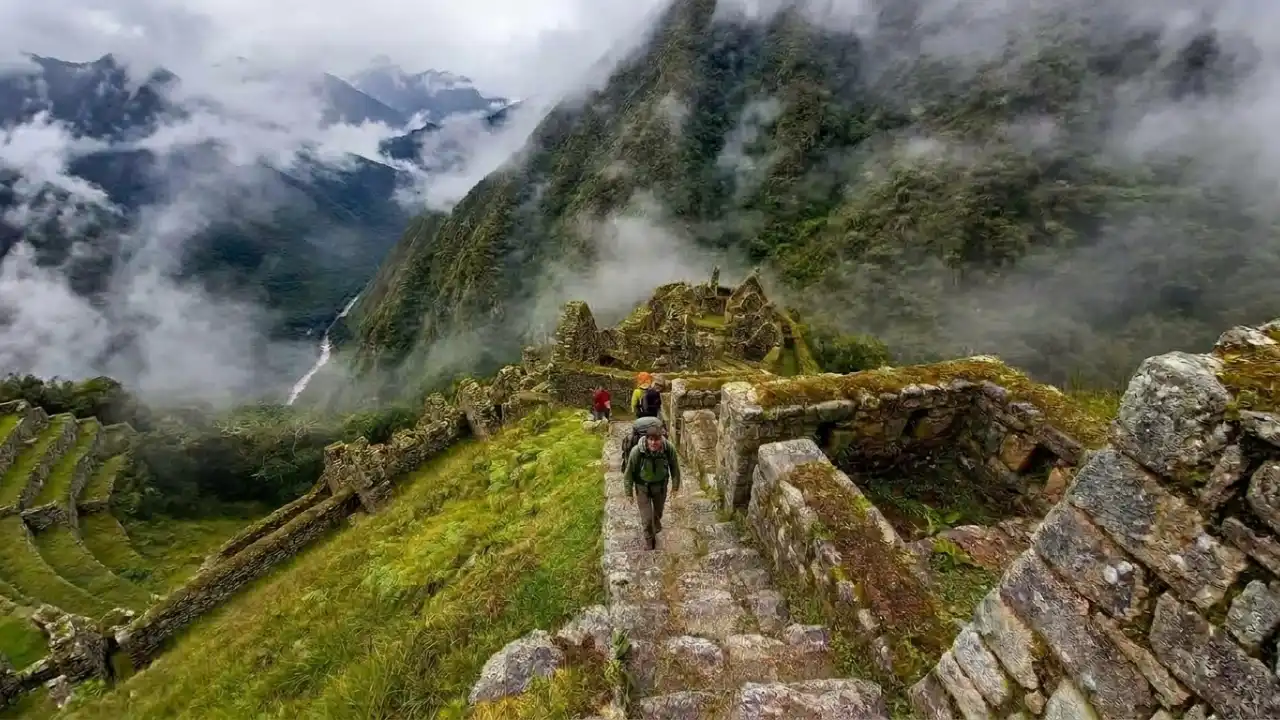
The biggest difference is that the Inca Trail to Machu Picchu is not a simple transfer from one place to another. It is a progression through changing terrain and rising effort, where each day builds anticipation and meaning. When you finally reach the end, you do not feel like you “visited” Machu Picchu. You feel like you arrived with proof, because your body and mindset had to earn that view.
Why “worth it” is mostly about memory and identity
People underestimate how much identity matters in travel decisions. The trips that stay with you are usually the trips where you were tested in some way, then succeeded. That success becomes part of how you describe yourself, and it quietly raises your standard for future adventures. This is why the Inca Trail cost can feel like a smart purchase: it buys you a personal milestone, not just an itinerary.
The Inca Trail also tends to produce clear “anchor moments,” like the hardest climb or the first time you realize you are moving well at altitude. Those moments are what your mind returns to years later, even more than the final photo. If you want an investment that keeps paying you back, those anchor moments are exactly what you should be buying.
Scarcity and access: Inca Trail permits create real value
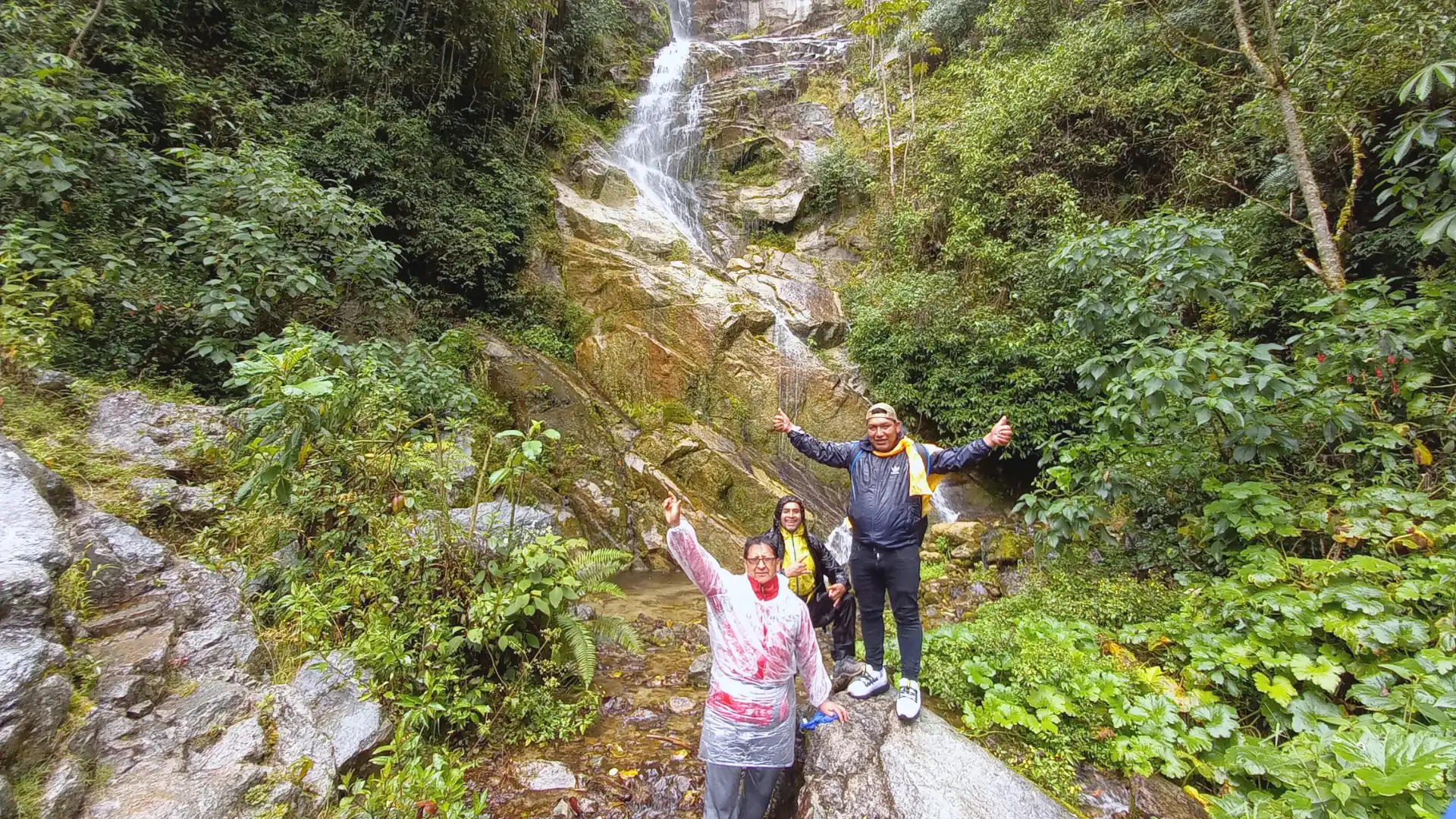
The permit system is not a small detail you tolerate. It is one of the main reasons the trail remains premium and meaningful, even after decades of global popularity. Scarcity protects the experience from being diluted by unlimited volume. For an adventure traveler, scarcity is part of what turns a trek into a genuine achievement.
Inca Trail permits protect the feel of the journey
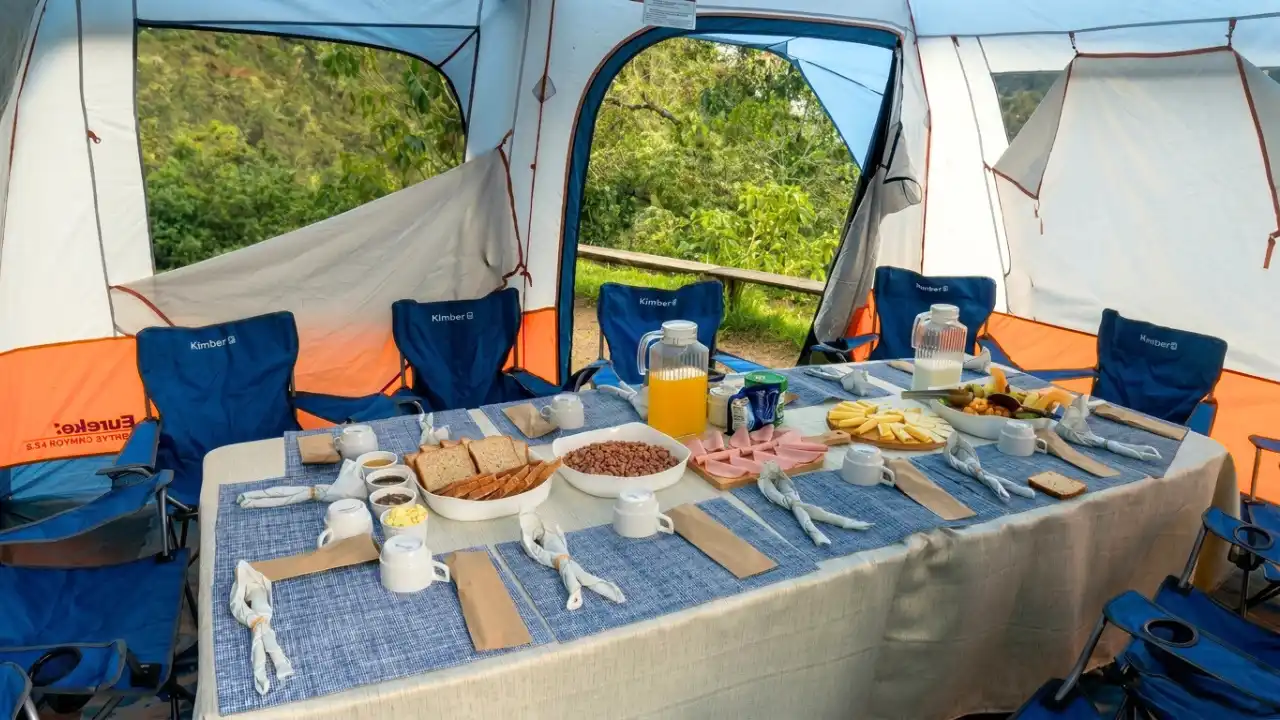
Inca Trail permits limit daily access, and that limitation shapes what you actually feel on the route. It influences how crowded the trail is, how camp life works, and whether the trek feels like a respectful journey rather than a busy corridor. Many famous hikes around the world have lost their magic because the experience became a human traffic jam. The Inca Trail avoids that fate largely because it is controlled.
This is why people who have done the Inca Trail often describe it as “worth it” even if they paid more than they expected. The permit system protects moments that feel personal, like quiet mornings, unhurried viewpoints, and that sense of moving through a place that is being taken seriously. If you care about the quality of the experience, Inca Trail permits are a powerful reason the trek remains a strong investment.
Scarcity increases your return on the Inca Trail cost
Scarcity changes your mindset in a way that improves the trip. When something is limited, you tend to prepare more seriously, plan earlier, and show up mentally committed. That commitment increases enjoyment because you are not improvising under pressure or rushing to make things work. Instead, you feel in control, and control is a huge part of what makes an expensive trip feel “worth it.”
It also makes the achievement feel legitimate. An adventure traveler typically wants to know they completed something meaningful, not something overly accessible. Inca Trail permits make the experience feel earned because you had to secure a spot, honor a schedule, and commit to the plan. That is exactly how an investment works: you put in effort up front to get a stronger return later.
Guided Inca Trail trek: why structure improves authenticity and enjoyment
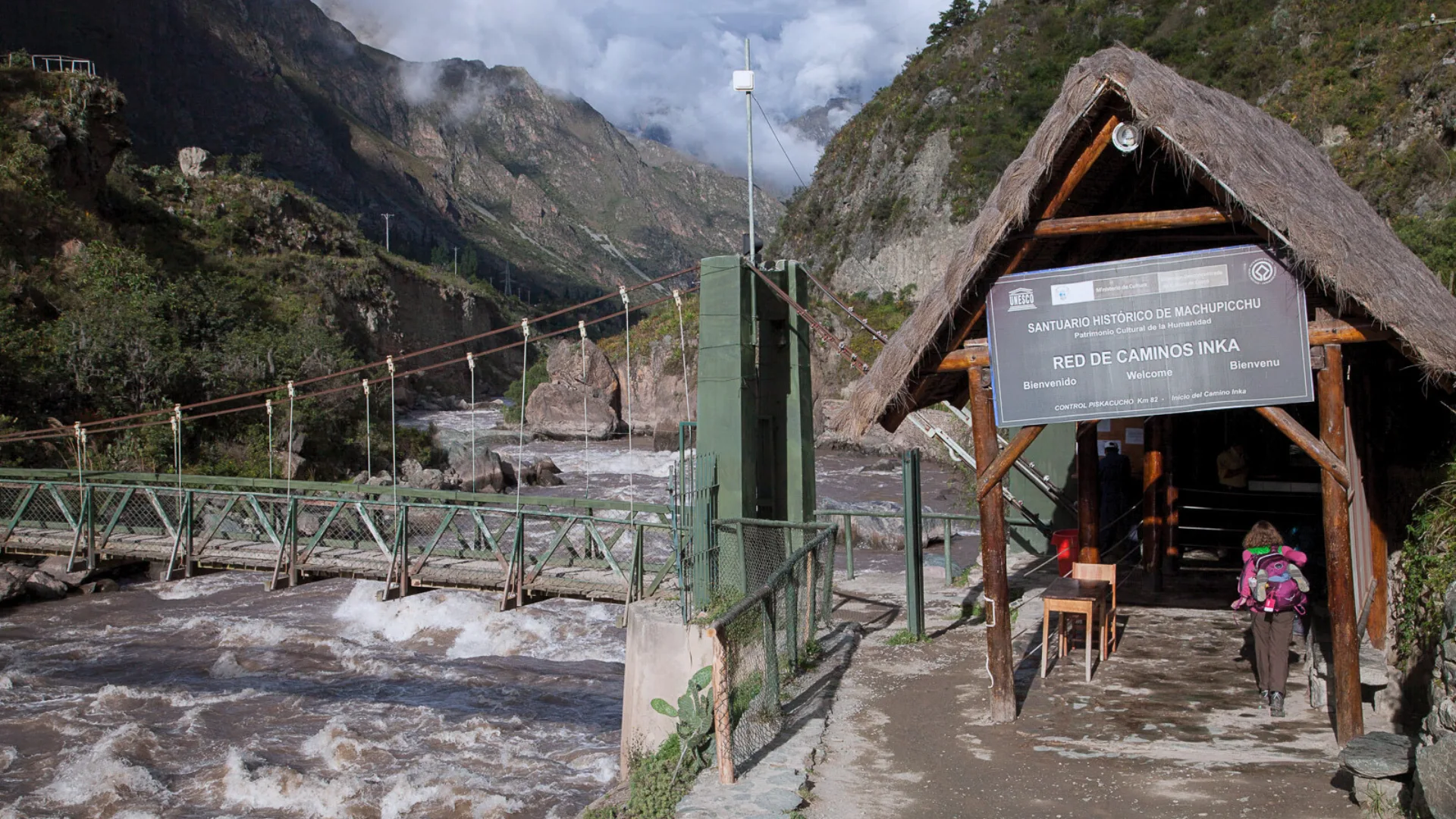
Some travelers assume a guided trip is less real. On the Inca Trail, the opposite is often true because the route is regulated and the logistics are strict. A guided Inca Trail trek removes friction and protects your energy for the part that matters. That is not a compromise. That is intelligent adventure travel.
A guided Inca Trail trek protects your time and mental bandwidth
A guided Inca Trail trek is an operating system, not just a person walking in front. It organizes checkpoints, timing, camps, pacing, and on trail decisions so you do not burn mental energy on constant logistics. For an adventure traveler, this matters because stress steals presence. If you are stressed, you do not absorb the scenery, you do not recover as well, and you do not enjoy the trek as much.
This is also why the Inca Trail cost can be a smart use of money. You are paying to convert complexity into reliability, which protects your limited vacation days. Instead of spending your time troubleshooting, you spend your time hiking, breathing, noticing details, and building the story that makes the Inca Trail to Machu Picchu so powerful.
Guided does not reduce Inca Trail difficulty, it makes it honest
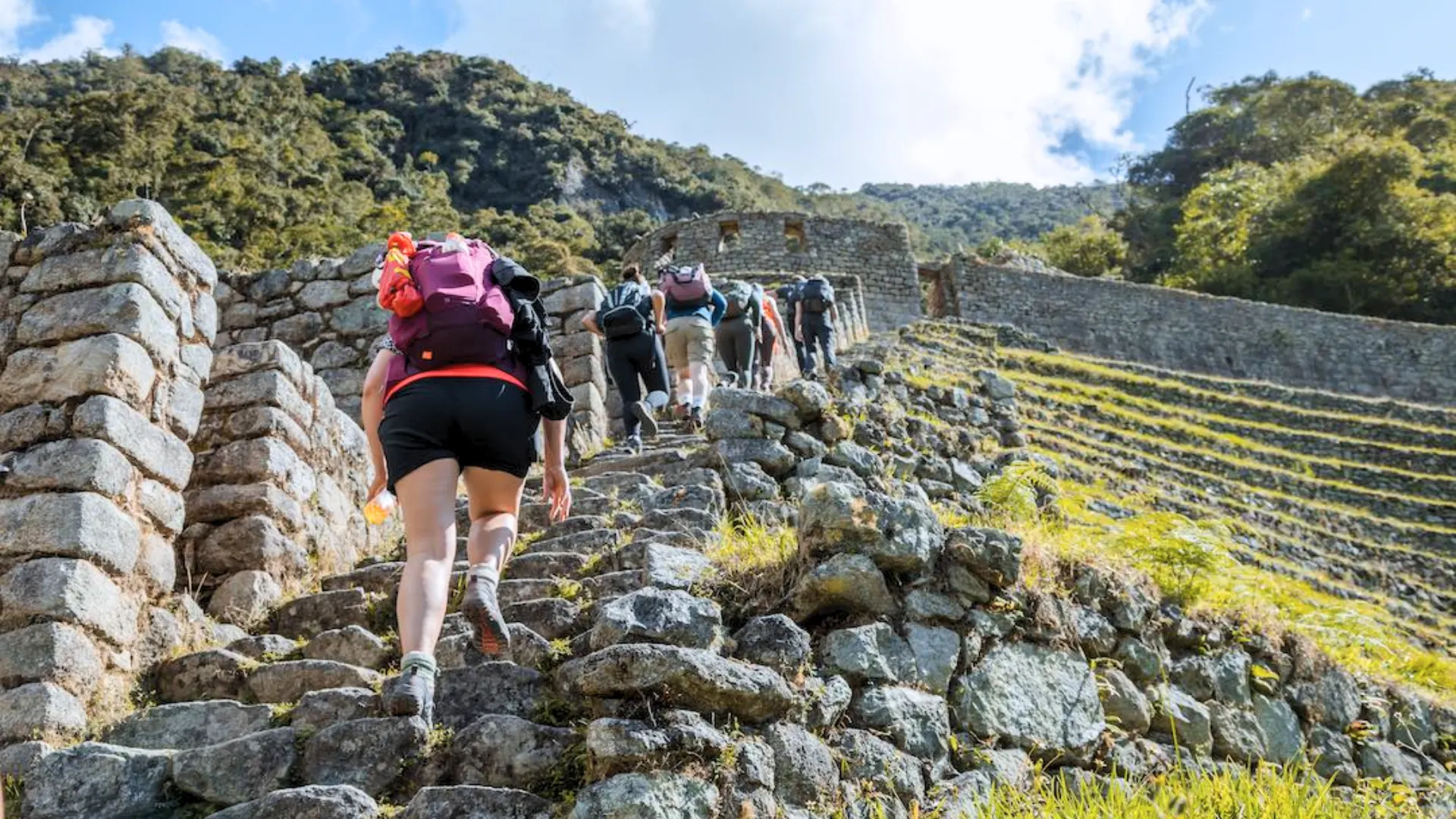
The Inca Trail difficulty does not disappear because you have a guide. You still climb steep steps. You still deal with altitude. You still manage fatigue, weather shifts, and the mental game of long days. What guidance does is remove avoidable problems so the challenge stays focused where it should be: on the mountain and on you.
That makes the difficulty feel fair. You are not struggling because of poor planning or missed timing. You are struggling because it is a real trek at altitude, which is exactly what an adventure traveler wants. If you want to be convinced, understand this: fair difficulty is what creates pride without resentment, and that is why guided structure often improves the return.
Classic Inca Trail: maximum return on effort and the deepest story arc
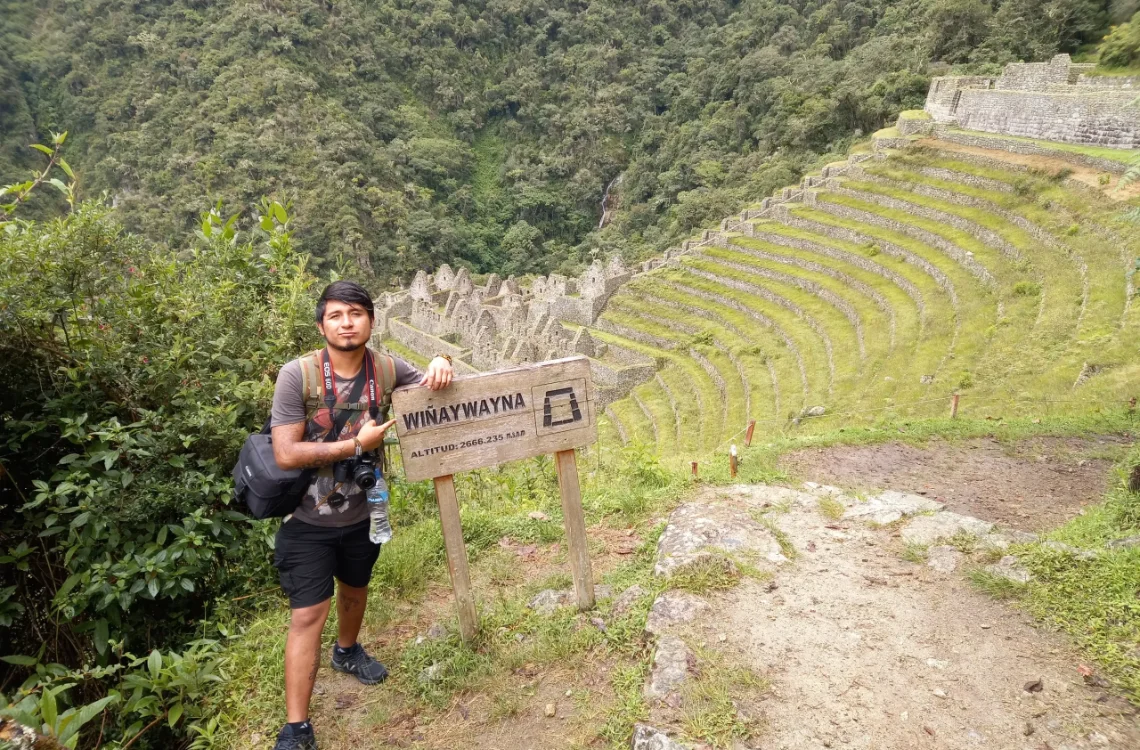
If you want the most complete version of this investment, the Classic Inca Trail is often the best choice. It gives you multiple days of progression, which creates a narrative you can feel in your body. It is the version that produces the strongest sense of accomplishment for most adventure travelers. The Classic Inca Trail is not simply longer; it is more transformative.
Why the Classic Inca Trail feels like a true expedition
The Classic Inca Trail has a rhythm that builds meaning day by day. You begin with excitement, then effort becomes real, then you adapt, then you feel momentum. That arc is what people remember, because it mirrors the structure of a real expedition. It teaches you to manage your pace, recover properly, and stay mentally steady even when the trail demands more than you expected.
This is why the Classic Inca Trail is such a strong investment for an adventure traveler. It produces growth, not just sightseeing. When you complete it, you do not only remember what you saw. You remember who you had to become to finish it, and that is the kind of return that keeps paying you back.
Dead Woman’s Pass: the moment that sells the entire trek
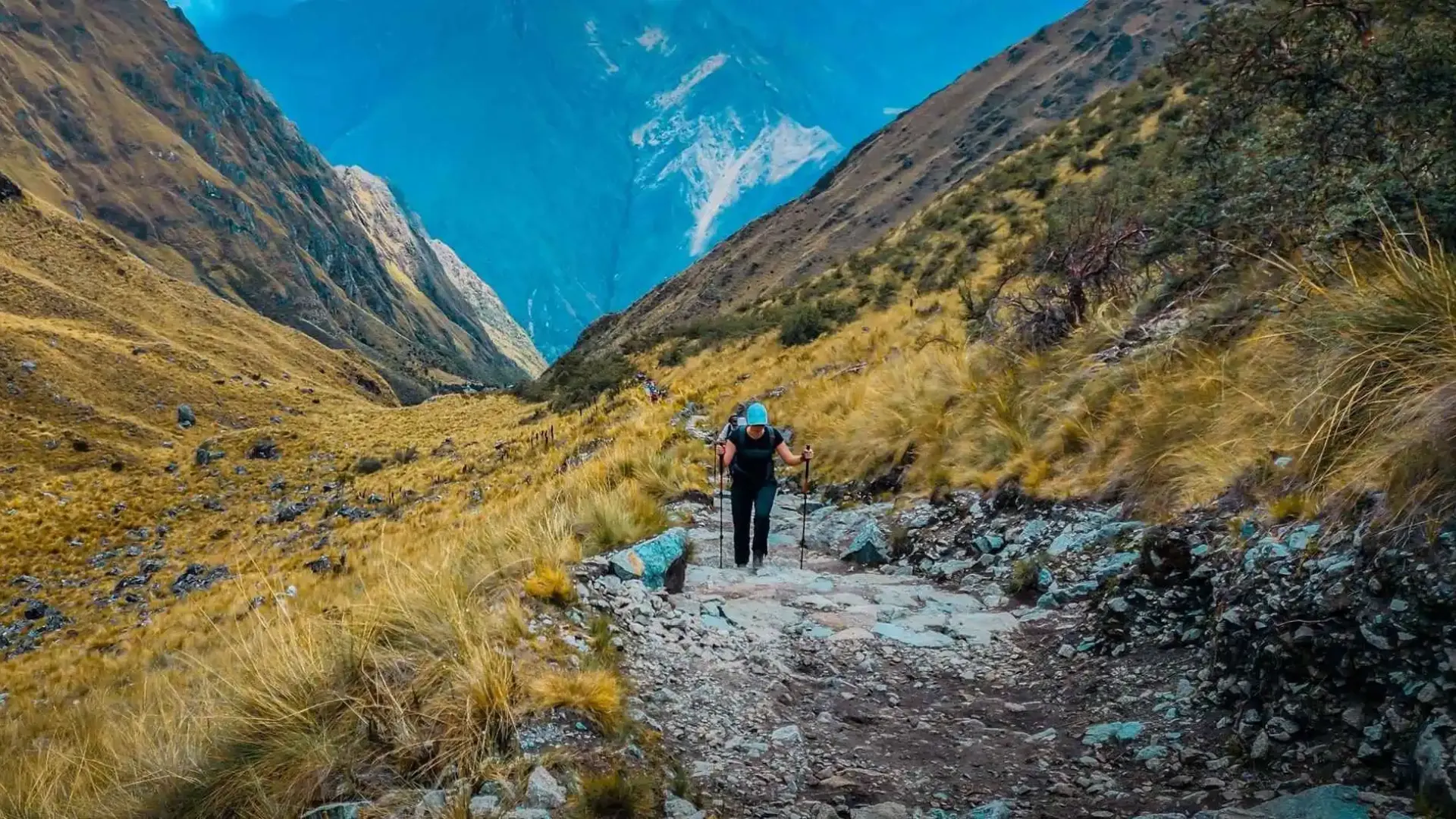
Dead Woman’s Pass is the defining moment for many hikers. It is often the section where you feel the reality of altitude and the cost of every step. You learn quickly that steady pacing beats ego, and you learn how your body responds when the air is thinner. That is why Dead Woman’s Pass becomes a permanent reference point in people’s travel stories.
This moment is also where the Inca Trail difficulty becomes meaningful rather than abstract. When you reach the top, you do not just feel relief. You feel capability, and capability is the currency of adventure travel. If you want a trip that convinces you it was worth it, Dead Woman’s Pass is the kind of experience that does exactly that.
Why the Classic Inca Trail makes the Inca Trail to Machu Picchu arrival unforgettable
A normal Machu Picchu visit can impress you visually, but it does not always change you. The Inca Trail to Machu Picchu changes the emotional weight of the destination because you arrive with momentum. The site is not just beautiful, it is a payoff for days of work. That payoff feels personal, and it creates a sense of earned entry that day visitors cannot replicate.
This is why the Classic Inca Trail is often the better investment even when it costs more. It does not just get you to a landmark. It builds a story inside your body, then delivers a finale that matches the build. If you want to be convinced, focus on that structure: build plus payoff is what creates unforgettable experiences.
Short Inca Trail: high impact value when time is the constraint
Not every adventure traveler has four days to dedicate to trekking, and that is fine. The Short Inca Trail can still be an excellent investment if it matches your schedule and your energy. The key is that it still preserves the emotional core of the Inca Trail to Machu Picchu experience. You approach the destination by foot, and that changes how the arrival feels.
Why the Short Inca Trail still feels earned
The Short Inca Trail is not a shortcut in the emotional sense. You still hike, you still earn the approach, and you still experience the trail narrative rather than teleporting into the destination. For many travelers, that is the entire point: they want a real approach to Machu Picchu, not a purely logistical arrival.
This is also why the Short Inca Trail can be a strong investment for an adventure traveler who values efficiency. It delivers a concentrated version of the story without requiring the full multi day commitment. If time is your limiting factor, choosing the Short Inca Trail can be the smartest way to protect your return on vacation days.
Choosing Short versus Classic without ego or regret
The Classic Inca Trail is usually the better choice if you want the deepest accomplishment and the full expression of Inca Trail difficulty, especially if you want Dead Woman’s Pass as part of your story. The Short Inca Trail is usually the better choice if you want a meaningful trek but need to protect time for other Peru experiences. Both are legitimate, and both rely on Inca Trail permits and typically operate as a guided Inca Trail trek.
The best investment is not the hardest choice. The best investment is the choice you can execute well, enjoy fully, and remember positively. That is the adult version of adventure travel decision making, and it is how you avoid post trip regret.
Best time to hike the Inca Trail: protect your investment with timing
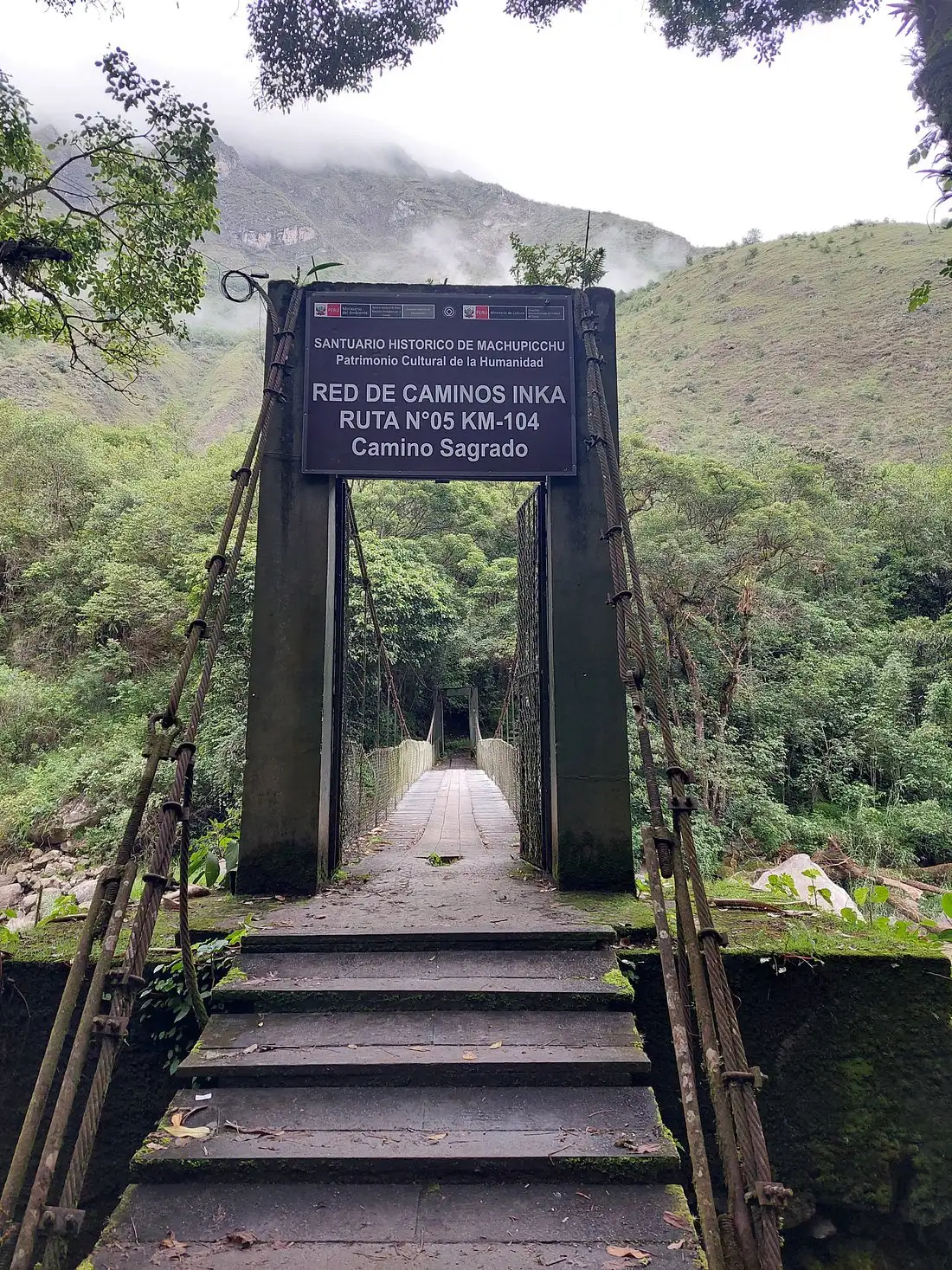
People ask about the best time to hike the Inca Trail because they do not want to spend money and then get a weaker experience. That concern is valid. Timing affects comfort, crowd pressure, and how calm your overall itinerary feels. If you want to maximize return, treat timing like strategy, not trivia.
Why the best time to hike the Inca Trail is also about planning leverage
The best time to hike the Inca Trail is the period when you can secure Inca Trail permits and build a schedule that supports recovery and acclimatization. If you book too late, you lose leverage, and you may be forced into rushed travel days or limited options around Cusco. That is how value leaks out of an expensive trip. Early planning protects the quality of your experience.
This is why the best time to hike the Inca Trail is not only a weather conversation. It is also a calendar control conversation. When you control your itinerary, you control your energy, and energy is what determines whether you experience the trek as inspiring or exhausting.
A practical way to choose your best time without overthinking
Instead of chasing a “perfect month,” choose a time window that allows you to plan early, arrive for Cusco acclimatization, and maintain flexibility for travel disruptions. That approach tends to create a smoother trip, which makes the Inca Trail cost feel justified. The best time to hike the Inca Trail is the time you can execute well, not the time you can brag about.
If you are an adventure traveler, execution is everything. Good execution turns a challenging trek into a rewarding one. Poor execution turns the same trek into an avoidable struggle.
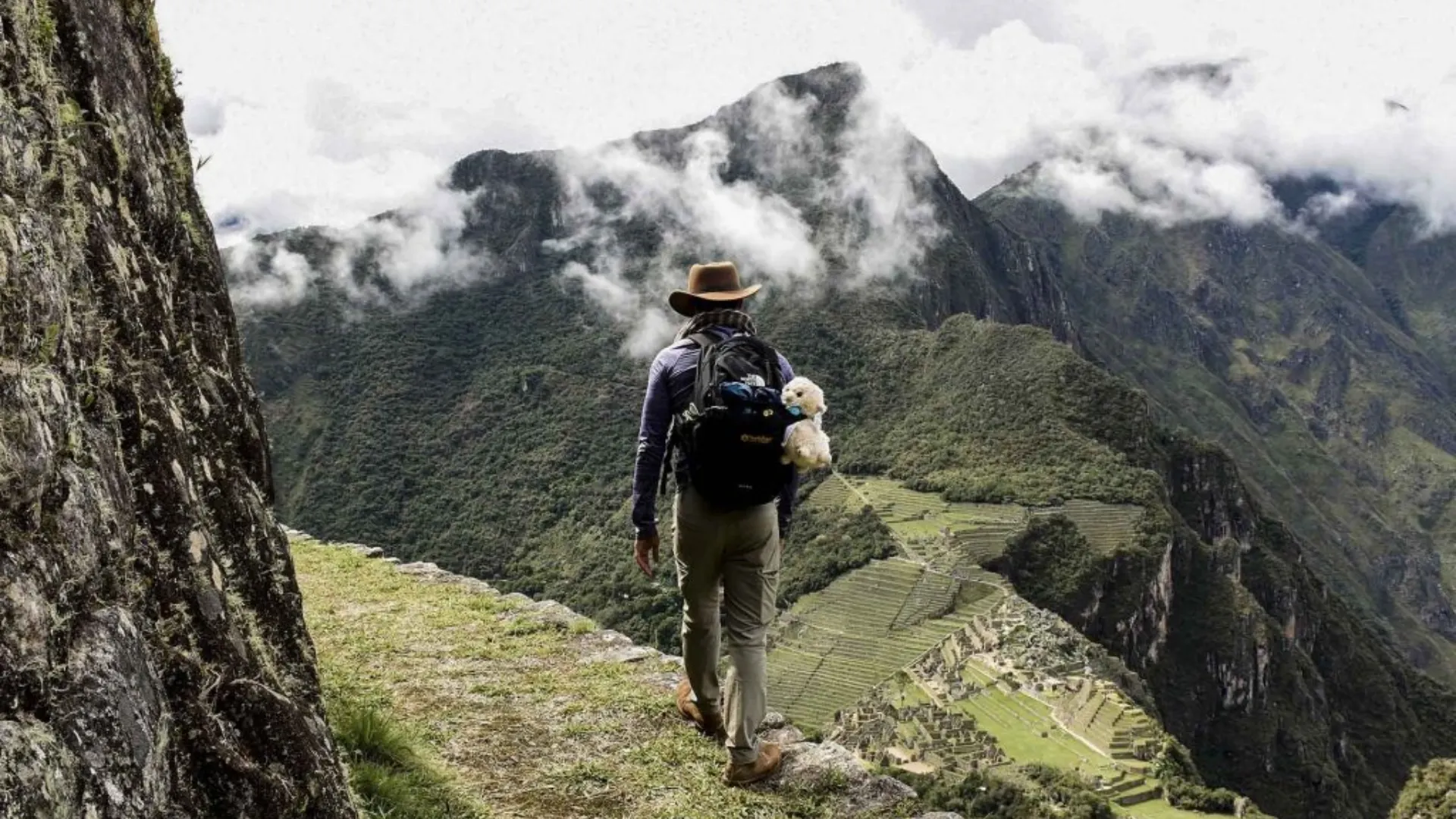
Cusco acclimatization: the upgrade that makes everything feel worth it
Altitude is the factor that can quietly ruin the experience if you ignore it. Cusco acclimatization is how you protect your investment without spending extra money. It improves sleep, steadies energy, and makes the Inca Trail difficulty feel more manageable. If you want to be convinced, take acclimatization as seriously as gear selection.
Why Cusco acclimatization is part of a smart investment strategy
Cusco acclimatization is essentially buying comfort with time. When you acclimatize well, your body performs better, you recover faster, and your mood stays steadier. That directly affects how you experience each day on the trail. Without acclimatization, even moderate climbs can feel heavy, and recovery can feel slow, which reduces enjoyment.
For an adventure traveler, acclimatization also protects the emotional side of the trip. You want to remember the scenery and the accomplishment, not how miserable you felt. Cusco acclimatization increases the probability that you experience the trek as challenging but satisfying.
The payoff shows up on the hardest moments
Cusco acclimatization matters most when the trail demands the most, including on the Classic Inca Trail when you approach Dead Woman’s Pass. With better acclimatization, you still work hard, but you feel more in control. Control is what makes hard experiences feel fun rather than overwhelming. It is also what keeps a group’s morale high, which improves the entire guided Inca Trail trek experience.
If you want your Inca Trail cost to feel fully justified, build in Cusco acclimatization and treat it like a non negotiable part of the plan. It is one of the simplest ways to increase your return.
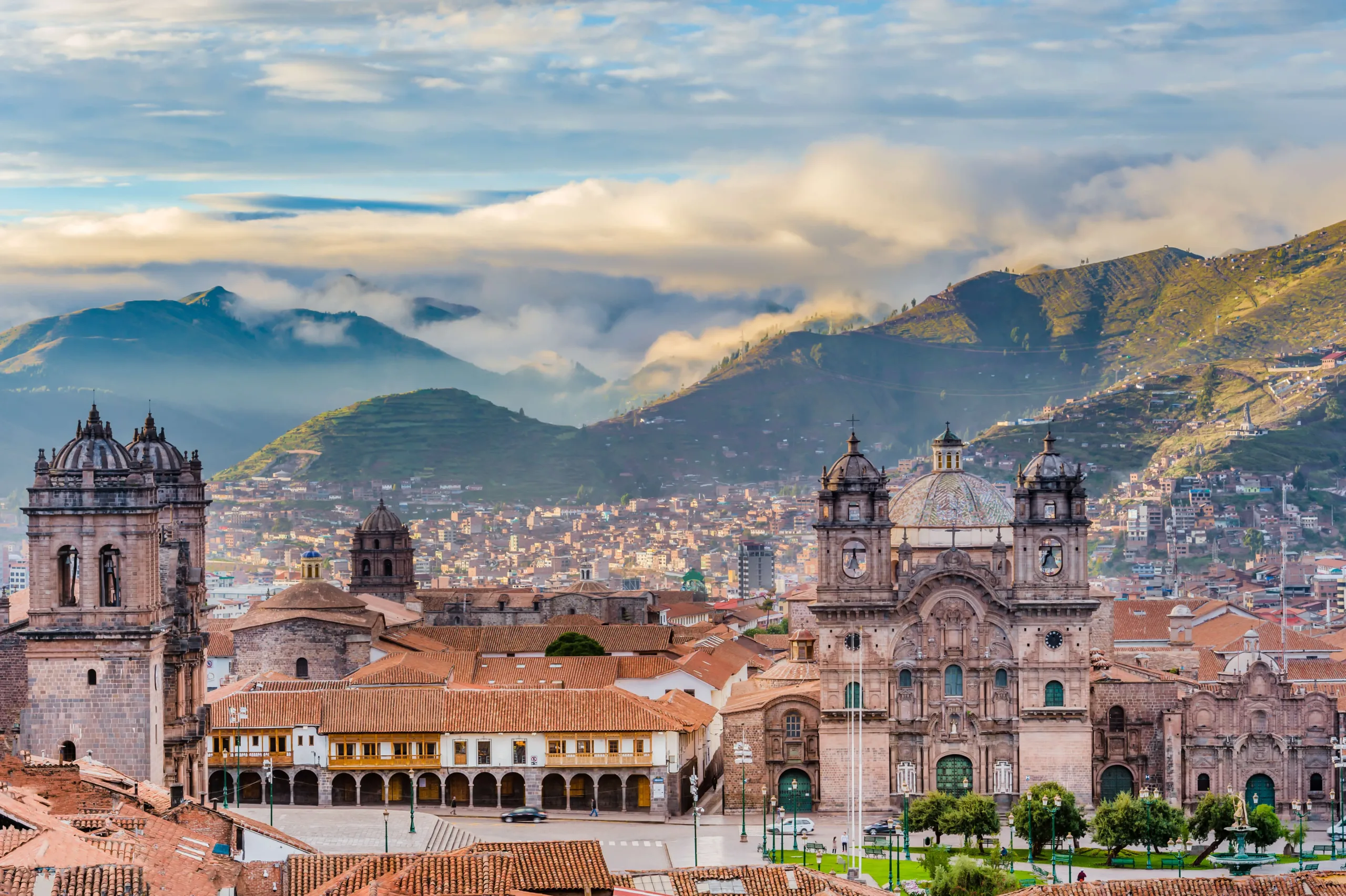
Why the Inca Trail cost makes sense when you look at what you actually get
Many people react to sticker shock because they compare the Inca Trail cost to a normal hike. That is the wrong benchmark. The correct benchmark is what it costs to access a protected, regulated, limited entry route that ends at a world class site, and to do it with reliable execution. That combination is not common, which is why it has a premium price.
You are paying for a protected system, not just services
The Inca Trail cost includes scarcity through Inca Trail permits, regulated operations, and the infrastructure of a guided Inca Trail trek. Those pieces protect your time and the quality of the experience. You are not paying to avoid difficulty. You are paying to avoid chaos. That is why many travelers end up describing the cost as “worth it” once they understand what the money actually supported.
For an adventure traveler, reliability has value. You do not want your big trip to be fragile. A protected system makes the experience more consistent, which increases the probability that you finish happy rather than stressed.
Alternatives may be cheaper, but they do not replicate the same return
You can reach Machu Picchu in other ways, but most alternatives do not provide the same narrative arc. The Inca Trail to Machu Picchu is valuable because the approach is part of the meaning. The build is what makes the finale matter. When you remove the build, you often reduce the emotional impact, even if the destination is the same.
That is the honest reason the Inca Trail is such a strong investment for an adventure traveler. It is not only what you see. It is what you earn.
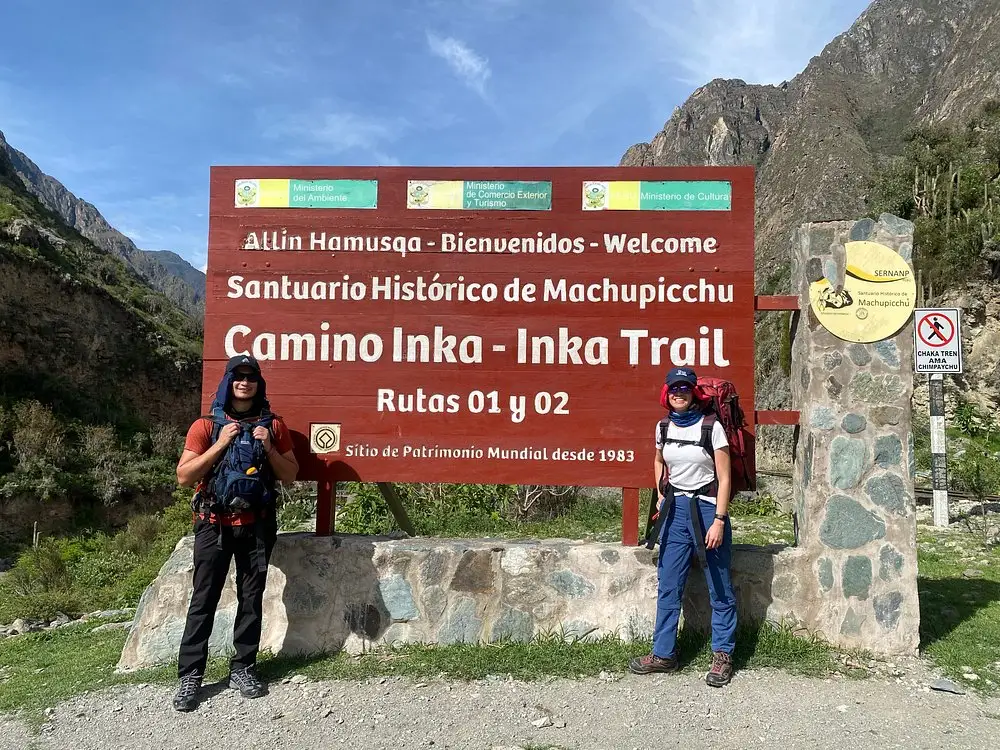
Frequently asked questions about Why the Inca Trail Is the Ultimate Adventure Travel Investment
The Inca Trail difficulty is mostly about altitude and sustained climbing, not technical skills. A reasonably fit adventure traveler can usually complete it with proper pacing, training, and Cusco acclimatization. The hardest moments tend to feel hard because of elevation, not because the terrain requires special equipment or expertise.
The most practical answer is to treat permits as the first priority and plan early. When you secure Inca Trail permits early, your entire itinerary becomes calmer. Calm planning protects your budget and your energy, and that is part of what makes the trip feel like an investment instead of a gamble.
The best time to hike the Inca Trail is the window when you can plan early, secure Inca Trail permits, and build in Cusco acclimatization. Many travelers focus only on weather, but value is also about control.
You will only regret it if the reason you chose Short was fear rather than a real constraint. If time is the constraint, the Short Inca Trail can still be a strong investment and still delivers the Inca Trail to Machu Picchu approach.