


Uros Islands Travel Insurance Coverage Guide
Traveling to the floating islands of Uros is often a very simple trip out of Puno, yet it is also made up of a number of travel considerations that must be taken into account prior to traveling. Firstly, Lake Titicaca is located at an elevation of 12,000 feet; secondly, boats are required to travel there; and finally, many travelers often have other arrangements in place in other parts of Peru. This is why travelers seeking Uros insurance coverage should consider their total travel coverage needs.
A useful comparison for trip insurance at Lake Titicaca must revolve around what is covered in the plan, the limits of the policy, and the exclusions it entails. The tour companies can help by explaining their policies and if insurance coverage is advisable, but it cannot dictate whether the claim will be honored. The insurance company will make the final decision based on the terms of the insurance plan. The above article provides general travel information only.
Why Travel Insurance Matters for a Uros Islands Visit
Travel to the Uros Islands involves specific environmental and logistical factors that travelers should account for when planning their itineraries and insurance coverage.
Unique Risks of Floating Island Travel
The Uros Islands are accessed via boat from Puno, with many itineraries continuing to Taquile, Amantaní, or other destinations across Lake Titicaca. Because transfers depend on water transport and fixed departure schedules, a delay or cancellation caused by adverse weather can impact subsequent connections.
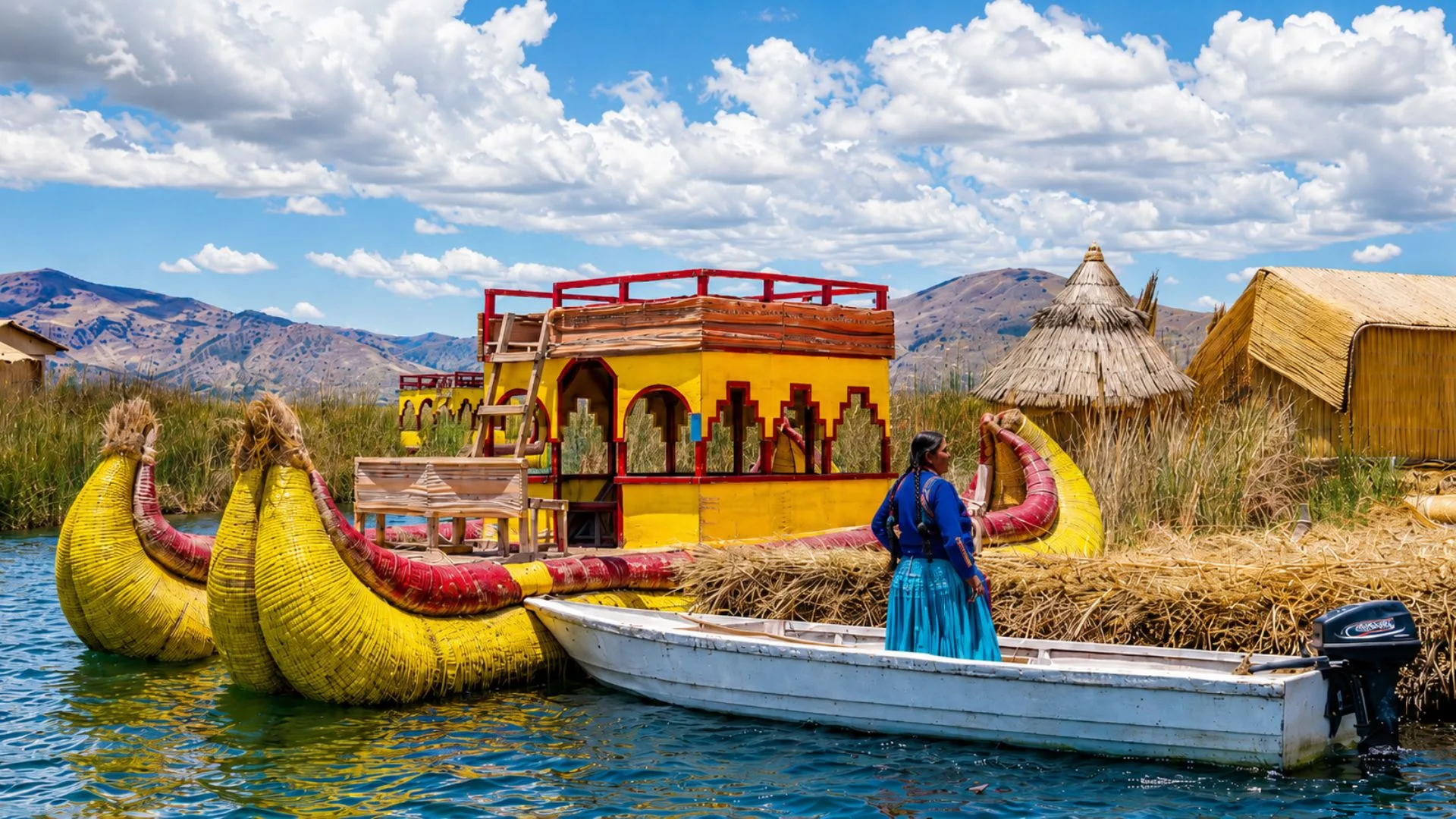
Altitude is another essential consideration. Lake Titicaca sits at an elevation of 3,812 meters (12,500 feet), well above the 2,500-meter threshold where altitude sickness commonly occurs. Travelers evaluating travel insurance should ensure their policies include adequate coverage for emergency medical care and high-altitude medical evacuation.
Common Misconceptions About Coverage in Remote Destinations
A common mistake is assuming that standard travel insurance automatically covers every potential issue during a remote trip. Insurance policies operate under specific terms, defined benefits, coverage limits, and explicit exclusions. For example, trip delays due to weather are only reimbursable if the event meets all requirements outlined in the policy.
Additionally, travelers sometimes confuse tour operators with insurance providers. Tour agencies organize logistics but do not underwrite insurance policies. If an operator recommends purchasing third-party travel insurance, this should be treated as procedural guidance rather than an inclusion in the tour package itself.
Travel Insurance Providers to Consider Before Visiting Peru
Travelers comparing travel insurance providers covering trips to the Uros Islands should look beyond price alone. Medical emergency limits, medical evacuation, trip cancellation and interruption, baggage coverage, deductibles, assistance services, activity restrictions, altitude provisions, and policy terms should all be considered before choosing a plan.
| Provider | Published Features | What to Verify | Best For |
|---|---|---|---|
| Assist Card | International travel assistance and insurance products. Official pages describe medical assistance and benefits that can include baggage issues and travel delays or cancellations, depending on the product and market. | Confirm the plan sold in your country, medical and evacuation limits, altitude-related terms, water activities, cancellation benefits, and exclusions. | Travelers who want a large international assistance network and region-specific purchasing options. |
| World Nomads | Official pages describe emergency medical treatment, evacuation, baggage, cancellation-related benefits, 24/7 assistance, and coverage for many travel activities. Availability and benefits vary by residence and plan. | Check the exact activity list, altitude rules, plan level, country-of-residence eligibility, waiting periods if buying after departure, and benefit limits. | Travelers combining Peru sightseeing with trekking, kayaking, or other listed activities, subject to the selected plan. |
| Heymondo | Its Peru page describes travel insurance with medical emergencies, trip cancellations, lost luggage, emergency evacuation, 24-hour assistance, and single-trip or annual options. | Verify sports or activity extensions, medical and evacuation limits, deductible options, cancellation conditions, and exclusions for your chosen plan. | Travelers who prefer app-based assistance and want to compare single-trip, annual, or longer-stay options. |
What Standard Travel Insurance Typically Covers
Comparisons can be made by travelers prior to entering Peru. Price is just one aspect of such comparisons. Medical emergency limits, medical evacuation, trip cancellation and interruption, baggage limits, deductible amount, assistance services, activity limitations, altitude provisions, and language of the policy document should all be considered in making your comparison.
| Provider | Published Features | What to Verify | Best For |
|---|---|---|---|
| Assist Card | International travel assistance and insurance products. Official pages describe medical assistance and benefits that can include baggage issues and travel delays or cancellations, depending on the product and market. | Confirm the plan sold in your country, medical and evacuation limits, altitude-related terms, water activities, cancellation benefits, and exclusions. | Travelers who want a large international assistance network and region-specific purchasing options. |
| World Nomads | Official pages describe emergency medical treatment, evacuation, baggage, cancellation-related benefits, 24/7 assistance, and coverage for many travel activities. Availability and benefits vary by residence and plan. | Check the exact activity list, altitude rules, plan level, country-of-residence eligibility, waiting periods if buying after departure, and benefit limits. | Travelers combining Peru sightseeing with trekking, kayaking, or other listed activities, subject to the selected plan. |
| Heymondo | Its Peru page describes travel insurance with medical emergencies, trip cancellations, lost luggage, emergency evacuation, 24-hour assistance, and single-trip or annual options. | Verify sports or activity extensions, medical and evacuation limits, deductible options, cancellation conditions, and exclusions for your chosen plan. | Travelers who prefer app-based assistance and want to compare single-trip, annual, or longer-stay options. |
Coverage Gaps to Watch For on Lake Titicaca Excursions
High-Altitude Health Considerations
High altitude alone does not determine how an insurance claim is processed. What matters is how a policy addresses high-altitude illness and whether specific altitude thresholds or activity exclusions apply. Visiting the Uros Islands involves far less physical exertion than technical mountaineering or high-altitude trekking, but insurance providers define activities and elevation limits differently.
When comparing insurance options, review specific policy terms regarding medical conditions and elevation restrictions rather than relying solely on product names. Travelers with pre-existing conditions or concerns about high-altitude health should consult a medical professional prior to travel and verify coverage details directly with their insurer.
Boat Tours and Water-Based Activity Exclusions
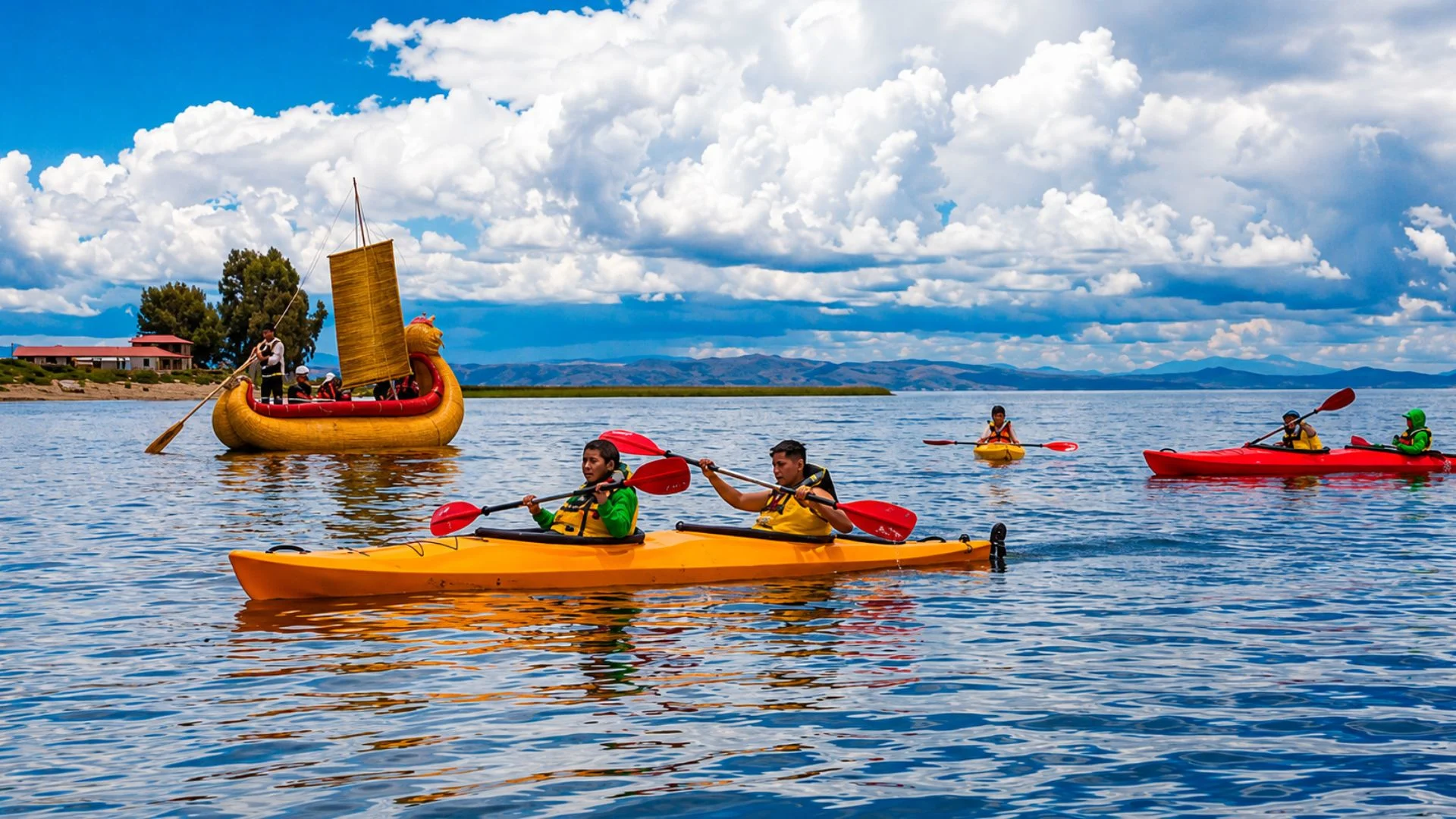
Standard tourist boat transportation is generally treated differently than adventure watersports, but it is still essential to verify how a policy classifies lake transit. This distinction becomes particularly important for itineraries that include kayaking, stand-up paddleboarding, or other active water sports on Lake Titicaca.
Some insurers include basic water activities in standard plans, while others require sports add-ons or specific safety conditions. If active excursions are planned, confirm that your coverage extends to those specific activities and participation terms.
Weather-Related Delays and Cancellations
Weather conditions can affect boat navigation and transport schedules on Lake Titicaca, but weather disruptions do not automatically qualify for insurance reimbursement. To trigger a claim, the event must match a listed covered reason and meet specific policy thresholds for minimum delay times or service suspensions.
Additionally, review your tour agency’s cancellation and modification terms separately from insurance policies. Operators may be unable to refund prepaid services if schedules are altered due to unforeseen weather or safety factors beyond their control.
Choosing the Right Policy for a Peru Itinerary
Single-Trip vs. Multi-Trip Policies
Single-trip plans focus on a specific, individual journey, making them a straightforward option for travelers taking a single vacation to Peru. In contrast, annual or multi-trip policies suit frequent travelers, though they often feature lower per-trip benefit caps and strict maximum duration limits per excursion. When evaluating coverage, consider the needs of your entire itinerary rather than focusing solely on Lake Titicaca or Puno.
If your journey also includes high-altitude trekking, domestic flights, or excursions to Cusco, Machu Picchu, the Sacred Valley, and the Amazon, your insurance policy must cover every leg of the trip. A policy that provides adequate protection for a short boat tour may offer insufficient coverage for trekking, high-altitude stays, or remote rainforest travel.
Adventure or Activity Add-Ons
If your itinerary incorporates kayaking, hiking, mountain biking, white-water rafting, or other physical activities, confirm whether active sports coverage is included in standard plans or requires a policy upgrade. Insurers classify activities based on factors such as elevation, terrain difficulty, equipment requirements, and whether a certified guide is present.
Avoid relying on marketing terminology like “Adventure Plan” without examining the fine print. Review exact policy definitions, terms, and exclusions carefully, and request written confirmation from the insurance provider if any coverage details remain unclear.
How Tour Operators Factor Into Your Coverage
What Reputable Agencies Typically Recommend
Tour operators should clearly communicate what is included in their service, what is excluded, their cancellation policies, required travel documents, and whether they recommend that clients purchase individual travel insurance. This transparency helps travelers identify risks that fall outside the standard tour agreement.
Unless legally licensed to sell insurance products, a tour operator cannot act as an insurance provider. For Lake Titicaca excursions, the most effective approach is to obtain your official tour confirmation first, and then select a travel insurance policy that aligns directly with your scheduled itinerary and activities.
Comparing Approaches Among Lake Titicaca Operators
The table below summarizes published insurance and booking guidelines from established Lake Titicaca operators:
| Agency | Insurance Guidance | Booking Information | Best For |
|---|---|---|---|
| Titicaca Travel Peru | Recommends travel insurance for general Peru itineraries and explicitly lists it as excluded on select adventure programs. | Provides online tour listings with clear booking options, inclusions, and exclusions. | Travelers arranging Puno and Lake Titicaca services directly with a local operator. |
| Edgar Adventures | Lists travel insurance as non-included across multiple itineraries, noting it as highly recommended for active routes. | Features detailed tour pages, online inquiry forms, and complete itinerary breakdowns. | Travelers comparing cultural, multi-day, and adventure-oriented Lake Titicaca itineraries. |
| Uros Expeditions | States that travel insurance is strongly recommended especially for altitude sickness, high-elevation medical care, and missed connections due to transit delays. | Outlines clear booking terms regarding deposits, payment schedules, cancellation conditions, and traveler responsibilities. | Travelers combining Lake Titicaca with Cusco, Machu Picchu, or a broader southern Peru circuit. |
Practical Tips Before You Book
Documents and Confirmations to Keep Handy
Keep your insurance certificate, policy number, emergency assistance contact details, tour confirmation receipts, and transport tickets readily accessible throughout your trip. Saving offline digital copies on your mobile device is recommended, as cell service can be spotty around Lake Titicaca. In the event of any disruption, retain all official documentation including written notices, medical reports, receipts, and communication logs with your tour operator to support potential insurance claims.
Having a detailed breakdown of your itinerary and planned activities makes it much easier to clarify coverage rules directly with your insurer without needing to explain the entire geography of the Uros Islands.
When to Purchase Your Policy
Purchasing travel insurance shortly after making your initial non-refundable trip deposit is often necessary to qualify for time-sensitive benefits, such as pre-existing condition waivers or “cancel for any reason” add-ons. Specific deadlines for these time-bound provisions vary by provider and policy structure.
Buying coverage immediately before departure may restrict your access to certain benefits. Before finalizing your policy, double-check that your coverage dates align with your complete travel itinerary and that the insured trip cost accurately reflects your non-refundable expenses.
Do I Need Travel Insurance for the Uros Islands?
Travel insurance is strongly recommended though not legally mandatory for visiting the Uros Islands. A suitable policy provides protection against medical emergencies, high-altitude medical evacuation, trip interruptions, transit delays, and lost luggage. Because Lake Titicaca sits at an elevation of 3,812 meters (12,500 feet), verifying that your policy includes high-altitude coverage is an essential safeguard for your trip.
Frequently asked questions about Uros Islands Travel Insurance Coverage Guide
No. It is generally optional but strongly recommended for travel in Peru.
It can, depending on the policy. Check medical coverage and altitude-related exclusions.
Usually standard boat trips may be covered, but activities like kayaking can have different conditions.
Only if weather-related disruptions are included as a covered reason in your policy.
Consider insurance for your entire Peru trip rather than only the Uros excursion.
Check medical care, evacuation, cancellations, baggage, altitude limits, activities, deductibles, and exclusions.


