T’aqrachullo, the Hidden Inca Citadel Larger than Machu Picchu
If you have followed any archaeological discoveries recently, then perhaps you must be familiar with the term T’aqrachullo. Recently, the National Geographic published an article featuring a discovery at T’aqrachullo which has finally brought this site to worldwide attention after remaining hidden for decades. The discoveries made here are absolutely amazing; a hidden Incan city with double the area of Machu Picchu that houses countless numbers of gold, silver, and copper objects, along with solving the mystery of one of the sacred Incan sites.
What Is T'aqrachullo ?
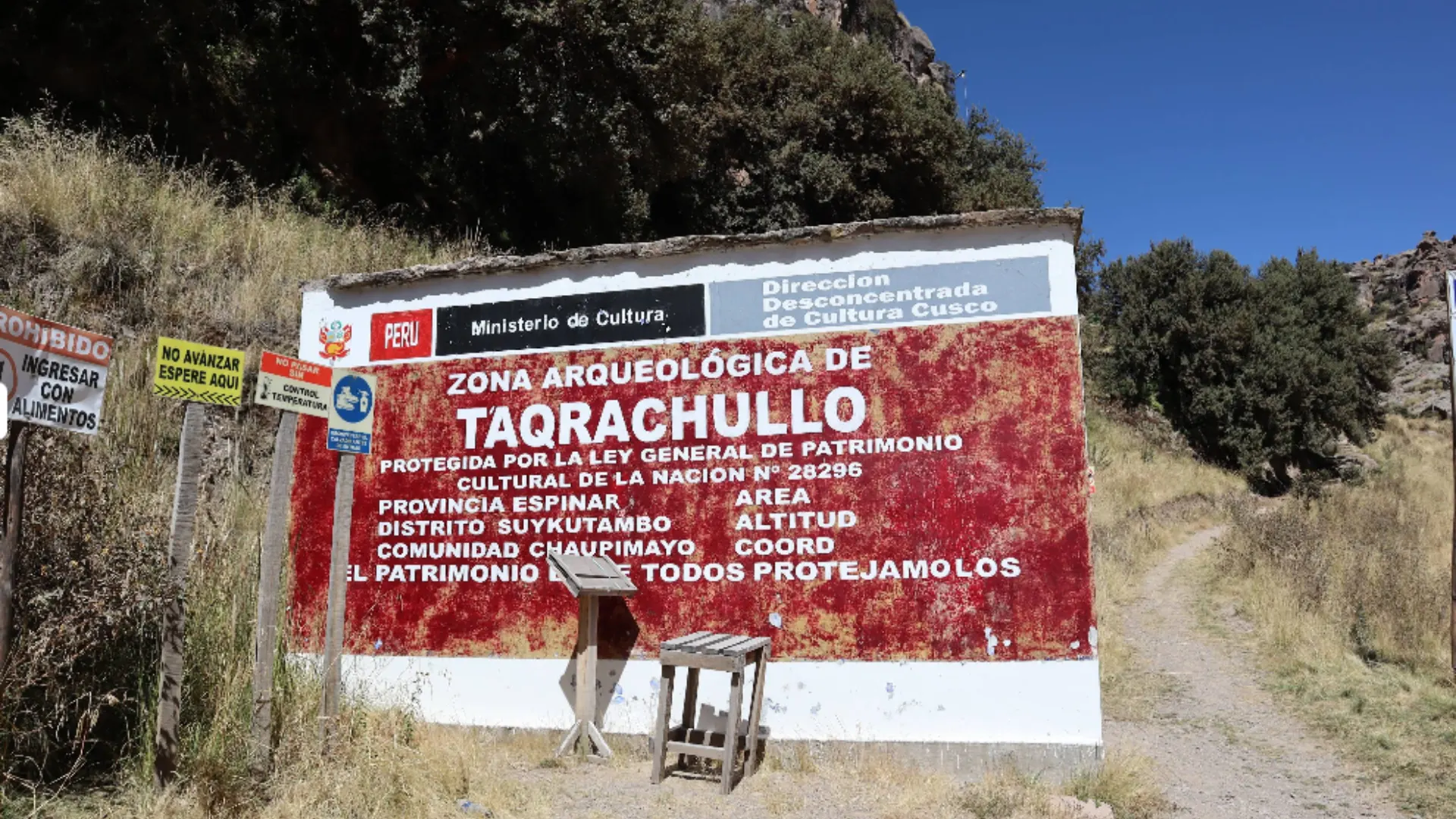
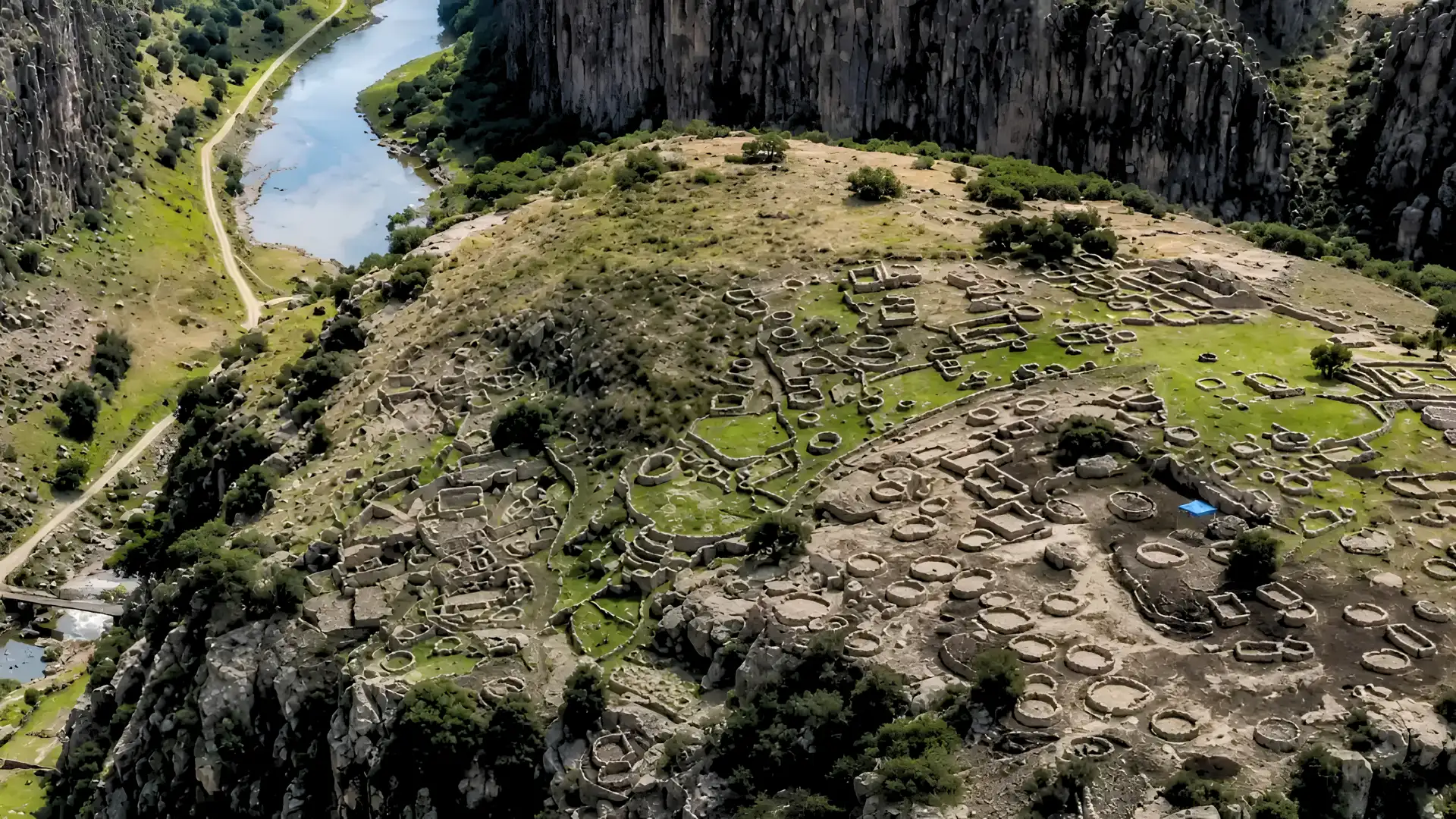
T’aqrachullo is alternatively known as María Fortaleza which is an Incan and pre-Incan archaeological complex that lies within the municipality of Suykutambo in the province of Espinar in the Cusco region of Peru. This place stands at 4,038 meters above sea level, in an elevated mesa about 300 feet high above the Apurímac River gorge where strategic defense and religious spirituality were of prime importance.
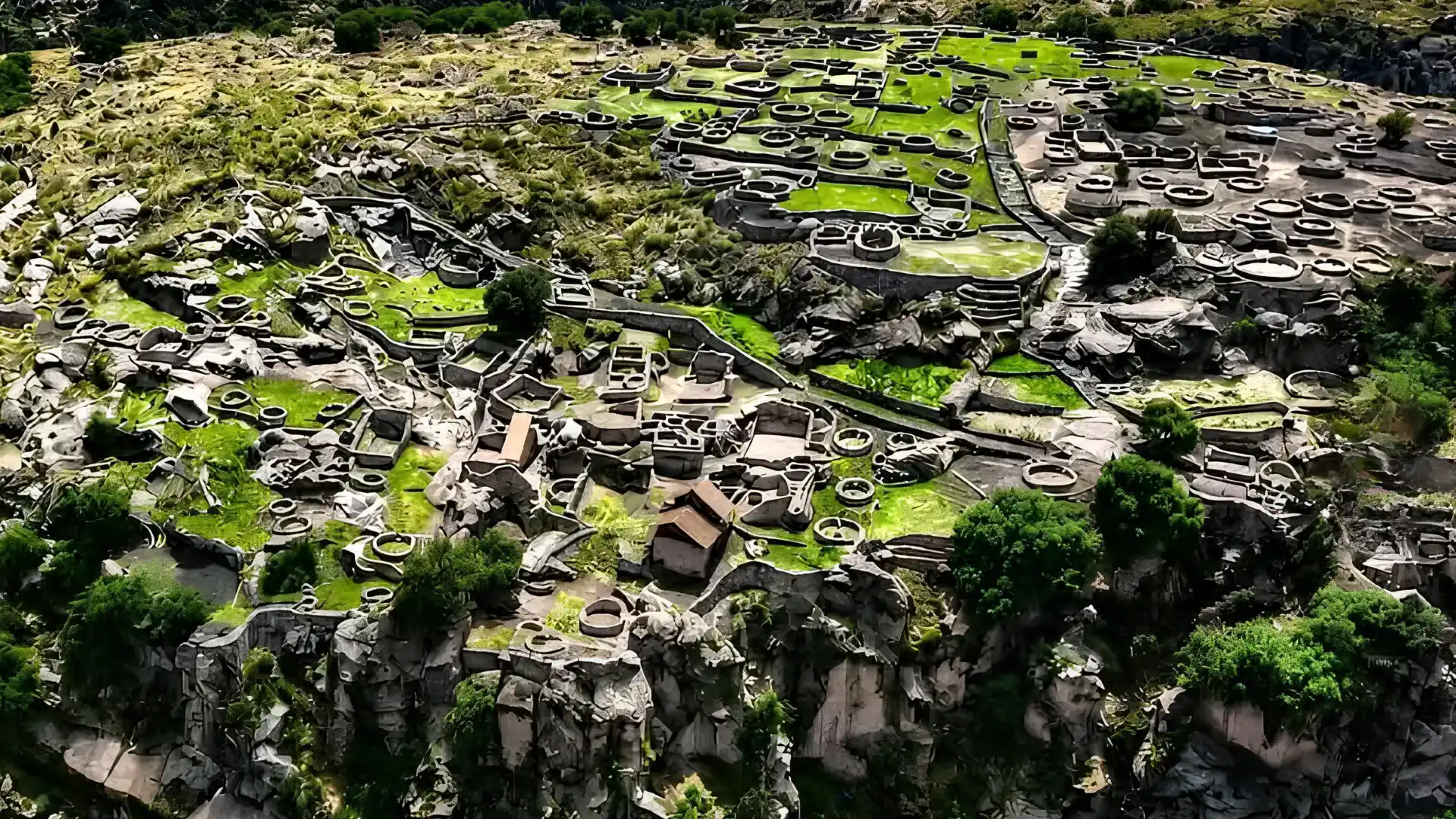
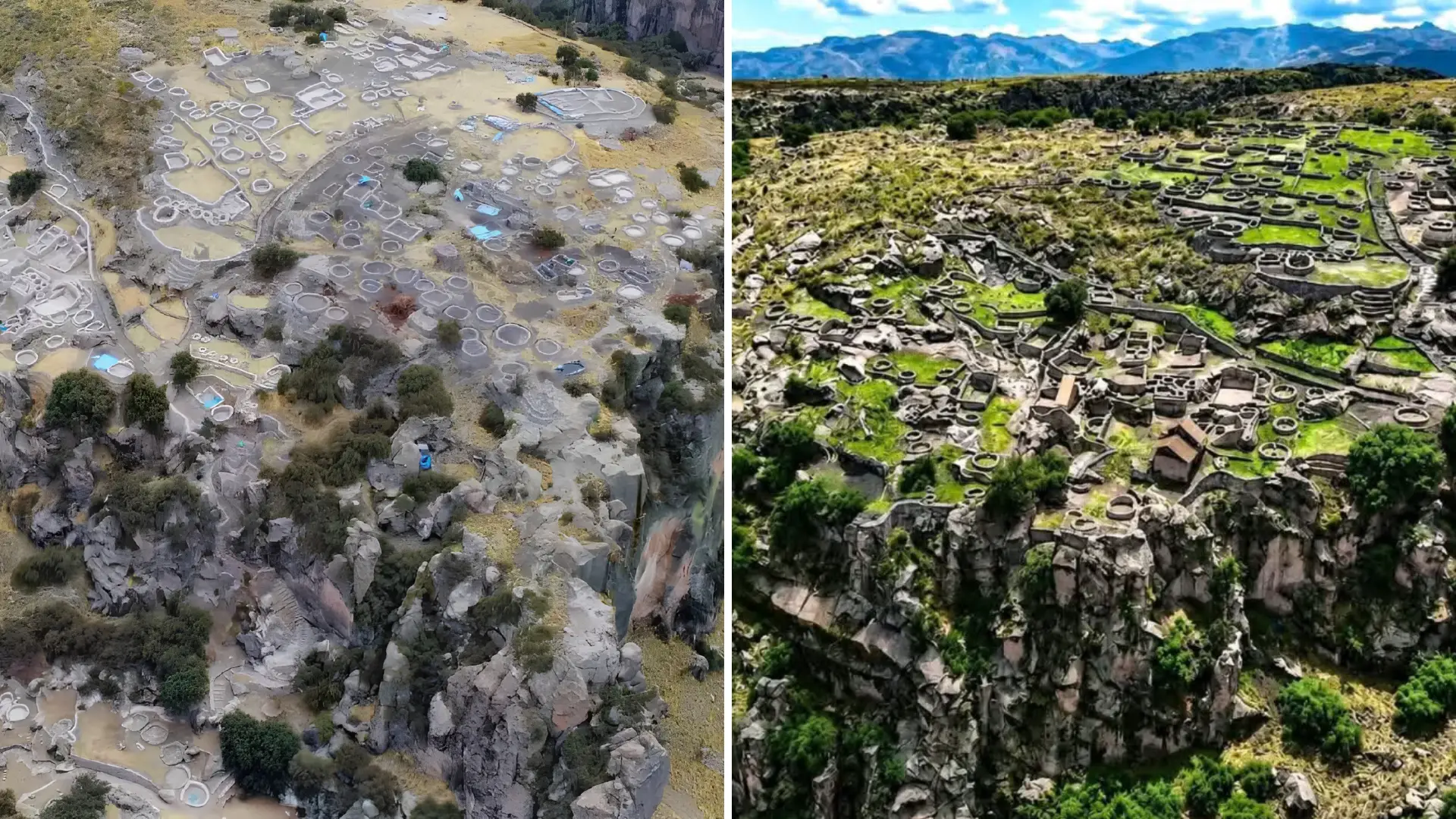
This ancient complex spans a wide area of 17.4 hectares (43 acres) containing almost 600 buildings such as enclosures, plazas, tombs, residences, staircases, and fountains. Entry to the ceremony complexes found at the top of the mesa was allowed to only the Incan nobility whereas entry to the bottom settlement found at the foot of the mesa was allowed to a greater number of people. The bottom settlement was connected via the ancient Inca roadway, built by the Wari civilization.
A History Written in Stone From Wari to Inca
T’aqrachullo was not created during the rise of the Inca civilization. Archeological evidence has shown that there was a settlement here at least 2,000 years ago, which makes T’aqrachullo one of the most ancient continuously inhabited sites in southern Peru. Knowing the history of this site will help to understand what made this place so important for the cultures that built it.
The Earliest Occupation (Pre-800 AD)
The first signs of settlement appeared prior to the Wari era. Archeological discoveries have proven that indigenous populations inhabited the mesa from the beginning of the 1st-2nd century AD because of the defensive nature of the site and access to rich highland pasturelands.
The Wari Influence (600–1000 AD)
The Wari civilization, which is known to have preceded the Incas as an empire of Peru, has had a distinct impact on T’aqrachullo. Ceramics and architecture that resemble those made by Wari are seen in the lower layers of this site. Also, the Wari constructed a road system, which would become the basis for future road development by the Incas, connecting T’aqrachullo to the rest of Peru.
Qollao and Cana Periods (1000–1400 AD)
As the Wari collapsed, there began an influence from the Qollao civilization, which was based in the altiplano surrounding Lake Titicaca. During the latter part of the 14th century and early 15th century, the Cana ethnic group came to inhabit T’aqrachullo and developed it further. The Cana would become an important factor in the history of the site: when Túpac Inca Yupanqui sought to expand his empire, the Cana allied themselves with him, and T’aqrachullo became a sacred center.
The Inca Imperial Period (1400–1532 AD)
With the Incan conquests came changes for T’aqrachullo known to them as Ancocagua; this settlement became a center for the worship, politics, and trade of the imperial state. Massive constructions like temples, ceremonial places, and aristocratic residences were erected.
It is from this time frame that the vast amounts of golden, silver, and copper ornaments discovered by archeologists today have been dated. According to the records of the colonizers, the site was considered to be among the holiest places in the entire empire, rivaling the likes of Qorikancha and Pachacámac.
The Spanish Conquest and After (1532 AD onward)
T’aqrachullo did not succumb without resistance. The stone weapons, obsidian projectile points, and skeletal remains with evidence of injuries discovered on the site confirm brutal battles reported in colonial chronicles regarding the ancient village of Ancocagua, where, after the conquest, Spanish soldiers clashed with rebelling Inca warriors. The aftermath left T’aqrachullo deserted, its stones being harvested for fencing by the locals. By 1990, it had become an empty livestock field, its amazing history covered by foliage.
Why Was T’aqrachullo Hidden for So Long?
Among the enigmas that remain associated with T’aqrachullo is the question of why this immense archeological complex went unrecognized for so long.
There are several reasons that account for this. Firstly, the location of T’aqrachullo is situated within a secluded canyon region of Espinar, not on one of Peru’s popular touristic paths. Furthermore, some structures at the site have been buried under vegetation and erosion.
For nearby villages, the site had become grazing grounds instead of archeological attractions. As well, there have been stones repurposed as fence material or used to construct buildings.
It wasn’t until systematic excavation commenced that it was realized T’aqrachullo was greater than thought before.
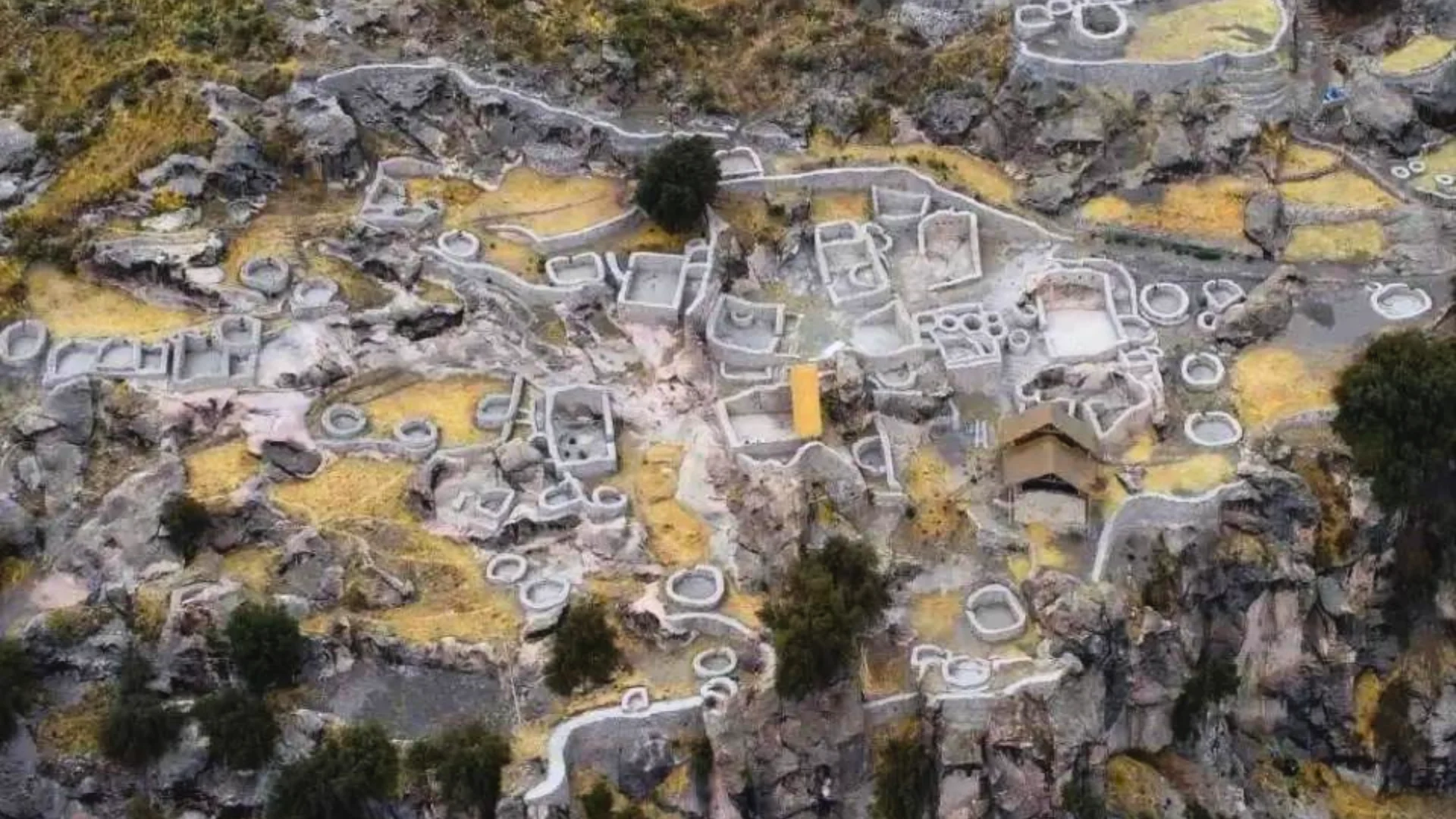
Functions of T’aqrachullo
One of the most impressive things about T’aqrachullo is its multi-functionality. It was no mere fortress or temple it was an entire urban complex acting as a political, religious, military, economic, and even residential center. Let us list its functions below:
Ceremonial Center for Imperial Events
It goes without saying that one of the main indicators of the high level of ceremonialism at T’aqrachullo are the large numbers and exquisite nature of artifacts made from precious metals nearly 3,000 of gold, silver, and copper adornments for ceremonial clothing of the elite. It is clear from the sheer amount of such artifacts that they could not be used only for local celebrations but were rather intended to be used in the context of imperial ceremonies, such as Inti Raymi.
Political and Administrative Center
According to National Geographic, T’aqrachullo was “a major center of politics, economics, and religion in the Inca Empire.” Because it lay within the Inca road system in the southern part of Cusco, it was an ideal point for administering the Cana territory and controlling the important Apurímac passage that connected Cusco with the rest of the southern Andes.
Sacred Temple and Huaca
The colonial writers Pedro Cieza de León and Juan de Betanzos characterized Ancocagua as a huaca, which is a Quechuan word for a holy place or relic. Archaeologists have discovered the ruins of a magnificent temple that was constructed in phases over many centuries. Various rituals involving water, the sun, and ancestor worship were conducted here, as evident from the discovery of items used in these ceremonies, such as ceramics and turquoise conopas, which are stone figurines.
Ancestor Cult and Funerary Site
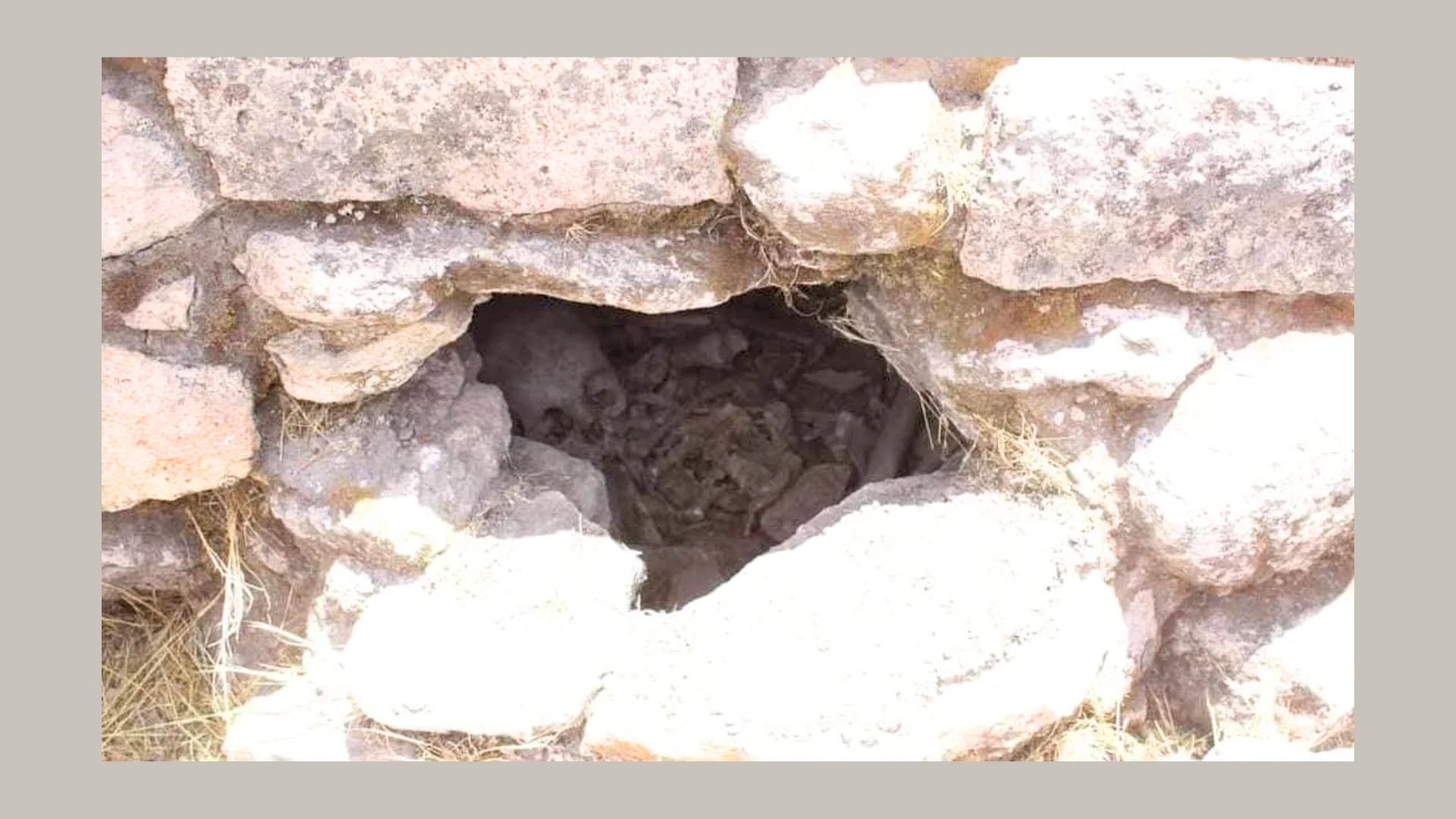
A secondary burial of 84 people is one of the most illuminating discoveries from the archaeological excavation. Secondary burial is the process of collecting and burying bones after the body decomposes. This practice indicates that there was a developed ancestor cult in which the ancestors of the community were collectively celebrated periodically. Secondary burials were common practices in other important ceremonial sites in the Andes and prove that T’aqrachullo was a place of spiritual connections between the living and dead.
Residential Zone and Economic Center
Apart from being a ceremonial and funerary site, there were also residential complexes in which priests, administrators, artists, and probably mitma (forced laborers from conquered populations used by Incas in their constructions) resided. Evidence of metallurgy as well as containers related to the processing and consumption of food and beverages prove that T’aqrachullo had economic value and was an economic hub for the region.
Military Stronghold
The geographical setting consisting of a nearly vertical cliff wall that provided access to the mesa via one stairway only turned T’aqrachullo into a perfect defense point. The discovery of rocks thrown by slings, obsidian tools, and skeletal injuries on the site proves that this location was never meant just for ceremonial purposes. In the last days of the Inca Empire, as the forces of rebellion fought off Spanish conquistadores from their mountain fortresses, T’aqrachullo had probably been used as such an outpost.
What Makes T’aqrachullo Different from Other Inca Sites?
In contrast to other well-known Inca archaeological sites that were concerned mainly with agricultural purposes or housing the ruling class, T’aqrachullo seems to have served as a complex site for ceremonial, military, political, and burial purposes altogether.
The huge amount of ritualistic items found at this site indicates that it must have been not just a local settlement, but one with direct connections to the empire’s religious rituals.
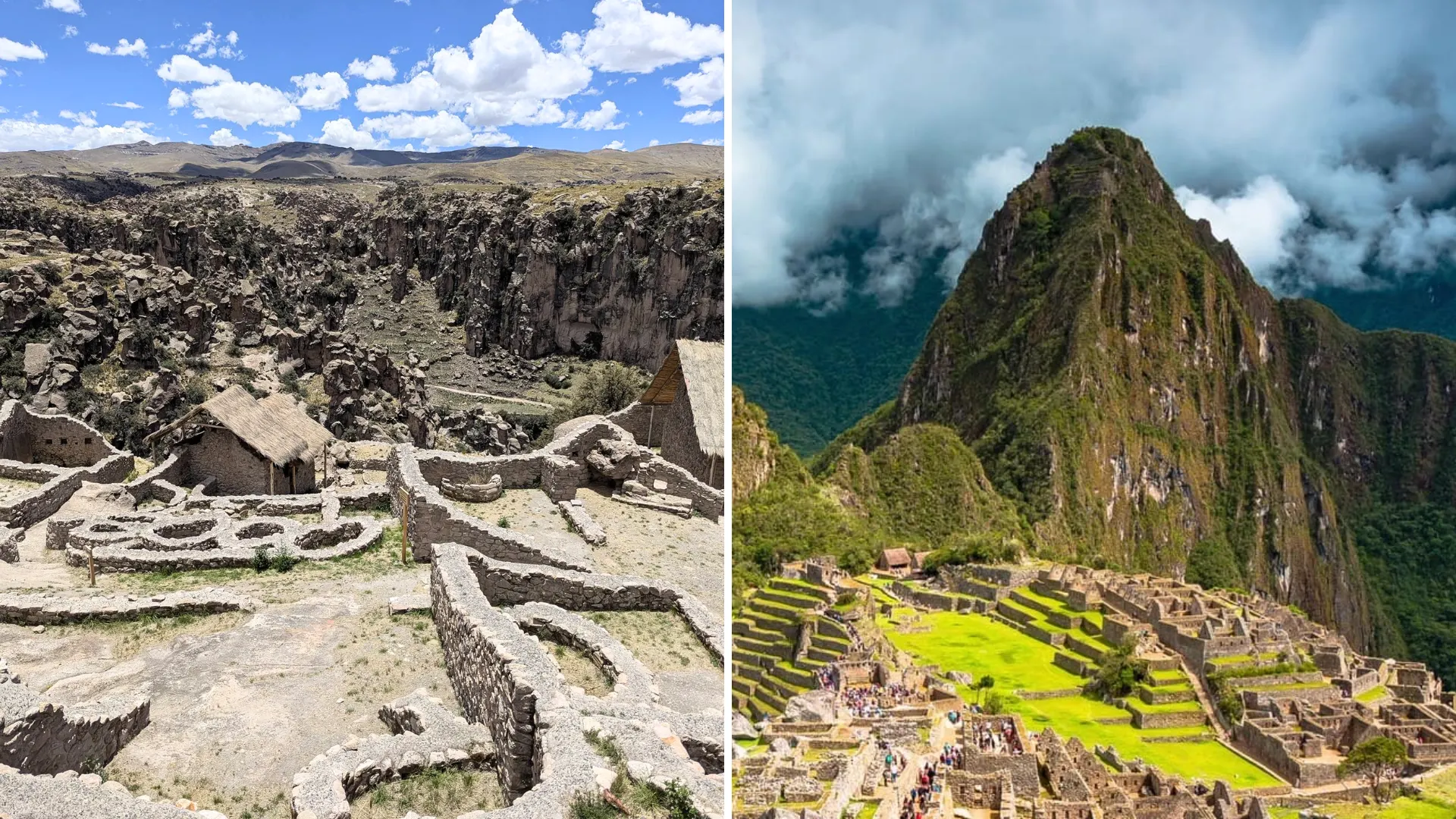
Its strategically advantageous position on the Apurímac canyon distinguishes T’aqrachullo from Machu Picchu and other sites.
Comparison between T’aqrachullo and Machu Picchu
| Attribute | Taqrachullo | Machu Picchu |
|---|---|---|
| Height | 4,038 m | 2,430 m |
| Location | Espinar, Cusco | Urubamba, Cusco |
| Area | 17.4 hectares | Approximately 7 hectares |
| Crowds | Very few | Thousands per day |
| Ease of Access | Challenging | Very easy to access for tourists |
| Main Purpose | Religious, military, political | Residential, religious |
| Discovery Fame | Recently gained worldwide recognition | Highly known since 1911 |
| Most Suited To | Archaeology lovers | First-time visitors to Peru |
T’aqrachullo is not replacing Machu Picchu, but it certainly provides archaeologists with an entirely new angle to view the enormity of the Incas. Unlike Machu Picchu, which is well known for its state of preservation and beautiful views, T’aqrachullo has become the focus of attention owing to its ceremonial significance and mysteries.
Gold, silver, and copper jewelry in T’aqrachullo
The standout discoveries made at T’aqrachullo are certainly the almost 3,000 ornamental items of metal found at the site. However, comprehending what these artifacts are all about necessitates delving into details beyond the statistics.
The Discovery: The Leather Bag of Treasures
During a 2022 excavation, the archaeologist Dante Huallpayunca’s team found the treasure hoard under the floor of a stone enclosure. The artifacts had been kept within a leather bag made of camelid leather and woven animal hair in an effort at conservation or as a ritual offering. This included small round and disc-like sequins made of gold, silver, and copper, along with necklaces, rings, bracelets, and alloy metal objects. Turquoise-carved conopas (stone miniatures) and obsidian spearheads have been discovered through further digs.
What the Artifacts Tell Us
| Artifact | Form | Significance in the Archaeological Record |
|---|---|---|
| Gold (Qori) | Sequins, miniature discs | Commonly sewn into ceremonial clothing worn by Inca nobility, suggesting the site hosted important rituals attended by high-ranking elites. |
| Silver (Qolqe) | Sequins, pendants, necklaces | Silver held deep religious importance in Inca culture due to its association with Mama Quilla, the moon goddess. These objects were also symbols of noble status and prestige. |
| Copper (Anta) | Sequins, rings, various tools | Indicates everyday ceremonial practices and demonstrates the advanced metallurgical skills of the Inca through the use of metal alloys. |
| Gold and Silver Alloys | Mixed-metal sequin cache | Found stored inside a camelid leather pouch, likely serving as a ritual offering, sacred deposit, or treasury reserve. |
| Turquoise | Carved conopas (ritual idols) | Considered a sacred stone in Andean belief systems, associated with protection, fertility, and ancestral worship ceremonies. |
| Obsidian | Spearheads, projectile points | Volcanic glass used to create sharp weapons, providing evidence of military defense and possible regional conflict. |
| Stone and Bone | Necklace beads, rings | Decorative objects used by people from different social levels, commonly discovered near residential sectors of the site. |
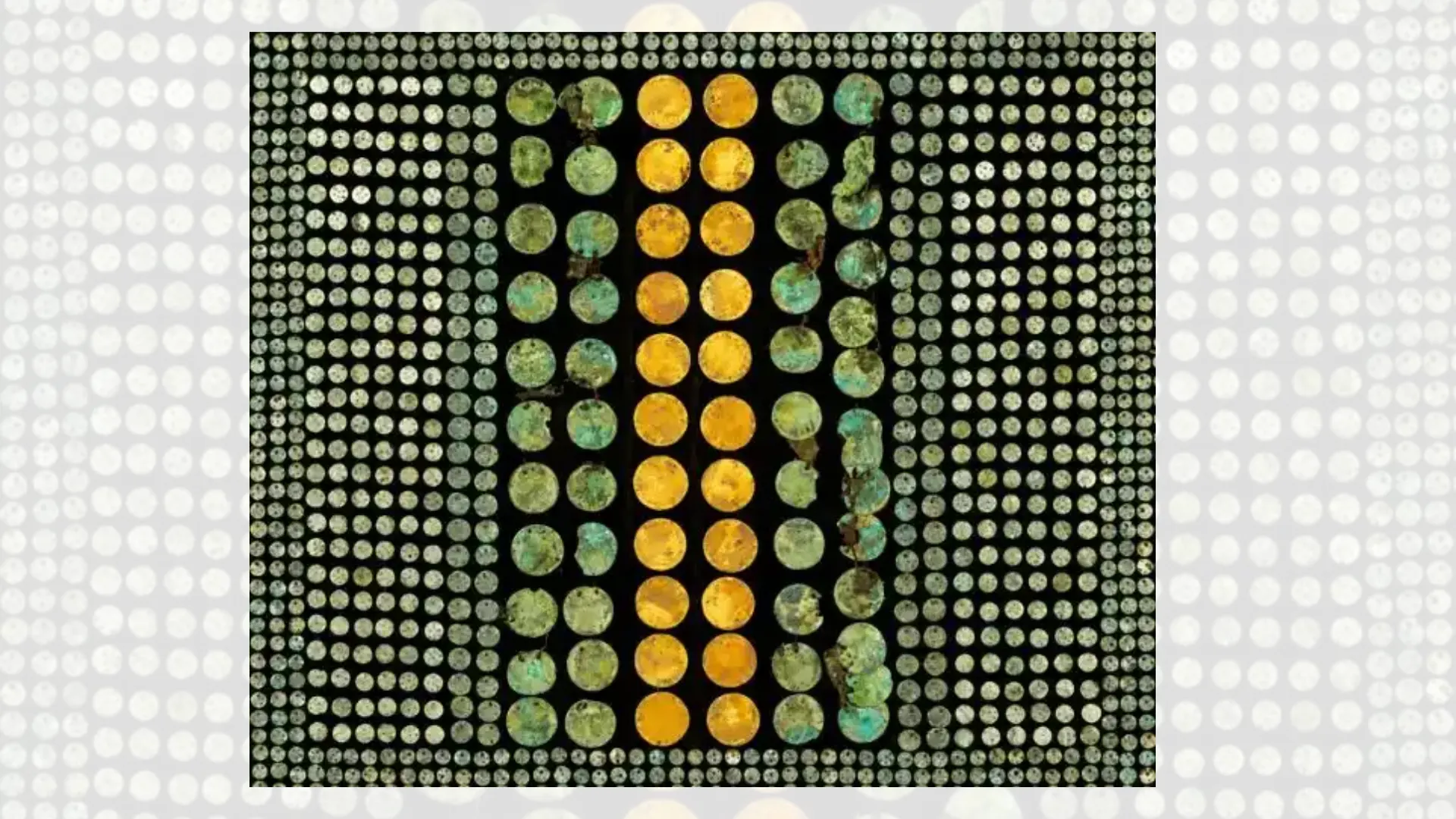
The Ceremonial Garment Connection
Sequins are not just simple decorations. The precise size and materials used in the sequins found here correspond to the size and materials in sequins found on royal Inca clothing worn only by the Sapa Inca (the Emperor) or high nobility at important festivals. The sheer number of sequins all found in one area indicates that an official ceremony, involving the Inca royal family, was performed at T’aqrachullo, something that nobody knew was even possible at such an isolated site away from Cusco.
“Many archaeologists never get to find anything like this in their entire career” – Dante Huallpayunca, lead archaeologist
How T'aqrachullo Was Rediscovered: A Timeline
The story of how a former alpaca pasture became one of the most significant archaeological sites in Peru is worth telling in full.
| Date | Event |
|---|---|
| Until 1990 | T’aqrachullo was used by local communities as farmland and cattle-grazing pasture. Some archaeologists had visited the area, but they only identified scattered pottery fragments and ruins that did not seem especially significant at the time. |
| 1990s | Johan Reinhard, an American archaeologist and National Geographic Explorer known for his work on Inca religion, began researching the lost citadel of Ancocagua, mentioned in the 1553 chronicle Crónica del Perú by Pedro Cieza de León. Reinhard believed that T’aqrachullo could be that lost citadel. |
| 2010 | T’aqrachullo was officially recognized by Peru as a National Cultural Heritage site, although its full archaeological importance was still not completely understood. |
| August 2019 | Peru’s Ministry of Culture launched a research, restoration, and enhancement program at the site, with an investment of more than 11.5 million soles. |
| September 2022 | Archaeologist Dante Huallpayunca discovered a collection of gold, silver, and copper sequins beneath a stone floor. This find made the importance of the excavation much clearer. |
| 2023 | The team led by Emerson Pereyra uncovered the remains of a large imperial temple, strengthening the theory that the site may be Ancocagua. |
| December 2024 | After 41 excavations and six exploratory pits, the site was restored and prepared for public visits. |
| May 2026 | National Geographic published an article about T’aqrachullo, bringing wider attention to the site. At the same time, the Cusco Regional Government began work on a new access road to the site. |
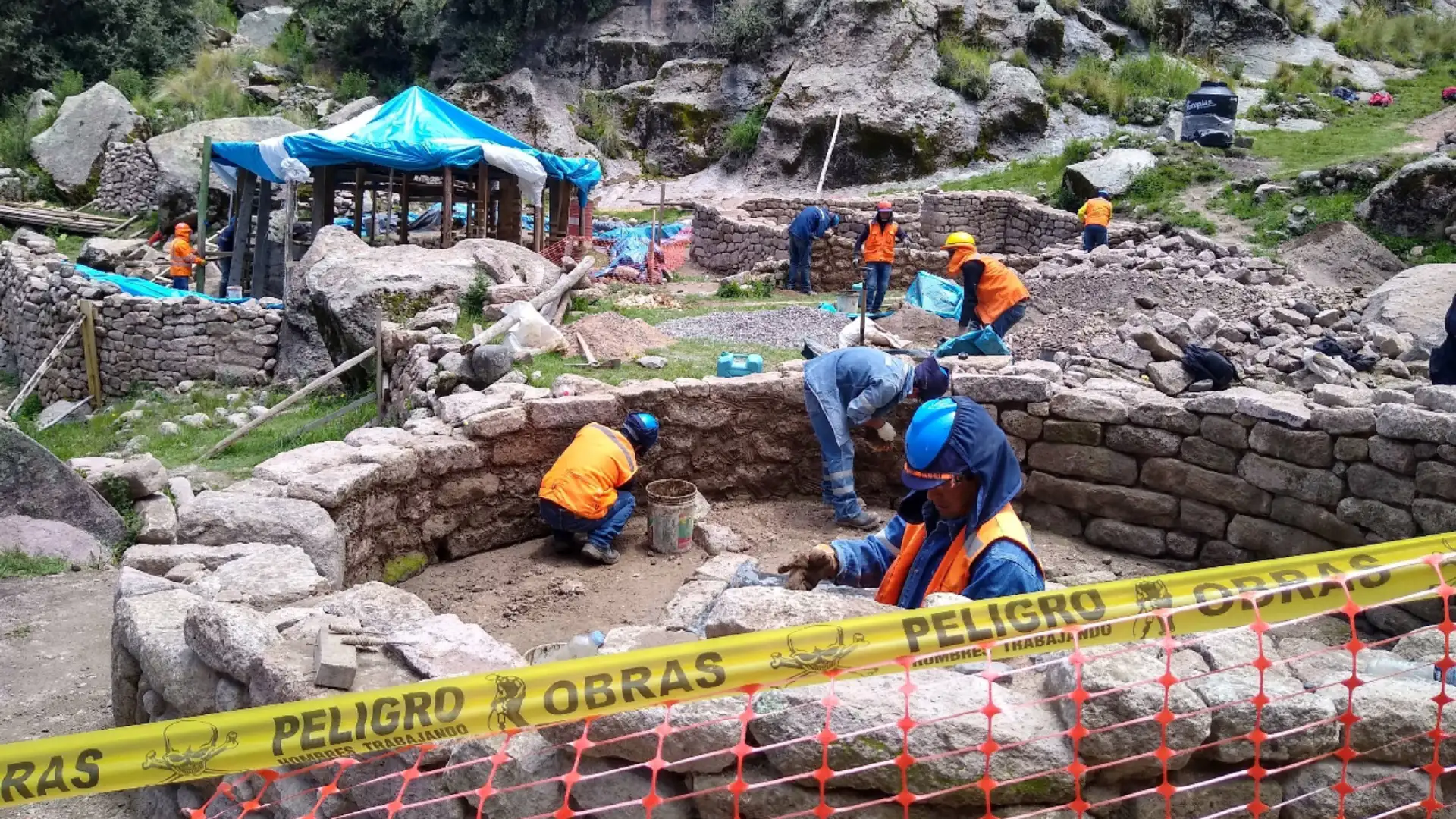
Before Its Rediscovery
For many years, T’aqrachullo remained almost forgotten in the highlands of Espinar. The area was mostly used as grazing land, while many of its ancient stone structures were covered by grass, erosion, and time.
T’aqrachullo Today
Today, T’aqrachullo is gaining attention as one of Peru’s most important archaeological discoveries. Excavations have revealed temples, plazas, staircases, funerary areas, and ceremonial objects linked to the Inca Empire.
Despite its growing fame, the site still feels remote, quiet, and far from mass tourism.
How to Get to T'aqrachullo from Cusco
It is accessible to tourists, and the trip to get there is part of the experience. The following is a realistic overview of traveling to the destination of T’aqrachullo from the city of Cusco.
The Route at a Glance
- Total distance: about 244 km from the city of Cusco to T’aqrachullo.
- Total travel time: about 5.5 to 6.5 hours depending on stops and road conditions.
- Best way to travel: private vehicle or organized tour. Public transport options exist but require changes.
Step-by-Step Directions
| Step | Instruction |
|---|---|
| Step 1 | Start your journey from Cusco city center and take the main highway south toward Espinar Province. |
| Step 2 | Drive for approximately 5 hours, covering around 244 km along the Cusco–Espinar highway, until you reach Yauri, also known as Espinar city. |
| Step 3 | From Yauri, continue toward Suykutambo district along a dirt road, locally known as a trocha afirmada. This section takes about 45 minutes by vehicle. |
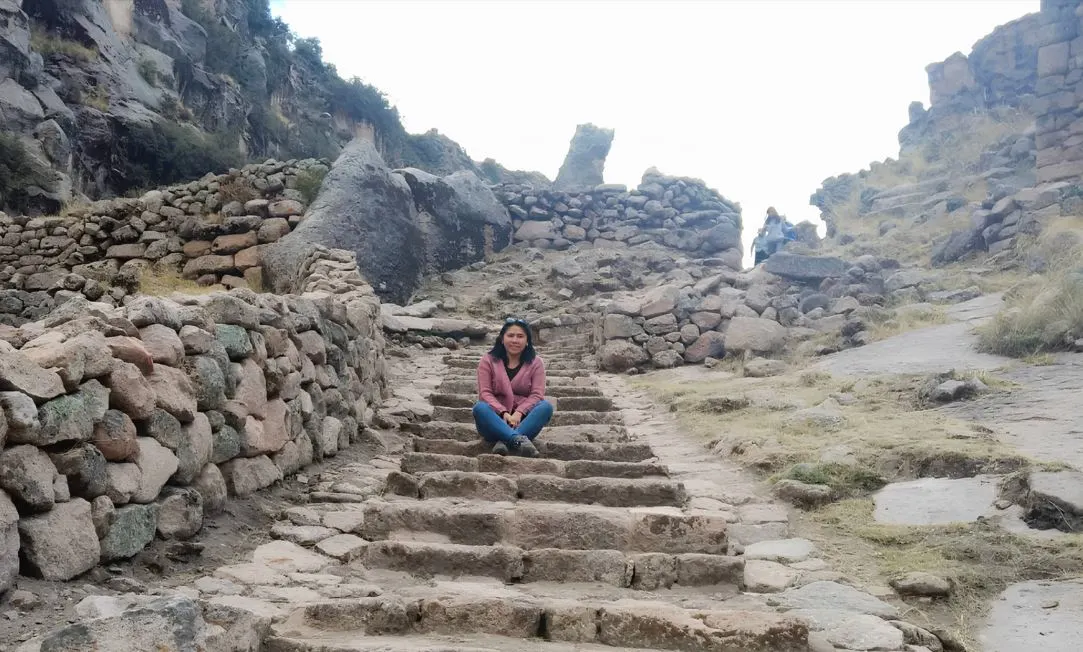
| Step 4 | Once in Suykutambo, access the archaeological site by climbing the stone staircase carved into the rocky cliff above the Apurímac River canyon. |
Road Improvements Coming in June 2026
In light of international interest aroused by the National Geographic article, the Cusco Regional Government stated that work will begin on June 15, 2026 to develop the 44 km long Yauri–Suykutambo road which is estimated to cost over 323 million soles. This development will greatly facilitate access to T’aqrachullo and is likely to lead to extensive tourism development at the site. Another planned road development includes the connection of Espinar Province to the Colca Valley in Arequipa which may eventually create a tourist axis connecting Machu Picchu, T’aqrachullo, and the Colca Canyon.
Tips for Visitors
- Altitude: 4,038 m (13,248 ft) acclimate in Cusco for at least two days prior.
- Best time to visit: May–October (dry season). The highland roads become very difficult in the rainy season (November–April).
- Guided tours: Recommended. Signage is still sparse at the site, and a guide will help you understand its archaeological significance better.
- What to pack: Layering (it gets cold at such altitudes), water, sun protection, and sturdy footwear for the staircase leading up the cliff.
- Crowds: Almost nonexistent. Unlike Machu Picchu, T’aqrachullo is yet to become a major attraction, and thus, you will get the place mostly to yourself.
Can T’aqrachullo Be the Next Tourism Site in Peru?
While tourism facilities surrounding T’aqrachullo are still limited, regional officials are already gearing up for the growing international attention.
Construction of the proposed access road from Yauri to Suykutambo is expected to lessen the transportation challenge and increase accessibility of the site among tourists from all over the world.
Archaeologists have predicted that T’aqrachullo will be one of southern Peru’s important tourist destinations, particularly among those who want to visit other places apart from Cusco and Machu Picchu.
However, many of them agree that it is very important to practice sustainable tourism in order to preserve the structures currently being excavated.
What to See in T’aqrachullo
Among the many attractions that visitors can see in T’aqrachullo, there are some sites that make this area one of the most interesting places discovered in southern Peru.
The Ceremonial Sector
One can visit various ceremonial structures located at the top of the mesa and dedicated to water, solar, and ancestral rituals. This is considered the most significant sector of the site.
Stone Staircase and Access to the Cliff
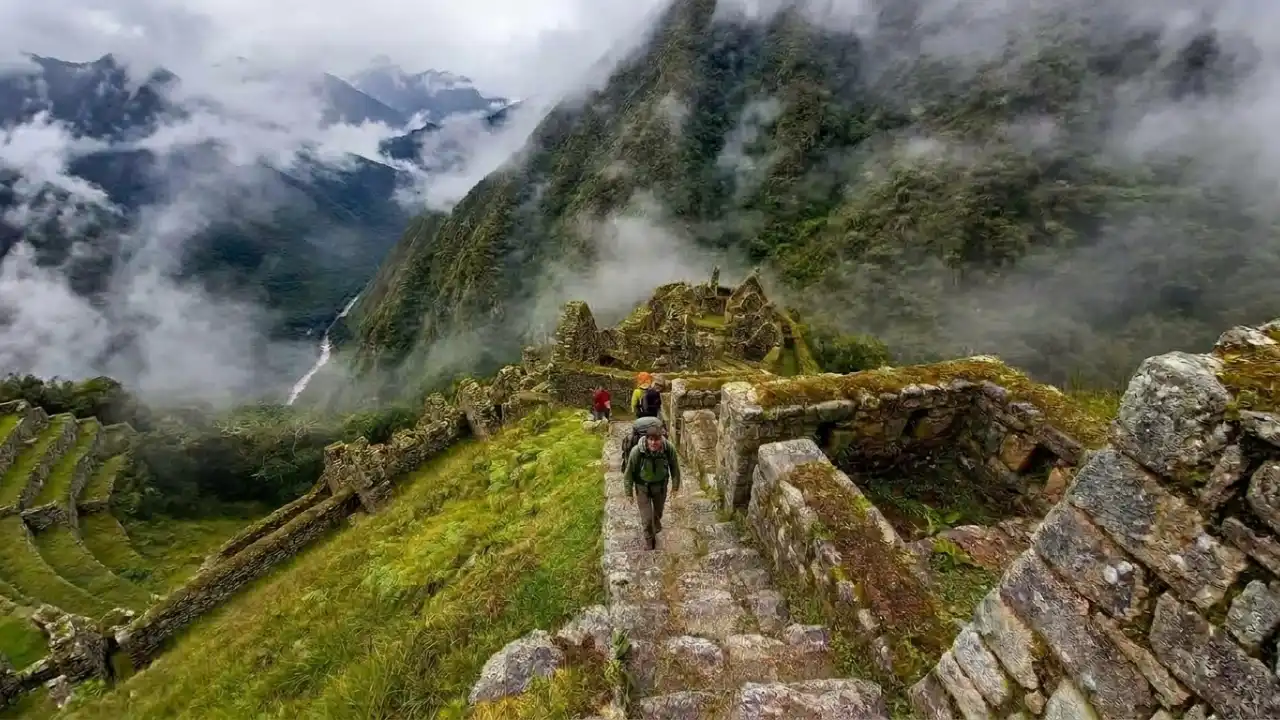
Another impressive structure at T’aqrachullo is a staircase carved on the rocky cliff leading to this place from the Apurímac river canyon. This site gives an impression of the strategic nature of T’aqrachullo.
Architectural Structures of Different Types
Apart from defense structures, the site has residential enclosures, stone structures, plazas, and administrative buildings. These elements confirm the fact that T’aqrachullo served both as a defense point and an urban area.
Views of Apurímac River Canyon
Located at a higher level, T’aqrachullo allows one to observe the canyon of the Apurímac river as well as the surrounding mountains. Its elevated position makes the site very interesting.
Funerary and Ritual Structures
Excavations conducted by scientists have confirmed that the site had funerary zones and ritual sites.
Why T'aqrachullo Matters Beyond the Headlines
It is not difficult to view this as simply another “bigger than Machu Picchu” story. Yet the real significance goes much deeper. If T’aqrachullo turns out to be Ancocagua, then it will fundamentally alter our understanding of the Inca Empire’s last days in particular the extent to which the Incas managed to sustain their ceremonial and political institutions until their fall at the hands of the Spanish invaders and how they fought back afterwards.
In addition, this discovery speaks to the broader significance of continuing research in archaeology, particularly in the Andes. Researchers overlooked one of the Inca Empire’s crucial sites for thirty years. The story of T’aqrachullo is a reminder that the history of pre-Columbian civilization in South America has by no means been exhausted yet; perhaps the next great archaeological find lies right before our eyes, awaiting discovery.
Why National Geographic Featured T’aqrachullo
International interest in T’aqrachullo grew in 2026 when National Geographic focused on discoveries at the site in their issue that year. However, it is the sheer volume of ceremonial artifacts found underneath the stone monuments that caught the archaeologists off guard.
Thousands of gold, silver, and copper ornaments were discovered at the site buried deep in ritual deposits, along with indications that the ancient city could be the sacred Inca city of Ancocagua mentioned by the chroniclers of Spanish colonizers.
This new discovery has shed a different light on the Inca Empire’s southward movement, making it clear that there were more ceremonial centers farther away from Cusco than thought.
Machu Picchu was known well prior to the international buzz around it; T’aqrachullo, on the other hand, had been lying under the radar for years despite its high archaeological importance.
Frequently asked questions about T’aqrachullo, the Hidden Inca Citadel Larger than Machu Picchu
The name is Quechua in origin. The site is also known locally as María Fortaleza (María Fortress) a Spanish nickname reflecting its imposing cliff-top setting.
Drive approximately 244 km south from Cusco (roughly 5–6 hours) to Yauri/Espinar, then take a 45-minute dirt road to Suykutambo. Access to the site itself is via a steep cliff staircase. A new paved road is under construction and expected to open in late 2026.
The hoard of nearly 3,000 gold, silver, and copper sequins stored in a camelid-leather pouch is considered the most significant find, as it directly links the site to imperial Inca ceremonial practice.
T’aqrachullo covers 17.4 hectares (43 acres), roughly four times the area of Machu Picchu. It contains approximately 600 structures to Machu Picchu’s roughly 200.