


Sustainable Tourism Operators in Uros Islands
Drifting upon hand-tied totora reed rafts in the middle of the world’s highest navigable lake, the Uros Islands have now become one of the most photographed tourist attractions in Peru, as well as one of its most controversial sites. While the boats provide an income for the inhabitants of the Uros islands, they also damage an ecosystem that is highly delicate, as well as pressuring a culture not geared towards handling constant influxes of tourists.
The following guide will highlight how sustainable tourism is practiced at the Uros Islands, pre-trip checks that need to be done, and which tour agencies have proven themselves to be socially responsible in Lake Titicaca.
Why Sustainable Tourism Matters on the Uros Islands
The Uros Islands were constructed long before tourism was ever conceived, serving originally as a means for the Uru people to maintain distance and security from mainland civilizations. Today, these same floating reed structures host a model of community-based tourism that attracts travelers year-round a shift that carries significant ecological and social implications for Lake Titicaca and its residents. Understanding these impacts is key to selecting a responsible tour operator.
The Environmental Pressures Facing Lake Titicaca
Situated at over 12,500 feet (3,812 meters) above sea level, Lake Titicaca features a fragile high-altitude ecosystem that recovers far more slowly from environmental disturbance than lower-elevation bodies of water. Motorized boat traffic, municipal wastewater from the growing city of Puno, and agricultural runoff present ongoing challenges to water quality. The native totora reeds which form the structural foundation of the islands are particularly sensitive to aquatic pollution. Adopting sustainable tourism practices and regulating boat traffic are essential steps toward mitigating these environmental pressures.
How Tourism Income Supports (or Strains) Uros Families
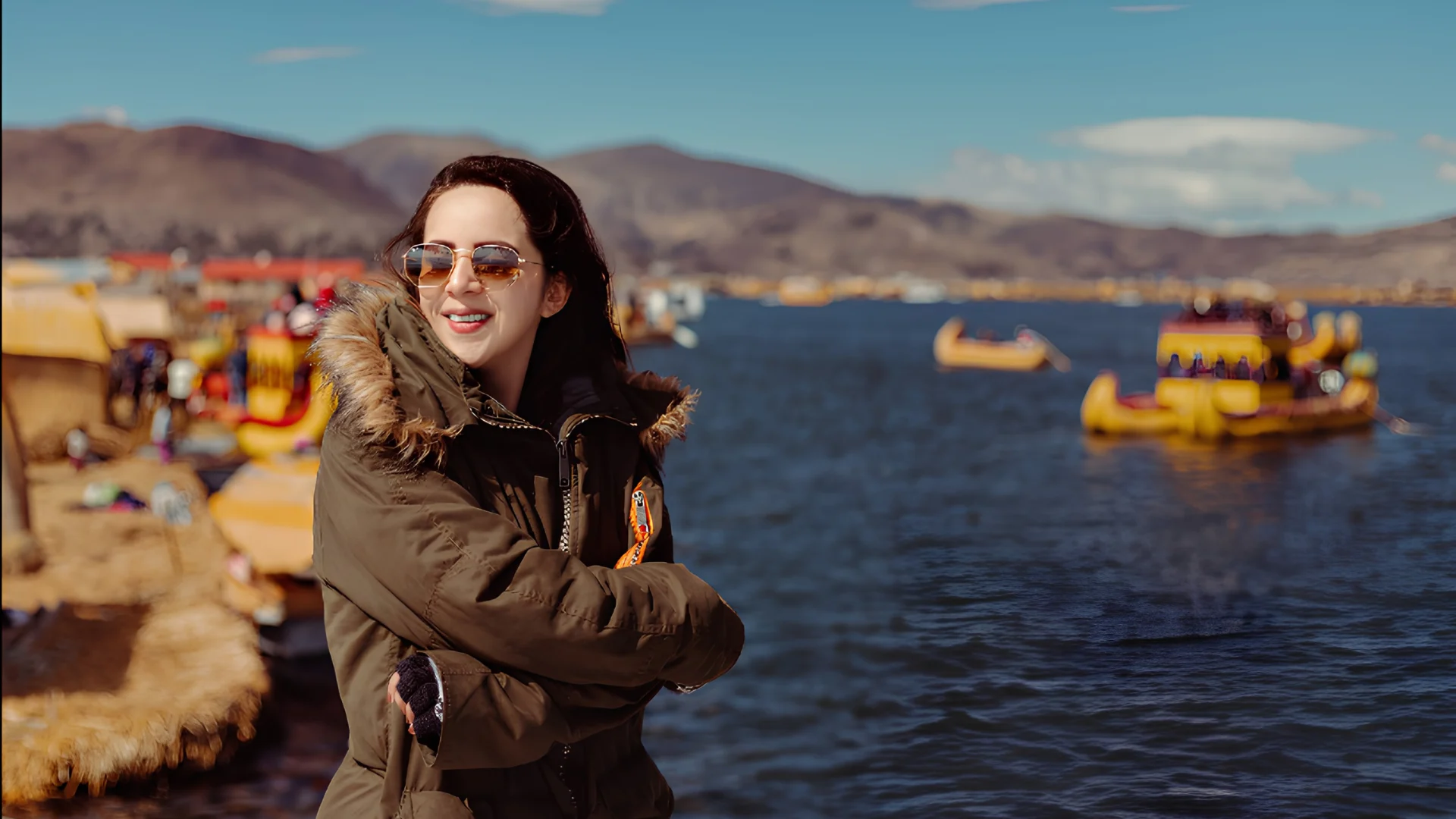
Tourism has brought tangible material benefits to many island residents, enabling access to solar power systems, modern boats, healthcare, and education that were previously out of reach. However, tourism revenue is not always distributed equitably. In some cases, third-party operators delay payments to host families or retain the majority of tour profits rather than funneling funds directly to the island communities. Partnering with community-conscious travel agencies helps ensure that financial benefits directly support the families hosting visitors.
What to Look for in an Eco-Friendly Uros Islands Operator
The majority of agencies in Puno claim that their business model revolves around responsible and authentic tourism, rendering the assertion virtually meaningless on its own. Discerning true sustainability requires evaluating specific operational practices that distinguish genuinely eco-friendly and ethical operators from those using these terms merely for marketing.
Fair Compensation and Direct Community Payment
- Ask whether host families receive payment immediately following a visit rather than through delayed transfers or intermediaries.
- Seek out operators that maintain transparent pricing breakdowns, explicitly outlining how revenue is distributed across transport, guiding, entrance fees, and host family compensation.
- Exercise caution with tours priced significantly below market averages, as deep discounts are frequently subsidized by reducing host family payouts.
Small Group Sizes and Low-Impact Boat Travel
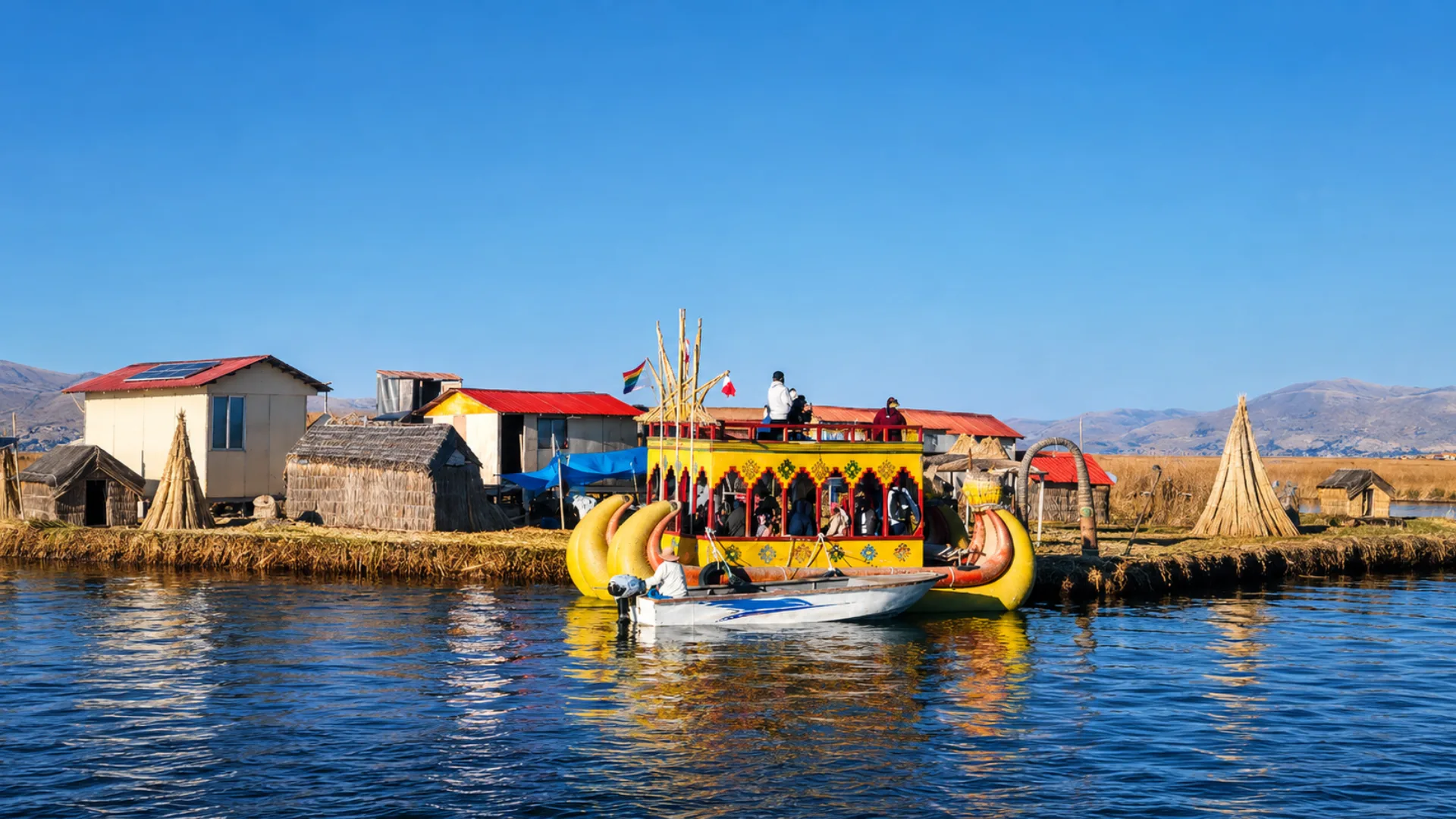
Large collective vessels carrying multiple tourist groups contribute to crowding and environmental pressure on the floating islands. Responsible operators utilize smaller groups, staggered arrival schedules, or alternative transport such as sea kayaking to minimize physical impact on the fragile reed structures and foster a more relaxed, personal experience.
Genuine Cultural Exchange vs. Staged Performances
Responsible tourism prioritizes open dialogue, authentic interaction, and structured Q&A sessions over rigid, timed performance routines. Guides who candidly address the contemporary challenges facing the Uros community including environmental pressures on Lake Titicaca, water quality, and the balance between tradition and economic development demonstrate a commitment to cultural respect and meaningful visitor education.
Top Sustainable Tour Operators and Eco-Conscious Stays
Below is a list that combines tour operators with accommodations, as on Lake Titicaca there is little distinction between the two, with many environmentally-aware accommodations offering their own tours of the islands. Below are some options that have each established ways of doing business related to sustainable tourism in the Uros Islands, from community-supported tourism to certified low-impact tourism. Prices vary according to the season.
| Operator | Sustainability Focus | Community Practices | Best For |
|---|---|---|---|
| Titilaka Lodge | Holds the Control Union Green Choice sustainable tourism certification and qualifies annually for Peru’s CALTUR quality and environmental standard. | Runs on hydroelectric power and natural gas, sources food locally, and around three-quarters of staff come from nearby lake communities. | Travelers who want a certified, low-impact base on the lake with guided Uros excursions included. |
| Titicaca Lodge Peru | A family-run floating lodge built on the Uros Islands themselves, powered entirely by solar panels. | Employs local islanders, sells handicrafts made on-site, and supports the community school through visitor programs. | Travelers who want to spend a night directly on a Uros island rather than visiting for a few hours. |
| Uros Expeditions | Runs ongoing community outreach initiatives in Andean communities alongside its Lake Titicaca tour program. | Combines Uros and Taquile visits with logistics designed to avoid the largest collective boat crowds. | Travelers combining Lake Titicaca with an Inca Trail or Cusco itinerary through one operator. |
Note: offerings and pricing change seasonally. Confirm current sustainability practices directly with each operator before booking.
Sustainable Practices You Can Adopt as a Visitor
Choosing the right operator solves half the problem. The other half comes down to how you behave once you’re standing on a floating island that a family calls home.
Respecting the Ayni Principle of Reciprocity
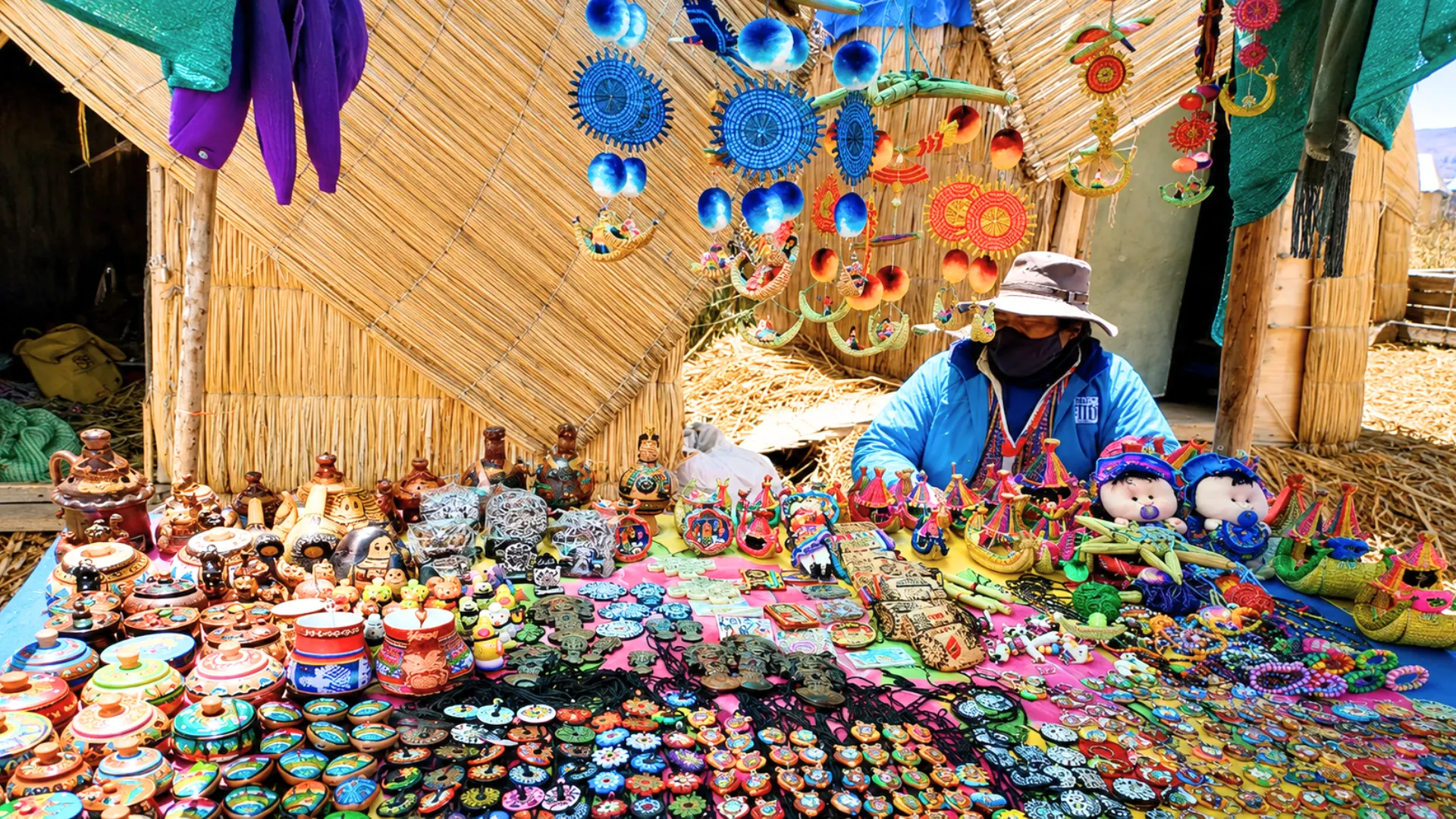
A common practice among many of the Puno operators is to base their practice on Ayni, the Andean philosophy of reciprocity meaning giving something and receiving something in return. In effect, this translates into seeing a payment for hand-woven textiles or a ride on a reed boat as a fair exchange rather than a gratuity, and requesting permission before taking photos of families.
Reducing Your Environmental Footprint on the Lake
- Remove any trash that you bring in, as waste management on the islands is more difficult compared to the mainland.
- Bring a reusable water container, if possible, and inquire from your operator if there is drinking water available on board the boat.
- Do not wander off the designated walkways on the islands, as the reed beds are much more fragile than they appear.
Extending Responsible Travel to Taquile and Amantani
The sustainability on Lake Titicaca doesn’t end there. The same operators who take people to the Uros Islands also have tour packages that include a visit to the island of Taquile which is famous for its weavings that are recognized by UNESCO or even a homestay on Amantani. Again, are the boat operators paying the hosting families directly, are the groups small, and are they being told that they will be staying with a family not giving them a show? In this way, the good of tourism will be distributed throughout the community and not just in the islands where they go most.
If tourists wish to experience the three together on one journey, they might consider a multiple day tour to Uros, Amantani, and Taquile that distributes the tour to more than just one destination rather than focusing it on just one island.
Frequently asked questions about Sustainable Tourism Operators in Uros Islands
Titilaka Lodge, Titicaca Lodge Peru, and Uros Expeditions are known for sustainability-focused practices and community-conscious tourism.
It can be when tours support local families, keep groups small, and respect the community.
Check how families are paid, group sizes, and whether the operator explains its environmental and community practices.
Yes, although some families also spend time in Puno for work, school, and healthcare.
April to May and September to October usually have fewer visitors than the June to August high season.


