

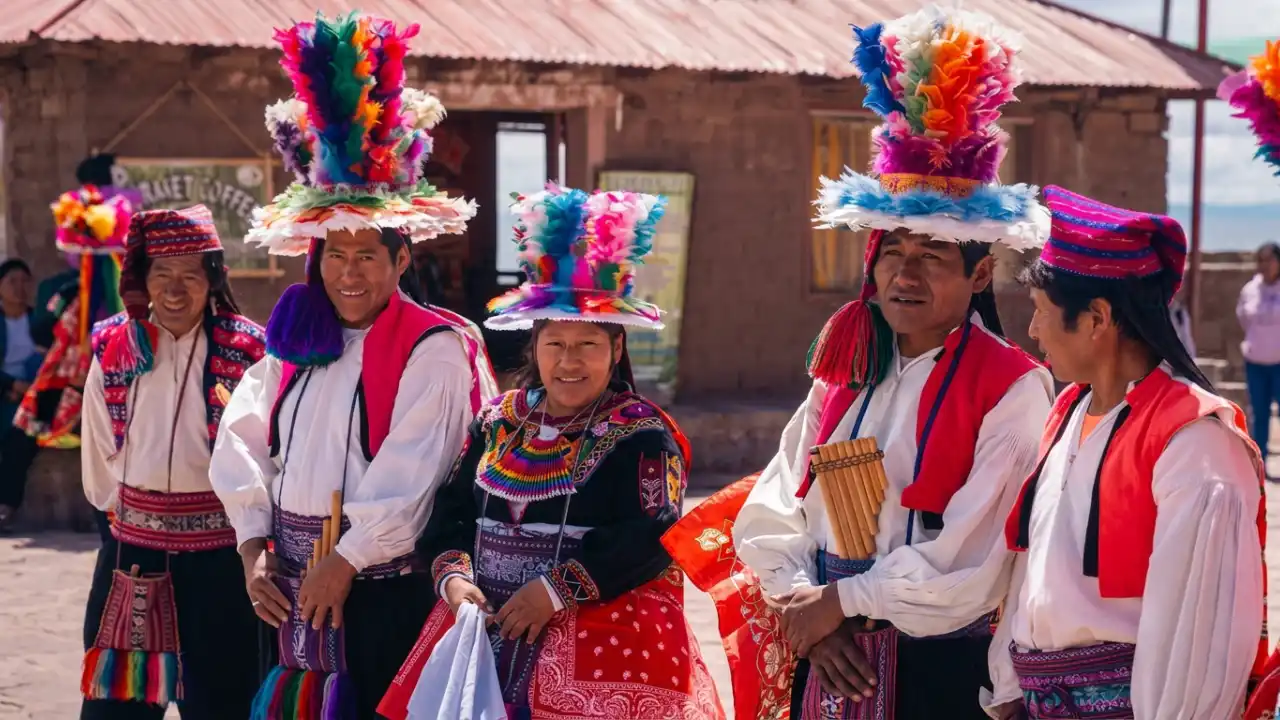
Homestay Booking Platforms in Lake Titicaca with Local Family Contact
Spending the night in a traditional Quechua home on Amantaní, waking up to the murmur of the lake, or having dinner with Aymara hosts on Taquile: this is what turns a visit to Lake Titicaca into an unforgettable memory. But how can you book this type of lodging without relying solely on an agency?
Today there are several digital platforms and channels that allow you to connect directly with host families. We’ll tell you what they are, how they work, and what you should keep in mind before booking.
According to experiential tourism organizations operating in the area, arranging lodging directly with island families allows them to receive up to 50% more income than if the same tour is booked through a local company in Puno.
In addition, the experience tends to be more authentic: with less tourist protocol and more genuine day-to-day interaction with life on the islands of Lake Titicaca.
Online platforms for booking homestays
Airbnb
Airbnb has become one of the most widely used platforms for families in Amantani, Taquile, and the Uros Islands to list their rooms directly. Through this platform you can find private rooms in countryside homes at an affordable price, along with genuine reviews from other travelers and direct messaging with the host before you arrive.
Type of contact: Direct messaging with the host within the app
Common locations: Amantaní, Taquile, Uros Islands
Main advantage: Verified reviews and protected payment
Booking.com
Booking.com has a section specifically dedicated to homestays or family lodging in Puno and Lake Titicaca, where you can find options like family homes and small lodges run by local residents in Amantani or Taquile. It’s useful if you prefer a traditional booking system with flexible cancellation and centralized payment — keep in mind that contact with the family usually only happens once you arrive, or through messaging within the platform.
Family lodges’ own websites
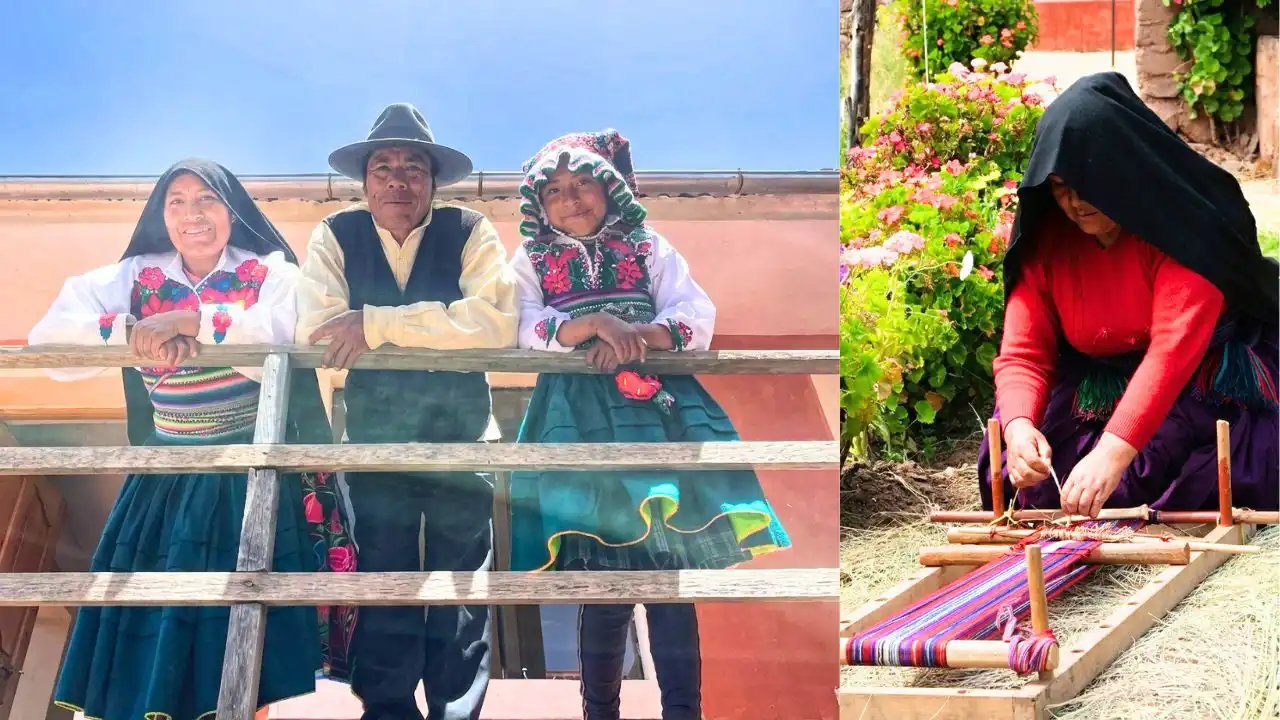
Many families are using their own website to take bookings without relying on major platforms. One example is Taquile Lodge, run by the Huatta Quispe family on Taquile Island, which lets you book a room directly through their own site, complete with photos, guest testimonials, and the host’s contact information.
This type of website typically offers:
- A contact form or direct email with the family
- Prices without intermediary commissions
- Information about activities like traditional weaving, artisanal fishing, or guided hikes led by the hosts themselves
Community-based Experiential Tourism Associations
In communities like Luquina Chico, dozens of families have organized into rural community-based experiential tourism associations to manage the arrival of visitors.
These associations bring together between 20 and 40 member families who host visitors in their homes, with a large number of family homes currently available for lodging.
These associations usually have their own website or social media profile where you can write directly to coordinate your arrival, without needing an outside agency.
What to ask before booking
Does the payment go directly to the family, or is there an intermediary?
What’s included in the stay? (meals, boat transportation, activities)
What’s access to hot water and electricity like? (limited on many islands)
Do they speak Spanish, or only Quechua/Aymara? (usually not an issue, but good to know)
What’s the best way to reach them once you arrive in Puno? (WhatsApp, phone, meeting point)
Social-impact Tourism Initiatives (like “Trip to Help”)
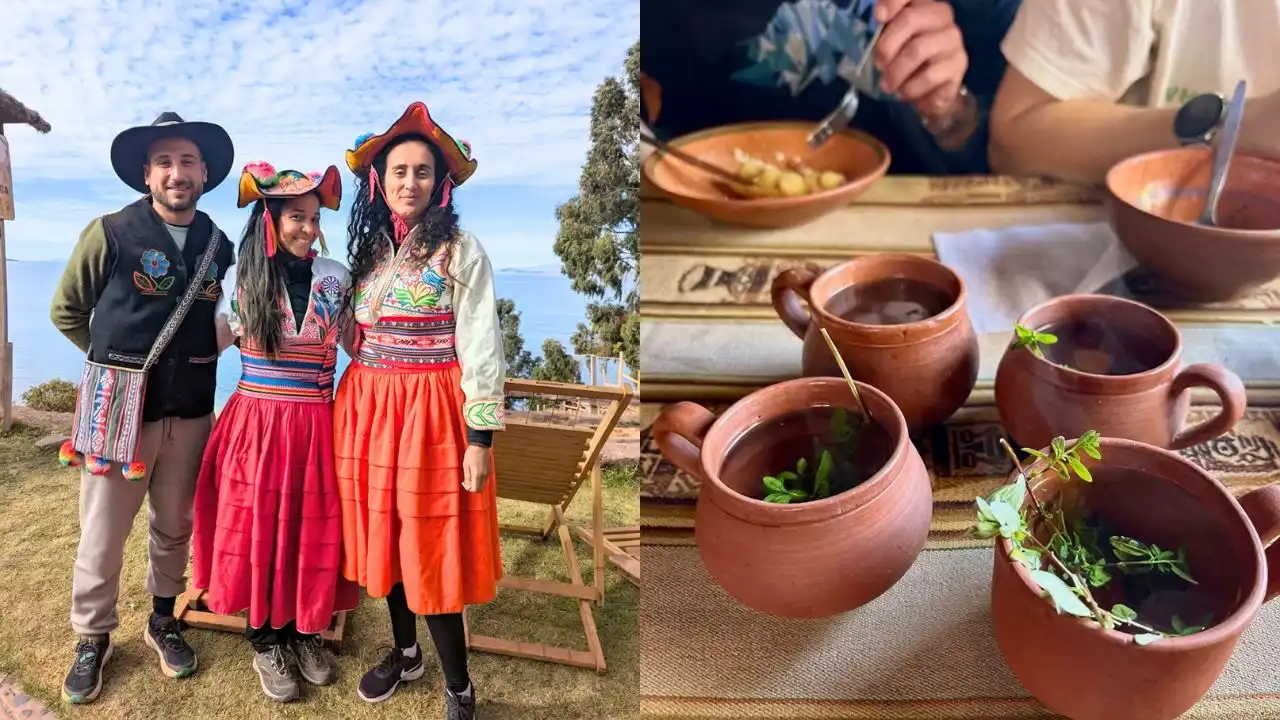
There are also nonprofit intermediary organizations that manage bookings by working directly with the families. The “Trip to Help” model coordinates directly with island families, who receive a larger share of the payment compared to the conventional tourism circuit.
These are a good option if you’d like some logistical support without losing the direct connection to the community.
Official and Community Websites for Direct Contact
Beyond the commercial platforms, there are official portals, local associations, and agencies specializing in experiential tourism that make it easier to contact Titicaca communities directly.
These are especially useful if you want reliable information before reaching out to a family or association.
Community Tourism (Mincetur)
This is the official portal of Peru’s Ministry of Foreign Trade and Tourism (Mincetur), dedicated exclusively to community tourism nationwide. The Puno section brings together eleven community destinations on Lake Titicaca, including Amantani, the Uros Islands, Llachón, Luquina, Ticonata, Chifrón, Escallani, Ccotos, Atuncolla, Páramis, and the Chimú Islands, each with its own descriptive profile and directions. You can visit their website to see the details for each destination.
| Detail | Information |
|---|---|
| Direct contact | Phone (51) 630-6000, extension #1698 |
| [email protected] | |
| Useful tip | Includes a directory of officially “registered organizations,” useful for verifying that a community association is legitimate before booking |
ASTURS Peru
The Association of Solidarity Rural Tourism of Puno (Asturs) is a local organization that connects travelers directly with Quechua families on the Capachica peninsula, on Lake Titicaca. It specializes in Llachón, Páramis, the Uros Islands, and Taquile, offering lodging in family homes, Andean cuisine, and activities such as artisanal fishing, traditional weaving, and stargazing.
| Detail | Information |
|---|---|
| Direct contact | WhatsApp and phone +51 950 936 611 / +51 986 867 149 |
| Emails | [email protected] and [email protected] |
| Useful tip | Since it’s a local association (not a traditional intermediary agency), most of the payment goes directly to the affiliated Quechua families |
Provincial Municipality of Puno
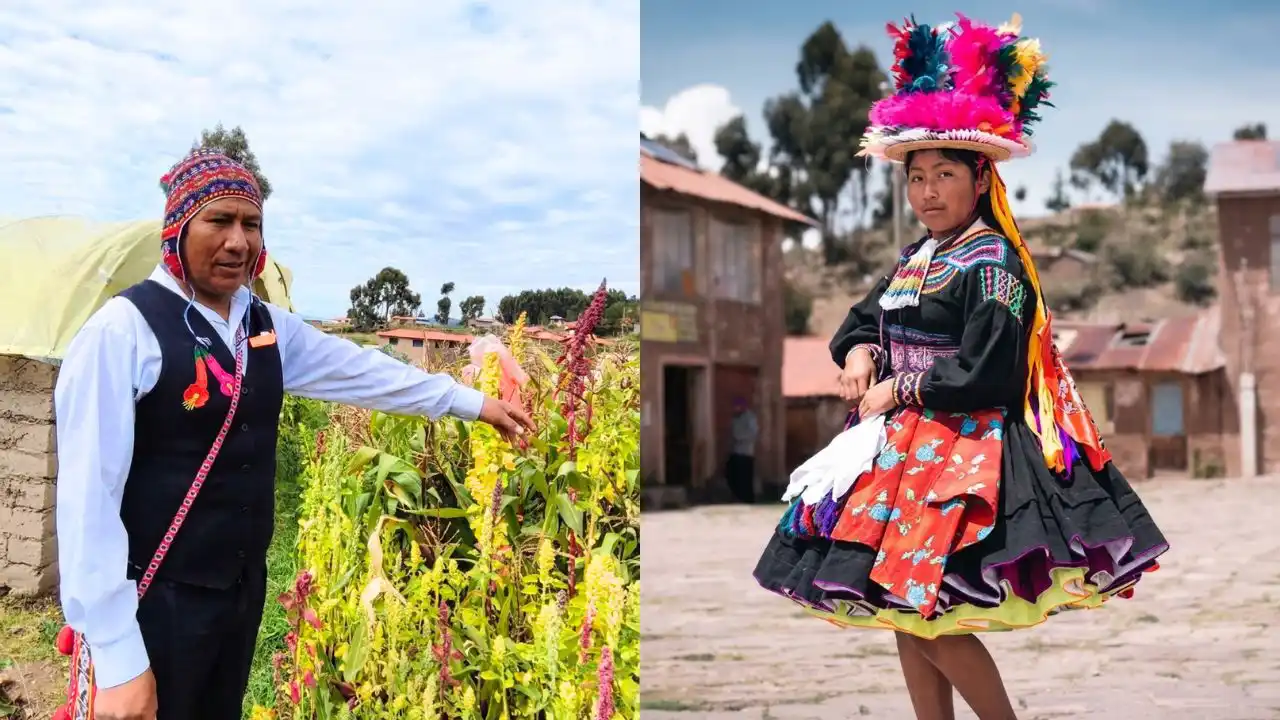
The official tourism portal of the Municipality of Puno has a full section dedicated to community tourism, with profiles of Atuncolla, Llachón, Luquina Chico, Escallani, Ccotos, and Tikonata Island.
It’s a good starting point for understanding the location and general characteristics of each community before reaching out directly to a family or local association.
| Detail | Information |
|---|---|
| Direct contact | Phone line (051) 601000, office at Jr. Deustua N.° 458, Plaza de Armas, Puno |
| [email protected] | |
| Useful tip | Open Monday through Friday, 8:00 a.m.–12:45 p.m. and 1:45 p.m.–4:00 p.m.; useful for in-person questions once you arrive in Puno |
PROMPERÚ
This is Peru’s official tourism promotion portal, run by Promperú. In its experiences section, it describes community tourism in Amantaní, highlighting lodging in family homes and activities like potato planting or traditional textile making.
Unlike the portals above, peru.travel also works as an informational showcase and source of travel inspiration.
Destinations it promotes: Amantani, the Uros Islands, Taquile, and other community-based experiences nationwide.
Useful tip: An excellent resource for researching what activities each community offers before deciding who to contact directly.
Pachakutik Tours
This is a Puno-based travel agency specializing in experiential tourism, working hand-in-hand with host families in Los Uros, Taquile, Llachón, Luquina, and Atuncolla.
Unlike a fully self-managed platform, the agency coordinates logistics (transportation, guide, meals), while lodging still takes place in local family homes.
| Detail | Information |
|---|---|
| Direct contact | WhatsApp/phone +51 940 886 674, office at Jr. Tarapacá 335, Puno |
| Emails | [email protected] and [email protected] |
| Useful tip | Publishes reference prices per person (for example, the Llachón experiential tour starting at $25), useful for comparing budgets before booking |
Quick comparison table
| Site | Type of channel | Best for |
|---|---|---|
| turismocomunitario.com.pe | Official portal (Mincetur) | Verifying legitimate community associations |
| astursperu.org | Local association | Direct contact with Capachica families |
| turismo.munipuno.gob.pe | Municipal portal | General and institutional information about Puno |
| peru.travel | Promotional portal (PROMPERÚ) | Inspiration and preliminary research |
| pachakutiktours.com | Specialized agency | Coordinated logistics with family lodging |
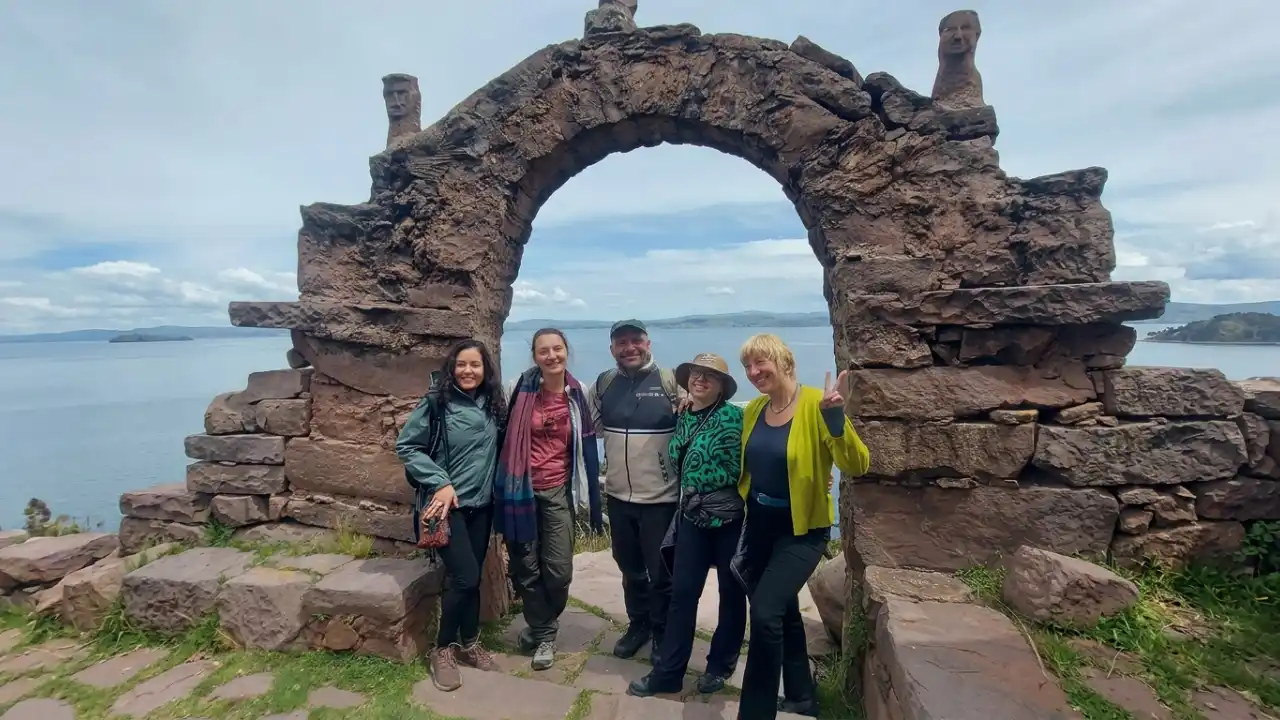
How to contact host families directly
While each island and community has its own way of doing things, here are the most common ways to make direct contact:
| Channel | How to use it |
|---|---|
| Airbnb/Booking messaging | Message before booking to sort out questions about transportation and meals |
| Many families and associations share their telephone number on their website or Airbnb profile once the booking is confirmed | |
| Tourism office in Puno | Along the waterfront and near the Puno’s Main Square, you can get verified contacts for host families |
| Boat dock in Puno | Some families or association representatives wait right at the port to coordinate arrivals |
| Lodge websites | Contact forms or the host’s direct email |
Practical tip: Internet and phone signal on the islands of Lake Titicaca can be limited or spotty. Confirm logistical details at least a day in advance (boarding time, meeting point, payment method), and have a backup plan in case you can’t get in touch the same day you travel.
Final recommendations for an authentic experience
- Bring cash in soles: most islands have no ATMs or card payment options.
- Respect local customs: ask before taking photos and follow your host family’s guidance on community activities.
- Book ahead during high season: especially around local festival dates, when demand for lodging in Puno and the islands rises significantly.
- Value direct tourism: every booking made without unnecessary intermediaries strengthens the local economy of altiplano families.
Choosing a Titicaca homestay booked directly with the host family doesn’t just give you a more authentic, personal experience — it also means your money reaches the people who truly keep this form of community tourism alive. Explore the platforms, reach out in advance, and get ready for one of the most memorable experiences the Andean altiplano has to offer.
Frequently asked questions about Homestay Booking Platforms in Lake Titicaca with Local Family Contact
Yes, as long as you verify the information before paying. Use official portals like turismocomunitario.com.pe to confirm that the association or family is registered, or platforms like Airbnb and Booking.com, which offer in-app messaging and protected payments. Avoid wiring money to contacts you can’t verify through any official channel.
Warm clothing (nights can drop close to 0°C/32°F), sunscreen, a flashlight or rechargeable light, cash in Peruvian soles, and, if you’d like, a small gift for the family such as notebooks, fruit, or school supplies. It’s not required, but it’s a gesture that’s very much appreciated.
Not at all. Most families, especially the men, speak enough Spanish to communicate comfortably with visitors. In some communities like Taquile, Spanish fluency can be more limited, but the hosts’ hospitality makes communication easy regardless.
Access is always by boat from the port of Puno. Travel time varies by destination: around 3 to 3.5 hours to Amantaní, about 2 to 3 hours to Taquile, and just 30 minutes or so to the Uros Islands. Host families or associations usually confirm the departure time and meeting point once your booking is set.
The dry season, from April to November, is the most recommended, thanks to stable weather and clear skies — ideal for stargazing. Between January and March is the rainy season, which can complicate boat travel and hiking. If you’re traveling in February, keep in mind it coincides with the Virgen de la Candelaria Festival, when Puno fills up with visitors, so it’s worth booking further in advance.


