


Llamas in Peru and The Andes
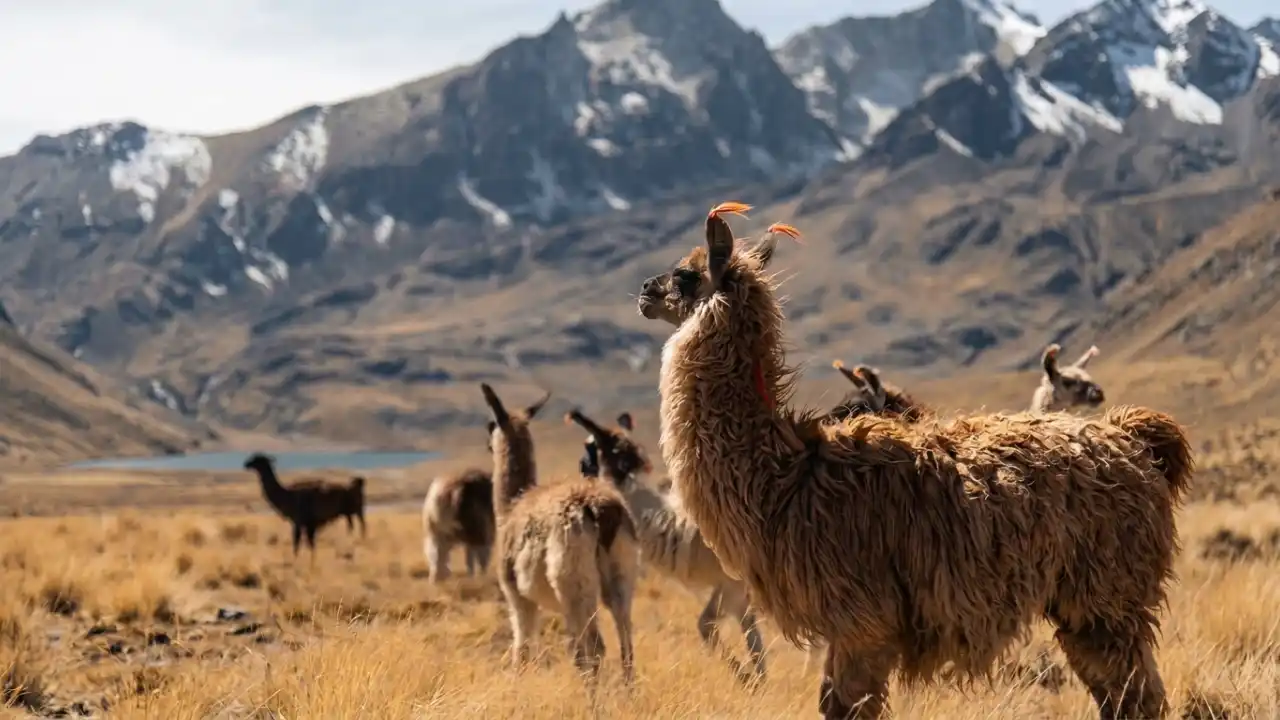
The llama is one of the camelids native to South America; it inhabits the high-altitude regions of Peru, Chile, Argentina, and Bolivia. It was domesticated from the guanaco more than 4,000 years ago in the Peruvian Andes. This auquénid was the only animal domesticated in the Inca Empire and was used in various aspects of daily life—as a source of food, for transportation, and as an important element in ritual ceremonies.
In the Andean worldview, the llama symbolizes a celestial being, the protector of camelids on Earth. Its ability to survive the extreme climate and terrain of the highlands has made it a symbol of prosperity, balance, and resilience for the Andean people.
Considered one of the most representative animals of Peruvian culture, it is a symbol of Andean identity and a major attraction for visitors traveling through the Peruvian Andes—particularly at Machu Picchu, the Sacred Valley, and wildlife viewing sites.
Origin and Characteristics of the Llama in Peru
The llama (Lama glama) is a domesticated artiodactyl mammal of the Camelidae family, native to the South American Andes. It was domesticated from the guanaco (Lama guanicoe) approximately 4,000 to 5,000 years ago.
It is one of Peru’s most traditional animals. For thousands of years, it has been raised and utilized for its many purposes: as a pack animal, a source of meat, wool, and leather, and even as manure. The llama is one of the four camelids of South America. In Peru, there are two main breeds: the woolly (Chaku) and the hairless (K’ara), which has a more robust appearance.
Biological Characteristics of the Llama
This camelid has a narrow, elongated face with a pointed muzzle. It has a cleft upper lip, which allows it to graze more efficiently; its ears are curved inward (banana-shaped) and can measure up to 30 cm in length. Its dentition consists of 32 teeth with prominent lower incisors.
It is also characterized by a long, slender neck. Its coat is thick and woolly, coming in white, black, gray, brown, reddish, and beige; more than 20 different shades have been identified.
Llamas are pseudo-ruminants with a specialized digestive system. They have three stomach compartments, which allow them to more efficiently extract nutrients from lower-quality, high-cellulose Andean grasses. They are the largest Andean camelid; males can weigh up to 155 kg and stand between 1.70 and 1.80 meters tall.
They have a gestation period of 11 to 12 months and a life expectancy of 15 to 25 years.
Physiological Adaptations to Altitude
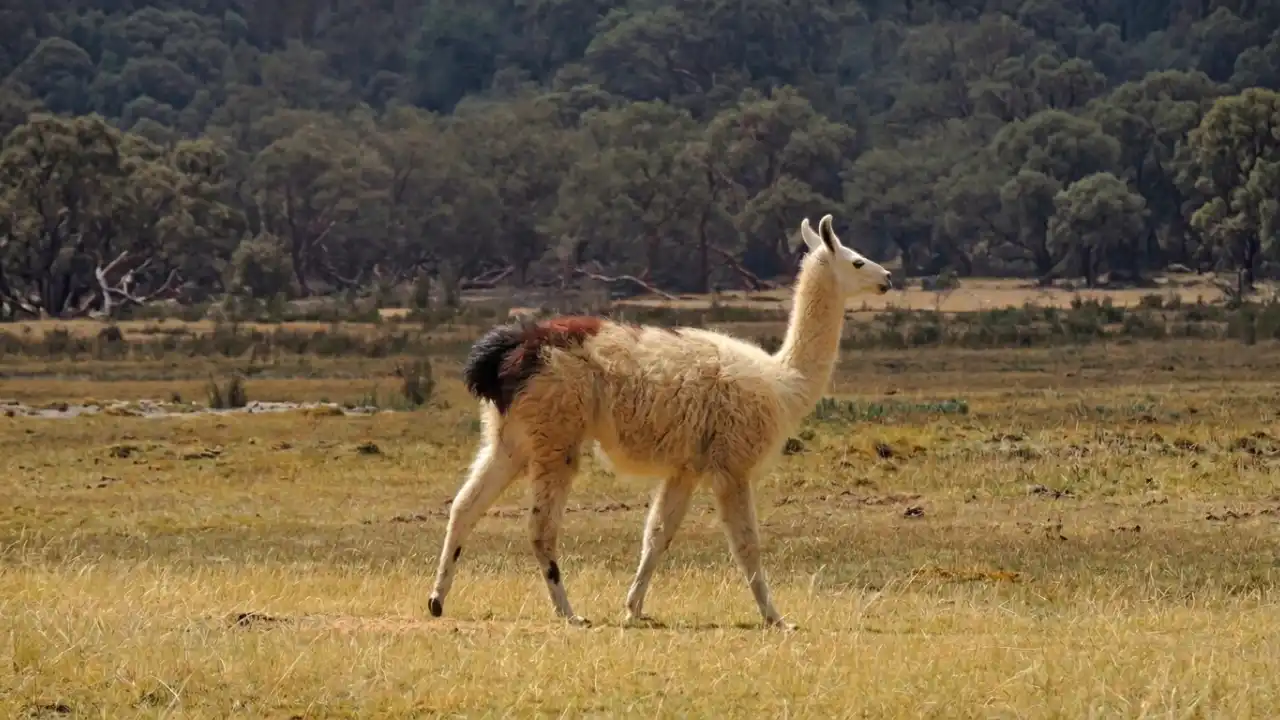
Llamas have special adaptations that allow them to survive in low-oxygen environments and at high altitudes. This camelid has a high concentration of red blood cells, which allows it to carry more oxygen. It has increased lung capacity and a metabolism adapted to cold and high-altitude conditions.
Behavior and Diet
This curious animal lives in small herds led by a dominant male. It communicates through low-pitched sounds (humming) and conveys its body language through the position of its tail and ears. It has a docile temperament, although it tends to spit if it feels threatened.
It feeds primarily on Andean grasses (ichu), herbs, and shrubs. It consumes little water, as it is an animal adapted to arid environments.
Llama Population in Peru
Peru is the world’s second-largest producer of llamas, with an estimated population of between 746,000 and 1 million. Most of the population is found in the high Andean regions of the south and center of the country, as llama breeding is the primary agricultural activity.
The llama inhabits mainly the high Andean highlands of Peru. Puno, Cusco, and Arequipa are the main llama-producing regions in Peru. Puno tops the list with 32%, nearly double that of second-place Cusco, which accounts for 17% of Peru’s total population. It is estimated that there are nearly 1.3 million llamas in Peru.
Traditional and Economic Uses of the Llama in Peru
During the Inca Empire, the llama was the only pack animal available in South America and played a vital role in transporting goods throughout the Tahuantinsuyo. Today, Andean communities continue to use this animal for transportation, food, clothing, fuel, and fertilizer.
Transportation in the Inca Empire
The Incas did not know the wheel nor did they have draft animals, so llamas were a key resource for moving goods along the extensive network of roads known as the Qhapaq Ñan. The Incas devised a system of llama caravans to transport goods between the four regions of Tahuantinsuyo.
Llamas were capable of carrying between 20–34 kg (some sources indicate up to 60 kg over short distances) and traveling 15–32 km per day, depending on the distance and terrain.
They carried corn, quinoa, potatoes, salt, dried fish, textiles, pottery, tools, and supplies for administrative centers and military troops.
Limitations: They were slow and could not be ridden by most of the population; their use as civilian transportation was reserved for the Inca nobility.
Food and Textile Production
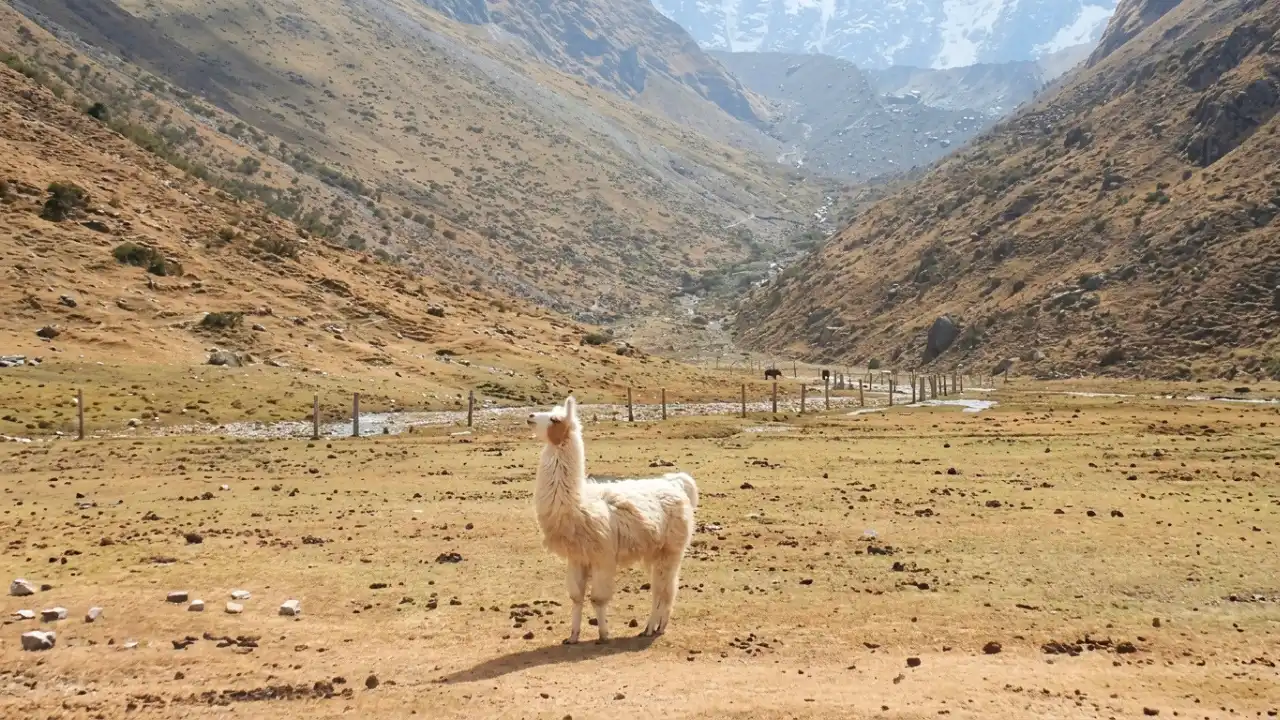
The llama was a vital source of material resources for the Inca Empire. It was used as a source of food and for the production of textiles.
Its meat was consumed fresh or dried (charqui), an essential food for the chasquis (Andean messengers) and armies in battle. Today, it is particularly highly valued for its high nutritional value, whether consumed fresh or as charqui.
Its wool and fiber were used to make clothing, textiles, blankets, ropes, and cords, due to their strength and durability. Additionally, its leather was used to make footwear in the Inca civilization.
Ritual and Symbolic Role of the Llama
The llama held deep religious and ceremonial significance; ritual sacrifices involving llamas were used as symbols in imperial iconography. These auquénidos were sacrificed as offerings to deities such as the sun god Inti and Pachamama, among others. Archaeologists have found mummified llamas at sites like Tambo Viejo, providing evidence of their ceremonial use.
Iconographic depictions of the llama appeared on textiles, ceramics, and ritual objects as a symbol of wealth, power, and connection to the divine. It was also used as a medium of exchange or tribute.
The Llama: The Logistical Engine of the Inca Empire
The Inca state managed large herds of llamas as part of imperial property, assigning specialized herders (llameros) to care for them. This Altiplano species sustained part of the Tahuantinsuyo economy by using llama caravans to transport goods along the Qapaq Ñan to the far corners of the empire.
In short, the llama was much more than a simple pack animal: it was the logistical engine of the Inca Empire.
Caravans of Llamas in the Inca Empire
The llama played a crucial role in the movement and transport of goods and tribute. In the Inca Empire, llamas were used in a caravan system that transported food supplies, goods, tools, textiles, and even military provisions throughout the Tahuantinsuyo, utilizing the Qhapaq Ñan road network, which connected all regions of the empire.
Management of the Llama Caravans
According to historians, it is estimated that caravans of hundreds and even thousands of llamas traveled along the roads, accompanying armies, imperial officials, and entire populations on the move. The average ratio was approximately 100 llamas for every 8 llama herders; this number allowed for the efficient management of the animals without overburdening the staff.
The Llameros (Llama Herders)
The llama herders were high-ranking caravan leaders; they were responsible for guiding and caring for the imperial herds of llamas and alpacas, thereby facilitating communication and trade throughout the territory.
The llama herders guided the animals across steep terrain, ensured the proper distribution of loads, knew the routes, rest stops, and access points, and coordinated movements with other caravans and officials.
Types of Goods Transported
Llama caravans transported various goods and supplies:
Foods such as corn, potatoes, quinoa, charqui, dried fish, and salt, among others. Textiles such as wool, fabrics, clothing, and blankets. Raw materials such as wood, stone, metals, and clay. And manufactured goods such as pottery, tools, and ritual objects.
To transport large quantities of goods, it was more efficient to use herds of llamas led by just two or three herders, rather than increasing the number of human porters.
This made it possible to maximize carrying capacity without proportionally increasing the number of workers, reduce the consumption of provisions during the journeys, and take advantage of the llamas’ natural endurance in the Andean terrain and at high altitudes.
The Cultural Significance of the Llama in Peru
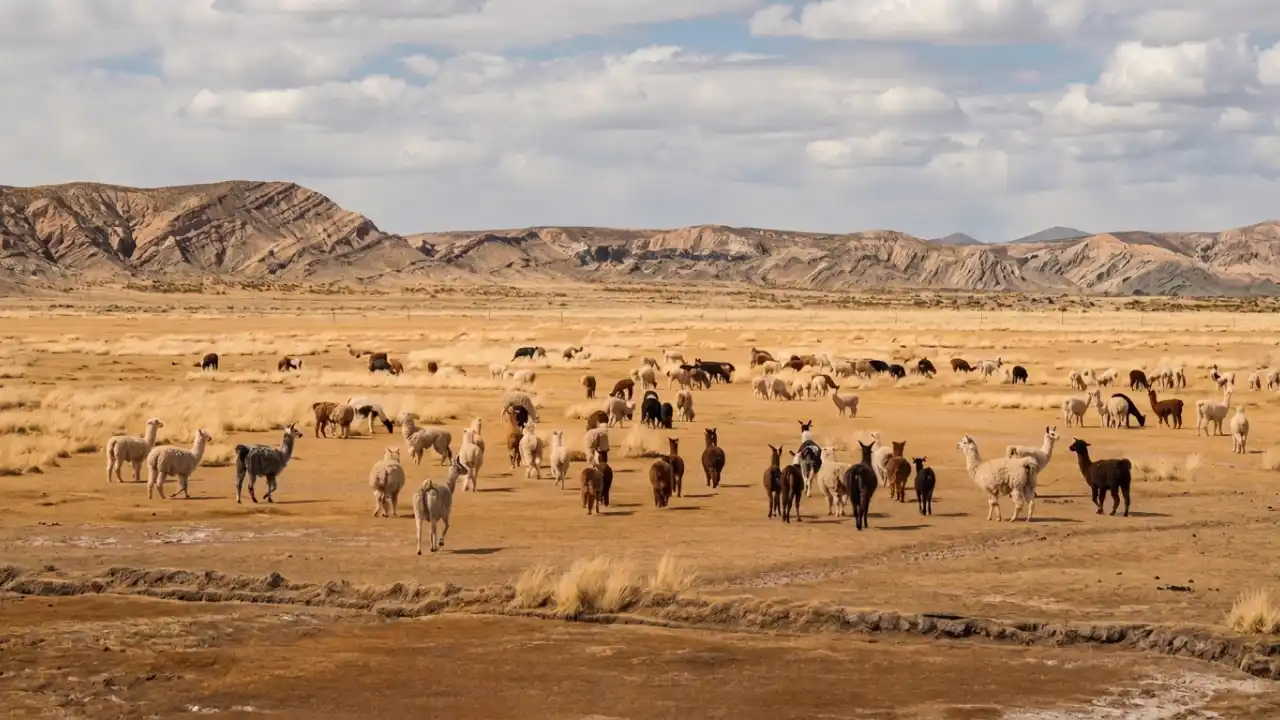
The llama was considered a sacred animal in the Inca Empire; its cultural significance went beyond its economic and logistical value.
The Llama: Sacred Animal and Spiritual Symbol
It represented a cosmic bridge between the three worlds of the Andean worldview and was essential to ritual ceremonies and daily life in the Tahuantinsuyo. The llama was considered a deeply sacred being; it was associated with the god Inti (the Sun God), the fertility of the earth, and the most important offering rituals of the Inca calendar.
It symbolized prosperity, balance, resilience, and the connection to the Apus, or sacred mountains. Llamas were believed to be protective animals, capable of accompanying travelers through difficult terrain and guarding ritual sites.
Sacrifices in Rituals
The llama was the preferred animal for sacrifices in the Inca Empire, and its ritual significance was second only to that of human beings.
Major Ceremonies
The llama was sacrificed during the major ceremonies of the Inca calendar:
Inti Raymi or Festival of the Sun: During this festival, a black llama was sacrificed, representing Pachamama (Mother Earth).
Rituals to legitimize the Inca presence in conquered territories and founding ceremonies to establish new settlements, bless them, and ensure the prosperity of the place.
Symbol of Status and Prestige
Llamas were also a symbol of prestige. The imperial llama herds were a symbol of power and wealth for the Inca and the nobility, and llama herders were considered high-ranking officials. The llama played a key role in the cohesion of the empire, as it was part of the tribute system among the regions of Tahuantinsuyo.
Iconography and Artistic Representation of the Llama
The llama has been a central figure in Andean iconography and art since pre-Inca times; it is depicted in textiles, ceramics, metalwork, architecture, and astronomy.
The Celestial Llama: The Yacana or Yakana
It is one of the most important representations of the llama in the Andean worldview—a dark constellation in the Milky Way shaped like a llama nursing her young.
The Yacana symbolized the life force, as it was considered the soul or creative spirit of all earthly llamas—the energy that allows them to live.
It was also recognized as the protector of livestock, symbolizing the protection and fertility of camelid herds.

The Llama in Pre-Columbian Art
Textiles
Tocapus are geometric designs found on royal tunics (uncus) that could include stylized llama figures. Ceremonial cloaks were decorated with rows of embroidered or woven llamas. In some quipu records, knotted cords have been found that may have contained symbolic information about llama herds.
Ceramics, Metalwork, and Architecture
The llama appears on certain types of ceramics:
On ceremonial vessels, with llama figures in relief or painted; on ritual containers, some shaped like llamas or decorated with caravans. In burial offerings: ceramics depicting llamas as companions to the deceased have been found.
They also appear on metalwork objects such as gold, silver, or copper figurines; and according to chroniclers, at Coricancha (the Temple of the Sun in Cusco), there were replicas of llamas made of gold and silver. Likewise, in Inca architecture, petroglyphs depicting llamas are found carved into rocks along the Qhapaq Ñan.
Comparison Between Llamas and Alpacas
Although llamas and alpacas are close relatives, there are clear differences that make it easy to tell them apart. In the Andean regions, there are four native types of camelids: the llama, the alpaca, the vicuña, and the guanaco; each has different physical characteristics and different traditional uses that the Andean people themselves have attributed to them.
Origins
The llama was domesticated from the guanaco, while the alpaca was domesticated from the vicuña. The llama is primarily a pack animal, valued for its meat, wool, and ability to assist in herding sheep. The alpaca is primarily used as a source of food and for its high-quality wool.
Behavior and Characteristics
The llama tends to be a more independent and territorial animal, while the alpaca is more docile and gentle. It is important to note that one of their defense mechanisms is to spit at a threat. Therefore, it is important to approach them with caution and, if possible, with a guide.
In addition to this, their main differences include:
| Characteristic | Llama | Alpaca |
| Wild ancestor | Guanaco (Lama guanicoe) | Vicuña (Vicugna vicugna) |
| Height | 102–127 cm (up to 1.8 m overall) | 76–97 cm (approx. 90 cm) |
| Weight | 120–200 kg (up to 180 kg) | 60–80 kg (45–68 kg) |
| Overall size | Almost twice as large as an alpaca | Smaller and more compact |
| Ear shape | Long and curved, like a banana | Short, straight, and pointed, shaped like a spear or pear |
| Coat and fiber | Coarser and thicker | Very fine and soft to the touch |
| Face shape | Long, narrow, and slender | Compact and rounded |
| Temperament | More likely to spit when it feels threatened | Less aggressive and tends to spit less |
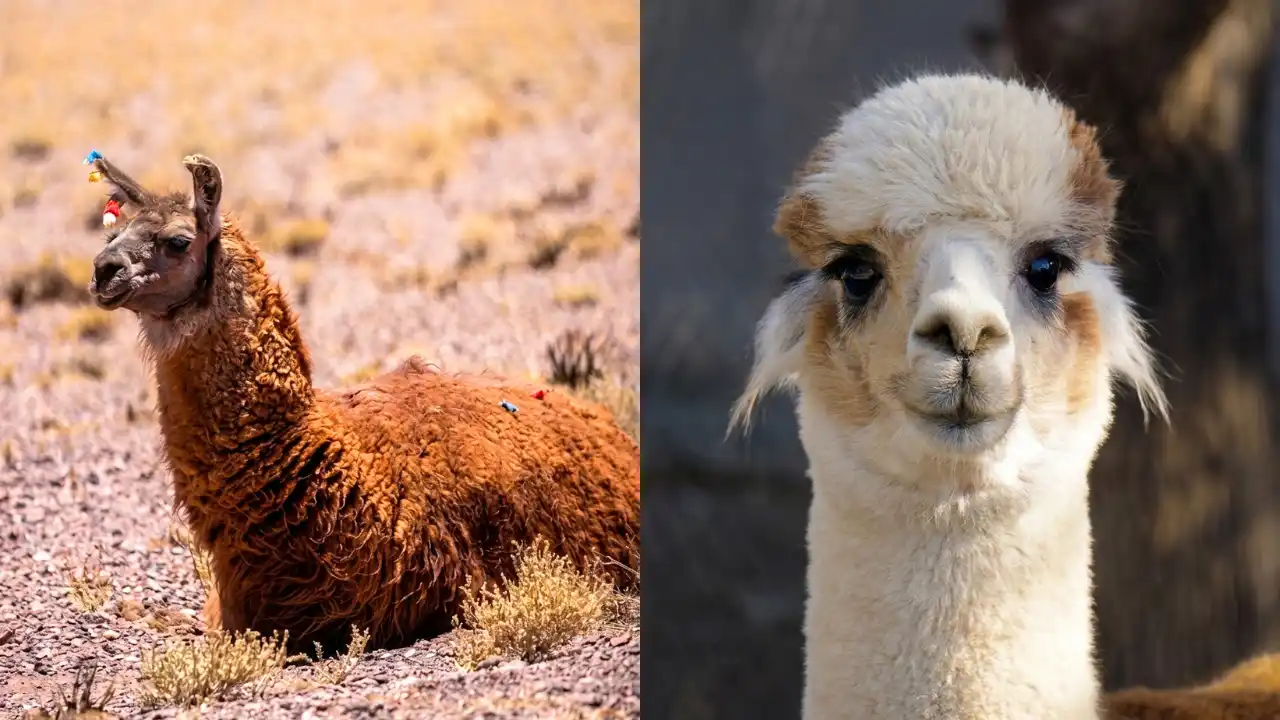
There are visitor centers and llama and alpaca farms where you can get a closer look at these Andean animals.
At centers like Awana Kancha (in Cusco), you can see all four species of South American camelids (llama, alpaca, vicuña, and guanaco) and compare their differences firsthand.
Where can you see llamas in Peru?
The best places to see llamas in Peru are mainly in the southern Andean regions, especially in the Altiplano. Cusco and Puno are regions where this camelid is particularly common.
Cusco
In Cusco, you can see them at archaeological sites, interpretation centers, lodges, or llama farms. Some of the best places to see llamas include:
• Machu Picchu: At the Machu Picchu sanctuary, llamas roam freely among the archaeological terraces (near the Guardian’s House)
• Sacsayhuamán: An archaeological park near Cusco with llamas in the surrounding area
• Mountain of Colors and Red Valley (Cusco): Llamas can be seen during the trek.
• Inca Trail: Llamas are used as pack animals on some expeditions
• Sacred Valley of the Incas and rural communities near Cusco
• Awana Kancha (Interpretive Center): An interpretive center between Cusco and Pisac (where you can see and learn about the differences between the four types of South American camelids)
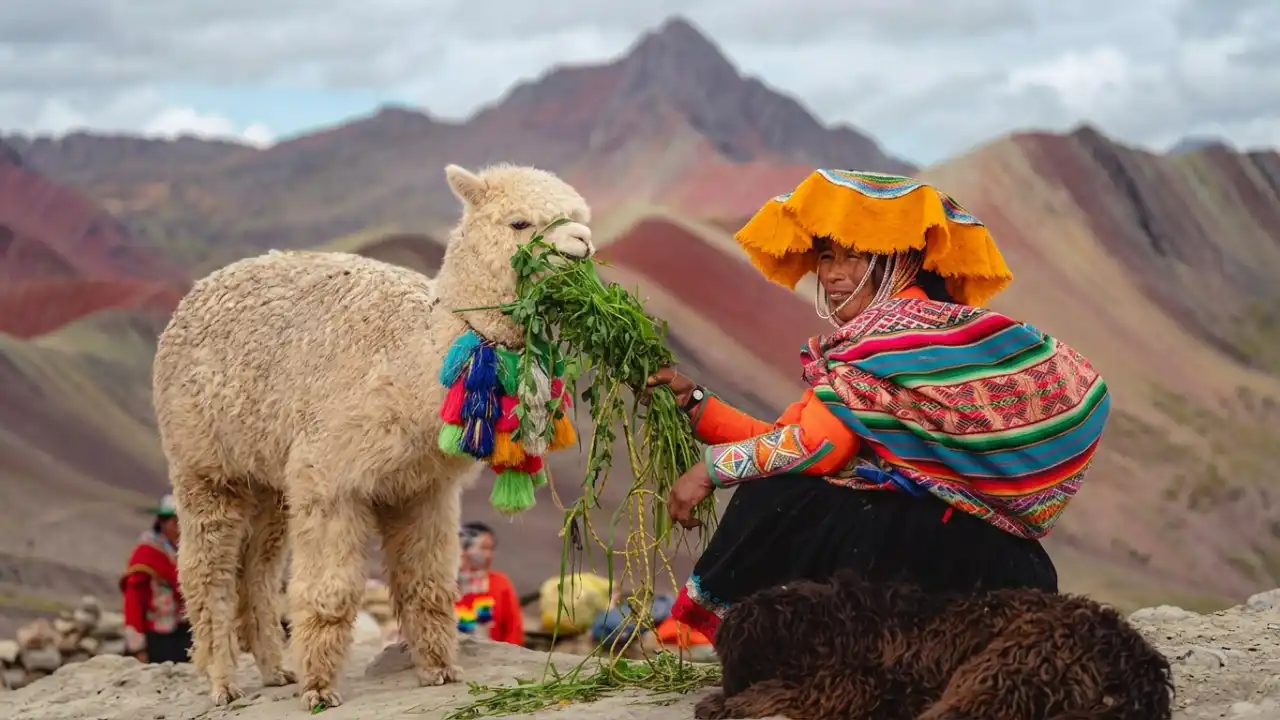
Awana Kancha
Awana Kancha is the best-known and most-visited interpretation center for South American camelids. It is located 40 minutes from Cusco, on the road to the Sacred Valley, just before Pisac. It is home to more than 40 Andean camelids, including llamas, alpacas, vicuñas, and guanacos.
At the center, visitors can interact with the animals; they may touch them and feed them plants with some caution, as well as take photographs.
They also hold demonstrations of weaving and dyeing using llama and alpaca wool. There are exhibition areas showcasing the fibers and dyes used to make garments from the wool of these animals. It’s an ideal place for taking photos, family visits, and interactive learning about these fascinating animals.
Llama Farms in Peru
Llama farms are mainly located in Cusco, specifically in the Cusco region and the Sacred Valley. These places offer educational experiences, direct interaction with llamas or alpacas, and demonstrations of traditional textile techniques.
The best time to see llamas in Cusco and the Sacred Valley is during the dry season (between May and October), as the weather is more stable, the skies are clear, and the access roads are in better condition.
Textile Centers in Chinchero
Several communities and interpretation centers in Chinchero (in the Sacred Valley) offer visits to alpaca and llama farms as part of textile experiences.
These types of centers are ideal for those looking to combine encounters with camelids with Andean textile art.
Arequipa and Puno
Unlike in Cusco, in these regions they are found primarily in their natural habitat. They can be found in high-altitude regions or in rural communities.
Colca Canyon. Also famous for its condors, llamas and alpacas can be found here in the Andean landscapes.
The Peruvian Altiplano. Puno is home to 32% of Peru’s llama population, and they can essentially be observed in their natural habitat.
The Importance of the Llama Today
Today, the llama has become an important source of income, especially for the high-Andean communities of Peru, where it is one of the main agricultural activities.
The market for llama and alpaca wool generates approximately 170 million soles annually, making it a key export product. Llama meat is an important source of animal protein for farmers in high-altitude regions.
The tourism industry has also established the llama as an attraction in its own right, contributing to the economy of many breeders. Places such as Machu Picchu and the Sacred Valley, among others, use this animal as an attraction that enhances the landscape and promotes interaction between visitors and the local way of life.
Activities such as llama trekking are also offered in Andean communities, generating income for the families that raise the animals.
Andean Identity
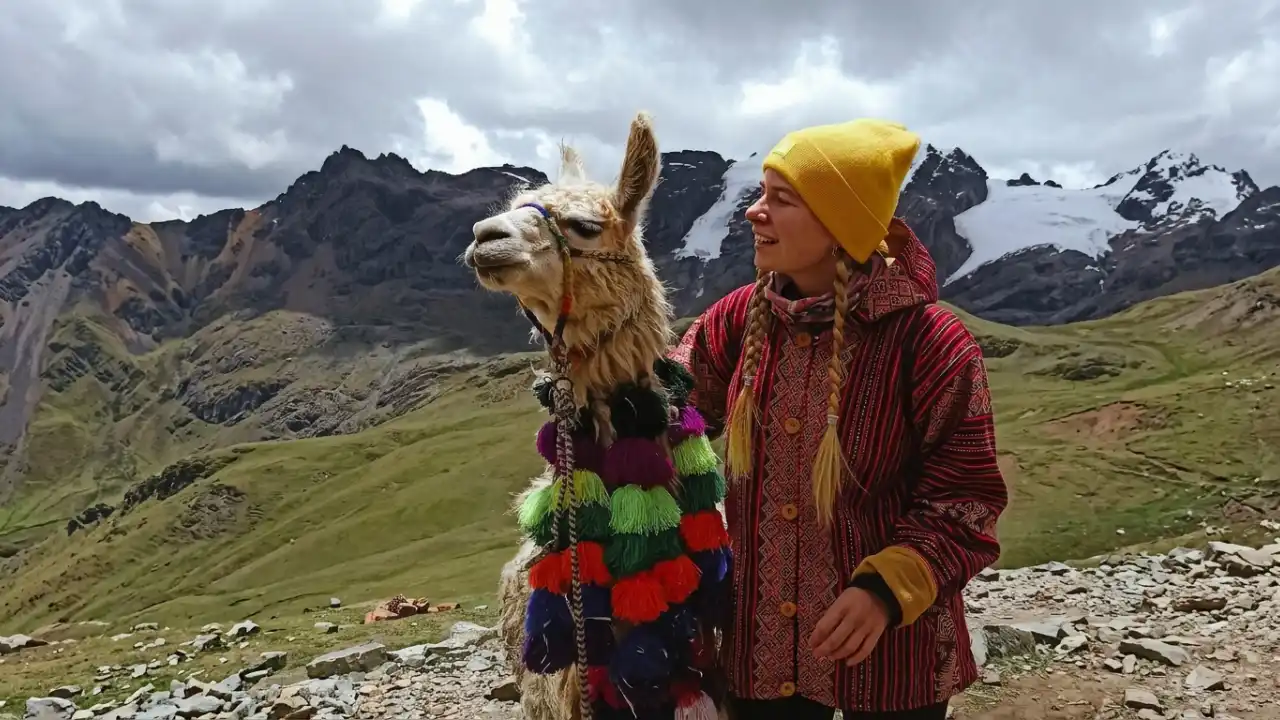
The llama remains a symbol of cultural identity for Quechua communities today. The transmission of knowledge regarding ancestral techniques for raising, shearing, and processing the fiber is part of the cultural legacy of the Andean people.
Government Recognition
In November 2024, the Peruvian government established National Llama Day (November 22) to raise awareness of and promote the work of llama breeders, as well as to boost the production chains related to meat and fiber production.
The government also declared 2024 the “International Year of Camelids,” thereby highlighting the importance of the breeding, production, conservation, and commercialization of this iconic Peruvian animal.
Frequently asked questions about Llamas in Peru and The Andes
The best companies in the Sacred Valley include: Llama Pack Project (Urubamba), Terra Quechua Perú (which operates the one-day Llama Trekking Maras Moray hike), and Conde Travel (which offers cultural tours and camelid-assisted hiking trails in the Sacred Valley).
Prices for llama trekking in Cusco range from 60 to 110 USD for short, half-day hikes, while full-day excursions to Maras-Moray typically cost between 120 and 190 USD per person and include a guide, transportation, accompanying llamas, and lunch or an Andean picnic. For multi-day high-altitude treks (such as the Lares Trek), rates range from 450 to 800 USD, depending on whether the tour is shared or private.
Near Cusco and Awana Kancha area: JW Marriott El Convento Cusco, Palacio del Inka, A Luxury Collection Hotel by Marriott, Aranwa Cusco Boutique Hotel, Sonesta Hotel Cusco, Hilton Garden Inn Cusco, Novotel Cusco and Wyndham Costa del Sol Cusco. Taypikala Deluxe Valle Sagrado on Sacred Valley.
To book a responsible llama tour in Cusco, contact community-based tourism projects such as the Llama Pack Project directly through their official websites, making sure they guarantee fair pay for Andean muleteers, respect the animals’ weight limits (a maximum of 20% of their body weight), and fund the sustainable development of communities in the Sacred Valley.
Book directly on operator sites for the most community benefit, or via Viator, GetYourGuide and Tripadvisor Experiences for USD pricing and reviews. Reserve ahead for the May-Sept high season, and build in 1 or 2 acclimatization days for the altitude (9,000-11,000 ft).


