

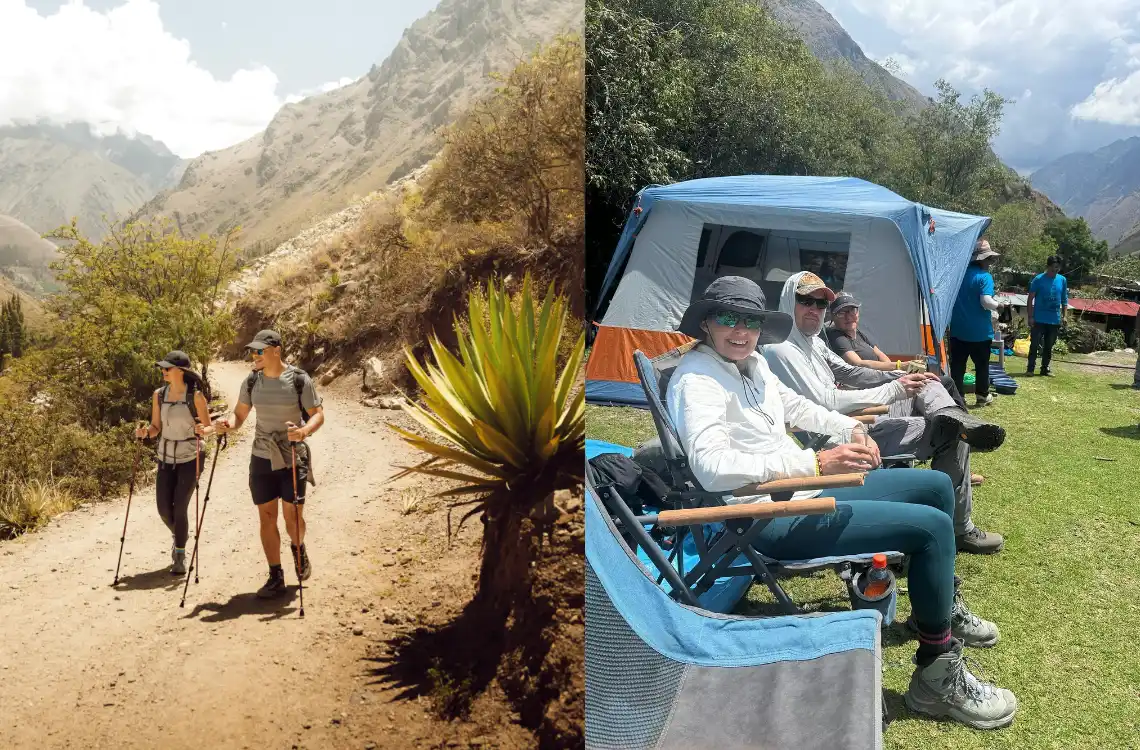
How to Choose the Best Luxury Inca Trail Tour Operator
Choosing the best luxury Inca Trail tour operator comes down to more than finding the company with the most expensive package or the best-looking campsite. A good operator should combine reliable trail logistics, knowledgeable guides, comfortable camping, strong porter support, quality food, clear permit management, and enough flexibility to make the trek feel personal rather than standardized.
That difference matters on the Inca Trail. Every traveler follows the same protected route toward Machu Picchu, but the experience between one company and another can be very different. Some operators focus on private departures and glamping, while others offer small luxury groups, longer itineraries, gourmet meals, massages, upgraded trains, or more time with guides at archaeological sites. Current luxury programs from companies such as Alpaca Expeditions, SAM Travel Peru, Uros Expeditions, TreXperience, Evolution Treks Peru, and View Signature Travels illustrate how much the service level can vary even when the route itself is similar.
For that reason, the best operator is not automatically the one with the highest price. It is the company whose service, group size, comfort level, guide quality, inclusions, and travel style match what you actually expect from a luxury trek.
What Should You Look for in a Luxury Inca Trail Tour Operator?
A strong luxury Inca Trail operator should make it easy to understand exactly what you are paying for. Look beyond words such as “premium,” “exclusive,” or “VIP” and check what the company actually provides on the trail: guide service, number of travelers, sleeping setup, meals, porter support, showers, toilets, transportation, permits, Machu Picchu entry, and post-trek arrangements.
A useful first comparison looks like this:
| What to Compare | What a Strong Luxury Package Should Explain |
|---|---|
| Guide service | Private or small-group guide and level of experience |
| Group size | Exact maximum number of travelers |
| Camping | Tent size, bed or mattress, bedding and privacy |
| Meals | Chef service, menu style and dietary options |
| Porter support | Personal luggage allowance and camp support |
| Camp facilities | Private toilets, showers and dining setup |
| Safety | First aid, oxygen, communication and emergency procedures |
| Permits | Who secures the Inca Trail and Machu Picchu tickets |
| Transportation | Private transfers and return train category |
| Personalization | Pace, dietary requests, upgrades and special arrangements |
Private Guides and Personalized Trekking Service
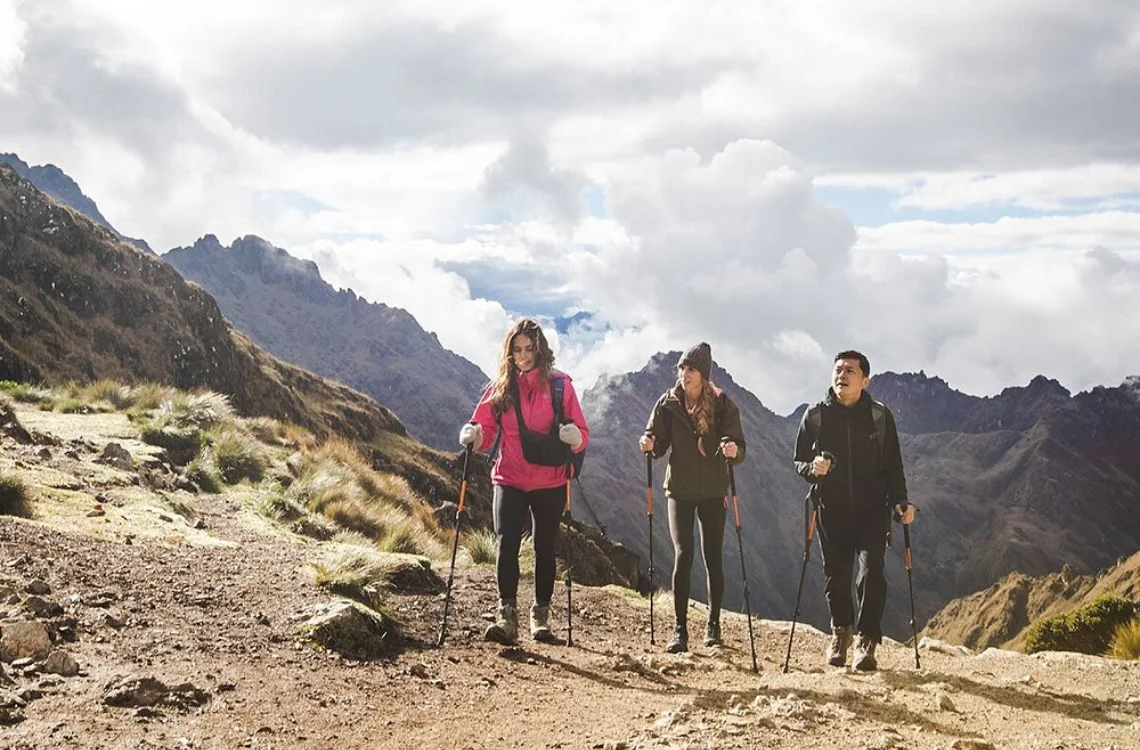
A private guide is most valuable when the service actually allows the trek to adapt around your group. Instead of simply walking with fewer people, ask whether the guide can adjust rest stops, interpret archaeological sites in more depth, work around different walking speeds, and spend more time on the subjects you are interested in.
This is one of the clearest distinctions between a regular trek and a genuinely high-end service. Current luxury packages commonly advertise dedicated guides or personalized guiding, but the amount of flexibility varies by operator. Uros Expeditions, for example, promotes its luxury route as a private experience with a dedicated trekking team, while View Signature Travels markets its four-day itinerary as a private and customizable trip.
Small Group Sizes and Fully Private Tours
Smaller groups generally make the trail easier to manage because there is less waiting at rest stops and the guide can give travelers more individual attention. However, “small group” and “private tour” are not the same thing.
Evolution Treks Peru currently lists its luxury four-day service with groups of up to eight travelers, while Alpaca Expeditions’ luxury page lists a maximum group size of six in its pricing information. Uros Expeditions and View Signature Travels advertise private luxury options. The important point is to check the exact definition before paying rather than assuming that “luxury” automatically means private.
Gourmet Meals and Premium Accommodations
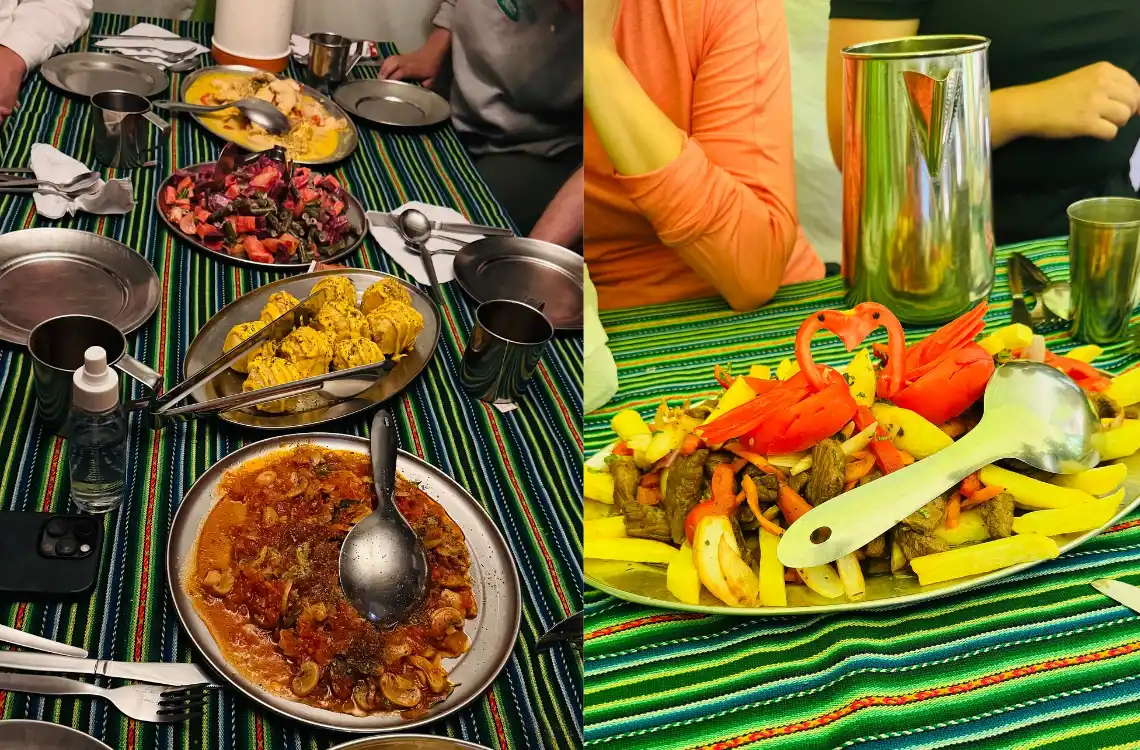
Luxury on the Inca Trail is mostly experienced at camp. After several hours of hiking, differences such as a proper bed, thicker bedding, a hot shower, a private toilet, good food, and a comfortable place to eat become much more meaningful than they sound on a brochure.
Current premium programs show how far these services can go. Alpaca Expeditions lists a private chef, fresh à la carte meals, luxury tents, camping cots, bedding, hot showers and massage sessions. Uros Expeditions describes walk-in tents, real beds, private sanitary facilities, a private chef and massage service. TreXperience combines luxury camping with a hotel night on its five-day version, while View Signature Travels emphasizes private glamping and gourmet dining.
The practical question is not whether a company uses the word “glamping.” Ask what you will actually sleep on, whether showers are available every night, what bathroom arrangements are provided, and whether these amenities are included in the published price.
Cultural Experiences and Local Expertise
The best luxury experience should not separate comfort from the history of the trail. You are still walking through archaeological sites, mountain passes and landscapes that form part of a protected cultural route to Machu Picchu.
For travelers who care about this side of the experience, guide quality deserves as much attention as camping quality. Look for companies that explain who their guides are, how they interpret archaeological sites and how they work with local staff and communities. Evolution Treks Peru explicitly positions its luxury trek around adventure and cultural exploration, while View Signature Travels describes its product as both cultural and adventure focused. Alpaca Expeditions also states that its trekking team comes from the Cusco region and integrates local knowledge into the experience.
How to Find a Reputable Luxury Inca Trail Tour Company
A reputable company should be easy to verify before you send a deposit. Check its operating history, current tour information, independent reviews, contact details, cancellation conditions and whether it is authorized to work on the regulated Inca Trail.
The Inca Trail is not an unrestricted trekking route. SERNANP maintains a registration system for agencies, guides and support staff working within the Historic Sanctuary of Machupicchu, including current registration documentation covering the 2026–2028 period.
Check Experience, Reviews, and Local Operations
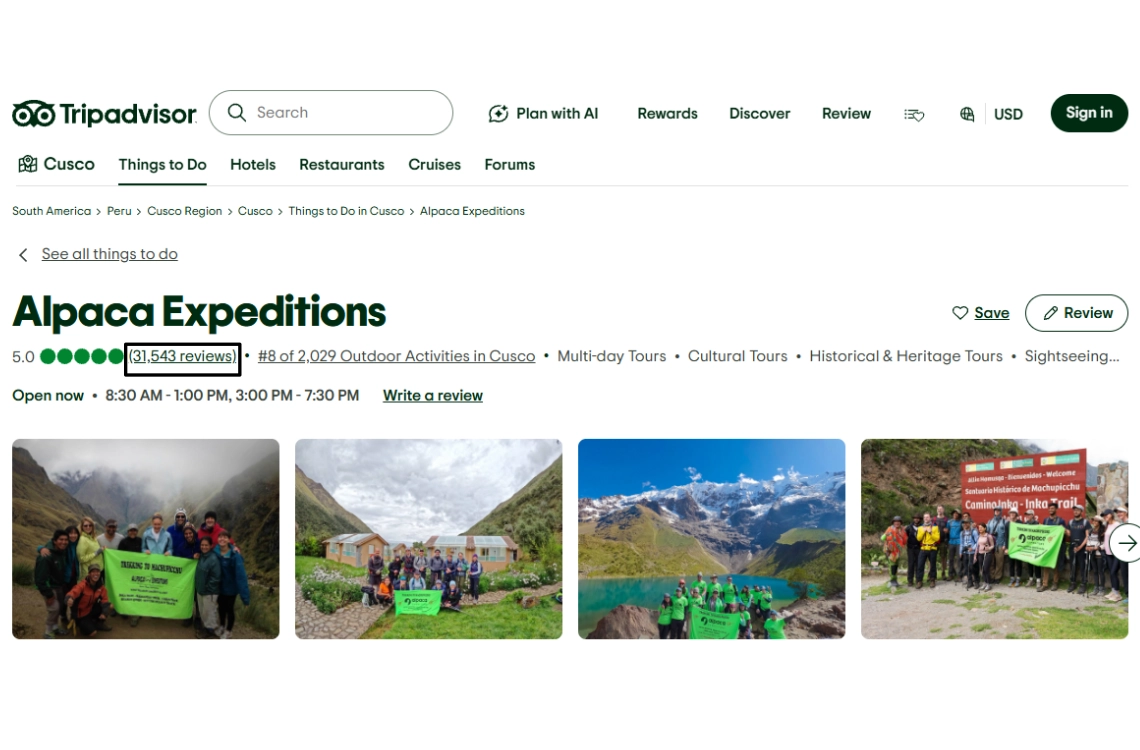
Reviews are useful, but do not stop at the average rating. Read recent comments about the exact type of tour you plan to book and pay attention to repeated details: guide knowledge, food quality, tents, communication, porter treatment, punctuality and how the company handled unexpected problems.
It is also worth checking whether the company clearly explains its local operation. A luxury itinerary involves much more than one guide. Behind the trek are permits, cooks, porters, equipment, transportation, campsites, train reservations and Machu Picchu entry logistics. A company that explains these parts openly gives you more information to evaluate than one relying mainly on awards or marketing language.
Look for Licensed Guides and Reliable Trek Support
A luxury tent is useful, but it cannot replace an experienced trekking team. The guide, porters, cooks and support staff are responsible for keeping the trip moving day after day in a high-altitude environment.
SERNANP specifically registers guides, agencies and Camino Inka support personnel for tourism services within the sanctuary. When comparing companies, ask who will guide the trek, what safety equipment the team carries and how the company communicates if an itinerary or transportation service changes.
Review Safety, Communication, and Personalized Assistance
Good communication should begin before you arrive in Peru. A reputable luxury operator should clearly explain acclimatization, physical difficulty, packing, passport requirements, permits, meeting times and what happens if something changes.
TreXperience, for example, identifies the five-day luxury route as moderate to challenging and states that travelers still cross Dead Woman’s Pass at approximately 4,215 meters despite the slower itinerary. Alpaca Expeditions lists first-aid equipment and oxygen among its luxury trek inclusions. Those are the kinds of practical details worth comparing before focusing on optional extras.
Which Luxury Inca Trail Tour Operators Offer the Best Services?
There is no single operator that is automatically best for every traveler. The strongest choice depends on whether your priority is private service, luxury camping, cultural interpretation, a slower five-day itinerary, a small group, or a highly customized trip.
Based on luxury programs currently published by the operators themselves, these are useful companies to compare:
| Operator | Luxury Style Worth Comparing | Published Luxury Format |
| Alpaca Expeditions | Extensive camp amenities and high staff support | 4D/3N luxury trek |
| SAM Travel Peru | Private luxury trekking and glamping | 4D/3N luxury trek |
| Uros Expeditions | Private glamping, gourmet dining and personalized support | 4D/3N and 5D/4N |
| TreXperience | Private luxury options and slower 5-day itinerary | 4D/3N and 5D/4N |
| Evolution Treks Peru | Small-group luxury trekking with cultural focus | 4D/3N |
| View Signature Travels | Private customizable luxury travel | 4D/3N |
The table is a comparison starting point rather than a ranking. Services, prices and availability can change, so travelers should confirm the final package directly before making a nonrefundable payment.
Best Luxury Inca Trail Operators for U.S. Travelers
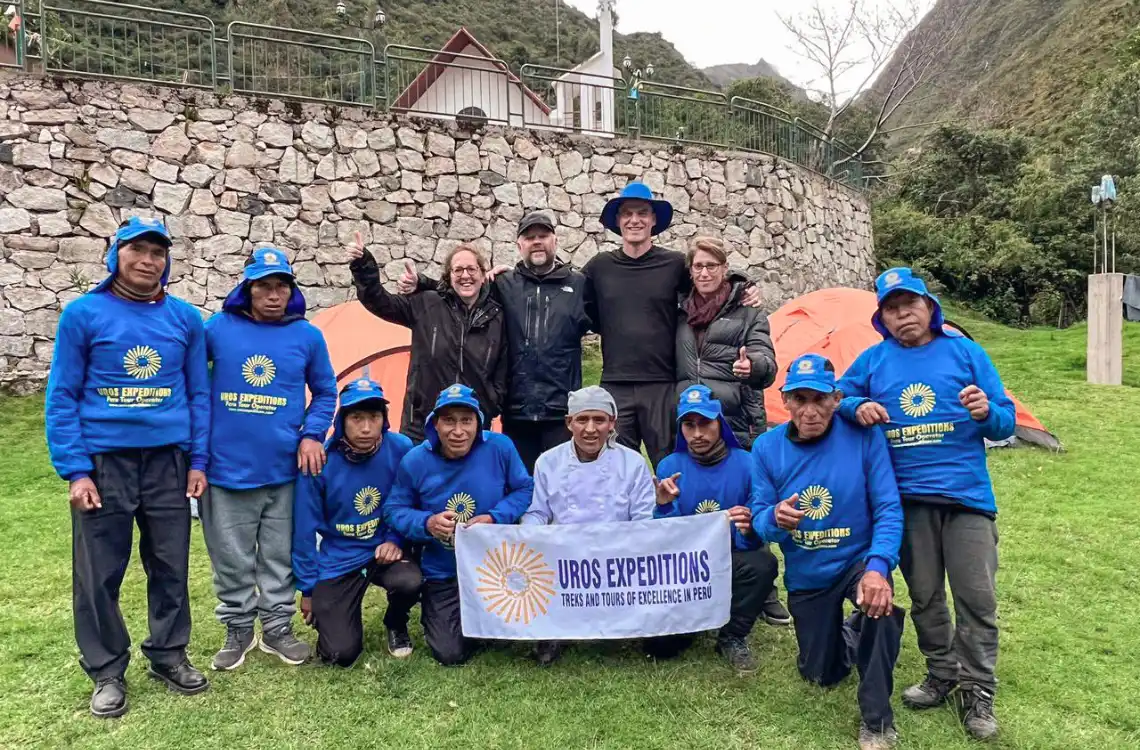
U.S. travelers do not need to choose a company based in the United States to arrange the Inca Trail. In practice, many established options are Cusco- or Peru-based companies that work directly with the regulated trail and sell their tours internationally.
What matters more is whether communication is easy from the United States. Look for clear pricing in U.S. dollars, fluent English-speaking support, secure international payment options, written cancellation terms and a reliable point of contact before arrival. View Signature Travels, for example, publishes a U.S./Canada toll-free contact number, while other Peru-based operators provide direct English-language booking and support online.
Best Operators for All Inclusive Luxury Inca Trail Tours
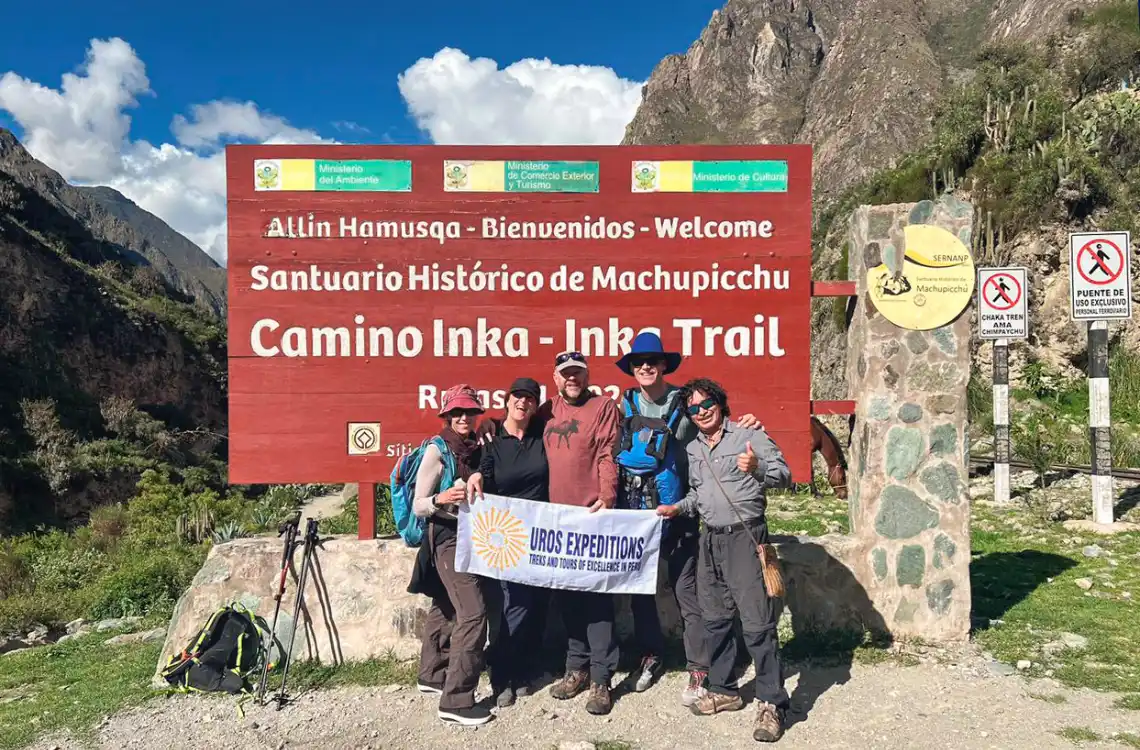
The strongest all inclusive packages remove most of the major logistics from the traveler’s responsibility. That normally means permits, Machu Picchu entry, guide service, porters, camping equipment, meals, transfers and return transportation are already organized.
Alpaca Expeditions’ published luxury package includes Inca Trail and Machu Picchu admission, a chef team, porter crew, luxury camp equipment, showers, massage service, bus transportation and an Observatory train. Uros Expeditions lists permits, Machu Picchu entry, private trekking support, luxury camping, chef service and premium return transportation. TreXperience’s five-day version includes luxury camps, chef and porter services, a hotel night, Machu Picchu tickets and panoramic return train transportation.
Even with an “all-inclusive” package, check what is excluded. Tips, travel insurance, personal expenses, some drinks, optional mountains and certain hotel upgrades may still cost extra.
Best Companies for Private Inca Trail Tours
Travelers looking for privacy should confirm that the departure is exclusive to their booking rather than simply capped at a small number of participants.
Uros Expeditions currently markets private luxury Inca Trail experiences, View Signature Travels describes its luxury four-day product as private, and TreXperience identifies its five-day luxury trek as a private experience. SAM Travel Peru also advertises its luxury Inca Trail as a private service.
Private service is especially useful for families, couples, milestone trips and groups that want more control over pace and guide interaction.
Best Luxury Operators for Cultural Experiences
For a cultural experience, look beyond companies that simply mention archaeological sites in the itinerary. The guide should have enough time and knowledge to explain why places such as Runkurakay, Sayacmarca, Phuyupatamarca and Wiñay Wayna mattered within the Inca road system and landscape.
Evolution Treks Peru identifies cultural exploration as part of its luxury trip style, while View Signature Travels places culture alongside adventure in its private itinerary. Alpaca Expeditions’ program also includes guided interpretation at archaeological sites and describes its trekking team as being from the Cusco region. These details make them useful operators to compare when cultural interpretation is a priority.
How to Compare Luxury Inca Trail Tour Packages
The easiest way to compare luxury packages is to put the inclusions side by side rather than comparing the headline price alone. Two tours described as “luxury” may differ by hundreds or thousands of dollars because one includes private guiding, massages, premium rail service or a hotel night and the other does not.
Compare What Is Included in Each Luxury Package
Start with the non-negotiable parts of the trip: Inca Trail permit, Machu Picchu admission, guide, porter support, meals, camping equipment, transportation and return train. Then compare premium additions.
A practical comparison might look like this:
| Service | Operator A | Operator B | Operator C |
|---|---|---|---|
| Private Guide | Included | Included | Optional |
| Maximum Group Size | 6 guests | Private only | 8 guests |
| Raised Bed / Cot | Included | Included | Included |
| Hot Shower | Included | Included | Optional |
| Private Toilet | Included | Included | Included |
| Private Chef | Included | Included | Included |
| Massage Service | Included | Optional | Not Included |
| Personal Porter | Included | Included | Included |
| Machu Picchu Entry | Included | Included | Included |
| Premium Train | Included | Optional | Included |
| Hotel Night | Not Included | Optional | Included |
| Private Transfers | Included | Included | Included |
This simple exercise usually reveals more than the marketing description.
Compare Private Guides, Group Size, and Trek Support
A private guide can be more valuable than an expensive campsite upgrade if your main interest is history, photography or walking at your own pace. Likewise, additional porter support can make a meaningful difference during a four-day high-altitude trek.
Ask each company for the actual number of travelers, guides, cooks and porters assigned to your departure. Luxury should show up in the staffing ratio as well as the accommodation.
Compare Gourmet Dining and Accommodation Options
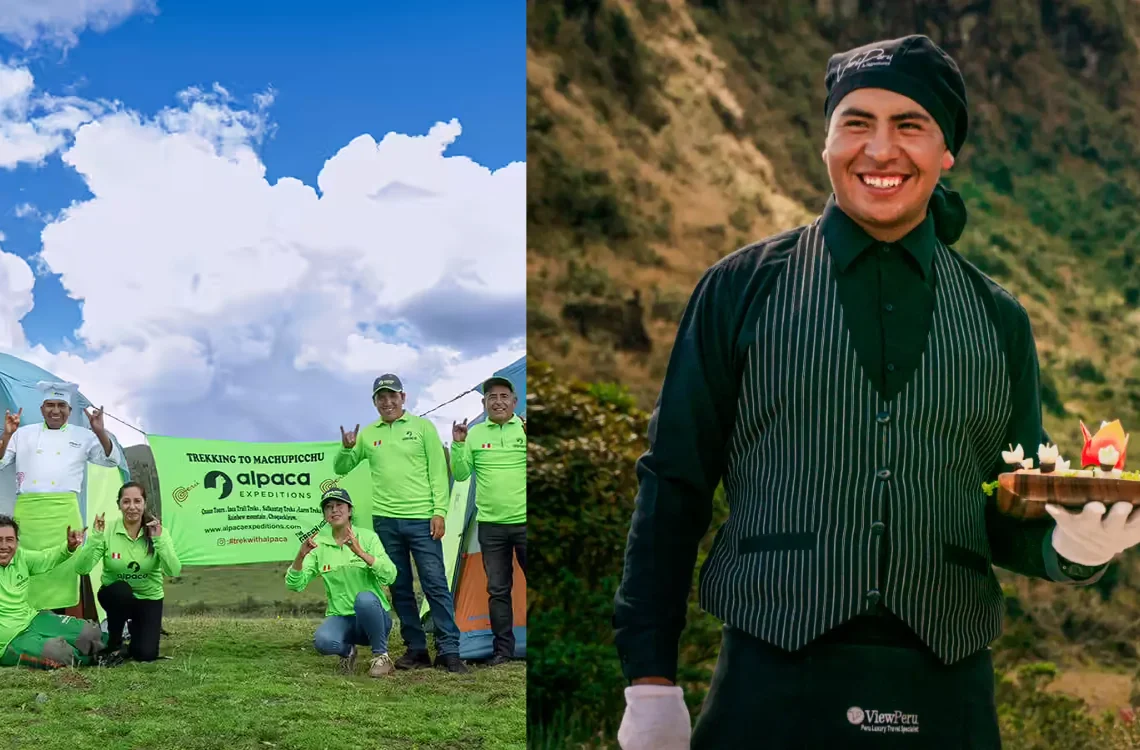
Do not assume “gourmet” means the same thing across operators. Some companies provide multi-course menus and a dedicated chef, while others simply upgrade the standard trekking meals.
The same applies to accommodation. A “luxury tent” might mean a larger tent with a thick mattress, or it could mean a walk-in tent with a raised bed, linens, private bathroom facilities and hot showers. Alpaca Expeditions and Uros Expeditions both publish detailed enhanced camp setups, making it easier for travelers to see what the term means in practical terms.
Compare Personalized Services and Available Upgrades
Personalization should solve an actual need rather than simply increase the price. Useful upgrades may include a longer itinerary, premium return train, additional Machu Picchu entry, upgraded hotel, massage service, dietary customization or private transportation.
Ask which changes must be arranged before permits are purchased. Once the official trail reservation is issued, changing dates or traveler details may be restricted.
How to Compare Luxury Inca Trail Tour Prices
Compare luxury Inca Trail prices only after comparing what each operator includes. A cheaper package can become more expensive once transportation, hotel nights, private guiding or premium services are added separately.
How Much Does a Luxury Inca Trail Tour Typically Cost?
Published 2027 luxury prices show a broad market rather than one standard rate. Uros Expeditions currently lists its four day luxury product from about US$1,900 per person. TreXperience lists its four-day luxury trek from about US$1,980, while its private five-day version ranges according to group size and starts at US$2,200 per person for eight travelers. Evolution Treks Peru lists a four-day luxury trek at US$2,500, and Alpaca Expeditions publishes US$2,495 for its four-day luxury program.
These are published rates, not guaranteed quotes. Final pricing can change according to group size, train service, hotel category, itinerary length, departure date and optional upgrades.
Why Prices Vary Between Luxury Inca Trail Operators
The biggest price differences usually come from staffing and service level. A fully private departure needs to spread the cost of guides, cooks, porters, transportation and camp equipment across fewer travelers. That is why the per-person rate can drop as the private group becomes larger.
TreXperience illustrates this clearly on its five-day luxury trek: its published rate is US$4,650 for one traveler, US$2,990 each for two travelers and gradually falls to US$2,200 each for a group of eight.
Other differences include premium trains, hotel nights, massage therapists, private bathrooms, bedding, porter allowances and additional Machu Picchu services.
What Should Be Included in an All Inclusive Luxury Price?
At minimum, the quoted price should make clear whether it covers the official trail permit, Machu Picchu entrance, guide, porter team, camping equipment, meals, transportation to the trail, bus service where required and the return train.
A higher end package may also include private transfers, premium rail service, hotel accommodation, upgraded bedding, showers, massages, additional porter support and specialty dining.
The key word is clear. If a company calls a package all inclusive but cannot give you a precise inclusion and exclusion list before payment, continue comparing.
Should You Choose a Private or Small Group Luxury Inca Trail Tour?
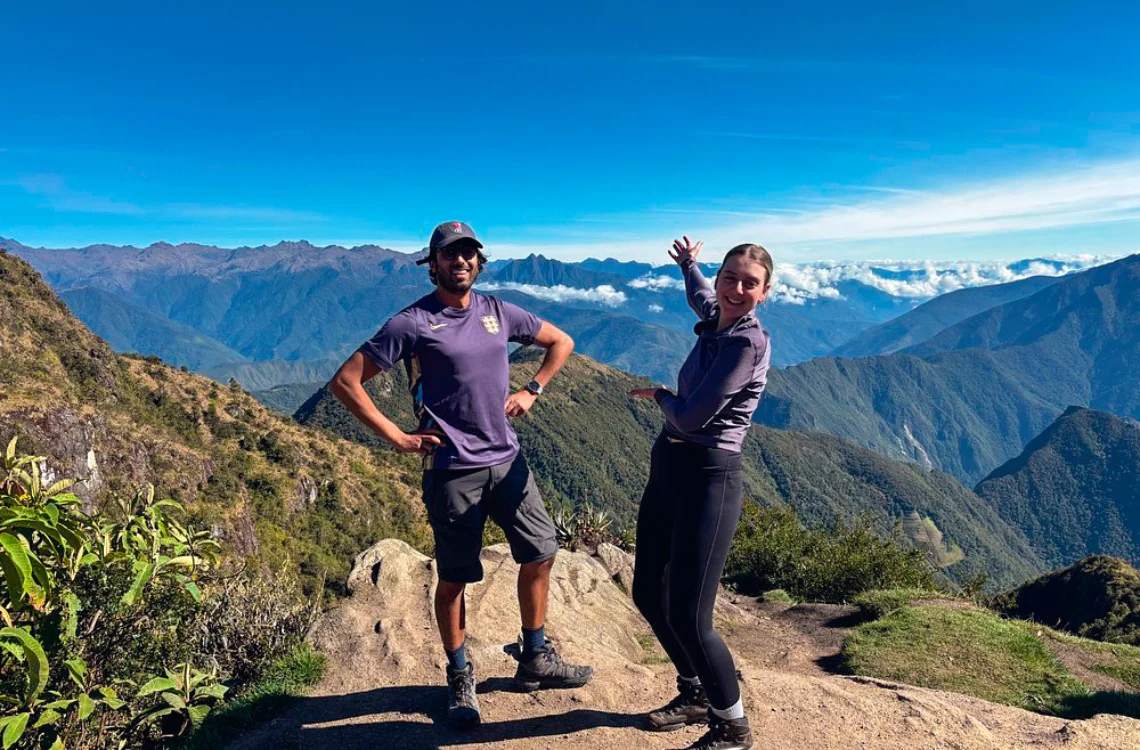
Private Luxury Inca Trail for a Small GroupChoose private service when flexibility and personal attention matter more than meeting other travelers. Choose a small group when you still want a premium experience but prefer a more social atmosphere and potentially lower per-person cost.
When a Fully Private Inca Trail Tour Is the Better Choice
A private tour works particularly well when travelers have different walking speeds, want more time for photography, are traveling as a family, or simply prefer not to share the experience with strangers.
It can also make communication easier because the guide is managing one party rather than balancing several unrelated travelers. The route and permit regulations remain the same; what changes is the service around them.
When a Small Luxury Group Tour Makes More Sense
A small group can be a good middle ground. You still benefit from a more manageable number of travelers without paying the full cost of a completely private departure.
Evolution Treks Peru currently caps its published luxury group at eight, while Alpaca Expeditions lists a maximum of six in the pricing section of its luxury four-day package.
Always verify the maximum group size in writing because definitions of “small group” differ between companies.
Best Options for Couples, Families, and Private Groups
Couples often benefit from private guiding and upgraded camps because privacy is part of what they are paying for. Families may place more value on flexible pacing, dietary arrangements and additional porter support. Larger private groups can sometimes obtain a better per person rate because the fixed operational costs are shared among more travelers.
There is no need to buy every available luxury upgrade. Choose the services that will actually improve the experience for your group.
What Should You Check Before Booking a Luxury Inca Trail Tour?
Before paying a deposit, confirm the permit, departure date, passport information, final itinerary, inclusions, cancellation rules, group size and any upgrades you consider essential.
Inca Trail Permits and Availability
Luxury service does not provide a separate supply of Inca Trail permits. The route remains regulated regardless of how much a traveler pays.
SERNANP maintains registration requirements for agencies, guides and support personnel working on the Camino Inka, and current operator information consistently reports a daily quota that includes both trekkers and trekking staff. Permits are tied to traveler information, so the operator will normally request passport details during the reservation process.
For popular travel periods, it is sensible to reserve several months ahead instead of waiting until flights and hotels are already confirmed.
Cancellation and Booking Conditions
Read the cancellation policy before sending money, especially the rules covering the permit portion of the payment. Trail permits and other reserved services may have stricter change conditions than ordinary hotel reservations.
Check the required deposit, balance deadline, refund rules, date-change conditions and what happens if the trek is affected by circumstances outside the operator’s control. Keep the final conditions in writing.
Accommodation, Meals, Transportation, and Equipment
Luxury packages can look similar at first glance, so ask for specifics. Find out the actual tent setup, mattress or bed type, sleeping equipment, shower and toilet arrangements, personal luggage allowance, meal plan and return train category.
This information should be available before booking, not discovered after arriving in Cusco.
Additional Costs and Optional Upgrades
Ask what you may still need to pay during or after the trip. Common extras can include gratuities, travel insurance, personal purchases, certain hotel upgrades and optional Machu Picchu mountain tickets.
For example, Alpaca Expeditions explicitly excludes travel insurance, personal expenses and gratuities from its published luxury package.
How to Book a Luxury Inca Trail Tour with Personalized Services
Booking a personalized luxury Inca Trail trek should begin with your dates and priorities, not with upgrades. First secure the route and permit; then refine the services around it.
Choose Your Travel Dates and Preferred Trek Style
Start by deciding whether you want the classic four day or a slower version. A five-day itinerary can provide more time on the trail and may include an overnight stay in Aguas Calientes before returning to Machu Picchu.
TreXperience’s current five day luxury itinerary, for example, reaches the Sun Gate on Day 4, stays overnight in Aguas Calientes and returns for another Machu Picchu visit on Day 5. Uros Expeditions also offers both four- and five-day luxury Inca Trail formats.
Confirm Private Services and Special Requests
Before the operator purchases permits, explain what matters to your group. This might include a private guide, dietary restrictions, bedding arrangements, walking pace, luggage support or a particular return train.
Ask the company to include important requests in the written booking confirmation. “Luxury” should not require you to guess which services were actually reserved.
Reserve Your Inca Trail Permit in Advance
Once you have chosen the operator and departure, provide your passport information exactly as requested so the company can process the reservation.
Current operators advise early booking because availability is limited, particularly during the more popular months. TreXperience states that permits are issued using traveler passport details and cannot be transferred to another traveler, while Uros Expeditions recommends reserving several months ahead for its luxury departures.
Do not assume paying more for a luxury package allows the company to bypass official availability.
Which Luxury Inca Trail Tour Operator Is Best for You?
The best luxury Inca Trail tour operator is the one that delivers the level of privacy, comfort and support you value while remaining transparent about permits, staffing, inclusions and price.
Choose Based on Service, Not Price Alone
The cheapest luxury package is not automatically the best value, and the most expensive one is not automatically the best experience.
Compare what happens during the four or five days you will actually spend on the trail. A private guide, comfortable sleep, experienced trekking staff and dependable logistics may matter more than decorative extras that look impressive in photographs.
Match the Operator to Your Travel Style
If privacy is the priority, compare operators offering fully private departures such as Uros Expeditions, SAM Travel Peru, TreXperience or View Signature Travels. Travelers who prefer a defined small-group format can compare options such as Evolution Treks Peru or Alpaca Expeditions. Travelers focused heavily on camp comfort should compare the exact bedding, shower, dining and recovery services offered by each company rather than relying on the word “luxury.”
For travelers interested in culture, look closely at the guide experience, time allocated to archaeological sites and the company’s connection to its local trekking team.
Make Your Final Comparison Before Booking
Before making the final payment, compare your two or three preferred operators one last time using the same criteria: price, private or group service, group size, guide, camping, meals, porter support, permits, Machu Picchu entry, transportation, cancellation policy and extras.
Then ask yourself a simple question: Which company has explained the experience clearly enough that you know exactly what will happen from hotel pickup in Cusco to your return after Machu Picchu?
That is usually a better way to choose a luxury Inca Trail operator than relying on a ranking alone. The route may be the same, but the quality of the people, planning and services around it is what ultimately determines how luxurious the trek actually feels.
Frequently asked questions about How to Choose the Best Luxury Inca Trail Tour Operator
Spending a few days in Cusco or the Sacred Valley before the trek gives your body time to adjust to the altitude. It also provides a useful buffer in case your flight or luggage is delayed.
Most travelers leave their larger suitcase at their hotel in Cusco or with their tour operator and take only the belongings needed for the trek. Ask your operator about luggage storage before departure.
Porter allowances vary by company and package. Luxury services often provide a personal duffel allowance, while travelers carry a smaller daypack with water, sun protection, medication, and other essentials they need during the day.
Most established trekking companies can prepare vegetarian, vegan, gluten-free, or other special meals when notified in advance. Travelers with serious allergies should discuss their requirements directly with the operator before booking.
Reliable electricity and Wi-Fi should not be expected while trekking. Travelers who need to charge a phone, camera, or other device should bring a power bank and confirm whether their operator provides any charging options at camp.
Tipping is generally optional but customary when travelers are satisfied with the service. Rather than assuming a fixed amount, ask the operator before departure how tips are normally distributed among guides, chefs, porters, and other staff.
Yes, but weight becomes important when carrying camera bodies, lenses, batteries, or tripods for several days. Photographers should discuss porter allowances and equipment protection with the operator before deciding what to bring.
Layering is usually more practical than relying on one heavy jacket. Temperatures can change considerably throughout the day, so travelers should be prepared for sun, wind, cold mornings, and possible rain.
This depends on the type of service. Private tours generally provide more flexibility, while scheduled group departures need to maintain a reasonable pace. Travelers concerned about walking speed should discuss this with the operator before choosing a package.
Travel insurance is worth considering because a luxury package does not remove the risks associated with trekking, flight disruptions, illness, lost luggage, or unexpected changes. Check what your policy covers before traveling to Peru.
Many travelers leave unnecessary valuables and larger belongings at their hotel in Cusco. If the operator offers luggage storage, ask where items are kept and whether there are restrictions on valuables.


