How much to tip on the Inca Trail?
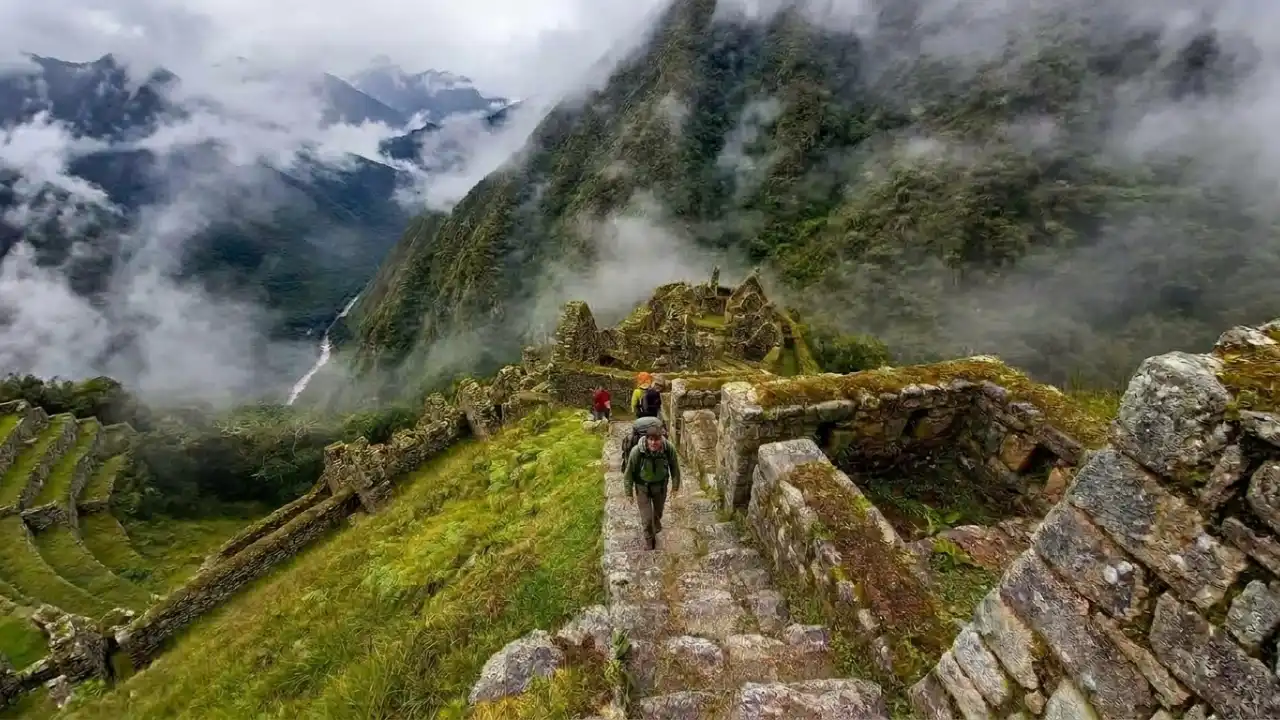
Although not widely practiced in many countries, tipping during your tours is a traditional custom when taking tours in Cusco, especially when planning activities like trekking routes such as the Inca Trail. The staff accompanying you—guides, porters, cooks, and transportation personnel—make a significant effort to ensure you have the best possible experience.
Generally, it’s advisable to bring between 100 and 120 soles (US$35) for tips on the 2-day Inca Trail. However, if you wish to tip more generously on the four-day trek with good service, it’s best to bring between 200 and 300 soles (US$60 to US$90).
The tradition of tipping on the Inca Trail
Tipping is a way to show appreciation for the hard work of the porters, cooks, guides, and drivers.
Is tipping mandatory?
It’s not mandatory. If you felt the service you received was poor or inadequate, or even if you felt cheated or mistreated, consider not tipping. Tips are primarily a way to acknowledge the hard work of the staff, which is very evident throughout the entire trek.
When is the right time to tip?
It’s important to choose an opportune moment, such as the last night or the morning of the last day. It’s also best to tip collectively, as this avoids misunderstandings among the staff and ensures that the tip is distributed fairly.
Why is the work of the support staff crucial on the Inca Trail?
The porters on the Inca Trail usually come from Cusco and the Sacred Valley, areas near Machu Picchu. The support staff (porters, cooks, and guides) have to get up earlier, handle unexpected issues, have everything ready for breakfast, and leave camp after packing up all the equipment, finishing their workday much later (up to 16 hours).
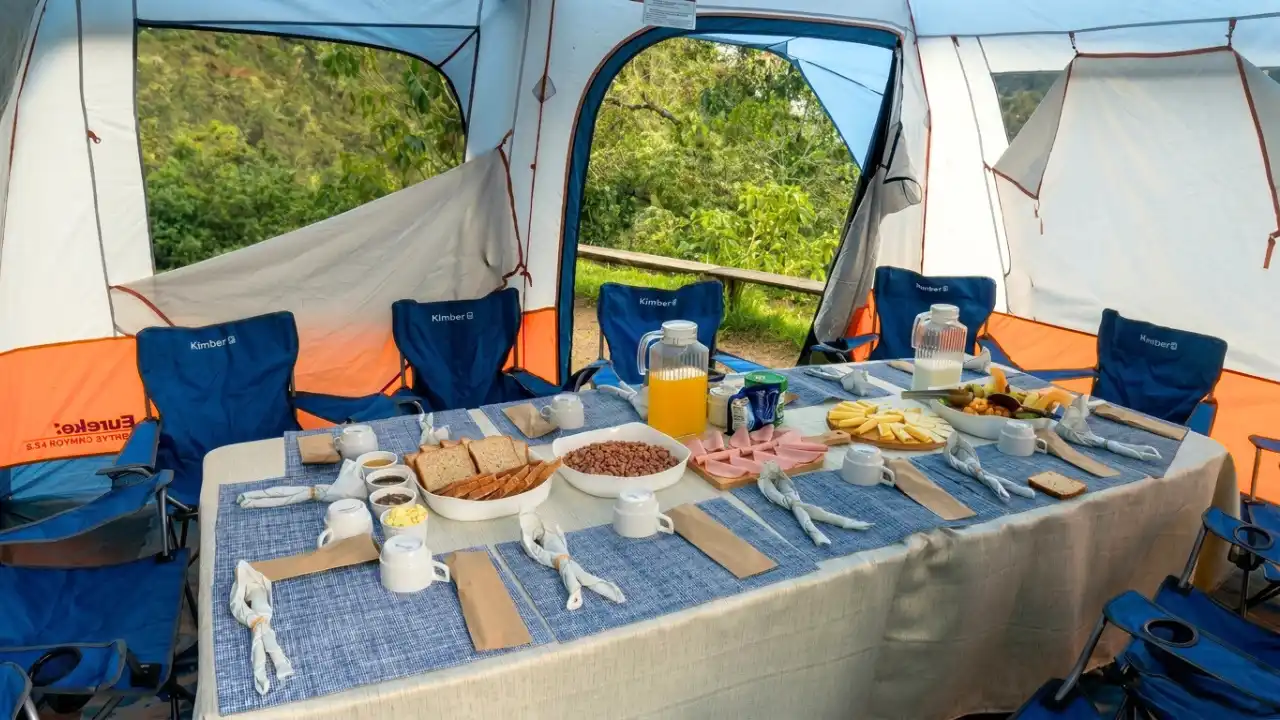
The kitchen staff manages complex logistics and is responsible for maintaining the hygiene of the equipment in very difficult geographical and climatic conditions. Likewise, the porters and guides assist with various tasks, ensuring that everything is ready so that the travelers lack nothing, from breakfast to bedtime.
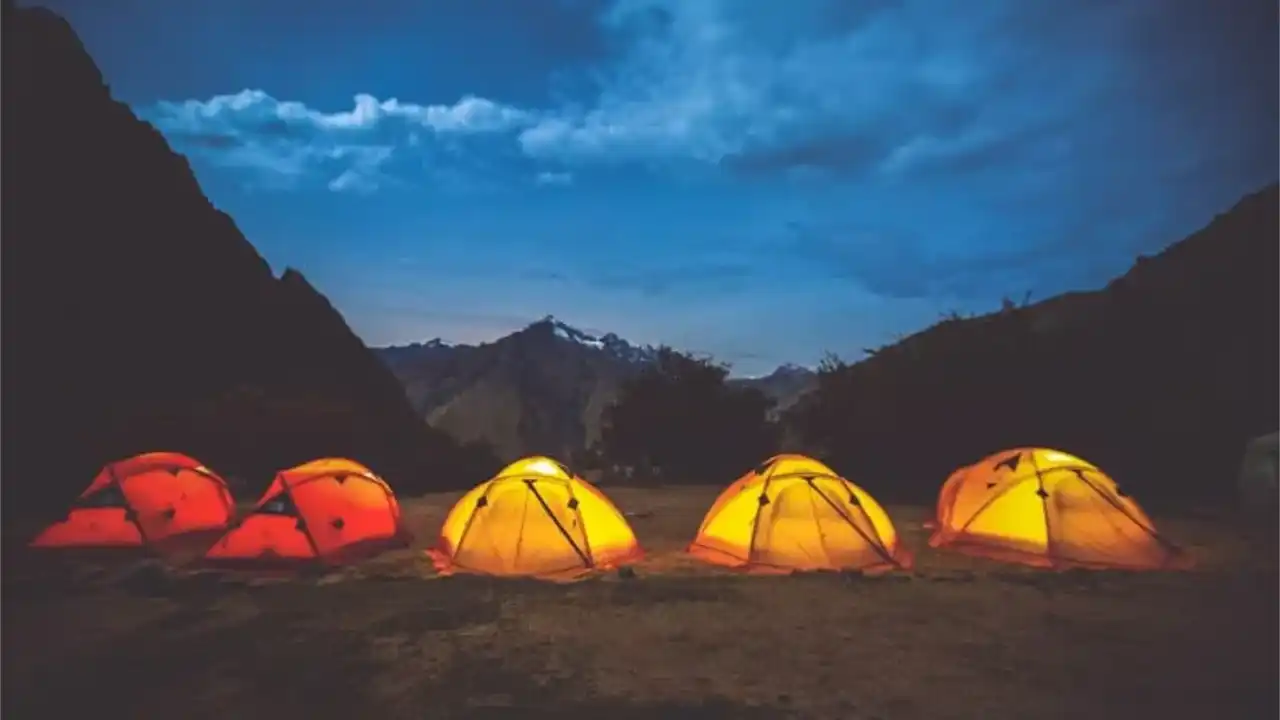
There is no basic infrastructure along the trail, and the groups hiking this route must be self-sufficient and carry everything they need; the staff are responsible for providing all of this.
Recommendations
We recommend having nuevos soles (the best option for type of currency) or US dollars, which are the most common currencies in Peru. It’s also advisable to have the amount in small denominations (10, 20, and 50 soles) so it’s easier to distribute among the support staff.
Currency Type
Peruvian Soles (PEN): This should be the first option for tips. Local staff prefer the national currency (soles) for their daily expenses.
US Dollars (USD): These are accepted, but the bills must be in pristine condition (without tears or marks).
Furthermore, this isn’t the only way you can show your appreciation for the staff’s hard work. If you feel the amount you gave wasn’t enough, it’s customary to make a donation to a local initiative or organization supporting a social cause. Remember that the surrounding towns and villages often require some form of social support.
It’s best to avoid giving large individual tips, as this can distort the team’s salary structure.
Suggested Amounts
Porters:
They carry camping equipment, food, and luggage. We recommend a tip of 70 to 100 soles (US$20 to US$30) per passenger for the porters’ common fund.
Cooks:
They prepare meals in challenging weather conditions. 20 to 40 soles (US$6 to US$12) per passenger.
Guides:
They accompany you throughout the trek, ensuring the comfort and safety of the trekking group. 40 to 70 soles (US$12 to US$20) per passenger for the main guide. Unlike the rest of the staff, the guide’s tip is usually given individually or separately at the end of the tour in Machu Picchu or Aguas Calientes.
Driver (if you choose):
80 to 100 soles per day/trip.
A designated passenger for tip collection
A passenger is usually designated to collect tips and place them in envelopes for distribution to each team member. It’s important to choose an appropriate time to show appreciation and respect for the work of all the staff.
Note: Tips should reflect your experience as a passenger. The decision to tip is entirely up to you; it’s not an obligation. While it can help support those who make your tour experience the best it can be, it should be a sincere and honest gesture.