


Power Outlets and Plugs in Peru
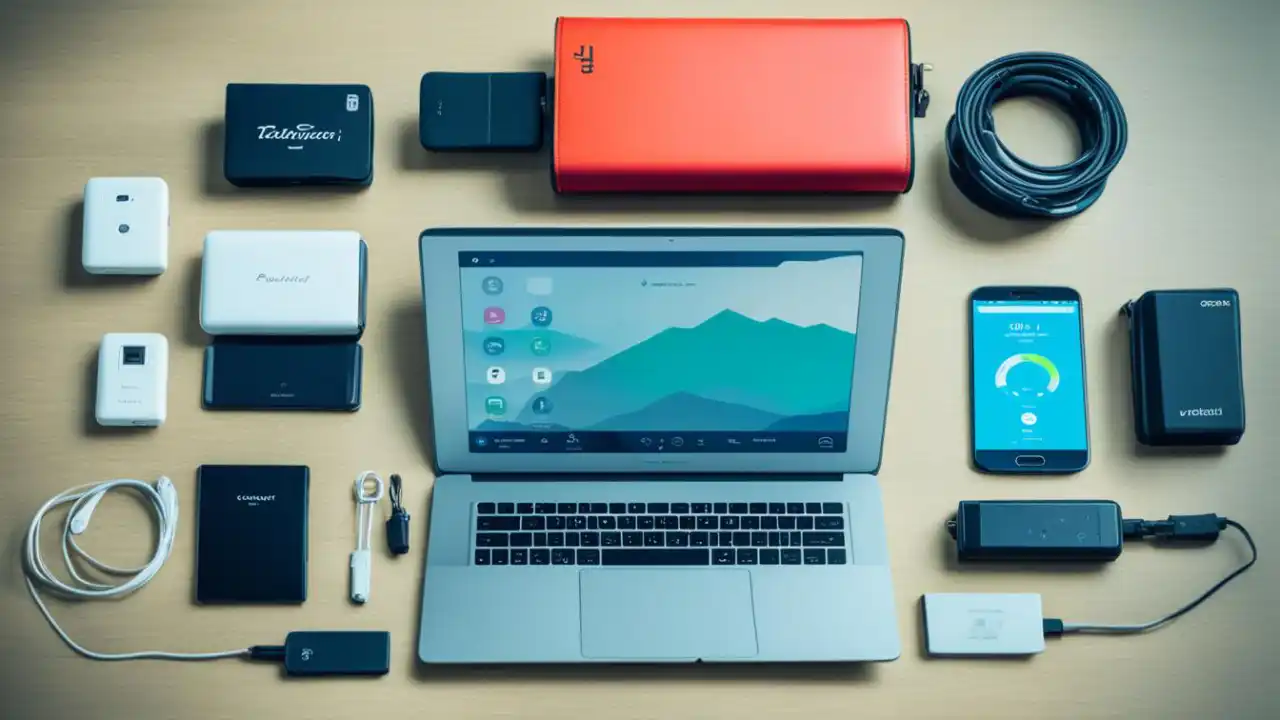
For today’s traveler, who is always connected and in communication, it’s essential to carry various digital devices: a phone, a laptop, a camera, a hair dryer or electric shaver; and even, for panoramic photography enthusiasts, a drone.
Therefore, one aspect to consider is whether you can charge your devices or connect your laptop at the hotel or café in your chosen travel destination.
To resolve this question, it’s essential to know the standard types of electrical outlets and plugs at your destination; the voltage and frequency of electricity supplied there will give you an idea of what you’ll need to avoid problems and misunderstandings.
Types of Plugs
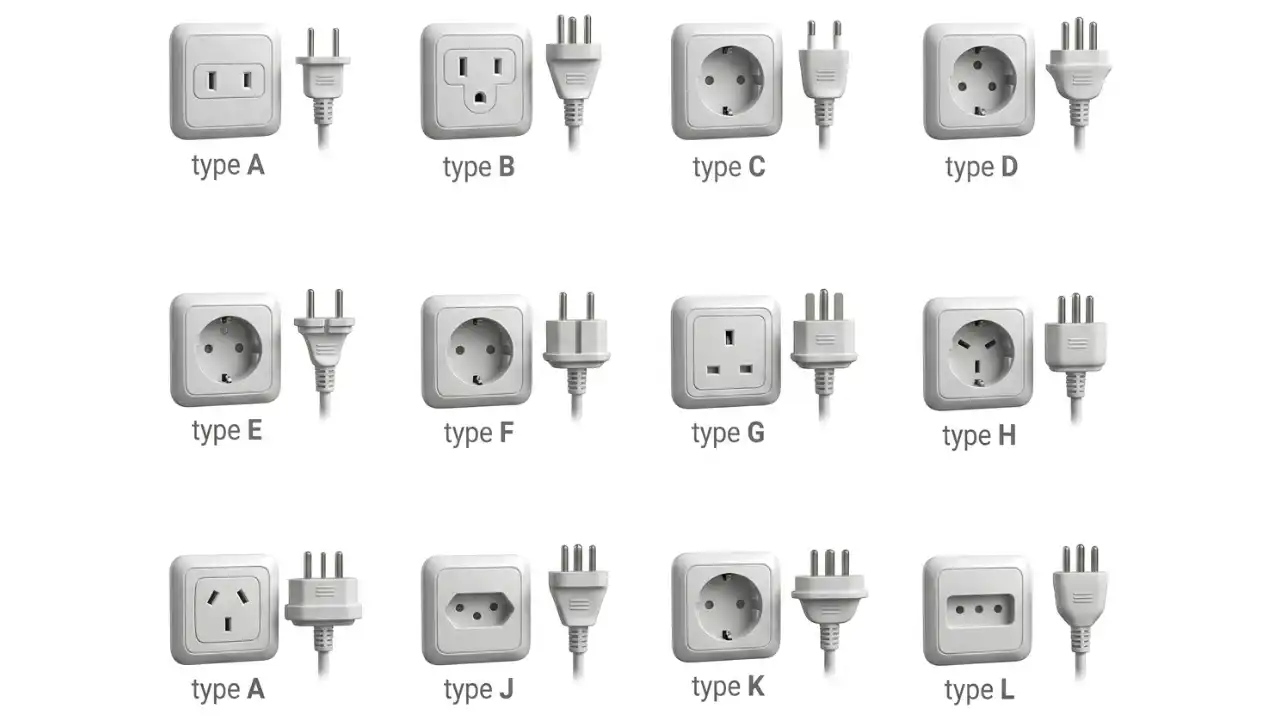
If you’re traveling to Peru, you’ll need to know the voltage and frequency of the current. In Peru, the electrical current is 220 V and 60 Hz, and three main types of plugs are used. The types of electrical outlets used in Peru are Type A and Type C, although you may also find Type B outlets in some hotels and establishments, but it is most common to only have these two types.
What are the types of electrical outlets in Peru?
Type A: They have two flat, parallel prongs (standard used in the USA, Mexico, and Canada).
Type B: They have two flat prongs with a third round prong for grounding.
Type C: They have two round, parallel prongs (standard of continental Europe).
Plug adapter and Voltage converter
There are two types of accessories you can use if your plug doesn’t fit the electrical outlet: a plug adapter and a voltage converter.
What’s the difference between a plug adapter and a voltage converter?
A plug adapter changes the shape of the plug so it fits into an outlet with a different shape (for example, from type A to type B, or from type B to type C), but it doesn’t change the voltage.
A voltage converter (or transformer) converts the voltage type, from 220V to 110–120V or vice versa.
Using a voltage converter is essential if you’re bringing appliances that don’t accept 220V, such as some older razors, hair straighteners, or hair dryers.
Tips based on your country of origin
If you are traveling from the United States or Canada (110–120 V), you will need a voltage converter, which converts 220 V to 110–120 V for single-voltage devices.
If your device is dual-voltage (100–240 V), a plug adapter will be sufficient. Smartphone, tablet, and most modern laptop chargers usually work without problems with a simple adapter.
However, if you are traveling from Europe (230 V), where almost all chargers are 100–240 V, you will only need a plug adapter in case your plug doesn’t match the type of outlet in your hotel in Peru (which are usually Type A and C).
If you are traveling from the United Kingdom (Plug type G) or Australia (Plug type I), you will need a plug adapter. For 100–240 V chargers, a converter is generally not needed.
The voltage in South America varies between 220 and 230 V, depending on the country. So, an adapter will suffice.
You can purchase a compact universal plug adapter, which solves most unexpected problems and prevents you from depending on hotel availability.
Voltage and Frequency
If your travel plans to Peru include visiting the northern beaches, exploring the Huacachina oasis, touring Machu Picchu, or trekking in the Peruvian jungle, here are some tips to protect your devices during your stay.
Pay special attention to voltage
Besides the plug shape, the technical characteristics of the power supply can affect your appliances or devices. Remember that in Peru the voltage is 220 V and the frequency is 60 Hz.
Check the charger label: if it says “Input: 100–240 V ~ 50–60 Hz” your device is dual voltage and will work in Peru without a voltage converter; you may only need a plug adapter. Modern cell phones, cameras, tablets, and laptops usually have this specification.
If the label only says “110–120 V” it is single voltage and should not be connected to a 220 V outlet without a voltage converter. If you are coming from the US or Canada, the standard is 110 V, and you might have this problem with hair dryers, irons, or older razors; a voltage converter will solve this problem.
Power surges and dips
In rural areas or areas far from the city, sporadic power surges and dips may occur. Depending on the region, the weather in Peru is often unpredictable, and in the Amazon rainforest, storms can cause fluctuations.
If you are carrying sensitive equipment (laptops, cameras, external hard drives), it is worth including a surge protector or a travel power strip with a fuse. We recommend unplugging your sensitive equipment during a severe thunderstorm.
It is also advisable to have a power bank or portable battery to avoid risks related to power surges or dips.
Electrical Outlets in Tourist Areas
During your staying in Lima, in districts like Miraflores, Barranco, and San Isidro, where most hotels are located, you’ll typically find A and C plug types. However, we recommend bringing a universal plug adapter to avoid any problems.
If you travel to Cusco, the Sacred Valley, and Aguas Calientes, you’ll find everything from boutique hotels to simpler, eco-friendly accommodations. Simpler lodging may have fewer outlets or basic facilities. A universal plug adapter and a USB multi-charger will be very helpful. Don’t forget that rain is very common in the Andean regions, so store your devices in dry bags and avoid charging them in humid areas.
In the Amazon (Iquitos and Puerto Maldonado), electricity availability depends on the type of accommodation. Some eco-lodges have electricity schedules based on the use of generators.
Bring power banks and batteries with you: charge them during off-peak hours so you can use them to power your devices when needed. Avoid high-power appliances when the electrical system is limited.
Additional Tips
Pack or purchase portable batteries or power banks, which will allow you to charge your devices in case of torrential rain that could cause power outages or in areas far from the city where there is often no constant electricity supply.

Have a power strip compatible with your devices, which will allow you to connect them using only a plug adapter.
There are power strips with surge protection, which incorporate systems that protect your devices from sudden voltage increases, such as those caused by storms or power outages.
Finally, key points to keep in mind: In Peru, the voltage is 220 V and the frequency is 60 Hz, and three main types of plugs are used: Type A, Type B, and Type C.
Frequently asked questions about Power Outlets and Plugs in Peru
If you are traveling from the United States, Canada (110-120V) or Mexico (where 110-120V is also common) you will need a voltage converter or transformer to connect an appliance or device to the voltage in Peru (220V).
Most countries in South America supply 220-230V, so you will only need to get a plug adapter since the voltage in Peru is 220V.
A plug adapter changes the shape of the prongs on your plug to a different type (from type B to type A, or type A to type C, etc.), but the voltage remains the same.
While a voltage converter is used when you need to change the voltage of your appliance or device. For example, if your appliance is only compatible with 110V, you will need to use a converter to plug it in in Peru (220V).
Bringing a power strip when you travel is very useful, as this way you only need a plug adapter or a voltage converter for the power strip and you can use your devices connected to it, avoiding unpleasant surprises and extra expenses.
You can use a power strip with surge protection, since power fluctuations are common in some places, especially outside the city, and could damage your devices.


