


How to Get from Cusco to Puno by Bus
For those journeying to Lake Titicaca from Cusco in southern Peru, there is no better way to get there than to take the bus. The bus is not only the cheapest means to get there, but is more versatile than the train and can make for one of the most exciting days of your travel in Peru. However, the Cusco to Puno bus journey is not a homogeneous journey. There is a leisurely guided sightseeing journey that takes all day and an economy overnight trip that takes less time. There are various other options available in between. This article will tell you exactly what these options entail.
Understanding Your Bus Options from Cusco to Puno
Three different kinds of buses serve the approximately 390 kilometers journey from Cusco to Puno, and choosing among them depends on your priorities whether they are time, beauty of the route, or cost. Below is a brief description of each option.
Tourist Bus (Ruta del Sol)
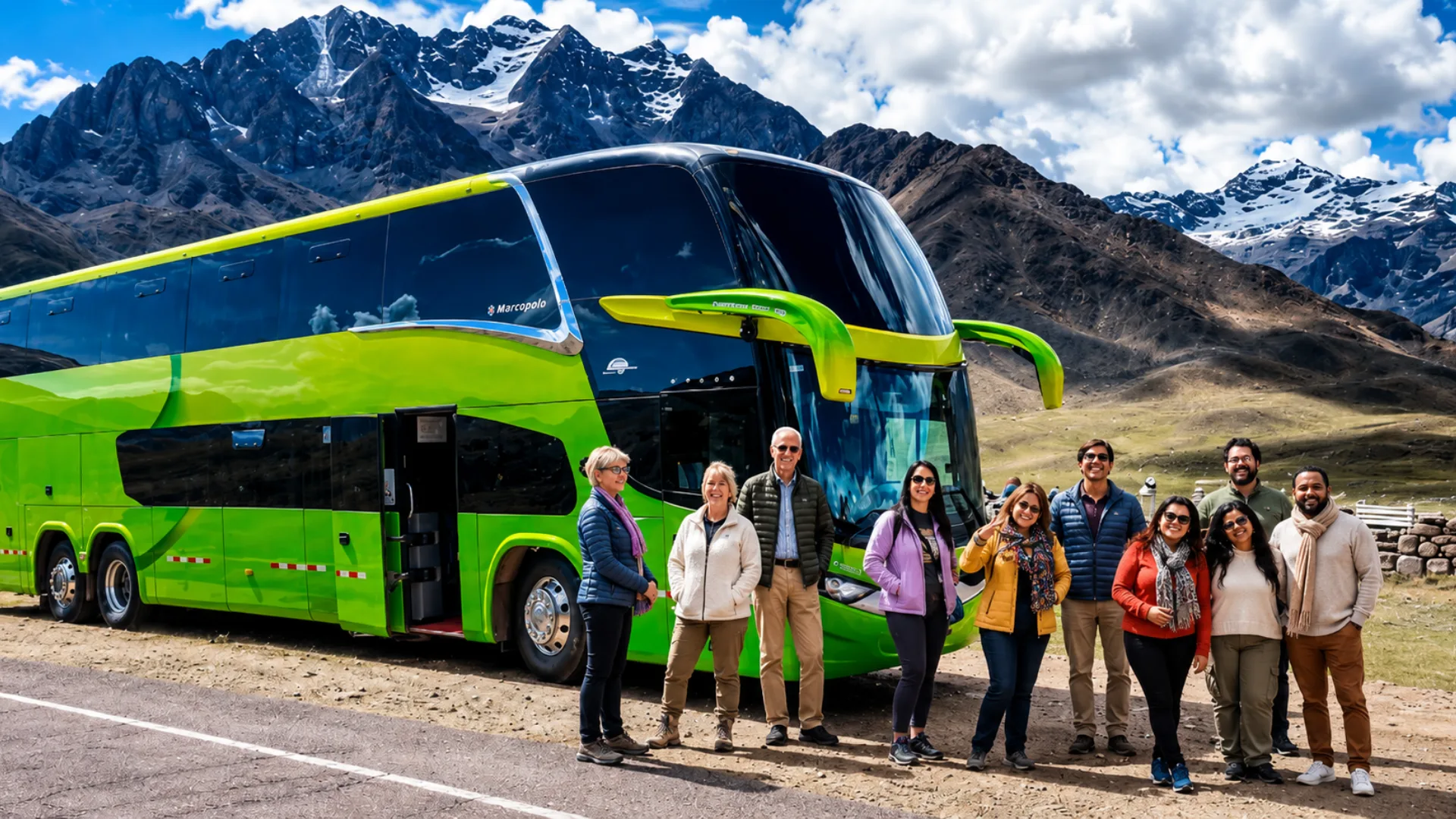
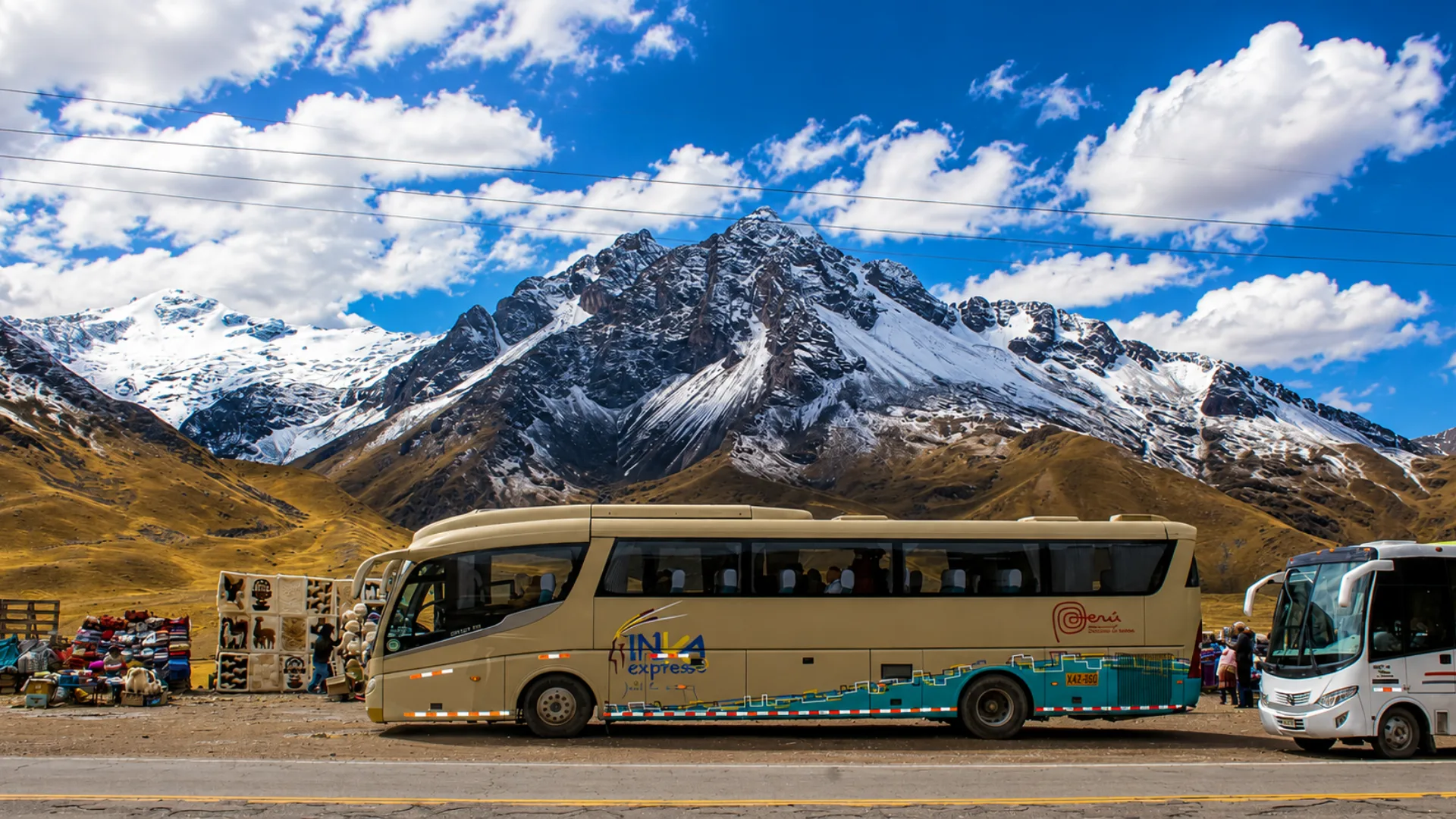
One of the best day trips for tourists is the Ruta del Sol tourist bus that runs in the daylight hours and is offered by companies such as Inka Express and Turismo Mer. These companies provide guided services for a full day that depart from Cusco early in the morning and arrive in Puno late in the afternoon, making several stops along the way at historical and cultural sights. The tour includes a guide, a lunch provided mid-way at a local restaurant, and buses equipped with heating, toilet facilities, and comfortable seating adapted for high-altitude travel.
Hotel pick-ups are normally scheduled around 6:00 a.m. to 6:20 a.m., with buses departing the terminal at approximately 6:40 a.m. to 7:00 a.m. The journey follows a structured schedule of sightseeing stops and a lunch break, arriving in Puno between 5:00 p.m. and 5:30 p.m. Due to the early departure, it is advisable to confirm your hotel pick-up details the evening before and arrange for breakfast in advance, as there are no scheduled breakfast stops before leaving Cusco.
Note: Pickup and arrival times, fares, terminal locations, and operating companies can change over time. Treat the figures in this guide as a typical snapshot rather than a fixed schedule, and confirm exact details with your operator when booking.
Direct Public Bus
If your priority is traveling directly between Cusco and Puno without sightseeing, opting for a direct public bus is the most straightforward method. Travel time takes roughly seven hours with no planned tour stops. Direct buses offer the most economical fares among all transportation choices, though the journey is largely self-managed, with announcements primarily made in Spanish.
Day Bus vs. Overnight Bus
Because direct services offer both day and overnight departures, it is helpful to weigh the advantages of each option:
- Day Bus: Allows you to enjoy the high-altitude Andean scenery during the journey and arrive in Puno during the evening, giving you time to settle in before starting Lake Titicaca island tours the following morning.
- Overnight Bus: Eliminates the cost of a hotel night and places you in Puno early in the morning, ideal for travelers on tight schedules or those connecting from Lima who need to board morning boat excursions to the islands. However, sleeping quality on overnight transit can be limited.
Private Transfer
For travelers seeking complete control over their departure times and itinerary, hiring a private vehicle with a driver offers an adaptable alternative. While more expensive than tourist or public buses, a private transfer allows you to set your own schedule, make customized stops, and travel without adhering to fixed bus timetables.
Comparing Prices, Duration, and Comfort
When the alternatives are compared, it becomes quite obvious what needs to be traded off for each. There is nothing wrong with any of the alternatives, but it is important to understand whether or not the travel day is supposed to be a part of the trip itself.
| Option | Typical Duration | Typical Fare | Sightseeing Stops |
|---|---|---|---|
| Tourist Bus (Ruta del Sol) | About 10–11 hours, full day | $45–$60 USD | Andahuaylillas, Raqchi, La Raya, Pukara + lunch |
| Direct Public Bus | About 7 hours | $20–$35 USD | Brief rest stops only |
| Private Transfer | About 7–8 hours, flexible | $150 USD and up, per vehicle | Customizable on request |
However, for the dry season between late May and early September, the tourist bus in particular is one that you might want to book two weeks or so in advance, because the seats go quickly.
Note: Please note that fares depend on the time of year, seasonality, and the extent of your early booking; hence, the figures given should be taken as a rough guideline rather than an exact price.
How Long Is the Bus from Cusco to Puno?
The bus directly linking both cities will take around seven hours for the distance of about 390 kilometers. However, the guided bus taking passengers on a tour in the daytime will require around ten or eleven hours owing to additional sightseeing.
What You'll See Along the Route of the Sun
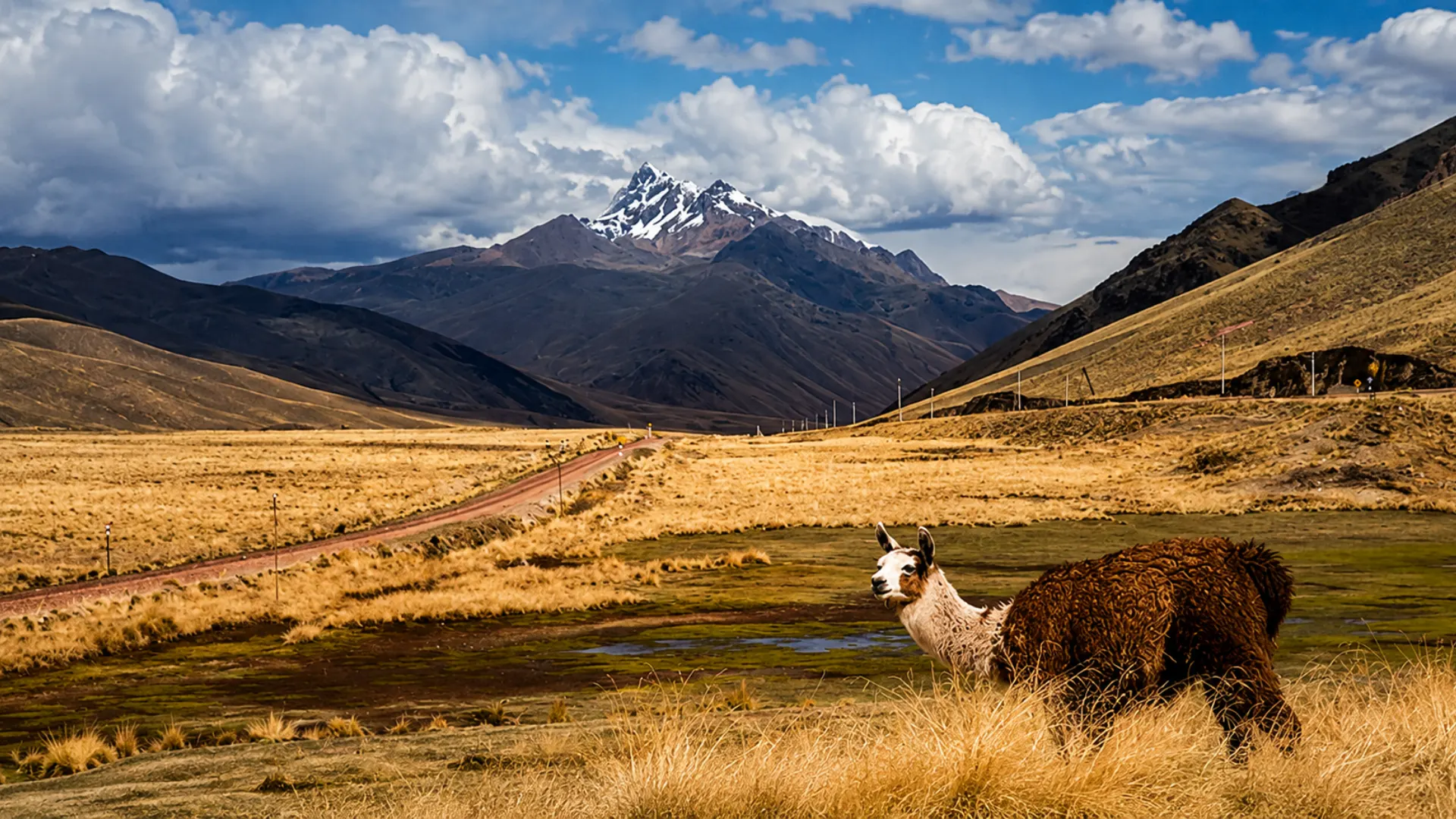
The highway between Cusco and Puno is referred to as the Road of the Sun (Ruta del Sol), and this is one of the most remarkable driving routes in southern Peru. The highway ascends from the Sacred Valley region through the high Andean pass to descend into the grassland plateau of Lake Titicaca. This scenic route features alpaca herds, snow-capped peaks, and historical stops dating back well before the Inca civilization. Four major stops form the standard tour bus itinerary along this trail.
Andahuaylillas
The first stop from Cusco is generally Andahuaylillas, a charming small town famous for its 16th-century colonial church, the Iglesia de San Pedro Apóstol. Known as the “Sistine Chapel of the Andes” (or “Sistine Chapel of America”) due to its magnificent interior decorations, intricate frescoes, and gilded wood carvings, the structure presents a humble adobe façade that contrasts dramatically with its lavish interior art.
Raqchi
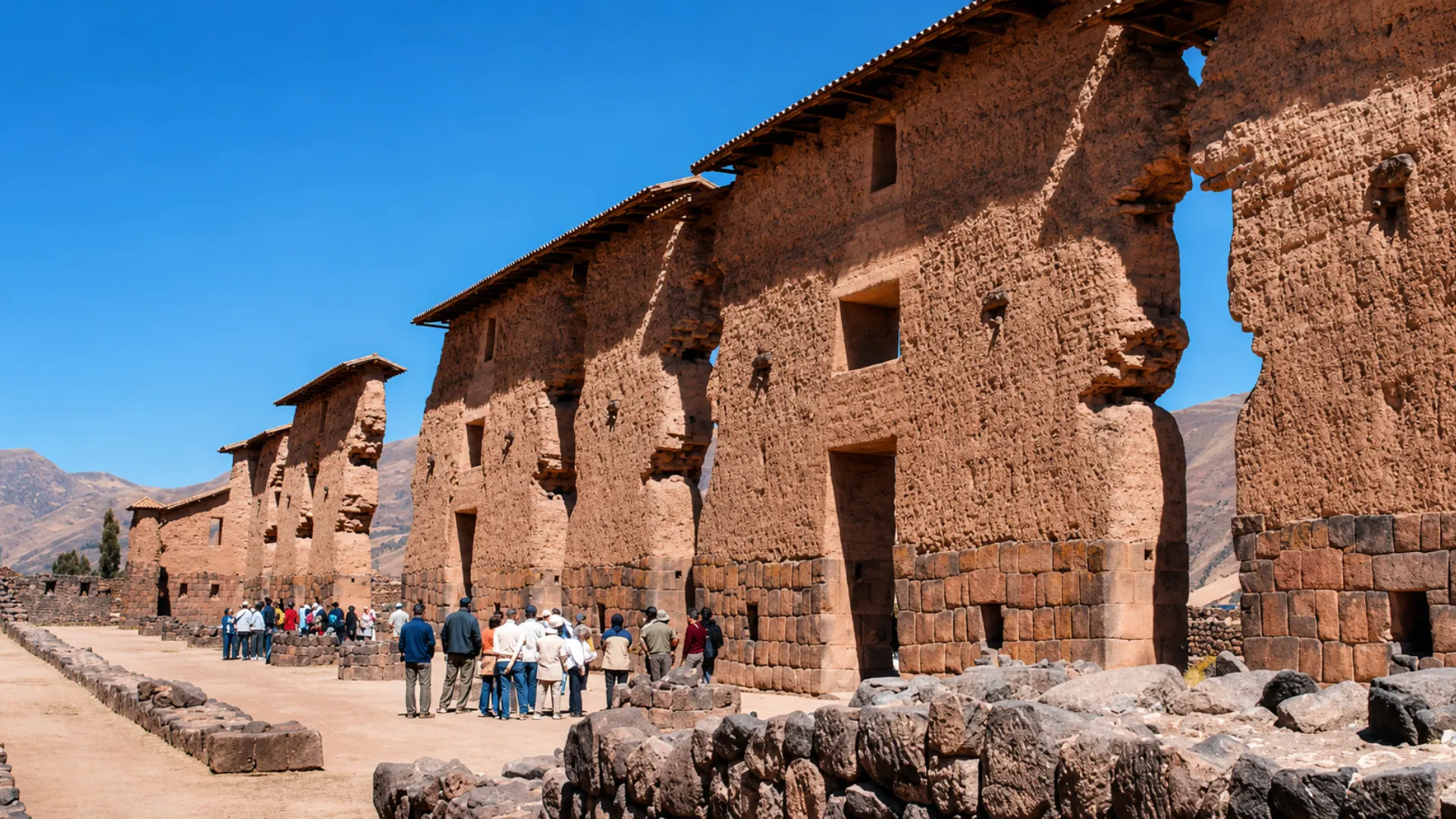
Next along the trail stands Raqchi, an expansive Inca archaeological complex centered around the monumental Temple of Wiracocha. The central wall still standing towers over 12 meters high and represents one of the largest single pieces of combined stone and adobe architecture surviving from the Inca Empire. The site also features dozens of circular storage structures (qolqas), living quarters, and ceremonial water fountains.
La Raya Pass
Sitting at over 4,330 meters (14,200 feet) above sea level, La Raya Pass marks the highest point along the route and serves as the natural geographical border between the regions of Cusco and Puno. This brief, cool mountain stop gives travelers sweeping views of the surrounding glaciated peaks, the source of the Urubamba River, and an opportunity to purchase handcrafted alpaca wool textiles directly from local artisans.
Pukara
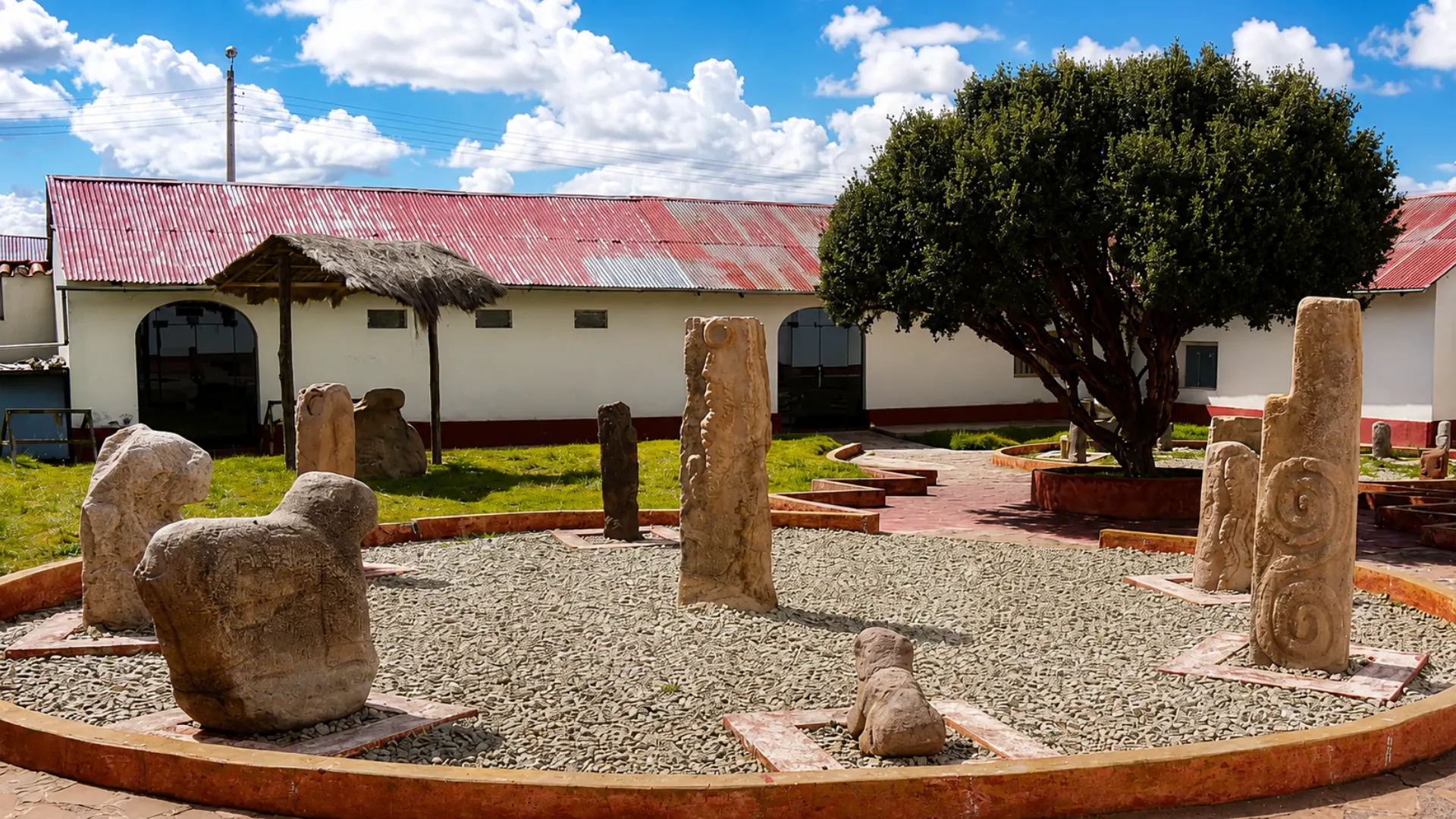
Before reaching Puno, the final major stop is Pukara, a town notable for its pre-Inca archaeological ruins (dating back to the Pukara culture, 200 BC–AD 200) and its vibrant ceramic arts traditions. Local potters are renowned for crafting Toritos de Pukara (little bulls of Pukara), traditional ceramic figures placed on rooftops throughout the Andean highlands as symbols of protection, fertility, and prosperity.
Bus Terminals in Cusco and Puno
A surprising fact about the transportation system is that there are no bus stations located within the central tourist areas of either destination, meaning that time should be allocated accordingly and a brief taxi ride at both ends is inevitable.
Public transport bus services depart from the main terminal (Terminal Terrestre) on Avenida Luis Vallejo Santoni, near Vía de Evitamiento in Cusco, while private tourist buses such as Inka Express operate out of separate private departure stations within the city (e.g., Av. Alameda Pachacúteq). In Puno, public buses use the central bus station (Terminal Terrestre) on Jirón Primero de Mayo, whereas private tourist operators typically pick up directly at hotels or utilize private terminal spaces closer to the lakefront. It is strongly advised to confirm the exact pickup and drop-off location one or two days prior to traveling.
Note: Station locations and boardings may vary depending on municipal regulations, specific tour operators, and the type of service booked. Always verify exact terminal details directly with your transport provider before departure.
Extending Your Trip: Multi-Day Tours to Uros, Taquile, and Amantani
Once travelers get to Puno, however, the bus journey can be just the beginning of the entire adventure because most visitors arrive in Puno to take a boat journey to some of the islands. As Puno is the access point to Lake Titicaca, travelers can spend an extra day or two on a boat tour of the islands before going further along with their travel journey. Some set patterns exist in Puno, but it all depends on the time travelers have.
One-Day Tour: Uros and Taquile
For those on a tighter schedule, one day would be sufficient to go to Uros islands and continue their trip to Taquile Island where they could have lunch and take a walk around its terraced hillsides. Boats usually depart from Puno harbor in the morning and come back in the evening, making it easy to fit between your arrival via bus from Cusco and departure the following day.
Two Days, One Night: Uros, Amantani, and Taquile
This is the most widely chosen tour format for travelers seeking a richer cultural experience. Day one includes a visit to the Uros floating islands, followed by an afternoon boat ride to Amantani Island. There, travelers stay overnight with a local host family, enjoy home-cooked meals, and participate in evening social gatherings featuring traditional music. Day two is spent exploring Taquile Island, renowned for its terraced agriculture and UNESCO-recognized weaving traditions, before returning to Puno.
Three Days, Two Nights: Ending at Juliaca Airport
Travelers wishing to streamline their onward travel can extend the two-day itinerary by adding an extra night and organizing a direct transfer to Inca Manco Cápac International Airport in Juliaca (JUL) instead of returning to Puno city. Located approximately 45 minutes from Puno, Juliaca offers direct flights to Lima and Cusco.
Route of the Sun & Lake Titicaca Tour, 3 Days / 2 Nights
This comprehensive package combines the full Route of the Sun bus journey from Cusco to Puno, stopping at Andahuaylillas, Raqchi, and Pukara with hotel accommodation in Puno, a guided excursion across Lake Titicaca to the Uros Floating Islands and Amantani, and a final transfer to Juliaca airport for onward travel.
Be amazed by the beauty of southern Peru with our Route of the Sun & Lake Titicaca Tour from Cusco for 3 Days which offers a mix of intriguing archaeological sites, magnificent...
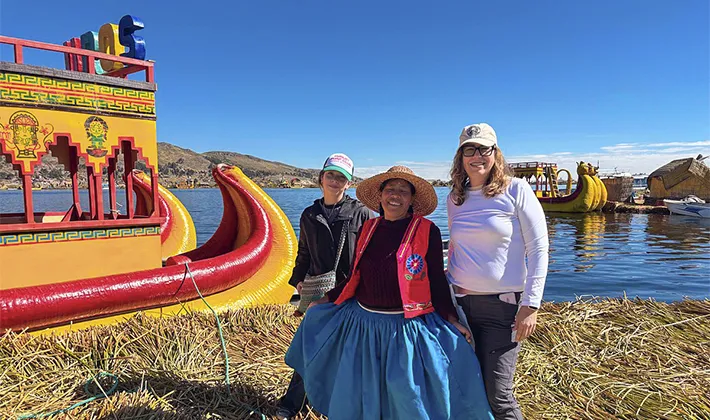
Route of the Sun & Lake Titicaca Tour from Cusco – 3 Days
Practical Tips for the Journey
There are a number of minor preparations that will make a big difference on this specific route, due to the high altitude and the long day rather than any complex road conditions.
Both Cusco and Puno are situated above 3,300 meters (10,800 feet) in altitude, and the highway crosses La Raya Pass at over 4,330 meters (14,200 feet). It is essential to spend at least two days acclimatizing to the altitude in Cusco prior to departure if you are arriving from sea level. Dressing in layers is strongly recommended, as La Raya Pass can be cold and windy even when valleys are sunny.
Keep a light jacket, sunscreen, and drinking water accessible in a daypack rather than stored in checked luggage. It is also helpful to carry small bills and coins in Peruvian Soles (PEN) for admission fees, local artisan purchases, and public restroom access at terminal stops. Finally, for early-morning tourist bus departures, arrange your hotel transfer or taxi the evening before, as departure schedules begin before sunrise.

Frequently asked questions about How to Get from Cusco to Puno by Bus
Choose the tourist bus for sightseeing and a guide. Take the direct bus for a faster, cheaper trip.
Yes, especially from May to September. Tourist buses can sell out during the busy season.
Yes, but a private transfer offers the most flexibility for an overnight stop.
Pickup usually starts around 6:20 a.m., with departure around 6:40 a.m. and arrival in Puno by late afternoon.
Yes, you can continue from Puno to Uros, Taquile, and Amantani on one- or multi-day tours.


