

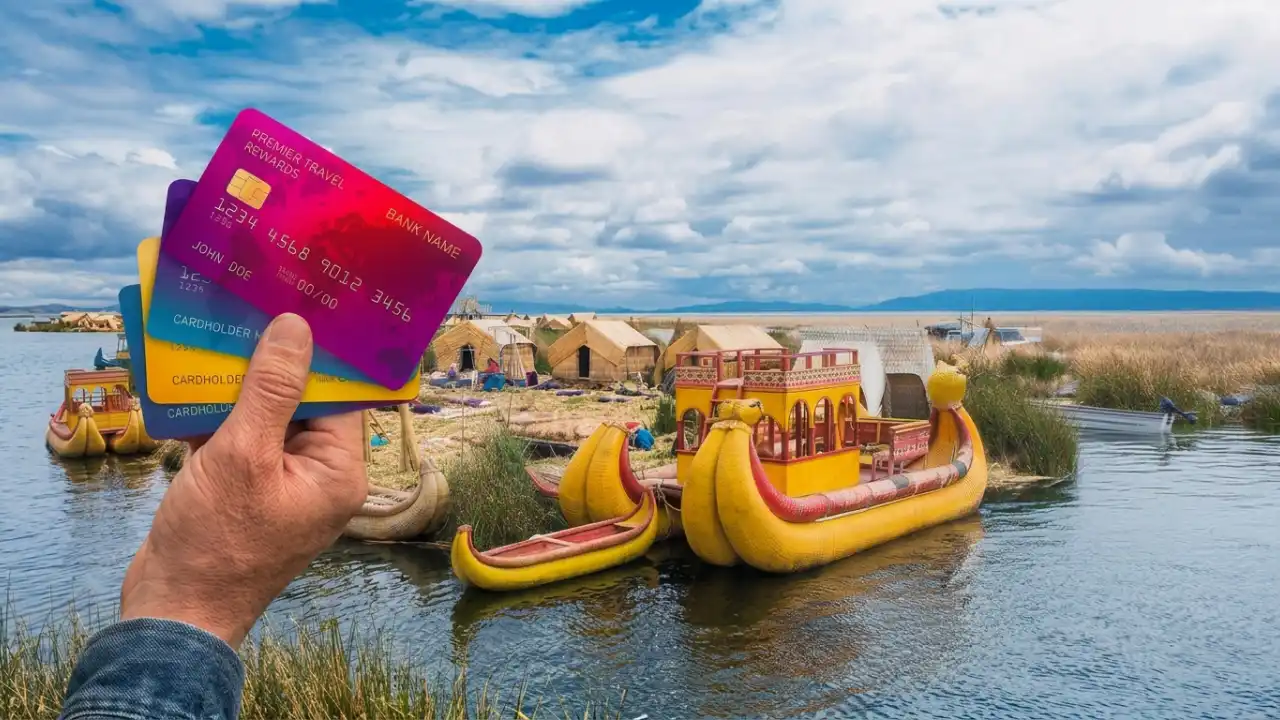
ATM Locations Near Lake Titicaca
As you prepare for your trip to Lake Titicaca, one of the things you will be interested in knowing is where you can get money withdrawn from before enjoying the touristic attractions of this beautiful destination. In the Uros, Amantaní, or Taquile islands, there are no ATMs and transactions made with a card are rare and minimal. Thus, you will have to withdraw cash or exchange money in Puno or Juliaca.
It is recommended that you do that in Puno since it is the city that has the greatest number of reliable ATMs in the whole region and where you should withdraw soles prior to traveling to the Uros, Amantaní, or Taquile islands.
In this post, we will show you where you can find the most reliable ATMs in Puno, which banks are most likely to accept your foreign card, how much you will be charged for the transaction, what the withdrawal limit should be for a foreigner, and what mistakes to avoid while withdrawing cash in this Peruvian destination.
ATM locations in Puno
Puno is the only village in the region with adequate banking services, which means that the majority of ATMs that exist before you get to the lake are located here. From the perspective of a tourist, it would be wise to locate the areas where the big banks are located, not search for some separate ATM, which would minimize the risks and facilitate the search for an alternative one in case of malfunctions or incompatibility of the card.
ATMs in Downtown Puno and surrounding areas
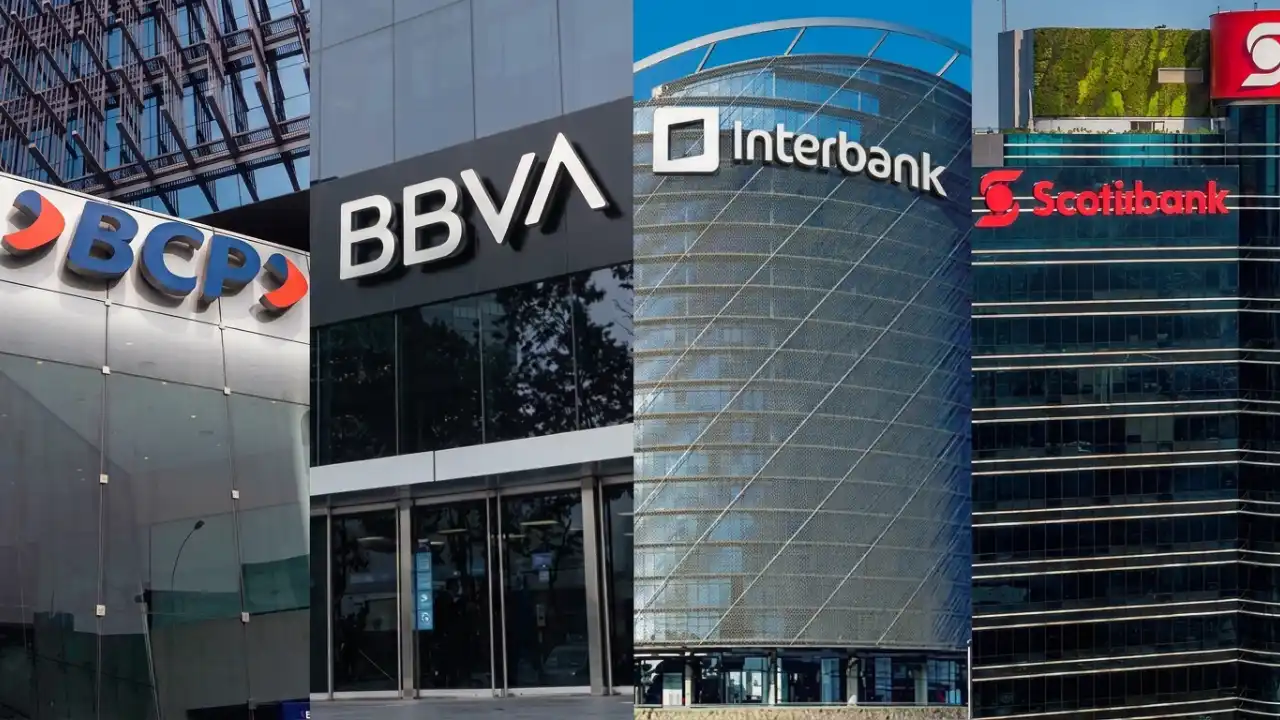
Plaza de Armas and Jirón Lima vicinity. It is the district with the largest number of bank branches and ATMs in the city, such as BCP, Interbank, BBVA and Scotiabank, which are located within a walking distance of several blocks from each other. Given its proximity to the historical center, close to the Puno Cathedral and busiest pedestrian street, it is also one of the most secure options for withdrawing money during the daytime hours.
ATMs Near the Port and Bus Terminal in Puno
In case your travel plans include early departure to the Uros, Amantani, or Taquile islands, it would be better to look for ATMs around the port or downtown the afternoon or night before the trip, since there is always the possibility that the ATM will not be working at the dock where you will board the boat. The same can be applied to the bus station, which can be used by those who will be arriving in or leaving Puno by interprovincial buses: it is better to get your cash beforehand rather than wait until the last minute.
ATMs at Juliaca Airport
If you fly directly to Juliaca’s Inca Manco Cápac Airport, which is located about 45 minutes away from Puno, then you can use the ATMs there as another alternative before heading to the city.
Safety tip: Avoid using ATM machines that stand alone on streets as these have no security cameras or security personnel. Instead use ATM machines found within bank branches or malls.
Banks with ATM access in Puno
There are some differences between banks in relation to foreign tourists. While some banks have a bigger representation in Puno, are more compatible with international organizations such as Visa Plus and Mastercard Cirrus, and their ATMs are in better shape or have multi-language instructions, other banks do not fulfill such criteria. The following is an overview of the banks that matter the most for travelers who have cards issued from other countries.
BCP (Banco de Crédito del Perú)
BCP is the bank with the biggest representation in Puno, and the biggest representation in the whole southern Andean region of Peru. In addition to having a branch and ATMs in the central part of the city, BCP is one of the banks that are best suited to be used by foreigners due to its wide coverage network and the fact that its ATMs work 24 hours per day. Its ATMs accept Visa and Mastercard from abroad without big problems, although the money you will be able to withdraw depends on your bank.
Interbank and the GlobalNet Network
Interbank is represented in Puno by its GlobalNet ATM network, which seeks to increase user flexibility by providing access for people who do not have an account with the bank. It should be pointed out that GlobalNet is an ATM network owned by Interbank, rather than a network that connects all Peruvian banks automatically, but it has the ability to accept cards issued by other organizations, both domestic and foreign, so it can be used as an alternative if your primary bank does not work.
BBVA
BBVA has its own branch office and ATMs in the downtown area of Puno, which operate in a similar manner to BCP’s ATMs. They are a dependable choice for foreign cards; nevertheless, it may be necessary to double-check the amount on the screen before finalizing the transaction due to different terms for foreign cards.
Scotiabank
The Scotiabank ATMs are around the Plaza de Armas area and known to provide English-language menus on many of the terminals, making things easier if you are not fluent with the Spanish version. It is a good choice for tourists, particularly when you have to fall back on an alternative bank because yours refuses your credit card.
In summary: The recommended ATMs for foreign tourists include BCP, BBVA, Scotiabank, and Interbank, while Banco de la Nación and municipal banks cater mainly to local citizens.
ATM Fees and Transaction Limits in Puno
ATM Fees in Puno (and Peru)
Perhaps one of the confusing aspects of travel for many people are the fees associated with using the services offered. Prior to determining the total amount of the fees, it is important to learn more about their origins.
In Puno, and throughout Peru, the withdrawal fees for using a foreign card in ATMs consist of two kinds of fees: the fee charged by the local bank operating the ATM and the fee charged by your issuing bank.
Fee Charged by the Operating Bank in Peru
This is the fee charged by the bank operating the ATM for allowing the withdrawal, especially when you use a foreign card that does not belong to the local bank. The fee is displayed on-screen prior to completing the transaction, and you have the right to decline the operation if the fee does not appear to be acceptable to you.
The ATM usage fee in Peru:
| Bank / ATM Network in Puno | Withdrawal Fee | Limit per Transaction | Notes |
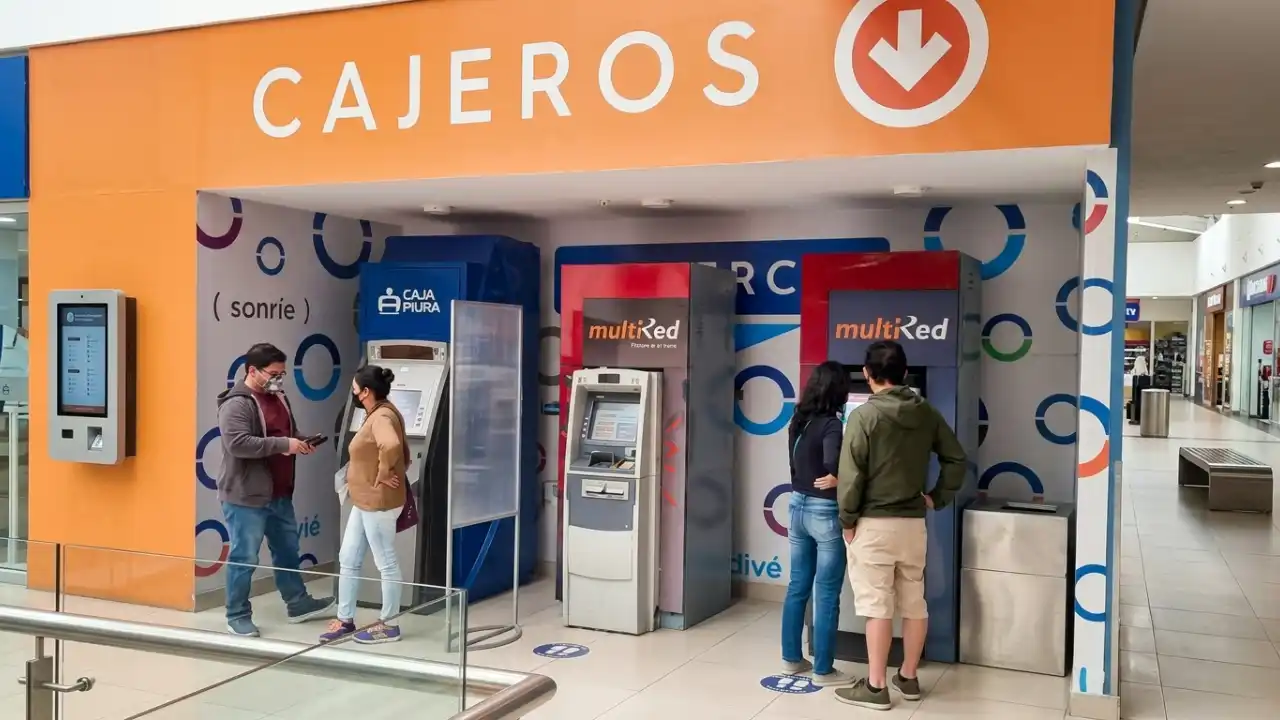
| Banco de la Nación (MultiRed) | S/ 0 (Free) | ~S/ 400 (~US$110) | Best option. It does not charge a withdrawal fee for foreign cards. There may be lines at its branch near Puno’s Plaza de Armas. |
| BCP (Banco de Crédito) | S/ 20–36 (~US$5.50–10) | ~S/ 700 (~US$190) | It has one of the largest ATM networks in central Puno. Withdrawal fees typically range from S/ 25 to S/ 30. |
| Interbank / GlobalNet | S/ 25–35 (~US$7–9.50) | ~S/ 500 | ATMs can be found along Jr. Lima and inside some stores. It generally has some of the highest withdrawal fees. |
| BBVA / Scotiabank | S/ 20–30 (~US$5.50–8) | ~S/ 400 | ATMs are available throughout Puno’s historic center. |
Fee Applied by Your Home Bank
In spite of the fee applied by the Peruvian ATM, the bank from your home country will charge extra fees for overseas withdrawal, plus a possible international transaction fee. This type of fee is not displayed in the screen of the Peruvian ATM, which is why we recommend contacting your bank first.
Apart from the Peruvian ATM fee, it is also necessary to consider the other fees imposed by the bank issuing your credit/debit card:
• International ATM fee: Traditional banks (Chase, Santander, BBVA Spain, etc.) usually apply a fee of $3 to $6 USD per each withdrawal abroad.
• Foreign exchange fee: Between 1% and 3% of the total amount withdrawn.
• Fintech Cards / Neobanks (Wise, Revolut, N26): Generally no fee of S/ 0 up to a certain monthly limit (for example, $200 USD/month or equivalent).
Currency Conversion
Conversion from soles when withdrawing money through your foreign card is normally done by your bank or the network of your card (Visa, Mastercard). However, there are cases where the ATMs themselves convert the transaction into the currency of your home country offering you an option called “Dynamic Currency Conversion” (DCC).
You should not take such option since there will be a high transaction fee. Don’t choose such option.
Hidden Fee: Dynamic Currency Conversion (DCC)
While inserting the card in the ATM, the screen will ask whether you want the ATM itself to automatically convert the amount to the currency of your home country (USD, EUR, GBP, and others).
Always choose “Decline conversion” or “Charge in Soles (PEN)”: By accepting ATM conversion you’ll pay extra charges due to unfavorable exchange rate which will increase the total amount by 5% to 10%.
Summary:
In order to decrease fee expenses before visiting the islands of Lake Titicaca:
1. Choose Banco de la Nación first and don’t pay local fee of S/ 25 to 35 per transaction.
2. Withdraw large amounts from BCP if it is necessary to get higher sums of cash: As BCP allows withdrawal up to S/ 700 at once, it is more economical to pay the single fee than to make several transactions with S/ 400 at other banks.
ATM Transaction limits in Puno
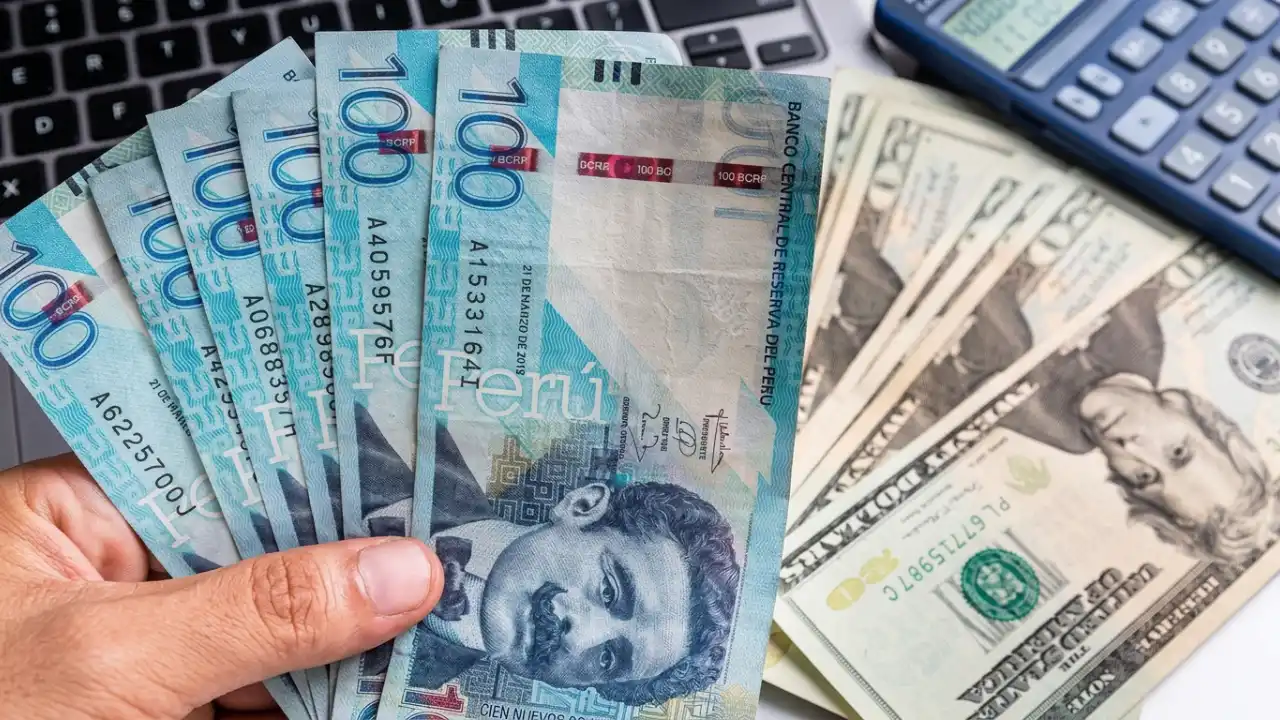
The amount you can withdraw from ATMs in Puno is regulated based on transactions and per day.
Amount Based on Transactions (Varying Based on the ATM Bank)
Peru ATMs have limits when it comes to the amount of cash you can withdraw in one transaction. You will see the following ATMs in Puno:
- BCP (Banco de Crédito del Perú)
Maximum limit per transaction: S/ 700 (approx. $190 USD).
Local bank fee: From S/ 20 up to S/ 36 per withdrawal. - Banco de la Nación (MultiRed)
Maximum limit per transaction: S/ 400 (approx. $110 USD).
Local bank fee: S/ 0 (local bank does not charge fees for foreign cards). - Interbank / GlobalNet
Maximum limit per transaction: S/ 400 to S/ 500.
Local bank fee: From S/ 20 up to S/ 30 per withdrawal. - BBVA or Scotiabank
Maximum limit per transaction: S/ 400.
Local bank fee: Approx. S/ 18 to S/ 28.
For U.S. dollars (USD): In case of ATMs which have U.S. dollar bills, the maximum limit per transaction is from $200 up to $400 USD.
Maximum Daily Withdrawal Amount
There are two things which determine how much money you can withdraw in one day:
- The limit set daily by your bank in your country: If your bank determines a limit of $500 per day, that would be your overall limit.
- The maximum limit allowed by the Peruvian system: In most cases, ATM machines in Peru have a combined limit of S/ 2,000-S/ 2,500 soles per day.
For example, if you need to withdraw an amount which is greater than the limit (for instance S/ 1,200), just do it in two or three consecutive transactions by inserting your card. However, every transaction after that would attract a charge by the local bank, except in the case of Banco de la Nación (from Peru).
Recommendations when you are in Puno
• Make use of the ATMs at Plaza de Armas or Calle Lima: Since all the important banks are situated within the downtown area of Puno, it would be wise to make use of their ATMs.
• No ATMs available on islands: In case you have plans of visiting the islands in the lake of Titicaca (Uros, Taquile, and Amantaní), note that there are no ATMs there. Get all the cash that you will require before visiting the islands of Lake Titicaca.
• Refuse the option of Dynamic Currency Conversion (DCC): When you make a withdrawal of cash, the ATM will prompt you whether you wish to continue the process with the rates provided by the ATM. Always choose “Decline conversion” or “Charge in Soles (PEN)” so that your bank charges you the official exchange rate without any additional charges.
Try making a small withdrawal first, and if you need more cash, make a second withdrawal or try an ATM at another bank.
| Bank / Network | Average Local ATM Fee | Single Withdrawal Limit | Notes |
| Banco de la Nación | S/ 0 (Free) | ~S/ 400 (~$110 USD) | Best option for prepaid cards. Longest lines, but typically charges $0 local fee. |
| BCP | S/ 20 – S/ 30 (~$5–8 USD) | S/ 700 (~$190 USD) | Reliable, widely available. High limit per attempt. |
| Interbank | S/ 20 – S/ 25 (~$5–7 USD) | ~S/ 500–700 | User-friendly, takes almost all international prepaid cards. |
| GlobalNet | S/ 25 – S/ 36 (~$7–10 USD) | Varies | Found in shops/airports; highest fees. Avoid if possible. |
Are there ATMs on Uros, Taquile and Amantaní?
It would not be smart to assume that you will be able to find an ATM when you go to the islands of Lake Titicaca. On the floating islands of the Uros, as well as on Amantaní and Taquile, the possibilities of withdrawing cash and making card payments are extremely limited or completely absent since neither family-owned accommodations, nor restaurants and small shops selling local handicrafts accept cards. The advice is to take all the money you will need in Puno.
Common issues for withdrawing cash in Puno
Is it a good idea to withdraw soles or dollars from an ATM in Puno?
In almost all cases of spending in Puno and on the islands of the lake (for transport, food, accommodation in villages, and crafts); the best choice is to withdraw Peruvian soles (PEN), since it is the currency that is used in local businesses. In case the ATM allows you to choose between dollars or some other currency, through dynamic currency conversion, it is better to refuse that choice and withdraw soles using the rate offered by your bank, which tends to be better than the ATM rate.
Where can I exchange dollars for soles in Puno?
Apart from ATMs, there will be some currency exchange bureaus and banks in the city center of Puno where you can change your dollars or other currencies into soles. Below you will find some useful advice:
• Do not forget to compare exchange rates in at least two-three currency exchange offices before choosing.
• Rather use currency exchange offices or banks instead of street vendors, especially when changing considerable amount of money.
• Make sure that the bills you are going to change are in good condition since currency exchange offices and shops do not accept bills which are folded, damaged or marked.
• If there is any doubt about authenticity of the bill that you have received, you can check it in the bank.
Are the ATMs in Puno open 24 hours a day?
Usually, yes. Almost all ATMs installed outdoors at bank branches in central Puno are open 24 hours a day, 7 days a week. However, there are some exceptions: namely, ATMs that are installed inside the entrance hall and work only within the same schedule as the bank branch does, which means working hours from 9:00 a.m. to 6:00 p.m. from Monday till Friday and up to 1:00 p.m. on Saturdays.
ATMs located inside malls or supermarkets operate during their working hours, till 10:00 p.m.
Helpful tip: While it may be convenient for you to use ATMs that work 24/7, it is recommended to take money out in the daytime, preferably at the ATMs installed either in the bank or near it.
Tips for Withdrawing Money Safely in Puno
• Use ATM machines located in bank premises or shopping malls: they provide higher safety than stand-alone ATM machines installed on public streets.
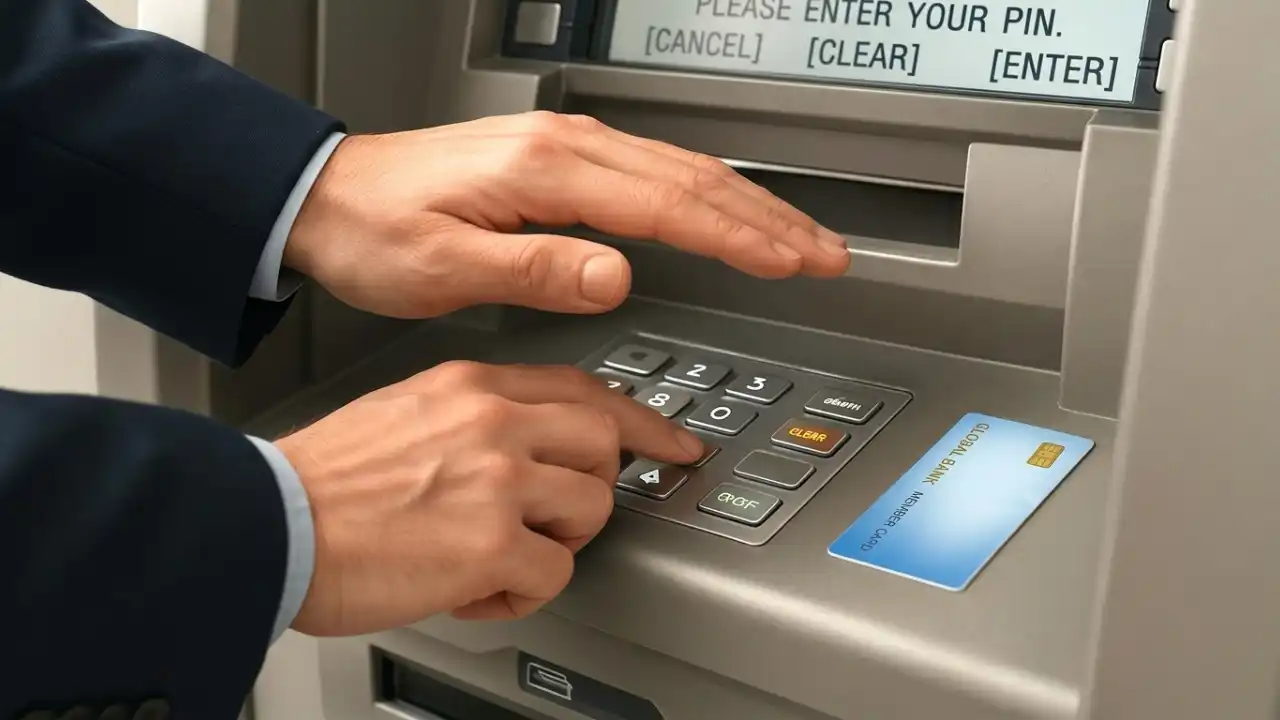
• Check the card reader slot and keypad before putting your card into the machine: avoid using ATM machines which have loose components, any additional stickers or attached devices as these features usually indicate an attempt to hack the machine.
• Protect your PIN code while entering it by covering the keypad even in the absence of bystanders.
• Make fewer but large withdrawals in order to reduce the number of fees that you will be charged.
• Take a spare ATM card as a precautionary measure: it should be preferable that the second card belongs to another bank.
• Contact your bank prior to leaving to prevent blocking of your card due to “unusual” transactions.
What should I do if an ATM in Puno rejects my card?
In case you have issues using your card, refrain from continuously trying to withdraw cash with it at the same ATM since the machine might keep your card to ensure your safety. Instead:
1. Use another ATM, which does not belong to the same bank since not all ATMs have an agreement with international banks.
2. Make sure that the card accepts international operations; you can always check this information with your bank before the trip.
3. Look into the limit placed on your withdrawal in a day since many banks set it relatively low by default.
4. Contact your bank via its app or international line.
5. Use your second card until you deal with the issue with the first one.
Cash and ATMs at Lake Titicaca: Quick Response
| Question | Quick Answer |
| Are there ATMs in Puno? | Yes, with good coverage in the city center. |
| Do ATMs accept foreign cards? | Generally yes, depending on the card network and issuing bank. |
| Is it better to withdraw Peruvian soles instead of U.S. dollars? | Yes, for local expenses around the lake and on the islands. |
| Should I withdraw cash before traveling to the islands? | Yes, it is essential. |
| Can I rely on card payments in Uros, Taquile, or Amantaní? | It is not recommended. |
| Should I carry a second card as a backup? | Yes, it is always a good idea. |
Frequently asked questions about ATM Locations Near Lake Titicaca
There are no ATMs on the islands, so it comes down to Puno. BCP and BBVA offer the widest coverage and most reliable acceptance of foreign cards, followed by Scotiabank (some machines have English menus) and Interbank’s GlobalNet network as a good backup.
Puno has solid banking infrastructure, with reliable ATMs from BCP, BBVA, Interbank, and Scotiabank clustered around the Plaza de Armas and Jirón Lima. Withdraw everything you need there before heading to the islands.
Yes. Most bank ATMs in Puno run 24/7, including weekends. On the islands (Uros, Amantaní, Taquile), there are no ATMs at all, so all cash must be withdrawn in Puno beforehand.
Yes, prepaid travel cards linked to Visa or Mastercard networks generally work at Puno’s major bank ATMs. Confirm with your provider that Peru withdrawals are enabled, and carry a backup card just in case.
Peruvian banks usually cap daily withdrawals around S/ 2,500–3,000 (about US$800), lower at night. Foreign cards may have a lower limit set by your home bank, so the real max can vary.


